
Vitamin D And Its Role in Hair Growth And Skin Barrier Function
Most people know vitamin D as the “sunshine vitamin” that helps build strong bones. But its influence goes much further. In recent years, scientists have discovered that vitamin D plays a vital role in how our hair grows and how our skin protects us every day. If you struggle with dry skin, hair shedding, or scalp problems, understanding this vitamin may be the key to better health and confidence.
This article explores how vitamin D works in the body, what it does for hair and skin, and what happens when you don’t get enough. You’ll learn about scientific studies, practical tips, and surprising facts even many doctors overlook. If you want to know how to keep your hair thick and your skin strong, read on.
What Is Vitamin D?
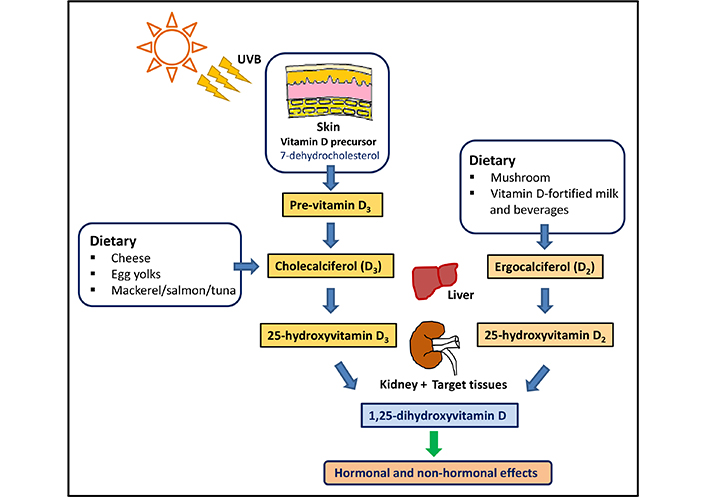
Vitamin D is a fat-soluble vitamin that your body needs but cannot make in large amounts without help from the sun or supplements. When sunlight hits your skin, it triggers a chemical reaction that creates vitamin D. You can also get smaller amounts from foods like fatty fish, egg yolks, and fortified milk.
There are two main forms:
- Vitamin D2 (ergocalciferol): Found in some plants and fortified foods.
- Vitamin D3 (cholecalciferol): Made by your skin, also found in animal products and most supplements.
Once in your body, vitamin D goes through a series of changes in the liver and kidneys to become “activated.” This activated form acts like a hormone, sending signals to many cells, including those in your skin and hair.
Vitamin D is unique among vitamins because your body can make it with the help of sunlight. Unlike other vitamins, which you must get from food, vitamin D production relies on a natural process in your skin. This is one reason why vitamin D levels can vary so much between people, depending on where they live, their lifestyle, and even their age.
What makes vitamin D especially interesting is that it does not just act like a simple vitamin. It behaves more like a hormone, influencing the activity of cells in many tissues. This is why vitamin D has such a wide range of effects, from bone growth to the health of your immune system, skin, and hair.
Why Is Vitamin D Important For The Body?
Vitamin D is well-known for helping the body absorb calcium and phosphorus, building strong bones and teeth. But its functions are much wider:
- Supports the immune system
- Regulates cell growth and repair
- Reduces inflammation
- Helps muscles function properly
Low vitamin D is linked to weak bones, infections, and even some types of cancer. Now, scientists are learning it’s also crucial for healthy skin and hair.
Vitamin D’s effect on the immune system means it can help your body fight off infections, including those that affect the skin and scalp. A healthy immune system is also important for preventing autoimmune reactions that can lead to conditions like alopecia areata (patchy hair loss) and psoriasis.
Another important function is its anti-inflammatory action. Inflammation can damage skin and hair follicles, leading to problems like redness, flaking, and hair thinning. By keeping inflammation in check, vitamin D helps maintain the normal function of these tissues.
When vitamin D is missing, you might not notice problems right away. But over time, the lack of this vitamin can create many subtle changes in the body. For example, you might feel tired more often, get sick more easily, or notice that your hair and skin do not look as healthy as they once did.
How Vitamin D Affects Hair Growth
The Life Cycle Of A Hair
Hair on your head grows in a natural cycle:
- Anagen (growth phase): Lasts 2–7 years. Hair grows actively.
- Catagen (transition phase): Lasts 2–3 weeks. Growth slows down.
- Telogen (resting phase): Lasts 2–4 months. Hair falls out, new hair begins.
Vitamin D helps regulate this cycle, especially the shift from resting (telogen) to active growth (anagen).
Each hair follicle goes through these phases independently, so you don’t lose all your hair at once. But if the cycle is disrupted, more hairs may enter the telogen (resting) phase at the same time, leading to noticeable shedding.
Vitamin D’s influence is strongest during the transition from the resting phase back to the growth phase. Without enough vitamin D, this “re-awakening” of the hair follicle can be delayed. Over time, this leads to thinner hair and slower regrowth after shedding.
Vitamin D Receptors And Hair Follicles
Your hair follicles contain special proteins called vitamin D receptors (VDRs). These allow cells to “read” signals from vitamin D. Research shows that these receptors are found in the outer root sheath of hair follicles.
If the receptors do not work or if there is not enough vitamin D to trigger them, the hair cycle can get stuck. This means hair may stop growing, rest too long, or fall out more than normal.
The presence of VDRs in the hair follicle is not just a minor detail. These receptors are so important that genetic mutations affecting them can cause almost total hair loss, a rare condition seen in some inherited forms of rickets.
Even in people without genetic mutations, low vitamin D levels can reduce the activity of these receptors, slowing down hair growth.
Scientific Evidence
- People with certain genetic conditions, like vitamin D–dependent rickets, often have hair loss because their VDRs don’t work.
- A study published in the journal Skin Pharmacology and Physiology found that women with telogen effluvium** (a type of hair shedding) had much lower vitamin D levels than women with healthy hair.
- Another study showed that giving vitamin D supplements to people with hair loss improved hair regrowth, especially in those with alopecia areata.
Other research supports the idea that correcting vitamin D deficiency helps hair follicles “wake up” and return to the growth phase. However, it’s important to remember that results can vary depending on the type of hair loss and the underlying causes.
Vitamin D And Hair Loss Types
Not all hair loss is the same. Vitamin D is most strongly linked with:
- Alopecia areata: Autoimmune disease causing patchy hair loss. Low vitamin D is common.
- Telogen effluvium: Sudden, excessive hair shedding. Can be triggered by stress, illness, or nutritional deficiency.
- Androgenetic alopecia: Genetic hair thinning (male and female pattern baldness). The link to vitamin D is less clear but still under research.
In alopecia areata, the immune system mistakenly attacks hair follicles. Vitamin D’s ability to balance the immune response may help reduce the severity of this condition. In telogen effluvium, stress or health changes push more hairs into the resting phase.
Low vitamin D can make this worse, especially if other nutrients are missing.
For androgenetic alopecia, the most common type of hair thinning, the connection to vitamin D is less direct. Some studies suggest that people with pattern hair loss have lower vitamin D levels, but it is not clear if this is a cause or an effect.
More research is needed in this area.
How Much Vitamin D Does Hair Need?
It’s not about the hair needing vitamin D directly, but about the scalp’s skin and follicle cells using vitamin D to signal proper growth. Studies suggest that blood levels above 30 ng/mL (nanograms per milliliter) are needed for healthy hair, but the ideal range may be higher for some people.
Some experts recommend aiming for 40–60 ng/mL for people with hair loss, but it is important to avoid going too high. Excess vitamin D can lead to other health problems, especially if taken in supplement form without medical guidance.
Non-obvious Insights
- Scalp inflammation can block vitamin D signaling, even if your blood levels are normal. Treating scalp conditions may help vitamin D work better.
- Over-supplementing vitamin D does not guarantee more hair growth. Balance with other nutrients like iron and zinc is crucial.
A point many people miss: even if your blood test shows enough vitamin D, local issues on the scalp such as dermatitis, fungal infections, or high levels of inflammation can block the effect of vitamin D. For best results, address these problems along with correcting vitamin D levels.
The Role Of Vitamin D In Skin Barrier Function
What Is The Skin Barrier?
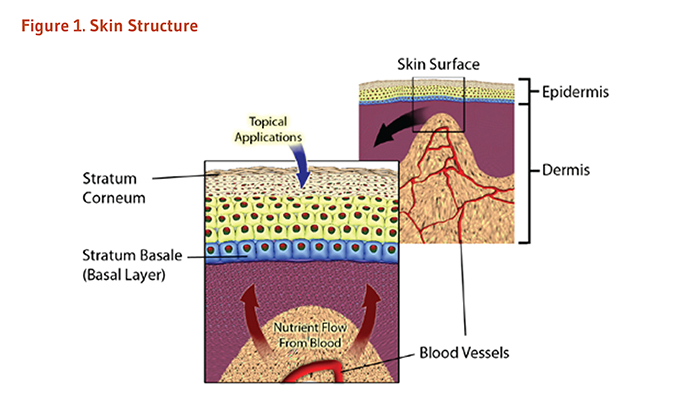
Your skin is not just one solid layer. The outermost part, called the stratum corneum, acts as a barrier. It keeps water in, blocks bacteria and irritants, and helps your body maintain temperature.
When this barrier is weak, you may experience:
- Dry, flaky, or itchy skin
- Redness and irritation
- Increased risk of infections
- Slower wound healing
The skin barrier is like a wall made of “bricks” (skin cells) and “mortar” (fats and proteins). If the mortar is weak, the wall becomes leaky, and the skin can’t protect you as well.
Vitamin D’s Action On The Skin
Vitamin D is involved in:
- Promoting the growth and differentiation of skin cells (keratinocytes)
- Regulating lipid (fat) production that keeps the skin barrier healthy
- Reducing inflammation
Activated vitamin D binds to receptors in skin cells, telling them how to grow and repair. It also helps produce antimicrobial peptides, which defend against bacteria and viruses.
Vitamin D’s effect on the skin barrier is especially important in dry climates or during the winter, when low humidity makes the skin more likely to crack and lose water. People with chronic skin problems like eczema, atopic dermatitis, or psoriasis often benefit from higher vitamin D levels, as this vitamin helps rebuild the barrier and calm irritated skin.
Example
People with atopic dermatitis (eczema) often have low vitamin D levels. Studies show that increasing vitamin D can improve symptoms and speed up skin healing.
One clinical trial found that children with eczema who took vitamin D supplements had less severe symptoms and fewer flare-ups. In adults, similar benefits have been seen, including faster healing of damaged skin and less itching.
Vitamin D And Common Skin Problems
- Psoriasis: This disease causes rapid skin cell growth and scaling. Topical vitamin D treatments (like calcipotriol) are proven to reduce symptoms.
- Eczema: Oral or topical vitamin D may help repair the barrier and lower inflammation.
- Acne: Some research suggests vitamin D’s anti-inflammatory effect can calm acne-prone skin.
For psoriasis, creams containing vitamin D analogs are often prescribed by doctors. These treatments slow down the overactive growth of skin cells and help reduce redness and scaling. For eczema, both oral supplements and topical creams may help restore the skin’s natural barrier, making it less likely to flare up.
With acne, the benefits of vitamin D are less certain, but some people notice their skin becomes less inflamed and heals faster when their vitamin D levels improve.
Real-world Data
Studies show that people with good vitamin D status are less likely to have chronic dry skin, and wounds heal up to 20% faster compared to those who are deficient.
Faster wound healing means fewer scars and less risk of infection. This is especially important for people with diabetes or circulation problems, who often have trouble with slow-healing sores.
Non-obvious Insights
- Moisturizers with vitamin D can help people living in northern climates or those who avoid sun for medical reasons.
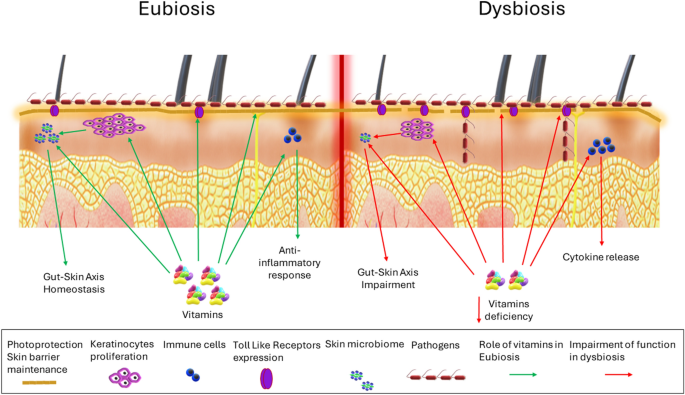
- Healthy gut bacteria are needed to activate some vitamin D forms, so digestive health can indirectly affect your skin.
A detail many overlook: the gut microbiome, or the mix of bacteria in your digestive system, can play a role in how your body uses vitamin D. Poor gut health may lower your ability to activate and absorb vitamin D, which in turn affects your skin barrier.
Credit: www.explorationpub.com
Sources Of Vitamin D
Sunlight
The most natural way to get vitamin D is through sun exposure. When UVB rays hit your skin, your body begins to make vitamin D3.
How much you need depends on:
- Skin color (darker skin makes vitamin D slower)
- Age (older people produce less)
- Location and season (less sun in winter or far from the equator)
- Use of sunscreen or clothing
Short periods (10–30 minutes) of midday sun, several times per week, may be enough for many people. But overexposure increases skin cancer risk.
The amount of vitamin D produced from the sun varies widely. For example, someone with fair skin living near the equator may need only 10 minutes of sun, while someone with dark skin in northern Europe may need more than 30 minutes.
It’s important to balance getting enough sun with protecting your skin from burns and cancer.
Foods Rich In Vitamin D
Not many foods naturally contain vitamin D. Here are some good sources:
| Food | Vitamin D (IU per serving) | Serving Size |
|---|---|---|
| Salmon (wild) | 600–1000 | 3 oz (85 g) |
| Mackerel | 360 | 3 oz (85 g) |
| Egg yolk | 40 | 1 large |
| Fortified milk | 100 | 1 cup (240 ml) |
| Mushrooms (UV exposed) | 400–700 | 3 oz (85 g) |
Some breakfast cereals, orange juices, and plant milks are also fortified with vitamin D, but these usually provide smaller amounts per serving. Because natural food sources are limited, many people find it hard to get enough vitamin D from diet alone.
Supplements
If you can’t get enough from food or sun, supplements are a safe option. Vitamin D3 is usually preferred because it is more effective at raising blood levels.
The recommended daily intake varies:
- Infants (0–12 months): 400 IU (10 mcg)
- Children (1–18 years): 600 IU (15 mcg)
- Adults (19–70 years): 600–800 IU (15–20 mcg)
- Older adults (>70 years): 800 IU (20 mcg)
- Pregnant/breastfeeding: 600 IU (15 mcg)
Some people may need higher doses but should check with a doctor.
Supplements come in many forms, including tablets, softgels, and drops. For most people, daily doses of 1000–2000 IU are safe and effective, but it is always best to test your blood levels first and adjust as needed. Some people with absorption problems may need higher amounts or special types of supplements.
Causes And Signs Of Vitamin D Deficiency
Who Is At Risk?
You may be at risk of vitamin D deficiency if you:
- Spend most time indoors
- Have dark skin
- Are overweight or obese
- Are elderly
- Cover your skin for cultural or religious reasons
- Live in northern countries with long winters
Certain medical conditions (like Crohn’s disease, celiac disease, or kidney problems) can also affect vitamin D absorption.
Obesity can lower vitamin D levels because the vitamin gets stored in fat tissue and becomes less available to the rest of the body. People with digestive disorders may have trouble absorbing vitamin D from food or supplements, even if their diet is good.
Symptoms To Watch For
Signs can be subtle. For hair and skin, common symptoms include:
- Hair thinning or shedding
- Slow hair regrowth after loss
- Dry, itchy, or flaky skin
- Delayed healing of cuts or scrapes
- More infections (like scalp folliculitis or eczema)
Systemic symptoms (whole-body) may include:
- Bone pain or muscle weakness
- Fatigue or low mood
- Frequent illness
Many people live for years with mild vitamin D deficiency without knowing it. The early signs are often mistaken for normal aging, stress, or poor sleep. If you notice changes in your hair or skin, especially along with tiredness or mood swings, it’s worth checking your vitamin D level.
Testing For Vitamin D Levels
Doctors measure vitamin D status using a blood test called 25-hydroxyvitamin D. Levels are interpreted as:
- Deficient: Less than 20 ng/mL
- Insufficient: 20–29 ng/mL
- Sufficient: 30–50 ng/mL
- Optimal for some: 40–60 ng/mL
For best results in hair and skin health, aim for “sufficient” or “optimal” ranges.
Testing is simple and can be done with a standard blood draw. If your levels are low, your doctor will recommend a plan to increase them safely.
Table: Signs Of Deficiency Vs. Healthy Vitamin D
| Symptom | Deficient | Healthy |
|---|---|---|
| Hair Shedding | Increased | Normal |
| Skin Dryness | Common | Rare |
| Wound Healing | Delayed | Fast |
| Infection Risk | Higher | Lower |
| Energy Levels | Low | Normal |
Vitamin D And Other Nutrients: Teamwork For Hair And Skin
Vitamin D does not work alone. It interacts with several other nutrients:
Iron
Low iron can also cause hair loss. If you treat vitamin D deficiency but ignore low iron, you may not see improvement.
Iron helps deliver oxygen to your hair follicles. Without enough oxygen, hair growth slows, and shedding increases. This is why iron deficiency and vitamin D deficiency often show up together in people with hair thinning.
Zinc
Zinc is vital for skin repair and hair growth. It helps vitamin D work more efficiently in the body.
Zinc is also important for regulating oil glands in the skin. Low zinc can lead to dry, inflamed, or acne-prone skin. It also supports the immune system, further protecting hair and skin from damage.
Essential Fatty Acids
Healthy fats (like those from fish or nuts) help your body absorb vitamin D and keep the skin barrier flexible.
Omega-3 and omega-6 fatty acids are especially important for keeping skin soft and hydrated. Without enough healthy fats, the skin barrier becomes weak, even if vitamin D levels are good.
Example Of Teamwork
A woman with hair shedding due to vitamin D deficiency saw slow improvement with supplements. When her doctor added iron and zinc, hair regrowth speed increased dramatically.
This example shows that correcting one deficiency is sometimes not enough. Hair growth and skin healing are complex processes that depend on many nutrients working together.
Table: Nutrient Partners For Hair And Skin
| Nutrient | Role | Best Food Sources |
|---|---|---|
| Vitamin D | Regulates hair cycle, skin repair | Sun, fatty fish, eggs, supplements |
| Iron | Delivers oxygen to hair roots | Red meat, beans, spinach |
| Zinc | Cell growth, repair | Oysters, pumpkin seeds, beef |
| Omega-3 fats | Skin barrier, anti-inflammatory | Salmon, walnuts, flaxseed |
Practical Tips For Healthy Hair And Skin With Vitamin D
- Get regular sun exposure but avoid burning. Just 10–20 minutes a few times a week is enough for most people.
- Eat vitamin D–rich foods like salmon, egg yolks, and fortified milk.
- Take supplements if your doctor recommends them, especially in winter or if you are at risk.
- Treat scalp conditions like dandruff or psoriasis promptly to help vitamin D receptors work better.
- Combine vitamin D with other nutrients (iron, zinc, healthy fats) for best results.
- Moisturize your skin with creams containing vitamin D or ingredients that support the barrier, like ceramides.
- Monitor your levels with regular blood tests if you have ongoing hair or skin issues.
A few more tips:
- Rotate your sun exposure: Try to get some sun on different areas of your body to avoid overexposing one spot.
- Use gentle cleansers: Harsh soaps can strip the skin barrier. Look for cleansers with moisturizing ingredients.
- Watch for hidden deficiencies: If you notice slow progress, ask your doctor to check for other nutrient issues.
- Manage stress: High stress can increase inflammation and make it harder for vitamin D to do its job.
- Stay hydrated: Drinking enough water helps both hair and skin stay healthy.
Special Cases: When Vitamin D Isn’t Enough
Sometimes, correcting vitamin D alone does not solve hair or skin problems. Other factors may be involved:
- Genetics: Some hair loss is inherited and may need additional treatments.
- Hormonal changes: Pregnancy, menopause, or thyroid problems affect hair and skin.
- Chronic diseases: Autoimmune disorders or digestive illnesses can block vitamin D action.
Long-term scalp conditions, such as seborrheic dermatitis or chronic fungal infections, can also make it harder for vitamin D to reach the hair follicles where it’s needed. In these cases, you may need prescription treatments or support from a dermatologist.
If you do not see improvement after 3–6 months of correcting vitamin D, consult a dermatologist or specialist.
Myths And Facts About Vitamin D, Hair, And Skin
Myth: More Vitamin D Always Means More Hair
Fact: Hair growth plateaus once you reach healthy vitamin D levels. Excessive intake can cause side effects.
Myth: Only People With Pale Skin Need Vitamin D
Fact: People with dark skin need more sun exposure to produce the same amount of vitamin D.
Myth: You Can Get Enough From Food Alone
Fact: Most diets do not provide enough vitamin D, especially for people who avoid fatty fish or fortified foods.
Myth: Vitamin D Creams Work For Everyone
Fact: Topical creams help some conditions like psoriasis, but their effect on hair growth is not proven.
Another myth is that taking megadoses of vitamin D will speed up hair or skin recovery. In reality, this can cause problems like kidney stones and high blood calcium. Always stick to recommended doses unless your doctor says otherwise.
Credit: link.springer.com
Research And Future Directions
Scientists are still learning about all the ways vitamin D affects hair and skin. Promising areas include:
- Genetic studies: Finding out why some people’s hair responds better to vitamin D.
- New treatments: Developing better supplements, topical creams, and even light therapies.
- Personalized nutrition: Tailoring vitamin D intake based on a person’s genes, lifestyle, and environment.
Some new research is exploring how vitamin D interacts with other signaling molecules in the skin and hair follicles. Other studies are looking at the best ways to deliver vitamin D directly to the scalp or skin, for people who have trouble absorbing it from food or supplements.
For more information on ongoing studies and recommendations, you can visit the National Institutes of Health.
Frequently Asked Questions
What Is The Best Way To Increase Vitamin D For Hair Growth?
The most effective way is a combination of safe sun exposure, eating vitamin D–rich foods, and taking supplements if needed. Always check your blood levels and consult your doctor before taking high doses.
How Long Does It Take For Vitamin D To Improve Hair Or Skin?
Improvements can be seen in as little as 2–3 months, but full effects may take 6 months or more. Hair grows slowly, so patience is important.
Can Vitamin D Help With Dandruff Or Scalp Psoriasis?
Yes, vitamin D has anti-inflammatory effects and can help reduce symptoms. Topical creams with vitamin D analogs are often used for psoriasis.
Is There A Risk Of Too Much Vitamin D?
Yes. High doses over time can cause calcium buildup, kidney stones, and other health problems. Stick to recommended amounts unless your doctor advises otherwise.
Does Vitamin D Help Everyone’s Hair And Skin The Same Way?
No. Genetics, other health conditions, and nutrient levels affect how your body responds. Some people will notice big changes, while others see smaller improvements.
Vitamin D is much more than a bone builder. For healthy hair and a strong skin barrier, this sunshine vitamin is essential. It acts at the cellular level, helping hair follicles and skin cells grow, repair, and protect you from everyday damage.
If you suffer from thinning hair, dry skin, or slow wound healing, checking your vitamin D status is a smart step. Combine good sun habits, nutrient-rich foods, and smart supplementation for your best results. And remember—healthy hair and skin reflect what’s happening inside your body, so take care of your whole self for lasting beauty and wellness.
Credit: lpi.oregonstate.edu