

Veganism is often celebrated for its positive effects on health, the environment, and animal welfare. But what happens to your hair and skin when you remove all animal products from your diet? Many people notice changes—some good, some less so—after switching to a vegan lifestyle.
For some, hair becomes shinier and skin clearer. For others, dryness, breakage, or even new skin issues can appear. The real story is more complex than a simple “good or bad” answer.
Let’s look deeper into how a vegan diet can impact your hair and skin health. We’ll explore which nutrients matter most, common gaps to watch for, and how you can enjoy the benefits of veganism without risking your glow or your locks.
Along the way, you’ll find specific tips, data, and advice that go beyond the basics.
How Hair And Skin Reflect Your Diet
What you eat shows on your skin and hair. These are fast-growing tissues, so they need a steady supply of nutrients to stay strong, soft, and healthy. When something is missing from your diet, hair and skin often show it first. For example, a lack of protein can lead to weak hair or dull skin. Not enough essential fatty acids may cause dryness or flakiness. Vitamins like B12 and zinc are vital for cell repair and growth.
If you’ve ever noticed your skin break out after a week of junk food, or your hair lose its shine after dieting, that’s no coincidence. Hair and skin are like mirrors reflecting your nutritional status. Even subtle changes—a few more split ends, or skin that’s not as bright—can be early signals that your diet is missing something.
A vegan diet can provide many nutrients for glowing skin and hair—think of fruits, vegetables, nuts, and seeds. However, it also removes some sources of key nutrients. Knowing how to fill those gaps is crucial if you want to look and feel your best.
Key Nutritional Gaps In Vegan Diets
No diet is perfect. Every style of eating comes with its own challenges. For vegans, the main nutritional gaps that can affect hair and skin are:
- Protein
- Vitamin B12
- Iron
- Zinc
- Omega-3 fatty acids
- Vitamin D
- Vitamin A
- Iodine
- Selenium
- Biotin
Let’s look at each one in detail.
Protein
Hair and skin are mostly made of protein. Your body needs protein to repair skin, grow hair, and keep both strong. Animal foods are rich in “complete” proteins, which contain all the essential amino acids. Some plant foods are not complete, so vegans must combine foods (like beans and rice) to cover all amino acids.
If you don’t get enough protein, you may notice hair thinning, slow hair growth, brittle nails, or skin that heals poorly. According to the Dietary Reference Intake (DRI), adults need about 0. 8 grams of protein per kilogram of body weight per day.
Sometimes, people new to veganism underestimate how much protein they need, especially if they’re active or recovering from illness. For example, an active woman weighing 60 kg should aim for at least 48 grams per day, but if she’s training hard or pregnant, her needs will be higher.
Common Plant Protein Sources
- Legumes (lentils, chickpeas, beans)
- Tofu and tempeh
- Quinoa
- Nuts and seeds
- Whole grains
Practical Advice
Aim to include a variety of these foods every day. If you’re very active or pregnant, you may need more protein. Don’t rely on just one source—mix things up for better coverage. Try not to skip meals, as spreading protein through the day helps your body use it efficiently.
If you’re struggling, consider vegan protein powders (like pea or brown rice) as a backup, not a main food.
Vitamin B12
Vitamin B12 is vital for making red blood cells, DNA, and supporting nerve function. It also helps your body grow new cells, including those in your hair and skin. Animal products are the main natural source of B12. Without enough, you may develop anemia, which leads to pale skin and hair shedding. Other signs include tingling, tiredness, or even depression.
Vegan B12 Sources
- Fortified plant milks
- Fortified cereals
- Nutritional yeast (check the label)
- B12 supplements
Why Supplementation Matters
Plant foods do not naturally provide B12. Even if you eat seaweed or certain fermented foods, they don’t offer reliable amounts. Most experts recommend a daily B12 supplement for all vegans.
A less obvious fact: B12 absorption decreases as you age, even for non-vegans, so older adults—vegan or not—should be extra careful to monitor their levels.
Iron
Iron helps carry oxygen in your blood. It’s necessary for hair growth and skin color. Vegan diets provide iron from plants (“non-heme” iron), but your body absorbs it less efficiently than the “heme” iron from meat.
Signs Of Iron Deficiency
- Hair loss
- Pale or dull skin
- Brittle nails
- Feeling weak or tired
Boosting Iron Absorption
Pair iron-rich foods with vitamin C (like citrus, bell peppers, or tomatoes) to boost absorption. For example, squeeze lemon juice over cooked lentils or eat strawberries with your breakfast cereal.
Good Vegan Iron Sources
- Lentils and beans
- Spinach and kale
- Pumpkin seeds
- Quinoa
- Tofu
Another tip: avoid drinking coffee or tea with iron-rich meals, as they can block absorption.
Zinc
Zinc is important for cell repair, immune function, and making keratin (the protein in hair and skin). Animal foods provide zinc that’s easy to absorb. Plant foods contain compounds called phytates, which can block zinc absorption.
Signs Of Low Zinc
- Dry, flaky skin
- Hair thinning or loss
- Slow wound healing
Vegan Zinc Sources
- Pumpkin seeds
- Cashews
- Chickpeas
- Oatmeal
A Non-obvious Insight
Soaking, sprouting, or fermenting beans, grains, and seeds can lower phytates, making zinc easier to absorb. For instance, soaking chickpeas overnight before cooking can help your body get more zinc.
Omega-3 Fatty Acids
Omega-3 fatty acids (especially EPA and DHA) are crucial for flexible skin, scalp health, and fighting inflammation. Fish is a rich source, but vegans must look elsewhere.
Vegan Omega-3 Options
- Flaxseeds
- Chia seeds
- Walnuts
- Hemp seeds
- Algal oil (from algae, provides DHA and EPA)
Key Point
Most plant sources give ALA, which your body converts to EPA/DHA—but not very efficiently. Consider an algal oil supplement for direct DHA/EPA. Also, try grinding flaxseeds before eating, as whole seeds may pass through your gut undigested.
Vitamin D
Vitamin D helps control cell growth and keeps hair follicles healthy. It also supports immune function in the skin. Most vitamin D comes from sunlight, but it’s also found in fish, eggs, and fortified foods.
Vegan Dilemma
Few vegan foods contain vitamin D. Fortified plant milks and mushrooms (exposed to sunlight) offer some, but often not enough.
Deficiency Symptoms
- Hair loss (“telogen effluvium”)
- Dry, rough skin
- Slow wound healing
Solution
Check your levels with a blood test and consider a vegan vitamin D2 or D3 supplement (D3 from lichen is vegan-friendly). If you live in northern climates or spend little time outdoors, supplements are almost always needed.
Vitamin A
Vitamin A is vital for skin repair and a healthy scalp. Animal foods provide “preformed” vitamin A, while plants offer “beta-carotene,” which your body converts to vitamin A.
Good Vegan Sources
- Sweet potatoes
- Carrots
- Spinach
- Butternut squash
Watch Out
Some people’s bodies don’t convert beta-carotene efficiently. If you have a family history of thyroid issues or gene mutations, you may need to be extra careful. A sign of poor conversion is persistent dry or rough skin even with plenty of orange and green veggies.
Iodine
Iodine supports thyroid health, which affects hair and skin. Without enough, you may develop dry skin, hair loss, or swelling in the neck (goiter).
Vegan Iodine Options
- Iodized salt (most reliable)
- Seaweed (but amounts vary wildly)
Caution
Too much seaweed can lead to excess iodine. Stick to small amounts or use iodized salt. Check your country’s salt fortification policy—some regions do not add iodine to salt.
Selenium
Selenium is a trace mineral that supports antioxidant defenses and thyroid function. Deficiency can lead to hair loss and skin problems.
Vegan Sources
- Brazil nuts (one or two per day)
- Whole grains
- Sunflower seeds
Note
Brazil nuts are very rich in selenium, so just one nut can meet your daily needs. Eating too many can actually be harmful, so moderation is important.
Biotin
Biotin (vitamin B7) is often called the “beauty vitamin.” It helps your body process fats, carbs, and protein, all of which support hair and skin health.
Vegan Biotin Sources
- Almonds
- Sweet potatoes
- Spinach
- Oats
- Sunflower seeds
Insight
Biotin deficiency is rare, but certain medications or gut problems can increase your risk. If you notice thinning hair or rashes around your eyes, talk to a health professional.
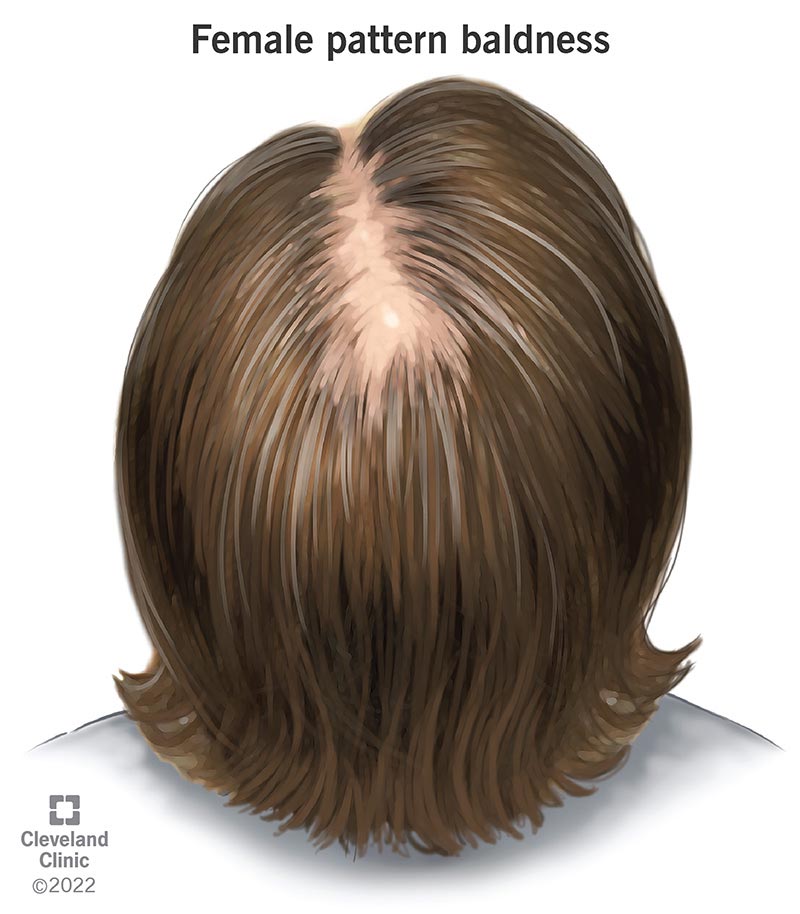
Credit: my.clevelandclinic.org
Comparing Vegan And Non-vegan Nutrient Sources
To visualize how vegan and non-vegan diets compare, here’s a look at key nutrients for hair and skin:
| Nutrient | Vegan Source | Non-Vegan Source |
|---|---|---|
| Protein | Tofu, lentils, quinoa | Eggs, chicken, fish |
| Vitamin B12 | Fortified foods, supplements | Meat, dairy, eggs |
| Iron | Spinach, chickpeas, pumpkin seeds | Beef, liver, shellfish |
| Omega-3 | Chia, flax, algal oil | Salmon, sardines |
| Zinc | Pumpkin seeds, cashews | Oysters, beef |
Notice that while non-vegan sources often provide higher absorption rates, vegans can still meet their needs with careful planning and food combinations.
How Veganism Can Benefit Hair And Skin
Vegan diets are not all about risks. Many people notice improvements in their appearance after going vegan. Here’s why:
Increased Antioxidants
Plant foods are rich in antioxidants like vitamin C, E, and phytonutrients. These protect skin from aging, inflammation, and sun damage. Berries, leafy greens, and nuts are all loaded with these compounds.
Antioxidants also help neutralize free radicals. That means less oxidative stress, which can otherwise lead to wrinkles, dullness, and even worsen hair brittleness over time.
Lower Saturated Fat
Animal products are high in saturated fat, which is linked to acne and inflammation. Vegan diets replace these with healthy fats from avocados, nuts, and seeds, which help skin stay soft and smooth.
Reducing saturated fat can also improve circulation, which brings more nutrients and oxygen to your skin and hair roots.
More Fiber
High-fiber diets support a healthy gut. When your gut is healthy, your skin often looks clearer and less inflamed. Fiber also helps control blood sugar, which can prevent breakouts.
For example, people with regular bowel movements often report fewer flare-ups of eczema or acne, likely due to better elimination of toxins.
Hydration
Many plant foods have high water content. Think of cucumbers, tomatoes, and melons. This can help your skin look plumper and reduce dryness.
Hydrated skin is more elastic and less prone to fine lines. If you struggle with dry indoor air (from heating or air conditioning), upping your intake of water-rich foods can be a simple fix.
Non-obvious Benefit
Cutting out dairy may reduce certain types of acne. Studies suggest that milk and cheese can increase breakouts in some people, possibly due to hormones or growth factors present in dairy. This effect is stronger in teenagers and women with hormonal acne.
Some people who’ve tried everything for their skin see improvement within a few weeks of dropping dairy—an insight often missed in mainstream advice.
Credit: www.uklash.com
Common Hair And Skin Problems In Vegans
Not every vegan enjoys perfect hair and skin. Here are the most common issues, why they occur, and how to prevent them.
Hair Thinning Or Loss
This is often due to lack of protein, iron, zinc, or B12. Check your intake of these nutrients if you notice more hair in your brush. Stress, rapid weight loss, or under-eating can also play a role.
A practical example: Someone who switches to veganism and loses weight quickly may see shedding in two to three months, which is the typical lag between diet change and hair cycle response.
Dry Skin
Low intake of omega-3 fatty acids and vitamin E is a frequent cause. Make sure to add walnuts, flaxseed oil, or chia seeds to your diet.
Extra tip: Try adding a tablespoon of ground flaxseed to your breakfast or a few walnut halves to your salad daily for a real difference in skin moisture.
Acne Or Breakouts
Although many see improvements, some experience more acne. This may happen if you eat lots of processed vegan foods (like fries, chips, and sugary snacks) or don’t get enough zinc and vitamin A.
If you suddenly eat more bread, pasta, or vegan desserts, your skin may react. Focus on whole, unprocessed foods and keep a food diary to spot patterns.
Brittle Nails
Nails that break easily can be a sign of low protein or biotin. Whole grains, nuts, and seeds help strengthen nails naturally.
If you’ve recently reduced your calorie intake or are skipping meals, your nails may be one of the first places you see the effect.
Dull Complexion
A pale or “grayish” look may indicate iron or B12 deficiency. Check with a health professional and adjust your diet or supplements as needed.
Remember, changes in your complexion can happen gradually. Compare recent photos or ask someone you trust if you’re unsure.
How To Build A Vegan Diet For Healthy Hair And Skin
It’s possible to eat vegan and enjoy amazing hair and skin. The key is planning and variety.
Daily Vegan Meal Example
Here’s a sample day that covers most hair and skin nutrients:
Breakfast
- Overnight oats with chia seeds, almond milk (fortified with B12, D, calcium), walnuts, and berries
Snack
- Sliced red bell pepper with hummus
Lunch
- Quinoa salad with chickpeas, spinach, cherry tomatoes, pumpkin seeds, and a lemon-tahini dressing
Snack
- Brazil nut and apple
Dinner
- Stir-fry with tofu, broccoli, carrots, and brown rice
Dessert
- Sweet potato with cinnamon
This meal plan provides a mix of amino acids, healthy fats, antioxidants, and minerals. Swapping in different beans, greens, or seeds keeps things balanced.
Supplement Recommendations
Most experts recommend:
- Vitamin B12 (25–100 mcg daily or 2,500 mcg weekly)
- Vitamin D (especially in winter or if you get little sun)
- Algal oil omega-3 (if you don’t eat regular seaweed/algae)
Don’t forget that supplements should fill the gaps, not replace real food.
Combining Foods For Better Nutrition
Some plant nutrients are better absorbed when eaten together.
- Vitamin C + iron: Add lemon juice to spinach salads.
- Fat + beta-carotene: Drizzle olive oil on roasted carrots.
- Zinc + protein: Enjoy pumpkin seeds with lentil soup.
Another tip: Pair vitamin D with a meal that includes fat (like nuts or avocado), since vitamin D is fat-soluble.

Credit: www.amazon.com
Hidden Pitfalls And How To Avoid Them
Even with the best intentions, it’s easy to fall into certain traps as a vegan:
Over-reliance On Processed Foods
Many new vegans turn to meat substitutes, chips, and sweets. These may be vegan, but they lack key nutrients. Focus on whole foods.
Remember, just because a food is labeled vegan doesn’t mean it’s healthy or good for your hair and skin.
Ignoring Blood Tests
Don’t guess your nutrient status. Get blood tests for B12, iron, vitamin D, and zinc at least once a year. This helps you adjust before problems show up.
If you’re feeling tired, losing hair, or noticing skin changes, don’t wait—see a doctor.
Skipping Variety
Eating the same foods every day increases your risk of gaps. Rotate your grains, beans, and veggies.
For example, swap lentils for black beans, or spinach for kale. Challenge yourself to try a new vegetable or grain each week.
Under-eating
Plant foods are often less calorie-dense. If you don’t eat enough, your body may slow hair growth or reduce skin repair.
If you’re always hungry or losing weight without trying, add more nuts, seeds, and whole grains.
Relying On Seaweed For Iodine
Seaweed can contain wildly different iodine levels. Use iodized salt for steady intake.
Too much iodine can be as harmful as too little, so aim for small, consistent amounts.
Special Considerations For Different Groups
Children And Teens
Young people need more nutrients for growth. Parents should pay special attention to protein, iron, B12, calcium, and zinc. Fortified foods and supplements are usually required.
It’s a good idea to consult a pediatric dietitian when planning vegan diets for children.
Pregnant And Breastfeeding Women
Needs for iron, B12, DHA, zinc, and protein increase. Work closely with a dietitian and take recommended supplements.
Deficiency during pregnancy can affect both mother and baby, so don’t guess—get professional advice and regular tests.
Athletes
Active people lose more iron, zinc, and sodium through sweat. Recovery needs are higher, so protein and calorie intake must rise.
Include quick, portable snacks like energy balls made with oats, seeds, and nut butter.
Older Adults
Absorption of B12 drops with age. Older vegans need regular supplements and perhaps higher doses.
Also, taste and appetite can decrease with age, so focus on nutrient-rich, easy-to-eat foods.
Scientific Studies On Veganism, Hair, And Skin
Research is growing in this area. Here are some key findings:
- A 2020 review in “Nutrients” found that well-planned vegan diets can support skin health, but unbalanced diets may lead to deficiencies that harm hair and skin.
- A study published in “Dermatology Practical & Conceptual” noted that vegans with low B12 and iron had higher rates of hair loss and pale skin, but those who supplemented had similar outcomes to omnivores.
- Data from the “Adventist Health Study” showed that vegans had fewer cases of severe acne compared to non-vegans, possibly due to the absence of dairy.
- Another interesting finding: Higher intake of carotenoid-rich foods (like carrots and sweet potatoes) gives skin a healthier, golden glow, according to research from the University of Nottingham.
Sample Nutrient Comparison: Vegan Vs. Omnivore Day
To see how nutrient intake stacks up, let’s compare a typical vegan and omnivore meal plan for hair and skin nutrients.
| Nutrient | Vegan (Sample Day) | Omnivore (Sample Day) | Recommended Daily Value |
|---|---|---|---|
| Protein (g) | 65 | 75 | 50-70 |
| Iron (mg) | 18 | 16 | 8-18 |
| Vitamin B12 (mcg) | 2.5 (from supplement) | 2.5 | 2.4 |
| Omega-3 (mg) | 1,200 (ALA only) | 1,200 (EPA/DHA) | 1,100-1,600 |
| Zinc (mg) | 11 | 13 | 8-11 |
This shows that, with attention, vegans can meet or even exceed the recommended daily values—though supplementation is often needed for B12 and omega-3s.
When To See A Professional
If you notice ongoing hair loss, extreme dryness, or skin changes that don’t improve with better eating, see a doctor or registered dietitian. Blood tests can reveal hidden deficiencies. Sometimes, hair and skin problems are caused by issues unrelated to diet—like thyroid disease, hormones, or stress.
A dermatologist or trichologist (hair specialist) can help rule out non-diet causes. For ongoing issues, a registered dietitian with experience in vegan nutrition is your best bet for a personalized approach.
Expert Tips For Vegan Hair And Skin Success
- Plan meals ahead. Don’t leave nutrition to chance.
- Supplement wisely. At minimum, take B12 and vitamin D.
- Rotate foods. Try new grains and beans to expand your nutrient intake.
- Add healthy fats daily. Drizzle hemp or flax oil on salads.
- Stay hydrated. Drink water and eat water-rich fruits and vegetables.
- Read labels. Many plant milks and cereals are now fortified with key vitamins—choose these over non-fortified options.
- Don’t fear “superfoods.” Brazil nuts, chia seeds, and nutritional yeast are small additions that pack a nutrient punch.
- Be patient. Hair and skin take weeks to show improvements.
- Monitor your body. If you see changes, adjust early.
- Ask for help. Registered dietitians can create a personalized plan.
A bonus tip: Share your journey with others. Support groups can provide recipe ideas, supplement suggestions, and encouragement when you need it most.
Frequently Asked Questions
What Are The First Signs Of Nutrient Deficiency In Vegans?
Early signs can include hair shedding, brittle nails, pale or dull skin, and slow wound healing. Fatigue, tingling, or mouth sores can also appear if vitamin B12 is low.
Another overlooked sign is a persistent itchy scalp or more dandruff than usual, which may mean omega-3 or zinc is low.
Can Veganism Improve Acne Or Eczema?
Yes, for some people. Cutting dairy and eating more antioxidants can reduce acne. However, eating lots of processed vegan foods may worsen skin problems. Results vary from person to person.
Some people with eczema find that adding more omega-3s and zinc-rich foods brings relief, especially when combined with a generally anti-inflammatory vegan diet.
Do All Vegans Need To Take Supplements For Hair And Skin Health?
Most need at least a vitamin B12 supplement. Vitamin D and omega-3s are also common gaps. Blood tests can help decide if you need more.
Even those eating a whole-food, plant-based diet can miss out on these, so don’t skip supplements.
How Long Does It Take To See Changes In Hair Or Skin After Going Vegan?
Changes can appear in 4–12 weeks. Hair grows slowly, so improvements or problems may take longer to notice compared to skin.
If you’ve switched diets and don’t see changes after three months, revisit your meal plan and supplement routine.
Where Can I Learn More About Vegan Nutrition And Deficiency Risks?
A reliable resource is the Vegan Health website, which offers science-based guides and recommendations.
Choosing veganism can be a healthy, rewarding journey for your hair and skin—if you’re smart about nutrition. With careful planning and a little extra attention, you can enjoy the benefits and avoid the pitfalls. Remember: listen to your body, keep learning, and don’t be afraid to ask for expert help. Your hair and skin will thank you.