

Chronic Telogen Effluvium: When Hair Shedding Lasts More Than 6 Months
Many people experience hair shedding at some point in their lives. For most, this is a short-term problem that resolves with time. But what if hair loss continues for months, even half a year or more? This persistent shedding, known as chronic telogen effluvium (CTE), can be distressing and confusing. People often search for answers, try different treatments, and worry about permanent baldness. Understanding what chronic telogen effluvium is, why it happens, and how to manage it is the first step to regaining control—and peace of mind.
Chronic telogen effluvium is not just a medical term; it’s an experience that affects daily life, self-esteem, and emotional health. Many who face it feel isolated or misunderstood, especially when routine hair care or basic treatments do not help. This article explains chronic telogen effluvium in detail—covering its definition, causes, diagnosis, treatment, prognosis, and prevention.
If you have noticed continued hair shedding for more than six months, you will find answers here. Let’s look deeper into this condition, separating facts from myths, and learning practical steps for real improvement.
What Is Chronic Telogen Effluvium?
Chronic telogen effluvium is a condition where excessive hair shedding lasts for more than six months. Normally, everyone loses some hair every day—about 50 to 100 hairs. This is part of the natural hair growth cycle. But in CTE, the hair loss continues and is often much more noticeable.
The Science Behind Telogen Effluvium
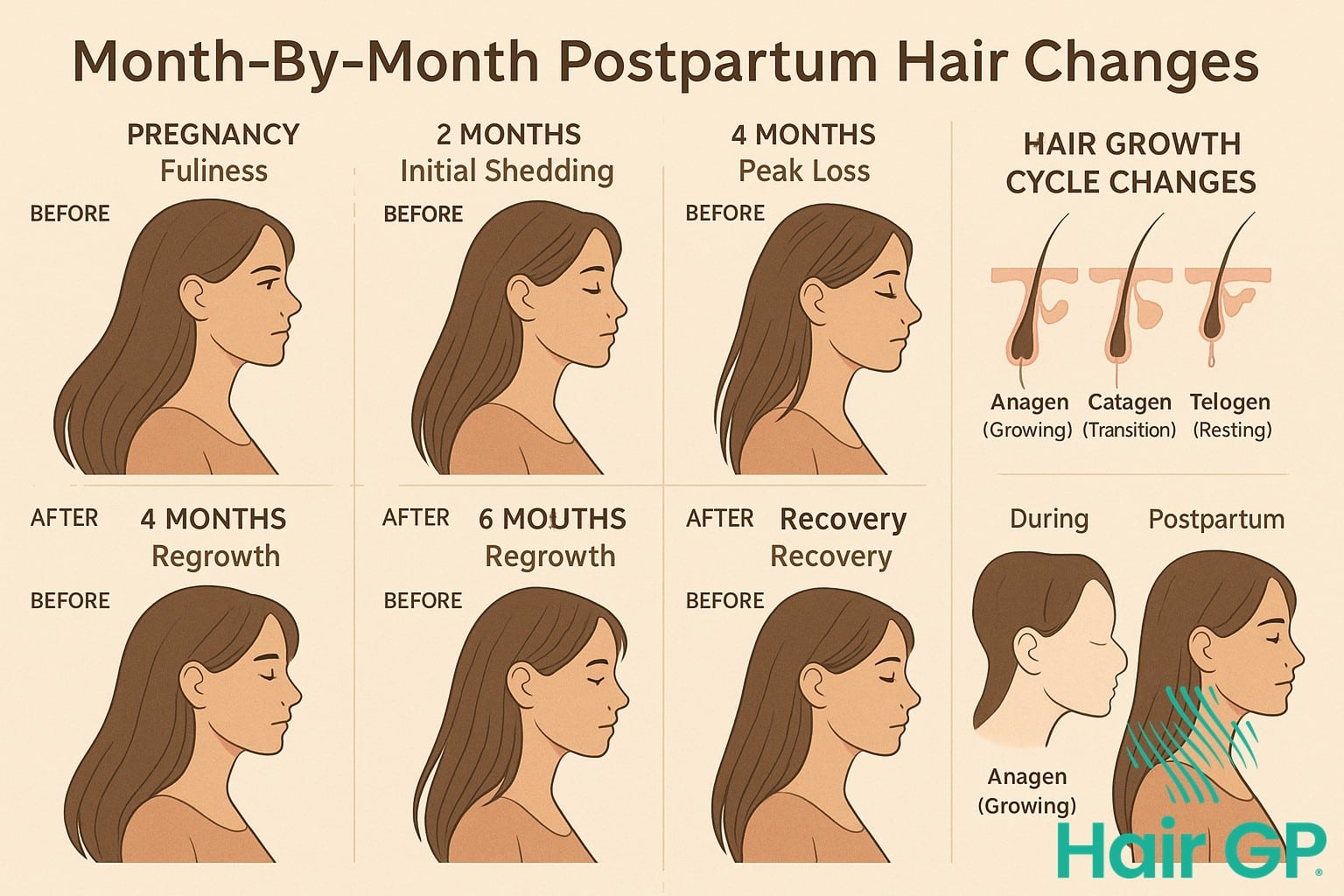
Hair grows in cycles: anagen (growth), catagen (transition), and telogen (resting/shedding). In telogen effluvium, more hairs than usual enter the telogen phase and fall out. Chronic telogen effluvium means this process does not return to normal after a few months; instead, the shedding goes on for half a year or longer.
The anagen phase, which is the active growth period, normally lasts several years. The catagen phase is brief, only a couple of weeks, and signals the end of active growth. The telogen phase, where shedding occurs, usually lasts about 2-3 months.
In CTE, a higher percentage of hairs shift prematurely into the telogen phase and remain there, leading to a persistent increase in shedding. Sometimes up to 30% of scalp hairs can be in the telogen phase at once during CTE—much higher than the normal 10-15%.
Key Features Of Chronic Telogen Effluvium
- Sudden onset: Shedding often starts suddenly.
- Even distribution: Hair thins all over the scalp, not in patches.
- No visible bald spots: Hair density decreases, but the scalp is not usually exposed.
- Persistent: Lasts more than six months, often fluctuating in severity.
Sometimes people with CTE notice that shedding comes and goes in waves. You may have weeks where hair loss slows down, followed by weeks where it increases again. This up-and-down pattern is very typical and does not mean things are getting worse.
Who Gets Chronic Telogen Effluvium?
Chronic telogen effluvium affects both men and women, but is much more common in adult women between 30 and 60 years of age. It can also affect teenagers, especially after stressful events or illness. CTE is not rare, but it is often underdiagnosed because people mistake it for other types of hair loss.
Some studies suggest that women with a history of fluctuating hormones—such as after childbirth, stopping birth control pills, or during menopause—are more likely to develop CTE. Additionally, people with a sensitive scalp or a family history of diffuse hair loss may notice the condition more quickly.
Causes Of Chronic Telogen Effluvium
Understanding the causes of chronic telogen effluvium is important for managing and preventing it. Unlike acute telogen effluvium, which is often triggered by a single event, CTE usually has ongoing or repeated triggers.
1. Nutritional Deficiency
Hair needs nutrients to grow. When the body lacks certain vitamins or minerals, hair shedding may become chronic.
- Iron deficiency: The most common nutritional cause. Even low-normal iron stores can affect hair.
- Zinc deficiency: Important for hair structure and growth.
- Vitamin D and B12: Low levels are linked to hair problems.
Non-obvious insight: Not all deficiencies show up on standard blood tests. Sometimes, “normal” lab results can still mean your body isn’t getting enough for optimal hair growth.
For example, ferritin (a measure of iron stores) can be within the “normal” range but still too low for healthy hair. Doctors often look for levels above 40-50 ng/mL for hair health, even though the lab’s normal range might start much lower.
Similarly, diets low in red meat, eggs, or dairy can lead to hidden deficiencies even in people who feel healthy otherwise.
2. Hormonal Imbalance
Hormones control the hair growth cycle. Changes in hormone levels can trigger ongoing shedding.
- Thyroid disorders: Both low and high thyroid levels can cause CTE.
- Post-pregnancy: Hormone changes after childbirth can last longer than expected.
- Menopause: Shifting estrogen and progesterone can affect hair.
Many women notice worsening hair loss during periods of hormonal change, sometimes without other symptoms.
Another example is polycystic ovary syndrome (PCOS), which can cause subtle hormonal shifts that disrupt hair cycling. Even mild thyroid dysfunction, not enough to cause obvious symptoms, may tip the balance for sensitive individuals.
3. Chronic Illness Or Inflammation
Long-term health problems can stress the body and disturb hair growth.
- Autoimmune conditions: Like lupus or rheumatoid arthritis.
- Chronic infections: Even mild, ongoing infections can have an effect.
- Low-grade inflammation: Sometimes, silent inflammation from obesity or metabolic problems is the cause.
Insight: Even when a disease is “under control,” subtle inflammation may continue to trigger hair shedding.
For instance, people with well-managed diabetes or arthritis may still experience low-level inflammation that affects hair. Similarly, chronic digestive issues (like celiac disease or inflammatory bowel disease) can prevent nutrient absorption, contributing to ongoing shedding.
4. Medication Side Effects
Certain drugs can cause chronic telogen effluvium.
- Antidepressants
- Beta-blockers for blood pressure
- Retinoids for skin conditions
- Anticoagulants (blood thinners)
- Oral contraceptives
In many cases, hair loss does not stop even after changing medication, especially if the body has not fully adjusted.
Non-obvious insight: The impact of medications on hair can start weeks or months after beginning a new drug, making it hard to connect the dots. Sometimes, stopping the medication leads to a temporary increase in shedding before things improve.
5. Chronic Stress
Psychological stress is a well-known trigger for acute hair loss, but when stress is ongoing, so is the shedding.
- Work or family stress
- Major life changes
- Grief or trauma
Non-obvious insight: The body’s stress response (cortisol) disrupts hair cycling, even if you do not feel “stressed out.”
People often think “I’m handling my stress fine,” but chronic stress can be silent. Sleep problems, poor appetite, or ongoing worry can be enough to push more hairs into the shedding phase. Even positive changes (like moving to a new city or starting a new job) can be stressful for your hair.
6. Unknown Or Idiopathic Causes
In some cases, no clear cause is found. This is called idiopathic chronic telogen effluvium. It can be frustrating, but it’s important to know that not every case has a clear answer. The good news is that even without a known cause, there are ways to manage and improve the condition.
Doctors sometimes find that people with idiopathic CTE are especially sensitive to normal fluctuations in hormones, diet, or stress. This heightened sensitivity may make them more likely to develop chronic shedding, even when medical tests are normal.
How Is Chronic Telogen Effluvium Diagnosed?
Getting the right diagnosis is key to proper treatment. Chronic telogen effluvium is often confused with other types of hair loss, like androgenetic alopecia (pattern baldness) or alopecia areata (patchy loss).
Medical History And Symptoms
Doctors begin with a detailed history:
- When did the shedding start?
- How much hair is lost per day?
- Is hair loss all over the scalp or in patches?
- Are there other symptoms (fatigue, weight changes, etc. )?
They may also ask about recent illnesses, surgeries, dieting, or major life changes. For women, menstrual history, pregnancies, and menopause status are important details.
Physical Exam
- The doctor will look at the pattern of thinning.
- A gentle “hair pull test” may be done to check how many hairs come out.
- The scalp is checked for redness, scaling, or scarring.
During the hair pull test, a group of about 40 hairs is gently pulled to see how many come out. More than 6 hairs is considered abnormal. The exam can also reveal miniaturized hairs (thin, short hairs), which suggest pattern hair loss instead of CTE.
Blood Tests
Common tests include:
- Ferritin (iron stores)
- Thyroid function
- Vitamin D and B12
- Hormone levels (especially in women)
It’s important to check for subtle deficiencies, not just extreme values.
Other possible tests include a complete blood count (CBC) to rule out anemia, and markers of inflammation if an autoimmune disease is suspected. Sometimes, repeat blood tests are needed to catch changes over time.
Scalp Biopsy
In some cases, a small sample of scalp skin is taken to look at hair roots under a microscope. This helps rule out other conditions.
A biopsy can show the proportion of hairs in different growth phases and reveal hidden inflammation. Most people with CTE have a normal number of hair follicles, with a high percentage in the telogen phase.
Trichoscopy
A special magnifying tool helps doctors see hair follicles and scalp details. This non-invasive test is becoming more common.
Trichoscopy can detect subtle differences between CTE and other types of hair loss by examining the size and shape of hair shafts and the presence of new regrowth.
Diagnostic Comparison Table
To help understand the diagnostic process, here’s a comparison of common hair loss conditions:
| Condition | Shedding Pattern | Onset | Scalp Appearance | Duration |
|---|---|---|---|---|
| Chronic Telogen Effluvium | Diffuse (all over) | Sudden or gradual | Normal | 6+ months |
| Androgenetic Alopecia | Patterned (top/front) | Gradual | Miniaturized hairs | Ongoing |
| Alopecia Areata | Patches | Sudden | Bare patches | Variable |
| Acute Telogen Effluvium | Diffuse | Sudden | Normal | <6 months |
Symptoms And Impact On Daily Life
Chronic telogen effluvium is not just about losing hair. It affects confidence, social life, and even day-to-day activities.
Visible Signs
- Increased hair in brush, shower, or pillow
- Thinning ponytail (for women)
- Wider part line
- Lighter hair density (scalp more visible under bright light)
Sometimes, hair appears limp or loses volume, making styling more difficult. People may notice that hairstyles that once looked full now seem flat or uneven. For some, the change is so gradual that only old photos reveal the extent of thinning.
Emotional Effects
- Worry about going bald (though this rarely happens with CTE)
- Embarrassment or self-consciousness
- Avoidance of social events
- Low self-esteem
It’s common to become hyper-focused on hair, checking the mirror often or feeling anxious in brightly lit places. Some people cut their hair shorter to reduce the appearance of thinning, while others wear hats or scarves more often.
Physical Impact
- Scalp sensitivity or mild discomfort (rare)
- Difficulty with certain hairstyles
Although pain is rare, some people with CTE report a “tingling” or “crawling” sensation on the scalp, especially during periods of heavy shedding. This is called trichodynia and is not dangerous.
How Much Hair Is Too Much?
Losing more than 100 hairs per day for over six months is considered abnormal. But counting every hair is not practical. Instead, look for changes like:
- Needing to clean hairbrushes or drains more often
- Noticing hair on clothes, car seats, or workspaces
Non-obvious insight: Many people overestimate or underestimate the amount of hair they are losing. Focus on changes from your personal baseline, not a strict number.
If you have always shed a lot of hair but notice no thinning, it is likely normal for you. If your ponytail feels half as thick as before, or you see more scalp than usual, it’s worth investigating.
Credit: hairgp.co.uk
Treatment Options For Chronic Telogen Effluvium
There is no “magic cure” for chronic telogen effluvium, but there are many ways to manage and improve the condition. Treatment depends on the underlying cause, but some general strategies work for most people.
1. Addressing Nutritional Deficiencies
If tests show low iron, zinc, or vitamins, supplements are often recommended.
- Iron supplements: Only if ferritin is below 40-50 ng/mL (as advised by your doctor).
- Zinc and multivitamins: Especially if your diet lacks variety.
- Protein: Hair is made of protein; make sure you get enough.
Non-obvious tip: Take iron with vitamin C (like orange juice) to help absorption.
Sometimes, doctors advise dietary changes before supplements. Eating more lean meats, leafy greens, beans, nuts, eggs, and dairy products can help. Vegetarians and vegans may need to be especially careful about iron and B12 intake.
2. Treating Hormonal Imbalances
If a thyroid problem or other hormonal issue is found, addressing it can help stop shedding.
- Thyroid medication: For hypothyroidism or hyperthyroidism.
- Hormone therapy: Sometimes used for menopause-related hair loss.
It can take several months for hair to respond after hormone levels normalize.
For example, once thyroid hormone levels are balanced, it may take 3–6 months before shedding slows and new growth is visible. Patience is key—hair responds slowly to internal changes.
3. Managing Stress
Stress management is often overlooked but is crucial in chronic telogen effluvium.
- Mindfulness and meditation
- Regular exercise
- Counseling or therapy if needed
Insight: Even small daily stressors add up. Reducing overall stress helps the hair cycle recover.
Simple relaxation techniques, like deep breathing, yoga, or spending time outdoors, can make a real difference. Setting aside time for hobbies, connecting with friends, or keeping a gratitude journal can help your body (and hair) recover from chronic stress.
4. Reviewing Medications
Always ask your doctor before stopping any medication. If a drug is suspected, alternatives may be available.
- Never stop prescription drugs suddenly.
- If a medication cannot be changed, focus on other treatments.
Doctors may consult with other specialists (like cardiologists or psychiatrists) to find options with fewer hair-related side effects.
5. Gentle Hair Care
Aggressive hair care routines can worsen shedding.
- Use a soft-bristle brush
- Avoid tight hairstyles (buns, ponytails)
- Limit heat styling and chemical treatments
- Wash hair regularly but not excessively
Non-obvious tip: Hair that is shed was already programmed to fall out; gentle handling won’t “save” it, but rough treatment can break new hairs.
Use mild, sulfate-free shampoos and avoid vigorous towel drying. Let hair air-dry when possible. If you color or perm your hair, choose less harsh treatments and space them out.
6. Topical And Prescription Treatments
Unlike pattern hair loss, most prescription hair regrowth drugs are not effective for CTE. However, some doctors recommend:
- Topical minoxidil: Used off-label in some cases.
- Low-level laser therapy: May help some people.
- Anti-inflammatory treatments: If mild scalp inflammation is present.
Always use these treatments under a doctor’s guidance.
Minoxidil can sometimes speed up recovery by shortening the telogen phase, but it may also temporarily increase shedding before improvement is seen. Laser therapy devices are available for home use but can be expensive and results vary.
Treatment Comparison Table
Here’s a quick look at the effectiveness of common treatments for chronic telogen effluvium:
| Treatment | Effectiveness | Notes |
|---|---|---|
| Iron/Zinc Supplement | High (if deficient) | Test first; don’t self-prescribe |
| Thyroid Correction | High (if abnormal) | Hair regrowth is slow |
| Stress Reduction | Moderate to High | Benefits overall health |
| Topical Minoxidil | Low to Moderate | Not always effective in CTE |
| Gentle Hair Care | Supportive | Prevents breakage |
How Long Does It Take To See Results?
Hair grows slowly—about 1 cm per month. After treating the underlying cause, it may take 3–6 months to see less shedding, and up to a year for visible regrowth.
Non-obvious insight: Regrowth may look like fine, short “baby hairs” at first. It takes time for these to thicken and blend in with the rest of your hair.
Prognosis And Long-term Outlook
Many people worry that chronic telogen effluvium will lead to permanent baldness. The good news is, this almost never happens.
Typical Course
- Shedding may fluctuate—some days or weeks are better than others.
- Most people see improvement within 12–18 months, even if shedding lasts a long time.
- In rare cases, CTE can last for years, but hair density is usually maintained.
Even in long-term cases, the scalp rarely develops true bald spots. Instead, hair appears thinner but still covers the scalp.
Will My Hair Grow Back?
In most cases, yes. Chronic telogen effluvium does not destroy hair follicles. Once the trigger is removed, hair usually regrows to its previous thickness.
Non-obvious insight: Some people notice a change in texture or color of regrown hair. This is normal and may improve with time.
Sometimes, regrown hair is curlier or straighter than before, or appears lighter or darker. This is a normal part of the recovery process.
When To See A Specialist
If shedding is severe, continues despite addressing all possible causes, or is accompanied by other symptoms (itching, pain, scarring), see a dermatologist. They can rule out rare conditions and recommend advanced treatments.
A specialist may offer advanced tests such as trichograms, scalp mapping, or even genetic testing in unusual cases.
Prognosis Comparison Table
Let’s compare chronic telogen effluvium with other common hair loss types:
| Condition | Risk of Permanent Loss | Regrowth Expected? | Specialist Needed? |
|---|---|---|---|
| Chronic Telogen Effluvium | Very Low | Yes, usually full | Sometimes |
| Androgenetic Alopecia | High | Partial, with treatment | Often |
| Alopecia Areata | Low-Moderate | Possible, varies | Yes |

Credit: ishrs.org
Preventing Chronic Telogen Effluvium
While not all cases can be prevented, you can reduce your risk by maintaining a healthy lifestyle and avoiding common triggers.
Tips For Prevention
- Balanced diet: Ensure enough iron, zinc, protein, and vitamins.
- Manage stress: Regular exercise, adequate sleep, and relaxation techniques.
- Treat medical conditions: Regular check-ups for thyroid and other health problems.
- Gentle hair care: Avoid harsh treatments and minimize heat styling.
- Medication awareness: Ask your doctor about hair-related side effects.
- Regular monitoring: If you notice increased shedding, act early to find the cause.
Non-obvious tip: Seasonal changes (especially autumn and spring) can naturally increase shedding. Don’t panic if you notice a temporary increase during these times.
It can help to keep a simple calendar of hair changes and possible triggers, like illness or travel, to spot patterns over time.
Common Myths And Misconceptions
Chronic telogen effluvium is surrounded by myths, which can make the experience even more stressful. Let’s clear up some common misunderstandings.
Myth 1: “i’m Going To Go Bald.”
CTE rarely, if ever, causes complete baldness. Unlike other types of hair loss, the hair follicles remain alive.
Myth 2: “washing Or Brushing Causes More Hair Loss.”
Hair that falls out during washing or brushing was already ready to shed. Skipping hair washes does not reduce total shedding; it just makes it more noticeable when you do wash.
Myth 3: “supplements Will Fix Everything.”
Supplements only help if you are actually deficient. Taking extra vitamins without need does not speed up regrowth and can sometimes cause harm.
Myth 4: “it’s All In My Head.”
Chronic telogen effluvium is a real, physical condition—not just stress or imagination. Emotional support is important, but so is medical care.
Myth 5: “all Hair Loss Is The Same.”
There are many types of hair loss, and each has different causes, treatments, and outcomes. Proper diagnosis is key.
Non-obvious insight: Some hair products are marketed for all types of hair loss but may do little for CTE. Always match treatments to the true diagnosis.
Living With Chronic Telogen Effluvium: Practical Advice
Managing chronic telogen effluvium is not only about medical treatment. Daily habits, mindset, and support make a big difference.
Focus On What You Can Control
- Choose gentle shampoos and hair products.
- Eat well and stay hydrated.
- Find stress outlets—music, art, journaling, or yoga.
Try to focus on scalp health as well. Gentle scalp massage (without harsh rubbing) can improve blood flow and help with relaxation.
Seek Support
- Talk to friends or family.
- Join online forums or support groups for people with hair loss.
- Consider counseling if anxiety or sadness is overwhelming.
It helps to know you are not alone. Many people silently struggle with hair loss; sharing your experience can bring relief and new ideas.
Track Progress
Keep a hair diary: note changes, treatments tried, and your emotional state. This helps you and your doctor see what works—and reminds you of progress, even if it’s slow.
You might use your phone’s camera to take monthly pictures of your part line or hairline. These images can show subtle improvements that are hard to see day-to-day.
Be Patient
Hair growth is slow and sometimes unpredictable. Celebrate small wins, like less hair in your brush or a thicker ponytail.
Non-obvious advice: Sometimes, focusing less on hair and more on your overall well-being speeds up recovery.
Try not to let hair loss dominate your life. Enjoy activities you love and focus on things you can control.
Frequently Asked Questions
What Is The Difference Between Chronic Telogen Effluvium And Pattern Baldness?
Chronic telogen effluvium causes even shedding all over the scalp, while pattern baldness (androgenetic alopecia) mainly affects the top or front. CTE rarely leads to visible bald spots, and regrowth is common once the cause is addressed.
Can Chronic Telogen Effluvium Be Cured?
There is no instant cure, but most cases improve with proper treatment. Addressing the underlying cause—nutrition, hormones, stress—usually stops the shedding and allows regrowth.
How Long Does Recovery From Chronic Telogen Effluvium Take?
Most people see improvement within 6–12 months after treating the cause. Full regrowth can take longer because hair grows slowly, about 1 cm per month.
Non-obvious insight: Regrowth may feel different at first. Baby hairs can be fine and take time to blend with older hair.
Should I Use Minoxidil For Chronic Telogen Effluvium?
Minoxidil is not always effective for CTE, but some doctors recommend it. Always consult a dermatologist before starting. It is more helpful for pattern hair loss than for diffuse shedding.
Where Can I Learn More About Chronic Telogen Effluvium?
For more scientific details and up-to-date research, you can read the Wikipedia entry on telogen effluvium.
Chronic telogen effluvium can be frustrating, but it is manageable. With knowledge, patience, and the right approach, most people regain their hair—and their confidence. If you are struggling, know that you are not alone, and help is available.

Credit: www.dermatologyadvisor.com