
Traction Alopecia Prevention And Early Treatment Guide
Hair is often more than just a part of our appearance—it’s a symbol of identity, health, and even self-confidence. But certain everyday habits can silently damage hair follicles, leading to a condition called traction alopecia. This type of hair loss is common but often misunderstood, especially in people who regularly wear tight hairstyles or use hair extensions. Early signs are easy to miss, and by the time patches of thinning appear, reversing the damage can be difficult.
Understanding how to prevent and treat traction alopecia early can save you years of frustration. This guide covers everything you need to know about traction alopecia prevention and early intervention, so you can keep your hair healthy and strong.
What Is Traction Alopecia?
Traction alopecia is a form of hair loss caused by repeated pulling or tension on the hair roots. Unlike other types of alopecia, it happens because of external stress, not genetics or autoimmune issues. The pulling damages the hair follicles, eventually causing them to stop producing new hairs.
This condition is most commonly seen in people who:
- Wear tight ponytails, buns, braids, or cornrows
- Use hair extensions, weaves, or wigs attached with adhesive or clips
- Regularly use rollers or hair accessories that pull on the roots
- Put tension on their hair with headwear like helmets or turbans
Traction alopecia can affect anyone, regardless of age, gender, or ethnicity, but it’s especially common in women and children who style their hair tightly.
Another important thing to know is that traction alopecia often develops slowly. It is not sudden hair loss. Often, people ignore the first signs because the changes are gradual and seem harmless. For example, a person might notice more hair in their brush or on their pillow, but think it is normal shedding.
Some people develop traction alopecia because of cultural practices. For example, certain communities use traditional hairstyles that involve braiding or twisting hair very tightly. It’s important to respect these traditions, but also to find ways to make them safer for hair health.
Early Signs And Symptoms
Recognizing traction alopecia early can make a huge difference. Most people miss the warning signs until significant hair loss has occurred. Here are the main symptoms:
- Small bumps or pimples near the hairline
- Redness, itching, or tenderness on the scalp
- Broken hairs around the edges, especially near the temples or nape
- Thinning patches where hair is pulled the most
- Receding hairline, often in a specific pattern
Non-obvious insight: Early stages may feel like mild discomfort or a tight feeling on the scalp before any hair loss is visible. Addressing these sensations quickly can prevent permanent damage.
It’s also common for people to notice a “burning” or tingling sensation after taking down a tight hairstyle. This is a sign that the follicles are stressed. Pay attention to these feelings, especially if they happen regularly.
Sometimes, the skin may look shiny or develop a slight discoloration in areas where the hair is thinning. These changes in skin texture are early clues that the follicles need a break.
Why Prevention Matters
Once traction alopecia progresses, the damage to hair follicles can become permanent. Preventing this condition is often easier and more effective than treating advanced stages. Early prevention helps:
- Preserve your natural hair density
- Maintain scalp health
- Avoid the need for medical or surgical treatments
- Save money and stress over time
Prevention also allows you to keep your styling options open in the future. Once follicles are scarred, even gentle styles may not help hair regrow. It’s much easier to adjust your routine now than to deal with lifelong hair loss later.
Another reason prevention is important: scalp health affects more than just hair. A damaged scalp can feel sore, dry, or itchy, and sometimes lead to infections. Taking care of your scalp helps your overall comfort and confidence.
Key Risk Factors
Some habits and situations make you more likely to develop traction alopecia:
- Frequent Tight Hairstyles: The more often you wear your hair tightly pulled, the greater the risk.
- Chemical Treatments: Relaxers, perms, and dyes can weaken hair, making it more vulnerable to breakage from tension.
- Hair Extensions And Weaves: Heavy or tightly attached extensions put extra weight and tension on hair follicles.
- Cultural Or Religious Headwear: Items like hijabs, turbans, or helmets worn tightly for long periods can contribute.
- Repeated Head Movement: Activities like dancing or sports, where the head moves a lot, can increase pull on the hair.
Some risk factors may seem harmless. For example, putting hair in a tight bun for exercise or work may not cause problems in the short term. But if done daily, the repeated tension adds up.
Non-obvious insight: Even lightweight extensions can cause damage if left in for too long without a break. It’s not only the weight, but the duration that matters.
Children and teenagers are also at risk because their hair follicles are not fully developed. Even playful hairstyles, like tight ponytails or pigtails, can create problems if worn too often.

Credit: www.skinqurehairtransplant.com
How Traction Alopecia Progresses
Understanding how the condition develops helps you spot it early and take action.
| Stage | Symptoms | Reversibility |
|---|---|---|
| Early | Redness, bumps, mild soreness, slight thinning | Fully reversible if tension stops |
| Moderate | Noticeable thinning, broken hairs, patchy spots | Partially reversible with care |
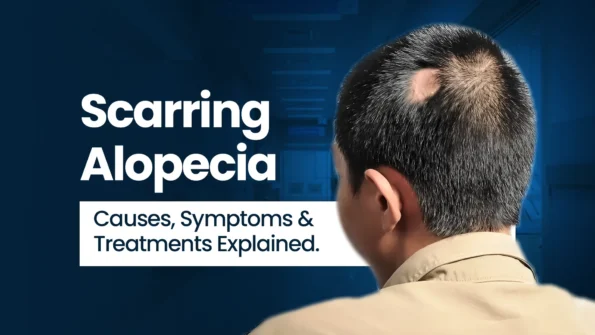
| Advanced | Bald patches, shiny scalp, scarring | Often permanent hair loss |
Non-obvious insight: The scalp can take weeks or even months to recover after tension is removed, so patience is crucial.
If you notice moderate symptoms, like patchy thinning or broken hairs, don’t panic. With consistent care and rest, many people see improvement. But the longer the tension continues, the greater the risk of permanent loss.
Advanced stages are often easy to recognize, but harder to treat. If you see bald spots or scar-like skin, seek medical advice quickly. Early treatment can sometimes save the remaining follicles.
Preventing Traction Alopecia: Practical Steps
You can greatly reduce your risk with a few changes to your daily routine. Here’s how:
1. Choose Looser Hairstyles
Avoid styles that pull tightly on the roots. Swap high ponytails and tight buns for loose braids or gentle updos. Let your hair rest in a natural position as often as possible.
For example, instead of a slicked-back ponytail, try a low, loose ponytail or wear your hair down. Use gentle combs and brushes to style your hair, and avoid tugging.
2. Limit Extensions And Weaves
If you use hair extensions, opt for lighter versions and have them applied by an experienced stylist. Take breaks between installs—give your hair at least 2-3 months of rest each year.
It’s also helpful to ask your stylist about alternative methods that use less tension, such as clip-ins or halo extensions. These can be removed daily, giving your scalp a chance to recover.
3. Switch Up Your Styles
Change your part and hairstyle regularly. Wearing the same look every day puts repeated stress on the same hair follicles.
For example, if you always part your hair in the middle, try a side part for a few days. Rotating styles spreads the tension more evenly and gives each area of your scalp a break.
4. Avoid Excessive Heat And Chemicals
Heat styling and harsh chemicals weaken hair, making it more likely to break under tension. Use heat tools on low settings and space out chemical treatments.
If you must use heat, apply a heat protectant spray first. For coloring or relaxing treatments, give your hair several weeks to recover between sessions.
5. Protect Hair During Sleep
Use a silk or satin pillowcase or wrap your hair with a silk scarf. These materials reduce friction, protecting fragile hair.
If you move a lot during sleep, consider using a loose bonnet. Avoid wrapping hair too tightly at night, as this can also cause tension.
6. Be Gentle With Accessories
Choose soft hair ties, fabric scrunchies, or clips with smooth edges. Avoid rubber bands or metal clips that can cut or pull hair.
When removing accessories, take your time and avoid yanking. If you notice breakage where you usually place a clip or tie, switch to a gentler option.
7. Listen To Your Scalp
If you feel pain, tightness, or tingling, loosen your style immediately. These sensations are early warnings.
Non-obvious insight: Many people ignore mild discomfort, thinking it’s “normal.” But even short-term pain can signal that follicles are stressed.
Early Treatment Options
If you notice signs of traction alopecia, quick action can help your hair recover. Here’s what to do:
1. Remove The Source Of Tension
This is the most important step. Stop wearing styles or using accessories that pull on your hair. Give your scalp time to heal.
Even if you love a certain style, your hair health comes first. Temporary changes can make a big difference in the long run.
2. Soothe The Scalp
Apply a gentle, non-irritating oil like jojoba or coconut oil. These can calm redness and reduce inflammation.
Aloe vera gel is another soothing option. It can help cool the scalp and promote healing.
3. Use Topical Treatments
Mild, over-the-counter solutions like minoxidil (2%) may help stimulate regrowth in early stages. Always follow the instructions and check with a healthcare provider if unsure.
Some people also use rosemary oil, which may encourage blood flow. If you try oils, dilute them with a carrier oil and apply only to areas of concern.
4. Focus On Nutrition
Eat a balanced diet rich in protein, iron, zinc, and biotin. These nutrients support hair growth and repair.
Eggs, nuts, leafy greens, and fish are excellent choices. If you have dietary restrictions, talk to a nutritionist about healthy alternatives.
5. Limit Heat And Chemicals
Pause any coloring, relaxing, or heat styling until your scalp recovers.
Non-obvious insight: Even “gentle” products can irritate a stressed scalp. Choose fragrance-free or hypoallergenic options during recovery.
6. Massage The Scalp
Gentle scalp massage boosts blood flow, which helps bring nutrients to the follicles. Massage for 5-10 minutes a day using fingertips—not nails.
You can use light oils during massage, but avoid heavy pressure.
7. Monitor Progress
Take photos every two weeks to track recovery. If you don’t see improvement after 3-4 months, consult a dermatologist.
A recovery journal can help you notice small changes. Write down any new symptoms, treatments tried, and how your scalp feels day by day.
When To See A Professional
Not all hair loss from traction alopecia is reversible, especially if scarring has begun. You should seek expert advice if:
- You have bald patches or shiny, smooth scalp areas
- There’s no regrowth after 4 months of prevention and care
- You notice severe pain, swelling, or pus (signs of infection)
A dermatologist can confirm the diagnosis and suggest medical treatments, such as:
- Prescription topical medications
- Steroid injections for inflammation
- Platelet-rich plasma (PRP) therapy
- Hair transplant surgery (in advanced cases)
If you’re unsure whether your symptoms are from traction alopecia or another cause, a professional can help with tests and a scalp exam. Early intervention is key.
Credit: hairfreehairgrow.com
How To Talk To Your Stylist Or Barber
Your stylist plays a major role in your hair health. Be honest about your concerns and ask for styles that are gentle on the scalp. Good stylists will:
- Check for signs of thinning or breakage
- Recommend less damaging techniques
- Schedule regular breaks from extensions or weaves
If your stylist refuses to listen, consider finding one who values your hair’s long-term health.
You can also ask your stylist about protective styles that use minimal tension. For example, loose twists or braids with larger sections are safer than small, tight braids.
Non-obvious insight: Stylists can teach you how to care for your scalp between salon visits. Ask for tips about gentle detangling and home maintenance.
Comparing Hairstyles: Risk Levels
Some hairstyles are much riskier than others. Here’s a quick comparison to help you make safer choices:
| Hairstyle | Risk of Traction Alopecia | Recommended Frequency |
|---|---|---|
| Tight ponytail | High | Occasional only |
| Loose braid | Low | Regular |
| Cornrows | Moderate to High | Limit to 6-8 weeks, rest in between |
| Free-flowing (down) | Minimal | Safe for daily wear |
| Heavy extensions | High | Rarely, with breaks |
If you love braids or cornrows, consider larger sections or looser tension. For extensions, lighter and shorter-term options are safest.
Caring For The Scalp: Best Practices
Healthy hair starts with a healthy scalp. Here’s how to care for your scalp, especially if you’re recovering from traction alopecia:
Gentle Cleansing
Wash with a mild, sulfate-free shampoo. Avoid aggressive scrubbing or hot water, as these can irritate the skin.
If your scalp feels dry, try washing every 4-5 days instead of daily. Use lukewarm water and gentle fingertips.
Moisturize Regularly
A dry scalp is more likely to itch and flake. Use a lightweight, non-comedogenic oil or moisturizer after washing.
Look for ingredients like aloe vera, jojoba oil, or shea butter. Avoid products with alcohol or heavy fragrances.
Avoid Heavy Products
Thick gels, pomades, and waxes can clog follicles and weigh hair down. Choose light creams or serums instead.
If you have curly hair, try leave-in conditioners that add moisture without buildup.
Protect From The Sun
UV rays can damage both hair and scalp. Wear a hat or use a leave-in conditioner with SPF when outdoors.
Non-obvious insight: Even in winter, sun can harm exposed scalp. If you have thinning areas, extra protection is important.
Don’t Over-wash
Shampooing too often strips natural oils. Aim for 2-3 times per week, or as needed based on your hair type.
If you work out often or live in a hot climate, rinsing with water between shampoos can help.
Myths About Traction Alopecia
Many people believe things about hair loss that simply aren’t true. Here are some common myths—and the facts:
- Myth: Only women get traction alopecia.
Fact: Men and children can also be affected, especially if they wear tight hairstyles or headwear.
- Myth: Hair will always grow back.
Fact: If scarring happens, hair loss can be permanent.
- Myth: It’s not serious if the scalp doesn’t hurt.
Fact: Damage can happen without pain, especially in the early stages.
- Myth: Extensions are safe if applied by a professional.
Fact: Even the best application can cause problems if worn too tightly or for too long.
Some people believe that cutting hair short will “fix” traction alopecia. The truth is, the problem comes from the roots and scalp, not the length of your hair.
Another myth is that traction alopecia only affects certain hair types. All hair types can be damaged by tension, though curly or coily hair may show symptoms faster because it is more fragile.
Key Ingredients For Recovery
Certain ingredients are especially helpful during recovery from traction alopecia. Look for these in your hair care products:
- Aloe vera: Soothes and hydrates the scalp
- Peppermint oil: May help stimulate blood flow (use diluted)
- Rosemary oil: Some studies suggest it supports hair growth
- Biotin: Strengthens hair (best from food, not just supplements)
Always do a patch test before using new oils or treatments to avoid allergic reactions.
Vitamin E oil is another good option. It helps reduce inflammation and supports skin repair.
Non-obvious insight: The effectiveness of oils and serums depends on regular use and gentle application. Rubbing too hard can make things worse.
Children And Traction Alopecia
Children are at special risk because their hair and scalp are more delicate. Common causes include tight braids, ponytails, or barrettes. To protect children:
- Choose loose, simple styles
- Avoid styles that hurt or leave marks
- Let hair down at night and during play
- Teach kids to speak up if a style is uncomfortable
Early intervention is even more important for children, as their follicles are still developing.
If your child wants braids or ponytails, use soft bands and avoid styles that pull at the temples or nape. Check their scalp regularly for redness or bumps.
Non-obvious insight: Children may not complain about discomfort, so watch for signs like scratching, fussing, or removing hair accessories themselves.
Comparing Traction Alopecia To Other Hair Loss
It’s easy to confuse traction alopecia with other types of hair loss. Here’s how it’s different:
| Type | Main Cause | Pattern | Reversibility |
|---|---|---|---|
| Traction alopecia | Physical pulling/tension | Edges, hairline, areas under tension | Often reversible if caught early |
| Androgenetic alopecia | Genetics/hormones | Diffuse thinning (men: crown/temple, women: part line) | Progressive, needs medical treatment |
| Alopecia areata | Autoimmune | Round bald patches anywhere | Unpredictable regrowth |
If you’re unsure about your hair loss pattern, a dermatologist can help diagnose the cause. Proper diagnosis means better treatment.
Lifestyle Habits For Healthy Hair
Healthy hair is a reflection of overall well-being. Here are habits that support hair health:
- Stay hydrated: Water is essential for cell growth, including hair.
- Eat a balanced diet: Include lean proteins, leafy greens, nuts, and seeds.
- Manage stress: Chronic stress can slow hair growth and increase shedding.
- Sleep well: Quality sleep supports hair repair and regrowth.
- Exercise regularly: Movement boosts circulation to the scalp.
Healthy lifestyle choices also help your scalp recover faster after tension is removed. Small changes, like drinking more water or eating more protein, make a bigger difference than most people realize.
Common Mistakes To Avoid
Avoid these pitfalls to protect your hair:
- Ignoring early symptoms: Don’t wait for hair loss to become obvious.
- Using harsh chemicals during recovery: Even “gentle” products can irritate a damaged scalp.
- Switching to another tight style: Resting the scalp means avoiding all tension, not just one type.
- Believing quick-fix products: There’s no miracle cure—healing takes time and consistency.
- Not consulting a professional: If in doubt, see a dermatologist.
Another mistake is using heavy oils or treatments without checking for allergies. Always start with a small amount and watch for reactions.
Non-obvious insight: Many people try to “cover up” thinning areas with tight hairstyles or wigs, which makes the problem worse. Give your scalp air and rest.
Emotional Impact And Support
Hair loss can affect self-esteem, mood, and social life. If you’re struggling emotionally:
- Talk to friends, family, or a counselor
- Join support groups (in-person or online)
- Remember: You’re not alone, and early action can make a big difference
Some people find it helpful to talk openly about their experience. Sharing your story can help others and reduce feelings of shame or isolation.

Credit: www.capilclinic.uk
Real-world Examples
Case 1: A 28-year-old woman who wore tight ponytails daily noticed small bumps and thinning at her temples. She switched to loose styles, massaged her scalp, and used moisturizing oils. Within 4 months, new hair started growing.
Case 2: A teenager who wore braids for months at a time developed bald spots. After removing the braids and visiting a dermatologist, she was advised to rest her scalp. She saw some regrowth but needed topical treatments for full recovery.
Non-obvious insight: Even after regrowth, hair may be finer and more fragile in affected areas. Ongoing care is essential.
Case 3: A man who wore a tight turban for years noticed thinning along his hairline. He started loosening his turban and using a silk scarf underneath. Within six months, the thinning stopped, and some hair regrew.
These examples show that early changes and consistent care can make a big difference, no matter your age or gender.
Trusted Resources
For more information, the American Academy of Dermatology is a reputable source. Their website provides clear advice and guidance for all types of hair loss. Visit the American Academy of Dermatology for further reading.
Frequently Asked Questions
What Causes Traction Alopecia?
Traction alopecia is caused by repeated tension on hair follicles. Common causes include tight hairstyles, extensions, braids, and certain types of headwear. The constant pulling damages the roots and can stop new hair from growing.
Can Traction Alopecia Be Reversed?
If caught early, traction alopecia is often reversible. Removing the source of tension and caring for your scalp can lead to regrowth. If scarring has occurred, the hair loss may be permanent.
How Long Does It Take For Hair To Grow Back?
Regrowth depends on how long the tension was applied and the health of your scalp. Most people see improvement within 3-6 months after stopping the damaging habit. Patience and consistent care are key.
Are Hair Extensions Safe?
Extensions can be safe if they’re lightweight, not too tight, and installed by a skilled professional. However, all extensions carry some risk—frequent breaks and careful monitoring are important for scalp health.
When Should I See A Doctor About Hair Loss?
See a dermatologist if you notice bald spots, no regrowth after several months, or signs of infection (pain, swelling, pus). Early medical advice can prevent permanent damage.
—
Protecting your hair from traction alopecia is possible with the right knowledge and habits. By understanding the risks and acting early, you can keep your hair healthy, strong, and full for years to come. Remember, your hair’s long-term health is worth more than any temporary style.