

Tracking hair regrowth can feel overwhelming, especially when you’re desperate to see results. Many people start a new hair treatment, supplement, or routine, but struggle to know if it’s really working. Sometimes, changes are slow and so subtle that you miss them completely. This is why taking regular photos is one of the most reliable ways to track your hair regrowth progress. Done right, photo documentation gives you clear, visual proof of your journey, helping you stay motivated and make better decisions about your hair care.
In this guide, you’ll learn how to set up a photo tracking routine, what equipment to use, how to take consistent images, and how to analyze your results. You’ll also get tips for avoiding common mistakes, plus real insights that most beginners overlook.
By following these steps, you’ll be able to see real change—even if it’s slow—and make adjustments with confidence. Let’s get started on building your own reliable hair regrowth photo diary.
Why Track Hair Regrowth With Photos?
Trying to measure hair regrowth by looking in the mirror is not enough. Your eyes can play tricks on you, especially if you see your hair every day. Small changes are hard to notice, and lighting or angles can make hair look thicker or thinner than it really is. Photos give you a clear and objective record of your progress.
With photos, you can:
- Compare your hair at different times
- Share progress with your doctor or trichologist
- Stay motivated during slow phases
- Spot patterns or setbacks early
Many people give up too soon because they don’t see results. But with photos, you can catch even small improvements. This can be the difference between quitting and sticking with a routine long enough to succeed.
Setting Up Your Hair Regrowth Photo Routine
A good photo routine needs to be simple and easy to follow. If it feels like a chore, you’ll probably stop. Start by deciding how often you’ll take photos, where you’ll do it, and what equipment you’ll use.
Choosing The Right Frequency
Consistency is more important than frequency. Most people get the best results by taking photos once every 2 to 4 weeks. Taking photos too often (every day or week) makes changes hard to see. Too far apart (every 2-3 months) and you might miss important details.
Here’s a simple schedule you can follow:
- Before starting any new treatment (your “baseline”)
- Every 2-4 weeks after starting
- If you change your treatment, take a new baseline photo
Tip: Set a reminder on your phone or calendar so you don’t forget.
Picking The Best Location
Lighting and background matter more than you might think. Small changes in light can make hair look denser or thinner. To get the most accurate comparison:
- Use the same room every time
- Stand in the same spot
- Take photos at the same time of day (morning is best)
Choose a spot with natural, even lighting. Avoid strong sunlight, shadows, or yellowish indoor lights. If you can, stand in front of a plain wall to keep the background simple.
Gathering Your Equipment
You don’t need fancy gear to take good hair regrowth photos. Here’s what you should have:
- Smartphone or digital camera: Most modern phones are good enough. Use the same device each time.
- Tripod or phone stand: This keeps your camera steady and angles consistent.
- Measuring tool (optional): A ruler or tape measure can help show the size of your hairline or bald spot.
- Mirror: For taking photos of the back or top of your head.
A tripod is a small investment that makes a huge difference. It keeps every photo at the same height and angle, so you’re comparing like with like.
How To Take Consistent Hair Regrowth Photos
The key to good tracking is consistency. You want each photo to look as close as possible to the last one, except for your hair. Here’s how to make sure your pictures are reliable.
Standardize Your Angles
Take photos from the same angles every time. Most people need:
- Front view: Face the camera straight on.
- Top view: Look down, so the crown is visible.
- Both sides: Turn your head to the left and right.
- Back view: Use a mirror, or ask someone to help.
If you’re tracking a specific area (like a bald spot or hairline), get a close-up as well.
Keep Your Hair The Same Each Time
For accurate comparisons:
- Wash and dry your hair before each photo session
- Don’t use products that add shine or volume (like gels or sprays)
- Style your hair the same way, or not at all
Wet hair looks thinner, and products can hide or exaggerate regrowth. Keeping your routine the same avoids confusion.
Control Lighting And Background
If you can, use only natural daylight from a window. If not, use the same lamp or light source every time. Avoid standing under bright overhead lights, which can make hair look sparse. Use a plain wall or sheet for your background.
Camera Settings And Distance
Always use the same camera or phone. Set the lens at eye level for front and side shots, and above for top shots. Try to keep the camera the same distance from your head every time—about 1 to 1.5 meters (3 to 5 feet) works well.
Turn off the camera’s beauty filters or enhancements, which can blur details. If your phone has a grid setting, turn it on to help align your head in the same spot each time.
Using Comparison Markers
For extra accuracy, use a ruler or tape measure next to your hairline or thinning spot. This gives you a reference point in every photo. Some people also place a coin or sticker on their scalp as a size guide (just make sure it’s safe and clean).
Organizing And Storing Your Hair Regrowth Photos
A messy camera roll makes it easy to lose track of your progress. Setting up a simple system keeps your photos organized and ready for comparison.
Create A Dedicated Folder
Make a special folder on your phone, computer, or cloud storage (like Google Drive or Dropbox). Name it something clear, like “Hair Regrowth Photos. ” Store all your images here.
Label Each Photo Clearly
After each session, rename your photos with the date and angle. For example:
- 2024-05-01_Front.jpg
- 2024-05-01_Top.jpg
If you change treatments, add a note (like “Start Minoxidil”).
Backup Your Photos
Losing your progress photos can be frustrating. Always back up your images to the cloud or another device. This also lets you share them with your doctor or support group if needed.
Use Photo Comparison Apps (optional)
Some people find special apps helpful for tracking changes. These apps can line up your photos automatically and show progress over time. Examples include:
- Hair Loss Tracker
- Progression (iOS)
- PicTrack
These are not required, but they can make comparison easier, especially if you’re tracking for months or years.
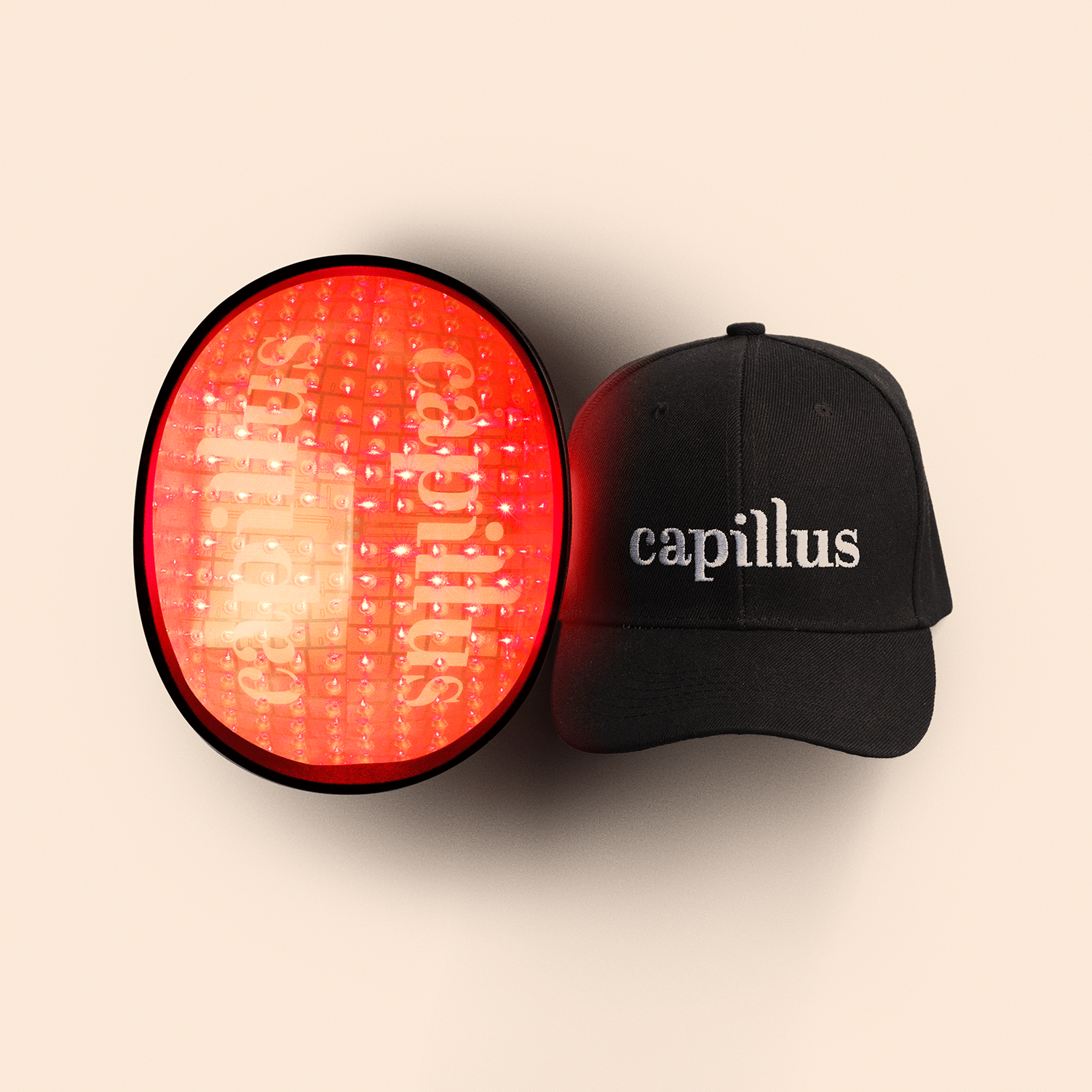
Credit: www.capillus.com
Comparing Your Hair Regrowth Progress Over Time
With your photos organized, the next step is comparing them side by side. This helps you spot real changes and patterns that daily mirror checks miss.
How To Make Effective Comparisons
For best results:
- Pick two photos taken from the same angle and lighting, several weeks apart.
- Open both images on a computer or phone screen.
- Zoom in on key areas: Hairline, crown, or any thinning patches.
- Look for signs of regrowth: New short hairs, less visible scalp, or increased thickness.
Tip: Comparing photos monthly works better than weekly. Hair grows about 1 to 1.5 centimeters (0.4 to 0.6 inches) per month on average, so changes are slow.
Tracking Specific Areas
If you’re worried about a certain spot (like a receding hairline or bald patch), crop your photos to focus on that area. This makes it easier to see small changes.
Using Simple Comparison Tables
Here’s how you might track progress using a simple table:
| Date | Area | Notes |
|---|---|---|
| 2024-05-01 | Front hairline | Baseline, visible thinning |
| 2024-06-01 | Front hairline | Small new hairs visible |
| 2024-07-01 | Front hairline | Hairline appears fuller |
You can make a table like this for each area you’re tracking. This helps you connect visual changes to your notes and treatment timeline.
What To Look For In Your Hair Regrowth Photos
Knowing what to watch for helps you judge progress more accurately. Here are key signs of hair regrowth:
Early Signs (first 1-3 Months)
- Short, soft “peach fuzz” hairs in thinning areas
- Less scalp visible under bright light
- Reduced hair fall in the shower or brush
These early hairs may be lighter or finer than your normal hair.
Mid-term Signs (3-6 Months)
- New hairs growing longer and darker
- Thicker appearance at the parting or hairline
- Smaller bald spots or patches
You might notice your scalp looks healthier, with less redness or irritation.
Long-term Signs (6+ Months)
- Thicker, denser coverage overall
- Hairline becomes more defined
- Fewer gaps or thin spots
By this stage, you should see steady improvement if your routine is working. If progress stalls, consider adjusting your treatment or consulting a professional.
Comparing To A Control Area
A smart tip: track a “control” area on your scalp that isn’t thinning. This helps you see if overall hair growth is normal or if changes are just from lighting or camera differences.
Common Mistakes In Hair Regrowth Photo Documentation
Even with the best intentions, it’s easy to make mistakes that ruin your comparisons. Here are some errors to avoid:
- Changing camera angles or lighting: Even small differences can make hair look thicker or thinner.
- Using different products: Switching shampoos, gels, or dyes can change how your hair looks.
- Taking photos at random times: Stick to your schedule for reliable results.
- Forgetting to clean your camera lens: A dirty lens blurs details.
- Not keeping hair the same: Wet, dirty, or styled hair looks different each time.
- Ignoring the background: Busy or colorful backgrounds distract from your hair.
If you notice a mistake, just note it in your records and try to be more consistent next time.
Practical Tips For Better Hair Regrowth Photos
Here are some extra tips that can make your progress tracking easier and more accurate:
- Use the self-timer or voice control on your phone to avoid shaky hands.
- Stick a small piece of tape on the floor to mark where you stand each time.
- Wear the same shirt or drape a towel over your shoulders for each session.
- If possible, ask a friend or family member to help take your photos.
- Take several shots from each angle and pick the clearest one.
- If you use a mirror, clean it first to avoid smudges or glare.
One insight beginners miss: don’t get discouraged by slow changes. Hair regrowth is gradual. Even if you don’t see big differences at first, your photos are building a valuable record.
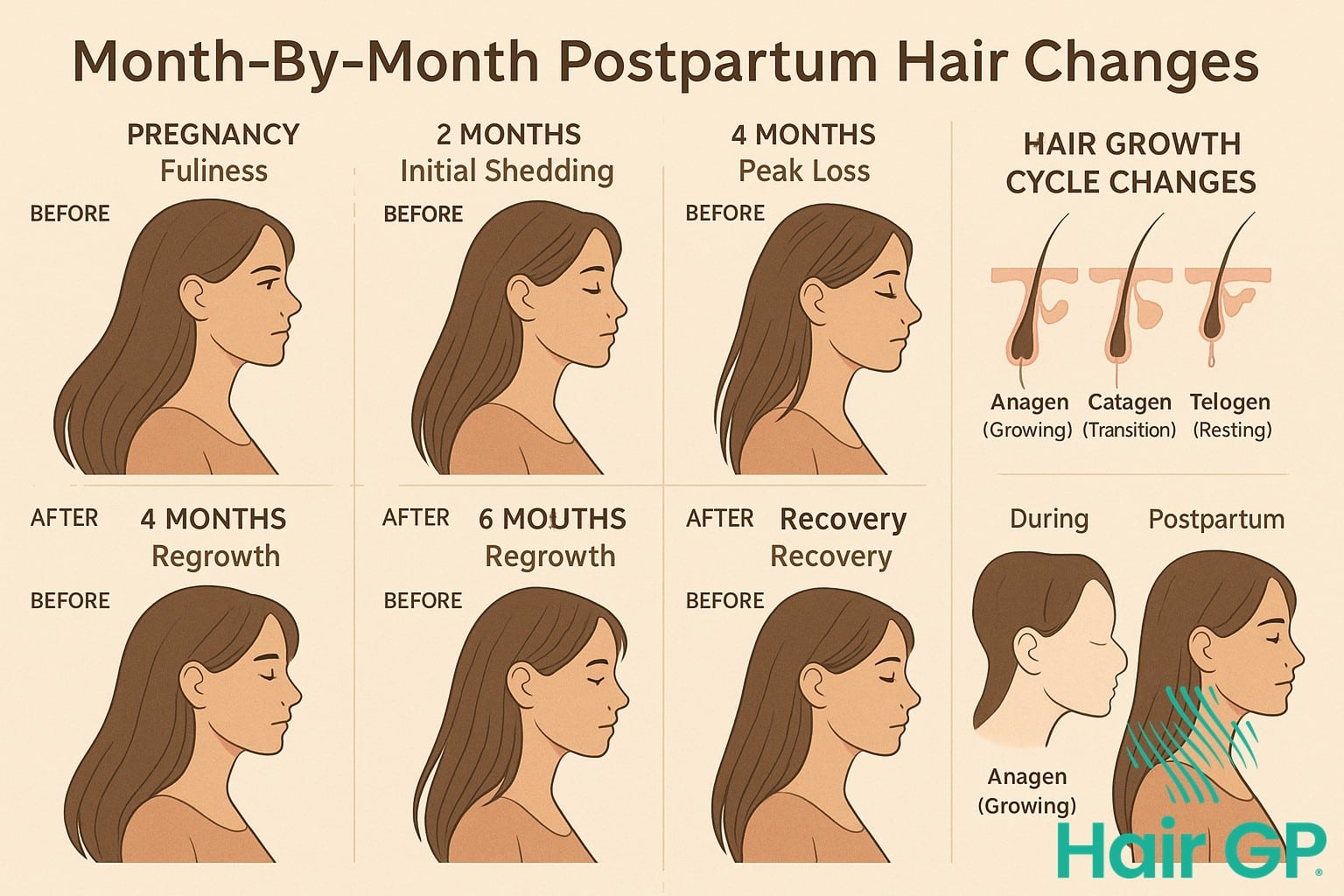
Credit: hairgp.co.uk
Advanced Tracking: Adding Measurements And Data
For those who want a deeper analysis, combine your photos with basic measurements. This adds another layer of detail and helps you spot trends.
Measuring Hairline Or Bald Spot Size
Here’s how to do it:
- Place a ruler or measuring tape across your hairline or bald spot before taking the photo.
- Record the measurement in millimeters or centimeters.
- Add the numbers to your photo file name or a tracking sheet.
For example:
- 2024-06-01_Front_6cm.jpg
Over time, you’ll see if your hairline is advancing, receding, or staying the same.
Tracking Hair Density
If you want to track density (how many hairs per square centimeter), use a marked grid or ruler, but this is usually only needed for research or medical studies. For most people, visual and size changes are enough.
Using Data Tables For Progress
Combine your notes with your photos in a simple data table:
| Date | Area | Measurement | Notes |
|---|---|---|---|
| 2024-05-01 | Crown | 3 cm | Patch size, visible scalp |
| 2024-07-01 | Crown | 2.5 cm | Patch smaller, new hairs |
| 2024-09-01 | Crown | 2 cm | Patch nearly filled |
This makes it easy to show your doctor or keep for your own records.
Using Your Hair Regrowth Photos For Motivation
Hair loss can be stressful. Sticking with a new routine is tough when results are slow. But your photo journal can give you a big motivation boost.
Celebrate Small Wins
When you see even tiny new hairs, that’s progress. Celebrate these moments—they mean your treatment is working. Share your photos with supportive friends, family, or online groups. Positive feedback helps you stay on track.
Stay Patient
Hair regrowth is a marathon, not a sprint. Most treatments take at least 3-6 months to show visible results. Your photo diary proves you’re moving forward, even if it’s slow. Remember: without photos, you might have quit before seeing change.
Use Photos To Guide Decisions
If your photos show little or no improvement after 6-12 months, it may be time to talk to a doctor or try a new approach. Your photo record helps you make decisions based on facts—not hope or guesswork.
Sharing Your Progress With Professionals
Doctors, dermatologists, and trichologists rely on clear information to give you the best advice. Your hair regrowth photo diary is a powerful tool.
What To Share
- Baseline photo before starting treatment
- Monthly progress photos from all main angles
- Notes on changes in routine or products
Bring your photos to appointments or share them digitally. This helps professionals spot patterns, recommend adjustments, or suggest medical tests if needed.
Why Photos Matter In Medical Care
Some hair loss conditions need early treatment for best results. Your photos give your doctor a timeline. They can see if a treatment is working, if hair loss is speeding up, or if other factors (like stress or illness) are involved.
Privacy And Security Tips For Your Hair Photos
Hair loss can be a sensitive topic. It’s important to keep your photos safe and private.
Protect Your Images
- Store photos in a password-protected folder or app.
- Use cloud storage with strong security (like Google Photos or Apple iCloud).
- Avoid sharing photos on social media unless you’re comfortable.
Control Who Sees Your Progress
Only share photos with people you trust—such as doctors, family, or support groups. If you’re part of an online hair loss community, blur or crop your face for privacy.
Know Your Rights
If you share your story online, remember that photos can be copied. Consider using watermarks or low-resolution images for public posts.
Real-world Example: Progress Photo Timeline
Here’s a case study that illustrates the power of tracking:
Maya started minoxidil in January 2023. She took photos every 4 weeks from the front, top, and sides. By April, she noticed fine new hairs at her hairline. By July, her crown looked fuller, and by November, her bald spot had shrunk by 40%. Comparing her first and last photos, the difference was dramatic—even though she barely noticed changes day to day. Maya credits her photo diary for helping her stick with treatment and share clear results with her dermatologist.
This story shows how a simple routine can lead to better results and more confidence.
Comparing Hair Regrowth Methods With Photo Tracking
Photo documentation also helps compare the effectiveness of different hair regrowth methods. Here’s a summary table:
| Method | Expected Timeline | Best for | Photo Tracking Benefits |
|---|---|---|---|
| Minoxidil | 3-6 months | Most types of hair loss | Shows early “fuzz” regrowth |
| Finasteride | 6-12 months | Male pattern baldness | Tracks slow but steady progress |
| Hair transplants | 6-12 months | Advanced hair loss | Documents growth after surgery |
| Natural oils/massages | 3-6 months (if effective) | Mild thinning | Tracks subtle changes |
No matter which method you choose, consistent photo documentation gives you the most honest feedback.
Overlooked Insights And Advanced Tips
Here are two valuable insights most beginners miss:
- Lighting changes can hide real progress. If you move, redecorate, or the season changes, test your setup with a new baseline photo. Even small lighting shifts can make hair look very different.
- Photos can reveal setbacks, not just progress. If you see thinning after an illness, stress, or change in routine, your images offer clues to what’s working and what isn’t. This helps you adjust faster.
And one more advanced tip: After 6-12 months, create a “time-lapse” video using your monthly photos. This lets you see your whole journey in seconds—a powerful motivator!
When To Get Professional Help
If your photos show rapid hair loss, redness, scarring, or bald patches that keep growing, see a dermatologist or trichologist. Hair loss can have medical causes like alopecia areata, thyroid disease, or scalp infections. Early treatment is best.
Bring your photo diary to your appointment. This gives your doctor a head start in diagnosing and recommending treatment.
For more information on hair loss causes and treatments, you can visit the American Academy of Dermatology.

Credit: www.k15t.com
Frequently Asked Questions
How Often Should I Take Hair Regrowth Progress Photos?
Take photos every 2 to 4 weeks for the most reliable comparisons. More frequent photos (like weekly) usually show little visible change, while longer gaps make it harder to spot smaller improvements or setbacks.
What’s The Best Lighting For Hair Regrowth Photos?
Use natural daylight from a window whenever possible. Avoid harsh sunlight, yellowish indoor light, or shadows. Take photos at the same time of day and in the same spot for consistency.
Can I Use My Phone To Track Hair Regrowth Progress?
Yes, most modern smartphones have cameras good enough for progress photos. Use the same phone each time, turn off filters, and consider using a tripod or stand to keep the angle steady.
How Do I Measure Hairline Or Bald Spot Changes?
Place a ruler or tape measure across your hairline or bald spot before each photo. Record the measurement in centimeters or millimeters. Combine this with your photos for a more accurate record.
When Should I See A Doctor About Hair Loss?
If your photos show rapid hair loss, bald patches that grow, redness, pain, or no progress after 6-12 months of treatment, see a dermatologist or trichologist. Early diagnosis and treatment lead to better outcomes.
Tracking your hair regrowth progress with careful photo documentation is a simple but powerful tool. It keeps you motivated, helps you make better decisions, and gives you proof of your journey—no matter how slow or fast your results. Stick with your routine, and let your photos show you the truth of your hair’s transformation.