

Many women notice changes in their hair as they age—sometimes it becomes thinner, sheds more, or even develops a different texture. For some, these changes can be alarming and affect confidence. Hair loss in women is complex and often caused by a mix of genetics, hormones, lifestyle, and health factors. One hormone that has gained a lot of attention in recent years is DHEA (dehydroepiandrosterone). But what do we really know about DHEA and its connection to hair loss in women? Are the claims about DHEA supplements and hair regrowth backed by science, or is the reality more complicated?
In this article, you’ll discover what DHEA is, how it acts in the body, and the specific research on DHEA and hair loss in women. We’ll also look at related hormones, the types of hair loss women face, and what practical steps you can take if you’re worried about thinning hair.
Whether you’re considering DHEA supplements or just looking for answers, this guide gives you the clear information you need to make smart choices.
Understanding Dhea: The Hormone At The Center
DHEA stands for dehydroepiandrosterone, a hormone produced mainly by the adrenal glands, which sit just above your kidneys. DHEA is sometimes called a “mother hormone” because your body uses it to make other important hormones, including estrogen and testosterone. Both men and women make DHEA, but the levels and effects can be very different.
What Does Dhea Do?
DHEA helps regulate many body functions:
- Supports the immune system
- Affects mood and energy
- Plays a role in the aging process
- Helps create sex hormones (estrogen and testosterone)
As women age, especially after age 30, DHEA levels naturally decline. By age 70, some women have only 10-20% of the DHEA they had in their 20s. This drop has been linked to symptoms like low energy, mood changes, and yes—sometimes hair changes.
How Is Dhea Measured?
Doctors can measure DHEA using a blood test, usually called DHEA-sulfate (DHEA-S). This gives an idea of your body’s average DHEA production.
What Makes Dhea Different From Other Hormones?
Unlike estrogen and testosterone, which often get most of the attention, DHEA is a precursor hormone. This means it’s converted into other hormones, depending on your body’s needs. In some women, this balance works well. In others, small changes in DHEA can lead to big effects, including on hair growth or loss.
Hair Loss In Women: Causes And Patterns
Before diving into DHEA’s specific role, it’s helpful to understand why women lose hair in the first place. Hair loss in women is not the same as in men. The patterns, causes, and even the emotional impact can be very different.
Types Of Hair Loss In Women
- Androgenetic alopecia: Also called female-pattern hair loss. This is the most common type and often runs in families.
- Telogen effluvium: Sudden shedding caused by stress, illness, or big life events.
- Alopecia areata: Patchy hair loss, often linked to autoimmune issues.
- Traction alopecia: Hair loss from tight hairstyles or harsh treatments.
Symptoms Of Hair Loss In Women
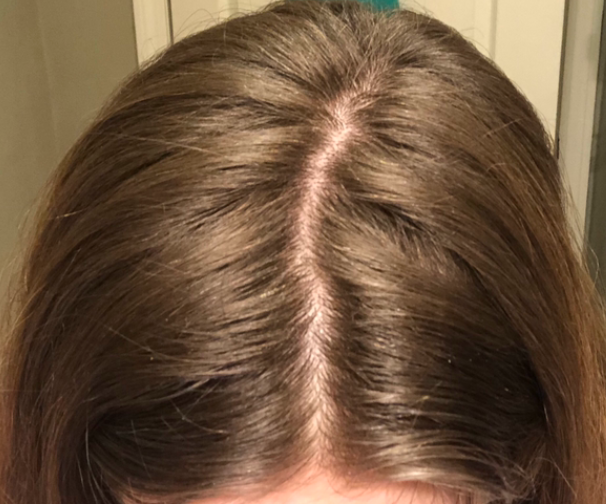
- Gradual thinning, especially on the top of the head
- Widening part line
- More hair in the brush or shower
- Sometimes, small bald patches
Why Is Hair Loss Different For Women?
Women’s hair loss is often diffuse (spread out), not in patches like men’s receding hairlines. Hormones play a much bigger role, especially during times of change like pregnancy, menopause, or after stopping birth control pills.
Credit: donovanmedical.com
The Link Between Dhea And Hair Growth
Much of the excitement about DHEA comes from its ability to convert into other hormones. But does it really influence hair growth, or is the story more complex?
How Dhea Is Connected To Hair Follicles
Hair follicles are sensitive to hormones. When DHEA enters a hair follicle, your body can turn it into either estrogen (which usually helps hair grow) or testosterone/androgens (which can sometimes cause hair thinning in women).
This balance is delicate:
- High DHEA may lead to more androgens, which could trigger hair thinning in women sensitive to these hormones.
- Low DHEA could mean less estrogen, which might also weaken hair growth.
Key Findings From Research
Studies show mixed results about DHEA and hair loss in women:
- Some women with high DHEA (like those with polycystic ovary syndrome, or PCOS) have more hair thinning or excess facial hair.
- Other studies found that replacing DHEA in postmenopausal women did not always improve scalp hair growth.
- Animal studies suggest DHEA can support hair growth, but these effects are not always seen in humans.
Example Study
One study published in the journal *Menopause* tested DHEA supplements in postmenopausal women. After one year, there was no significant improvement in hair growth compared to women who took a placebo.
What About Dhea Creams Or Topicals?
Some products claim that applying DHEA cream to the scalp can help hair regrow. There is very little scientific evidence to support this. Most studies used oral DHEA, not creams.
When Can Dhea Make Hair Loss Worse?
In women who are sensitive to androgens, or who already have high DHEA, taking extra DHEA can sometimes cause:
- Oily skin
- Acne
- More facial or body hair (hirsutism)
- Worsening scalp hair thinning
This is why DHEA is not a “one size fits all” solution for female hair loss.
Dhea, Androgens, And Female-pattern Hair Loss
One of the most confusing things for women is how DHEA relates to androgens (male-type hormones). This relationship is key to understanding hair loss in women.
What Are Androgens?
Androgens include testosterone and dihydrotestosterone (DHT). These hormones are present in both men and women, but in different amounts. In men, androgens encourage facial and body hair. In women, excess androgens can lead to thinning scalp hair and sometimes unwanted facial hair.
The Conversion Pathway
DHEA can be converted into testosterone and then DHT. DHT is the main hormone linked to female-pattern hair loss.
Here’s a simplified pathway:
- DHEA → Testosterone → DHT
When Is This Pathway A Problem?
Some women have hair follicles that are especially sensitive to DHT. Even normal levels can cause thinning. In these cases, raising DHEA (through supplements or naturally) might make hair loss worse.
Data Comparison
Here’s how hormone levels can change in different situations:
| Condition | DHEA Level | Testosterone Level | DHT Level | Hair Loss Risk |
|---|---|---|---|---|
| Healthy Young Woman | Normal | Low-Normal | Low | Low |
| PCOS (Polycystic Ovary Syndrome) | High | High | High | High |
| Postmenopausal Woman | Low | Low | Low | Medium |
| DHEA Supplementation | High | Varies | Varies | Unpredictable |
Non-obvious Insight: Local Vs. Blood Levels
One detail many beginners miss: blood levels of DHEA or testosterone do not always match what’s happening in hair follicles. A woman can have “normal” blood hormones but still lose hair if her follicles are extra sensitive.
Non-obvious Insight: Other Factors Matter
DHEA’s effect on hair also depends on:
- Genetics (family history of hair loss)
- Stress, which raises cortisol (another adrenal hormone)
- Other health issues, like thyroid disease or iron deficiency
Dhea, Pcos, And Hair Loss
Polycystic ovary syndrome (PCOS) is a hormone disorder that affects millions of women. One key feature is high DHEA and androgens, which often causes both scalp hair thinning and unwanted hair growth on the face or body.
How Pcos Changes Hair Growth
- Scalp: Hair thins (especially at the part)
- Face/Body: Hair grows more thickly (hirsutism)
PCOS shows how high DHEA and androgens can have different effects on different parts of the body.
Treatment Challenges
Women with PCOS and hair loss often need to lower androgens, not increase DHEA. Common treatments include:
- Birth control pills (to balance hormones)
- Anti-androgen medications (like spironolactone)
- Lifestyle changes (weight loss, exercise)
DHEA supplements are usually not recommended for women with PCOS who are losing hair.
Pcos Data Snapshot
The following table shows how hormones often compare in women with and without PCOS:
| Hormone | Typical Level in PCOS | Typical Level without PCOS |
|---|---|---|
| DHEA-S | High | Normal |
| Testosterone | High | Low-Normal |
| Estrogen | Normal-High | Normal |
Dhea, Menopause, And Hair Loss
Menopause is another time when hormones—and hair—can change quickly. As women go through menopause, estrogen and DHEA both drop. Some hope that adding DHEA back might help with hair loss, but research shows mixed results.
The Menopause-hair Connection
- Estrogen drops: Hair becomes finer, sheds more easily.
- DHEA drops: Less “fuel” for making estrogen/testosterone.
- Androgens: Sometimes stay the same or rise in comparison to estrogen.
Dhea Replacement In Menopause
Some studies tested if DHEA supplements can slow or reverse hair loss after menopause. Results so far:
- Some women see no change in scalp hair.
- A few women notice more facial hair (not desired).
- Side effects like acne are common.
Why Don’t Dhea Supplements Always Help?
- The body may convert DHEA differently as women age.
- Hair follicles might not “wake up” just by adding more hormone.
- Other factors, like scalp inflammation, also affect results.
Practical Example
One postmenopausal woman tried DHEA supplements for six months. She noticed slightly thicker body hair, but her scalp hair stayed the same. Her doctor later stopped the DHEA due to mild acne and increased facial hair.

Credit: www.amazon.com
Dhea Supplements: Hype Vs. Reality
Many online shops sell DHEA pills, creams, or sprays claiming to boost energy, reverse aging, and regrow hair. But do these claims match reality?
What Do Dhea Supplements Contain?
Most DHEA supplements contain synthetic DHEA made from wild yams or soy. Once in the body, it acts like natural DHEA.
Are Supplements Regulated?
In many countries, DHEA is sold as a dietary supplement, not a medicine. This means:
- Quality and dosage can vary widely.
- Purity is not always guaranteed.
- Labels may not match what’s inside.
Research On Dhea Supplements And Hair Loss
Several studies tried DHEA supplements for women with thinning hair. Key findings:
- Most women did not see dramatic hair regrowth.
- Some developed acne, oily skin, or facial hair.
- Women with PCOS or high androgen levels worsened their symptoms.
Risks And Side Effects
- Oily skin, acne
- Unwanted hair growth (face/body)
- Worsening scalp hair loss (in sensitive women)
- Mood swings or sleep changes
- May interact with other medications
Who Should Not Take Dhea?
- Women with PCOS or high androgens
- Those with a history of hormone-sensitive cancers (breast, uterine)
- Pregnant or breastfeeding women
When Is Dhea Used By Doctors?
Doctors sometimes use DHEA for adrenal insufficiency or severe menopause symptoms, but usually not for hair loss alone.
Testing For Dhea And Other Hormones
If you’re losing hair and think hormones might be the cause, proper testing is important.
Key Hormone Tests
- DHEA-S: Measures adrenal DHEA production
- Testosterone (total and free)
- Estradiol (main estrogen)
- TSH (thyroid function)
- Ferritin (iron stores)
- Cortisol
How Testing Helps
Testing can show if your DHEA or androgens are high, normal, or low. This helps guide treatment. For example, if DHEA is normal but testosterone is high, treating high androgens may be more important.
What To Ask Your Doctor
- Do I need a full hormone panel?
- Are my hair follicles sensitive to androgens?
- Would DHEA make my hair loss better or worse?

Credit: scandinavianbiolabs.com
Natural Ways To Support Healthy Hair
Even if DHEA is not the magic answer for most women, there are other proven ways to help hair stay strong and healthy.
Nutrition And Hair Growth
Hair needs a steady supply of nutrients. Important ones include:
- Iron: Low iron is a common cause of hair loss.
- Vitamin D
- Zinc
- Protein: Hair is made of keratin, a type of protein.
Eating a varied diet with lean meats, eggs, leafy greens, nuts, and beans can help.
Stress Management
Chronic stress raises cortisol, which can affect DHEA and hair growth. Simple ways to manage stress:
- Regular exercise (walking, yoga)
- Mindfulness or meditation
- Good sleep habits
Gentle Hair Care
- Avoid tight hairstyles (ponytails, braids)
- Use mild shampoos and conditioners
- Minimize heat styling (blow dryers, straighteners)
Medical Treatments
If hair loss is severe, other treatments may help:
- Minoxidil (topical solution): FDA-approved for women
- Platelet-rich plasma (PRP) therapy
- Laser devices
- Prescription anti-androgen medications
The Role Of Genetics In Hair Loss
While hormones like DHEA play a role, genetics are one of the biggest influences on female hair loss.
Family History
If your mother, grandmother, or aunts had thinning hair, your risk is higher. This pattern can start as early as your 20s or 30s.
Can Genetics Be Changed?
Not directly, but early treatment and healthy habits can slow the process.
Non-obvious Insight: Follicle Sensitivity
Some women have “normal” hormones but lose hair because their follicles are extra sensitive to DHT. This is why two women with the same hormone levels can have very different hair.
When To See A Doctor
If you notice:
- Sudden, severe hair loss
- Bald patches
- Other symptoms (acne, irregular periods, deepening voice)
It’s important to see a healthcare provider. These can be signs of underlying hormone disorders or other health issues.
What To Bring To Your Visit
- List of all symptoms (not just hair)
- Family history of hair loss or hormone problems
- All medications and supplements you take
What The Research Really Says About Dhea And Hair Loss In Women
After reviewing many studies, the answer is clear: DHEA is not a guaranteed solution for hair loss in women. In fact, for some, it can make hair loss worse, especially if they are sensitive to androgens.
The Main Takeaways
- DHEA is a “mother hormone” that can be converted into both hair-friendly and hair-harming hormones.
- Some women (especially with PCOS) already have too much DHEA or androgens.
- Taking DHEA without testing and guidance can worsen hair loss in certain women.
- Diet, stress, and genetics matter as much as hormone levels.
- More research is needed to find out who (if anyone) benefits from DHEA for hair growth.
Real-world Example
Sarah, age 42, started losing hair around her part line. She tried DHEA supplements after reading about them online. After three months, she noticed no improvement in scalp hair, but developed oily skin and new facial hair. Her doctor stopped the supplement and started her on topical minoxidil. Her shedding improved after six months.
Myths And Misunderstandings About Dhea And Hair Loss
There’s a lot of confusion about what DHEA can do. Let’s clear up some common myths.
Myth 1: Dhea Always Helps Hair Grow
Fact: For some women, it does nothing or makes hair loss worse.
Myth 2: Dhea Is Safe For All Women
Fact: Women with PCOS, high androgens, or hormone-sensitive cancers should avoid it.
Myth 3: Dhea Creams Are Different From Pills
Fact: Both can raise DHEA levels in the body. Effects depend on your own hormone balance.
Myth 4: Only Old Women Lose Hair
Fact: Hair loss can start as early as your 20s, especially with hormonal or genetic factors.
Myth 5: Blood Tests Tell The Whole Story
Fact: Follicle sensitivity and local hormone effects matter just as much.
Comparing Dhea To Other Hair Loss Treatments
How Does Dhea Stack Up Against Other Options?
| Treatment | How It Works | Effectiveness for Women | Main Risks |
|---|---|---|---|
| DHEA | Boosts hormone production | Unpredictable; may worsen loss | Acne, facial hair, hormone imbalance |
| Minoxidil | Directly stimulates follicles | FDA-approved; helps most women | Scalp irritation, shedding at start |
| Spironolactone | Blocks androgens | Helps many women with PCOS | Low blood pressure, frequent urination |
| PRP (Platelet-rich plasma) | Uses growth factors from your blood | Some success; expensive | Discomfort, rare infection |
Practical Steps If You’re Considering Dhea
If you’re thinking about DHEA for hair loss, here’s how to do it safely:
- Get tested first. Check DHEA-S, testosterone, and other hormones.
- Talk to a healthcare provider before starting.
- Monitor for side effects like acne, unwanted hair, or mood changes.
- Stop immediately if hair loss gets worse.
- Consider safer, proven treatments like minoxidil or anti-androgens.
Latest Research And Future Directions
Scientists are still studying how DHEA affects hair and who might benefit. Some research is focusing on:
- How genes affect DHEA conversion in hair follicles
- Whether new DHEA-like molecules can help without side effects
- Combining DHEA with other treatments for better results
For now, DHEA is not the first-line treatment for female hair loss. Better options exist, and more research is needed.
If you want to see some original studies, visit the National Institutes of Health.
Frequently Asked Questions
What Is Dhea And Why Is It Important?
DHEA is a hormone made by your adrenal glands. It acts as a building block for other hormones like estrogen and testosterone. DHEA affects energy, mood, the immune system, and, in some cases, hair growth.
Can Taking Dhea Supplements Help With Hair Loss?
For most women, DHEA supplements do not help with scalp hair loss and may make it worse, especially if you have high androgens or sensitive hair follicles. Always test your hormone levels and speak to a doctor before trying DHEA.
What Are The Risks Of Using Dhea For Hair Loss?
Possible risks include acne, oily skin, increased facial or body hair, mood changes, and in some cases, more scalp hair loss. Women with PCOS or hormone-sensitive conditions should avoid DHEA.
How Do I Know If My Hair Loss Is Hormone-related?
If your hair loss happens with other symptoms like acne, irregular periods, or unwanted facial hair, hormones may be involved. A blood test for DHEA, testosterone, and other hormones can help clarify the cause.
What Are Safer Alternatives To Dhea For Hair Loss?
Minoxidil is FDA-approved for women and has a good safety record. Other options include anti-androgen medications (like spironolactone), nutritional support, and managing stress. For most women, these are safer than DHEA supplements.
—
Hair loss in women is frustrating and complicated, but understanding the role of DHEA can help you make better decisions. While DHEA is important for overall health, it is not a magic fix for hair loss. In fact, for many women, especially those with high androgen levels, DHEA can make things worse.
Always get proper testing and work with a healthcare provider to find the best solution for your unique situation. Remember, healthy hair is about more than one hormone—nutrition, stress, genetics, and gentle care all matter just as much.