

Scalp Health For Older Women: Combating Dryness And Thinning
As women age, many notice changes in their scalp and hair. The scalp may become dry, itchy, or sensitive. Hair might thin, lose its shine, or even fall out in patches. These changes are natural, but they often feel frustrating and can affect self-confidence.
Most older women focus on treating their hair, but often forget that scalp health is the real foundation for beautiful, strong hair.
This article explores why scalp health matters so much for older women, the common causes of dryness and thinning, and practical steps to restore comfort, moisture, and hair growth. You’ll discover science-backed advice, easy routines, and surprising facts that most beginners miss.
Whether you want to reduce dryness, prevent further thinning, or just feel better about your scalp, you’ll find the guidance you need right here.
Why Scalp Health Declines With Age
Many women believe that hair thinning is simply caused by aging. However, scalp health is often the missing piece. As women get older, several factors combine to weaken the scalp and hair follicles:
- Hormonal Changes: Menopause leads to lower estrogen and higher androgen levels. This shift can reduce scalp oils and shrink hair follicles. For example, some women notice their hair becomes finer and the scalp feels tight soon after menopause.
- Reduced Sebum Production: The scalp produces less sebum, the natural oil that keeps skin and hair moist. Without enough sebum, dryness becomes common. You might see more flakes or feel an uncomfortable tightness after washing your hair.
- Slower Cell Renewal: The scalp skin renews itself more slowly, so dead skin cells build up and block follicles. This can make hair look dull and even cause mild dandruff.
- Blood Flow Decreases: With age, the tiny blood vessels in the scalp may narrow, delivering fewer nutrients to hair roots. Less blood flow means less oxygen and fewer nutrients, which weakens the hair over time.
- Environmental Stress: Decades of sun, wind, or harsh products can damage the scalp’s protective barrier. Many older women spent years outdoors or used strong styling products, which can lead to long-term dryness and sensitivity.
These changes make the scalp more vulnerable to dryness, irritation, and hair thinning. Understanding these causes helps you choose the right solutions. For example, using products designed for sensitive skin and increasing scalp circulation can help counteract these age-related changes.
Signs Of Dryness And Thinning In Older Women
Sometimes, signs of poor scalp health are subtle. Here are the most common symptoms:
- Itchy scalp: Persistent itching is often the first signal. It may get worse after washing or in dry weather.
- Flaky skin: Visible flakes or dandruff can appear, especially after brushing. Flakes can look like tiny white or yellow dots on your scalp or shoulders.
- Sensitive scalp: You might feel soreness or stinging when touching your scalp. Wearing hats or using hair clips can feel uncomfortable.
- Hair thinning: Hair becomes sparse or loses volume, especially around the crown and temples. You may notice your hair part looks wider or more scalp is visible.
- Excessive hair shedding: More hairs appear in your brush, shower, or on your pillow. Finding more hair in the drain or on your pillow can be alarming.
- Dull hair texture: Hair feels dry, brittle, and lacks shine. It may break easily or feel rough to the touch.
Some women confuse these signs with normal aging, but often, they are warning signals that your scalp needs attention. Acting early can slow or reverse these problems. For example, noticing more flakes or itchiness after starting a new shampoo could mean your scalp is reacting to harsh ingredients.
Causes Of Scalp Dryness And Thinning
Understanding the root causes helps you target them directly. Here are some key reasons:
Hormonal Imbalances
After menopause, estrogen drops and androgens rise. This hormonal shift reduces the scalp’s natural oil production and can shrink hair follicles, leading to dryness and thinning. Hormonal changes also affect the hair growth cycle, making hair grow slower and fall out faster.
Poor Scalp Nutrition
Many older women have diets low in vitamins and minerals needed for scalp health. Deficiencies in biotin, iron, zinc, and vitamin D can weaken the scalp and hair. For instance, low iron levels are common after menopause and can cause both fatigue and hair thinning.
Medical Conditions
Some illnesses like thyroid disorders, diabetes, and autoimmune diseases can affect the scalp. Medications for blood pressure, cholesterol, or arthritis may cause dryness as a side effect. For example, hypothyroidism slows metabolism and may lead to brittle hair and dry skin.
Harsh Hair Products
Shampoos with sulfates or alcohol can strip away the scalp’s natural oils. Frequent coloring, perming, or heat styling also damages the scalp barrier. Using products labeled “deep cleaning” or “clarifying” too often can remove natural moisture and cause irritation.
Stress And Sleep
Chronic stress increases the hormone cortisol, which can trigger scalp inflammation and hair loss. Poor sleep reduces cell repair and blood flow to the scalp. For example, stressful events or insomnia may cause you to notice more hair shedding within weeks.
Environmental Factors
Sun exposure, pollution, and dry air can dehydrate the scalp. Wearing tight hats or scarves may trap sweat and irritate the skin. Many women notice their scalp feels drier in winter or after spending time outdoors.
Genetics
Some women are genetically more prone to scalp dryness or hair thinning. Family history often predicts how quickly these changes appear. If your mother or grandmother had thinning hair, you might experience similar changes.
How To Diagnose Scalp Issues
If you notice dryness or thinning, it’s important to diagnose the problem correctly. Here’s how to start:
- Visual Check: Look for flakes, redness, thinning patches, or excessive hair shedding. Use a mirror or ask a friend to help check the back and crown.
- Touch Test: Gently press your scalp. If it feels sore, tight, or itchy, dryness is likely. Notice how your scalp feels after washing or brushing.
- Hair Pull Test: Hold a small section of hair and gently pull. If more than 2-3 hairs come out, thinning may be active. Repeat this test in different areas to spot patterns.
- Consult a Dermatologist: For severe symptoms, visit a skin specialist. They can do a scalp biopsy or blood tests for hormone and nutrient levels. Dermatologists may also use special cameras to examine scalp health closely.
Many women skip these steps, but early diagnosis helps you treat the problem sooner. Sometimes, simple changes in routine or diet can make a big difference.
:max_bytes(150000):strip_icc()/hlt-tier-3-primary-best-hair-growth-shampoo-ahuang-1478-d48ed73e1b404d0ebfae4146f2dd5d65.jpeg)
Credit: www.health.com
Essential Nutrients For Scalp Health
Nutrition is often overlooked, but it’s one of the most powerful tools for scalp recovery. Here are key nutrients:
| Essential Nutrient | Role in Scalp Health | Food Sources |
|---|---|---|
| Biotin (Vitamin B7) | Strengthens hair follicles, reduces shedding | Eggs, nuts, seeds, leafy greens |
| Iron | Supports blood flow to scalp | Red meat, spinach, lentils |
| Zinc | Repairs scalp skin, controls oil production | Pumpkin seeds, seafood, whole grains |
| Vitamin D | Boosts hair growth, reduces inflammation | Sunlight, salmon, fortified milk |
| Omega-3 Fatty Acids | Hydrates scalp, prevents dryness | Fish, flaxseed, walnuts |
| Vitamin E | Protects scalp cells from damage | Avocado, almonds, sunflower seeds |
If you can’t get enough from food, supplements may help, but always check with your doctor first. Some nutrients, like iron, can cause side effects if you take too much. It’s also important to know that some supplements take months to show results.
One insight: Many women start supplements without checking their blood levels first. Getting a blood test can help target the nutrients you need most.
Best Daily Scalp Care Routines
Consistent routines bring the fastest results. Here’s a step-by-step daily guide:
- Gentle Cleansing: Use a mild, sulfate-free shampoo. Massage your scalp with fingertips for 2-3 minutes to boost blood flow. This simple step helps remove dead skin cells and increases circulation.
- Moisturizing Conditioner: Apply a conditioner with natural oils (like argan, coconut, or jojoba). Focus on the scalp and roots. Many conditioners are designed just for hair, but choosing one for scalp health makes a difference.
- Avoid Hot Water: Wash hair with lukewarm water. Hot water strips oils and worsens dryness. If your scalp feels tight after washing, try cooler water.
- Scalp Massage: Spend 5 minutes daily massaging your scalp. It increases circulation and helps nutrient delivery. Use gentle circular motions with your fingertips—not nails.
- Leave-In Treatments: Use a lightweight, non-greasy leave-in serum for extra moisture. Look for products with hyaluronic acid or aloe vera.
- Air Drying: Let your hair dry naturally. Avoid blow dryers and straighteners when possible. If you must use heat, use the lowest setting.
- Protect from Sun: Wear a soft hat or scarf outdoors to prevent UV damage. Choose hats made from breathable materials to avoid trapping sweat.
- Clean Brushes: Wash your hairbrush weekly to remove buildup and bacteria. Old brushes can spread flakes and oils.
Many women skip scalp massage, but it’s a simple trick for improving blood flow and encouraging hair growth. You can also use a soft silicone scalp brush for massage, which feels relaxing and helps distribute oils.
Effective Treatments For Scalp Dryness
Dryness can be stubborn, but many treatments help restore comfort:
Natural Oils
Applying oils like coconut, argan, or olive oil to the scalp once a week can deeply moisturize and repair the skin barrier. Leave the oil on for 30 minutes, then wash with a gentle shampoo. For even better results, wrap your hair in a warm towel while the oil is soaking in.
Hydrating Masks
Use a scalp mask containing hyaluronic acid or aloe vera. These ingredients lock in moisture and soothe irritation. Apply once per week. Some masks also contain oat extract, which is calming for sensitive skin.
Humidifiers
Running a humidifier at home increases air moisture, preventing scalp dehydration—especially in winter. Place the humidifier in your bedroom for overnight benefits.
Prescription Creams
For severe dryness, dermatologists may prescribe steroid creams or medicated shampoos to reduce inflammation and itching. These treatments can be strong, so follow instructions carefully.
Avoiding Irritants
Switch to fragrance-free, hypoallergenic hair products. Avoid sprays, gels, or mousses with alcohol or strong chemicals. Check labels for words like “gentle” or “for sensitive scalp. ”
One insight: Many women use “anti-dandruff” shampoos without realizing they can dry out the scalp if used too often. Rotate with a moisturizing shampoo for best results.
Strategies To Combat Hair Thinning
Hair thinning is often more noticeable than dryness. Here are proven strategies:
Minoxidil (rogaine)
Minoxidil is a topical medicine that stimulates hair growth. It is FDA-approved for women with thinning hair. Apply it to the scalp twice daily. Some women see new growth after 3-6 months.
Platelet-rich Plasma (prp) Therapy
PRP involves injecting your own blood plasma into the scalp to boost hair growth. Studies show positive results for older women, but it is expensive. Results may last about a year and require repeat treatments.
Low-level Laser Therapy
Laser devices increase blood flow and stimulate hair follicles. Home laser combs or helmets are available, but results may take months. Use the device 2-3 times a week for best outcomes.
Scalp Micropigmentation
This cosmetic procedure tattoos tiny dots on the scalp to mimic hair. It’s a fast fix for visible thinning but does not regrow hair. It’s best for women who want to improve the look of thinning areas.
Hair Transplants
Transplanting healthy hair follicles from other areas can restore volume. However, it is a surgical procedure with risks and a high cost. Not all women are good candidates, especially if the donor area is thin.
Nutrition And Supplements
Taking supplements like biotin, iron, and collagen can improve hair density if you are deficient. Collagen supplements are newer but show promise in improving scalp elasticity and hair thickness.
Gentle Hair Styling
Avoid tight ponytails, clips, or styles that pull on the hair. Use wide-tooth combs and soft brushes. Styling hair loosely and letting it rest can help prevent breakage.
Many women don’t realize that gentle styling prevents further thinning. Pulling hair tightly damages follicles and speeds up loss. Try alternating your hairstyle each day to reduce tension on the same spots.
Comparing Common Scalp Treatments
To help you choose, here is a comparison of common treatments for scalp dryness and thinning:
| Treatment | Effectiveness | Cost | Time to See Results |
|---|---|---|---|
| Natural Oils | Moderate | Low | 1-4 weeks |
| Minoxidil | High | Medium | 3-6 months |
| PRP Therapy | High | High | 2-6 months |
| Prescription Creams | Moderate | Medium | 2-8 weeks |
| Laser Therapy | Moderate | High | 4-12 months |
| Scalp Masks | Moderate | Low | 1-2 weeks |
Choose treatments based on your budget, patience, and scalp sensitivity. For example, women with sensitive skin may prefer natural oils or masks, while those wanting faster results might try minoxidil.
How Lifestyle Changes Improve Scalp Health
Lifestyle plays a bigger role than most women expect. Here are key habits:
- Balanced Diet: Eat plenty of vegetables, lean protein, healthy fats, and whole grains. Avoid crash diets or extreme restrictions. Skipping meals can slow scalp healing.
- Hydration: Drink at least 1.5-2 liters of water daily. Dehydration worsens scalp dryness. Carry a water bottle and sip throughout the day.
- Stress Management: Practice yoga, meditation, or deep breathing. Chronic stress can trigger hair loss. Even simple breathing exercises before bed can help.
- Regular Exercise: Walking, swimming, or cycling improves blood flow to the scalp and boosts cell renewal. Try gentle stretching or tai chi if you have joint pain.
- Sleep Quality: Aim for 7-8 hours nightly. Poor sleep slows scalp repair. Good sleep also balances hormones that affect hair growth.
- Quit Smoking: Smoking restricts blood flow and damages scalp skin. Quitting improves circulation and scalp moisture.
Many women focus only on products, but lifestyle changes often deliver stronger, longer-lasting results. One non-obvious insight: Keeping a journal of diet, stress, and sleep can reveal patterns in scalp health.
Choosing The Right Shampoo And Conditioner
Picking suitable products is essential. Here’s what matters:
Shampoo
- Use sulfate-free formulas. Sulfates strip natural oils and worsen dryness.
- Look for hydrating ingredients: Aloe vera, glycerin, panthenol.
- Avoid strong fragrances, parabens, or silicones. These can cause buildup and irritation.
- If you have scalp irritation, try shampoos labeled “for sensitive skin.”
Conditioner
- Choose conditioners with natural oils (argan, avocado, coconut).
- Avoid heavy, greasy formulas that clog follicles. Lightweight conditioners absorb better and won’t weigh down thinning hair.
- Look for conditioners with proteins (keratin, silk protein) for hair strength.
Here’s a quick comparison of shampoo types:
| Shampoo Type | Best For | Main Ingredients |
|---|---|---|
| Sulfate-Free | Dry, sensitive scalp | Aloe, coconut, glycerin |
| Medicated | Dandruff, severe dryness | Zinc pyrithione, ketoconazole |
| Volumizing | Thinning hair | Biotin, panthenol |
| Clarifying | Product buildup | Acetic acid, citrus extracts |
Always do a patch test with new products to avoid allergic reactions. If you feel burning, itching, or stinging, stop using the product right away.
Common Mistakes When Treating Scalp Dryness And Thinning
Many women make mistakes that slow progress:
- Over-washing Hair: Washing daily removes natural oils and worsens dryness. Try washing only 2-3 times per week.
- Using Harsh Products: Strong shampoos, dyes, and styling gels irritate the scalp. Look for “gentle” or “sensitive scalp” labels.
- Skipping Nutrition: Ignoring vitamins and minerals means scalp cells don’t get what they need. Even small changes in diet can help.
- Neglecting Scalp Massage: Missing this step reduces blood flow and slows hair growth. Set a timer for daily massage.
- Pulling Hair Tight: Styles like braids or ponytails damage follicles. Alternate styles and let your hair rest.
- Ignoring Medical Issues: Not checking for thyroid or hormonal problems can delay healing. Ask your doctor for basic blood tests.
- Self-Diagnosing: Treating scalp issues without expert advice sometimes makes things worse. If home remedies fail, get professional help.
Avoiding these mistakes gives your scalp the best chance to recover. One insight: Using too many products at once can confuse your scalp and make symptoms worse.
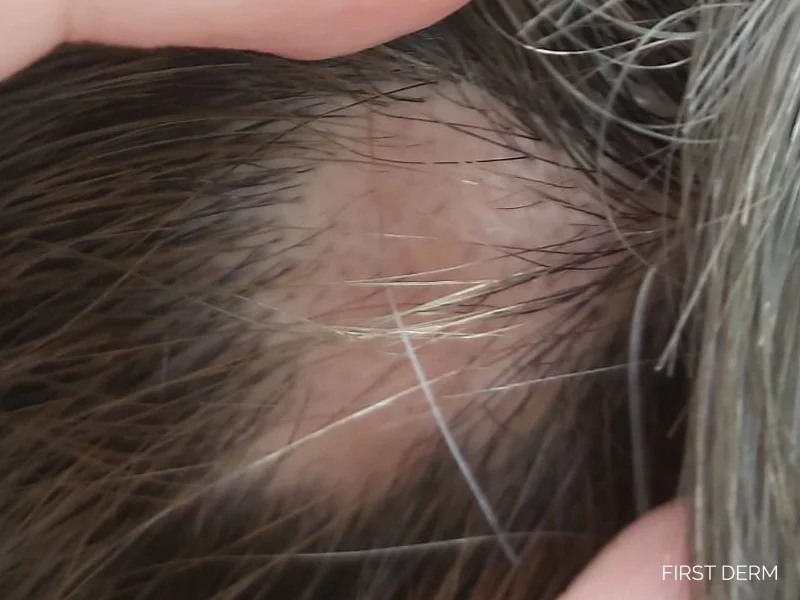
Credit: www.firstderm.com
When To See A Doctor
Not all scalp issues can be treated at home. You should see a dermatologist if:
- Dryness or itching lasts more than 4 weeks.
- Hair thinning becomes severe or rapid.
- You notice bald patches or sores.
- Scalp feels painful, swollen, or bleeds.
- Over-the-counter treatments fail to help.
Doctors can do blood tests, scalp biopsies, or prescribe stronger medications. For example, if you have sudden hair loss, it could signal an autoimmune condition.
Innovative Solutions And Future Trends
New technologies are emerging to help older women with scalp health:
- Stem Cell Therapy: Research shows that stem cells may regrow lost hair, but more studies are needed. Early trials are promising for women with advanced thinning.
- Smart Scalp Devices: Wearable devices monitor scalp moisture and suggest treatments. Some devices sync with apps and help track routines.
- Personalized Hair Products: DNA testing can match women to custom shampoos and conditioners. These products target your unique hair and scalp needs.
- Microbiome Treatments: Balancing good bacteria on the scalp may reduce dryness and inflammation. New shampoos are being developed to support the scalp microbiome.
These trends could change how scalp health is managed in the next decade. For now, focus on proven routines, but keep an eye on new developments.

Credit: www.prevention.com
Real-life Success Stories
Hearing from others makes solutions feel more real. Here are examples:
- Linda, 68: After menopause, Linda noticed thinning hair and a dry, itchy scalp. She started using sulfate-free shampoo, massaged her scalp daily, and took biotin supplements. Within 3 months, her scalp felt comfortable and hair looked fuller. Linda also found that switching to silk pillowcases reduced breakage.
- Maria, 72: Maria struggled with flaky skin and hair loss. She switched to natural oils, added more omega-3s to her diet, and used a humidifier at home. She saw less flaking and more shine after 6 weeks. Maria learned that gentle brushing helped distribute oils and reduced tangling.
- Janet, 65: Janet had tried many treatments but nothing worked. Her dermatologist diagnosed low thyroid function. After medical treatment and using medicated shampoo, her scalp dryness improved. Janet also began keeping a scalp diary to track symptoms.
Many women find that combining nutrition, gentle care, and medical advice brings the best results. Success often comes from small, consistent changes.
Practical Tips For Comfortable Scalp And Fuller Hair
Here are actionable tips you can start today:
- Use a soft, wide-tooth comb instead of tight brushes.
- Apply natural oil masks once a week for deep moisture.
- Avoid hairstyles that pull or stress the hair.
- Protect your scalp from sun and cold with hats or scarves.
- Drink enough water every day.
- Take a daily multivitamin if your diet lacks key nutrients.
- Practice gentle scalp massage for 5 minutes daily.
- Wash your hair no more than 2-3 times per week.
- Try leave-in conditioners with lightweight oils.
- Manage stress with breathing exercises or yoga.
Remember, consistency matters more than expensive products. Setting reminders or creating a routine chart can help you stay on track.
Frequently Asked Questions
What Causes Scalp Dryness In Older Women?
Scalp dryness often results from hormonal changes, reduced sebum production, harsh hair products, and environmental factors like sun exposure. Many older women also experience dryness due to medical conditions or medications. Menopause and thyroid disorders are common triggers.
How Can I Prevent Hair Thinning As I Age?
Preventing hair thinning involves a combination of gentle scalp care, proper nutrition, managing stress, and avoiding tight hairstyles. Using treatments like minoxidil and taking supplements if needed can also help. Monitoring your scalp health and getting medical advice early makes a big difference.
Are Natural Oils Safe For Sensitive Scalps?
Most natural oils, such as coconut, argan, and olive oil, are safe and effective for sensitive scalps. Always do a patch test first to check for allergic reactions. If you have a history of allergies, consult your doctor before trying new oils.
Should I See A Doctor For Scalp Issues?
You should see a dermatologist if scalp dryness, itching, or thinning lasts more than 4 weeks, becomes severe, or is accompanied by pain, sores, or rapid hair loss. Medical advice helps identify the root cause. Early treatment can prevent permanent hair loss.
Can Diet Really Affect Scalp And Hair Health?
Yes. A balanced diet rich in biotin, iron, zinc, vitamin D, and omega-3s supports scalp health and hair growth. Many women see improvement after changing their diet and taking supplements. Keeping a food diary can help spot deficiencies.
Closing Thoughts
Scalp health is the foundation for strong, beautiful hair—especially for older women. Dryness and thinning are common, but they are not inevitable. With simple routines, smart nutrition, gentle products, and lifestyle changes, you can restore comfort and confidence. Many women miss out on scalp massage, hydration, and avoiding harsh products, but these steps make a big difference.
If problems persist, expert advice helps you get back on track. Remember, treating your scalp is not just about looking good—it’s about feeling healthy and vibrant every day.
For more scientific detail about scalp health and hair thinning, visit National Institutes of Health.