

Female hair loss can feel overwhelming. For many women, thinning hair or bald patches affect not just looks but also confidence and social life. New treatments appear every year, but many are expensive, confusing, or unproven. Among these, Platelet-Rich Plasma (PRP) has become a buzzword. Some call it a “miracle” for hair regrowth, while others remain skeptical, especially considering the high cost. So, is PRP really worth the money for women struggling with hair loss? This guide breaks down everything, from science to side effects, results, and cost, in simple terms. Whether you’re just starting to research or deciding if PRP fits your needs, you’ll get clear answers here.
Understanding Female Hair Loss
Female hair loss is more common than many think. By age 50, about 40% of women notice some hair thinning. Unlike men, who often get bald spots, women usually see a widening part or overall thinning. The most common type is female pattern hair loss (FPHL), also called androgenetic alopecia.
Other causes include:
- Hormonal changes (pregnancy, menopause, birth control)
- Stress or trauma
- Medical conditions (thyroid problems, autoimmune diseases)
- Nutritional deficiencies (iron, vitamin D, protein)
- Hairstyles and chemicals (tight braids, relaxers)
Many women feel embarrassed about hair loss and delay seeking help. But early treatment is key. The sooner you address the cause, the better your chance of keeping or regrowing hair.
What Is Platelet-rich Plasma (prp)?
PRP is a treatment that uses your own blood to help heal or grow tissue. It sounds high-tech, but the process is simple. A doctor draws a small amount of blood, spins it in a machine to separate the parts, and collects the part with the most platelets. Platelets are blood cells that help with healing and contain growth factors.
These growth factors are believed to:
- Stimulate hair follicles
- Improve blood supply to the scalp
- Reduce inflammation
In PRP for hair loss, this golden-colored plasma is injected into the scalp, usually where hair is thinning.
How Is Prp Done For Female Hair Loss?
The PRP process usually has three main steps:
- Blood Draw: Around 10-20 ml (similar to a small vial for lab tests) is taken from your arm.
- Centrifuge Processing: The blood is spun at high speed to separate the plasma rich in platelets from other parts.
- Scalp Injections: The PRP is injected with tiny needles into areas of thinning hair.
Each session takes about 30–60 minutes. Most clinics recommend a series of 3–6 treatments one month apart, followed by maintenance sessions every 4–6 months.
What Does Prp Feel Like?
Many women worry about pain. The injections can sting, but most clinics use numbing cream or a cold pack first. Some people describe the feeling as “tiny pinches” or “mild pressure.” You can usually go back to normal activities right after.
The Science Behind Prp For Hair Loss
Does PRP really work? The answer is, “sometimes.” Research on PRP for female hair loss is growing, but results can vary. Here’s what studies show:
- A review in 2021 found that about 70–80% of women with androgenetic alopecia saw some improvement after PRP.
- Most studies report increased hair density (more hairs per square centimeter) and thicker hair shafts.
- Results are better in women with early or moderate hair loss, not complete baldness.
- Improvements are often seen after 3–6 months, and may last a year or longer with maintenance.
However, PRP does not work for everyone. Some women see minimal or no change, especially if follicles are already “dead” and replaced by scar tissue.
Limitations In Research
PRP studies often have:
- Small numbers of patients
- Short follow-up (less than a year)
- Different methods of making PRP
This means results can be inconsistent. Also, there’s no universal “PRP recipe”—one clinic may prepare PRP differently than another, affecting outcomes.
Who Is A Good Candidate For Prp?
PRP is not for everyone. The best candidates are women who:
- Have mild to moderate thinning
- Still have active hair follicles (not smooth, shiny bald spots)
- Are generally healthy
- Have realistic expectations
PRP may not help if you have:
- Scarring alopecia (where scar tissue replaces follicles)
- Total baldness in the area
- Blood diseases or infections
PRP can be used alone or with other treatments like minoxidil, laser therapy, or even hair transplants. Some doctors combine PRP with microneedling for better results.
Comparing Prp To Other Hair Loss Treatments
Many women ask how PRP stacks up against other options. Here’s a clear comparison:
| Treatment | How It Works | Pros | Cons | Cost (typical) |
|---|---|---|---|---|
| PRP | Injections of your own growth factors | Natural, low risk of allergy, non-surgical | Expensive, not always permanent, mixed results | $500–$1,500/session |
| Minoxidil (Rogaine) | Topical foam or liquid | Easy, available over the counter | Ongoing use needed, scalp irritation possible | $25–$50/month |
| Hair Transplant | Moving hair follicles from one area to another | Permanent, dramatic results | Surgical risk, high cost, downtime | $4,000–$15,000 (one-time) |
| Laser Therapy | Low-level laser light devices | Painless, can use at home | Expensive devices, slow results, mixed evidence | $300–$1,000/device |
No treatment works for everyone. Sometimes, combining therapies gives the best results.
Cost Breakdown: Is Prp Worth It?
PRP is not cheap, and insurance rarely covers it for hair loss. Here’s what to expect:
- Per session: $500–$1,500, depending on location and clinic
- Initial series: 3–6 sessions (total $1,500–$9,000)
- Maintenance: 1–2 times per year ($500–$3,000/year)
Some clinics offer package deals, but always ask what’s included. Also, beware of very low prices—they may use lower-quality equipment or less experienced staff.
What Affects The Cost?
- Clinic Reputation: Well-known clinics often charge more.
- Doctor’s Experience: Board-certified dermatologists or hair restoration experts may charge higher fees.
- Geographic Location: Major cities often have higher prices.
- PRP Preparation Method: Some machines make higher-concentration PRP (“double-spin”), which costs more.
Are Results Permanent?
PRP is not a one-time fix. Most women need maintenance treatments to keep results. If you stop, hair may slowly thin again over months.
Comparing Cost To Other Treatments
Here’s a simple cost comparison over 2 years:
| Treatment | Year 1 Cost | Year 2 (Maintenance) | Total (2 Years) |
|---|---|---|---|
| PRP (4 initial + 2 maintenance) | $4,000 | $2,000 | $6,000 |
| Minoxidil | $300 | $300 | $600 |
| Laser Therapy Device | $800 | $0 | $800 |
| Hair Transplant | $10,000 | $0–$1,000 | $10,000–$11,000 |
PRP sits in the middle—not as cheap as minoxidil, but less invasive and permanent than surgery.
Prp Results: What To Expect
Women often want to know, “How much hair will I get back? ” It’s important to set realistic expectations.
- Hair Density: Most women see 10–30% more hair in treated areas after 3–6 months.
- Thickness: Existing hair may become thicker and stronger.
- Shedding: Many report less daily hair fall.
- Coverage: PRP does not create new follicles. It works best on thinning, not bald, areas.
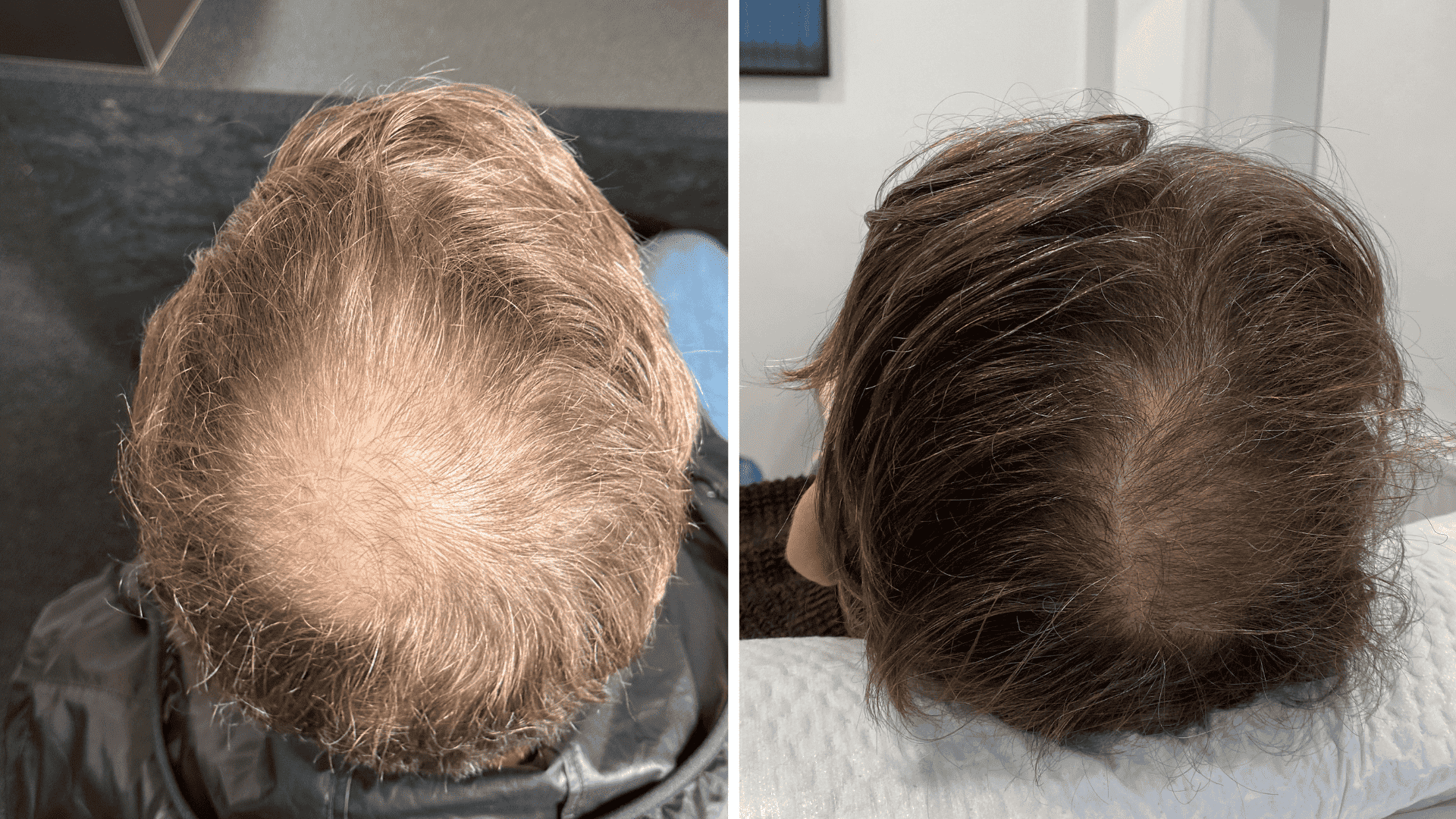
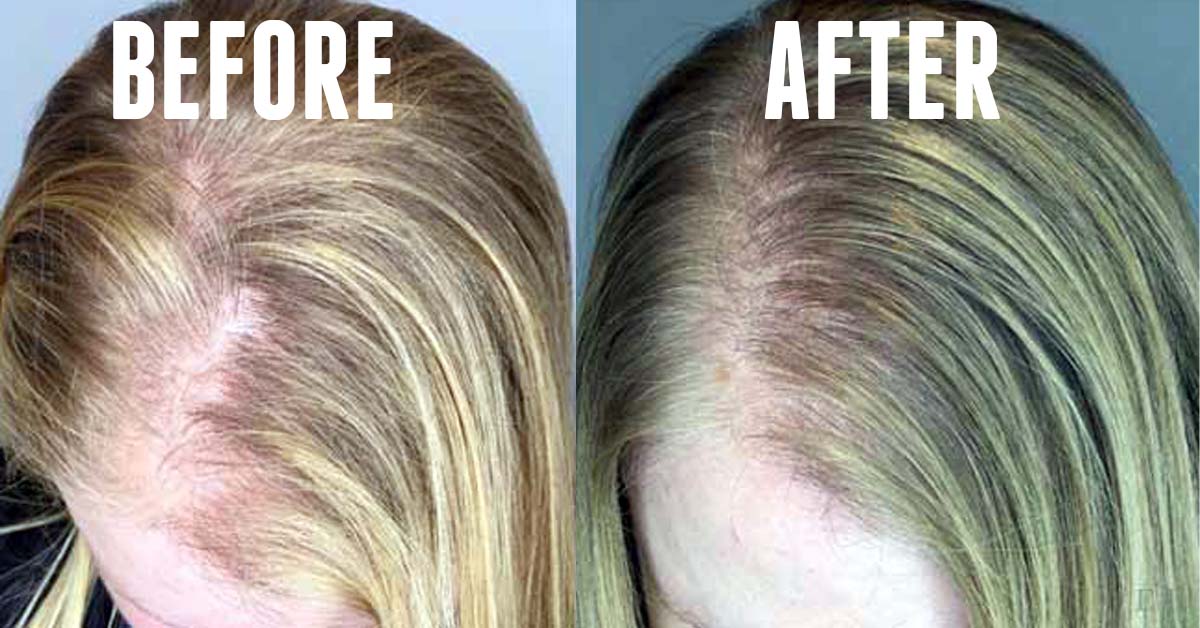
Results are gradual. You may need to compare photos taken before and after to see the difference.
Real Examples
- A 35-year-old woman with early thinning saw her ponytail become fuller after 4 sessions.
- A 50-year-old postmenopausal woman noticed less scalp showing in photos, but needed regular maintenance to keep results.
Non-obvious Insights
- Consistency matters: Skipping sessions or stopping early reduces results. Sticking to the schedule is key.
- Expect a “shedding phase”: Some women notice more hair fall after the first session. This is usually temporary as weaker hairs make way for new growth.

Credit: www.allure.com
Safety And Side Effects
PRP is considered safe because it uses your own blood. But there are still risks:
- Pain or bruising: Mild soreness, redness, or small bruises at injection sites are common.
- Swelling: Some swelling may last a day or two.
- Infection: Rare, but possible if the clinic does not use sterile technique.
- Allergic reaction: Very rare, since your own blood is used.
Most side effects are mild and go away in a few days. If you have a bleeding disorder, skin infection, or are on blood thinners, PRP may not be safe for you.
How To Minimize Risks
- Choose a board-certified dermatologist or hair expert
- Ask about the clinic’s sterilization process
- Avoid PRP if you have an active scalp infection
How To Choose A Prp Clinic
Picking the right clinic is crucial. Consider these tips:
- Check Qualifications: Look for a dermatologist or hair specialist, not just a spa or beauty center.
- Ask About Experience: How many PRP treatments have they done? Can they show before-and-after photos?
- PRP Preparation Method: Higher concentration (“double-spin”) methods may give better results.
- Clinic Cleanliness: Visit in person if possible. The clinic should look clean, with staff using gloves and sterile equipment.
- Clear Pricing: Get a detailed quote. Ask what is included—numbing, aftercare, number of vials, etc.
Do not be afraid to ask questions. A good clinic welcomes them and explains the process clearly.
Credit: www.kslclinic.co.uk
Prp Maintenance: Keeping Results
PRP is not a one-time cure. Most women need maintenance treatments every 4–6 months. Skipping these can cause hair to thin again.
- Follow doctor’s plan: Most clinics recommend a schedule based on your hair loss type.
- Combine with other treatments: Using minoxidil or laser therapy at home can help maintain results.
- Healthy lifestyle: Eating a balanced diet, managing stress, and gentle hair care all help.
Myths And Facts About Prp
Let’s clear up some common misunderstandings.
- Myth: PRP grows new hair everywhere.
- Fact: PRP can only help where follicles are still present. It does not regrow hair on shiny, bald scalp.
- Myth: One session is enough.
- Fact: Most women need a series of treatments and regular maintenance.
- Myth: Results are instant.
- Fact: It takes 3–6 months to see changes.
- Myth: PRP is the same everywhere.
- Fact: The way PRP is prepared and injected can affect results.
Credit: dysondermatology.com
Alternatives To Prp
If you’re not sure about PRP, consider these options:
- Minoxidil: Over-the-counter topical that helps many women.
- Low-level laser therapy: Home devices that stimulate hair follicles with light.
- Anti-androgen medications: For women with hormone-related hair loss (ask your doctor).
- Nutritional support: Iron, vitamin D, and protein are important for hair health.
- Platelet-rich fibrin (PRF): A newer version of PRP; some say it may last longer.
Always talk with a hair loss expert to choose the best approach for you.
Real Stories: What Women Say About Prp
Hearing from others can help. Here are some real experiences:
- Maria, 42: “After three children, my hair thinned out. I tried PRP and saw baby hairs come back on my hairline. The treatment stings, but it’s worth it for me.”
- Lina, 36: “I did five sessions. My part is less wide, and my stylist noticed, too. But you have to keep going. If you stop, the effect fades.”
- Ella, 50: “Didn’t work for me. My hair is too thin already. I wish I started earlier.”
These stories highlight the importance of starting PRP sooner and keeping up with maintenance.
Questions To Ask Before Prp
Not sure if PRP is right for you? Ask your doctor:
- Am I a good candidate for PRP?
- How many sessions will I need?
- What results can I expect, based on my hair loss?
- How is your PRP prepared?
- What are the risks and side effects?
- How much does the full series cost, including maintenance?
A trustworthy clinic will answer openly and not push you to decide quickly.
Prp And Female Hormones
Many women wonder if hormones affect PRP results. The answer is yes. Hair loss after pregnancy, menopause, or due to polycystic ovary syndrome (PCOS) may respond differently to PRP.
- Post-pregnancy: PRP can help, but often hair regrows on its own with time.
- Menopause: Declining estrogen can make hair loss harder to treat, but PRP may slow the process.
- PCOS: PRP may be less effective unless hormone levels are also managed.
Always tell your doctor about any hormone changes before starting treatment.
Practical Tips For Getting The Most From Prp
- Start early: PRP works best on recent hair thinning.
- Stick to the plan: Complete the full series for best results.
- Photos help: Take clear “before” and “after” photos in the same light. Changes are easier to see this way.
- Gentle hair care: Avoid tight hairstyles, harsh chemicals, and heat styling during treatment.
- Follow aftercare advice: Don’t wash your hair for at least 24 hours after PRP. Avoid heavy exercise the same day to reduce swelling.
- Report side effects: Mild pain and redness are normal, but report severe swelling, pain, or signs of infection to your clinic.
When To Avoid Prp
PRP is not for everyone. It should be avoided if you:
- Have active scalp infection or sores
- Take strong blood thinners
- Have a bleeding disorder
- Are pregnant or breastfeeding (safety not proven)
- Have severe anemia or low platelet count
Always share your full medical history before starting PRP.
The Emotional Side Of Female Hair Loss
Hair loss is not just about looks. Many women feel embarrassed, anxious, or even depressed. If you feel this way, you are not alone. Support groups, counseling, or talking with loved ones can help. Remember, seeking treatment is about feeling good in your skin, not just changing your hair.
What’s Next For Prp In Hair Loss?
PRP is still evolving. Newer methods, like platelet-rich fibrin (PRF) and adding “booster” ingredients, are being studied. One day, home PRP kits may even become available, but for now, clinic treatment is safest.
More large, long-term studies are needed. Still, PRP is one of the most promising new treatments for female pattern hair loss.
Prp And Your Overall Health
Healthy hair starts with a healthy body. PRP works best when you also:
- Eat a balanced diet (iron, zinc, protein, vitamins)
- Manage stress (high stress can trigger hair loss)
- Treat underlying medical issues (thyroid, autoimmune, hormone balance)
No treatment, including PRP, can overcome poor health habits.
The Bottom Line: Is Prp Worth The Cost?
PRP offers hope for many women with thinning hair, but it is not magic. If you are a good candidate, start early, and commit to the full treatment plan, you may see fuller, thicker hair. For others, especially with advanced hair loss, results may be modest.
The cost is high—thousands of dollars over several years. If money is tight, starting with minoxidil or laser therapy is reasonable. If you value a natural, non-surgical approach and can afford the investment, PRP is a safe option with a good track record in the right hands.
Always choose a skilled clinic, ask questions, and set realistic expectations. Your confidence is worth it, whether you choose PRP or another path.
For more in-depth scientific background, check the National Institutes of Health.
Frequently Asked Questions
What Is The Success Rate Of Prp For Female Hair Loss?
Success rates vary, but studies suggest that 70–80% of women with early or moderate thinning see some improvement in hair density and thickness after a full series of PRP treatments. Results are less predictable for advanced baldness.
How Soon Will I See Results From Prp?
Most women start to see changes in 3–6 months after the initial treatment series. Hair feels thicker, and there may be less shedding. Full results can take up to a year, and maintenance treatments are needed to keep improvements.
Are Prp Results Permanent?
No, PRP results are not permanent. Without maintenance treatments every 4–6 months, hair may gradually thin again. Sticking to the recommended schedule helps maintain results.
Is Prp Safe For Everyone?
PRP is generally safe for healthy women with mild to moderate hair loss. It is not recommended if you have blood disorders, are on blood thinners, have active scalp infections, or are pregnant or breastfeeding. Discuss your health history with your doctor before starting.
Does Prp Hurt?
Most women feel only mild discomfort—like small pinches or pressure—during PRP injections. Numbing cream or cold packs make it easier. Soreness or redness may last a day or two but usually goes away quickly.