

Hair loss can feel like a secret worry for many women over 50. It’s not just about looks—hair often carries deep meaning, tied to identity and confidence. When strands start thinning or falling out, the change can feel sudden and confusing.
What’s really happening? And what can you do about it? Let’s explore the hormonal causes behind hair loss in women over 50 and the solutions that actually work.
Why Hair Loss Happens After 50
As women age, their bodies go through many changes. One of the most important is menopause, which usually happens between ages 45 and 55. Menopause brings a big drop in estrogen and progesterone, two hormones that help keep hair healthy.
Without these hormones, hair growth slows down and hair becomes thinner.
It’s not just menopause. Other factors play a role too:
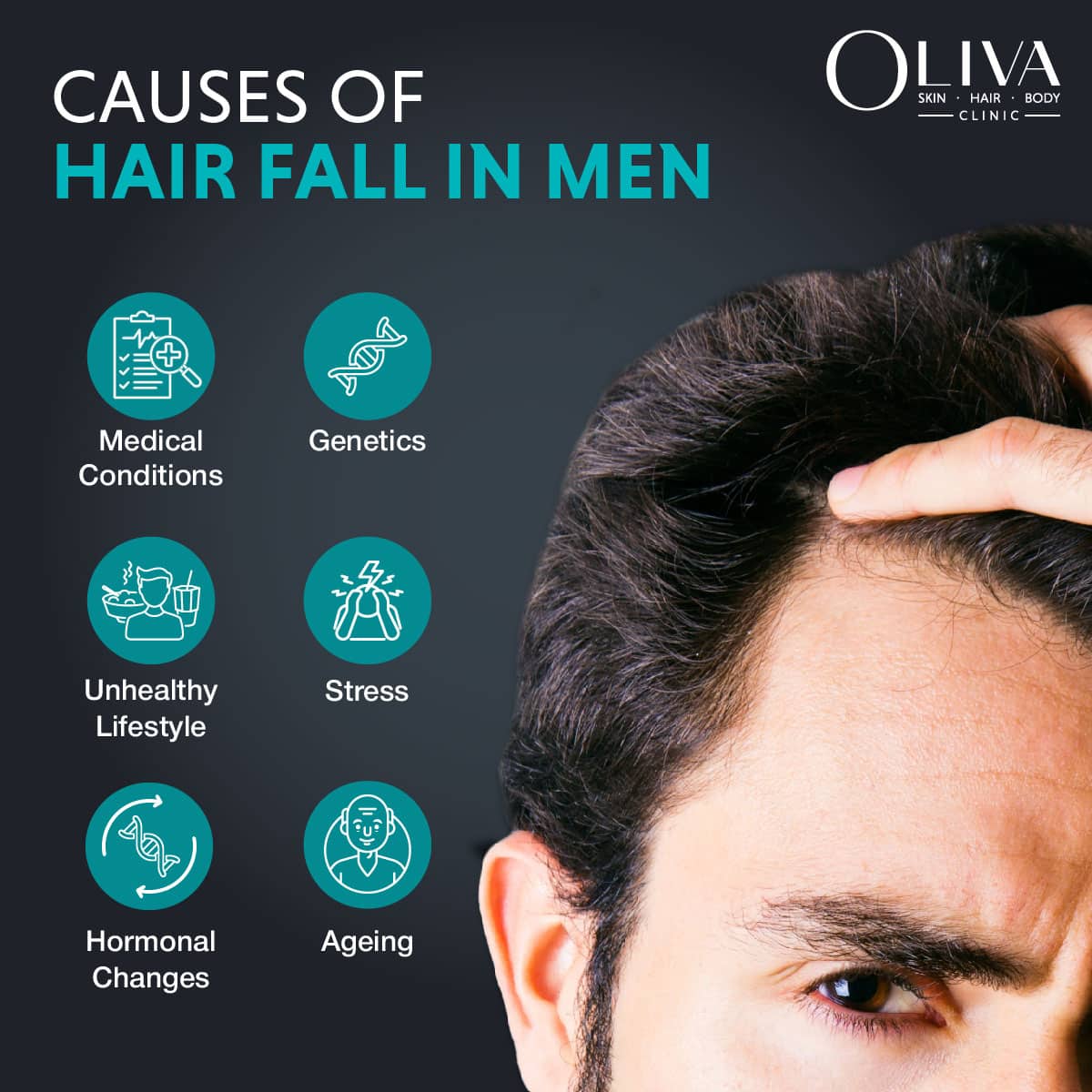
- Genetics: If your mother or grandmother had thinning hair, you might too. Some families see hair thinning at earlier ages than others, and genetics can affect how quickly hair loss happens after menopause.
- Stress: Emotional or physical stress can trigger hair loss. Even positive life changes, like retirement or travel, can be stressful enough to impact hair.
- Medical conditions: Thyroid problems, autoimmune diseases, and diabetes can affect hair. Some women develop new health issues in their fifties that directly impact hair growth.
- Nutrition: Poor diet or not enough protein can weaken hair. Many women eat less protein as they age, or don’t get enough vitamins and minerals, which can quietly damage hair over time.
But for most women over 50, hormonal changes are the main cause. These changes affect hair gradually and often overlap with other factors, making it hard to pinpoint the exact cause.
Hormonal Causes Of Hair Loss
Understanding hormones helps you see why hair loss happens. Here are the key hormones and how they affect hair:
Estrogen And Progesterone
Both estrogen and progesterone support hair growth. Estrogen keeps hair in the growing phase longer, so you have fuller hair. Progesterone protects against the effects of testosterone, which can shrink hair follicles.
When these hormones drop during menopause, hair growth slows and follicles shrink. This leads to thinning hair, especially on the top of the scalp. The drop can also make hair more fragile, causing it to break easily, and some women notice changes in hair texture.
Androgens: Testosterone And Dht
Women have small amounts of testosterone. After menopause, testosterone becomes more active because estrogen drops. Testosterone turns into dihydrotestosterone (DHT), a hormone that damages hair follicles and causes them to shrink.
DHT is the main culprit behind female pattern hair loss. Hair becomes thinner and shorter. The hairline usually stays, but the part widens and the crown becomes sparse. Women with a history of oily skin or acne may notice more pronounced effects, because their follicles are more sensitive to DHT.
Thyroid Hormones
The thyroid controls metabolism and affects hair growth. If your thyroid is underactive (hypothyroidism) or overactive (hyperthyroidism), hair can thin or fall out. Thyroid issues are common in women over 50. Symptoms can include dry skin, weight changes, and feeling tired, so if you notice these along with hair loss, ask your doctor about thyroid testing.
Insulin And Blood Sugar
High insulin levels or diabetes can cause hair loss. Poor blood sugar control stresses the body, which can push hair out of the growth phase. Women who develop diabetes after menopause may see hair thinning as one of their first symptoms.
Cortisol: The Stress Hormone
Too much cortisol from chronic stress affects hair growth. Stress can speed up hair loss, especially after menopause. Cortisol also affects sleep and appetite, which can further weaken hair health.
Types Of Hair Loss In Women Over 50
Not all hair loss looks the same. Here are the main types:
- Female Pattern Hair Loss (FPHL): The most common type. Thinning happens on the top and crown but the hairline stays. Hair may also look less shiny and feel more brittle.
- Telogen Effluvium: Sudden shedding after stress, illness, or surgery. Hair falls out all over the scalp. Often, women see handfuls of hair coming out with each wash.
- Alopecia Areata: Patchy hair loss from an autoimmune reaction. Sometimes, patches regrow, but the condition can be unpredictable.
- Traction Alopecia: Hair loss from tight hairstyles or pulling. This can happen gradually, and the edges of the scalp are most affected.
- Scarring Alopecia: Permanent hair loss from damage or inflammation. Hair follicles are destroyed and replaced by scar tissue.
Knowing your type helps you find the right solution. For example, telogen effluvium is often reversible, while scarring alopecia requires quick action to prevent permanent loss.
Signs And Symptoms Of Hormonal Hair Loss
Hair loss doesn’t always mean baldness. Look for these signs:
- Thinning on the crown or top of the head
- Wider part line
- More hair in your brush or shower
- Short, fine hairs replacing longer strands
- Scalp becoming more visible
- Loss of volume, so hair feels “flat” or limp
- More breakage, especially at the ends
Symptoms often appear slowly. Sometimes, hair loss speeds up after a stressful event or major illness. It’s common for women to notice gradual thinning, then a sudden increase after life changes.
Diagnosing Hair Loss: What To Expect
If you notice hair loss, a doctor or dermatologist can help. Here’s how diagnosis works:
- Medical history: The doctor asks about health, menopause, stress, and family history. Be ready to share your diet and any recent changes in medication.
- Physical exam: Checking the scalp for patterns, inflammation, or scarring. The doctor will look for signs of other skin conditions that could impact hair, like eczema or psoriasis.
- Blood tests: Checking hormone levels, thyroid, iron, and vitamin D. Sometimes, additional tests for autoimmune markers are needed.
- Pull test: Gently pulling hair to see how much comes out. This helps diagnose telogen effluvium or other acute hair loss.
- Scalp biopsy: Rarely, a small sample is taken to check for disease. This is usually only done if diagnosis is unclear or if scarring alopecia is suspected.
Accurate diagnosis is important. Many women miss thyroid or iron problems because symptoms look like menopause. Ask for blood tests if hair loss is sudden or severe. Early diagnosis also helps you start the right treatment before hair loss becomes noticeable to others.
How Hormones Change After 50
Let’s look closer at menopause and how it affects hair:
Menopause And Estrogen Drop
Menopause means periods stop and estrogen drops. This affects hair in three ways:
- Hair stays in the resting phase longer, so more falls out.
- Hair grows slower and becomes finer.
- Hair follicles shrink, making hair thinner and weaker.
Some women notice hair loss before menopause (perimenopause). Others see changes years after periods stop. Hair can also change color, becoming grayer or duller.
Progesterone Changes
Progesterone helps block DHT, the hormone that shrinks follicles. When progesterone drops, DHT becomes stronger. This speeds up hair thinning, especially if you have a family history. Women with a history of hormone-sensitive conditions, like PCOS, may see more severe changes.
Androgen Changes
With less estrogen and progesterone, androgens (male hormones) become more powerful. Even a small increase in DHT can cause big changes in hair. Androgens can also increase facial hair, so some women notice more chin or upper lip hair at the same time as scalp hair thins.
Thyroid Changes
Thyroid function often changes after age 50. Hypothyroidism is common, causing hair to become dry, brittle, and thin. Some women have hyperthyroidism, which can cause rapid hair loss. Thyroid medication may help, but it can take months to see improvement in hair.
Other Hormonal Shifts
Insulin resistance and higher blood sugar levels are more common after menopause. This can push hair into the resting phase, leading to shedding. Some women develop metabolic syndrome, which combines high blood pressure, blood sugar, and cholesterol, all impacting hair health.
Solutions For Hair Loss In Women Over 50
Hair loss can be managed, and sometimes reversed. Here are the most effective solutions:
1. Topical Treatments
Minoxidil is the most studied topical treatment for female pattern hair loss. It increases blood flow to follicles and helps hair grow longer and thicker.
- Available in 2% and 5% solutions.
- Apply to the scalp daily.
- Results show in 4-6 months.
- Works for many women, but it can cause itching or dryness.
- If you stop using minoxidil, hair loss may return, so consistency is key.
2. Hormone Replacement Therapy (hrt)
HRT replaces estrogen and progesterone lost after menopause. It can help slow hair loss, but it is not for everyone.
- HRT may help if hair loss started with menopause.
- Risks include blood clots and breast cancer.
- Some women notice improvement in hair texture as well as thickness.
- Not all doctors recommend HRT just for hair loss; it’s usually considered for other menopause symptoms too.
Talk to a doctor about whether HRT is right for you.
3. Anti-androgen Medications
These block DHT, the hormone that shrinks hair follicles.
- Spironolactone: Blocks androgen activity. Used if hair loss is severe. It can also help with acne and unwanted facial hair.
- Finasteride: Blocks DHT production. Less common in women, but can help. Needs careful monitoring.
- Side effects can include changes in menstrual cycle, breast tenderness, or mood swings.
These medicines are prescription-only and need medical supervision.
4. Nutritional Support
Healthy hair needs protein, iron, vitamin D, and zinc. After age 50, many women are low in these nutrients.
- Eat eggs, fish, beans, nuts, and leafy greens.
- Take supplements if needed, but only after blood tests.
- Omega-3 fatty acids from fish or flaxseed can also help.
- Deficiency in iron and vitamin D is a common, overlooked cause of hair loss.
- Low ferritin (the iron storage protein) is often missed, so ask for this test specifically.
5. Stress Management
High stress raises cortisol, which harms hair. Manage stress with:
- Walking, yoga, or meditation
- Talking to friends or therapists
- Adequate sleep
- Deep breathing exercises can reduce cortisol quickly.
- Journaling or creative hobbies also help lower stress.
Chronic stress is a hidden cause for many women.
6. Scalp Care
Healthy scalp means healthy hair. Keep your scalp clean and stimulated:
- Use gentle shampoos, avoid harsh chemicals.
- Massage the scalp to boost circulation.
- Avoid tight hairstyles and harsh treatments.
- Look for shampoos with caffeine, biotin, or keratin, which can support scalp health.
- A healthy scalp is less likely to develop dandruff or inflammation, which can worsen hair loss.
Scalp massage can help increase blood flow and support follicle health.
7. Platelet-rich Plasma (prp) Therapy
PRP uses your own blood to stimulate hair growth. Doctors inject platelets into the scalp.
- Can improve hair thickness and density.
- Takes several sessions for results.
- PRP is newer, but promising for women with pattern hair loss.
- Results vary, and the treatment is not covered by insurance.
8. Low-level Laser Therapy
Laser devices boost blood flow and stimulate follicles.
- Safe for home use or in clinics.
- Results may take months.
- Works best when combined with other treatments.
- Laser caps and combs are now available for home use, but require regular sessions.
Laser therapy is not a cure, but can slow thinning and improve density.
9. Hair Transplant Surgery
For severe hair loss, hair transplant is an option. Doctors move hair from thick areas to thinning spots.
- Works best for women with stable hair loss.
- Expensive and needs recovery time.
- Results can be natural, but some women need more than one session.
- Not suitable for women with diffuse thinning all over the scalp.
Transplants are usually a last resort.
10. Cosmetic Solutions
If medical treatments don’t work, cosmetic solutions help:
- Hair fibers and powders cover thinning spots.
- Volumizing shampoos make hair look fuller.
- Wigs and hairpieces provide instant coverage.
- Headbands, scarves, and hats can be stylish and comfortable.
- Cosmetic solutions offer confidence, but don’t treat the cause.
Comparing Treatment Options
To help you choose, here’s a comparison of common hair loss treatments:
| Treatment | Effectiveness | Time to See Results | Side Effects | Cost |
|---|---|---|---|---|
| Minoxidil | Moderate-High | 4-6 Months | Itching, dryness | Low |
| HRT | Moderate | 2-4 Months | Risks: blood clots | Medium |
| Anti-Androgens | Moderate | 3-6 Months | Hormonal side effects | Medium |
| PRP Therapy | Moderate | 6-12 Months | Pain, swelling | High |
| Laser Therapy | Low-Moderate | 6-12 Months | Minimal | Medium-High |
| Hair Transplant | High | 12+ Months | Scarring, infection | Very High |
Lifestyle Changes To Support Healthy Hair
Small changes can have a big impact. Here are proven strategies:
Eat A Balanced Diet
- Protein builds hair. Aim for fish, eggs, and beans.
- Iron and zinc support growth. Leafy greens, lentils, and nuts help.
- Vitamin D from sunlight or supplements.
- Include healthy fats, like olive oil and avocado, to keep hair moisturized.
- Hydrate well—dehydration can make hair brittle.
Exercise Regularly
Physical activity improves circulation and hormone balance. Walking, swimming, or yoga can help reduce stress and support scalp health. Even short daily walks can improve overall well-being.
Avoid Smoking And Excess Alcohol
Both increase inflammation and harm hair follicles. Cutting back can improve hair quality. Smoking can reduce blood flow to the scalp, while alcohol can deplete key nutrients.
Limit Heat And Chemical Styling
Excess heat or harsh chemicals weaken hair. Use gentle products and let hair air dry when possible. Limit coloring, perming, and straightening, as these can damage already fragile hair.
Regular Scalp Massage
Massaging the scalp daily for 5-10 minutes boosts blood flow and can support follicle health. Use your fingertips or a soft brush, and try oils like coconut or argan for extra nourishment.
Common Mistakes Women Make
Many women make mistakes when trying to fix hair loss. Here are pitfalls to avoid:
- Ignoring medical causes: Not checking thyroid, iron, or vitamin D levels. Hair loss often signals deeper health issues.
- Overusing harsh shampoos: Strong chemicals damage hair and scalp. Choose sulfate-free, gentle formulas.
- Waiting too long: Early treatment works best. Don’t delay. Seeking help early can save more hair.
- Trying too many supplements: Over-supplementing can cause more harm. Focus on diet first, and supplement only after testing.
- Using tight hairstyles: Ponytails and braids can pull hair out. Opt for loose styles.
- Not protecting hair from sun: UV rays damage hair. Wear hats outside. Sun exposure can dry hair and fade color.
When To See A Doctor
If hair loss is sudden, severe, or comes with other symptoms (weight changes, fatigue, skin changes), see a doctor. Blood tests can rule out thyroid, iron, or autoimmune problems.
Dermatologists specialize in hair and scalp health. They can offer treatments not found in stores and diagnose hidden causes. Early action can make treatments more effective.
Understanding Hair Growth Cycles
Hair grows in cycles. Knowing these helps explain why hair loss happens:
- Anagen (growth phase): Lasts 2-6 years. Most hair is here.
- Catagen (transition phase): Lasts 2-3 weeks. Hair stops growing.
- Telogen (resting phase): Lasts 2-3 months. Hair falls out.
Hormonal changes push more hair into the telogen phase, causing shedding. If the resting phase is too long, new hair cannot replace the old strands quickly enough.
How Menopause Changes Hair Texture
Not only does hair thin, but it can change texture:
- Hair becomes dry and brittle.
- More frizz and breakage.
- Loss of shine.
- Hair may feel rough or coarse to the touch.
- Styling becomes harder, and hair doesn’t “hold” shape as well.
This happens because scalp oil production drops with estrogen. Using moisturizing products and gentle oils can help offset these changes.
Emotional Impact Of Hair Loss
Hair loss can affect mental health. Many women feel embarrassed, anxious, or depressed. It’s important to talk about these feelings and seek support.
Support groups and therapy can help. Talking with friends or family makes the process easier. Some women find relief in sharing their story online or in local groups.
Credit: www.olivaclinic.com
Real-life Example: Linda’s Story
Linda, age 54, noticed her hair thinning after menopause. She saw more hair in her brush and her scalp became visible. After seeing her doctor, she learned her thyroid was low and iron was low. With treatment and using minoxidil, her hair improved in 6 months.
Linda’s story shows the importance of checking medical causes and starting treatment early. She also changed her diet, added gentle scalp massage, and found support from a local women’s group, which helped her feel less alone.
Data: How Common Is Hair Loss In Women Over 50?
Hair loss is more common than most people think. Studies show:
- 40% of women over age 50 experience visible hair thinning.
- 80% of women over age 65 have some degree of hair loss.
- Female pattern hair loss affects 50% of women by age 80.
- Many women do not report hair loss to their doctor, so actual numbers may be higher.
Hair loss is normal, but solutions are available.
Hormonal Hair Loss Vs. Other Causes
Some types of hair loss are not hormonal. Here’s a simple comparison:
| Type | Main Cause | Pattern | Reversibility |
|---|---|---|---|
| Hormonal | Menopause, thyroid | Thinning on crown | Possible with treatment |
| Telogen Effluvium | Stress, illness | Diffuse shedding | Usually reversible |
| Alopecia Areata | Autoimmune | Patches | Variable |
| Traction Alopecia | Hairstyles | Edges, temples | Reversible if caught early |
| Scarring Alopecia | Inflammation | Permanent loss | Irreversible |
Non-obvious Insights Most Women Miss
- Hair loss often starts years before menopause. Many women notice thinning in their 40s, not just after 50. Early changes are easy to miss. Paying attention to hair changes before menopause can help you start treatment early.
- Low vitamin D is a hidden cause. Many women over 50 have low vitamin D, which affects hair growth. Checking and correcting vitamin D can help. Sun exposure is often less after 50, so levels can drop without noticing.
- Hair loss is rarely only cosmetic. It can signal deeper health issues, like thyroid or iron problems. Treating the root cause is essential. Hair loss can be an early warning sign for conditions that need medical attention.
Choosing The Right Solution
Not every treatment works for everyone. Think about:
- Medical causes: Get blood tests before starting treatment.
- Family history: Genetics play a big role.
- Personal preferences: Some women prefer natural solutions, others want medical treatments.
- Budget: Some options are expensive. Minoxidil and dietary changes are affordable.
- Lifestyle: Choose treatments you can stick with long-term. Consistency is important for results.
Latest Research And Innovations
New studies are exploring ways to help women with hair loss:
- Stem cell therapy: Early research shows stem cells may help regrow hair. This treatment is not widely available yet, but may become common in the future.
- Peptide treatments: Peptides are small proteins that can stimulate hair growth. Some shampoos and serums now contain peptides.
- Genetic testing: Tests can predict risk and help tailor treatments. This can help you understand your personal risk and choose the best prevention.
Science is moving fast, and more options may be available in the next few years. Keeping up with new research and asking your doctor about the latest treatments can help you stay ahead.
Credit: www.dharmahomoeo.com
Tips For Maintaining Hair Health After 50
Stay ahead of hair loss with these practical tips:
- Protect hair from sun and pollution.
- Use wide-tooth combs to avoid breakage.
- Avoid hairstyles that pull hair.
- Keep scalp clean and moisturized.
- See your doctor regularly for checkups.
- Trim hair regularly to prevent split ends.
- Choose gentle, nourishing hair products.
Myths And Facts About Hair Loss
Let’s clear up some common myths:
- Myth: Hair loss only affects men.
- Fact: Women are just as likely to have thinning hair, especially after 50.
- Myth: Washing hair too often causes hair loss.
- Fact: Washing removes dirt and keeps scalp healthy.
- Myth: Only genetics matter.
- Fact: Hormones, nutrition, and stress play big roles.
- Myth: Hair loss is always permanent.
- Fact: Many types can be treated and reversed.
- Myth: Hair grows back thicker after shaving.
- Fact: Shaving does not affect thickness or growth rate.
Support And Community
Finding support helps. Online groups and forums connect women dealing with hair loss. Sharing stories and advice makes the journey easier. Many women find comfort in knowing they are not alone, and practical tips are often shared in these communities.
For more information, visit the American Academy of Dermatology.
Frequently Asked Questions
What Is The Most Common Cause Of Hair Loss In Women Over 50?
Hormonal changes after menopause are the main cause. Estrogen and progesterone drop, leading to thinner, weaker hair. Genetics, thyroid problems, and stress can also play a role. Lifestyle changes, like diet and exercise, also have an impact.
Can Hair Loss After Menopause Be Reversed?
Some types of hair loss can be reversed, especially if caught early. Minoxidil, hormone therapy, and correcting nutritional deficiencies can help. Permanent hair loss, like scarring alopecia, is harder to treat. Early action increases the chance of success.
How Long Does It Take For Treatments To Work?
Most treatments need 3-6 months to show results. Minoxidil and anti-androgen medications take time. Lifestyle changes and better nutrition may also help over several months. Patience is important—don’t stop treatment too soon.
Are There Natural Remedies For Hormonal Hair Loss?
Yes. Eating a balanced diet, managing stress, scalp massage, and gentle hair care can support hair health. However, medical treatments may be needed for severe hair loss. Some women use essential oils, like rosemary, but results vary.
Should I See A Doctor For Hair Loss?
Yes, especially if hair loss is sudden or severe. Doctors can check for thyroid, iron, and hormone issues. Early diagnosis helps you find the best solution. Don’t wait until hair loss becomes obvious—early action is always best.
Hair loss in women over 50 is a common, but manageable problem. Understanding hormonal causes lets you take control and find solutions that work. With the right approach—medical, lifestyle, or cosmetic—you can restore confidence and keep your hair healthy. Remember, you are not alone, and help is available.
Credit: www.independent.co.uk