

Hair loss can feel overwhelming, especially when you have tried many solutions without success. For many people, iron deficiency is a hidden cause behind thinning hair or excessive shedding. While oral iron supplements are often the first step, they do not always give the results you need. In these cases, an iron infusion can be a powerful option that goes beyond pills to restore healthy hair growth. This guide explores everything you need to know about iron infusions for hair loss, from how they work and when to consider them, to what to expect and how to maximize your results.
Understanding Hair Loss And Iron Deficiency
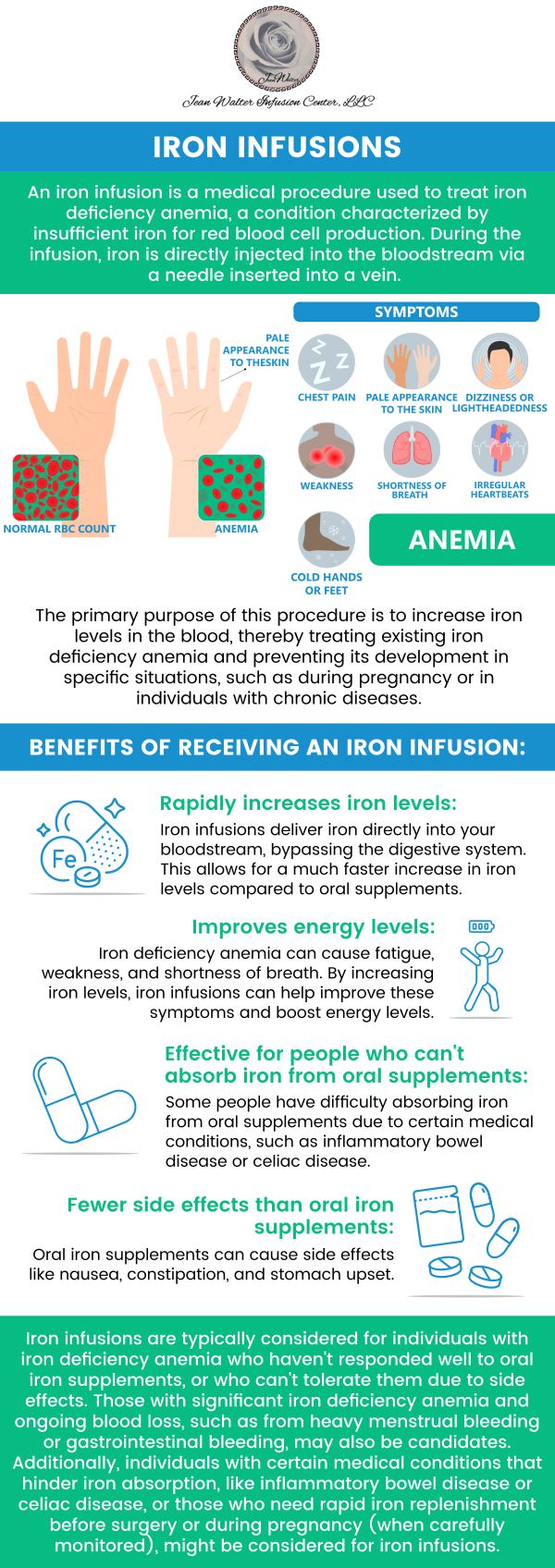
Hair loss, or alopecia, affects millions of people worldwide. The causes are often complex, but one common factor is a lack of iron in the body. Iron is essential for producing hemoglobin, the protein in red blood cells that carries oxygen to your tissues—including your hair follicles. Without enough iron, your hair follicles do not get the oxygen and nutrients they need, which can lead to hair thinning or increased shedding.
There are several types of hair loss linked to iron deficiency:
- Telogen effluvium: Sudden, excessive hair shedding, often triggered by physical or emotional stress. Low iron is a well-known cause.
- Diffuse hair thinning: Overall reduction in hair volume, not restricted to one area.
- Worsening of female pattern hair loss: Iron deficiency can make genetic hair loss worse in women.
Studies have found that women with low serum ferritin (a measure of stored iron) are more likely to experience hair loss. Most experts agree that ferritin levels below 30 ng/mL can contribute to hair shedding, though some hair specialists recommend higher thresholds for healthy hair growth.
It is important to note that not all hair loss is caused by iron deficiency. Other causes include genetics, hormonal changes, thyroid issues, and certain medications. However, iron deficiency is one of the few causes that can be corrected, making it a crucial factor to check if you are losing hair.
Why Oral Iron Supplements Sometimes Fail
Oral iron supplements are usually the first treatment for iron deficiency. They come in the form of tablets, capsules, or liquids, and are taken by mouth. They are affordable and widely available. However, oral supplements do not always work for everyone. There are several reasons why they might fail:
- Poor Absorption: Some people have digestive issues, such as celiac disease or inflammatory bowel disease, that prevent their bodies from absorbing iron properly.
- Side Effects: Oral iron often causes stomach upset, constipation, nausea, or dark stools. These side effects can make it hard to continue treatment.
- Severe Deficiency: When iron levels are extremely low, oral supplements may not provide enough iron fast enough to correct the problem.
- Compliance Issues: Taking iron pills every day for months can be difficult. People may forget or stop taking them if they feel better.
- Drug Interactions: Some foods and medications (like calcium supplements, antacids, and tea) can block the absorption of iron.
One non-obvious insight: even if your blood iron levels rise with supplements, your serum ferritin (stored iron) may stay low for a long time, which means your hair might not recover as quickly as you hope. Another overlooked factor is that oral iron needs to be taken on an empty stomach for best absorption, but this increases side effects—so people often do not take it correctly.
What Is An Iron Infusion?
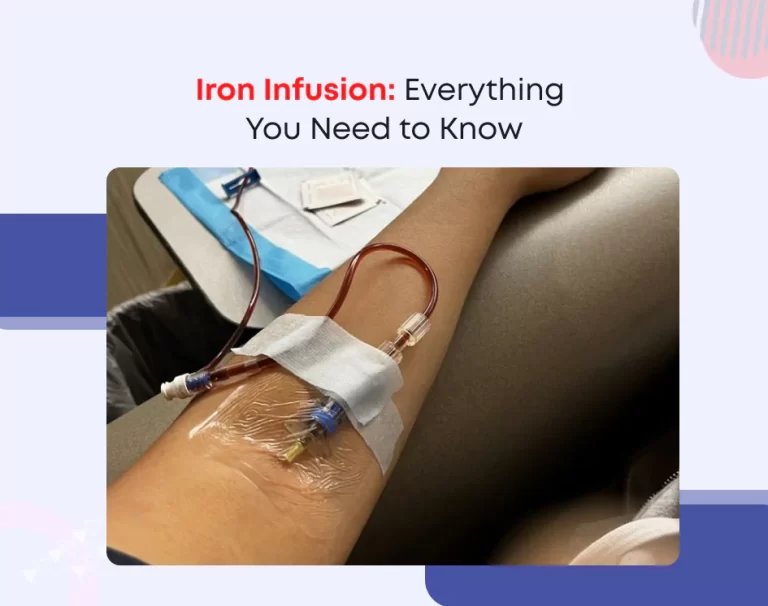
An iron infusion is a medical treatment where iron is delivered directly into your bloodstream through an intravenous (IV) line. Instead of slowly absorbing iron through your gut, your body gets a large dose of iron quickly and efficiently. Iron infusions are usually given in a clinic or hospital, and the process can take 15 minutes to a few hours, depending on the type of iron used.
Iron infusions are not the same as blood transfusions. You are not receiving blood from another person—just concentrated iron, often mixed with saline.
Some common IV iron products include:
- Ferric carboxymaltose
- Iron sucrose
- Iron dextran
- Ferric gluconate
Your doctor will choose the best type and dose for you based on your needs and any medical conditions.
When To Consider Iron Infusion For Hair Loss
Iron infusions are not for everyone with hair loss. They are usually considered only after other methods, like oral supplements, have not worked. Here are some signs you might need an iron infusion:
- Your hair loss is linked to low iron or low ferritin (confirmed by blood tests).
- You have tried oral iron for at least 2-3 months with little or no improvement in iron levels or hair loss.
- You cannot tolerate oral iron due to side effects.
- You have a medical condition that prevents your body from absorbing iron.
- Your doctor has ruled out other causes of hair loss.
Doctors sometimes recommend an iron infusion if your ferritin is very low (often below 15-20 ng/mL) and you are experiencing significant symptoms, including hair loss, extreme fatigue, or weakness.
It is important to have a full evaluation by a healthcare provider before starting an iron infusion. They will check for other causes of hair loss, review your medical history, and order the right lab tests.
How Iron Infusion Works For Hair Loss
Iron infusions work by rapidly increasing the iron stores in your body. When your blood and tissues have enough iron, your hair follicles can get the oxygen and nutrients they need to function normally. This can help stop excessive hair shedding and allow new hair to grow.
Here is what typically happens after an iron infusion:
- Ferritin and hemoglobin levels rise quickly—sometimes within days to weeks.
- Hair shedding slows down—usually within 2-3 months.
- New hair growth appears—often noticeable 3-6 months after your iron levels are restored.
It is important to be patient. Hair grows slowly (about 1 cm per month), so it may take several months to see full results.
One insight: Some people notice that other symptoms (like fatigue and brain fog) improve before hair loss does. This is normal. The body prioritizes vital organs over hair, so hair growth is often the last thing to recover.
Benefits Of Iron Infusion Over Oral Supplements
Choosing an iron infusion for hair loss offers several unique advantages compared to oral supplements:
- Rapid replenishment: Iron infusions can correct severe deficiencies much faster than oral pills.
- No gut absorption needed: Perfect for people with digestive disorders or who have had gastrointestinal surgery.
- Fewer digestive side effects: No constipation, nausea, or stomach pain from infusions.
- Higher doses possible: One or two infusions can deliver the same amount of iron as several months of pills.
- Improved compliance: You do not have to remember daily pills.
For people who have struggled for months or years with hair loss and low iron, these benefits can be life-changing.
Risks And Side Effects Of Iron Infusion
While iron infusions are generally safe, they are not risk-free. Here are the most common side effects:
- Mild reactions: Headache, metallic taste, muscle cramps, or mild rash during or after the infusion.
- Serious allergic reactions: Rare, but can include swelling, trouble breathing, or low blood pressure. These reactions are most common with older types of IV iron.
- Iron overload: Uncommon, but possible if you receive too much iron or have certain medical conditions.
- Infection or bruising: At the IV site.
To minimize risk, infusions are usually given slowly, and you will be monitored by medical staff during and after the procedure.
A non-obvious point: some people develop skin staining (brownish discoloration) if the iron leaks outside the vein. This is rare but can be permanent. Skilled healthcare providers take special care to avoid this.
What To Expect During An Iron Infusion
Getting an iron infusion is usually a straightforward process. Here is what you can expect:
- Preparation: Your doctor checks your blood tests and reviews your medical history. You may be asked to stop certain medications before the procedure.
- Arrival: You check in at the infusion center or hospital. You may be asked to eat a light meal beforehand.
- IV placement: A nurse inserts a small needle into a vein in your arm or hand.
- Infusion: The iron is mixed with saline and dripped slowly into your vein. You may feel a cool sensation or mild taste in your mouth.
- Monitoring: Staff will check your blood pressure, pulse, and how you feel during the procedure.
- Aftercare: You may be asked to stay for 15-30 minutes after the infusion to watch for any reactions.
The whole process can take from 30 minutes to a few hours, depending on the dose and product used.
You can usually return to normal activities the same day. Drink plenty of water and rest if you feel tired.
Comparing Iron Infusion Types And Oral Iron
Different iron products are used for infusions, and each has its pros and cons. Here is a side-by-side look at common options:
| Iron Type | Infusion Time | Typical Dose | Common Side Effects |
|---|---|---|---|
| Ferric carboxymaltose | 15-30 minutes | Up to 1,000 mg per session | Headache, injection site reaction |
| Iron sucrose | 30-60 minutes | Up to 200 mg per session | Low blood pressure, cramps |
| Iron dextran | 1-6 hours | Up to 2,500 mg (total dose) | Allergic reactions (rare) |
| Oral iron | Daily for months | 100-200 mg daily | Constipation, nausea |
Your healthcare team will choose the product that best fits your needs, considering your health, convenience, and risk factors.
How To Prepare For An Iron Infusion
Preparation helps ensure a smooth and safe experience. Here are some tips:
- Bring your medical records: Especially your latest blood tests and medication list.
- Eat beforehand: A light meal helps prevent dizziness.
- Wear loose clothing: Makes it easier to access your arm.
- Stay hydrated: Drink water before your appointment.
- Arrange a ride: Rarely, you may feel lightheaded afterward.
Let your medical team know if you have had allergic reactions to medications or IV infusions in the past.
What Results Can You Expect For Hair Loss?
Iron infusions can be very effective for hair loss caused by iron deficiency, but the results are not instant.
Timeline For Improvement
- Weeks 1–4: Energy and other symptoms may improve quickly.
- Months 2–3: Hair shedding often slows down.
- Months 4–6: New hair growth becomes noticeable.
Results vary from person to person. Some people see dramatic improvement, while others may notice only mild changes. If other factors are also causing your hair loss, you may need additional treatments.
Tracking Your Progress
To measure your results, keep a hair loss diary. Record how much hair you see in your brush or shower, take monthly photos, and note any changes in hair texture or fullness. Blood tests can also confirm if your iron levels have returned to normal.
Who Should Not Get An Iron Infusion?
Iron infusions are powerful, but not right for everyone. You should avoid iron infusions if you:
- Have a known allergy to IV iron products.
- Have hemochromatosis (a condition that causes too much iron to build up).
- Have active infection or severe liver disease.
- Are not iron deficient (normal ferritin and hemoglobin).
Your doctor will screen you carefully to be sure an iron infusion is safe and necessary.
Credit: jeanwalterinfusion.com
Costs And Insurance Coverage
Iron infusions can be expensive, but many insurance plans cover them if you meet medical criteria. The cost depends on:
- The type of iron product used
- The clinic or hospital fees
- Your insurance plan
Out-of-pocket costs can range from $300 to over $1,000 per infusion without insurance. Most people need only one or two infusions to restore their iron levels.
If cost is a concern, talk to your doctor or clinic. They may be able to help with insurance paperwork or suggest other solutions.
Alternatives To Iron Infusion
If you are not a candidate for iron infusion, or prefer to avoid it, other options include:
- Oral iron with vitamin C: Vitamin C helps your body absorb iron better.
- Iron-rich diet: Foods like red meat, spinach, beans, and fortified cereals.
- Iron injections: An alternative to infusions, but less commonly used.
- Treating underlying causes: For example, managing heavy periods or digestive issues.
In some cases, treating the cause of low iron (such as fixing a bleeding ulcer or changing medication) may stop hair loss without extra iron.

Credit: thecurbsiders.com
How To Maintain Healthy Iron Levels After Infusion
Iron infusions can restore your iron stores quickly, but you need to prevent future deficiencies. Here are some tips:
- Eat an iron-rich diet: Focus on foods like lean red meat, poultry, fish, lentils, tofu, and leafy greens.
- Combine with vitamin C: Citrus fruits, bell peppers, and tomatoes help boost absorption.
- Avoid iron blockers: Do not take iron with coffee, tea, dairy, or calcium supplements.
- Manage periods: Talk to your doctor if you have heavy menstrual bleeding.
- Monitor your blood tests: Check your iron and ferritin levels every 6-12 months, or as advised.
Another insight: For some women, ongoing iron supplementation (even at a low dose) may be needed to maintain healthy levels, especially during menstruation, pregnancy, or after surgery.
Myths And Misconceptions About Iron Infusion For Hair Loss
There are many myths about iron and hair loss. Here are the facts:
- Myth: “Iron infusions cure all hair loss.”
Fact: Iron infusions only help if your hair loss is caused by iron deficiency. They do not work for genetic or hormonal causes.
- Myth: “Oral iron is always enough.”
Fact: For some people, pills are not absorbed or tolerated, and infusions are the only way to restore iron.
- Myth: “Iron infusions are dangerous.”
Fact: Side effects are rare when given by experienced staff and when you are properly screened.
- Myth: “You will see results right away.”
Fact: Hair regrowth takes time, often several months.
Understanding the truth helps you make smart choices about your hair health.
Real-life Success Stories
Many people have restored their hair and confidence with iron infusions after struggling with oral supplements.
One example: Sarah, a 32-year-old teacher, experienced severe shedding after her second pregnancy. Her ferritin was 8 ng/mL. Oral iron caused constant stomach pain, so her doctor recommended an iron infusion. Within three months, her shedding slowed, and she saw new growth at her hairline by six months.
Another case: Amir, a 40-year-old vegetarian, developed thinning hair and fatigue. Blood tests showed low ferritin, despite taking oral iron for a year. After two iron infusions, his ferritin normalized, and his hair stopped thinning.
These stories show that for the right person, iron infusions can make a big difference—even when everything else has failed.
Latest Research And Guidelines
Medical guidelines support iron infusions for people with proven iron deficiency who cannot tolerate or do not respond to oral therapy. Major studies show that restoring iron can improve hair growth in women with low ferritin.
For example, a 2017 study in the *International Journal of Trichology* found that women with telogen effluvium and low ferritin saw improved hair growth after iron supplementation, especially when ferritin was raised above 50 ng/mL.
Another study published in *Dermatology Practical & Conceptual* confirmed that women with chronic hair loss and iron deficiency often need higher ferritin levels (sometimes above 70 ng/mL) for optimal regrowth.
For more on the science, see this resource from the National Institutes of Health.
Comparing Iron Infusion To Other Hair Loss Treatments
Iron infusion is just one way to address hair loss. How does it compare to other common treatments?
| Treatment | Main Use | Typical Onset of Results | Works for Iron Deficiency? |
|---|---|---|---|
| Iron infusion | Iron-deficiency hair loss | 3–6 months for hair | Yes |
| Minoxidil | Pattern baldness, general thinning | 4–6 months | No |
| Finasteride | Male pattern hair loss | 3–6 months | No |
| Hair transplants | Permanent hair loss | 6–12 months | No |
| PRP therapy | Various types of hair loss | 3–6 months | No |
If your hair loss is due to iron deficiency, correcting that should be your first step, before considering other treatments.
How To Talk To Your Doctor About Iron Infusion
Bringing up an iron infusion with your doctor can feel intimidating. Here are some tips for the conversation:
- Be clear about your symptoms: Hair loss, fatigue, brain fog, etc.
- Share your history: How long have you tried oral iron? What side effects have you had?
- Ask for a full iron panel: Including serum ferritin, hemoglobin, and total iron.
- Discuss your goals: Is hair loss your main concern, or are you also struggling with energy and well-being?
- Be open about preferences: If you want to avoid pills, mention it.
Doctors appreciate patients who are informed and proactive. If your doctor is not familiar with iron infusions for hair loss, ask for a referral to a hematologist or dermatologist.
Maximizing Your Hair Regrowth After Iron Infusion
Here is how you can get the best results from your treatment:
- Follow up on blood tests: Make sure your ferritin stays in the healthy range.
- Be patient: Hair regrowth takes time. Focus on progress, not perfection.
- Maintain a healthy diet: Keep eating iron-rich foods.
- Reduce hair stress: Avoid tight hairstyles, harsh chemicals, and heat styling.
- Consider additional treatments: If iron alone does not solve your hair loss, talk to your doctor about other options, like minoxidil.
Remember, hair is a reflection of your overall health. By restoring your iron, you are investing in more than just your appearance.
Frequently Asked Questions
What Is The Difference Between Iron Infusion And Iron Injection?
Iron infusion delivers iron slowly into your vein through an IV drip, usually over 30 minutes to a few hours. Iron injection is a single shot of iron into a muscle. Infusions are preferred because they allow for larger doses, are safer, and have fewer side effects.
How Do I Know If My Hair Loss Is Due To Iron Deficiency?
A blood test measuring serum ferritin and hemoglobin can show if you are iron deficient. If your ferritin is below 30 ng/mL (or lower), and you have symptoms like hair loss, fatigue, or pale skin, iron deficiency may be the cause. Other causes should also be ruled out by your doctor.
Can I Take Oral Iron And Get An Iron Infusion At The Same Time?
Usually, you stop oral iron before an infusion to avoid side effects and confusion about results. Your doctor will tell you when to restart oral supplements, if needed, after your infusion.
How Soon Will My Hair Grow Back After An Iron Infusion?
Most people see a reduction in hair shedding within 2–3 months. Noticeable new hair growth often appears by 4–6 months. Results vary based on how long you have been iron deficient and other factors.
Are Iron Infusions Safe During Pregnancy?
Iron infusions are sometimes used during pregnancy when oral iron is not tolerated or effective. They are considered safe when given under medical supervision. Your doctor will decide if an infusion is right for you based on your individual needs.
Restoring your iron levels is a proven way to support healthy hair growth—especially when oral supplements are not enough. With the right guidance, iron infusions can help you regain your hair, energy, and confidence.
Credit: www.drkarunhematology.com