

Red Light Therapy Caps for Hair Regrowth: Do They Actually Work
Hair loss can change how you see yourself. For many, it’s more than just a physical change—it’s an emotional one. People search for solutions everywhere, hoping for something that really works. That’s why red light therapy caps have become so popular. The idea is simple: put on the cap, relax, and let gentle light do the work. But does it actually help regrow hair, or is it just another trend with big promises?
This article will give you clear, honest answers. You’ll learn how red light therapy caps work, what the science says, and what you can really expect. We’ll also look at who might benefit, what to consider before buying, and what mistakes to avoid.
If you’ve heard about these caps and wondered if they’re worth trying, you’re in the right place.
What Are Red Light Therapy Caps?
Red light therapy caps, sometimes called laser hair growth caps or LLLT caps (low-level laser therapy), are wearable devices designed to treat hair loss. They look like regular hats or baseball caps, but inside, they have rows of tiny lights. These lights use specific wavelengths of red or near-infrared light, usually between 630 and 670 nanometers.
When you wear the cap, the light shines onto your scalp. The idea is that this light can stimulate hair follicles, helping them grow stronger, thicker hair. People use these caps at home, often for 10 to 30 minutes per session, several times a week.
These caps are popular because they’re easy to use. You don’t need to visit a clinic or use messy creams. Just put the cap on, press a button, and wait. Some brands let you charge the cap with a USB cable and use it while doing chores or relaxing.
There are different types of red light therapy caps. Some use only LEDs (light-emitting diodes), while others include lasers. Both aim to deliver energy to the scalp, but lasers can penetrate deeper than LEDs. However, LEDs can cover a larger area.
Most caps claim to help with common hair loss problems, like androgenetic alopecia (male or female pattern baldness) and thinning hair due to age or stress.
How Does Red Light Therapy Work For Hair Regrowth?
Red light therapy is based on the idea that certain wavelengths of light can trigger biological changes in cells. This process is called photobiomodulation. When red light penetrates the skin, it reaches the hair follicles—the tiny structures that grow hair.
Here’s what happens:
- Cellular Energy Boost: Red light is absorbed by the cells in your scalp, especially by the mitochondria (the cell’s “powerhouse”). This helps the cells produce more energy (ATP). More energy means the cells can function better and repair themselves.
- Improved Blood Flow: The light can widen blood vessels in the scalp, bringing more oxygen and nutrients to the hair follicles. Healthy follicles can grow thicker, stronger hair.
- Reduced Inflammation: Chronic inflammation can damage hair follicles. Red light may lower inflammation, creating a better environment for hair growth.
- Prolonged Growth Phase: Hair grows in cycles: growth (anagen), rest (telogen), and shedding (catagen). Red light may help keep follicles in the growth phase longer, reducing hair shedding.
It’s important to understand that red light therapy does not “wake up” dead hair follicles. If a follicle is completely gone, no light can bring it back. But if the follicle is still alive, even if it’s weak, red light may help it recover.

Credit: miamihair.com
The Science Behind Red Light Therapy Caps
Many people want proof before trying a new hair loss solution. So, what does the research say about red light therapy caps?
Clinical Studies
Several studies have tested red light therapy for hair regrowth, often using devices similar to today’s caps. Here are some key findings:
- A 2014 study published in the American Journal of Clinical Dermatology found that men using a red light helmet saw a 39% increase in hair growth after 16 weeks compared to a group using a fake device (placebo).
- Another study in Lasers in Surgery and Medicine (2013) showed women with thinning hair had a 37% increase in hair density after 26 weeks of using red light therapy.
- A 2020 review in the Journal of Cutaneous and Aesthetic Surgery stated that LLLT is effective for mild to moderate androgenetic alopecia in both men and women.
These results are promising, but not everyone in the studies had dramatic regrowth. Some saw only mild improvement. Factors like age, cause of hair loss, and how long you’ve had hair loss make a difference.
Fda Clearance
Many red light therapy caps are FDA-cleared as safe for home use. This means the US Food and Drug Administration reviewed the devices for safety, not for proving they definitely work. FDA clearance is not the same as FDA approval for effectiveness.
Limitations And Gaps
It’s important to note:
- Most studies are small and last only a few months.
- There is not much research on long-term safety or results.
- Results can vary widely between people.
Still, the evidence so far suggests that red light therapy caps can help many people with mild to moderate hair loss.
Who Can Benefit From Red Light Therapy Caps?
Red light therapy caps are not a miracle solution for everyone. They tend to work best for certain groups:
- People with early-stage hair loss: If your hair is just starting to thin, you’re more likely to see results. The follicles are still alive and can respond to treatment.
- Men and women with androgenetic alopecia: This is the most common type of hair loss (male or female pattern baldness). Red light therapy is often used for this condition.
- People with diffuse thinning: If your hair is thinning all over, not just in patches, you may benefit. The cap covers the whole scalp, so it treats a wide area.
- Those who can’t use or don’t like medications: Some people can’t use minoxidil or finasteride because of side effects or allergies. Red light therapy is a drug-free alternative.
- People after hair transplant: Some doctors recommend red light therapy after hair transplant surgery to help healing and improve results.
However, if you have complete bald spots with no hair for many years, red light therapy is less likely to help. It works on weak or dormant hair follicles—not on areas where follicles are dead.
Types Of Red Light Therapy Caps
Not all caps are the same. Some important differences include:
1. Led Vs. Laser Caps
- LED Caps: Use many small LEDs to cover the scalp. They are usually less expensive and cover a larger area.
- Laser Caps: Use laser diodes for deeper penetration. Some people believe lasers work better, but studies show both can be effective if used properly.
2. Number Of Light Sources
Caps can have between 50 and 272 light sources. More lights often mean better coverage and possibly better results, but also a higher price.
3. Wavelength
Most caps use red light (630–670 nm), but some include near-infrared light (up to 850 nm). The exact wavelength can affect how deep the light goes and how well it works.
4. Power Output
Measured in milliwatts (mW), higher power can mean more energy reaches your follicles. However, too much power can be uncomfortable or even cause mild burns.
5. Design And Comfort
Some caps look like regular hats, others are more like helmets or headbands. Comfort matters, since you’ll wear it several times a week.
Below is a comparison of some typical features you might find:
| Feature | LED Caps | Laser Caps |
|---|---|---|
| Light Source | LEDs | Laser diodes |
| Coverage Area | Wide | Focused |
| Penetration Depth | Shallow-moderate | Deeper |
| Cost | Lower | Higher |
| Comfort | Lightweight | Varies |
How To Use Red Light Therapy Caps Correctly
Using these caps is simple, but there are best practices to follow for good results.
Step-by-step Guide
- Read the Instructions: Each brand is a bit different. Always check the manual.
- Start with Clean, Dry Hair: Make sure your scalp is free of oils or hair products. Light works best on clean skin.
- Place the Cap on Your Head: Adjust for comfort. Some have straps or size options.
- Turn on the Device: Most have a button or switch.
- Wear for the Recommended Time: Usually 10–30 minutes per session.
- Use Regularly: Most brands suggest 3–5 times per week.
- Store Safely: Keep your cap dry and away from direct sunlight.
Practical Tips
- Stay consistent. Skipping sessions can slow or stop progress.
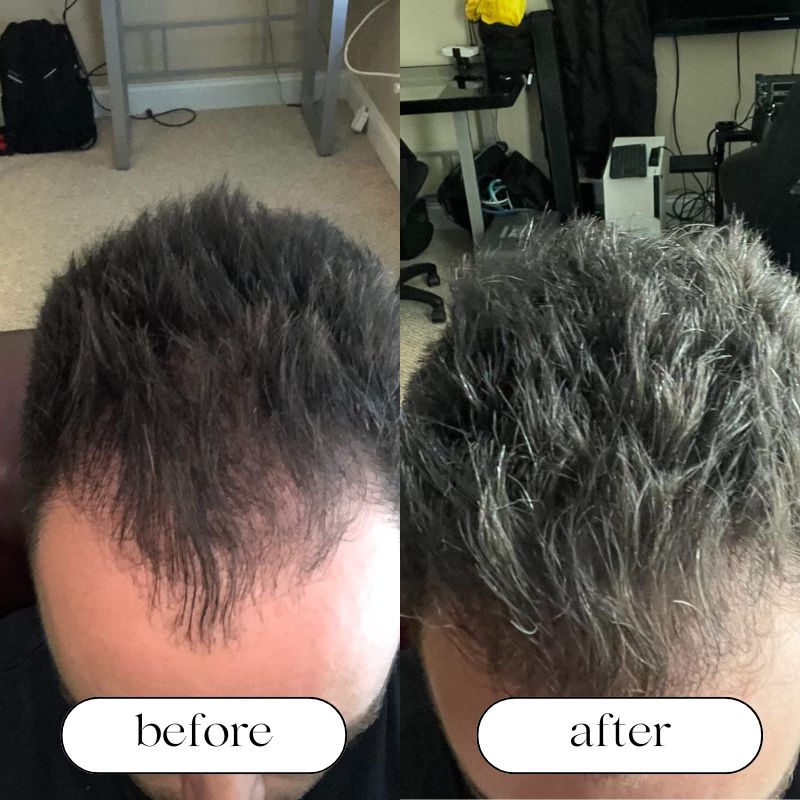
- Take before-and-after photos to track changes. Hair grows slowly, so you might not notice small improvements.
- Don’t expect instant results. It usually takes 3–6 months to see visible changes.
- If you feel pain, burning, or discomfort, stop using the cap and check with your doctor.

Credit: www.amazon.com
What Results Can You Expect?
Most users want to know: will their hair actually grow back? The answer depends on your situation.
Typical Timeline
- 1–2 months: Little or no visible change. Hair may feel softer or healthier.
- 3–6 months: Less shedding, some new hair growth, especially in thin areas.
- 6–12 months: Thicker, denser hair for those who respond well to treatment.
- After 12 months: Results may plateau. Continued use is needed to maintain gains.
What Improvement Looks Like
- Less hair on your pillow or in the shower drain.
- Short, fine hairs (“peach fuzz”) on thin areas.
- Gradual thickening of existing hair.
- Some see small bald spots filling in; others notice only overall improvement.
Not everyone has dramatic results. Some experience only mild changes, while a few see little difference. Genetics, age, health, and how long you’ve had hair loss all play a role.
Who Responds Best
People with mild to moderate thinning, who start early and use the cap as directed, have the best chance. If your hair loss is severe or very old, results are less certain.
Red Light Therapy Caps Vs. Other Hair Regrowth Methods
How do these caps compare to common treatments like minoxidil, finasteride, or hair transplant surgery?
Comparison Table
| Method | How It Works | Pros | Cons |
|---|---|---|---|
| Red Light Therapy Cap | Stimulates hair follicles with light | No drugs, painless, easy to use at home | Slow results, cost, not for advanced baldness |
| Minoxidil (topical) | Widens blood vessels, boosts growth | Widely available, affordable | Daily use, possible irritation, shedding early on |
| Finasteride (oral) | Blocks DHT hormone | Effective for men, easy to take | Sexual side effects, not for women |
| Hair Transplant | Moves hair follicles surgically | Permanent, dramatic results | Expensive, surgery risks, downtime |
Key Insights
- Red light therapy is non-invasive and has few side effects. It’s a good choice for people who want a gentle, drug-free option.
- Medications can be powerful but may cause side effects or require lifelong use.
- Transplants are costly and involve surgery, but results are often the most dramatic.
Many people use a combination of treatments for best results. For example, some use both minoxidil and a red light cap.
Potential Side Effects And Safety
Red light therapy caps are generally safe when used as directed. But like any device, they are not risk-free.
Common Side Effects
- Mild scalp redness or warmth
- Temporary itching or tingling
- Headache (rare)
These usually go away quickly. If you experience pain, blisters, or burns, stop using the device and consult a doctor.
Who Should Avoid Red Light Therapy Caps?
- People with active scalp infections or open wounds
- Those with a history of skin cancer on the scalp
- People taking photosensitizing medications (these increase sensitivity to light)
If you are pregnant, breastfeeding, or have a serious medical condition, ask your doctor before starting.
Long-term Safety
There is no evidence that red light therapy causes cancer or serious health problems. Most studies show it’s very safe, even for long-term use.
What To Look For When Buying A Red Light Therapy Cap
Choosing the right cap is important for both safety and results. Here are the most important factors:
- Wavelength: Look for devices in the 630–670 nm range for best results.
- Number of Lights: More LEDs or lasers means better coverage.
- FDA Clearance: This shows the device meets safety standards.
- Warranty: Good brands offer at least a 1-year warranty.
- Comfort: Lightweight, adjustable caps are easier to use.
- Power: Check the total output (in mW) and session time.
- Battery Life: If cordless, longer battery life is convenient.
- Brand Reputation: Choose well-known brands with positive reviews.
Sample Comparison
Here’s a look at typical cap features side-by-side:
| Brand | Light Type | Number of Lights | FDA Cleared | Warranty |
|---|---|---|---|---|
| CapillusPro | Laser | 272 | Yes | 3 years |
| iRestore Professional | LED + Laser | 282 | Yes | 1 year |
| Hairmax PowerFlex | Laser | 272 | Yes | 2 years |
Common Buyer Mistakes
- Choosing the cheapest model without checking reviews or features.
- Ignoring warranty or support options.
- Expecting instant results or miracle cures.
- Buying non-FDA-cleared devices, which may not be safe.
Credit: streamshopau.com
Real User Experiences And Testimonials
Reading real stories helps you understand what to expect. Here are some insights from people who have tried red light therapy caps:
Positive Outcomes
Many users report less shedding and thicker hair after 3–6 months. Some notice new baby hairs in thin areas. People like the convenience—just wear the cap while watching TV or reading.
For example, Sarah, age 38, started using a red light cap after her hair thinned from stress. After five months, she saw less hair in her brush and a fuller ponytail.
Challenges And Limits
Not everyone sees big changes. Some users feel disappointed if their bald spots don’t fill in. Others stop using the cap too soon or forget sessions, which affects results.
One common theme: patience and consistency are key. Most users who stick with the device for six months or more see the best improvement.
Cost And Value: Are Red Light Therapy Caps Worth It?
These caps can be expensive, with prices ranging from $200 to over $2000. Are they worth it?
Factors That Affect Cost
- Number of light sources: More lights = higher price
- Brand reputation: Well-known brands often cost more
- Features: Battery-powered, adjustable sizes, or combo LED/laser models cost more
Cost Vs. Other Treatments
- A high-end cap can cost as much as a year of minoxidil or several months of finasteride.
- Hair transplants can cost $4000–$15,000.
- In-office laser treatments cost $100–$300 per session.
Value For Money
If you want a non-invasive, drug-free option you can use at home, a cap can be a good investment—especially if you start early and use it consistently. For severe or long-term baldness, it’s less likely to help.
Common Myths And Misunderstandings
There are many myths about red light therapy caps. Let’s set the record straight:
- “Hair will regrow overnight.” False. Hair grows slowly. Even with good results, it takes months to see a difference.
- “Caps work for everyone.” Not true. If hair follicles are dead, nothing will bring them back.
- “More power is always better.” Too much power can irritate or damage your scalp.
- “You can stop once hair grows.” Stopping use often leads to new hairs falling out again.
- “All caps are the same.” Quality, number of lights, and design matter.
Non-obvious Insights And Practical Advice
Many people miss these important points when starting red light therapy:
- Hair growth is slow and uneven. You might see new hair in some areas but not others. This is normal—stick with the treatment.
- Shedding can increase at first. Some users notice more hair falling out in the first few weeks. This is called “shedding” and often means weak hairs are making way for new growth.
- Consistency is more important than intensity. Regular, gentle sessions are better than using the cap too long or too often.
Another thing beginners miss: combining treatments can boost results. For example, using a red light cap with gentle scalp massage or a quality shampoo can support better hair health.
Who Should Consider Professional Help?
If you have rapid, patchy, or unexplained hair loss, see a doctor. Sudden hair loss can be a sign of a health problem that needs medical care. Also, if you try a red light therapy cap for six months with no improvement, speak to a dermatologist about other options.
The Bottom Line
Red light therapy caps are a promising tool for fighting hair loss. Science shows they can help many people with thinning hair, especially when used early and consistently. They’re safe, easy to use, and drug-free. But they’re not magic. Results take time, and not everyone will see dramatic regrowth.
Before investing, check your expectations, choose a quality device, and follow all instructions. If you want the best results, combine your cap with other healthy hair habits and, if needed, other treatments.
If you want to explore the science further, read the summary from the National Institutes of Health.
Frequently Asked Questions
How Long Does It Take To See Results From A Red Light Therapy Cap?
Most people see results after 3 to 6 months of regular use. Early signs include less shedding and new baby hairs. For full improvement, you may need to continue for 12 months or more.
Are Red Light Therapy Caps Safe?
Yes, when used as directed, these caps are generally very safe. Mild redness or tingling can occur but usually goes away quickly. Always follow the manufacturer’s instructions.
Can I Use A Red Light Therapy Cap With Other Hair Loss Treatments?
Yes. Many people use a cap along with minoxidil, finasteride, or supplements. Combining treatments can lead to better results, but always check with your doctor before starting new therapies.
Who Should Not Use Red Light Therapy Caps?
Avoid using a cap if you have active scalp infections, open wounds, or a history of skin cancer on your scalp. If you are pregnant, breastfeeding, or have medical concerns, consult your doctor first.
Do Red Light Therapy Caps Cure Baldness?
No. These caps can help improve hair growth if your follicles are still alive, but they cannot bring back hair on completely bald spots. Starting early gives you the best chance for success.
If you’re considering a red light therapy cap, remember: patience and consistency are key. Take time to research, set realistic goals, and stick with your routine for the best chance at thicker, healthier hair.