

Menopause Hair Loss And Dht Sensitivity: The Estrogen Connection
Menopause is a powerful change in every woman’s life. For many, it brings new challenges, and one of the most surprising is hair loss. It’s not just about thinning hair or a few extra strands on your pillow. For some women, the change is sudden, and for others, it’s a slow process that can affect self-esteem and everyday life. Many people don’t know that DHT sensitivity and estrogen levels play a big role in this process. These hormones interact in complex ways, influencing why some women lose hair during menopause while others do not.
Understanding the science behind menopause hair loss can give you more control over your hair health. This article explores why hair loss happens during menopause, how DHT (dihydrotestosterone) and estrogen are connected, and what you can do about it. You will learn practical tips, lesser-known facts, and up-to-date research to help you manage this change with confidence.
What Happens To Hair During Menopause?
The hair on our scalp goes through cycles: it grows, rests, and sheds. Normally, about 90% of hair is in the growing phase, while the rest is resting or shedding. During menopause, this balance shifts. The most common pattern is called female pattern hair loss (FPHL). It usually shows as overall thinning, especially at the crown and part line, rather than complete baldness.
Signs And Patterns Of Menopause Hair Loss
- Wider part line: The hair part appears wider than before.
- Thinning at the crown: The top of the head becomes more visible.
- More hair in the brush or shower: Noticeably more strands are lost during styling or washing.
- Reduced ponytail volume: Hair feels lighter or less dense when tied back.
- Slower hair growth: New hairs grow back more slowly than before.
Not every woman will experience all these signs. For some, the change is subtle, while others notice a dramatic difference.
How Common Is Menopause-related Hair Loss?
Research estimates that about 40% of women will have visible hair thinning by age 50, and the risk increases with age. The process typically begins in the perimenopausal years—the transition period before menopause—but can continue or worsen after periods stop. Genetics, lifestyle, and hormone levels all play a part.
The Science Of Hair Growth And Loss
To understand why menopause hair loss happens, it helps to know the basics of how hair grows and falls out.
The Hair Growth Cycle
Every hair on your head follows a three-phase cycle:
- Anagen (growth phase): Lasts 2-6 years. Most scalp hairs are in this phase.
- Catagen (transition phase): Lasts about 2 weeks. Hair stops growing and prepares to shed.
- Telogen (resting/shedding phase): Lasts 2-3 months. Hair falls out and the cycle starts again.
Hormones, especially estrogen and androgens (male hormones like testosterone and DHT), can speed up or slow down these phases.
Role Of Estrogen In Hair Growth
Estrogen is known for its protective effect on hair. It keeps the hair in the anagen (growth) phase longer and slows down shedding. This is why many women notice their hair is thicker during pregnancy (when estrogen is high) and thinner after menopause (when estrogen drops).
Androgens, Dht, And Hair Follicles
Androgens are hormones present in both men and women. The most important for hair is dihydrotestosterone (DHT), which is made from testosterone. Some people’s hair follicles are more sensitive to DHT. When DHT attaches to these follicles, it shrinks them, leading to thinner, shorter hair and eventually, hair loss.
The Dht Sensitivity Factor
Why do some women lose more hair than others during menopause? The answer often lies in DHT sensitivity.
What Is Dht Sensitivity?
Not all hair follicles react the same way to DHT. Some women inherit genes that make their follicles extra sensitive. This means that even normal or low levels of DHT can trigger hair loss if the follicles are responsive.
How Dht Causes Hair Loss
- Miniaturization: DHT binds to receptors in hair follicles and causes them to shrink. This makes new hairs finer and weaker.
- Shorter growth phase: The anagen phase becomes shorter, so hair doesn’t have time to grow long and thick.
- Longer shedding phase: Hair spends more time resting and shedding.
Why Does Dht Sensitivity Increase During Menopause?
When estrogen drops, its “protective shield” over hair follicles weakens. Even if DHT levels do not rise, the follicles are more exposed to its effects. This is why menopause often triggers hair loss, especially in women with a genetic tendency toward DHT sensitivity.
Genetics And Family History
If your mother, aunts, or sisters experienced menopause hair loss, your risk is higher. Family history is a strong predictor because DHT sensitivity is often inherited.
The Estrogen Connection
Estrogen and DHT are in a constant balance in your body. When one changes, it affects the other.
How Estrogen Protects Hair
- Extends growth phase: Estrogen keeps hair in the growing (anagen) stage.
- Reduces DHT effects: It blocks some DHT from attaching to hair follicles.
- Improves scalp blood flow: Estrogen supports blood vessels around hair follicles, delivering more nutrients.
What Happens When Estrogen Drops?
- Hair shifts to the resting/shedding phase earlier.
- DHT has a stronger effect on follicles.
- Hair becomes finer, weaker, and sheds more easily.
This is why many women notice hair thinning, not just on the scalp but sometimes in other areas too (like eyebrows or arms).
Menopause, Estrogen, And Dht: The Chain Reaction
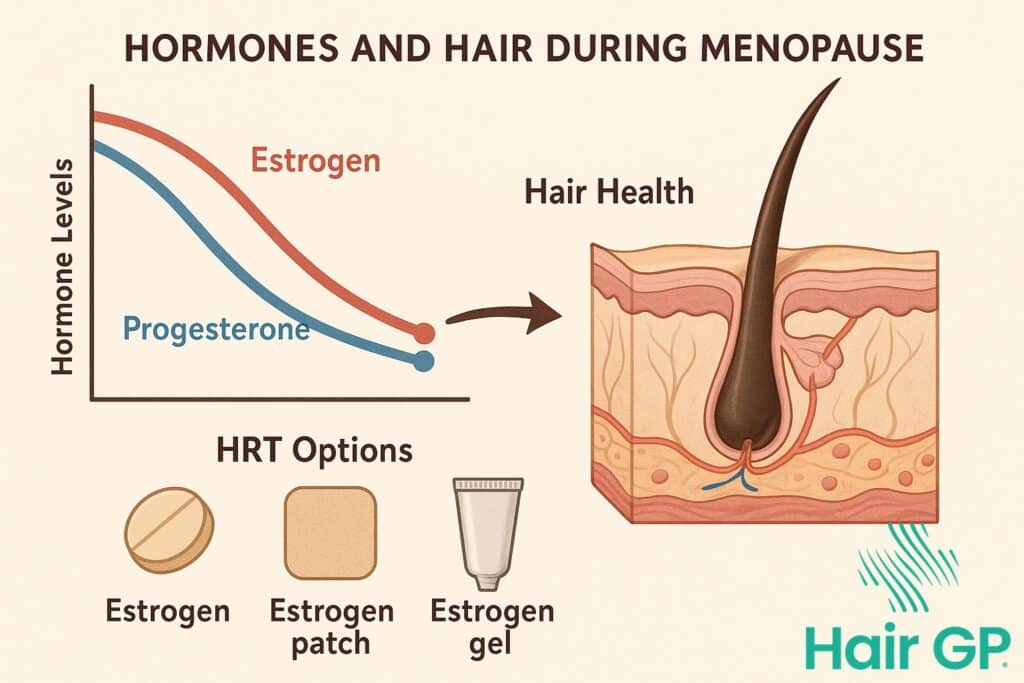
The transition to menopause is marked by fluctuating, then falling, estrogen levels. As estrogen falls:
- DHT’s influence rises, even if its amount does not.
- The difference in hormone levels is what matters, not just the total amount.
- The hair growth cycle shifts, leading to more shedding and less regrowth.
Credit: hairgp.co.uk
Other Hormonal Changes That Affect Hair
Menopause is not just about estrogen and DHT. Other hormones can also play a role in hair health.
Progesterone
Progesterone is another hormone that drops during menopause. Like estrogen, it helps balance the effects of androgens. Low progesterone can mean higher relative androgen activity, which may trigger more hair loss.
Thyroid Hormones
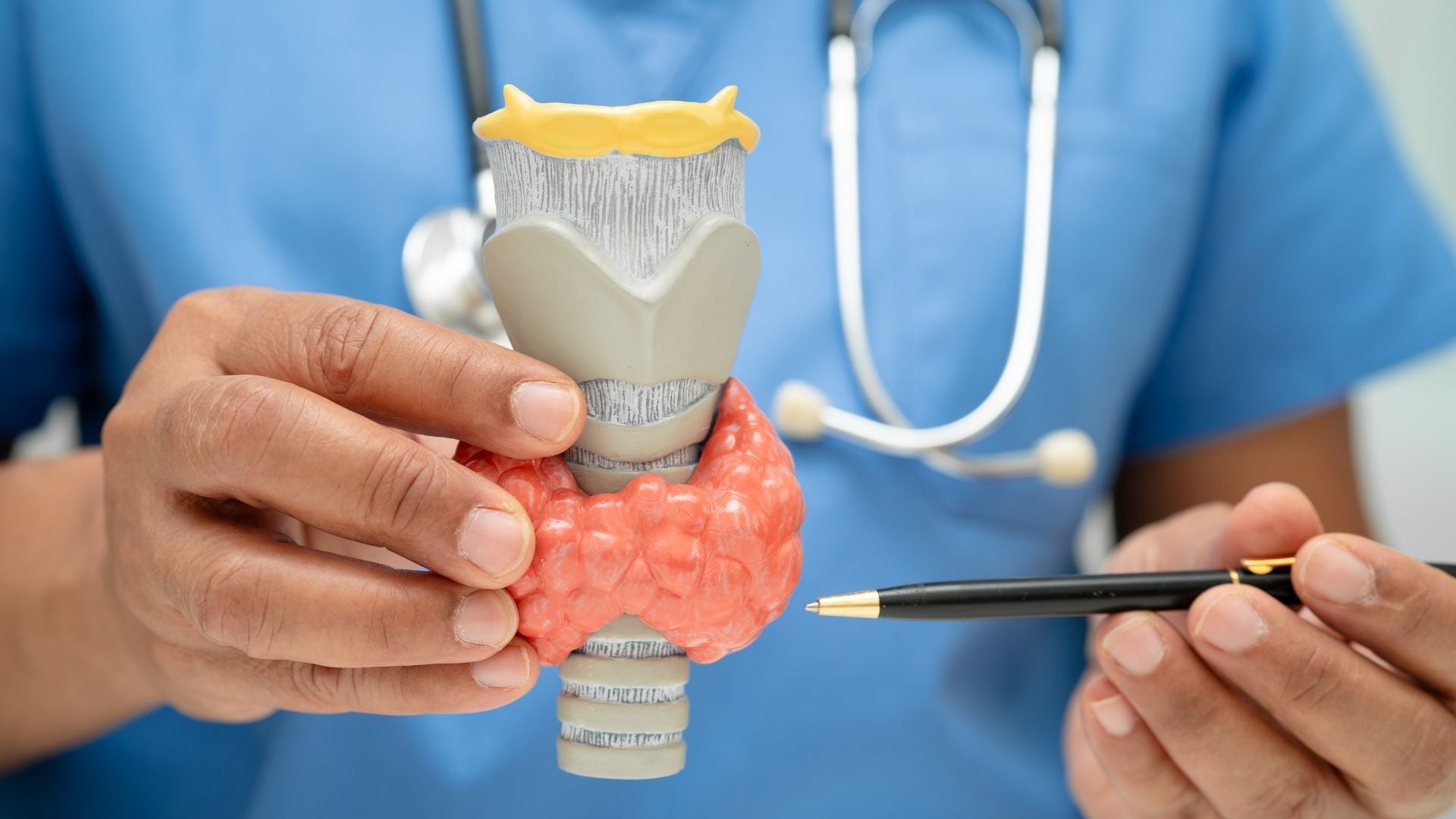
The thyroid gland controls your metabolism and energy. If thyroid hormone levels are too low (hypothyroidism) or too high (hyperthyroidism), hair can thin or fall out. Many women develop thyroid issues around menopause, which can make hair loss worse.
Cortisol (stress Hormone)
High cortisol (from chronic stress) can push hair into the shedding phase. Women going through menopause often have more stress, which adds to the problem.
Differences Between Female And Male Pattern Hair Loss
It’s important to know that women’s hair loss is not the same as men’s. Here’s a comparison for clarity:
| Feature | Female Pattern Hair Loss | Male Pattern Baldness |
|---|---|---|
| Pattern | Diffuse thinning, especially at the crown and part | Receding hairline and bald spots |
| Onset age | Usually after 40, often at menopause | Often starts in 20s or 30s |
| Complete baldness | Rare | Common on top or front of scalp |
| Main hormone | DHT (with estrogen drop) | DHT (testosterone driven) |
| Genetic influence | Strong, but less predictable | Very strong, highly inherited |
Women rarely go completely bald, but the thinning can still be distressing.
Diagnosing Menopause Hair Loss
If you notice your hair thinning during menopause, it’s important to get a proper diagnosis. Many conditions can cause hair loss, and some are treatable.
What To Expect From Your Doctor
- Medical history: Your doctor will ask about your health, family history, medications, and stress levels.
- Physical exam: They will examine your scalp and hair for patterns and signs of disease.
- Blood tests: These may check for thyroid problems, iron deficiency, or hormone imbalances.
- Pull test: The doctor gently pulls a small section of hair to see how many come out. This helps measure shedding severity.
- Scalp biopsy: In rare cases, a small piece of scalp is checked under a microscope to rule out other diseases.
Common Mistakes In Diagnosis
- Assuming all hair loss is due to menopause. Other conditions like alopecia areata, iron deficiency, or scalp infections can look similar.
- Not checking for thyroid disease or other hormonal problems.
- Overlooking medication side effects (some drugs can cause hair loss).
Treatment Options For Menopause Hair Loss
There are several ways to manage menopause-related hair loss. The right choice depends on the cause, severity, and your health.
Topical Treatments
- Minoxidil: The only FDA-approved treatment for female pattern hair loss. It helps regrow hair in some women. Results take 3-6 months to see and last only as long as you use it.
- Topical anti-androgens: Creams like spironolactone (in some countries) may block DHT locally.
Oral Medications
- Spironolactone: An oral drug that blocks androgens. Often used for women with high DHT sensitivity.
- Finasteride or dutasteride: These drugs block the enzyme that makes DHT. They are less commonly used in women due to possible side effects.
- Hormone replacement therapy (HRT): Replaces estrogen and sometimes progesterone. Can help hair if started soon after menopause, but not for everyone. Risks and benefits must be discussed with your doctor.
Nutritional Support
- Iron: Low iron is a common cause of hair thinning. Iron supplements may help if you are deficient.
- Vitamin D: Supports hair follicle health.
- Protein: Hair is made of protein. Not eating enough can make hair loss worse.
- Biotin and zinc: These nutrients support hair growth, but only help if you are low in them.
Hair Care And Styling Tips
- Use gentle shampoos and conditioners.
- Avoid tight hairstyles that pull on the scalp.
- Minimize heat styling and harsh chemicals.
- Consider shorter styles or layers to add volume.
Low-level Laser Therapy
Some devices use laser light to stimulate hair growth. Results are mixed, but some women see improvement after several months.
Platelet-rich Plasma (prp) Injections
A doctor takes a sample of your blood, spins it to concentrate the platelets, and injects it into your scalp. Some studies show improved hair thickness, but it is expensive and not always effective.
Hair Transplant Surgery
For severe cases, hair follicles from the back of the head are transplanted to thinning areas. Results are permanent, but surgery is costly and not right for everyone.
Cosmetic Options
- Hair fibers: Colored powder or fibers that cover thinning spots.
- Wigs or hairpieces: High-quality options can look natural and boost confidence.
Table: Comparison Of Hair Loss Treatments
Here’s a comparison of common treatment options for menopause hair loss:
| Treatment | How It Works | Effectiveness | Side Effects | Cost |
|---|---|---|---|---|
| Minoxidil (topical) | Stimulates hair growth | Moderate | Scalp irritation, unwanted facial hair | Low to moderate |
| Spironolactone (oral) | Blocks androgens | Good for DHT-sensitive women | Increased urination, low blood pressure | Low |
| Finasteride/Dutasteride (oral) | Blocks DHT production | Mixed results in women | Sexual side effects, birth defects risk | Moderate |
| Hormone Replacement Therapy (HRT) | Replaces estrogen/progesterone | Helpful if started early | Blood clots, cancer risk | Moderate to high |
| PRP Injections | Uses growth factors from your blood | Some see improvement | Pain, swelling | High |
| Hair Transplant | Moves hair follicles | Permanent results | Surgical risks | Very high |
Lifestyle Factors That Can Worsen Or Improve Hair Loss
Many women don’t realize that small lifestyle habits can have a big impact on hair health, especially during menopause.
Stress Management
Chronic stress raises cortisol, which can worsen hair loss. Relaxation techniques like yoga, meditation, or regular exercise can make a real difference.
Diet And Nutrition
A diet low in protein, iron, or vitamins can cause or worsen hair thinning. Focus on:
- Lean proteins (chicken, fish, eggs, tofu)
- Leafy greens (for iron and folate)
- Fruits and vegetables (antioxidants)
- Whole grains
Sleep Quality
Poor sleep can disrupt hormone balance. Aim for 7-8 hours of quality sleep every night. This helps your body recover and supports healthy hair growth.
Hair Care Habits
Many people use harsh products or tools without realizing the damage they cause. Use gentle products, avoid daily heat styling, and protect hair from sun and pollution.
Smoking And Alcohol
Both smoking and heavy drinking can damage hair follicles and slow growth. Cutting down or quitting can improve your hair’s health over time.

Credit: www.alluredermny.com
Lesser-known Insights About Menopause Hair Loss
Here are some non-obvious facts that many women and even some doctors miss:
- Seasonal shedding: Many women lose more hair in the fall and spring. This is normal and often unrelated to menopause or DHT sensitivity.
- Scalp inflammation: Some women with sensitive scalps notice itching, redness, or flaking with menopause-related hair loss. Treating inflammation (with medicated shampoos or gentle care) can help.
- Autoimmune triggers: Rarely, menopause can trigger autoimmune hair loss (like lichen planopilaris or frontal fibrosing alopecia). These need special treatment from a dermatologist.
- The “shock loss” effect: Major life changes, surgery, or illness around menopause can cause sudden, temporary hair loss called telogen effluvium. Hair usually regrows once the body recovers.
Myths And Facts About Menopause Hair Loss
There’s a lot of misinformation about hair loss during menopause. Let’s clear up some common myths:
- Myth: Only men lose hair due to DHT.
- Fact: Women are also affected by DHT sensitivity, especially when estrogen drops.
- Myth: Hair loss is always permanent after menopause.
- Fact: Some hair can regrow, especially with early treatment and lifestyle changes.
- Myth: Hair loss means you are sick.
- Fact: Most menopause hair loss is not caused by illness, but it’s always worth checking with your doctor.
- Myth: Using hair dye or shampoo causes hair loss.
- Fact: Most dyes and shampoos do not cause permanent hair loss, but harsh chemicals can make hair more fragile.
- Myth: Supplements always solve hair loss.
- Fact: Supplements only help if you have a deficiency. Too many supplements can be harmful.
Credit: betterscalpcompany.com
Prevention: Can You Stop Menopause Hair Loss Before It Starts?
While you can’t change your genes or stop menopause, there are steps you can take to protect your hair.
Early Action
If you have a family history of hair loss or notice early thinning:
- Start gentle hair care habits sooner.
- Eat a balanced diet rich in protein and iron.
- Talk to your doctor about checking hormone and thyroid levels.
Healthy Lifestyle Choices
- Manage stress with exercise, relaxation, or support groups.
- Avoid crash diets, which can trigger hair shedding.
- Limit heat styling and harsh treatments.
Medical Monitoring
- Get regular health checkups, especially for thyroid and iron levels.
- Discuss hormone changes with your doctor if you notice symptoms like hot flashes, sleep changes, or mood swings.
Table: Estrogen, Dht, And Hair—how They Interact
Understanding the relationship between estrogen, DHT, and hair health is key:
| Hormone | High Levels | Low Levels | Effect On Hair |
|---|---|---|---|
| Estrogen | Thicker, fuller hair | Thinning, increased shedding | Protects hair follicles |
| DHT | Miniaturization, hair thinning (if sensitive) | Less hair loss (in DHT-sensitive women) | Triggers hair follicle shrinkage |
The key message: it’s not just the absolute hormone levels, but the balance and your own follicle sensitivity that matter most.
When To See A Specialist
Hair loss during menopause is common, but you should see a dermatologist or endocrinologist if:
- Hair loss is sudden, patchy, or severe.
- You have symptoms of thyroid problems (fatigue, weight changes, cold intolerance).
- There is redness, scaling, or pain on the scalp.
- Over-the-counter treatments are not helping after 6 months.
A specialist can offer advanced testing, diagnose rare causes, and provide prescription treatments.
Emotional Impact And Support
Menopause hair loss is not just a cosmetic issue. It can affect confidence, social life, and mental health.
- Talk to friends or support groups. Many women are facing the same problem.
- Consider counseling if hair loss is affecting your mood or relationships.
- Focus on overall health. Exercise, healthy eating, and self-care can improve your outlook.
Remember, you are not alone, and help is available.
Frequently Asked Questions
What Is The Main Cause Of Hair Loss During Menopause?
The main cause is the drop in estrogen levels, which removes the protective effect on hair follicles. This makes hair follicles more sensitive to DHT, leading to thinning and increased shedding.
Can Hormone Replacement Therapy (hrt) Stop Menopause Hair Loss?
HRT can help some women by restoring estrogen levels and slowing hair loss, especially if started early in menopause. However, it does not work for everyone and has risks, so it should only be used under a doctor’s guidance.
Is Menopause Hair Loss Permanent?
Menopause hair loss is often progressive but not always permanent. With proper treatment and lifestyle changes, some hair can regrow, especially if addressed early. Severe loss may be harder to reverse.
Do All Women Experience Hair Loss During Menopause?
No, not all women lose hair during menopause. Genetics, hormone levels, and lifestyle all play a role. About 40% of women notice visible thinning by age 50.
Are There Natural Remedies That Help With Menopause Hair Loss?
Some women find improvement with diet changes, stress management, scalp massage, or natural oils (like rosemary or pumpkin seed oil). However, scientific evidence is limited, and results vary. Always consult your doctor before starting supplements or alternative therapies.
For more in-depth reading on menopause and hair health, see this scientific review on menopause and hair loss.
Menopause can bring many changes, but hair loss does not have to control your life. By understanding the role of DHT sensitivity and the estrogen connection, you can take steps to protect your hair and your confidence through this important life stage.