

Hair loss can feel overwhelming. When you notice more hair on your pillow, in the shower drain, or on your brush, you might start to worry: is this normal, or am I losing too much? The truth is, everyone sheds some hair every day. But how do you know if your shedding patterns are healthy, or if there’s a deeper issue? That’s where a hair loss journal becomes a powerful tool. By tracking changes over time, you can spot patterns, find causes, and even help your doctor give better advice. This guide will show you how to start and maintain a hair loss journal, what to look for, and how to use your records to take control of your hair health.
Understanding Hair Loss And Shedding Patterns
Hair loss is a natural process. On average, a person loses between 50 to 100 hairs each day. This is part of the normal hair growth cycle. But sometimes, you might lose more than usual, or see a change in the way your hair falls out. These changes can be linked to stress, diet, illness, genetics, or other factors.
The hair growth cycle includes three main phases: anagen (growth), catagen (transition), and telogen (resting/shedding). Most hairs are in the anagen phase, but a small percentage are always in telogen, which means shedding is expected. If many hairs enter the telogen phase at once, you see increased shedding.
Shedding patterns are important. They can tell you if your hair loss is temporary or a sign of something more serious. For example, sudden large clumps of hair falling out could be a symptom of a medical issue, while gradual thinning might be genetic.
Tracking these patterns gives you a clearer picture.
Some people notice seasonal changes, with more hair loss in certain months. Others see differences after changing routines, such as starting a new job or moving to a new climate. By observing these patterns, you can separate normal shedding from potential problems.
Why Keep A Hair Loss Journal?
A hair loss journal is more than just a diary. It’s a record of your hair’s health, your lifestyle, and your habits. Here’s why it matters:
- Early Detection: Keeping notes helps you catch unusual changes quickly. For example, if you notice sudden increased shedding, you can look back and see if it started after an illness or major stress.
- Pattern Recognition: You can spot triggers, like diet changes or stressful events. If you see more shedding after skipping meals or having poor sleep, you can adjust your routine.
- Doctor’s Tool: Sharing your journal with a doctor gives them valuable information for diagnosis. Medical professionals often ask about recent changes, and your notes make it easier to answer clearly.
- Product Testing: If you try new shampoos or treatments, you can track what works. Recording how your hair reacts helps you avoid products that cause irritation or more shedding.
- Peace of Mind: Regular tracking helps you understand what’s normal for you. Sometimes, the act of writing things down shows you that your hair loss is stable, which reduces anxiety.
Many people forget small changes over time. A journal keeps everything in one place, so you don’t have to rely on memory. If you ever need to look back, your notes and photos give real evidence.
Some people find journaling empowering. Instead of feeling helpless, you become active in your hair health. Even if you don’t solve the issue right away, you gain insight and control.
Setting Up Your Hair Loss Journal
You can use a notebook, a spreadsheet, or a smartphone app. The best tool is the one you’ll use every day. Here’s how to get started:
Choosing Your Format
- Paper Journal: Good for people who like to write by hand. You can add sketches, tape in hair samples, or write detailed notes.
- Digital Spreadsheet: Easy to organize and search for patterns. You can use color coding, charts, or filters to see trends. Spreadsheets also let you add photos and compare data over months.
- Mobile Apps: Some health apps allow custom tracking for hair loss. Apps can send reminders, let you add photos, and sometimes share data with doctors.
Choose a format that feels comfortable. You’re more likely to stick with it. Some people start with paper and switch to digital as their tracking becomes more detailed.
What To Track Each Day
Your entries don’t need to be long. Focus on key details:
- Date and Time: Always add the date for each entry. This helps you spot patterns linked to certain days or periods.
- Amount of Shedding: Estimate how many hairs you lost. Was it mild, moderate, or heavy? Some people count hairs, others use visual estimates. Over time, you’ll learn what’s normal for you.
- Shedding Location: Did you notice more hair on your pillow, shower, or brush? Sometimes, where you see hair matters—for example, more hair on the pillow could point to breakage during sleep.
- Photos: Take regular photos of your hairline, part, or scalp. Use good lighting and the same angle for best comparison.
- Products Used: List shampoos, conditioners, or treatments. If you try something new, note any reactions or changes.
- Diet and Lifestyle: Note any changes in food, sleep, or stress. Even small shifts, like skipping breakfast or drinking less water, can affect hair.
- Symptoms or Health Issues: Record if you felt unwell or had other symptoms. Include headaches, fatigue, skin changes, or medication updates.
Over time, you’ll have a full picture of your hair’s health. Some people also track exercise, weather, or menstrual cycle, as these can influence hair.
Sample Journal Entry
Here’s an example of a daily entry:
- Date: March 17, 2024
- Shedding: About 40 hairs in the shower, 10 on brush. Less than yesterday.
- Products: Used anti-dandruff shampoo, new conditioner.
- Diet: Ate more vegetables, less meat.
- Stress: Mild (busy at work).
- Photos: Attached (front hairline, top of head).
- Other notes: Scalp felt itchy.
Notice how the entry includes both numbers and feelings. Over time, you’ll see which details matter most.
Key Factors That Affect Hair Shedding
Understanding what influences hair loss can help you track the right details. Here are the main factors:
1. Genetics
If your parents or grandparents experienced thinning hair or baldness, you may be at higher risk. Androgenetic alopecia is the most common type of genetic hair loss. This type usually shows up as gradual thinning over years. If you see slow changes, check your family history.
2. Hormones
Changes in hormones—such as during pregnancy, menopause, or thyroid problems—often affect hair growth. Both men and women can experience hormone-related hair loss. For example, many women notice shedding after childbirth or during perimenopause. Tracking these life events in your journal helps you connect dots.
3. Stress
Physical or emotional stress can trigger a sudden increase in shedding called telogen effluvium. This type of loss often appears two to three months after a stressful event. If you had surgery, illness, or major life changes, note them in your journal. The delay between stress and shedding is important—hair doesn’t fall out immediately.
4. Diet And Nutrition
Hair needs nutrients like iron, vitamin D, and protein. Deficiency in these can lead to shedding. Crash diets or big changes in eating habits may also affect your hair. If you start or stop supplements, write it down. Even skipping meals or eating less protein can show up as increased shedding weeks later.
5. Medications
Some drugs, like blood thinners, antidepressants, or chemotherapy, are known to cause hair loss as a side effect. If you start new medicine, check the leaflet for hair-related effects. Some people react to common medicines, so always track changes.
6. Health Problems
Conditions like anemia, thyroid disease, or autoimmune disorders can cause hair to thin or fall out. If you have new symptoms (fatigue, weight change, skin issues), add them to your journal. Sometimes, hair loss is your body’s first warning sign.
7. Hair Care Practices
Frequent use of heat tools, tight hairstyles, or harsh chemicals can damage hair and increase shedding. If you change how you style or wash your hair, note it. Even switching to a different brush or towel can matter.
8. Seasons
Some people shed more hair in the fall and spring. This is called seasonal shedding. If you notice patterns linked to weather or temperature, mark them. Some experts believe sunlight, humidity, and air quality play a role.
Not all factors are obvious. Sometimes, it’s a combination—like stress plus a new shampoo. Your journal helps you see connections.
How To Count And Monitor Hair Shedding
You don’t need to count every single hair. But having a method helps you notice changes over time.
Counting Methods
- Shower Count: After shampooing, collect hairs from the drain cover and count roughly. You can use a tissue to gather hairs and estimate.
- Brush Count: Count hairs left on your brush after styling. Clean your brush before use for accurate results.
- Pillow Check: Look for hairs on your pillow each morning. You can also shake out your pillowcase and estimate.
Try to keep your routine the same each day. This gives more accurate comparisons. If you wash your hair less often, note the change, as you may see more hairs on wash days.
Some people use weekly averages instead of daily counts. This helps smooth out busy days when you miss entries.
Using Photos
Take clear, well-lit photos of your hairline, crown, and part. Use the same angle and background each time. This visual record can show changes even before you notice them in the mirror.
Photos help you spot thinning, widening parts, or bald patches. Over months, you may see progress from treatments or diet changes. Some apps let you overlay photos for easy comparison.
Tracking Tools Comparison
Here’s how different tracking methods compare:
| Method | Pros | Cons |
|---|---|---|
| Paper Journal | Simple, no tech needed | Hard to search or sort data |
| Spreadsheet | Easy to find patterns, add photos | Needs basic computer skills |
| Mobile App | Quick entries, reminders | May have a learning curve |
Choose the one you’ll use regularly. If you’re not sure, start simple and add tools later.
What Shedding Patterns Can Tell You
Your journal will start to show patterns over weeks and months. Look for these common types:
Sudden Heavy Shedding
If you suddenly lose large amounts of hair, it could be related to:
- Recent illness or surgery
- New medication
- Major stress
- Crash dieting
This is often telogen effluvium, which usually improves in a few months if the trigger is removed. You may see a sharp increase, then return to normal.
Gradual Thinning
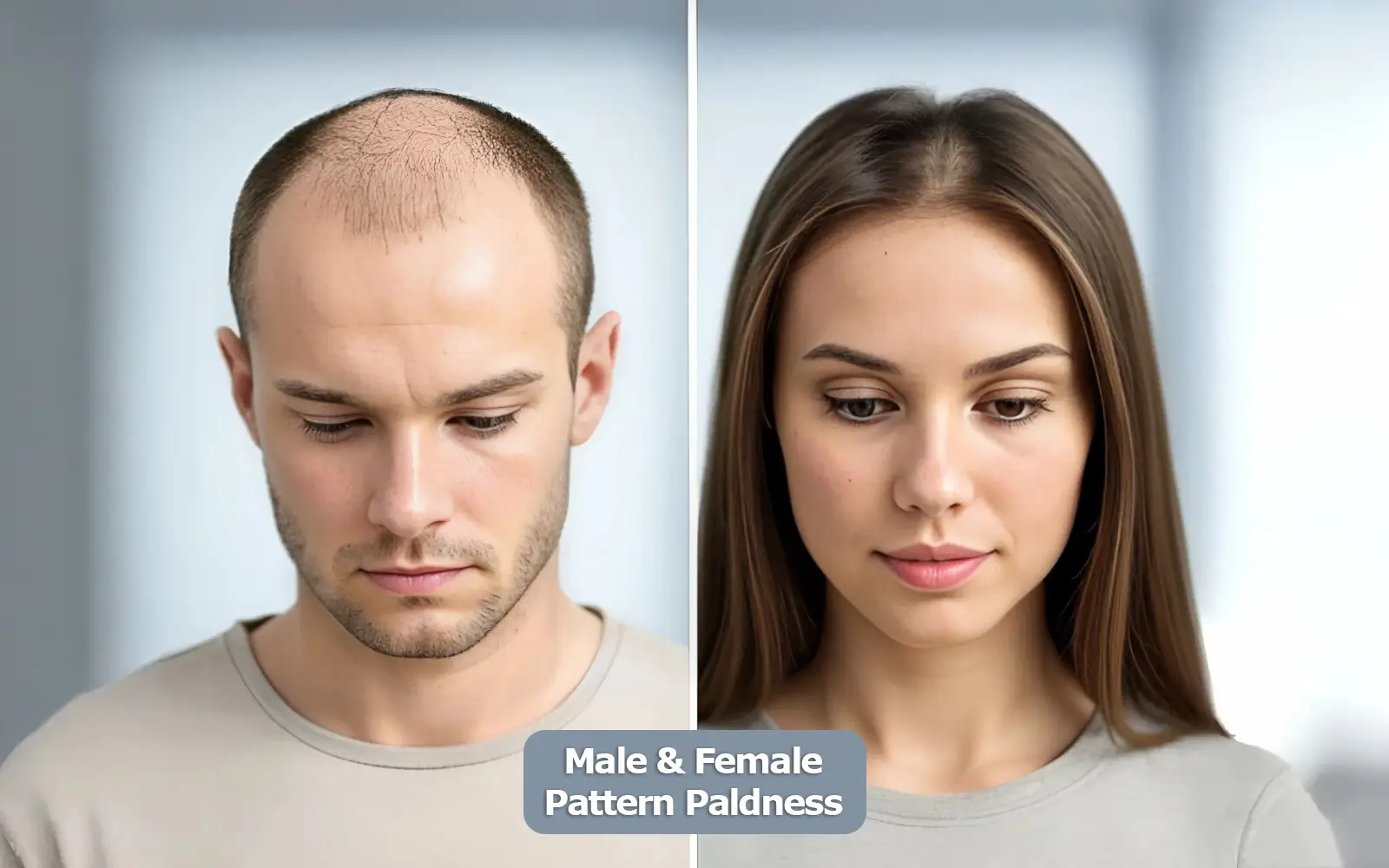
If you notice your part widening or your hairline receding slowly, it may be genetic. This pattern is common in androgenetic alopecia. Journaling helps you track the pace—if it’s slow and steady, it’s likely inherited.
Patchy Loss
Bald patches or circular spots can be a sign of alopecia areata, an autoimmune condition. These spots can appear suddenly. Photos and notes help you measure their size and number.
Shedding With Other Symptoms
If you have scalp pain, redness, or itching, it could be a sign of infection or another scalp disorder. Note changes in skin, texture, or color.
Your journal helps you track these patterns and share them with your doctor for better advice. Sometimes, patterns are subtle—like more shedding on busy workdays or after skipping meals.
Sample Weekly Tracking Table
Here’s an example of how a week’s entries might look in a spreadsheet:
| Date | Shedding Level | Location | Products | Stress Level | Photo Taken? |
|---|---|---|---|---|---|
| March 1 | Mild | Shower | Shampoo A | Low | Yes |
| March 2 | Moderate | Brush | Shampoo A, Conditioner B | Medium | No |
| March 3 | Mild | Pillow | Shampoo A | Low | Yes |
| March 4 | Heavy | Shower | Shampoo C | High | Yes |
| March 5 | Moderate | Brush | Shampoo C | Medium | No |
| March 6 | Mild | Shower | Shampoo C | Low | Yes |
| March 7 | Mild | Pillow | Shampoo C, Conditioner B | Low | Yes |
This table helps you compare days and see if changes in products or stress level affect shedding.
How To Analyze Your Hair Loss Journal
After a few weeks or months, you’ll have enough data to find patterns:
- Compare Shedding Levels: Did shedding increase after a stressful week? Look for links between events and hair loss.
- Check Products: Did a new shampoo make things better or worse? Track reactions and results.
- Match With Diet and Health: Did hair loss change when you started a new diet or got sick? If you see a pattern, you can adjust your habits.
- Look at Photos: Do you see visible changes in hair thickness or hairline? Photos can show slow progress.
Sometimes, it’s easier to see patterns by highlighting days with heavy shedding or adding color to your data. Some apps let you graph your results.
If you’re not sure, share your journal with a friend or doctor. Fresh eyes often spot trends you missed.
Common Mistakes To Avoid When Tracking Hair Loss
Tracking your hair loss is a skill. Here are mistakes people often make:
- Being Inconsistent: Missing days makes it hard to see trends. Try to track daily, even if your entry is short.
- Changing Too Many Things at Once: Try not to start new products or diets all together. Change one thing at a time. This helps you see what really works.
- Relying Only on Memory: Write things down right away, or you’ll forget small details. Even waiting a few hours can erase important notes.
- Focusing Only on Numbers: Photos and symptoms are just as important. Numbers show quantity, but photos show quality.
- Ignoring Context: Remember, some extra shedding is normal during certain times, like after childbirth or illness. Don’t panic over short-term spikes.
Some people forget to note small changes, like new pillowcases or shampoo samples. These can influence results.
Real-world Example: Maria’s Hair Loss Journey
Maria, 32, started noticing more hair on her pillow and in the shower. At first, she thought it was just stress. She began a simple hair loss journal, noting her stress at work, a new diet, and the shampoo she was using.
Over a few weeks, she noticed that hair loss increased during high-stress periods and after cutting animal products from her diet.
Maria’s entries included photos, product lists, and even notes about sleep quality. She saw that days with poor sleep and skipped meals matched higher hair loss. She also tracked her menstrual cycle, noticing extra shedding around her period.
When she visited her doctor, she shared her journal. Her doctor saw a link between her diet and increased shedding, ordered a blood test, and found low iron levels. With iron supplements and stress management, Maria’s hair shedding returned to normal. Without her journal, she might not have connected these dots.
Her story shows the value of tracking both obvious and subtle changes. Even small details can help find solutions.
.png)
Credit: www.happyhead.com
When To See A Doctor
Your hair loss journal can help you decide when to seek medical advice. You should see a doctor if:
- Shedding is sudden and severe
- You see bald patches or complete hair loss in areas
- You have pain, redness, or itching on your scalp
- Hair loss is affecting your confidence or mental health
Bring your journal and photos to your appointment. This information helps your doctor make the right diagnosis and suggest the best treatment.
If you notice changes linked to new medicines or health symptoms, don’t wait. Early intervention can prevent more loss.
How Doctors Use Your Hair Loss Journal
Doctors often ask about your hair loss history, stress, diet, and family history. But memory can be unreliable. When you show your hair loss journal, you provide clear evidence:
- Timeline: Doctors can see when hair loss started and what was happening in your life at the time.
- Pattern: The type and location of shedding may point to specific causes.
- Response to Treatments: Doctors can see what worked or didn’t.
This makes it easier for your doctor to order the right tests, such as blood work or scalp biopsies. Your journal can also save time and avoid unnecessary treatments.
If your doctor sees patterns linked to hormones, nutrition, or stress, they can recommend targeted solutions. Without your journal, diagnosis may be slower.
How To Make The Most Of Your Journal Data
To get the best results:
- Review Weekly: Look back at your entries and photos at the end of each week. Highlight big changes or repeating problems.
- Summarize Monthly: Write a short summary at the end of each month—what changed, what stayed the same. This helps you spot trends and progress.
- Share With Experts: Don’t be afraid to bring your journal to appointments. Experts can offer advice based on your data.
- Stay Honest: Write down both good and bad days. Patterns are more important than single events.
Some people keep a separate section for notes and questions. If you’re confused, write it down—your doctor can help.
Practical Tips For Long-term Hair Tracking
Tracking hair loss can feel like a chore. Here’s how to make it easier:
- Set a Reminder: Pick a regular time each day—like after your shower or before bed. Consistency builds habits.
- Use Simple Language: Write short notes. There’s no need for perfect grammar. Focus on clarity.
- Keep Supplies Nearby: If using a paper journal, keep it in your bathroom or bedroom. Easy access prevents missed entries.
- Automate Photos: Use your phone’s calendar to remind you to take photos once a week. Some apps let you schedule reminders.
- Reward Yourself: After a month of consistent tracking, treat yourself for sticking with it. Motivation matters.
If you travel or change routines, bring your journal or app with you. Consistency is key.
Advanced Tracking: Adding More Details
As you get comfortable, you can add more information:
- Weather: Some people notice more shedding in dry or humid weather. Record temperature and humidity if you see seasonal changes.
- Exercise: Intense workouts may affect your body and hair. If you start a new routine, note it.
- Medications: Note any new medicines or supplements. Include dosage and timing.
- Sleep: Poor sleep can increase stress and affect hair health. Record hours and quality.
Add these details only if they seem useful to you. Too much data can be overwhelming. Focus on what helps you make decisions.
Some advanced journalers use charts to track patterns. If you’re comfortable, try graphing your results.
Example: Comparing Two Treatments Over Time
Suppose you try two different shampoos to see if one helps reduce shedding. Here’s how to compare results:
| Week | Shampoo Used | Average Daily Shedding | Scalp Condition |
|---|---|---|---|
| 1 | Shampoo A | 55 | Normal |
| 2 | Shampoo A | 60 | Itchy |
| 3 | Shampoo B | 35 | Less Itchy |
| 4 | Shampoo B | 30 | Normal |
From this, you can see that Shampoo B reduced shedding and scalp itchiness. Tracking allows you to make confident decisions and avoid products that don’t suit your needs.
Non-obvious Insights Most Beginners Miss
1. Small Changes Matter: Beginners often ignore small lifestyle changes, but even minor shifts—like changing pillowcases, using a new towel, or switching water quality—can affect shedding. Write these down. Sometimes, even the laundry detergent used for pillowcases can irritate the scalp.
2. Recovery Takes Time: Many expect instant results when they change products or diets. In reality, hair growth cycles mean improvements may only show after 3-6 months. Use your journal to stay patient and see real trends. Avoid jumping from product to product without giving enough time.
3. Noticing Texture and Quality: Hair loss is not just about quantity. Changes in hair texture (dryness, brittleness, shine) can show early signs of issues. Beginners often overlook this. By tracking texture, you can spot damage before shedding increases.
4. Emotional Triggers: Anxiety and mood changes can affect hair loss. If you notice more shedding after emotional events, write about your feelings as well as physical symptoms.
How To Stay Motivated
Tracking hair loss is a long-term process. Here’s how to keep going:
- Set a Goal: Decide what you want to learn, like finding triggers or testing a product.
- Share Progress: Talk with friends or online support groups. Sharing helps you stay accountable.
- Celebrate Small Wins: Notice when shedding returns to normal or if a product helps.
If you feel discouraged, read back through your journal. You may notice positive changes you missed.
Remember, your journal is a tool for understanding and self-care, not judgment. Progress can be slow, but every entry adds value.
Credit: www.hermestclinic.com
Supporting Your Hair Health
While tracking, support your hair with healthy habits:
- Eat a balanced diet with enough protein, iron, and vitamins. Include leafy greens, eggs, nuts, and fish.
- Manage stress through exercise, meditation, or hobbies. Even short walks or deep breathing help.
- Avoid harsh chemicals and limit heat styling. If you use heat tools, apply a heat protectant.
- Protect hair from sun and pollution. Wear hats or scarves if needed.
If you need more information on hair health, check resources like the American Academy of Dermatology.
Frequently Asked Questions
What Is A Normal Amount Of Hair Loss Per Day?
Most people lose 50 to 100 hairs every day. This is part of the normal growth cycle. If you notice much more, especially with visible thinning or bald spots, it’s worth tracking and talking to a doctor.
How Long Should I Track My Hair Loss Before Seeing A Doctor?
It’s best to track your hair for at least 4 to 8 weeks. This gives enough data to spot patterns. If you notice sudden, severe loss or bald patches, see a doctor sooner.
Can Stress Really Cause Hair Loss?
Yes. Physical or emotional stress can push more hairs into the shedding phase. This usually appears 2–3 months after the stressful event and often improves with time and stress management.
What If My Hair Loss Journal Shows No Clear Pattern?
Not all hair loss has an obvious cause. Some types are genetic or related to medical issues. Share your journal with a doctor—they may see connections you missed or recommend further tests.
Are There Apps For Tracking Hair Loss?
Yes, there are several health and habit tracking apps that let you customize entries for hair loss. Choose one that’s easy to use and lets you add notes and photos for best results.
Tracking your hair loss might feel like a small step, but it can have a big impact on your understanding and confidence. With patience and good records, you’ll be better prepared to protect and improve your hair health for the long term.

Credit: en.wikipedia.org