

When you wash your hair, you expect it to feel clean, soft, and manageable. But sometimes, even after shampooing, your hair still feels heavy, dull, or dry. One reason could be the minerals in your tap water, especially if you live in an area with hard water. Hard water can leave deposits on your hair, making it harder to keep clean. That’s where chelating shampoos come in. These special shampoos remove mineral buildup, but you shouldn’t use them too often. The right frequency depends on your water hardness.
Understanding how often to use chelating shampoo is important for healthy hair. Using it too much can strip natural oils and cause dryness. Using it too little lets mineral buildup continue. In this article, you’ll learn how water hardness affects your hair, how chelating shampoos work, and how to set a routine that keeps your hair clean without damage.
Whether you live with soft, medium, or hard water, you’ll find clear advice, practical tips, and examples to help you build the best shampoo schedule for your needs.
What Is Chelating Shampoo?
Chelating shampoo is a special type of cleanser designed to remove stubborn deposits from your hair and scalp. These deposits include minerals (like calcium and magnesium), chlorine, heavy metals, and sometimes even product residue. Regular shampoos can wash away oils and dirt, but they struggle with these mineral deposits, especially if you live in a hard water area.
Chelating shampoos use ingredients called chelators. These are chemicals that bind with mineral ions and pull them off your hair. Common chelators include EDTA (ethylenediaminetetraacetic acid) and phytic acid. Once the minerals are attached to the chelator, they are rinsed away easily.
How Chelating Shampoos Work
Chelating shampoos don’t just clean; they act like magnets for minerals. When you wash with a chelating shampoo:
- Chelators attach to mineral deposits on your hair.
- They break the bonds between minerals and hair strands.
- The deposits are lifted and rinsed out.
This process is more intense than regular cleansing. That’s why chelating shampoos are used less often.
When To Use Chelating Shampoo
You might need chelating shampoo if:
- Your hair feels sticky or rough after washing.
- You live in a hard water area.
- You swim often (chlorine leaves buildup).
- You use a lot of styling products.
But using it too much can cause dryness or fading color for dyed hair. The right frequency depends on your water hardness level.
Understanding Water Hardness And Its Effects
Water hardness measures the amount of dissolved minerals, mainly calcium and magnesium, in your tap water. These minerals can stick to your hair and scalp, making cleaning harder. Water is classified as:
- Soft water: Low in calcium and magnesium (0–60 mg/L)
- Moderately hard water: Medium mineral content (61–120 mg/L)
- Hard water: High mineral content (121–180 mg/L)
- Very hard water: Over 180 mg/L
Most people don’t know their water hardness. You can check it with a test kit or ask your local water supplier.
Effects Of Hard Water On Hair
Hard water can cause several problems:
- Mineral buildup: Makes hair look dull, heavy, and rough.
- Reduced shampoo effectiveness: Shampoos don’t lather well, and cleaning is incomplete.
- Dryness and tangling: Minerals strip moisture, leading to dryness and knots.
- Color fading: Dyed hair loses color faster.
Real-life Examples
- In cities like London or Los Angeles, tap water is very hard. Residents often notice dry, frizzy hair and poor shampoo performance.
- In Seattle or Portland, water is much softer, and hair issues from minerals are less common.
Knowing your water hardness helps you decide how often to use chelating shampoo.
Chelating Shampoo Frequency By Water Hardness Level
The main question is: How often should you use chelating shampoo? The answer depends on your water hardness. Let’s break down the ideal frequency for each water type and why it matters.
Soft Water: 0–60 Mg/l
Soft water contains very little calcium and magnesium. There is minimal risk of mineral buildup. In most cases, you don’t need chelating shampoo regularly.
Recommended Frequency
- Once every 1–2 months (or only when needed)
If you notice product buildup or swim in pools, you can use chelating shampoo. But for most people with soft water, regular shampoo is enough.
Tips For Soft Water Areas
- Choose gentle shampoos to avoid stripping natural oils.
- If you use chelating shampoo, follow with a moisturizing conditioner.
- Pay attention to hair’s feel—if it’s soft and shiny, you’re probably fine.
Common Mistakes
- Using chelating shampoo too often, which can cause dryness.
- Ignoring the signs of buildup from styling products or chlorine.
Moderately Hard Water: 61–120 Mg/l
Moderately hard water has more minerals, but buildup is slow. You might notice hair getting heavier or less shiny over weeks.
Recommended Frequency
- Once every 3–4 weeks
This schedule prevents mineral buildup without causing dryness. If you style your hair often or swim, you might need chelating shampoo a bit more.
Tips For Moderately Hard Water
- Alternate chelating shampoo with regular shampoo.
- Use leave-in conditioners to protect hair.
- If you dye your hair, check color fade after each wash.
Common Mistakes
- Waiting too long before using chelating shampoo.
- Not following up with deep conditioning.
Hard Water: 121–180 Mg/l
Hard water is common in many cities. Here, mineral buildup happens quickly—sometimes in just days. Hair feels rough, tangles easily, and shampoos don’t lather well.
Recommended Frequency
- Once every 1–2 weeks
This prevents deposits from building up and keeps hair manageable. If you notice dryness, adjust to every two weeks and use rich conditioners.
Tips For Hard Water Areas
- Rinse hair with bottled or filtered water after shampooing.
- Deep condition regularly to restore moisture.
- Check your showerhead—some filters help reduce mineral content.
Common Mistakes
- Using chelating shampoo daily, which strips natural oils.
- Not using conditioner after chelating shampoo.
Very Hard Water: Over 180 Mg/l
Very hard water is rare but tough on hair. Mineral buildup is fast and severe. Hair can feel sticky, lose shine, and break easily.
Recommended Frequency
- Once per week
This keeps mineral deposits at bay. If you have sensitive scalp or dyed hair, use every 10 days and always condition deeply.
Tips For Very Hard Water
- Invest in a shower filter if possible.
- Use hydrating masks after chelating shampoo.
- Monitor hair for signs of dryness or irritation.
Common Mistakes
- Skipping chelating shampoo, leading to heavy buildup.
- Overusing, which can damage hair.
Comparison Table: Chelating Shampoo Frequency
Here’s a simple table to help you remember the ideal frequency based on water hardness.
| Water Hardness Level | Recommended Frequency | Key Advice |
|---|---|---|
| Soft (0–60 mg/L) | Every 1–2 months | Use only if needed; moisturize after |
| Moderately Hard (61–120 mg/L) | Every 3–4 weeks | Alternate with regular shampoo; deep condition |
| Hard (121–180 mg/L) | Every 1–2 weeks | Rinse with filtered water; hydrate after |
| Very Hard (>180 mg/L) | Weekly | Use shower filter; monitor for dryness |
Signs Your Hair Needs Chelating Shampoo
Sometimes, your hair tells you it needs a deep clean. Here are signs to watch for:
- Dullness: Hair loses shine, even after washing.
- Rough texture: Feels dry, stiff, or sticky.
- Poor lather: Shampoo doesn’t foam easily.
- Color fading: Dyed hair loses vibrancy.
- Persistent tangles: Hair knots easily.
If you notice two or more of these, it’s time for a chelating shampoo.
Example: Mineral Buildup In Hard Water
Imagine living in a hard water city like Phoenix. After a week, your hair feels rough and looks dull. Shampoo barely lathers. You use chelating shampoo, and after rinsing, your hair feels lighter and cleaner. This shows how quickly minerals build up and why routine matters.
Factors That Affect Chelating Shampoo Frequency
Water hardness is the main factor, but other things play a role:
Hair Type
- Fine hair: Prone to buildup; needs chelating more often.
- Thick/coarse hair: Can handle less frequent chelating.
- Curly hair: Minerals can cause dryness, so use less often and hydrate well.
Hair Treatments
- Colored hair: Chelating shampoos can fade color. Use less often and choose color-safe formulas.
- Chemical treatments: Permed or straightened hair needs gentle chelating.
Lifestyle
- Swimming: Chlorine leaves deposits; use chelating shampoo after pool sessions.
- Heavy styling products: Buildup from gels, sprays, and creams needs chelating more often.
Environmental Factors
- Air pollution: Can combine with minerals, increasing buildup.
- Humidity: Affects how minerals stick to hair.
Comparison Table: Factors Influencing Frequency
Here’s another table comparing how different factors can change your chelating shampoo routine.
| Factor | Impact on Frequency | Special Advice |
|---|---|---|
| Fine Hair | Increase frequency | Use lightweight conditioners |
| Colored Hair | Reduce frequency | Choose color-safe chelators |
| Frequent Swimming | Increase frequency | Chelate after pool visits |
| Heavy Styling Products | Increase frequency | Clarify before chelating |
| Polluted Environment | Increase frequency | Protect hair with leave-in treatments |
How To Use Chelating Shampoo Correctly
Using chelating shampoo is not like regular washing. To protect your hair, follow these steps:
- Wet hair thoroughly: Minerals stick better to dry hair, so start with fully wet strands.
- Apply chelating shampoo: Use a small amount, focusing on scalp and lengths.
- Massage gently: Work shampoo in for 1–2 minutes, but don’t scrub harshly.
- Leave for 2–3 minutes: Chelators need time to bind minerals.
- Rinse well: Use warm water to wash away all deposits.
- Condition deeply: Chelating removes minerals and natural oils. Use a rich conditioner or hair mask.
- Style as usual: Dry gently and avoid heat styling right after chelating.
Practical Tips
- Do not use chelating shampoo daily. Stick to the recommended schedule.
- For colored hair, use a color-protect chelating shampoo.
- Alternate chelating with moisturizing shampoos.
- If hair feels dry, space out chelating sessions.
Example Routine For Hard Water
If your water is hard, your routine might look like:
- Week 1: Regular shampoo
- Week 2: Chelating shampoo + deep conditioner
- Week 3: Regular shampoo
- Week 4: Chelating shampoo + hydrating mask
This helps balance mineral removal with moisture.
Choosing The Right Chelating Shampoo
Not all chelating shampoos are the same. Some are stronger, some are gentle, and some are made for specific hair types.
Key Ingredients
- EDTA: Strong chelator, common in many shampoos.
- Phytic acid: Plant-based chelator, gentle for sensitive hair.
- Citric acid: Mild chelator, found in natural formulas.
What To Look For
- Check for chelator ingredients on the label.
- Choose formulas for your hair type (fine, thick, curly, colored).
- Pick shampoos with moisturizing agents (like aloe or oils) if you have dry hair.
- For colored hair, look for “color-safe” or “gentle” options.
Common Buyer Mistakes
- Buying clarifying shampoo instead of chelating shampoo. Clarifying shampoos remove product buildup but not minerals.
- Ignoring ingredient list. Some “deep cleansers” don’t have chelators.
- Using chelating shampoo daily, which can damage hair.
Example Brands
Some popular chelating shampoos:
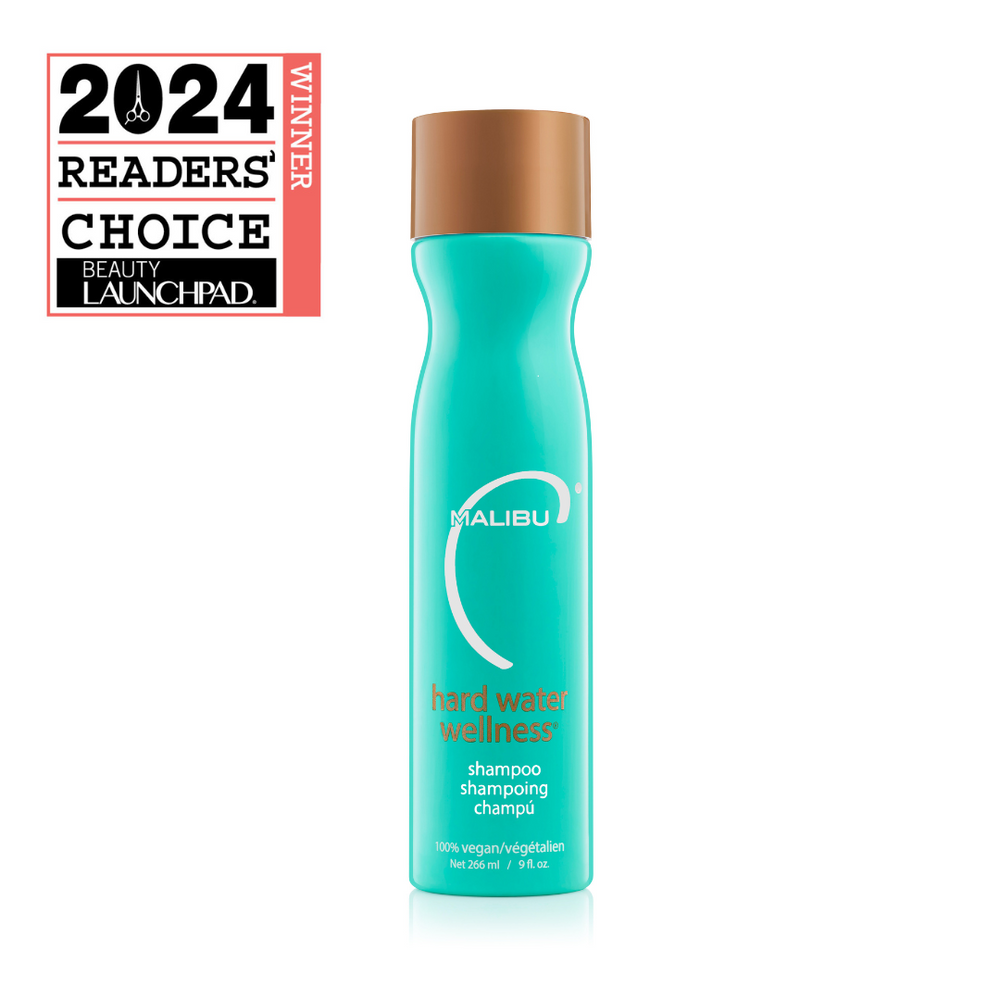
- Malibu C Hard Water Wellness Shampoo
- Ion Hard Water Shampoo
- Redken Hair Cleansing Cream
Always check reviews and ingredient lists before buying.
Water Hardness Around The World
Water hardness varies by region. Understanding this helps you set the right routine.
- United States: Midwest and Southwest cities (Chicago, Phoenix) often have hard to very hard water.
- United Kingdom: London and southeast have hard water; Scotland has soft water.
- Australia: Perth and Adelaide have hard water.
- Asia: Many big cities have moderately hard water.
Example: London Vs. Edinburgh
In London, tap water is very hard (over 200 mg/L). People often need weekly chelating shampoo. In Edinburgh, water is soft, so monthly use is enough.
How To Test Your Water Hardness
Before you set a routine, find out your water hardness. Here’s how:
- Ask your water supplier: Most cities list water hardness online.
- Buy a test kit: These kits measure mineral levels in mg/L. Easy to use and inexpensive.
- Look for signs: If soap doesn’t lather and you see white spots on faucets, water is probably hard.
Example Data
- Phoenix, USA: 180–250 mg/L (very hard)
- Seattle, USA: 20–60 mg/L (soft)
- London, UK: 200–300 mg/L (very hard)
- Mumbai, India: 120–180 mg/L (hard)
Data Table: Water Hardness In Major Cities
| City | Water Hardness (mg/L) | Recommended Chelating Frequency |
|---|---|---|
| Phoenix | 180–250 | Weekly |
| Seattle | 20–60 | Every 1–2 months |
| London | 200–300 | Weekly |
| Mumbai | 120–180 | Every 1–2 weeks |
| Sydney | 60–120 | Every 3–4 weeks |
The Science Behind Chelating Shampoos
Chelators are chemicals that bind to minerals. In shampoos, they grab onto calcium and magnesium, pulling them off your hair.
Edta Example
EDTA is one of the most common chelators. It forms strong bonds with calcium and magnesium. When you rinse, these minerals are removed from your hair.
Phytic Acid Example
Phytic acid, found in rice and seeds, is a natural chelator. It’s gentle and good for sensitive hair.
Research Data
Studies show chelating shampoos can remove up to 90% of mineral buildup after one wash. In areas with hard water, regular chelating improves hair shine and softness.
For more scientific information, you can check Wikipedia’s Chelation page.

Credit: www.cocoandeve.com
Extra Tips For Healthy Hair In Hard Water Areas
Living with hard water means you need to care for your hair differently. Here are some practical tips:
- Install a shower filter: Reduces mineral content and protects hair.
- Use bottled or filtered water: Rinse hair with clean water for final wash.
- Hydrate often: Use leave-in conditioners and masks.
- Avoid harsh styling: Heat and chemicals can worsen dryness.
- Protect hair when swimming: Wear a swim cap and rinse after pool sessions.
- Trim regularly: Removes split ends caused by dryness.
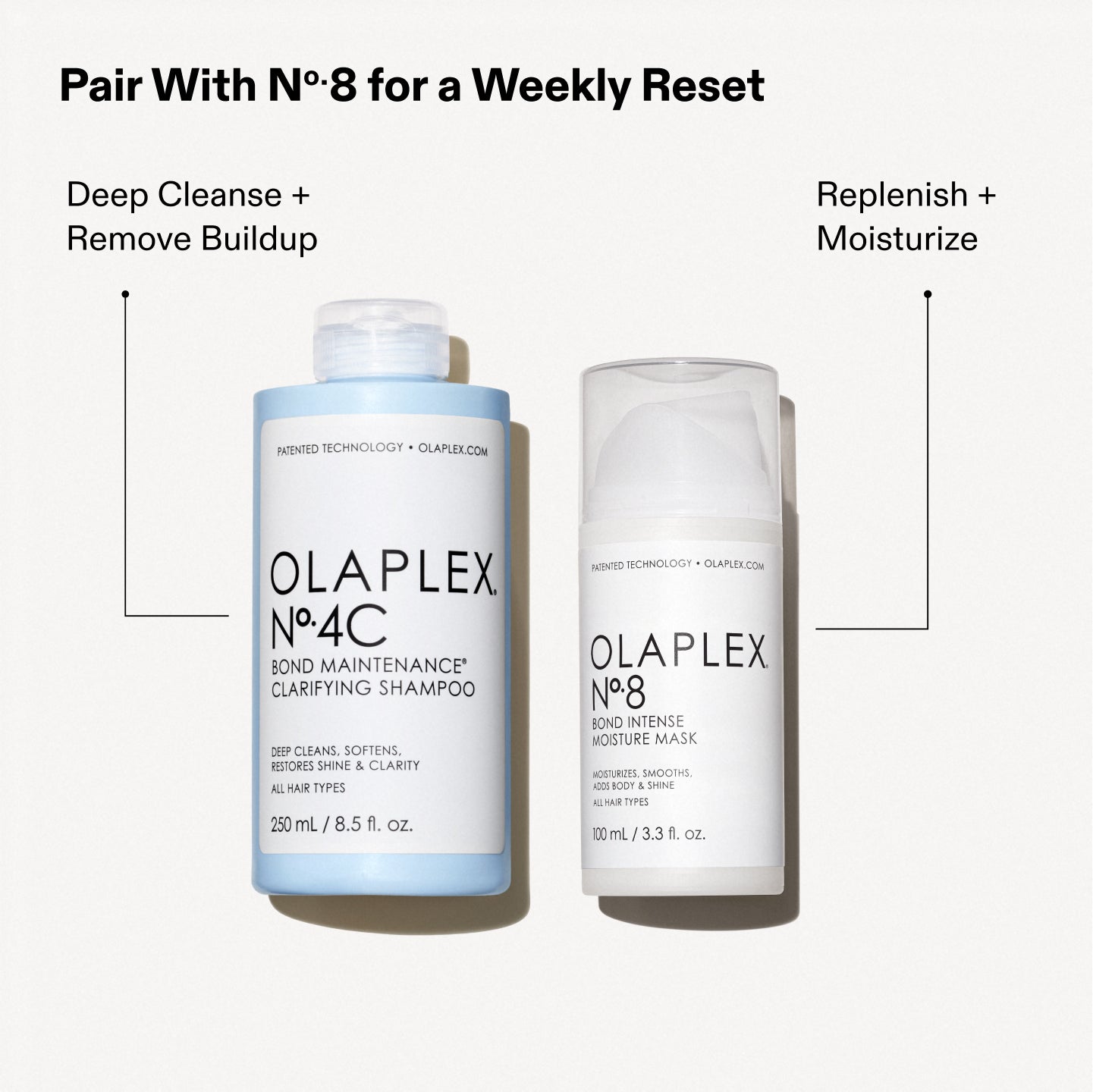
The Difference Between Chelating And Clarifying Shampoos
Many people confuse chelating and clarifying shampoos. Here’s the key difference:
- Chelating shampoos: Remove minerals, metals, and chlorine.
- Clarifying shampoos: Remove product buildup, oils, and dirt.
If you only have product buildup, clarifying shampoo is fine. If you live in a hard water area, you need chelating shampoo.
Example
If you style your hair daily, but your water is soft, clarifying shampoo is enough. If your water is hard, you need chelating shampoo to remove minerals.
Credit: olaplex.com
Risks Of Overusing Chelating Shampoo
Chelating shampoos are powerful cleansers. Overusing them can cause problems:
- Dryness: Strips natural oils, making hair brittle.
- Scalp irritation: Sensitive scalps may itch or flake.
- Color loss: Fades dyed hair faster.
- Breakage: Weakens hair, leading to split ends.
Always follow the recommended schedule and condition deeply after chelating.
How To Recover From Overuse
If you’ve used chelating shampoo too often:
- Stop chelating for 2–3 weeks.
- Use hydrating masks and oils.
- Avoid heat styling.
- Trim damaged ends.
Adapting Your Routine For Changing Water
Sometimes, you move or travel to places with different water hardness. Adjust your routine:
- Traveling to hard water: Bring chelating shampoo and use weekly.
- Moving to soft water: Switch to monthly chelating.
- Temporary stays: Watch for signs of buildup and adjust as needed.
Credit: malibuc.com
Frequently Asked Questions
How Do I Know If My Water Is Hard?
You can ask your local water supplier or use a test kit. Signs include poor lather from soap and white spots on faucets.
Can Chelating Shampoo Damage Colored Hair?
Yes, chelating shampoos can fade color. Use color-safe chelating formulas and reduce frequency to once a month if possible.
What’s The Difference Between Chelating And Clarifying Shampoo?
Chelating shampoo removes minerals and metals; clarifying shampoo removes product buildup and oils.
Should I Use Chelating Shampoo After Swimming?
Yes, especially after swimming in pools with chlorine. Chelating shampoo removes chlorine and prevents green tint in hair.
Can I Use Regular Conditioner After Chelating Shampoo?
Yes, but a deep conditioner or hair mask is better. Chelating shampoo removes oils, so you need extra moisture.
Taking care of your hair is easier when you know how your water affects it. Chelating shampoo is a powerful tool for keeping hair clean in hard water areas, but it must be used wisely. By understanding your water hardness and following the right routine, you can enjoy soft, shiny, healthy hair wherever you live.
If you’re not sure about your water, test it and adjust your schedule. With the right balance, your hair will thank you.