

Growing out a relaxer is a journey that many people with textured hair consider. If you want to transition back to your natural hair without doing a big chop, you’re not alone. This process can feel challenging, but it is absolutely possible with the right knowledge and patience. Whether you’re worried about breakage, unsure how to handle two different hair textures, or just want to keep your length while regaining your natural curls, this guide gives you every step and insight you need. You’ll learn how to care for transitioning hair, avoid common mistakes, and discover routines that actually work. Let’s explore how to grow out a relaxer safely, confidently, and without cutting it all off.
Understanding Hair Relaxers And Transitioning
Before you start, it’s important to know what a hair relaxer does. Relaxers use chemicals to break the natural bonds in curly or coily hair, making it straight. The process is permanent, so your relaxed hair will never revert back to its original texture. The only way to get your natural hair back is to let new hair grow out.
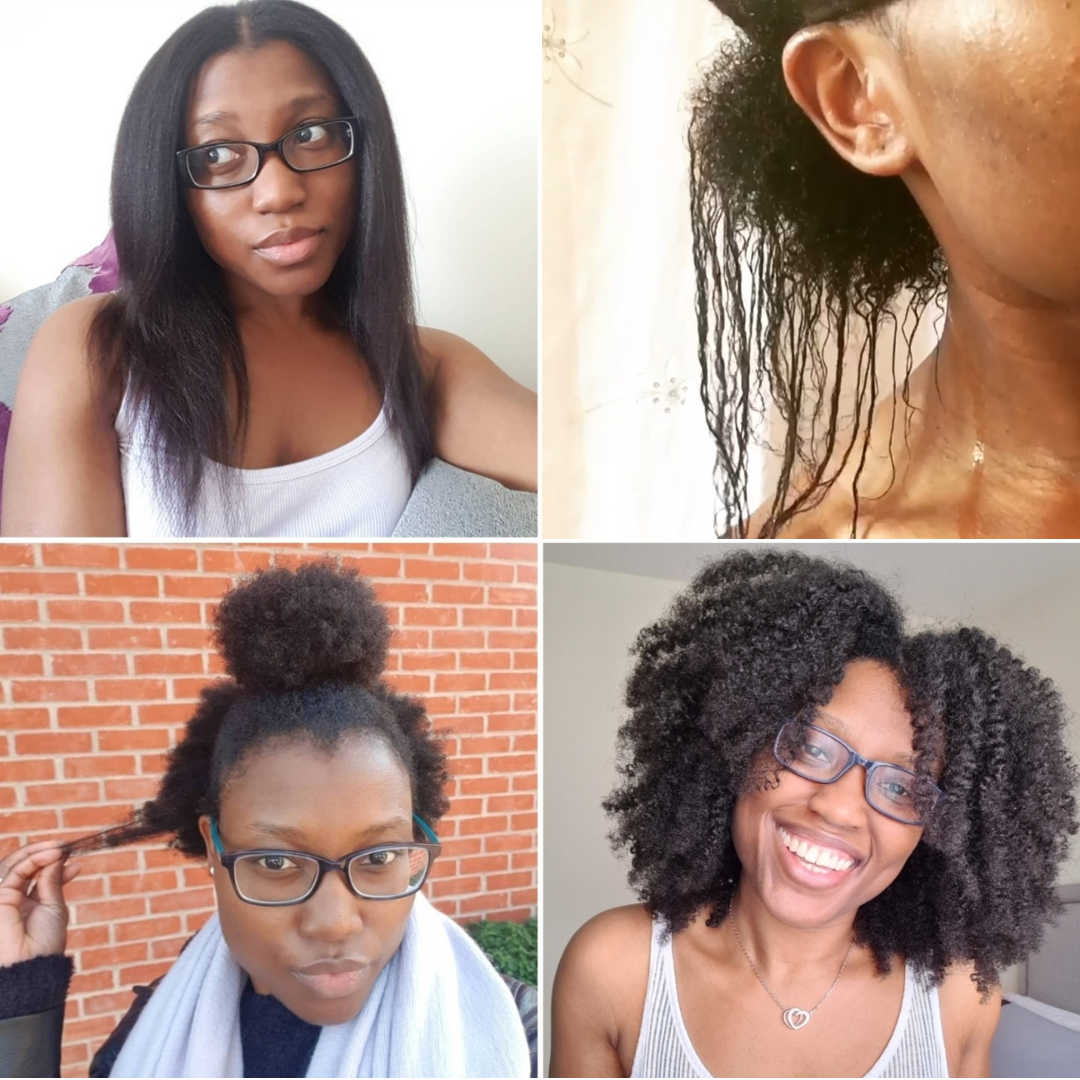
Transitioning means you allow your natural hair to grow in while keeping the relaxed ends. The two textures—new curly or coily roots and straight relaxed ends—need special care. Many choose the big chop (cutting off all relaxed hair at once), but others prefer to transition slowly. This way, you keep your hair length and avoid a drastic change.
Why Transition Without The Big Chop?
People avoid the big chop for many reasons:
- Emotional attachment to their length.
- Fear of short hair.
- Desire to experiment with styles during the transition.
- Social or cultural reasons.
This approach lets you keep your hair longer, but requires patience, gentle handling, and a new routine.
Planning Your Transition: Setting Realistic Goals
Transitioning takes time. On average, hair grows about 0.5 inches (1.25 cm) per month. If you want to transition for a year, you can expect about 6 inches (15 cm) of new growth. This means you’ll deal with two textures for months or even years.
How Long Should You Transition?
It depends on your goals and comfort. Some people transition for 6 months, others for 2 years. The longer you wait, the more natural hair you have before cutting off relaxed ends. But as your natural hair grows, managing the two textures gets harder.
Example Timeline
| Transition Duration | Estimated New Growth | Management Difficulty |
|---|---|---|
| 6 months | 3 inches (7.5 cm) | Low |
| 12 months | 6 inches (15 cm) | Medium |
| 18 months | 9 inches (22.5 cm) | High |
Setting Expectations
Your hair will look and feel different as you transition. You’ll need to adjust your routine, products, and styling methods. Having a clear goal—like reaching a certain length or texture—makes it easier to stay motivated.
Managing Two Textures: The Line Of Demarcation
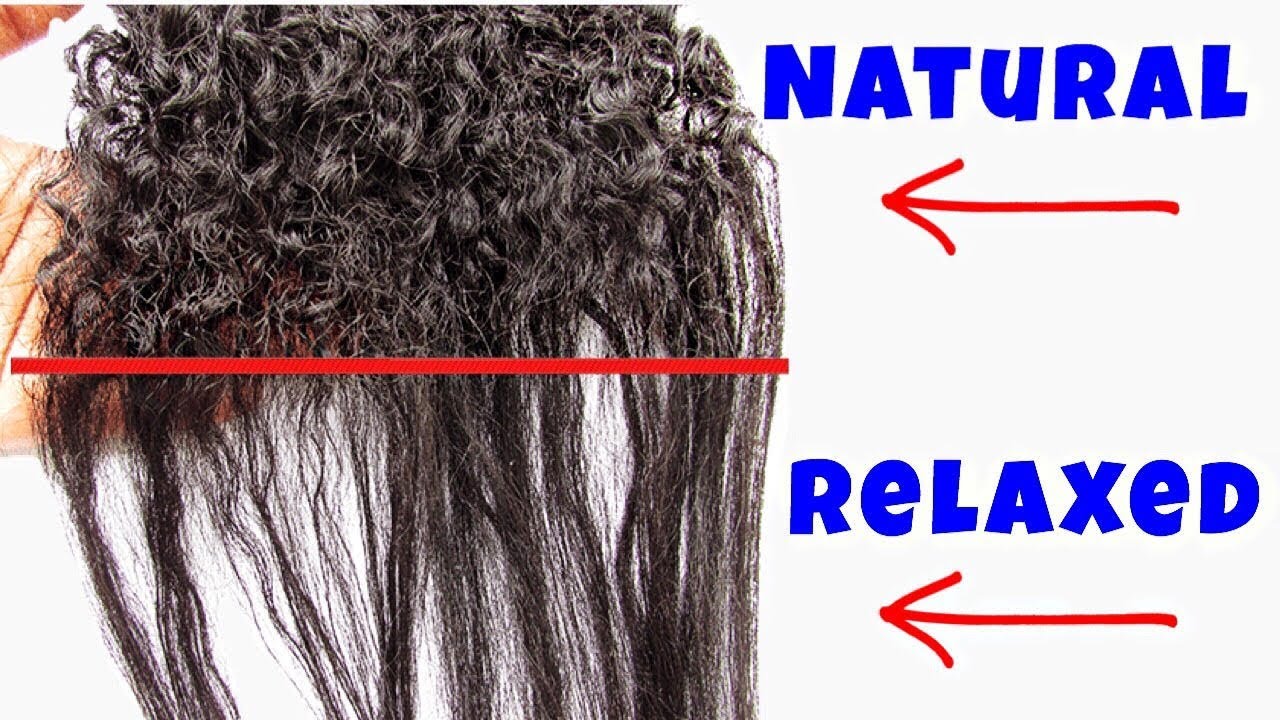
The line of demarcation is where your natural hair meets relaxed hair. This area is very fragile and prone to breakage. Caring for both textures is the most important part of transitioning.
Why Is This Area So Vulnerable?
Relaxed hair is chemically weakened, and new growth is usually stronger, curlier, and thicker. The point where they meet bends and moves differently, leading to extra stress and breakage if not handled gently.
Practical Tips
- Handle your hair gently, especially when detangling.
- Avoid styles that pull tightly on the fragile area.
- Keep hair moisturized to reduce friction and snapping.
Moisture Is Key: Hydrating Transitioning Hair
Moisture is your best friend during this process. Dry hair breaks easily, especially at the line of demarcation. Your routine should focus on keeping both textures hydrated.
How To Moisturize Effectively
- Deep condition weekly. Use a rich, hydrating conditioner. Leave it in for at least 30 minutes with heat or a shower cap.
- Use leave-in conditioners. These help keep hair soft between washes.
- Seal moisture with oils. After adding water or conditioner, apply a light oil like coconut, jojoba, or olive oil to lock in hydration.
Common Mistake
Many beginners forget that their natural hair needs more moisture than relaxed ends. Adjust your routine as your new growth increases.
Moisturizing Comparison
| Hair Texture | Moisture Needs | Best Product Types |
|---|---|---|
| Natural (curly/coily) | High | Creams, leave-ins, oils |
| Relaxed (straight) | Medium | Light conditioners, serums |
Gentle Detangling: Preventing Breakage
Detangling is tricky with two textures. If you rush or use the wrong tools, hair can snap, especially at the line of demarcation.
How To Detangle Safely
- Use a wide-tooth comb or your fingers. Avoid fine-tooth combs.
- Work in sections. Divide your hair into 4–8 sections for easier handling.
- Start at the ends and work up to the roots.
- Apply conditioner or detangling spray before combing.
Extra Insight
Some people use their fingers instead of combs for detangling. This method lets you feel knots and avoid pulling too hard. Try finger detangling once a week and see if it reduces breakage.
Washing Transitioning Hair: Less Is More
Washing too often can strip hair of natural oils, making it dry and brittle. Transitioning hair needs gentle cleansing.
Best Washing Practices
- Wash every 1–2 weeks depending on your scalp and lifestyle.
- Use sulfate-free shampoos to avoid harsh chemicals.
- Focus shampoo on the scalp, not the ends.
- Follow each wash with a deep conditioner.
Clarifying Without Stripping
If you use lots of products, clarify your hair every 4–6 weeks with a gentle clarifying shampoo. This removes buildup without drying out your hair.
Credit: floracurl.com
Protein Treatments: Strengthening Fragile Hair
Both relaxed and natural hair benefit from protein treatments. These strengthen hair, reduce breakage, and help the line of demarcation stay intact.
How Often Should You Use Protein?
- For most, every 4–6 weeks is enough.
- If your hair feels mushy, weak, or breaks easily, you may need protein more often.
Example Products
- Aphogee Two-Step Protein Treatment
- SheaMoisture Strengthen & Restore Masque
- Homemade treatments (egg, yogurt, coconut milk)
Important Note
Overusing protein can make hair stiff and brittle. Always balance protein with moisture.
Protective Styling: Minimizing Stress On Hair
Protective styles help reduce manipulation and protect fragile hair. They also make it easier to manage two textures.
Best Protective Styles For Transitioners
- Buns and low ponytails: Simple, low tension.
- Twists and braids: Use your own hair or add extensions. Avoid styles that are too tight.
- Roller sets: Stretch hair without heat.
- Wigs and weaves: Let you experiment with looks while protecting your hair underneath.
Key Tips
- Don’t leave styles in too long. Take down and redo every 2–4 weeks.
- Avoid glue or adhesives that can damage edges.
- Keep your scalp clean and moisturized.
Avoiding Heat Damage: Using Heat Sparingly
Many people use heat tools (flat irons, curling wands) to blend textures or style their hair. While heat can help, it also risks heat damage and breakage.
Safe Heat Practices
- Use heat only once a month or less.
- Always apply a heat protectant spray or serum.
- Set tools to the lowest effective temperature (below 350°F / 175°C).
Non-obvious Insight
Avoid using heat when your hair is wet or damp. This causes steam damage, which can break hair at the line of demarcation.
Trimming: Gradually Removing Relaxed Ends
Trimming is essential during transition. You don’t have to cut all your hair at once, but regular trims keep ends healthy and prevent split ends from moving up the hair shaft.
How Often Should You Trim?
- Every 8–12 weeks is ideal.
- Trim 1/4 to 1/2 inch each time.
Visual Guide
Imagine you start with 10 inches of relaxed hair. If you trim 1/2 inch every 2 months and grow 1 inch of new hair every 2 months, after a year you’ll have 6 inches of natural hair and 4 inches of relaxed hair remaining.
| Months | Relaxed Hair Left | Natural Hair Grown |
|---|---|---|
| 0 | 10″ | 0″ |
| 6 | 7″ | 3″ |
| 12 | 4″ | 6″ |
Common Mistake
Skipping trims to “keep length” often results in more breakage and shorter hair over time.
Choosing Products: What Works For Transitioning Hair
Your product needs will change as your natural hair grows. Relaxed hair often prefers lighter products, while natural hair likes richer creams and oils.
Must-have Products
- Sulfate-free shampoo
- Rich conditioner
- Leave-in conditioner
- Natural oils (coconut, olive, jojoba)
- Protein treatment
- Detangling spray
What To Avoid
- Products with alcohol or harsh chemicals.
- Heavy gels that make hair stiff and dry.
- Silicones that build up and block moisture.
Extra Insight
Look for products labeled “for curly hair” or “for natural textures. ” These often work better for new growth.
Scalp Care: Healthy Roots, Healthy Hair
A healthy scalp means faster growth and stronger hair. Don’t neglect your scalp during transition.
Best Practices
- Massage scalp weekly to boost circulation.
- Keep scalp clean and free from buildup.
- Use light oils (tea tree, peppermint) for itchiness.
Data Point
Studies show regular scalp massage can increase hair growth by 10–20% over several months.
Styling Ideas: Blending The Two Textures
Styling is a big challenge when you have two different hair types. The goal is to blend your relaxed ends with your new curls, making hair look even and neat.
Styles That Work
- Bantu knots: Create curly ends and match natural roots.
- Twist outs: Twist hair and unravel for a uniform look.
- Flexi rod sets: Add curls to relaxed ends.
- Braid outs: Braid damp hair, then release for waves.
Extra Insight
Avoid styles that need tight pulling or lots of heat. They can break hair at the line of demarcation.
Handling Breakage: What To Do If Hair Starts Snapping
Breakage happens to almost everyone during transition. The line of demarcation is weak, and relaxed ends are often dry.
How To Reduce Breakage
- Increase moisture treatments.
- Trim split ends.
- Switch to finger detangling.
- Reduce heat and chemical use.
- Avoid tight styles.
When To Seek Help
If breakage continues despite your best efforts, consult a stylist who understands natural hair. They can recommend treatments or help you adjust your routine.
Dealing With Frustration: Staying Motivated
Transitioning is not just a physical journey—it’s emotional. You may get frustrated with slow growth, breakage, or styling challenges.
Mindset Tips
- Set small goals, like reaching 2 inches of natural growth.
- Celebrate milestones, even small ones.
- Join online communities for support and advice.
- Remember why you started the transition.
Extra Insight
Many transitioners find that journaling their progress helps. Take photos every month and note what worked and what didn’t.
Night Care: Protecting Hair While You Sleep
Hair can break or dry out at night if not protected. Adopt a night routine to keep your transition on track.
Best Night Practices
- Sleep on a silk or satin pillowcase.
- Wear a satin bonnet or scarf.
- Moisturize hair before bed.
- Avoid sleeping with tight styles.
Data Point
Silk pillowcases reduce friction and breakage by up to 43% compared to cotton.
Nutrition And Hair Growth: Supporting From Within
Healthy hair starts from the inside. Eating the right foods and staying hydrated help your hair grow stronger.
What To Eat
- Protein-rich foods (eggs, fish, beans)
- Leafy greens (spinach, kale)
- Healthy fats (avocado, nuts)
- Biotin-rich foods (almonds, sweet potatoes)
Drink Enough Water
Aim for 8 glasses (2 liters) daily. Dehydration leads to dry, brittle hair.
Extra Insight
Some people take supplements like biotin or collagen, but diet is the most important factor.
Transitioning Mistakes To Avoid
Many beginners make mistakes that slow progress or cause unnecessary breakage.
Common Errors
- Using too much heat
- Skipping trims
- Neglecting moisture
- Pulling hair too tightly
- Washing too often
- Using harsh products
- Ignoring the scalp
- Not blending textures
- Leaving protective styles in too long
- Comparing progress to others
Extra Insight
Don’t compare your journey to others. Genetics, lifestyle, and routine all affect hair growth and transition speed.
When Is It Time For The Final Chop?
Eventually, you’ll decide to cut off the last of your relaxed ends. This is a big step and can be scary, but it’s also exciting.
Signs You’re Ready
- Most of your hair is natural.
- Breakage at the line of demarcation increases.
- You want to style your hair as fully natural.
- You’re emotionally ready.
How To Do The Final Cut
You can cut at home, but seeing a professional stylist is safer. They can shape your hair and help you start your natural journey with confidence.
Building A Transitioning Routine: Sample Weekly Plan
A clear routine helps you stay organized and reduces stress.
Example Weekly Routine
- Sunday: Deep condition, detangle, protective style
- Monday: Scalp massage, moisturize ends
- Tuesday: Refresh style, add leave-in
- Wednesday: Moisturize, gentle finger detangle
- Thursday: Style as needed, avoid heat
- Friday: Scalp oil, light styling
- Saturday: Rest, minimal manipulation
Adjust based on your hair needs and lifestyle.
Professional Help: Finding A Stylist Who Understands Transitioning
Not all stylists are trained for textured or transitioning hair. Look for someone who has experience with natural hair and can guide your journey.
Tips For Finding A Good Stylist
- Ask about their experience with transitioning clients.
- Look for reviews and recommendations.
- Ask to see before/after photos.
- Discuss your goals and concerns openly.
Extra Insight
A stylist can help with trims, treatments, and styling. They can also prevent mistakes that lead to breakage.
Transitioning For Kids And Teens
If you’re helping a child or teen transition, the process is similar but needs extra patience and gentleness.
Tips For Kids
- Use gentle products and avoid harsh chemicals.
- Keep styles simple and comfortable.
- Be patient with detangling.
- Celebrate progress together.
Extra Insight
Kids may be frustrated by slow growth or styling challenges. Encourage them and make the process fun.
Transitioning With Color-treated Hair
If your relaxed hair is also color-treated, extra care is needed. Color makes hair more fragile.
Best Practices
- Use color-safe shampoos and conditioners.
- Deep condition often.
- Avoid heat and tight styles.
- Trim regularly.
Extra Insight
Consider letting color fade naturally or switching to semi-permanent dyes that are gentler.
Myths About Transitioning Hair
There are many myths about growing out relaxers. Let’s clear up the facts.
Common Myths
- You must do the big chop. Not true—you can transition slowly.
- Natural hair is always harder to manage. With the right routine, it’s manageable.
- You can revert relaxed hair to natural. Relaxed hair is permanently changed; only new growth is natural.
- Hair grows faster if you trim more. Trimming removes damage, but doesn’t speed up growth.
- You can use the same products for both textures. Each texture has different needs.
Credit: www.youtube.com
Tracking Progress: Tools And Tips
Keeping track of your transition helps you stay motivated and spot problems early.
How To Track Progress
- Take monthly photos.
- Measure your new growth.
- Keep a hair journal.
- Note products and routines that work.
Extra Insight
Apps like “CurlScan” or “Hair Journal” can help you organize your transition.
Community Support: Where To Find Help
Transitioning is easier with support. Online communities and groups offer advice, encouragement, and tips.
Best Places To Find Support
- Natural hair forums (CurlyNikki, NaturallyCurly)
- Instagram and YouTube (search for #transitioninghair)
- Local salons specializing in natural hair
- Facebook groups for transitioners
Extra Insight
Connecting with others helps you stay motivated and learn from their experience.

Credit: www.youtube.com
Frequently Asked Questions
How Long Does It Take To Transition From Relaxed To Natural Hair?
Most people transition for 6–24 months. Hair grows about 0.5 inches per month, so after a year you’ll have around 6 inches of natural hair. The process depends on your goals, routine, and how much length you want before cutting off relaxed ends.
Can I Use The Same Products For Relaxed And Natural Hair?
It’s best to adjust your products as your natural hair grows in. Natural hair needs more moisture and richer creams, while relaxed hair prefers lighter conditioners and oils. Look for products that match your current hair needs.
What Is The Line Of Demarcation And Why Does It Break?
The line of demarcation is where natural hair meets relaxed hair. It’s fragile because the two textures bend and move differently. Breakage happens here if hair isn’t kept moisturized, gently detangled, and protected from heat or tension.
Do I Have To Trim My Hair Often During Transition?
Regular trims help prevent split ends and breakage. Aim to trim every 8–12 weeks. Skipping trims can make hair break higher up the shaft, leading to shorter hair in the long run.
Where Can I Find More Information And Support For Transitioning Hair?
There are many online resources and communities. One useful site is Wikipedia’s page on Afro-textured hair. You can also join forums, follow social media pages, and visit local salons specializing in natural hair.
Transitioning from relaxed to natural hair without the big chop is a journey that requires patience, knowledge, and care. By understanding your hair, adjusting your routine, and avoiding common mistakes, you can grow out your relaxer and embrace your natural texture with confidence.
Remember, every transition is unique—focus on what works for you, celebrate your progress, and enjoy discovering your hair’s true beauty.