

Urban life can feel exciting and full of opportunity, but it brings hidden dangers for your hair. When you walk outside in a big city, your hair faces more than just sun and wind. Pollution is everywhere—traffic fumes, dust, smoke, chemicals—and it affects your hair in ways you might not expect. Many people worry about skin or lungs, but few think about their hair health. Understanding how urban air quality impacts hair can help you protect it and keep it strong, shiny, and healthy.
Modern cities have high levels of air pollutants that stick to your hair and scalp. These particles are tiny—much smaller than your hair strand. Over time, pollution causes dryness, dullness, hair breakage, and even scalp issues. If you notice your hair feeling rough, losing its shine, or becoming thinner, urban air quality could be the cause. Let’s explore how pollution damages hair, what science says about this problem, and practical ways to defend your hair from city air.
What Is Urban Air Pollution?
Cities are home to millions of people, cars, factories, and construction sites. All these sources produce pollutants that travel through the air and settle on surfaces—including your hair. The most common urban pollutants include:
- Particulate Matter (PM): Tiny dust, soot, and smoke particles. PM2.5 (particles smaller than 2.5 micrometers) are especially dangerous.
- Nitrogen Oxides (NOx): Produced by car engines and factories.
- Sulphur Dioxide (SO2): Comes from burning fossil fuels.
- Ozone (O3): A gas formed when sunlight reacts with other pollutants.
- Volatile Organic Compounds (VOCs): Chemicals from paints, cleaning products, and industrial processes.
- Heavy Metals: Lead, mercury, cadmium from factories and vehicle emissions.
Air pollution is not just outdoors. Indoor air can also be polluted by cigarette smoke, cooking fumes, and chemicals. But city air is usually worse, especially near busy streets.
How Pollution Damages Hair
Hair might look strong, but it is actually sensitive. Pollution attacks hair in several ways:
Direct Contact
Pollutants settle on the hair and scalp. Dust and soot stick to hair cuticles (outer layer), making hair feel dirty and rough. The scalp, which is skin, absorbs some chemicals, leading to irritation.
Oxidative Stress
Pollutants produce free radicals—unstable molecules that damage cells. Free radicals cause oxidative stress, which weakens hair fibers and scalp cells. This leads to dryness, split ends, and hair loss.
Weakening Hair Structure
Fine particles can penetrate hair cuticles and enter the cortex (inner part). This damages proteins, breaks bonds, and makes hair fragile.
Scalp Inflammation
Chemicals in pollution irritate the scalp, causing redness, itching, and sometimes dandruff. A weak or inflamed scalp cannot support healthy hair growth.
Disruption Of Hair Growth Cycle
Pollution affects how hair grows. Studies show that exposure to air pollutants reduces the number of hair follicles in the active growth phase (anagen), and increases resting or shedding phases (telogen).
Color Fading
If you color your hair, pollution fades the color faster. UV rays combined with pollutants break down hair dye molecules.
Scientific Evidence: Pollution And Hair Health
Research shows clear links between pollution and hair problems. Here are some facts and studies:
- A 2019 study found that exposure to PM2.5 reduces the expression of proteins needed for hair growth.
- A survey in India revealed that people living in highly polluted cities have higher rates of hair loss and scalp irritation compared to rural areas.
- The International Journal of Trichology reported that pollution increases oxidative stress in scalp cells, leading to inflammation and hair thinning.
- Dermatologists note that patients in urban areas complain more about dullness, dryness, and sensitivity.
Most studies agree: urban air quality is a serious threat to hair health. The effects may not be obvious at first, but over months and years, the damage adds up.
Signs Of Pollution-induced Hair Damage
How do you know if pollution is harming your hair? Look for these signs:
- Dryness: Hair feels rough and loses moisture. Hard to comb.
- Dullness: Hair lacks shine, looks lifeless.
- Breakage: More split ends, hair snaps easily.
- Thinning: Gradual loss of hair density.
- Scalp irritation: Itching, redness, or dandruff.
- Sticky feeling: Hair feels dirty soon after washing.
- Color fading: Hair dye loses vibrancy faster than expected.
Many of these signs develop slowly. If you notice several, think about your exposure to city air.
Which Urban Pollutants Are Worst For Hair?
Not all pollutants affect hair equally. Some are much more damaging. Let’s compare the top offenders:
| Pollutant | Source | Main Effect on Hair |
|---|---|---|
| Particulate Matter (PM2.5) | Traffic, industry, construction | Physical damage, dryness, breakage |
| Nitrogen Oxides (NOx) | Vehicles, factories | Scalp irritation, oxidative stress |
| Sulphur Dioxide (SO2) | Burning fuels | Protein breakdown, scalp sensitivity |
| Ozone (O3) | Sunlight + pollutants | Fades color, weakens hair bonds |
| VOCs | Paints, chemicals | Allergic reactions, dryness |
| Heavy Metals | Factories, exhaust | Toxic buildup, hair loss |
Particulate Matter and NOx are the most common in cities. They stick to hair easily and are hard to wash out.
How Different Hair Types React To Pollution
Everyone’s hair is different. Pollution affects various hair types in different ways:
- Straight hair: Shows dryness and dullness quickly. Pollutants spread easily along the shaft.
- Curly hair: More prone to tangles and breakage. Pollution collects in curls and is harder to remove.
- Fine hair: Gets weighed down by particles. Can look limp and greasy.
- Thick/coarse hair: May hide damage at first, but breakage and scalp issues can be severe.
Hair porosity (how much water hair absorbs) also matters. High porosity hair absorbs more pollutants, while low porosity hair repels them a bit better.
Urban Air Quality And Scalp Health
Healthy hair starts with a healthy scalp. Pollution damages the scalp in several ways:
- Inflammation: Chemicals cause redness, swelling, and sensitivity.
- Sebum imbalance: Pollution disrupts oil production. Scalp can become oily or dry.
- Blocked follicles: Particles clog hair follicles, slowing growth.
- Microbial imbalance: Pollution changes the balance of bacteria and fungi, leading to dandruff or infection.
Over time, a damaged scalp cannot produce strong hair. Many dermatologists see city dwellers with scalp issues caused by pollution.
Hair Loss: Is Pollution A Real Cause?
Hair loss has many causes—genetics, hormones, stress, diet—but pollution is now recognized as a real factor. Here’s why:
- Pollutants reduce protein expression needed for hair growth.
- Oxidative stress damages hair follicles, making them weak.
- Chronic inflammation triggers shedding.
- Heavy metals accumulate in scalp, affecting hair cycle.
A 2019 study in Seoul, Korea, found that people exposed to high PM2. 5 levels had more hair loss than those in cleaner areas. While pollution is not the only cause, it makes hair loss worse, especially in people who are already vulnerable.
Pollution Vs. Other Hair Damaging Factors
How does pollution compare to other hair threats like sun, heat styling, or poor diet? Let’s look side by side:
| Factor | Frequency | Damage Type | Reversibility |
|---|---|---|---|
| Pollution | Daily (in cities) | Dryness, scalp irritation, hair loss | Partial (with care) |
| Sun (UV) | Seasonal/regular | Color fading, dryness | Partial |
| Heat styling | Weekly/monthly | Breakage, dryness | Usually reversible |
| Poor diet | Variable | Thinning, slow growth | Reversible (with nutrition) |
| Chemical treatments | Occasional | Breakage, color fading | Partial |
Pollution is unique because it’s constant in urban life. You can avoid heat styling or improve your diet, but avoiding polluted air is much harder.
Hair Care Mistakes In Polluted Cities
Many city residents make mistakes that worsen pollution damage:
- Rare washing: Waiting too long between shampoos lets pollutants build up.
- Harsh shampoos: Using strong detergents strips natural oils and makes hair weaker.
- Skipping scalp care: Focusing only on hair strands ignores scalp health.
- No protection: Not using hats or scarves leaves hair exposed.
- Ignoring water quality: City tap water can contain chlorine and metals that add to damage.
- Overusing styling products: These attract more dust and pollutants.
One non-obvious mistake is using dry shampoo too often. While it cleans hair superficially, it doesn’t remove deep pollutants and can clog follicles.
How To Protect Hair From Pollution
You can’t control city air, but you can defend your hair. Here are proven strategies:
1. Regular Cleansing
Wash your hair frequently to remove pollutants. Use gentle shampoos, preferably sulfate-free. Focus on massaging the scalp.
2. Scalp Care
Use scalp serums or oils with antioxidants (like vitamin E). These soothe irritation and help fight free radicals.
3. Physical Barriers
Wear hats, caps, or scarves. Covering hair reduces direct exposure.
4. Conditioning
Apply conditioner after every wash. It forms a protective layer and reduces dryness.
5. Leave-in Protection
Use leave-in sprays or serums with UV filters and antioxidants. They create a shield against pollutants.
6. Deep Cleaning
Once a week, use a clarifying shampoo or hair mask. This removes stubborn buildup.
7. Avoid Outdoor Styling
Don’t use heavy gels or sprays if you’re going out. They attract more dust.
8. Hydration
Drink enough water and use hydrating products. Pollution dries out hair.
9. Use Filtered Water
If possible, rinse hair with filtered or mineral water. This avoids extra pollutants.
10. Healthy Diet
Eat foods rich in vitamin C, biotin, and omega-3. These strengthen hair and fight oxidative stress.
11. Regular Trims
Trim split ends every 6-8 weeks. This stops breakage from spreading.
12. Air Quality Awareness
Check local air quality online. Avoid outdoor activities on high pollution days.
13. Home Air Purifiers
Using air purifiers indoors reduces exposure to particles.
14. Avoid Smoking
Smoke contains pollutants that damage hair and scalp.
15. Gentle Drying
Air-dry hair or use a towel, not hot dryers.
16. Natural Oils
Apply coconut or argan oil. These seal cuticles and protect against pollution.
17. Herbal Rinses
Rinse hair with green tea or aloe vera. Both have antioxidants.
18. Minimal Chemical Treatments
Limit coloring and straightening, as they make hair more vulnerable.
19. Stress Management
Stress worsens hair loss. Practice relaxation to support hair health.
20. Dermatologist Visits
See a hair specialist if you notice severe damage or loss.
Best Products For Pollution Protection
Many brands now offer products designed for city hair. Look for these features:
- Antioxidant-rich: Ingredients like vitamin E, green tea, and niacinamide.
- UV filters: Protect hair color and structure.
- Gentle cleansers: Sulfate-free and low pH.
- Scalp serums: With zinc, tea tree, or aloe.
- Leave-in shields: Lightweight sprays that block particles.
Some recommended examples:
- Aveda’s Protective Hair Veil: Shields hair from pollution and sun.
- Kérastase’s Chronologiste Shampoo: Removes particles and soothes scalp.
- L’Oréal Professional’s Serioxyl: Boosts hair density, fights pollution stress.
Before buying, check product labels for antioxidants and UV protection.
Diy Remedies For Pollution-damaged Hair
You can make simple remedies at home:
- Coconut oil mask: Mix 2 tablespoons coconut oil with 1 tablespoon honey. Apply for 30 minutes, then rinse.
- Green tea rinse: Brew strong green tea, cool, and pour over hair after washing.
- Aloe vera scalp gel: Apply pure aloe gel to scalp, leave for 20 minutes, rinse.
These remedies fight dryness, soothe scalp, and remove pollutants naturally.
Long-term Effects Of Pollution On Hair
Damage from pollution is not just temporary. Over years, it can:
- Cause chronic dryness and breakage.
- Lead to premature graying.
- Increase hair loss and thinning.
- Trigger scalp diseases (seborrheic dermatitis, folliculitis).
- Affect hair texture (frizz, roughness).
Some effects are reversible with care, but others—like thinning or graying—can be permanent.
Urban Air Quality: Global Differences
Not all cities have the same pollution level. Let’s compare some famous cities:
| City | Average PM2.5 (µg/m³) | Hair Health Impact |
|---|---|---|
| Delhi | 90+ | Severe dryness, scalp irritation |
| Beijing | 60 | Frequent breakage, color fading |
| London | 15 | Mild dullness, occasional irritation |
| New York | 12 | Mild dryness, manageable with care |
| Tokyo | 16 | Some dullness, rare scalp issues |
Cities like Delhi and Beijing have pollution levels several times higher than London or New York. People in high-pollution cities need extra hair protection.
Psychological Impact Of Hair Damage
Hair is not just about looks. In many cultures, hair is linked to confidence and identity. Pollution-related hair problems can cause:
- Low self-esteem: Feeling unattractive or embarrassed.
- Stress: Worrying about hair loss or scalp issues.
- Social withdrawal: Avoiding gatherings due to hair problems.
A non-obvious insight: psychological stress from hair damage can make hair loss worse. Stress hormones affect hair follicles.
Urban Air Quality Improvements And Hair Health
Cities are starting to fight pollution. Better air quality means healthier hair. Efforts include:
- Switching to electric vehicles
- Stricter factory emissions
- More green spaces
- Air quality monitoring
As air quality improves, studies show lower rates of hair loss, scalp irritation, and premature graying. For example, after Beijing’s 2017 policy to reduce PM2. 5, residents reported healthier hair within a year.
Future Trends: Pollution And Hair Research
Scientists are developing new ways to protect hair:
- Nanotechnology: Tiny particles in shampoos to block pollutants.
- Smart scalp sensors: Devices to measure pollution exposure.
- Gene therapy: Boosting hair resistance to oxidative stress.
In the future, we may have hair products designed for specific cities or pollution types.
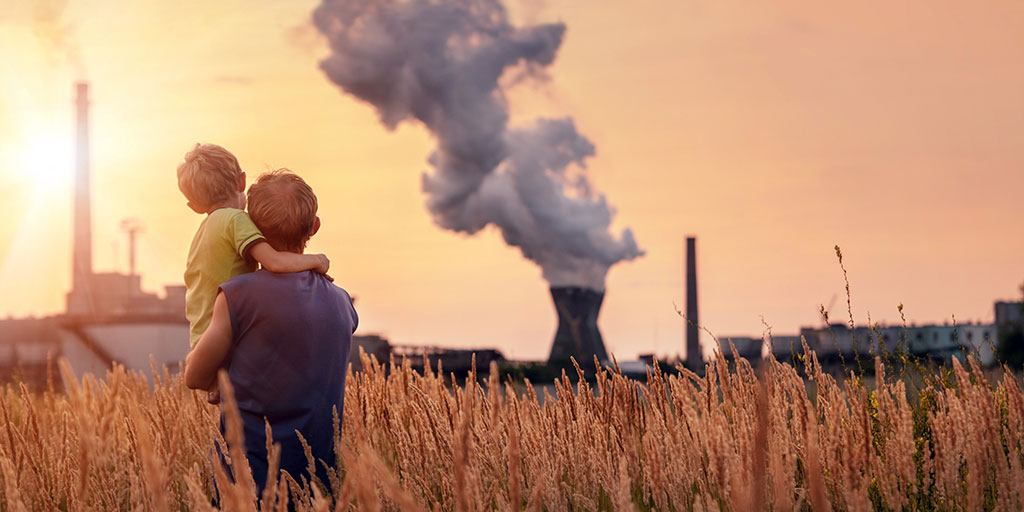
Credit: www.niehs.nih.gov
Real-life Stories: Urban Hair Challenges
Let’s look at a few examples:
- Anjali, Delhi: Noticed hair thinning and dullness after moving to Delhi. Switched to gentle shampoos, wore scarves, and saw improvement.
- Tom, London: Works near a busy road. Developed scalp irritation. Started using scalp serum and air purifier at home.
- Mei, Beijing: Color-treated hair faded quickly. Now uses leave-in UV shield and herbal rinses.
These stories show that simple changes can help, even in polluted cities.
Common Myths About Pollution And Hair
Some false beliefs make hair care harder:
- “Pollution only affects skin.” False. Hair is damaged too.
- “Washing hair daily is bad.” Not true for city dwellers. Regular washing removes pollutants.
- “Only colored hair suffers.” All hair types are at risk.
- “Indoor air is always clean.” Indoor air can be polluted, especially in cities.
Trust scientific evidence, not myths.
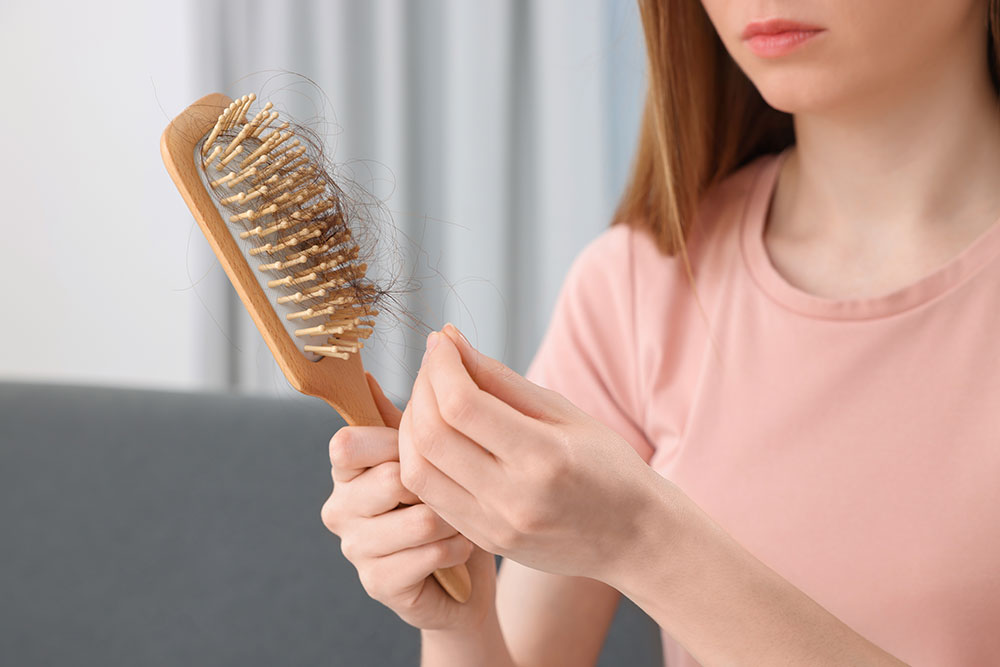
Credit: hairohyeah.com
Children And Pollution-related Hair Damage
Children’s hair and scalp are more sensitive. Pollution can cause:
- Scalp irritation
- Dryness
- Early hair loss
Parents should wash children’s hair regularly, use gentle products, and protect hair outdoors.
Elderly And Pollution-related Hair Damage
Older people often have thinner, weaker hair. Pollution makes this worse:
- Increased breakage
- Scalp sensitivity
- Slower growth
Gentle care and scalp protection are especially important for the elderly.
Pollution, Hair, And Genetics
Some people are genetically more sensitive to pollution. If your family has a history of hair loss or scalp issues, pollution may trigger these problems earlier.
A non-obvious insight: pollution speeds up genetic hair loss by increasing oxidative stress and inflammation.
Urban Air Quality Tools And Apps
Modern technology helps you track pollution levels. Useful apps include:
- AirVisual: Shows real-time air quality.
- Plume Labs: Gives pollution forecasts.
- AQICN: Global air quality data.
Use these tools to plan hair care—avoid outdoor exposure on bad air days.

Credit: www.drhealthclinic.com
Pollution And Hair Salon Treatments
Many salons now offer “anti-pollution” treatments:
- Deep cleansing: Removes particles.
- Antioxidant masks: Repair damage.
- Scalp detox: Unclogs follicles.
Ask your salon for pollution-focused treatments if you live in a city.
Hair Health And City Lifestyle Changes
Small lifestyle changes can support hair health:
- Walking in parks: Cleaner air, less exposure.
- Avoiding busy roads: Less direct pollution.
- Ventilating indoor spaces: Reduces indoor pollutants.
- Using protective hairstyles: Braids, buns reduce exposure.
Even minor changes can make a big difference.
Pollution And Hair: The Role Of Climate
Hot, humid cities increase pollution’s effect. Sweat mixes with pollutants, making hair damage worse. Cold cities with dry air cause more dryness. Adjust your care based on climate.
Pollution And Hair: What Dermatologists Recommend
Dermatologists suggest:
- Regular scalp checks
- Gentle cleansing routines
- Antioxidant treatments
- Avoiding harsh chemicals
- Seeking help early if you notice damage
Professional advice is key, especially if you see sudden hair loss.
The Importance Of Air Quality Awareness For Hair Health
Many people ignore air quality, focusing only on diet or styling. Awareness is the first step. Check air quality reports, plan your hair care, and teach others. Good hair starts with a healthy environment.
Frequently Asked Questions
How Often Should I Wash My Hair If I Live In A Polluted City?
For city dwellers, washing hair 2–3 times a week is usually best. If pollution is very high or your hair gets dirty quickly, daily washing is okay—just use a gentle, sulfate-free shampoo. Over-washing with harsh products can cause dryness, so balance is important.
Can Pollution Cause Permanent Hair Loss?
Pollution can speed up hair loss, especially if you already have a genetic tendency. Chronic exposure causes scalp inflammation and weakens hair follicles. Some damage is reversible with care, but severe cases can be permanent. Early action helps prevent lasting loss.
Which Ingredients Help Protect Hair From Pollution?
Look for antioxidants like vitamin E, green tea extract, and niacinamide. UV filters (like benzophenone) shield hair from sun and pollutants. Natural oils (coconut, argan) seal cuticles. Avoid sulfates and heavy silicones—they attract more pollutants.
Does Indoor Air Pollution Affect Hair Health?
Yes, indoor air can be polluted, especially in cities. Cigarette smoke, cooking fumes, and chemicals harm hair and scalp. Using air purifiers and ventilating rooms helps. Wash hair after exposure to indoor pollution.
Are Anti-pollution Hair Products Worth It?
Many anti-pollution products contain antioxidants, UV filters, and gentle cleansers. They help, but are not a magic solution. Combine products with lifestyle changes—covering hair, regular washing, and scalp care—for best results. Check for real science-backed ingredients.
Urban life gives us energy and opportunity, but pollution is a hidden challenge for hair health. By understanding the risks, recognizing the signs of damage, and using smart protection strategies, you can enjoy city life without sacrificing your hair. Treat your hair as you treat your skin—defend it from pollution, nurture it with care, and stay aware of your environment. For more about urban pollution and its effects, visit World Health Organization. Healthy hair is possible, even in the busiest cities.