

If you have low porosity hair, you know how tricky it can be to keep your hair healthy. Products sit on top instead of soaking in. Moisture feels impossible to lock in. Many people waste money on products that don’t work. But there’s good news: a smart routine and the right product order can transform your low porosity hair. This guide breaks down the science, the steps, and the best products. You’ll also learn the key mistakes to avoid and how to spot signs of progress. Even beginners will find clear answers. Let’s make your low porosity hair routine easy—and effective.
Understanding Low Porosity Hair
Before diving into routines, it’s important to know what low porosity hair means. Hair porosity is about how easily your hair absorbs and holds moisture. If you have low porosity, your hair’s cuticle layer is tight and flat. This makes it hard for water, oils, and products to penetrate.
You might have noticed that your hair seems to resist getting wet in the shower. When you apply products, they often just sit on your hair instead of soaking in. This happens because the flat cuticle layer acts like a barrier.
Imagine trying to water a plant that has plastic wrap over the soil—the water just runs off. That’s similar to how moisture behaves on low porosity hair.
Signs You Have Low Porosity Hair
- Water beads up and rolls off your hair.
- Products seem to sit on your strands.
- Hair dries slowly after washing.
- Protein products can make hair feel stiff.
- Hair feels smooth but can lack volume.
Some people notice their hair takes ages to air-dry, even in warm weather. Others see that leave-in conditioners or creams form a white layer on their hair, especially if applied too heavily. If your hair rarely feels “thirsty” but often feels weighed down, these are classic signs.
Why Product Order Matters
With low porosity hair, using the wrong order can make hair greasy, weighed down, or dry. The right routine opens up the cuticle, lets moisture in, and then seals it. Many people miss this step and wonder why their hair never improves.
The order matters because each step prepares your hair for the next. For example, using oil before water-based products can block absorption. This is a common mistake—people think more oil means more moisture, but it actually prevents hydration from reaching the inner hair shaft.
Applying products in the right sequence maximizes their benefits and helps avoid buildup.
The Science Behind Low Porosity Hair
Let’s look at what makes low porosity hair unique. Each hair strand has cuticles—tiny scales that protect your hair. In low porosity hair, these cuticles are tightly packed, like shingles on a roof. This blocks water and products.
A tight cuticle layer is usually a sign of healthy, undamaged hair. But it’s a double-edged sword: while your hair is protected from harsh chemicals and pollutants, it also has trouble absorbing the nutrients and moisture it needs.
Key Facts
- PH balance matters: Alkaline products can lift the cuticle, while acidic ones close it.
- Heat opens cuticles: Warm water or steam helps moisture enter.
- Lightweight products penetrate better: Heavy creams and oils often sit on the surface.
Understanding pH is important. Shampoos with a slightly higher pH (more alkaline) can help open up the cuticle, making it easier for moisture to get in. Conditioners and leave-ins should have a lower pH to help seal the cuticle and lock in hydration.
Data On Porosity
Studies show that low porosity hair is common in people with straight or wavy textures, but it can appear in all hair types. According to the International Journal of Trichology, around 30% of people have low porosity hair.
In some cases, genetics play a big role. If your parents or siblings have similar hair behaviors, you might have inherited low porosity hair. Environmental factors such as hard water or product use over time rarely change porosity unless hair is chemically treated.
Building The Ideal Low Porosity Hair Routine
A great routine is more than just products. It’s about order, technique, and consistency. Here’s a step-by-step guide that actually works.
Step 1: Pre-poo (pre-shampoo Treatment)
Pre-poo is a step many skip. It prepares your hair for cleansing and helps prevent moisture loss.
- Use lightweight oils like grapeseed or argan oil.
- Apply to dry hair.
- Cover your hair with a warm towel or shower cap for 15-30 minutes.
This step softens the cuticle, letting shampoo work better. Avoid heavy oils—they can make low porosity hair greasy.
Some people like to add aloe vera juice or a little conditioner to their pre-poo mix. This can add extra slip, making detangling easier and reducing breakage before washing.
Step 2: Shampoo
Choose a clarifying shampoo once a month and a gentle sulfate-free shampoo for regular washes.
- Use warm water to open the cuticle.
- Massage scalp gently.
- Rinse thoroughly.
Clarifying shampoos remove product buildup, which is common in low porosity hair.
Don’t be afraid of a little lather—a good shampoo can lift away dirt and residue without stripping your hair. For those who use a lot of styling products, clarifying every 2-3 weeks can keep your hair feeling light and fresh.
Step 3: Conditioner
Conditioner is key, but choose wisely. Look for products with humectants like glycerin or honey.
- Apply conditioner in sections.
- Use a shower cap and add heat with a steamer or warm towel.
- Leave on for 10-20 minutes.
Heat helps the conditioner penetrate. Many skip the heat, but it makes a huge difference.
If you have a hooded dryer or handheld steamer, use it for 10 minutes during your conditioning step. If not, even the warmth from your own body under a shower cap can help. For extra softness, focus the conditioner on the mid-lengths and ends, which tend to be driest.
Step 4: Rinse
Rinse with cool water to close the cuticle and lock in moisture.
A cool rinse also adds shine by smoothing the cuticle. If your hair feels slippery and smooth after rinsing, you’ve done it right. Don’t rush this step—residual conditioner can cause buildup.
Step 5: Leave-in Conditioner
A lightweight leave-in gives lasting moisture.
- Apply to damp hair, not dripping wet.
- Focus on ends and mid-lengths.
Avoid creamy, heavy leave-ins. They can cause buildup.
Spray leave-ins are a good choice. They distribute evenly and don’t weigh hair down. If you must use a cream, pick one that feels almost watery and never sticky.
Step 6: Moisturizer
Use a water-based moisturizer. Look for aloe vera, panthenol, or lightweight plant extracts.
- Apply in small amounts.
- Layer only if needed.
Some people skip this step, but it can make a difference, especially in dry weather. If your hair starts feeling “crispy” or dry between washes, this is the step to focus on.
Step 7: Oil Or Serum
Seal moisture with a light oil or serum. This step is essential for locking in hydration.
- Use oils like jojoba or argan.
- Apply sparingly.
- Avoid heavy butters.
Light oils mimic your scalp’s natural sebum and don’t block moisture. Argan oil, for example, absorbs quickly and leaves a natural shine.
Step 8: Styling
Choose styling products that don’t leave residue. Lightweight gels or mousses work well.
- Apply after oils.
- Style as usual.
For curl definition, try a lightweight gel with flaxseed or aloe as the main ingredient. Avoid wax-based products—they coat the hair and attract dust.
Step 9: Protection
Protect hair at night with a satin scarf or bonnet. This reduces friction and moisture loss.
Pineappling (gathering hair loosely at the crown) can help preserve curls and reduce tangles. Switching to a satin pillowcase also helps if you move a lot in your sleep.
Product Order That Works (step-by-step Breakdown)
Many routines fail because products are applied in the wrong order. Here’s the sequence that gets results:
- Pre-poo: Lightweight oil, heat.
- Shampoo: Warm water, clarifying or gentle.
- Conditioner: Humectants, heat.
- Rinse: Cool water.
- Leave-in: Lightweight, water-based.
- Moisturizer: Water-based, small amount.
- Oil/Serum: Light oil to seal.
- Styling: Gel, mousse, or curl cream.
- Protection: Satin/silk at night.
Skipping steps or mixing up the order can block moisture or cause buildup.
If your schedule is tight, you can combine steps—such as using a leave-in with added humectants and skipping a separate moisturizer. The key is to never apply oil before water-based products. Always finish with a sealing step before styling.

Credit: theradome.com
Choosing The Right Products For Low Porosity Hair
Not all products are equal. Let’s compare popular types:
| Product Type | Best Ingredients | Why It Works | Common Mistakes |
|---|---|---|---|
| Shampoo | Sulfate-free, gentle surfactants | Cleans without stripping | Using heavy or harsh shampoos |
| Conditioner | Glycerin, honey, panthenol | Draws moisture in | Skipping heat or using heavy creams |
| Leave-In | Aloe, light oils, silk protein | Moisturizes without buildup | Too much product or heavy formulas |
| Oil/Serum | Jojoba, argan, grapeseed | Seals in moisture | Using thick butters or coconut oil |
Key Tips
- Avoid protein overload: Low porosity hair is sensitive to protein. Too much can make hair stiff.
- Patch test new products: Try on a small section before using fully.
If you’re unsure about an ingredient, look for products labeled “protein-free” or “lightweight. ” Many brands now offer lines specifically for low porosity hair.
Heat: The Secret Weapon
Heat is often the missing link in low porosity routines. Warmth opens the cuticle, letting products work better.
How To Use Heat
- Use a steamer or hooded dryer after applying conditioner.
- Wrap hair in a warm towel.
- Use warm water for washing.
Even simple heat from a shower cap can improve results.
Another easy way to add heat is to wrap your conditioned hair in plastic wrap and sit in a warm room or in the bathroom while running a hot shower (without getting your hair wet). The steam helps open the cuticle gently.
Data Example
A study by the Journal of Cosmetic Science found that heat increased moisture absorption in low porosity hair by up to 45% compared to cold treatments.
This means you get almost double the hydration just by adding 10-15 minutes of gentle heat to your routine—a small step with big benefits.
Common Mistakes In Low Porosity Hair Care
Many people with low porosity hair make these mistakes:
- Skipping clarifying shampoo: Buildup blocks moisture.
- Using heavy oils and creams: They sit on top, causing residue.
- Not using heat: Products don’t penetrate.
- Layering too many products: Leads to greasy, limp hair.
- Ignoring scalp health: A clean scalp is vital for hair growth.
These mistakes can stop your routine from working.
One less obvious mistake: using “moisturizing” products that contain mostly oils and butters, which don’t actually add moisture for low porosity hair. Also, using high-protein stylers back-to-back can leave your hair stiff and brittle.
How Often Should You Wash And Moisturize?
It’s easy to overdo or underdo care with low porosity hair. Here’s a simple schedule:
- Wash: Once a week (clarifying once a month)
- Condition: Every wash, with heat
- Moisturize: As needed, usually 2-3 times per week
- Oil/Seal: After each moisturizing session
Adjust based on your climate and activity. For example, humid climates may need less moisture.
If you sweat often or exercise regularly, rinsing your scalp with water between washes can help prevent buildup. In dry winters, you might need to moisturize more often, but always use light layers.
Why Lightweight Products Matter
Heavy products can weigh down low porosity hair. Lightweight formulas absorb better.
Lightweight Vs. Heavy Products
| Product | Lightweight Example | Heavy Example | Effect on Low Porosity Hair |
|---|---|---|---|
| Oil | Jojoba oil | Coconut oil | Light oils absorb, heavy oils sit on surface |
| Leave-In | Spray leave-in | Creamy leave-in | Sprays penetrate, creams cause buildup |
| Moisturizer | Aloe gel | Shea butter cream | Gel works, heavy creams suffocate hair |
Don’t be fooled by “rich” or “intensive” labels—these often mean the formula is too heavy for low porosity hair. Your hair will feel lighter and look shinier with products that are water-based and easily spreadable.
The Role Of Humectants
Humectants attract water to the hair. For low porosity hair, they help moisture enter the cuticle.
Best Humectants For Low Porosity Hair
- Glycerin: Draws moisture without heaviness.
- Honey: Natural humectant, adds shine.
- Panthenol: Also known as provitamin B5.
A good humectant can make the difference between hair that feels soft and hair that feels dry, even after moisturizing. Glycerin is especially useful in moderate humidity, but in extremely dry climates, it can pull moisture out of the hair, so adjust as needed.
Avoid products with only oils or butters—humectants are essential.
Protein And Low Porosity Hair
Protein can strengthen hair, but low porosity hair is sensitive to it.
When To Use Protein
- If your hair feels mushy or limp after washing
- If you see breakage
Protein fills gaps in the hair structure, making strands stronger. But low porosity hair doesn’t lose much protein naturally, so it rarely needs big doses.
Signs Of Too Much Protein
- Hair feels stiff or straw-like
- Increased breakage
Choose products with silk protein or hydrolyzed wheat protein—they’re lighter.
Use protein treatments sparingly—once every two months is often enough. If your hair feels crunchy or hard after a protein treatment, follow up with a deep conditioner to restore balance.
The Loc And Lco Methods: Which Is Best?
Two popular methods for applying products are LOC (Liquid-Oil-Cream) and LCO (Liquid-Cream-Oil). For low porosity hair, LCO often works better because oils can block moisture if used too soon.
Lco Method
- Liquid: Leave-in conditioner or water
- Cream: Lightweight moisturizer
- Oil: Light oil to seal
This order helps moisture enter before sealing.
Trying both methods for a few weeks can help you see which gives you the best results. Take note of how your hair feels at the end of the day—if it’s soft but not greasy, you’ve found your routine.
Signs Your Routine Is Working
It’s easy to doubt your routine. Here are signs your hair is improving:
- Hair dries faster: Means cuticle is open and products are absorbed.
- Less breakage: Hair feels stronger.
- More shine: Moisture is locked in.
- Softness: Hair feels smooth, not stiff.
You may also notice that detangling becomes easier and that your hair holds styles better. If your scalp feels comfortable and not itchy or flaky, your routine is supporting scalp health too.
If you don’t see changes, check your product order or switch to lighter formulas.
Real-life Example: Low Porosity Routine Success
Jasmine, 28, struggled with dry, limp hair. She switched to a heat-activated routine, used lightweight products, and followed the LCO method. Within three weeks, her hair felt softer and looked shinier. She stopped using coconut oil and heavy creams. Now, she washes weekly, uses a steamer, and protects her hair at night.
Her biggest surprise was how much faster her hair dried—a sign that her cuticle was finally open to moisture. Jasmine also noticed fewer split ends and could go longer between trims.
Expert Tips For Low Porosity Hair
Here are two insights most beginners miss:
- Don’t overload with moisture: Low porosity hair can be over-moisturized, leading to mushy strands.
- Clarifying is more important than deep conditioning: If your hair always feels heavy, clarify before deep conditioning.
A calm expert would advise: Focus on removing buildup and use heat to help products work.
Another tip: If you’re using a new product and your hair feels sticky or coated, wash it out and return to basics. Sometimes, less is more for low porosity hair.
How To Spot Product Buildup
Buildup is a common problem. Signs include:
- Hair feels waxy or sticky.
- Loss of curl pattern.
- Dull appearance.
If you see these, use a clarifying shampoo and switch to lighter products.
Sometimes, a white film appears on the scalp or hair. This is a clear sign of product overload, often from heavy creams or oils. If your scalp feels itchy or you see flakes, it could also be buildup, not dandruff.
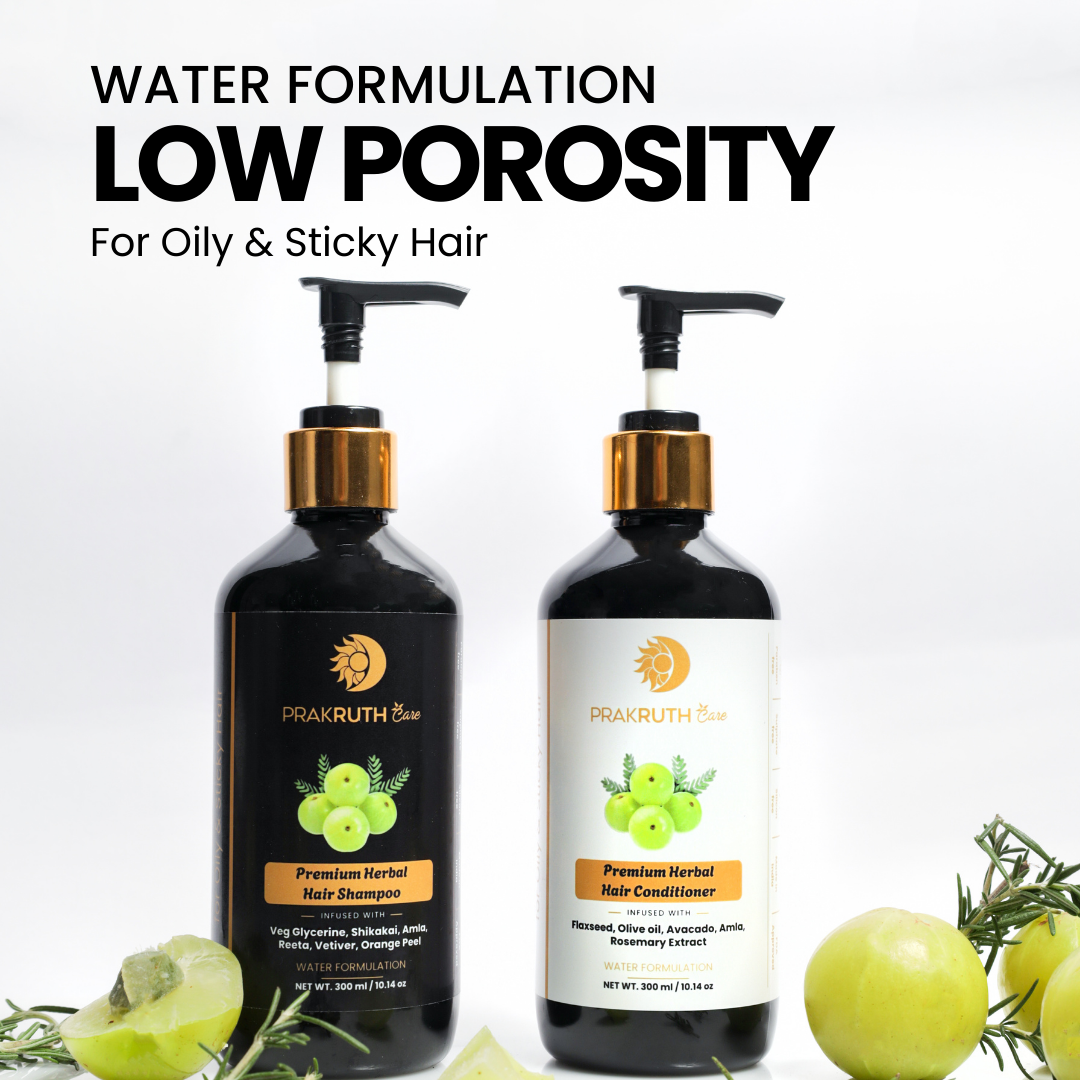
Credit: prakruth.care
Night Care And Daily Protection
At night, friction and dryness can undo your hard work. Use satin or silk accessories.
- Satin pillowcase or bonnet
- Low manipulation styles (braids, twists)
- Avoid cotton towels
These simple steps reduce breakage and keep moisture in.
If you have longer hair, loosely braiding or twisting before bed helps prevent knots. In the morning, use a light spritz of water or leave-in to refresh curls.
Adjusting Your Routine By Season
Seasonal changes can affect your low porosity hair.
Summer
- Use lighter products.
- More frequent washing.
Sweat and sunscreen can cause buildup, so clarify a bit more often. Try air drying to avoid extra heat from blow dryers.
Winter
- Add more humectants.
- Use heat during conditioning.
Indoor heating dries out hair, so deep condition more often and cover hair with hats or scarves when outside.
Humid Climates
- Less moisturizer needed.
Humidity helps hair stay hydrated. Focus on lightweight products and avoid glycerin-heavy formulas, which can make hair frizzy.
Dry Climates
- Moisturize more often.
Dry air pulls moisture from hair. Increase the use of humectants and seal with oil after moisturizing.
Adjust as needed for your environment.
Product Recommendations For Low Porosity Hair
Here are some top picks for each step:
- Shampoo: SheaMoisture Low Porosity Protein-Free Shampoo
- Conditioner: TGIN Moisture Replenishing Conditioner
- Leave-In: Kinky Curly Knot Today Leave-In
- Moisturizer: Aloe vera gel
- Oil: Jojoba oil or argan oil
- Styling: Eco Styler Olive Oil Gel
Always check ingredients and patch test.
Some other good options include Camille Rose Naturals Curl Love Moisture Milk for a light cream, and Mielle Organics White Peony Leave-In Conditioner as a hydrating spray. Remember, the best product is the one that works for your hair.
Ingredients To Avoid
Some ingredients can harm low porosity hair:
- Heavy butters: Shea, cocoa (unless used sparingly)
- Coconut oil: Can cause stiffness
- Silicones: Cause buildup
- Mineral oil: Blocks moisture
Choose products with water as the first ingredient and avoid these whenever possible.
Also, avoid waxes and petrolatum—they coat the hair, making it hard for moisture to get in or out.
Comparing Popular Routine Orders
Not all product orders are equal. Let’s compare LOC vs LCO for low porosity hair:
| Method | Order | Absorption | Common Result |
|---|---|---|---|
| LOC | Liquid-Oil-Cream | Low | Greasy, weighed down |
| LCO | Liquid-Cream-Oil | High | Soft, shiny, light |
LCO gives better results for most low porosity hair.
How To Layer Products Without Overloading
Layering is important, but don’t overdo it. Here’s a simple guide:
- Use small amounts.
- Apply each product to damp, not wet, hair.
- Let each layer absorb before adding the next.
If hair feels heavy, cut back or skip one layer.
A good test: run your fingers through your hair after each product. If they feel sticky or coated, you’ve used too much. Remember, low porosity hair needs less product than you think.
Why Scalp Care Matters
A healthy scalp is the foundation for good hair.
- Use scalp scrubs once a month.
- Avoid heavy oils on the scalp.
- Massage gently for blood flow.
Healthy scalp means better hair growth.
If you notice flakes or itchiness, try a gentle apple cider vinegar rinse (diluted with water) after shampooing. This helps balance scalp pH and removes residue.
Diy Tips For Low Porosity Hair
You can make simple treatments at home:
- Aloe vera rinse: Mix aloe juice with water, use after shampoo.
- Honey conditioner: Add a spoon of honey to your conditioner for extra moisture.
- Steam treatment: Hold head over a bowl of hot water (carefully) after applying conditioner.
DIY can be cost-effective and gentle.
You can also create a light spritz using distilled water and a few drops of essential oil (like lavender or rosemary) for a refreshing boost between wash days.
Credit: colorwowhair.com
Tracking Your Progress
Keep a hair journal. Note products used, wash days, and how your hair feels. Take photos monthly. This helps spot what works and what doesn’t.
Tracking helps you avoid repeating mistakes. Over time, patterns will emerge—maybe your hair loves a certain leave-in, or maybe it hates a certain oil. This self-awareness speeds up progress.
Addressing Common Myths
Some myths confuse low porosity hair care:
- “Low porosity hair can’t be moisturized.” False. It just needs the right routine.
- “Protein is always bad.” False. Small amounts can help.
- “Heavy oils are good.” False. They block moisture.
Another common myth is that low porosity hair is always healthy. While it’s more resistant to damage, it still needs gentle care and regular cleansing to stay at its best.
Understanding the facts saves time and money.
When To See A Professional
If your hair never improves, see a trichologist or hair specialist. They can check for underlying issues. Sometimes, medical conditions affect hair porosity.
Conditions like hypothyroidism or scalp psoriasis may cause changes in hair behavior. If you notice sudden shedding, bald patches, or severe dryness that doesn’t respond to care, it’s time to get expert advice.
Additional Resources
For more science-backed tips, visit the International Journal of Trichology.
Frequently Asked Questions
How Do I Know If I Have Low Porosity Hair?
If your hair dries slowly, water beads up, and products sit on the surface, you likely have low porosity hair. Try the float test: Place a strand in a cup of water. If it floats, your hair is low porosity.
You can also observe how your hair reacts to products. If lightweight sprays work better than creams, and your hair feels clean but not dry after washing, you probably have low porosity hair.
Can I Use Coconut Oil On Low Porosity Hair?
It’s better to avoid coconut oil. It can make low porosity hair stiff and cause buildup. Opt for lighter oils like jojoba or argan.
Some people can use a small amount of coconut oil for pre-poo, but always test and see how your hair reacts.
How Often Should I Clarify My Hair?
Clarify once a month to remove buildup. If you use many products, clarify more often. Use a gentle, sulfate-free clarifying shampoo.
If you swim in chlorinated pools or live in a hard water area, you may need to clarify every two weeks.
Is Protein Treatment Safe For Low Porosity Hair?
Protein treatments should be used rarely and only if your hair feels mushy or is breaking. Use light proteins like silk or hydrolyzed wheat. Avoid heavy protein masks.
Always follow with a moisturizing conditioner to restore softness.
Why Do Products Sit On My Hair Instead Of Absorbing?
The cuticle layer is tightly packed. Use heat during conditioning and stick to lightweight, water-based products. This helps products penetrate and absorb.
If you see a white residue, try reducing the amount you use and make sure each layer is fully absorbed before adding the next.
Final Thoughts
Caring for low porosity hair is not about buying the most expensive products. It’s about knowing your hair’s needs, using the right order, and adjusting your routine as needed. With heat, lightweight products, and consistent care, your hair can be soft, shiny, and healthy. Remember, patience and observation are key. Avoid common mistakes, track your progress, and don’t be afraid to tweak your routine. The right product order will unlock your hair’s true potential—no matter your starting point.
With time, you’ll learn exactly what your hair loves and how to keep it thriving. Don’t get discouraged by setbacks—every wash day is a chance to improve. And remember, healthy hair is about habits, not just products. Stick with your routine, be gentle, and celebrate every small victory.
Your low porosity hair can shine as bright as any other—with just the right care.