

For many people, hair care is a daily routine, but for those with low porosity hair, every product and ingredient matters. One of the most talked-about ingredients in hair care is glycerin. This simple, clear liquid has an impressive ability to attract water. But when it comes to low porosity hair, glycerin’s effects depend heavily on the surrounding humidity. If you have ever wondered why some days your hair feels soft and bouncy, while other days it feels sticky or dry, humidity and glycerin could be the reason.
This article explores how glycerin interacts with low porosity hair, why humidity changes the results, and how to make smart decisions for your hair type. Whether you’re frustrated by frizz, searching for longer-lasting moisture, or simply trying to understand ingredient lists, you’ll find practical answers here. Let’s dive deep into the science, the myths, and the real-life tips that will help you master glycerin and low porosity hair—especially when humidity comes into play.
Understanding Low Porosity Hair
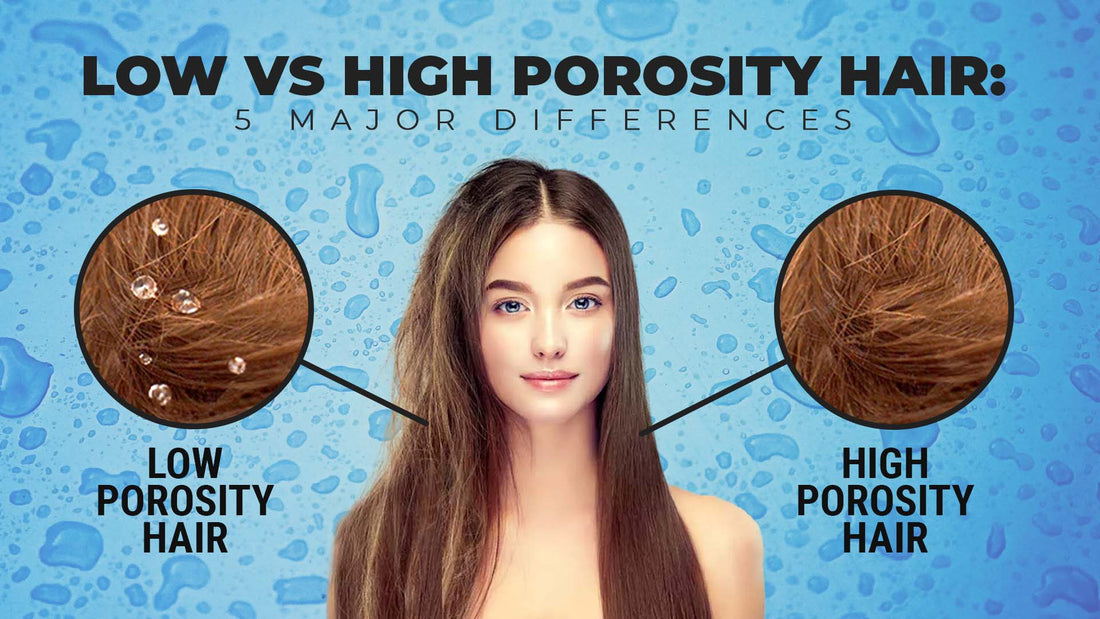
Low porosity hair has a cuticle layer with tightly packed scales. Imagine roof shingles that lie flat and do not lift easily. This structure means water and products have a hard time entering the hair shaft. While this can make hair more resistant to damage, it also means that moisture and nutrients can sit on the surface instead of sinking in.
Key Features Of Low Porosity Hair
- Slow to absorb water: Hair takes a long time to get fully wet in the shower.
- Product buildup: Creams, oils, and leave-ins often sit on top of the hair.
- Drying time: Hair stays wet for hours because water cannot escape or enter easily.
- Resistance to chemical treatments: Coloring or perming may take longer or require special techniques.
Many people with low porosity hair notice their hair feels strong but can also look dull or feel stiff. The main challenge is getting enough moisture inside the hair, not just on the surface.
Glycerin: What Is It And How Does It Work?
Glycerin is a colorless, odorless, and thick liquid. It is a humectant, which means it attracts water from the air into itself. In skin and hair products, glycerin helps pull moisture from the environment and hold it close to your skin or hair.
How Glycerin Works In Hair Care
- Draws moisture: Glycerin absorbs water from the air, helping keep hair hydrated.
- Softens hair: Makes hair feel softer and more flexible.
- Reduces breakage: Well-moisturized hair is less likely to break or split.
- Improves slip: Hair is easier to detangle when glycerin is used.
However, glycerin’s power depends on humidity. In low humidity, it can actually pull water out of your hair, making it dry. In high humidity, it can make hair frizzy by pulling in too much moisture. This unique behavior makes glycerin a tricky ingredient for low porosity hair, where moisture balance is already delicate.
The Science Of Humidity And Hair
Humidity refers to the amount of water vapor in the air. It changes with the weather, the season, and your local climate. When you use products with glycerin, the relative humidity around you decides whether your hair will gain or lose moisture.
Types Of Humidity
- Low Humidity (0–40%): Air is dry. Glycerin may pull water from your hair into the air, causing dryness.
- Moderate Humidity (40–60%): Air holds a comfortable amount of moisture. Glycerin can gently attract water to your hair.
- High Humidity (60%+): Air is very moist. Glycerin pulls a lot of water from the air, which can overwhelm hair and cause frizz or swelling.
The following table illustrates how glycerin reacts with hair under different humidity conditions:
| Humidity Level | Glycerin’s Effect on Hair | Result for Low Porosity Hair |
|---|---|---|
| Low (0-40%) | Pulls moisture from hair to air | Dryness, brittleness |
| Moderate (40-60%) | Balances moisture | Softer, more hydrated |
| High (60%+) | Pulls excess moisture into hair | Frizz, puffiness, sticky feel |
People with low porosity hair need to pay extra attention to these changes. Since your hair doesn’t easily let moisture in or out, using glycerin at the wrong time can create new problems.
Why Glycerin Acts Differently On Low Porosity Hair
The tightly closed cuticle of low porosity hair acts like a shield. This means that even when glycerin tries to pull moisture into the hair, most of it stays on the surface. If the air is dry, glycerin may draw water out from inside the hair shaft, making it drier.
If the air is humid, glycerin can pull too much water to the surface, causing the hair to puff up or feel sticky.
Unlike high porosity hair, which absorbs and loses water quickly, low porosity hair changes slowly. This means you might not notice the effects of glycerin and humidity right away—but over time, buildup, dryness, or frizz can sneak up on you.
Non-obvious Insight 1
Many beginners think that glycerin works the same for all hair types, but for low porosity hair, the timing and environment are much more important. The same product can have opposite results in winter and summer.
Non-obvious Insight 2
Some people with low porosity hair find that glycerin makes their hair sticky or coated. This is because the ingredient sits on top of the cuticle instead of penetrating, especially if the product is not well-formulated or if too much is used.

Credit: theradome.com
Benefits Of Glycerin For Low Porosity Hair (when Used Correctly)
Glycerin is not the enemy of low porosity hair. When used under the right conditions, it can offer real benefits.
1. Enhanced Moisture Retention
In moderate humidity, glycerin can help lock in moisture. This makes hair softer and easier to manage.
2. Improved Elasticity
Moisturized hair bends and moves without breaking. Glycerin helps keep hair elastic by preventing it from drying out in the right environment.
3. Better Definition
Curly hair types, which are often low porosity, can get more curl definition when glycerin is used properly. The right amount of moisture keeps curls tight and springy.
4. Reduced Breakage
When glycerin helps hair retain enough water, split ends and breakage become less common.
5. Softer, Shinier Hair
Balanced moisture makes hair appear shinier and feel softer to the touch.
6. Easier Detangling
Glycerin gives products a slippery feel, which can help with detangling knots and reducing breakage during brushing.
Not every product with glycerin will deliver these benefits. You need to consider the formula, the weather, and your hair’s current condition.
Risks Of Glycerin For Low Porosity Hair
Many low porosity hair owners have learned the hard way that glycerin is not always a friend. The main risks come from using it at the wrong time or in the wrong formula.
1. Dryness In Low Humidity
When the air is dry, glycerin can actually pull water out of your hair into the air, leaving it brittle and more prone to breakage.
2. Frizz In High Humidity
In very humid conditions, glycerin can attract too much water, causing hair to swell and become frizzy or sticky.
3. Product Buildup
Low porosity hair already struggles with product absorption. Glycerin can add to buildup, making hair feel coated or heavy.
4. Sticky Residue
Too much glycerin, or poorly formulated products, can leave a sticky film on the surface of your hair.
5. Loss Of Style Hold
If you rely on certain styles (like twist-outs or braids), too much glycerin in high humidity can cause your style to fall apart faster.
6. Increased Tangles
Excess moisture from glycerin in humid weather can make hair strands stick together, leading to more tangles.
Most of these risks can be avoided by adjusting your routine based on the weather and choosing the right products.
How To Know If Your Hair Is Low Porosity
Before adjusting your routine, it’s important to know your hair’s porosity. Here are some simple ways to check:
1. The Water Test
Take a clean strand of hair and drop it into a glass of water. Wait for 5 minutes. If the hair floats and does not sink, it likely has low porosity.
2. Product Absorption
Apply a small amount of water or product to dry hair. If it sits on top or beads up, your cuticle layer is tightly closed.
3. Drying Time
Wash your hair and time how long it takes to air dry. Low porosity hair can take several hours or even all day to fully dry.
4. Reaction To Protein
Low porosity hair often feels stiff or straw-like after protein treatments because it does not need extra protein.
Understanding your porosity will help you make better decisions about glycerin and other ingredients.
Glycerin In Hair Products: What To Look For
Not all glycerin-containing products are the same. Some are better suited for low porosity hair, especially in changing humidity.
1. Glycerin’s Position In The Ingredient List
If glycerin appears as one of the first five ingredients, it is present in high amounts. For low porosity hair, especially in humid or dry climates, it is often better to choose products where glycerin is further down the list.
2. Type Of Product
- Leave-ins and moisturizers: Use with caution in extreme humidity.
- Shampoos and rinse-out conditioners: Less risk, since these are washed off.
- Gels and stylers: Can cause frizz or sticky hair in high humidity.
3. Other Humectants
Some products use a blend of humectants (like honey, aloe vera, or propylene glycol). These can be gentler or more stable in different weather.
4. Occlusives And Emollients
Products that combine glycerin with oils (like jojoba, argan, or coconut) and butters (like shea butter) can help seal in moisture and reduce negative effects from humidity swings.
5. Alcohols And Silicones
Some alcohols dry out hair, but “fatty alcohols” like cetyl or stearyl alcohol can add slip and softness. Light silicones can help coat the hair and block excess moisture in high humidity.
Common Glycerin Concentrations
Most hair products contain 2–5% glycerin. Lower concentrations are safer for low porosity hair in extreme weather.
Credit: theradome.com
How To Use Glycerin For Low Porosity Hair (step-by-step)
If you want to try glycerin, here’s a practical step-by-step approach:
1. Check The Weather
Use a weather app to check current humidity. Aim for days when humidity is between 40% and 60%.
2. Start With Clean Hair
Wash your hair with a gentle shampoo or co-wash. Remove all old product buildup for best results.
3. Apply A Glycerin-containing Product
Choose a leave-in conditioner or moisturizer with glycerin low in the ingredient list. Apply sparingly, focusing on the ends.
4. Seal With Oil Or Butter
Lock in the moisture using a light oil (like argan or grapeseed) or a small amount of butter (like shea). This helps prevent moisture from escaping or entering too quickly.
5. Style As Usual
Style your hair as normal. Avoid heavy gels with high glycerin in humid weather.
6. Observe Results
Pay attention to how your hair feels over the next 24 hours. If it feels sticky, frizzy, or dry, adjust your approach.
7. Adjust As Needed
If you notice dryness, try skipping glycerin on dry days. If you get frizz in humidity, use a product with less glycerin or add a silicone serum to block excess moisture.
Example Routine
- Humidity: 50%
- Wash with sulfate-free shampoo
- Apply light glycerin leave-in
- Seal with argan oil
- Twist or braid hair for definition
When To Avoid Glycerin (and What To Use Instead)
There are times when even the best-formulated glycerin product won’t work for low porosity hair. Here’s when to skip it:
- Low humidity (winter or dry climate): Glycerin can dry out your hair.
- Very high humidity (rainy season, tropical areas): Glycerin can cause frizz and swelling.
- Before heat styling: Glycerin attracts water, so avoid before using flat irons or blow dryers.
- During protective styling: Buildup from glycerin can make it hard to maintain braids or twists.
Alternatives To Glycerin
If you need a humectant without the risks, try:
- Aloe vera: Milder humectant that works in a wider range of humidity.
- Honey: Natural humectant with antimicrobial benefits, but can be sticky.
- Panthenol (Vitamin B5): Adds moisture and shine without pulling too much water.
Table: Common Humectants Compared
| Humectant | Best for Humidity | Pros | Cons |
|---|---|---|---|
| Glycerin | 40-60% | Strong hydration, easy to find | Can cause frizz/dryness in extreme humidity |
| Aloe Vera | 30-70% | Gentle, soothing, less sticky | Mild humectant, may not be enough alone |
| Honey | 40-65% | Natural, antimicrobial | Can be sticky, may lighten hair |
| Panthenol | All | Non-sticky, adds shine | Effects may be subtle |
Switching to these alternatives can give you moisture without the unpredictable effects of glycerin in extreme weather.
Real-world Examples And Experiences
Let’s look at how three people with low porosity hair manage glycerin in different climates:
Case 1: Living In A Dry Climate
Maria lives in Arizona, where humidity is often below 20%. She found that using glycerin left her hair feeling crunchy and dry. By switching to a leave-in with aloe vera and sealing with jojoba oil, she kept her hair soft and manageable even in desert air.
Case 2: Tropical Humidity
Jamal lives in Florida, where humidity is above 70% for much of the year. When he used gels with glycerin, his curls turned to frizz within hours. Now he uses a silicone serum to block moisture and a butter-based cream with no glycerin for smooth, defined curls.
Case 3: Seasonal Changes
Aisha lives in New York and experiences all four seasons. She uses glycerin-rich products in the spring and fall (when humidity is moderate), but switches to heavier creams and occlusives in winter and summer. By watching the weather, she avoids both dryness and frizz.
These stories show that personalization is key. The same ingredient can behave very differently depending on your local weather and your own hair’s needs.
Key Tips For Managing Glycerin And Low Porosity Hair
- Monitor the weather: Make checking humidity part of your routine, especially before using new products.
- Patch test new products: Try a small amount on one section before applying to your whole head.
- Rotate products seasonally: Swap out glycerin-rich products for alternatives as the weather changes.
- Clarify regularly: Use a clarifying shampoo once or twice a month to remove buildup.
- Layer products: Use a humectant, then seal with oil or butter to lock in moisture.
- Protective styles: Avoid humectant-heavy products before braiding, twisting, or installing extensions.
- Use lighter formulas: Low porosity hair can get weighed down easily, so choose lighter creams and leave-ins.
- Read labels carefully: Look for other humectants and occlusives in the ingredients list.
- Stay hydrated: Healthy hair starts from within, so drink plenty of water.
- Consult professionals: If you’re unsure, talk to a stylist experienced with low porosity hair.
Myths And Misconceptions About Glycerin And Low Porosity Hair
Myth 1: Glycerin Is Bad For All Low Porosity Hair
Not true. Glycerin can work for low porosity hair if used in the right conditions and the right amount.
Myth 2: Glycerin Always Causes Frizz
Frizz happens only when glycerin is used in very high or very low humidity. In moderate weather, it can help smooth hair.
Myth 3: All Humectants Are The Same
Each humectant behaves differently, especially in different climates. Some are gentler or less reactive to humidity changes.
Myth 4: Avoid Glycerin Completely
A better approach is to adjust how and when you use it, rather than avoiding it entirely.
Myth 5: Glycerin Alone Moisturizes Hair
Glycerin attracts moisture, but you still need to seal it in with oils or butters for lasting hydration.
How Humidity Can Change Your Hair Routine
Humidity is not just about comfort—it can make or break your hair routine. For low porosity hair, understanding the weather is just as important as the products you use.
Low Humidity
- Use heavier creams, oils, and butters to keep moisture in.
- Avoid strong humectants like glycerin.
Moderate Humidity
- Try glycerin-based leave-ins or light moisturizers.
- Focus on balanced formulas.
High Humidity
- Limit humectants, use anti-humidity sprays or light silicones.
- Seal with oil to prevent swelling and frizz.
Tracking your local weather and adjusting your routine can help you avoid the most common problems with glycerin and low porosity hair.
Table: Sample Hair Care Routines By Humidity
| Humidity | Recommended Products | Key Ingredients | What to Avoid |
|---|---|---|---|
| Low (0-40%) | Heavy creams, oils, butters | Shea butter, castor oil, aloe vera | Glycerin, strong humectants |
| Moderate (40-60%) | Light leave-ins, balanced moisturizers | Low % glycerin, jojoba oil, panthenol | Heavy gels, drying alcohols |
| High (60%+) | Anti-humidity serums, light oils | Silicones, argan oil, coconut oil | Glycerin-rich leave-ins, sticky gels |
Long-term Hair Health: Beyond Glycerin
While glycerin and humidity play a big role in daily hair care, overall hair health depends on more than just product choice. Here are some extra steps to keep your low porosity hair looking and feeling its best:
1. Regular Deep Conditioning
Use heat or steam to help deep conditioners penetrate the cuticle. This can improve moisture levels over time.
2. Scalp Care
Healthy hair grows from a healthy scalp. Use gentle cleansers and avoid heavy buildup.
3. Gentle Handling
Low porosity hair can be strong, but rough brushing or tight hairstyles can still cause breakage.
4. Trim Regularly
Remove split ends every 8–12 weeks to keep hair healthy.
5. Protect At Night
Use a satin or silk scarf or pillowcase to prevent moisture loss and breakage while you sleep.
By making these steps part of your routine, you’ll get better results from any product—including those with glycerin.

Credit: www.purewow.com
Frequently Asked Questions
What Is The Main Problem With Using Glycerin On Low Porosity Hair?
The main issue is that glycerin’s effects change with humidity. In low humidity, it can dry your hair out. In high humidity, it can cause frizz. For low porosity hair, this can mean unexpected dryness or a sticky feeling, especially if the product sits on the surface and doesn’t absorb well.
Can I Use Glycerin Year-round On Low Porosity Hair?
It’s usually best to adjust your use of glycerin with the seasons. Use it in moderate humidity (spring and fall in many places), and switch to other humectants or heavier sealants during very dry or very humid times of year. This helps avoid dryness and frizz.
How Do I Know If My Hair Doesn’t Like Glycerin?
Common signs are stickiness, frizz, dryness, or excessive buildup after using glycerin-containing products. If your hair feels worse after a few uses, try switching to products without glycerin or with a lower percentage.
Are There Any Safe Alternatives To Glycerin For Low Porosity Hair?
Yes, alternatives like aloe vera, panthenol (Vitamin B5), and honey can offer gentler moisture without the unpredictable effects of glycerin in extreme humidity. Look for these ingredients in leave-ins and moisturizers.
Where Can I Learn More About Humectants And Hair Care Science?
A good resource is the Wikipedia entry on humectants, which explains how different humectants work in hair and skin care.
Caring for low porosity hair is a journey, not a quick fix. By understanding how glycerin and humidity interact, you’ll be better equipped to make choices that keep your hair healthy, beautiful, and manageable—no matter what the weather brings.