

If you have low porosity hair, you know the struggle: your hair often feels dry no matter how much oil or conditioner you use. Products seem to just sit on top, leaving a greasy finish without truly moisturizing your hair. The right oil can make a huge difference—especially if it’s lightweight and easily absorbed. But not all oils are created equal, and low porosity hair requires a special approach. In this guide, you’ll learn exactly which oils work, why they’re different, and how to use them for the best results. You’ll also pick up some lesser-known tips to help your hair thrive.
Understanding Low Porosity Hair
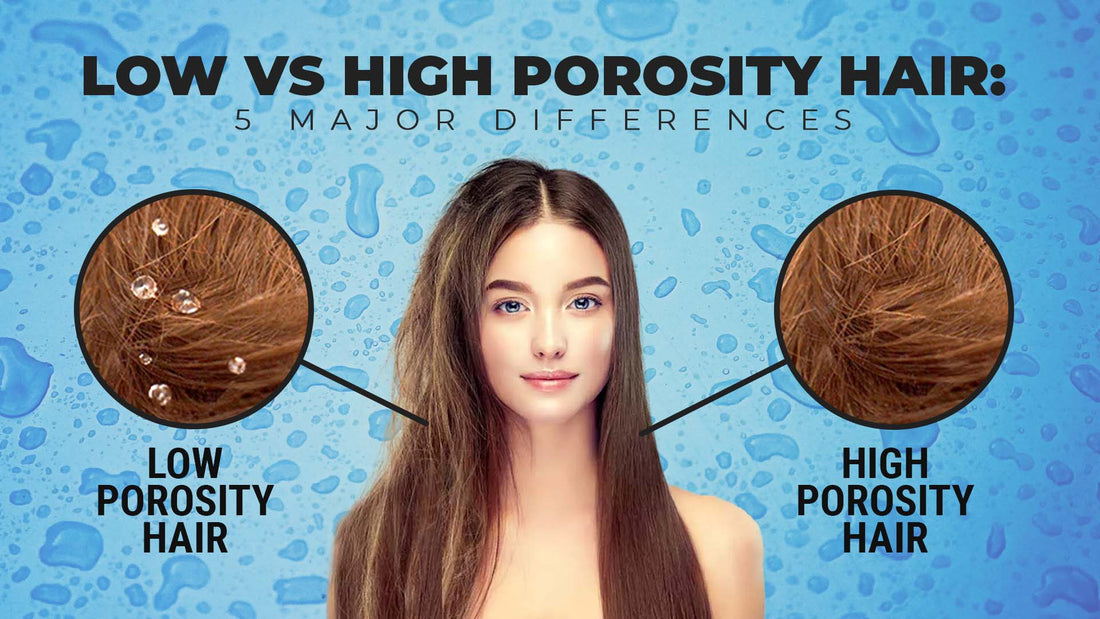
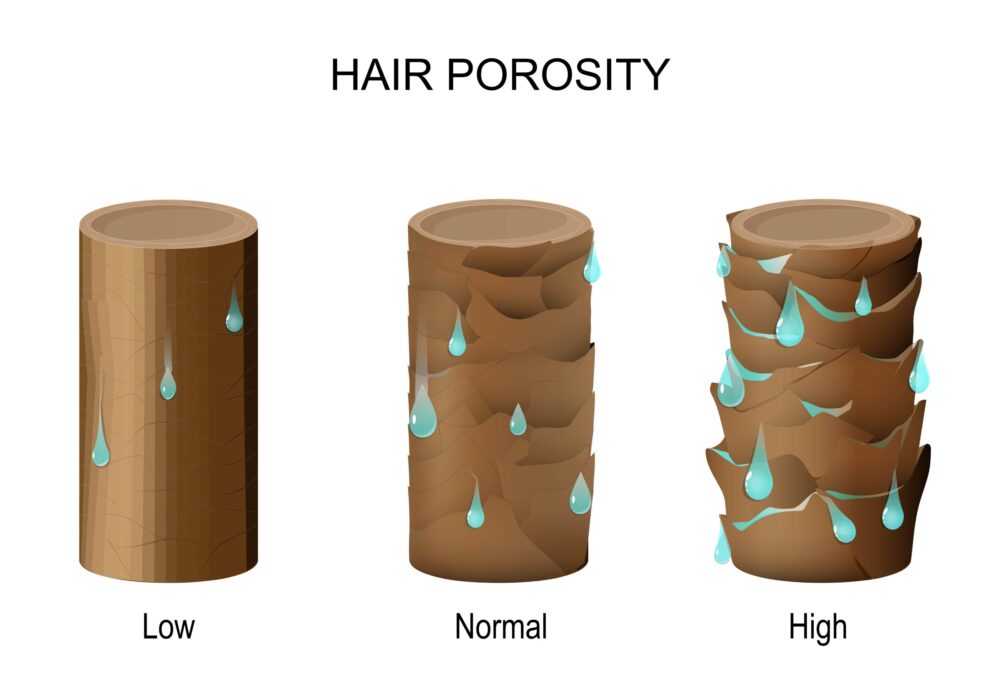
Low porosity hair is unique. Its cuticle layer—the protective outer shell—is tightly packed. This means water, oils, and even some hair products have trouble getting inside the hair shaft. Instead, most things sit on the surface, which leads to product buildup and a lack of moisture inside your strands.
You might notice water beads up on your hair and takes a long time to absorb. After applying oils or creams, your hair might feel greasy instead of soft. This happens because the cuticle barrier is so strong. It’s both a blessing and a challenge: your hair is protected from outside damage, but it’s also hard to moisturize.
Many people think all hair oils are the same. In reality, the molecular size, weight, and type of oil matter a lot, especially for low porosity hair. This is why lightweight oils are the answer.
Why Lightweight Oils Matter For Low Porosity Hair
Heavy oils like castor or coconut oil are popular, but they’re not ideal for low porosity hair. Their molecules are larger, so they can’t slip past the tight cuticle. Instead, they sit on the surface and block moisture.
Lightweight oils have smaller molecules. They can penetrate the hair shaft more easily and give moisture without leaving a heavy residue. They’re less likely to cause buildup, and your hair feels soft—not greasy.
Key benefits of lightweight oils for low porosity hair include:
- Better absorption into the hair shaft
- Less buildup on the scalp and strands
- Natural shine without heaviness
- Improved manageability and softness
Choosing the right oil can transform how your hair looks and feels.

Credit: thecoconutmama.com
Top Lightweight Oils That Get Absorbed By Low Porosity Hair
Not all oils are created equal. Here are the most effective lightweight oils for low porosity hair, each with its unique benefits and practical tips.
1. Argan Oil
Known as “liquid gold,” argan oil comes from the kernels of the argan tree in Morocco. It’s rich in vitamin E, antioxidants, and essential fatty acids.
- Absorption: Fast and deep, thanks to its small molecules.
- Benefits: Softens hair, reduces frizz, adds shine, and protects from heat.
- How to Use: Apply a few drops to damp hair or use as a finishing oil.
Argan oil is especially useful if your hair is prone to breakage or split ends. It won’t weigh down fine strands.
2. Grapeseed Oil
Grapeseed oil is extracted from grape seeds after winemaking. It’s very light, almost weightless, and has a high content of linoleic acid.
- Absorption: Rapid, doesn’t sit on the hair.
- Benefits: Balances scalp oils, strengthens hair, and adds a silky finish.
- How to Use: Use as a leave-in oil or blend with water for a light spritz.
One overlooked benefit: grapeseed oil has a natural UV filter, protecting your hair from sun damage.
3. Sweet Almond Oil
Pressed from almonds, sweet almond oil is mild and lightweight. It contains vitamins A, B, E, and omega fatty acids.
- Absorption: Quick, penetrates the hair shaft without residue.
- Benefits: Reduces scalp inflammation, smooths cuticles, boosts shine.
- How to Use: Massage into scalp or add to deep conditioners.
It’s especially helpful for those who have dry, flaky scalps along with low porosity hair.
4. Jojoba Oil
Jojoba oil isn’t technically an oil; it’s a liquid wax ester. It closely mimics the natural sebum produced by your scalp.
- Absorption: Excellent, thanks to its similarity to scalp oil.
- Benefits: Moisturizes, balances scalp, prevents dryness.
- How to Use: Add to shampoos, use as a scalp treatment, or seal ends.
Jojoba oil is hypoallergenic, making it a smart choice for sensitive skin.
5. Baobab Oil
Extracted from the seeds of the African baobab tree, baobab oil is light yet full of nutrients.
- Absorption: Fast, doesn’t leave hair greasy.
- Benefits: High in vitamins A, D, E, F, strengthens hair, improves elasticity.
- How to Use: Use as a hot oil treatment or add to leave-in conditioners.
It’s a newer oil in the hair care world but quickly becoming popular for its lightweight feel.
6. Sunflower Oil
Sunflower oil is affordable and easy to find. It’s rich in vitamin E and linoleic acid.
- Absorption: Light, penetrates quickly.
- Benefits: Softens hair, protects against environmental stress.
- How to Use: Use as a pre-shampoo treatment or light sealant.
A unique tip: sunflower oil can help smooth frizz in humid weather.
7. Squalane Oil
Derived from olives or sugarcane, squalane is ultra-light and non-comedogenic.
- Absorption: Very rapid, leaves no residue.
- Benefits: Moisturizes, adds shine, reduces brittleness.
- How to Use: Apply 1-2 drops to wet or dry hair.
Many people overlook squalane, but it’s one of the best for low porosity hair.
8. Apricot Kernel Oil
Pressed from apricot seeds, apricot kernel oil is light and rich in vitamins A and E.
- Absorption: Quick, does not build up.
- Benefits: Boosts shine, softens hair, soothes scalp irritation.
- How to Use: Mix with other oils or use alone as a daily moisturizer.
It’s particularly good for fragile, fine hair.
9. Rosehip Oil
While better known for skincare, rosehip oil is also a great hair oil.
- Absorption: Light, penetrates easily.
- Benefits: Repairs damage, supports hair growth, hydrates without heaviness.
- How to Use: Use as a scalp oil or on ends after washing.
Rosehip oil is high in antioxidants, which help repair environmental damage.
10. Avocado Oil (cold-pressed)
Not all avocado oils are lightweight, but cold-pressed avocado oil has a lighter texture.
- Absorption: Faster than unrefined avocado oil.
- Benefits: Nourishes, strengthens, boosts elasticity.
- How to Use: Use as a pre-poo or light sealant.
A non-obvious insight: avoid highly processed or thick avocado oils, as they won’t absorb as well.
11. Camellia Oil
Known as “Tsubaki oil” in Japan, camellia oil is used in traditional hair care.
- Absorption: Fast, does not leave heavy residue.
- Benefits: Adds sheen, protects from UV, softens brittle hair.
- How to Use: Use as a finishing oil or add a few drops to your shampoo.
It’s a favorite among those seeking a silky, smooth look.
12. Hemp Seed Oil
Hemp seed oil is often overlooked but is rich in essential fatty acids.
- Absorption: Light, penetrates easily.
- Benefits: Moisturizes, encourages growth, soothes scalp.
- How to Use: Use as a light sealant or mix with water for a spritz.
Hemp seed oil is not the same as CBD oil and won’t clog pores.
13. Marula Oil
Marula oil is fast-absorbing and packed with antioxidants.
- Absorption: Quick, non-greasy.
- Benefits: Repairs split ends, adds shine, protects from damage.
- How to Use: Apply to ends or use as a serum.
It’s great for color-treated or heat-styled hair.
14. Rice Bran Oil
Used in Asian hair care, rice bran oil is full of antioxidants and vitamins.
- Absorption: Absorbs fast, does not weigh hair down.
- Benefits: Strengthens, smooths, protects from sun.
- How to Use: Use as a daily light oil or mix with conditioner.
Rice bran oil is often missed in Western routines but works well for low porosity hair.
15. Sesame Oil (light, Cold-pressed)
Sesame oil can be heavy, but light, cold-pressed versions are suitable for low porosity hair.
- Absorption: Lighter versions absorb better.
- Benefits: Nourishes, improves shine, protects from environmental stress.
- How to Use: Use sparingly as a leave-in or for scalp massages.
Be sure to choose light sesame oil, not toasted or cooking varieties.
What Makes An Oil Lightweight?
The secret to absorption lies in molecular structure. Lightweight oils have smaller molecules and lower viscosity, making it easier for them to slip past the tight cuticle layer. They often contain more polyunsaturated fats, which are less likely to sit on the surface.
Here’s a comparison to help you visualize:
| Oil Type | Molecular Size | Absorption Speed | Residue Level |
|---|---|---|---|
| Argan Oil | Small | Fast | Low |
| Castor Oil | Large | Slow | High |
| Grapeseed Oil | Small | Fast | Low |
| Coconut Oil | Medium-Large | Medium | Medium-High |
As you can see, oils with smaller molecules and low residue are best for low porosity hair.
How To Apply Lightweight Oils For Maximum Absorption
Knowing the right oil is only half the battle. The way you apply it also matters. Here are some practical strategies:
- Warm the Oil: Slightly warming your oil helps open the cuticle and boosts absorption. Put a few drops in your hands and rub them together, or warm the bottle in a bowl of warm water.
- Apply to Damp Hair: Oils spread more evenly and penetrate better on damp hair, right after washing or misting with water.
- Use Small Amounts: Less is more. Start with a pea-sized amount and add more only if needed.
- Focus on Ends and Mid-Lengths: These areas are driest and need the most moisture.
- Massage Into Scalp: For oils like jojoba or grapeseed, massaging stimulates circulation and helps absorption.
- Mix with Water: You can mix some lightweight oils with water in a spray bottle for a quick, light moisturizing spray.
Common Mistakes To Avoid
- Using Too Much Oil: This causes buildup and greasy hair.
- Applying to Dry Hair Only: Dry hair blocks oil; damp hair absorbs it better.
- Not Clarifying Regularly: Product buildup can block absorption. Use a gentle clarifying shampoo every 2-4 weeks.
The Science: How Low Porosity Hair Responds To Oils
Low porosity hair has a closed cuticle structure. This means water and oils have a hard time entering the shaft. Heavy oils just sit on top, making hair greasy and attracting dirt. Lightweight oils can get through the gaps when the cuticle is slightly raised (like after washing with warm water).
A 2015 study in the *International Journal of Trichology* found that oils with high polyunsaturated fat content (like grapeseed and sunflower oil) are absorbed better by low porosity hair. Oils rich in saturated fat (like coconut or castor oil) have a harder time getting in.
One non-obvious insight: some oils can actually *raise* the cuticle slightly, helping themselves (and other products) get inside. Grapeseed oil is one such oil. Using it before applying a deep conditioner can boost your results.
How Lightweight Oils Compare For Low Porosity Hair
Let’s look at how the top lightweight oils compare in key areas:
| Oil | Penetration Ability | Build-Up Potential | Best Use |
|---|---|---|---|
| Argan | High | Low | Daily moisturizer, heat protectant |
| Grapeseed | High | Very Low | Leave-in, scalp massages |
| Jojoba | High | Low | Scalp balancing, sealing ends |
| Sweet Almond | Medium-High | Low | Scalp and length moisturizer |
| Baobab | Medium | Low | Hot oil treatments |
Building A Simple Low Porosity Hair Routine
You don’t need a complicated routine. Here’s how to make the most of lightweight oils:
- Cleanse with a gentle shampoo once a week to avoid buildup.
- Condition with a lightweight conditioner.
- Apply a lightweight oil while hair is damp.
- Seal with a little oil after moisturizing, focusing on ends.
- Clarify once a month to keep hair fresh.
For best results, avoid heavy butters, thick creams, and mineral oils.
Real-life Example: What Happens When You Switch To Lightweight Oils
Maria had struggled with dry, dull hair for years. She tried coconut oil masks and heavy butters, but nothing worked. After reading about lightweight oils, she switched to grapeseed oil and jojoba oil.
Within weeks, her hair became softer and more manageable. She noticed less breakage and her styles lasted longer. She also found that her scalp was less itchy, and she needed to wash her hair less often.
Maria’s experience is common. Lightweight oils don’t just moisturize—they help your hair and scalp work better together.
Lightweight Oils And Other Hair Products
It’s important to know how lightweight oils interact with other products:
- With Leave-In Conditioners: Apply oil after your leave-in to seal in moisture.
- With Gels: Lightweight oils can be used before gel to prevent crunchiness.
- With Heat Styling: Some, like argan oil, protect from heat damage.
Avoid mixing oils with heavy creams, as this can cause buildup and dullness.
Credit: theradome.com
The Role Of Porosity Tests
If you’re not sure about your hair’s porosity, try the float test: Place a clean strand of hair in a cup of water. If it floats for a long time, your hair is likely low porosity. If it sinks quickly, it’s high porosity.
But remember, the float test isn’t 100% accurate. The best guide is how your hair feels and reacts to products.
Can You Change Your Hair’s Porosity?
Many people ask if you can “fix” low porosity hair. The answer is no—porosity is mostly genetic. But you can manage it by choosing the right products and techniques. Lightweight oils help you work with your hair, not against it.
How To Spot Buildup (and What To Do About It)
Even lightweight oils can build up if you use too much or don’t wash regularly. Signs of buildup include:
- Hair feels sticky or coated
- Less shine, more dullness
- Products stop working
To fix this, use a gentle clarifying shampoo every few weeks. This resets your hair and prepares it to absorb oils again.
How To Store And Handle Lightweight Oils
Lightweight oils can go rancid if not stored properly. Keep them in a cool, dark place and tightly closed. Some, like rosehip and hemp seed oil, should be refrigerated after opening.
Always buy cold-pressed, pure oils when possible. Avoid blends that include mineral oil, silicone, or other fillers, as these can block absorption.
Lightweight Oil Myths Debunked
- Myth: “You need heavy oils to moisturize thick or curly hair.”
Truth: Even thick, curly low porosity hair does better with lightweight oils. Heavy oils only coat the surface.
- Myth: “More oil means more moisture.”
Truth: Too much oil causes buildup and blocks moisture.
- Myth: “Coconut oil is always good for hair.”
Truth: Coconut oil is too heavy for most low porosity hair types.
- Myth: “Oils can repair split ends.”
Truth: Oils can temporarily smooth split ends, but only a trim can remove them.
How To Choose The Right Lightweight Oil For You
There are many factors to consider:
- Allergies: If you have nut allergies, avoid almond and argan oil.
- Scent: Some oils have natural scents you may love or dislike.
- Cost: Grapeseed and sunflower oil are affordable; marula and baobab are pricier.
- Availability: Choose oils you can find easily and replace regularly.
Try small bottles first to see what works best for your hair.
Credit: www.drserkanaygin.com
The Best Oil Combinations For Low Porosity Hair
Sometimes, blending two lightweight oils gives even better results. Here are a few combinations:
- Argan + Grapeseed: For deep moisture and shine.
- Jojoba + Sweet Almond: For scalp health and softness.
- Squalane + Rosehip: For repairing damaged ends.
Mix a few drops of each in your palm before applying. Avoid using more than two oils at once, as this can reduce absorption.
When To Avoid Oils Completely
There are times when even lightweight oils should be skipped:
- If your scalp is very oily or has seborrheic dermatitis
- Right after a protein treatment (wait a few days)
- If you notice increased breakage or irritation
Listen to your hair. Sometimes, less product is better.
Lightweight Oils And Scalp Health
Healthy hair starts with a healthy scalp. Lightweight oils like jojoba and grapeseed help balance scalp oil production, reduce flakiness, and soothe inflammation.
For best results, massage a small amount into your scalp once a week. This boosts circulation and helps hair grow stronger.
Are Essential Oils Good For Low Porosity Hair?
Essential oils (like lavender or tea tree) are not the same as carrier oils. They are very concentrated and should never be used alone. You can add 1-2 drops to your lightweight oil for scent or scalp benefits. Always patch test before use.
Children And Lightweight Oils
Lightweight oils are safe for children’s low porosity hair. Use in small amounts and avoid nut-based oils for kids with allergies. Grapeseed and sunflower oil are gentle choices.
Lightweight Oils For Protective Styles
If you wear braids, twists, or other protective styles, lightweight oils help keep your hair moisturized without buildup. Apply lightly to your scalp and the length of your hair every few days.
Environmental Impact Of Oil Choices
Some oils, like argan and baobab, are sustainably harvested and support local communities. Choose fair-trade, ethically sourced oils when possible. For more information on sustainable beauty, visit the Environmental Working Group.
Frequently Asked Questions
What Is The Best Lightweight Oil For Low Porosity Hair?
Grapeseed oil and argan oil are both top choices. They absorb quickly, add shine, and don’t leave residue.
Can I Use Coconut Oil On Low Porosity Hair?
Coconut oil is too heavy for most low porosity hair. It often sits on the surface and causes buildup.
How Often Should I Use Lightweight Oils?
2-3 times per week is enough for most people. Adjust based on your hair’s needs.
Do Lightweight Oils Help With Hair Growth?
They create a healthy environment for growth by moisturizing the scalp and reducing breakage, but they don’t directly speed up growth.
Can I Mix Lightweight Oils With My Conditioner?
Yes. Adding a few drops of lightweight oil to your conditioner boosts moisture without heaviness.
Choosing the right lightweight oil—and using it correctly—can completely change how your low porosity hair looks and feels. By understanding your hair’s needs and avoiding common mistakes, you can achieve softness, shine, and manageability without buildup or greasiness. Remember, the key is to work with your hair’s natural structure, not fight against it.
Your healthiest hair is just a few drops away.