

Caring for low porosity hair can feel confusing. Some days, your hair seems dry no matter what you do. Other days, products sit on top and never soak in. If you struggle with tangles, dryness, or dullness, you may have heard about co-washing—washing hair with conditioner instead of shampoo. Is co-washing good for low porosity hair? Or can it cause more problems than it solves? Let’s explore this idea fully, break down the science, and help you decide what’s best for your hair.
Understanding Low Porosity Hair
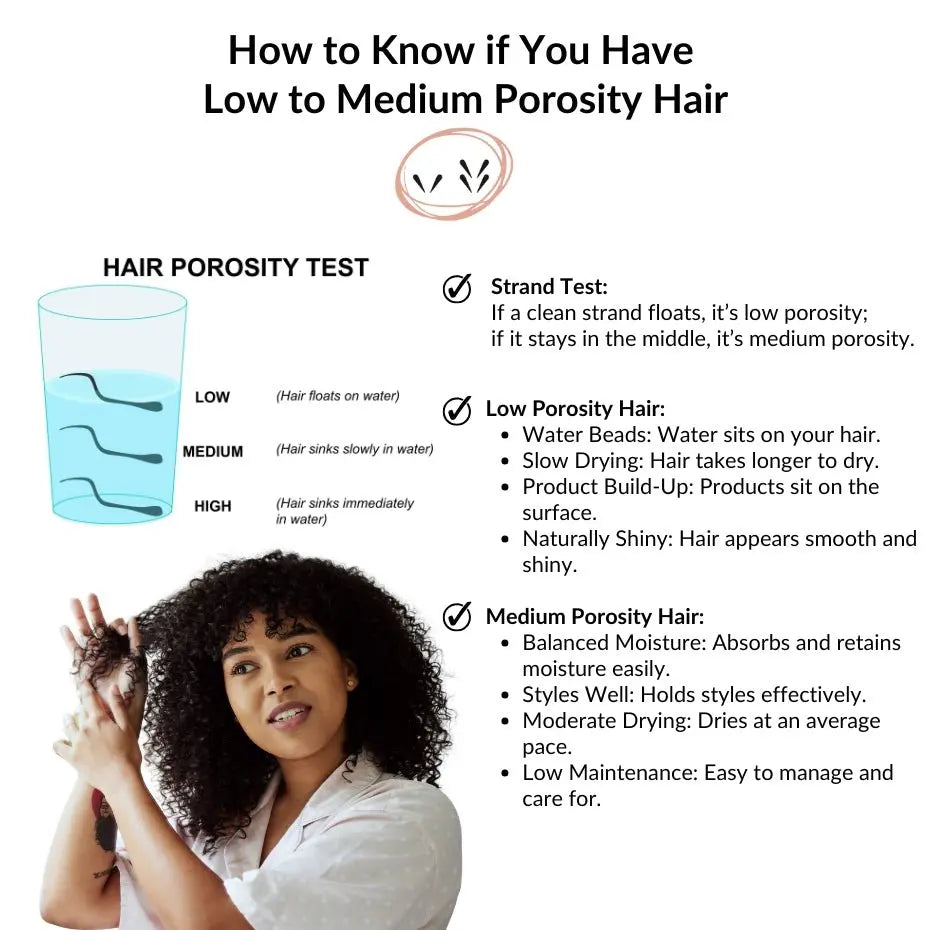
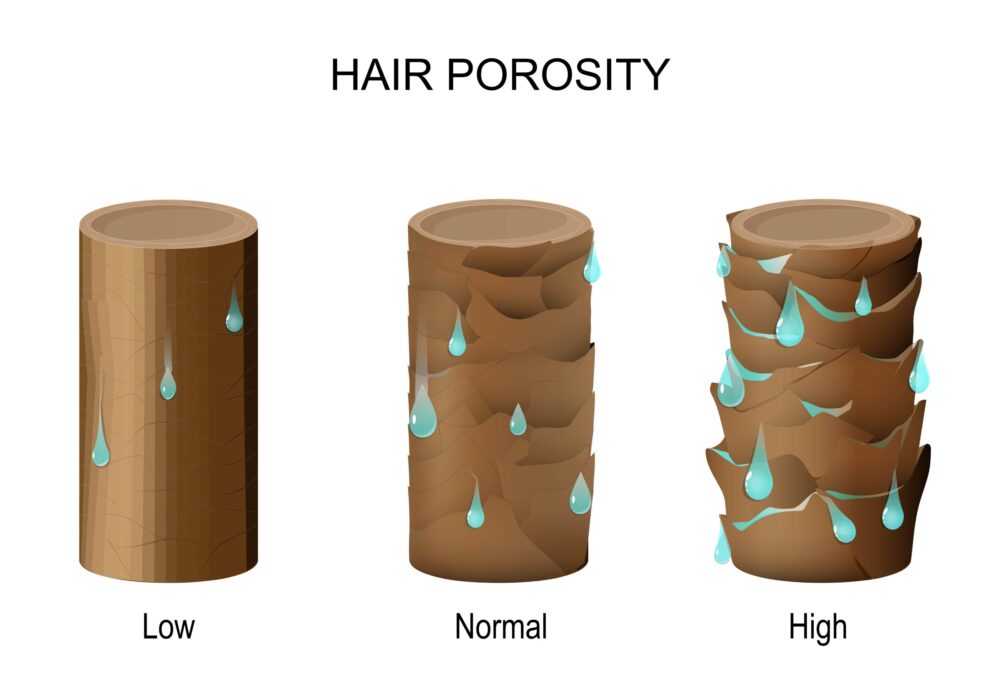
Low porosity hair is unique. The cuticles (outer layers) are tightly packed. This means water and products have a hard time entering the hair shaft. It also means moisture doesn’t escape easily, so hair can look shiny but feel dry inside. Some signs you have low porosity hair:
- Water beads on your hair during washing
- Hair takes a long time to dry
- Products build up easily
- You notice tangling, especially at the ends
Genetics usually determine porosity, but heat damage or chemical treatments can affect it too. Low porosity hair is common in many people with naturally curly or coily textures.
But what does this mean in daily life? Imagine pouring water on a raincoat—the water sits on top and rolls off. Low porosity hair acts the same way. When you apply products, they may just sit on the surface, making your hair feel sticky or coated, but not truly moisturized.
Why Low Porosity Matters
The structure of low porosity hair changes how you care for it. Many products designed for “dry” hair are too heavy and sit on the surface. This can cause buildup, making hair feel greasy or weighed down. At the same time, the hair may still feel dry and brittle underneath.
Understanding your hair’s porosity helps you choose the right products and methods.
If you use thick creams or oils, they may not penetrate. Instead, they can block moisture and air, making issues worse over time. For example, using heavy butters might make curls look shiny at first, but after a few days, they can become stiff and hard to style.
This is why knowing your hair’s porosity—how easily it absorbs water and product—is so important.
Low porosity hair also reacts differently to weather. On humid days, it may puff up because excess moisture can’t get in or out easily. On dry days, it may feel brittle. This constant battle is frustrating for many people, but the right care routine can make a big difference.
What Is Co-washing?
Co-washing stands for “conditioner washing.” Instead of shampoo, you use a conditioner to cleanse your hair. The goal is to remove dirt and buildup without stripping away natural oils. Co-washing became popular among people with curly, dry, or textured hair. Many believe it makes hair softer, more manageable, and less prone to frizz.
Most conditioners contain mild cleansing agents. They don’t foam like shampoo but can remove light dirt and sweat. There are also special cleansing conditioners designed for co-washing.
Co-washing is not just a trend. It started as a solution for people who found regular shampoos too harsh, especially those with very curly or coily hair. Shampoos often contain sulfates and other strong cleansers that can strip away moisture.
For someone with low porosity hair, losing even a small amount of moisture can lead to dryness and breakage.
How Co-washing Works
When you co-wash, you:
- Wet your hair fully.
- Apply conditioner to scalp and strands.
- Massage gently to loosen dirt and oils.
- Rinse thoroughly.
Some people follow with a regular conditioner after co-washing, but this is not always necessary.
The process is simple, but the details matter. For low porosity hair, the “wet your hair fully” step is crucial. Because the cuticle is tight, you may need to stand under the water for a few extra minutes to ensure your hair is saturated.
Skipping this step can mean the conditioner never really reaches the inner hair shaft.
Also, the way you massage your scalp makes a difference. Using your fingertips—not your nails—helps stimulate the scalp, lift away dirt, and encourage circulation. This simple move can prevent itchiness and keep your roots healthy.
Credit: theorganibrands.com
Co-washing Vs. Shampooing
Let’s compare co-washing and shampooing side by side.
| Method | Cleansing Power | Moisture Retention | Buildup Risk | Best For |
|---|---|---|---|---|
| Co-Washing | Low to moderate | High | High | Dry, curly, textured hair |
| Shampooing | High | Low to moderate | Low | Oily or fine hair, heavy product users |
Co-washing is gentle and keeps more natural oils. Shampooing cleans deeper, but may leave hair feeling drier. For low porosity hair, choosing between these methods is not always simple.
It’s important to know that even among shampoos, there is a wide range. Some shampoos are sulfate-free and much gentler. Others are clarifying shampoos, meant to remove every trace of oil, dirt, and product. For someone with low porosity hair, using a strong clarifying shampoo too often can make hair feel straw-like.
On the other hand, only using co-wash can lead to scalp problems over time.
If you exercise often, sweat a lot, or use gels and creams, regular shampooing (at least occasionally) is often necessary. But if you rarely use styling products and your scalp does not get oily quickly, co-washing might be enough for most washes.
Benefits Of Co-washing Low Porosity Hair
Many people with low porosity hair try co-washing because it promises several benefits:
- Gentle cleansing: Conditioners are less harsh than shampoos. They don’t strip away the limited moisture low porosity hair holds.
- Added softness: Co-washing can leave hair feeling smoother and softer, especially for curly textures.
- Reduced frizz: By keeping more moisture in the hair, co-washing can help reduce frizz and static.
- Better curl definition: Moisturized curls often hold shape better.
- Less breakage: The gentle method may help prevent breakage from over-washing or harsh shampoos.
Let’s dig deeper:
- Gentle cleansing is especially important if you color or heat-style your hair. These processes can weaken the hair, so keeping washes gentle reduces stress on your strands.
- Added softness is noticeable after just a few co-washes. Many people say their hair feels silkier and easier to detangle, even without extra products.
- Reduced frizz is a big plus in humid weather. Because low porosity hair doesn’t lose moisture easily, keeping the cuticle smooth helps fight puffiness.
- Better curl definition is a real bonus for those with curls and coils. When hair isn’t dry or coated in heavy product, curls form and hold their pattern with less effort.
- Less breakage is a long-term benefit. Over time, harsh washing strips away the little moisture that low porosity hair manages to keep. Gentle cleansing allows hair to grow longer and stronger.
Real-life Examples
Maria, a woman with 4A curls and low porosity hair, noticed her hair felt brittle after regular shampooing. She switched to co-washing twice a week. After a month, her curls looked more defined and felt softer. However, she needed to clarify her hair every two weeks to remove buildup.
Another example is Tony, who has low porosity hair that’s prone to tangling. He started co-washing and detangling with his fingers during each wash. After several weeks, he noticed fewer knots and less breakage at the ends. But, he also realized that using too much conditioner made his hair heavy and flat, so he adjusted the amount each time.
It’s important to remember that results can vary. For some, the benefits are clear after just a few washes. For others, it takes time to find the right balance.
Risks And Downsides Of Co-washing Low Porosity Hair
Co-washing is not perfect for everyone. For low porosity hair, there are some risks to consider:
- Product buildup: Low porosity hair is prone to buildup. Conditioners can leave residues, especially if they contain silicones, oils, or heavy emollients.
- Scalp issues: Buildup on the scalp may cause itching, flakes, or even mild infections.
- Flat, weighed-down hair: Too much conditioner can make hair look flat or greasy.
- Lack of deep cleansing: Co-washing may not remove all dirt, sweat, or styling products.
- Odor and dullness: Hair can start to smell or look dull if not properly cleaned.
A common beginner mistake is not rinsing thoroughly enough. Because low porosity hair resists water, it takes longer to fully remove all the conditioner. If you rush, leftover product can cause scalp irritation or even small bumps.
Another overlooked issue is the choice of conditioner. Many popular conditioners are designed to coat the hair, which is helpful for high porosity, but problematic for low porosity. These products often contain silicones and waxes that are difficult to remove without a strong shampoo.
Two Insights Beginners Miss
- Conditioner choice matters: Not all conditioners are good for co-washing. Many popular brands contain ingredients that stick to low porosity hair and are hard to wash out.
- Clarifying is essential: Even if you co-wash, you still need to use a clarifying shampoo sometimes. Otherwise, buildup will happen.
Some people believe that just rinsing longer is enough, but this is not always true. If you use oils, gels, or leave-in creams, these can layer up quickly and block your scalp’s natural processes. It’s easy to miss the early signs of buildup—like an itchy scalp or dull hair—until the problem is bigger.
How To Co-wash Low Porosity Hair Properly
If you want to try co-washing, you need a good plan. Here’s a step-by-step guide:
- Choose a lightweight conditioner: Look for products labeled as “cleansing conditioner” or “silicone-free.” Avoid heavy oils or butters.
- Wet your hair thoroughly: Low porosity hair needs extra time for water to penetrate.
- Apply conditioner to scalp and strands: Use your fingertips to massage your scalp gently. Don’t just rub—use a gentle, circular motion.
- Let it sit for 2-5 minutes: This gives time for dirt to loosen.
- Rinse very well: Use lukewarm water. Rinse longer than usual to remove all residue.
- Clarify every 2-4 weeks: Use a gentle clarifying shampoo to remove buildup.
A practical trick: before applying conditioner, squeeze out excess water. This helps the product stick to your hair, not just slide off. Also, work in sections if your hair is thick. This makes sure every part is cleaned and rinsed well.
Practical Tips
- Detangle with your fingers before co-washing. This prevents breakage.
- Don’t use too much conditioner. A quarter-sized amount per section is enough for most people.
- If you use heavy styling products, clarify more often.
For extra help, warm up your conditioner bottle under hot water before use. Warm products can help open the cuticle a bit, making it easier for the conditioner to do its job. Also, using a shower cap for a few minutes while the conditioner sits can boost softness.
If you notice your hair feels sticky or dull after washing, try rinsing with cooler water at the end. This can help close the cuticle and lock in moisture without leaving residue.

Credit: www.reddit.com
Choosing The Right Conditioner For Co-washing
Not all conditioners work for co-washing low porosity hair. Here’s what to look for:
- Silicone-free: Silicones sit on the hair and build up fast.
- Lightweight formulas: Avoid conditioners with lots of oils, butters, or waxes.
- Cleansing ingredients: Look for mild surfactants like cocamidopropyl betaine or decyl glucoside.
- Protein-free: Many low porosity hair types don’t need extra protein.
Some brands offer special co-wash products. Always check the label. If you see words like “deep moisture” or “repair,” check for heavy ingredients.
Some additional ingredients to avoid: mineral oil, petrolatum, and lanolin. These are heavy and tend to sit on the surface. Instead, look for conditioners with water or aloe as the first ingredient. A touch of glycerin can help with moisture, but too much can make hair sticky.
If you’re not sure about a product, do a patch test. Apply a small amount to a section of hair and see how it feels after rinsing. If it feels light, clean, and soft—great. If it feels heavy or waxy, try a different product.
Ingredient Comparison
Let’s compare two popular conditioners for co-washing.
| Brand | Contains Silicones | Contains Heavy Oils | Cleansing Agents | Suitable for Low Porosity? |
|---|---|---|---|---|
| Brand A (Cleansing Co-Wash) | No | No | Yes | Yes |
| Brand B (Regular Conditioner) | Yes | Yes | No | No |
Choosing the right product is key. Many beginners grab any conditioner, but this can cause buildup and dullness.
Another tip: some co-washing products are marketed to all hair types. Always check reviews from people with similar porosity and hair texture. What works for someone with high porosity may not work for you.
How Often Should You Co-wash Low Porosity Hair?
The frequency depends on your lifestyle and hair needs.
- Once a week: For most low porosity hair, once per week is safe.
- Twice a week: If your hair is very dry or you exercise often, twice a week can work.
- Clarify every 2-4 weeks: Always clarify to remove buildup.
If you notice your hair feels heavy, greasy, or itchy, reduce co-washing and clarify more often.
For example, if you swim or sweat a lot, you might want to rinse your hair with water after each session, but only co-wash once a week. This keeps your scalp clean without overloading your hair.
Sample Routine
- Week 1: Co-wash on Monday, clarify on Friday.
- Week 2: Co-wash on Tuesday, regular conditioner on Thursday.
- Week 3: Co-wash on Wednesday, clarify on Saturday.
Adjust based on how your hair feels.
Some people find they need to clarify more often in summer due to sweat and sunscreen, while in winter, they can co-wash a bit more since the scalp may be less oily.
Also, consider your hair’s thickness. Thicker hair may need less frequent washing, while fine hair may get weighed down faster.
Signs Co-washing Is Not Working
Pay attention to your hair and scalp. If you see these signs, co-washing may not be right for you:
- Hair feels sticky or coated
- Scalp is itchy or flaky
- Hair looks dull or lifeless
- Curls lose definition
- Hair has an unpleasant smell
Some other signs include hair taking longer to dry than normal, or your roots feeling greasy even after washing. If you find yourself scratching your scalp often, or if your hairstyles don’t last as long, these are also clues.
If you notice these, switch to shampoo for a few washes or try a different conditioner.
Don’t be afraid to experiment. Sometimes, just changing the product or washing routine can fix the problem. Other times, you may need to go back to shampooing for a while, then try co-washing again with different products.
Is Co-washing Helpful Or Harmful For Low Porosity Hair?
Co-washing can be helpful if you:
- Use lightweight, silicone-free conditioners
- Clarify regularly
- Don’t use heavy styling products
It can be harmful if you:
- Use heavy conditioners
- Skip clarifying
- Have a scalp prone to buildup or irritation
The key is balance. Low porosity hair needs gentle cleansing but also needs real cleaning sometimes. Many people find co-washing works well for a few weeks, then buildup starts. Mixing co-washing with occasional shampooing is often best.
Think of co-washing as a tool in your kit—not the only tool. Some weeks, your hair may need more moisture and less cleansing. Other weeks, after a lot of product use, you need a deeper clean. Listen to your hair and scalp, and adjust as needed.
Scientific Evidence And Data
Research on co-washing is limited, but some studies show conditioners have less cleansing power than shampoos. A 2021 study found that cleansing conditioners can remove light dirt but struggle with oils and styling products. Another study in the International Journal of Trichology showed that buildup from conditioners can block hair follicles and cause scalp issues, especially in low porosity hair types.
A survey of 1,000 people with curly hair found:
- 38% reported softer hair with co-washing
- 22% had more scalp itching after one month
- 17% noticed more buildup
- 9% had improved curl definition
This data suggests co-washing has both pros and cons, and results depend on product choice and routine.
Some dermatologists warn that over time, buildup can block oxygen to hair follicles and slow growth. However, others point out that with regular clarifying and good scalp care, co-washing can be safe and effective for many people. More long-term studies are needed to give a full answer.
For now, the best advice is to combine science with your own experience. Track how your hair and scalp respond. Keep a simple hair journal if you want—a few notes after each wash can reveal patterns and help you find the best routine.
Comparing Co-washing With Other Cleansing Methods
How Does Co-washing Stack Up Against Other Hair Cleansing Options?
| Method | Frequency | Buildup Risk | Effect on Low Porosity | Scalp Health |
|---|---|---|---|---|
| Co-Washing | 1-2x/week | High | Can add softness, but risk of buildup | Needs clarifying |
| Shampooing | 1-2x/week | Low | Can dry hair | Good cleansing |
| Micellar Water Shampoo | 1-2x/week | Low | Gentle, less drying | Maintains balance |
| No-Poo (Water Only) | 1-2x/week | Medium | Can leave residue | Scalp may suffer |
Many low porosity hair owners mix methods. For example, they co-wash most weeks, but use micellar shampoo every 2-3 weeks.
Micellar water shampoos are a newer option. They use micelles—tiny cleansing molecules—to gently remove dirt without harsh chemicals. Many people with sensitive scalps or low porosity hair find them helpful, as they provide a middle ground between co-washing and regular shampooing.
No-poo (water only) can work for a few people, but most find their scalp gets itchy or oily over time. This method rarely removes enough dirt or product for low porosity hair, which already struggles with buildup.
Credit: www.drserkanaygin.com
Common Mistakes With Co-washing Low Porosity Hair
Avoid these mistakes to get better results:
- Using heavy conditioners with silicones or waxes
- Skipping clarifying shampoo altogether
- Applying conditioner to dry hair (always wet first)
- Not rinsing thoroughly
- Co-washing too often (daily is too much for most)
- Ignoring scalp health
Another common mistake is using hot water throughout the wash. While warm water can help open the cuticle slightly for cleansing, finishing with cool water helps close the cuticle and leave hair shiny. Also, don’t forget your scalp needs attention too.
Massaging gently helps keep the follicles clear and promotes healthy growth.
Two More Insights Beginners Miss
- Scalp massage is essential: Massaging while co-washing helps loosen dirt and increases blood flow.
- Water temperature matters: Use lukewarm, not hot water. Hot water can close cuticles even tighter, making it harder for products to enter.
Another tip: if you notice white flakes after co-washing, it might be leftover conditioner, not dandruff. Rinse longer or use less product next time.
Real-life Success Stories
Let’s look at some real-life experiences.
Jasmine has low porosity 3B curls. She started co-washing with a lightweight, silicone-free conditioner. She clarified every three weeks. Her hair felt softer and less frizzy. But after two months, she noticed her scalp was itchy. She switched to alternating co-wash and shampoo and found the perfect balance.
Michael, with low porosity straight hair, tried co-washing but used a heavy conditioner. His hair felt greasy and limp. After switching to a cleansing conditioner and clarifying weekly, his hair looked healthier.
Another story: Linda has low porosity hair and works out daily. She found that co-washing after every workout caused buildup. Instead, she started rinsing her hair with just water after exercise and only co-washed once per week. This kept her scalp healthy and her hair light.
Alternatives To Co-washing For Low Porosity Hair
If co-washing doesn’t work for you, try these alternatives:
- Micellar water shampoos: These use micelles to gently remove dirt without drying hair.
- Sulfate-free shampoos: Mild cleansing without harsh chemicals.
- Diluted shampoo: Mix shampoo with water to reduce cleansing strength.
- Rhassoul clay wash: Natural clay can cleanse and add softness.
Each method has its own pros and cons. Try different options to see what your hair likes.
Some people also use apple cider vinegar rinses as a gentle clarifier. Mix one part vinegar with four parts water and pour over your hair after washing. This can help remove light buildup and balance the scalp’s pH, but use only occasionally.
Diluting your shampoo is a simple trick. Take a small amount of shampoo and mix it with water in a squeeze bottle. This allows you to get the cleansing effect without stripping away as much moisture.
Should You Co-wash? Deciding What’s Best For Your Hair
Here are some questions to help you decide:
- Do you use lots of styling products? If yes, co-washing may not clean well enough.
- Does your scalp get itchy or flaky? If yes, clarify often.
- Is your hair dry and brittle? Co-washing can help, but mix with regular shampoo.
- Is your hair fine or straight? Co-washing may weigh it down.
Test co-washing for 2-3 weeks. Watch for signs of buildup, softness, and scalp health. Adjust your routine as needed.
Remember, your hair’s needs can change with seasons, diet, and lifestyle. What works one month may not work the next. Stay flexible and don’t be afraid to tweak your routine.
If you’re not sure, ask a stylist familiar with textured or low porosity hair. They can recommend products and routines based on your unique needs.
Expert Opinions
Many hair professionals agree: co-washing is not a one-size-fits-all solution. Trichologists warn that buildup can block follicles and cause scalp issues, especially in low porosity hair. Curl specialists suggest mixing co-washing with clarifying shampoos. Dermatologists recommend paying attention to scalp health.
For more scientific insight, you can check research on hair porosity and cleansing methods at National Institutes of Health.
Some experts also suggest using a scalp brush during washing. This tool helps lift dirt and product from the scalp, especially for people who struggle to rinse conditioner out completely.
Frequently Asked Questions
What Is The Best Conditioner For Co-washing Low Porosity Hair?
The best conditioner is lightweight, silicone-free, and has mild cleansing agents. Look for products labeled “cleansing conditioner” or “co-wash.” Avoid heavy oils and butters. Some popular choices include As I Am Coconut CoWash and DevaCurl Low-Poo. Always check the ingredient list.
How Often Should I Clarify When Co-washing?
Clarify every 2–4 weeks. If you use lots of styling products or notice buildup, clarify more often. Use a gentle, sulfate-free clarifying shampoo to avoid dryness.
Can Co-washing Cause Scalp Problems?
Yes, co-washing can cause scalp issues if buildup happens. Itching, flakes, or mild infections can occur if hair is not cleaned properly. Always rinse well and clarify regularly. If you have sensitive skin, watch for irritation.
Is Co-washing Safe For Colored Or Chemically Treated Low Porosity Hair?
Co-washing is safe for colored or chemically treated hair if you use gentle, silicone-free conditioners. However, these hair types are more prone to buildup, so clarifying is even more important. Avoid heavy conditioners and check with your stylist.
Can I Use Co-washing As My Only Cleansing Method?
Most experts do not recommend using co-washing as your only method. It can work for a few weeks, but buildup is likely over time. Mix co-washing with regular shampoo or clarifying washes for best results.
Low porosity hair needs special care. Co-washing can be helpful, but it’s not magic. Pay attention to how your hair and scalp respond. Choose lightweight products, clarify regularly, and adjust your routine until your hair feels healthy, soft, and clean.
With the right balance, you can enjoy the benefits of co-washing without the downsides.