

Testing your home water hardness is not just for science enthusiasts or people with aquarium tanks—it’s something every homeowner should know about. Water hardness affects everything from how your soap lathers, to the taste of your coffee, to the lifespan of your appliances. But what does “hardness” really mean, and why do people talk about Gpg (grains per gallon) and Ppm (parts per million)? If you’ve ever wondered whether your water is hard or soft, or how to test it, you’re in the right place. This article breaks down the science, the practical steps, and the real-world impacts so you can take control of your water quality with confidence.
What Is Water Hardness?
Water hardness refers to the concentration of certain minerals—mainly calcium and magnesium—dissolved in your tap water. When water passes through soil and rock, it picks up these minerals. If your water has a lot of them, it’s called “hard.” If not, it’s “soft.”
Why does it matter? Hard water can cause soap not to lather well, leave white spots on glasses, and make your hair feel sticky after washing. Over time, it can build up in pipes and appliances, reducing their efficiency and lifespan.
Most people don’t realize that water hardness varies widely by location. For example, in the United States, the Midwest often has very hard water, while areas with mountain runoff can have soft water. Even city and well water in the same town may differ.
Why Test Your Home Water Hardness?
Many homeowners never test their water hardness because they don’t see the direct effects—or they just get used to them. But knowing your water hardness level can help you:
- Choose the right soap and cleaning products
- Decide if you need a water softener
- Protect your plumbing and appliances
- Understand possible taste or odor issues
Hard water isn’t dangerous, but it can cost you money in the long run. A 2011 study found that homes with hard water use up to 29% more energy for heating water due to scale buildup in heaters. Softening your water, or even just knowing its hardness, can save you money and hassle.
Gpg And Ppm: The Key Measurements
You’ll often see water hardness measured in grains per gallon (Gpg) or parts per million (Ppm). Both are common, but they have different backgrounds.
- Gpg is a traditional unit in the United States. One grain is about 64.8 milligrams of calcium carbonate (CaCO3) in one gallon of water.
- Ppm is used worldwide. It stands for “parts per million,” so 1 ppm is 1 milligram of calcium carbonate in one liter of water.
The main difference is context: Gpg is used in the US, especially for home water softeners, while Ppm is standard in lab reports, scientific studies, and most other countries.
Converting Between Gpg And Ppm
If you need to compare test results, you can convert easily:
- 1 Gpg = 17.1 ppm
- 1 ppm = 0.0584 Gpg
For example, if your water test says 200 ppm, that’s about 11. 7 Gpg (200 ÷ 17. 1).
Here’s a comparison table for quick reference:
| Gpg | Ppm (mg/L) | Hardness Level |
|---|---|---|
| 0-1 | 0-17 | Soft |
| 1-3.5 | 17-60 | Slightly Hard |
| 3.5-7 | 60-120 | Moderately Hard |
| 7-10.5 | 120-180 | Hard |
| 10.5+ | 180+ | Very Hard |
Signs You Might Have Hard Water
Before you even test, you might notice some clues around your home. Hard water leaves mineral deposits and makes cleaning harder. Common signs include:
- White spots or film on glassware
- Soap scum in showers or bathtubs
- Dry, itchy skin after bathing
- Faded clothing after washing
- Appliances (like kettles or coffee makers) needing frequent descaling
- Reduced water flow from scale buildup
These problems are subtle but add up over time. Some people mistake them for other issues, like detergent quality or old pipes.
The Main Ways To Test Water Hardness
There are several methods to check your home’s water hardness. Some are simple and can be done in minutes, while others need a bit more effort or cost.
1. At-home Test Strips
This is the easiest and most common way. Water hardness test strips are sold at hardware stores, pet shops, or online. Here’s how you use them:
- Fill a clean glass with tap water.
- Dip the test strip into the water for the time specified (usually a few seconds).
- Remove the strip and wait for the color to develop.
- Compare the color on the strip to the chart in the package.
Most strips measure hardness in ppm or Gpg, and some show both. They are accurate enough for home use and cost only a few dollars.
Advantages
- Quick and cheap
- Easy to use with no special tools
- Results in less than a minute
Limitations
- Only gives a range, not an exact number
- Accuracy can be affected by old strips or dirty glass
2. Liquid Test Kits
Liquid kits are similar to test strips but use drops and a color scale. These are common for aquarium owners or people who want more precise results.
- Fill a test tube with a measured amount of water.
- Add drops of the testing solution, one at a time, counting each drop.
- The color will change when the hardness is neutralized.
- The number of drops used equals your water hardness (usually in Gpg or ppm).
Liquid kits are a little more accurate than strips and can detect small changes.
Advantages
- More precise than strips
- Good for ongoing monitoring
Limitations
- Takes longer (about 5-10 minutes)
- Small chance for error if drops are miscounted
3. Soap Test (old-fashioned Method)
Before test kits, people used soap to judge water hardness. Hard water prevents soap from lathering.
- Fill a clean bottle with about 12 ounces (350 ml) of tap water.
- Add a few drops of pure liquid soap (not detergent).
- Shake the bottle.
- If you get lots of suds easily, your water is likely soft. If not, it’s probably hard.
This method is not precise but can confirm test kit results. Some people use it as a quick check after installing a water softener.
Practical Insight
Many people use dish soap, but this can contain ingredients that fake suds. For best results, use pure castile soap.
4. Sending Water To A Lab
For the most accurate results, send a sample to a certified lab. Labs can measure not only hardness but also other minerals, metals, and contaminants.
- Collect a sample in a clean container (follow the lab’s instructions).
- Mail or deliver the sample.
- Wait for a detailed report (usually 1-2 weeks).
Lab tests are best if you have health concerns or want full water analysis.
Advantages
- Most accurate and detailed
- Good for buying a new home or checking well water
Limitations
- More expensive (often $30–$100)
- Takes several days to get results
5. Digital Water Testers
Handheld digital testers are available for those who want quick, repeated testing. They measure Total Dissolved Solids (TDS), which is not exactly hardness but is related.
- Turn on the device and dip the sensor in water.
- Read the TDS value on the screen.
Some models estimate hardness based on TDS, but results can be off if your water contains sodium or other dissolved substances.
Practical Insight
TDS meters are more common for aquariums or hydroponics, but they can give a useful “ballpark” number for home water.
How To Collect A Water Sample Properly
Testing accuracy depends on a clean, uncontaminated sample. Here’s what most people miss:
- Use a clean glass or plastic container. Don’t use jars with old food residue.
- Flush your tap for 1-2 minutes before collecting water. This removes standing water and particles.
- Collect cold water. Hot water can have more minerals from your water heater.
- Test water right away after collecting if you’re using strips or kits.
If you use well water, test after a heavy rain, as this can change mineral levels.

Credit: waterestore.ca
Interpreting Your Results: What Is “hard” Or “soft” Water?
You’ve done the test and have a number. What does it mean for your home, health, and appliances?
Water Hardness Scale
Most organizations use the following scale (using both Gpg and Ppm):
| Hardness Category | Gpg | Ppm (mg/L) | Typical Effects |
|---|---|---|---|
| Soft | 0–1 | 0–17 | Soap lathers well, no spots |
| Slightly Hard | 1–3.5 | 17–60 | Few problems for most homes |
| Moderately Hard | 3.5–7 | 60–120 | Some scale, reduced efficiency |
| Hard | 7–10.5 | 120–180 | Spots, soap scum, scale likely |
| Very Hard | 10.5+ | 180+ | Major scale, cleaning problems |
Most homes in the US have moderately hard or hard water, depending on the region.
Practical Example
If your test says 220 ppm, that’s about 12.9 Gpg—classified as very hard. You’ll likely notice spots on dishes, soap not lathering, and frequent appliance scale.
How Hard Water Affects Your Home
Knowing your water hardness is more than just a number. Here’s how different levels impact your daily life:
- Soft water (0–1 Gpg): Soap lathers easily. No spots on glass. Appliances last longer.
- Moderately hard water (3.5–7 Gpg): You may see mild spots on glasses and some scale in kettles over time.
- Hard to very hard water (7+ Gpg): Noticeable scale buildup in water heaters, pipes, and dishwashers. Soap scum forms quickly. Showers and sinks may look dirty even after cleaning.
A little-known issue: Very hard water can reduce the effectiveness of laundry detergents by up to 30%. Clothes may feel stiff or look dull.
Another non-obvious insight: If you install a water softener, check your water hardness again after a few weeks. Many people forget, but softeners need adjustment or maintenance to work optimally.
What To Do If Your Water Is Hard
If your results show hard or very hard water, you have a few options:
1. Install A Water Softener
A water softener removes calcium and magnesium through ion exchange. Most whole-house softeners use salt to replace hardness minerals with sodium.
- Best for homes with high hardness (over 7 Gpg or 120 ppm)
- Reduces scale, protects appliances
- Needs regular salt refills and cleaning
2. Use Alternative Cleaning Products
Some detergents and soaps are made for hard water. They contain additives that help lather and prevent spots.
- Look for products labeled “for hard water”
- Use rinse aids in dishwashers
3. Descale Appliances Regularly
If you don’t want a softener, descale kettles, coffee makers, and showerheads every few months. Use white vinegar or commercial descaling products.
- Prevents buildup and keeps appliances working
- Saves energy by improving efficiency
4. Try A Point-of-use Filter
For drinking or cooking, use a filter pitcher or faucet-mounted filter certified for calcium and magnesium removal.
- Cheaper than whole-house softeners
- Easy to install and maintain
5. Adjust Your Expectations
Some people prefer the taste of hard water or don’t mind the effects. In this case, just be aware of the impact on cleaning and appliances.
Practical tip: If you rent your home, ask your landlord before installing permanent equipment. Portable water softeners and descaling devices are available for renters.
Understanding The Health Effects Of Hard Water
Many people worry if hard water is safe to drink. In most cases, hard water is not harmful to health. In fact, the minerals can be a small part of your daily calcium and magnesium intake.
However, very hard water can worsen dryness for people with sensitive skin or eczema. If you notice more irritation after showering, a softener or special shower filter may help.
One detail beginners often miss: Softened water with high sodium may not be suitable for people with salt-restricted diets. Most softeners add only a small amount of sodium, but check with your doctor if you have health concerns.

Credit: nelsonwater.com
Water Hardness Across The World
Hard water is a global issue. Here are some interesting facts:
- In the United States, about 85% of homes have hard water, especially in the Midwest and Southwest.
- The United Kingdom is famous for limescale problems, with London and southeast England having some of the hardest water in Europe.
- In Australia, hardness varies widely. Adelaide and Perth have hard water, while Melbourne’s water is soft.
Local water utilities often publish hardness data online. For example, the U.S. Geological Survey tracks water hardness by region. Checking your area’s typical levels can help you interpret your home test results.
How Often Should You Test Your Water Hardness?
You don’t need to test weekly, but regular checks are smart in certain cases:
- After moving to a new home
- If you install a new softener or filtration system
- After plumbing work or water main repairs
- If you notice changes in taste, smell, or cleaning results
For most homes, once a year is enough. Well water users may want to test more often, especially after heavy rains or droughts.
Advanced Tips: Getting The Most Accurate Results
Testing seems simple, but accuracy matters. Here are advanced tips beginners often overlook:
- Test multiple taps: Hardness can vary between kitchen and bathroom taps, especially in older homes. Test both hot and cold water.
- Avoid contaminated containers: Even a little soap or food in your glass can change results.
- Record your numbers: Keep a log, especially if you’re adjusting softeners or comparing products.
- Check for seasonal changes: Rain and temperature can affect well water hardness.
Common Mistakes To Avoid
Testing water hardness is easy, but these mistakes can lead to wrong conclusions:
- Using expired test strips
- Testing hot water (always use cold)
- Ignoring instructions for timing and color comparison
- Forgetting to flush pipes before sampling
- Assuming all water in your house is the same
If you’re not sure about your results, repeat the test or try a different method.
Case Study: Real-life Water Hardness Testing
Let’s look at a true-to-life example.
Maria’s Dishwasher Problems
Maria moved into a new home and noticed her dishes always had white spots, and her dishwasher clogged every six months. She suspected hard water.
- She bought a test strip kit and found her water measured 250 ppm (about 14.6 Gpg).
- She checked her city’s water report—her area was known for hard water.
- Maria installed a water softener and switched to detergent for hard water.
- She retested a month later. Her water measured 30 ppm (1.8 Gpg)—now classified as “slightly hard.”
- Over the next year, her dishwasher worked perfectly, and dishes came out spotless.
Key takeaway: Testing gave Maria the confidence to invest in a softener, and she confirmed its effect by retesting.
Water Hardness And Your Appliances
Most people don’t realize how much hard water can cost them. Scale builds up in water heaters, washing machines, and even coffee makers.
- A study by the Water Quality Association found that appliances last 30% longer in homes with soft water.
- A 2010 report showed that just 1/16 inch of scale in a water heater can increase energy use by 10%.
If you’re buying new appliances, check the warranty. Some manufacturers void the warranty if hard water is not treated.
Deeper Dive: Water Softener Settings And Testing
If you have a water softener, setting it correctly is crucial. Most softeners have a dial or digital control for hardness level.
- After testing, set your softener based on your measured Gpg.
- Check salt levels monthly.
- Retest your water every few months to ensure the softener is working.
A little-known trick: Add a bypass valve to your softener system. This lets you compare hard and softened water side by side for testing.
Environmental Considerations Of Water Softening
Softening water can help your home, but there are environmental impacts. Salt-based softeners add sodium to wastewater, which can affect local water treatment plants.
Alternatives: Some newer softeners use potassium instead of sodium, or use physical methods (like electronic descalers) that don’t add chemicals. These options are often more eco-friendly but may be less effective in very hard water areas.
If you’re concerned about the environment, research the best system for your area.
Quick Reference: Water Hardness And Everyday Life
Here’s a summary of how water hardness affects daily tasks:
| Task | Soft Water | Hard Water |
|---|---|---|
| Showering | Soap rinses off easily, skin feels clean | Soap scum, dry skin |
| Washing Dishes | Spotless, no residue | Spots, white film |
| Laundry | Soft, bright clothes | Stiff, faded clothes |
| Appliances | Last longer, work efficiently | Frequent descaling, higher energy use |
Frequently Asked Questions
What Is The Best Way To Test Water Hardness At Home?
The most convenient method is using test strips, which are accurate enough for most homeowners and very easy to use. For more precision, liquid test kits or sending a sample to a certified lab provide detailed results.
Can Hard Water Damage My Pipes Or Appliances?
Yes. Hard water leaves scale deposits in pipes, water heaters, dishwashers, and other appliances. Over time, this reduces efficiency and shortens their lifespan, leading to higher energy bills and repair costs.
Is Drinking Hard Water Bad For My Health?
In general, hard water is safe to drink. The minerals are not harmful and may offer small health benefits. However, very hard water can cause skin dryness for some people, and softened water can add sodium, which may matter for people on low-salt diets.
How Do I Convert Between Gpg And Ppm?
To convert Gpg to Ppm, multiply by 17.1. For Ppm to Gpg, divide by 17.1. For example, 10 Gpg equals 171 ppm (10 × 17.1).
How Often Should I Test My Home’s Water Hardness?
For most homes, once a year is enough. Test more often if you use well water, have new plumbing, or install a water softener. Always retest after major changes in your water system.
Testing your home water hardness is a simple way to protect your home, save money, and enjoy better water. With a little knowledge and regular checks, you can take control of your water quality for years to come.
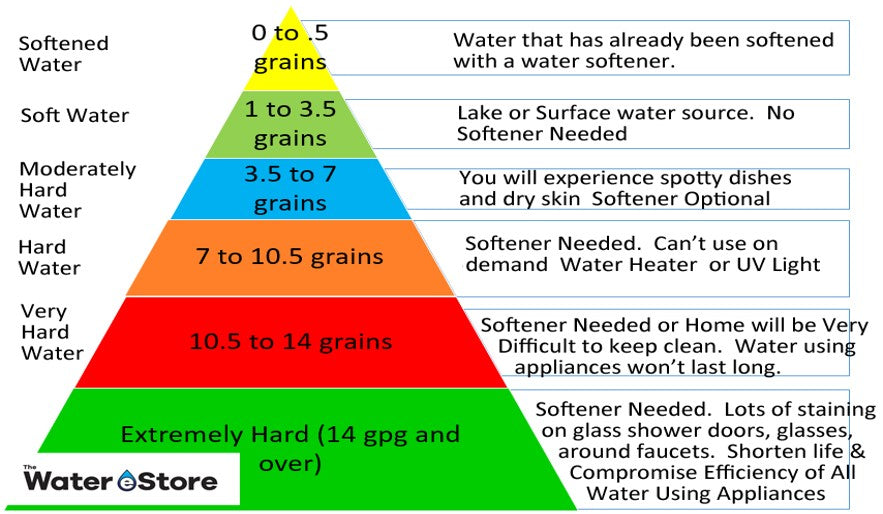
Credit: waterestore.ca