

High Porosity Hair And Silk Vs Satin Pillowcase: Does It Matter
Many people struggle to keep their hair healthy and moisturized, especially if they have high porosity hair. Maybe you wake up with frizzy, tangled hair every morning, no matter what products you use at night. Or perhaps you’ve read about silk and satin pillowcases but wonder if they really make a difference—or if they’re just another beauty trend. If you’re searching for real answers about high porosity hair and whether silk or satin pillowcases matter, you’re in the right place.
This article takes a deep look at the science of hair porosity, explains what makes high porosity hair unique, and then compares silk and satin pillowcases in detail. You’ll learn how your pillowcase choice affects your hair, see real examples, and get practical advice for making the best decision for your own hair type. You’ll also find some insights that most beginners miss, so you can avoid common mistakes and finally wake up with smoother, healthier hair.
Understanding High Porosity Hair
Before you can decide if a silk or satin pillowcase matters, you need to understand high porosity hair. Let’s break down what it means and why it’s important.
What Is High Porosity Hair?
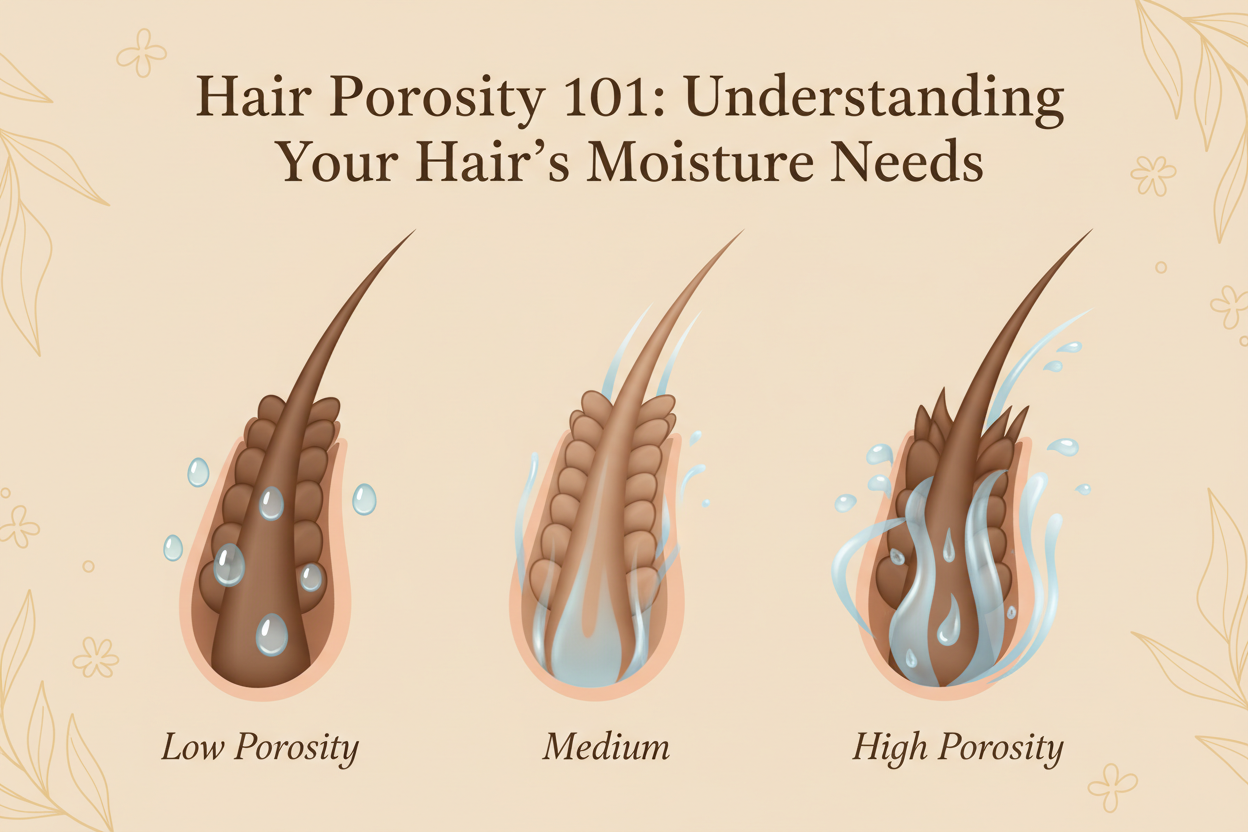
Hair porosity describes how easily your hair absorbs and holds moisture. Think of your hair like a sponge: some sponges soak up water quickly but also lose it fast. That’s high porosity hair.
In high porosity hair, the cuticle layer (the outer part of each hair strand) is raised or has gaps. This makes it easy for water, oils, and products to go in. But it also means moisture escapes just as quickly, leaving your hair dry, frizzy, and prone to breakage.
Common Causes Of High Porosity Hair
Some people are born with high porosity hair, but often, it’s caused by:
- Chemical treatments (bleaching, dyeing, relaxers)
- Heat styling (flat irons, curling wands, blow dryers)
- Environmental damage (sun, wind, chlorine, saltwater)
- Rough handling (tight hairstyles, harsh brushing)
These factors lift or damage the hair’s cuticle, making it more porous.
How To Identify High Porosity Hair
You might have high porosity hair if you notice:
- Hair dries very quickly after washing
- Hair often feels dry or straw-like
- Lots of frizz and tangles
- Hair absorbs products quickly, but results don’t last
- Split ends and breakage are common
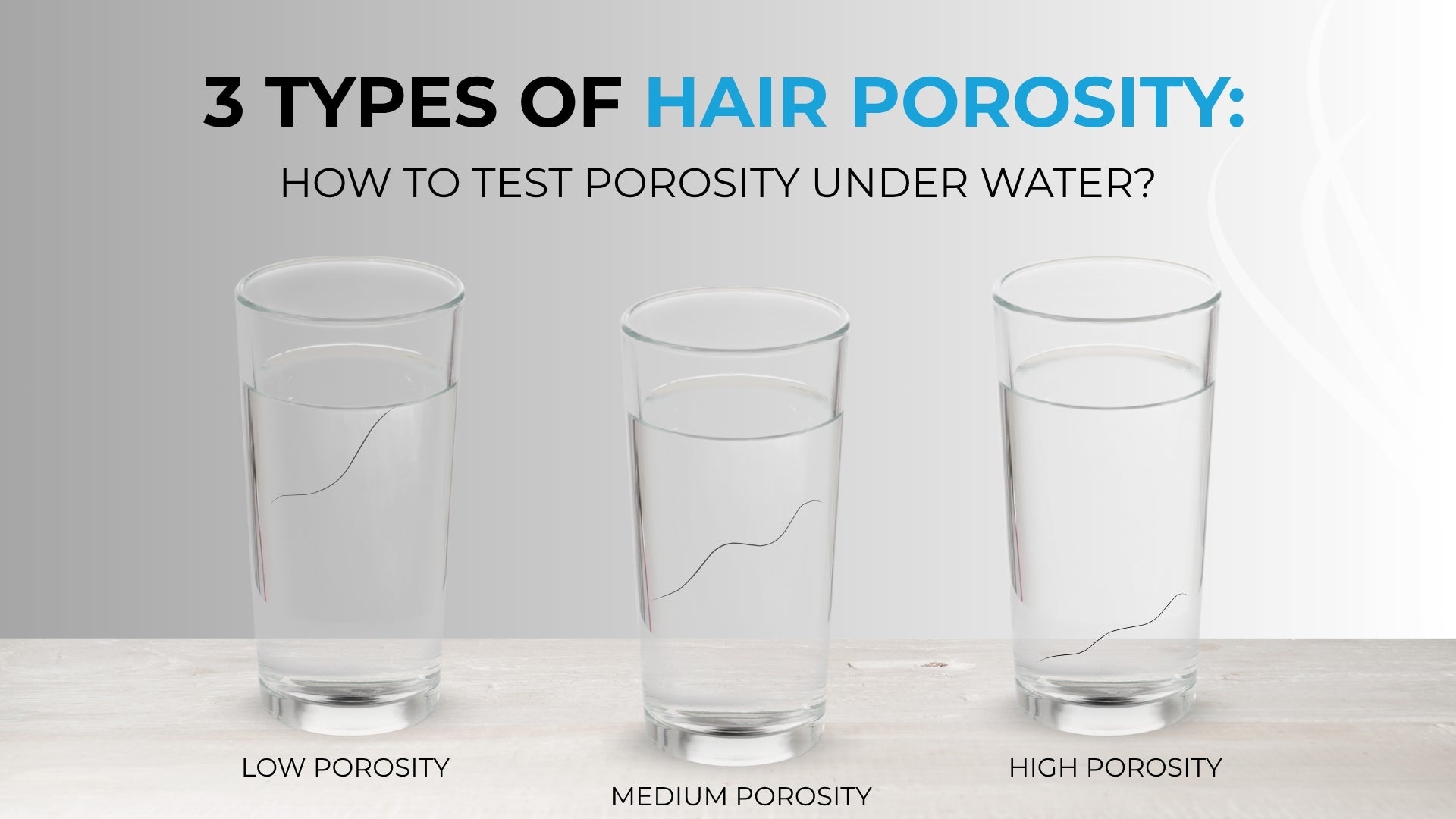
A simple test: Place a clean strand of your hair in a glass of water. If it sinks quickly, your hair is likely high porosity.
Why High Porosity Hair Needs Special Care
Because high porosity hair loses moisture fast, it’s more fragile and reactive. The wrong products or habits (including pillowcase choice) can make it worse. On the other hand, the right routine and materials can help your hair stay hydrated and strong.
How Pillowcases Affect High Porosity Hair
You might wonder, “Can something as simple as my pillowcase really impact my hair? ” The answer is yes—especially for high porosity hair.
Friction And Moisture Loss
Regular cotton pillowcases are rougher than they seem. As you move during sleep, the fabric rubs against your hair, causing friction. For high porosity hair, this means:
- More split ends and breakage
- More tangling and frizz
- Faster loss of moisture and oils
Cotton also absorbs moisture from your hair. If your hair already loses water easily, sleeping on cotton can make things much worse.
The Science: Why Fabric Matters
The surface and absorbency of your pillowcase changes how your hair behaves overnight. Smooth, non-absorbent fabrics help your hair glide, keeping the cuticle flat and holding in moisture.
Let’s compare the main options—silk and satin—to see which is best for high porosity hair.
Credit: theorganibrands.com
Silk Vs Satin Pillowcase: What’s The Difference?
Many people use “silk” and “satin” as if they mean the same thing. They don’t. Here’s what you really need to know.
Silk Pillowcases
Silk is a natural fiber made by silkworms. Genuine silk pillowcases are woven from these fibers to create a smooth, soft, and shiny surface.
Satin Pillowcases
Satin isn’t a fiber—it’s a type of weave. Satin can be made from silk, but more often it’s made from synthetic fibers like polyester or nylon. Satin feels soft and smooth, but the quality depends on the material used.
Key Differences
Here’s a simple comparison:
| Feature | Silk Pillowcase | Satin Pillowcase |
|---|---|---|
| Material | Natural silk fiber | Usually polyester/nylon (synthetic) |
| Feel | Very soft, smooth, luxurious | Smooth, sometimes less soft |
| Breathability | Excellent | Good to fair |
| Moisture Absorption | Low (retains moisture) | Low to moderate (varies) |
| Price | Expensive | Affordable |
| Care | Delicate, hand wash recommended | Machine washable, easy care |
Benefits Of Silk Pillowcases For High Porosity Hair
Let’s look at why many hair experts recommend silk pillowcases for high porosity hair.
1. Minimal Friction
Silk has a super-smooth surface. Your hair glides over it as you move, which means:
- Less tangling and pulling
- Fewer split ends and less breakage
For high porosity hair, reducing mechanical damage is crucial.
2. Retains Moisture
Silk doesn’t suck moisture from your hair or skin. Instead, it helps your hair keep the hydration and oils it needs. This is especially important for high porosity hair, which already struggles to hold moisture.
3. Hypoallergenic And Gentle
Silk naturally resists dust mites, mold, and allergens. If you have a sensitive scalp or skin, this is an extra bonus.
4. Temperature Regulation
Silk adjusts to your body’s temperature, staying cool in summer and warm in winter. For people who sweat at night or live in hot climates, silk pillowcases help you stay comfortable.
5. Luxury Feel
There’s no denying silk feels luxurious and elegant. Many people find it improves their quality of sleep.
Non-obvious Insight: Silk’s Smoothing Effect
High porosity hair often looks dull because raised cuticles scatter light. Silk’s smooth surface helps lay the cuticle flat, making hair look shinier and healthier over time.
Downsides Of Silk Pillowcases
Even though silk is great for hair, there are some drawbacks:
- Cost: Real silk pillowcases are expensive. Prices usually start around $40 and can go over $100.
- Care: Silk is delicate. Most need to be hand washed or washed on a gentle cycle, and air dried.
- Slippery: Some people find silk pillowcases slide off the bed or move around at night.
These don’t affect your hair health, but they can matter for your lifestyle and budget.
Benefits Of Satin Pillowcases For High Porosity Hair
Now let’s look at satin pillowcases, which are often recommended as a budget-friendly alternative.
1. Smooth Surface
Satin’s weave creates a smooth, shiny surface, similar to silk. Your hair glides over it, which reduces friction, tangling, and breakage.
2. Less Moisture Loss
Synthetic satin (usually polyester) is less absorbent than cotton. It helps your high porosity hair keep moisture better than a regular pillowcase.
3. Affordable And Accessible
Satin pillowcases cost much less than silk. You can find good-quality satin for $10–$20. They’re easy to find online and in stores.
4. Easy To Care For
Most satin pillowcases are machine washable and can go in the dryer. They don’t need special treatment, which saves time and effort.
5. Vegan-friendly
If you avoid animal products, satin is a plant-based or synthetic alternative to silk.
Non-obvious Insight: Quality Varies Greatly
Not all satin is equal. Cheaper satin pillowcases may be less smooth, more static-prone, or even rough after washing. High-quality polyester satin, though, can perform almost as well as silk for hair protection.
Credit: theradome.com
Downsides Of Satin Pillowcases
There are some things to consider before buying satin:
- Heat and Breathability: Polyester satin is less breathable than silk. In hot climates, your pillow may feel warmer or sticky.
- Build-Up: Satin can attract oils and hair products, so it needs regular washing.
- Static: Some satin weaves cause static, making high porosity hair frizzier in dry weather.
Silk Vs Satin: Which Is Better For High Porosity Hair?
This is the big question. Both silk and satin are better than cotton for high porosity hair, but which one is right for you?
Comparing Performance
Let’s compare the two side by side:
| Feature | Silk | Satin |
|---|---|---|
| Reduces Friction | Excellent | Good to Excellent |
| Retains Moisture | Excellent | Good |
| Temperature Regulation | Excellent | Fair to Good |
| Cost | High | Low to Moderate |
| Ease of Care | Delicate | Easy |
| Animal-Free | No | Yes |
What Matters Most For High Porosity Hair?
- Both silk and satin cut down on friction and help your hair keep moisture.
- Silk has a slight edge in moisture retention and breathability.
- Satin is more affordable, easier to wash, and vegan-friendly.
- The difference in hair health between high-quality silk and high-quality satin is often small, but the feeling and cost are not.
Real-world Examples And Data
Let’s look at some real-world findings and personal experiences.
Studies And Research
A study published in the *Journal of Cosmetic Dermatology* found that people who slept on silk pillowcases had less hair breakage and smoother hair after four weeks compared to those using cotton. The difference was more noticeable for people with damaged or high porosity hair.
Another experiment by a beauty blogger compared sleeping on cotton, silk, and satin for two weeks each. The results:
- Cotton: Noticeable dryness, frizz, and tangling
- Silk: Hair stayed moisturized, fewer tangles
- Satin: Slightly more frizz than silk, but much better than cotton
Real-life Stories
Many people with high porosity hair share that switching to silk or satin pillowcases reduced their morning frizz and breakage within a week. Some noticed their hair products worked better, since less moisture was lost overnight.
A curly-haired woman reported, “After switching to a satin pillowcase, my curls stayed defined, and I no longer woke up with dry, bushy hair. ”
Surprising Insight: Pillowcases Help Skin, Too
Smooth pillowcases don’t just help your hair—they also reduce skin creasing and breakouts. If you have sensitive skin or acne, silk and satin can improve your overall sleep routine.
Common Mistakes When Choosing A Pillowcase
Many beginners make simple mistakes when shopping for a new pillowcase. Here’s what to watch out for:
1. Confusing Satin With Silk
Some brands call their polyester satin “silk” when it’s not. Check the label for “100% silk” or “mulberry silk” if you want real silk. If the tag says “100% polyester,” it’s satin.
2. Ignoring Thread Count And Quality
Low-quality satin can snag, pill, or lose its smoothness after washing. High-quality polyester satin will last longer and stay smooth.
3. Forgetting About Care Instructions
If you’re not willing to hand wash your pillowcase, silk may not be the best choice. Polyester satin is easier to care for.
4. Choosing Based On Color Alone
Dark or bright pillowcases may show oil stains or hair products. Lighter colors hide these marks better.
5. Not Washing Enough
Even smooth pillowcases collect oils, sweat, and product buildup. Wash your pillowcase at least once a week.
How To Choose The Right Pillowcase For Your High Porosity Hair
Here’s a simple guide to making the best choice for your hair, budget, and lifestyle.
1. Decide On Your Priorities
What’s Most Important To You?
- Maximum moisture retention and luxury feel: Go for silk.
- Affordability, easy care, or vegan-friendly: Choose high-quality satin.
2. Check The Label
Look for:
- “100% mulberry silk” for genuine silk
- “100% polyester” for synthetic satin
- Avoid “satin” without material info—it could be anything
3. Feel The Fabric
If possible, touch the pillowcase before buying. High-quality silk and satin should feel smooth, not scratchy.
4. Read Reviews
Check real user reviews for information about softness, durability, and washing.
5. Buy Two Or More
Have a backup so you can always use a clean pillowcase.
Caring For Your Silk Or Satin Pillowcase
Proper care helps your pillowcase last longer and keeps your hair healthy.
Silk Pillowcase Care
- Hand wash in cold water with gentle detergent
- Avoid bleach or fabric softener
- Air dry flat, out of direct sun
- Iron on lowest setting if needed
Satin Pillowcase Care
- Machine wash in cold water, gentle cycle
- Use mild detergent, avoid bleach
- Tumble dry low or air dry
- No ironing needed
Pro Tip: Wash Separately
Wash silk or satin pillowcases separately from rough fabrics (like towels or jeans) to prevent snags.
Other Ways To Protect High Porosity Hair At Night
While a silk or satin pillowcase helps, it’s not the only thing you can do.
1. Use A Silk Or Satin Bonnet/scarf
Wearing a bonnet or scarf adds an extra layer of protection and keeps your pillowcase cleaner.
2. Moisturize Before Bed
Apply a leave-in conditioner or oil to damp hair before sleeping, especially if your hair feels dry.
3. Protective Styles
Loose braids, twists, or a pineapple updo reduce friction and tangling.
4. Avoid Tight Hair Elastics
Use soft scrunchies or spirals that don’t pull or snag.
5. Keep Your Room Humidified
A humidifier can help maintain moisture in your hair, especially in dry climates.
The Environmental Impact: Silk Vs Satin
If you care about sustainability, here’s what to know.
Silk
- Natural fiber (biodegradable)
- Production uses mulberry leaves and silkworms
- Energy-intensive, but less plastic
Satin (polyester)
- Synthetic fiber (petroleum-based, not biodegradable)
- Production uses chemicals and energy
- Lasts longer if cared for well
If you want a natural, eco-friendly option, silk is better—but not vegan. For a vegan-friendly, budget solution, polyester satin works.
Cost Breakdown: Is Silk Worth The Price?
Let’s look at the numbers:
- Silk pillowcase: $40–$100+
- High-quality satin pillowcase: $10–$30
If you plan to use your pillowcase every night for a year, the cost per use is low. For example, a $50 silk pillowcase used 365 times is less than 14 cents per night.
However, satin offers nearly the same benefits for a much lower price. If you’re just starting or on a budget, satin is a smart choice.
Does Your Pillowcase Really Make A Difference?
For high porosity hair, the answer is yes. Switching from cotton to silk or satin can:
- Reduce frizz and tangling
- Help hair hold moisture overnight
- Decrease breakage and split ends
- Make your morning routine easier
It’s a small change with big results, especially for hair that loses moisture easily.
How To Tell If Your New Pillowcase Is Working
After switching to silk or satin, you should notice:
- Smoother, shinier hair in the morning
- Fewer tangles and less breakage
- Longer-lasting styles and moisture
- Less pillowcase lint or hair left behind
Take a photo before and after a week—you’ll likely see the difference.
The Psychology Of Hair Care: Why Small Changes Matter
Sometimes, investing in a silk or satin pillowcase feels like a small luxury. But these small acts of care can boost your confidence and help you stick to a healthy hair routine. When your hair looks and feels better, you’re more likely to keep up other good habits, too.
Credit: theorganibrands.com
What Most People Don’t Realize
Many beginners think pillowcases are a “nice to have,” not a need. But for high porosity hair, the right pillowcase is as important as your shampoo or conditioner. It’s one of the easiest ways to stop moisture loss and breakage—without extra products or complicated routines.
Another thing people miss: Not all satin is equal. Cheap, low-quality satin can cause as much frizz as cotton after a few washes. Always check reviews and touch the fabric if possible.
Where To Learn More
For more information about hair porosity and care, check out this resource from the American Academy of Dermatology.
Frequently Asked Questions
What Is The Main Difference Between Silk And Satin Pillowcases?
The main difference is the material. Silk comes from silkworms and is a natural fiber, while satin is a type of weave that’s usually made from synthetic fibers like polyester. Both offer a smooth surface, but silk is more breathable and expensive, while satin is more affordable and easier to care for.
Does Sleeping On Silk Or Satin Really Help High Porosity Hair?
Yes. Both silk and satin pillowcases reduce friction and moisture loss compared to cotton. This means less frizz, breakage, and dryness for high porosity hair. Many people see results within the first week of switching.
How Often Should I Wash My Silk Or Satin Pillowcase?
Wash your pillowcase at least once a week to remove oils, sweat, and hair products. Silk should be washed gently by hand or on a delicate cycle. Satin (polyester) can usually go in the regular wash.
Can I Use A Bonnet And A Silk Or Satin Pillowcase Together?
Absolutely. Wearing a bonnet or scarf in addition to using a silk or satin pillowcase gives double protection, especially if you move a lot in your sleep or want to keep your pillowcase clean longer.
Is It Worth Investing In A Silk Pillowcase If I’m On A Budget?
If you can afford it, silk offers the best performance for high porosity hair. However, high-quality satin provides almost all the same benefits at a lower price. Start with satin if you’re on a budget, and upgrade later if you want to try silk.
Final Thoughts
Choosing between a silk and satin pillowcase might seem like a small detail, but for anyone with high porosity hair, it’s a decision that truly matters. The right pillowcase helps you wake up with smoother, stronger, and more moisturized hair—no matter how wild you sleep.
Silk offers the highest level of luxury, breathability, and moisture retention, while satin provides most of the same benefits at a more budget-friendly price. No matter which you choose, both are a big upgrade from cotton and can change your hair health for the better.
Remember, healthy hair starts with the little things you do every night. Make your pillowcase work for you, and your high porosity hair will thank you in the morning.