

If you have high porosity hair, you know the daily struggle: your hair soaks up water and products fast, but dries out quickly too. It often feels rough, frizzy, and hard to manage. Many people search for ways to smooth and strengthen their hair, and keratin treatments often come up as a popular solution. But are they really the best answer for high porosity hair? And if not, what other options exist? This guide will help you understand the real benefits and downsides of keratin treatments for high porosity hair, and show you effective alternatives you might not have considered.
Understanding High Porosity Hair
Before you decide on a treatment, it’s important to know what high porosity hair means. Porosity is how well your hair absorbs and holds moisture. High porosity hair has cuticles that are raised or damaged, so moisture comes in easily but also leaves fast. This type of hair is often the result of genetics, chemical treatments, heat styling, or environmental damage.
High porosity isn’t always obvious. Sometimes, people think their hair is just “dry” or “unmanageable,” but it’s actually a porosity issue. Knowing your hair’s porosity can make a big difference in your hair routine and the products you choose.
Signs Of High Porosity Hair
- Hair dries very quickly after washing, sometimes in less than an hour even without a blow dryer.
- Gets frizzy easily, especially in humid weather or after rain.
- Absorbs products fast, but still feels dry—sometimes, you feel like you can keep adding conditioner and your hair “drinks” it up.
- Tangles or breaks easily, especially when wet or while brushing.
- Color fades quickly after dyeing—vibrant shades may lose intensity after just a few washes.
- Hair may look dull or lack shine compared to low porosity hair.
Why Porosity Matters
Porosity affects everything: how your hair responds to products, how often you need to moisturize, and what kind of treatments will work best. High porosity hair needs extra care to lock in moisture and protect the cuticle from further damage.
For example, high porosity hair can get overloaded with heavy products, but still feel dry if the moisture is not sealed in properly. It’s also more sensitive to weather changes—frizz and puffiness can appear suddenly. Understanding your hair’s porosity helps you avoid wasted time and money on products that don’t work for your unique needs.
What Is A Keratin Treatment?
A keratin treatment is a salon procedure designed to smooth and strengthen hair by infusing it with keratin, a natural protein found in hair, skin, and nails. The treatment fills in gaps in the hair cuticle, making hair smoother, shinier, and easier to manage. Some popular brands are Brazilian Blowout, Keratin Complex, and Cezanne.
Keratin treatments are popular worldwide. They’re often marketed as a way to “fix” frizzy, damaged, or hard-to-manage hair. But it’s important to know what actually happens during the process.
How Keratin Treatments Work
- Hair is washed with a clarifying shampoo to remove buildup and open the cuticle.
- A keratin solution is applied to the hair, coating every strand.
- Hair is blow-dried and then flat-ironed at high temperatures (often 400°F/204°C) to seal the keratin into the hair shaft.
- The treatment lasts from 2 to 6 months, depending on the formula and aftercare.
During the process, salons may use different formulas. Some are “express” treatments that last a few weeks, while others are more intense and last longer. After the treatment, you may be told not to wash your hair or tie it up for a couple of days to let the keratin fully set.
Keratin treatments are known for reducing frizz, adding shine, and making hair more manageable. But the effects depend on your hair type, porosity, and how the treatment is applied. For example, thicker or curlier hair might need more product or higher heat to see results, while fine hair can be weighed down or over-processed.
High Porosity Hair And Keratin Treatments: A Detailed Look
If you have high porosity hair, you might be hoping that a keratin treatment will solve all your problems. The truth is more complex. Let’s break down the pros and cons.
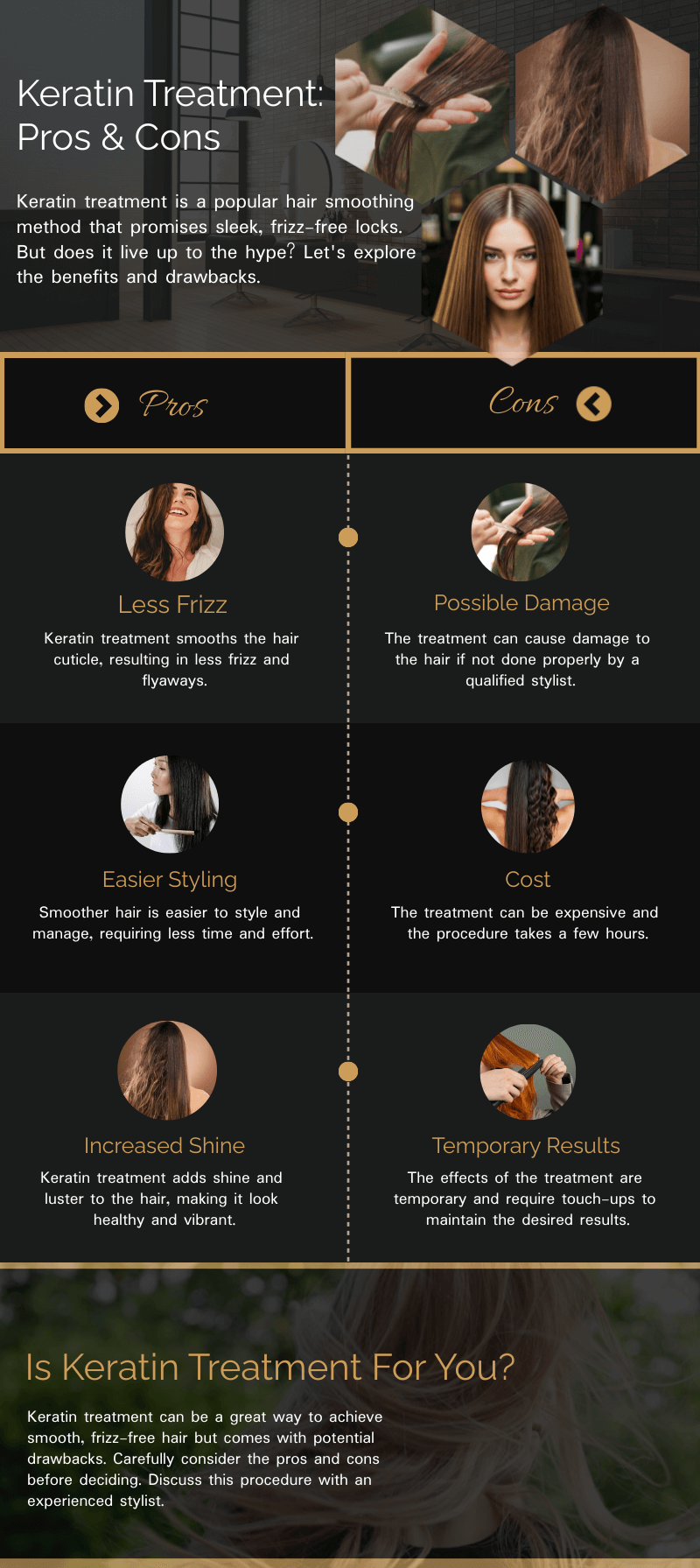
Pros Of Keratin Treatments For High Porosity Hair
- Smoother Cuticle: Keratin fills in gaps in the cuticle, making hair feel smoother and less rough. This can reduce the “snagging” feeling you get when running your fingers through your hair.
- Reduced Frizz: The smoothing effect of keratin helps to control frizz, which is a common complaint with high porosity hair. This is especially noticeable in humid or rainy weather.
- Easier Styling: Treated hair is often easier to detangle and style, saving you time. Many people find that blow-drying or flat ironing takes less effort.
- Shine and Softness: Many people notice that their hair looks shinier and feels softer after treatment. This is because the cuticle is sealed, reflecting more light.
- Temporary Strengthening: By filling in weak spots, keratin can reduce breakage for a while. This can be especially helpful if your ends are splitting or if your hair tangles easily.
Some people with high porosity hair report that their hair becomes more predictable—less affected by weather, and quicker to style. For those with busy lives, this can be a big advantage.
Cons Of Keratin Treatments For High Porosity Hair
- Formaldehyde Risks: Many keratin treatments use formaldehyde or similar chemicals, which can cause irritation, allergic reactions, or even long-term health risks. Sensitive scalps may experience redness, itching, or burning.
- Potential Damage: High heat is used to seal the treatment, which can further damage already fragile hair. If your hair is already weak or over-processed, you may see more breakage over time.
- Moisture Balance: While keratin smooths the hair, it can also make it harder for moisture to penetrate, sometimes leading to dryness over time. You may notice your hair feels “crunchy” or less bouncy.
- Temporary Results: The effects are not permanent. Hair returns to its natural state as the treatment washes out. For high porosity hair, this can happen faster than average, especially with frequent washing.
- Expensive Maintenance: Treatments are costly, and you may need to redo them every few months. Plus, you’ll need to use special shampoos and conditioners to keep the results.
- Loss of Natural Curl: If you love your curls or waves, keratin treatments can loosen or even remove them temporarily. This can be disappointing if you prefer your natural texture.
Another detail people miss: hair often needs a “recovery period” after the treatment wears off. This means extra care, deep conditioning, and sometimes a break from heat styling.
Real-world Example
Maria had color-treated, high porosity hair that frizzed at the slightest hint of humidity. After her first keratin treatment, her hair was smooth and manageable for about three months. But after the second treatment, she noticed more split ends and dryness.
She realized that the heat and chemicals were too harsh for her already fragile hair.
Maria’s experience is common. The first treatment often brings dramatic results, but repeated treatments without proper care can cause problems. Listening to your hair and giving it time to recover is essential.
Science Behind Keratin Treatments
Understanding the science can help you make a better decision. Keratin treatments do not actually “repair” hair. They coat the hair with protein and glue the cuticle shut with heat. This creates a smoother surface but does not rebuild the internal structure.
High porosity hair may look better at first, but repeated treatments can weaken the hair if not done carefully.
Recent studies show that formaldehyde-based treatments can emit harmful fumes that are dangerous in poorly ventilated spaces. Even “formaldehyde-free” options often use ingredients that release formaldehyde when heated. This is why good ventilation and professional application are so important.
It’s also important to know that hair is made up of different types of bonds: hydrogen, salt, and disulfide bonds. While keratin treatments mainly affect the outside of the hair (the cuticle), they don’t fix broken internal bonds. This is why hair might appear healthier, but still feel weak or break easily underneath.
Another point: keratin treatments can make hair more resistant to moisture, but this can be a double-edged sword. While frizz is reduced, hair may not absorb conditioning treatments as well. Over time, this can make high porosity hair feel even drier if you don’t adjust your routine.
Are Keratin Treatments Good For High Porosity Hair?
Keratin treatments can offer short-term benefits for high porosity hair, especially if you want a smoother, more manageable look. However, the risks are higher if your hair is already damaged, colored, or chemically processed. The heat and chemicals can make problems worse if the treatment is not applied correctly or too often.
Here are two important insights many beginners miss:
- Keratin treatments do not rebuild your hair’s core strength. They only patch the outside temporarily.
- Your hair’s porosity can increase further with repeated treatments, especially if too much heat is used or aftercare is poor.
Another key fact: the success of a keratin treatment often depends on the skill of the stylist. Even small mistakes with timing, heat, or product choice can mean the difference between smooth, shiny hair and breakage.
Some people with high porosity hair find that alternating keratin treatments with protein or bond-building treatments helps maintain a balance, but this requires careful planning and expert advice.
Common Mistakes With Keratin Treatments And High Porosity Hair
Many people make these mistakes:
- Doing keratin treatments too often, thinking more is better. This can lead to over-processing, breakage, and even hair loss in extreme cases.
- Not using a professional stylist. DIY kits can be risky for high porosity hair. Mistakes with heat or product can cause uneven results or scalp burns.
- Skipping deep conditioning before and after treatments. High porosity hair needs moisture to stay flexible; skipping this step leads to dryness and brittleness.
- Not protecting hair from heat styling after the treatment, leading to more damage. Even though hair feels stronger, it can still be fragile inside.
- Ignoring product instructions, especially about waiting times and washing. Washing too soon or using the wrong shampoo can strip the treatment and make it less effective.
One more: using products with sulfates or high alcohol content after a keratin treatment can quickly undo the results and dry out your hair.
Keratin Treatment Alternatives For High Porosity Hair
If the risks of keratin treatments worry you, there are other ways to manage high porosity hair. These alternatives focus on strengthening, moisturizing, and sealing the hair without harsh chemicals or high heat.
1. Protein Treatments
Protein treatments help rebuild weak spots in the hair shaft. They work by adding extra protein to the hair, which fills in gaps and strengthens the structure. Popular options include:
- Aphogee Two-Step Protein Treatment (great for major damage)
- Olaplex No.3 Hair Perfector (for ongoing strengthening)
- DIY egg or yogurt masks (for a natural boost)
Use protein treatments once every 2-4 weeks. Too much protein can make hair brittle, so balance with moisture. If your hair feels stiff or straw-like after a protein treatment, use a moisturizing mask next time.
2. Deep Conditioning
Deep conditioners are essential for high porosity hair. Look for products with hydrolyzed proteins, ceramides, and natural oils. These ingredients help hydrate and smooth the cuticle. Apply a deep conditioner once a week and leave it on for at least 20-30 minutes with heat (a warm towel or cap works well).
Try rotating between protein and moisture-based deep conditioners to keep your hair balanced. For example, use a protein-rich mask one week, and a hydrating mask the next.
3. Bond-building Treatments
Products like Olaplex, K18, or Redken Acidic Bonding Concentrate work on the inner bonds of the hair. They help repair damage from within, not just the surface. These are especially helpful for color-treated or chemically processed hair.
Bond-builders are best used consistently—once a week for maintenance, or more often if your hair is very damaged.
4. Hot Oil Treatments
Hot oil treatments use oils like coconut, olive, argan, or avocado oil. Warm the oil, apply to damp hair, cover with a shower cap, and let it sit for 30-60 minutes. This helps seal the cuticle and adds shine.
Hot oil treatments are also a great way to give your scalp some TLC. Massage the oil gently into your scalp to boost blood flow and promote healthier growth.
5. Low-heat Smoothing
If you want less frizz without chemicals, try low-heat blowouts using a heat protectant. Use the lowest possible heat setting, and always finish with a cool shot.
A wide-tooth comb or a detangling brush can help distribute heat more evenly, reducing the risk of hot spots or damage.
6. Protective Styling
Styles like braids, twists, buns, and updos help protect hair from environmental damage and reduce moisture loss. These styles give your hair a break from daily manipulation and heat.
Protective styles can also help your hair retain length by reducing breakage at the ends. Just be careful not to pull too tightly, which can cause tension on the scalp.
7. Leave-in Conditioners And Sealants
Leave-in conditioners help lock in moisture after washing. Follow with a sealant like a light oil or butter to keep moisture in.
Try layering: apply a water-based leave-in first, then follow with oil or cream (the LOC or LCO method) to trap hydration inside.
8. Ph-balancing Rinses
Apple cider vinegar or aloe vera rinses help close the cuticle and balance the scalp’s pH. This can reduce frizz and boost shine.
Mix 1-2 tablespoons of apple cider vinegar with a cup of water, pour over hair after washing, and rinse out with cool water. This simple step can make a big difference in smoothness and manageability.
9. Avoiding Harsh Ingredients
Stay away from sulfates, drying alcohols, and heavy silicones that can build up and make hair feel coated or dry.
Read labels carefully—some shampoos and stylers contain “hidden” drying ingredients that strip moisture over time.
Comparing Keratin Treatments And Popular Alternatives
Here’s how keratin treatments compare with other popular options for high porosity hair:
| Treatment Type | Main Benefit | Main Risk | Duration | Maintenance |
|---|---|---|---|---|
| Keratin Treatment | Smoothness, frizz control | Heat/chemical damage | 2-6 months | High |
| Protein Treatment | Strengthens hair | Over-proteinization | 1-2 weeks | Medium |
| Deep Conditioning | Moisture & softness | Product buildup | Weekly | Low |
| Bond-Building | Repairs bonds | Cost | Weekly | Medium |
| Hot Oil | Shine & cuticle sealing | Greasy if overused | Weekly | Low |
Real-life Results: What People Experience
Many with high porosity hair see improved manageability after their first keratin treatment. For example, one study showed that 70% of users noticed less frizz and easier detangling for the first 8-12 weeks. However, up to 35% reported increased dryness or breakage after repeated treatments, especially if their hair was already color-treated or relaxed.
Some users find that regular deep conditioning and bond-building products give similar smoothness and shine, but with less risk of long-term damage.
Another real insight: some people combine treatments for best results. For example, alternating between deep conditioners, hot oil treatments, and the occasional protein or bond-builder can create a routine that strengthens and smooths without harsh chemicals.
A common beginner mistake is expecting instant transformation from alternatives. While keratin treatments offer immediate results, alternatives often take several weeks of consistent use to show full benefits. Patience and routine are important for lasting improvement.
Long-term Care For High Porosity Hair
Whether you choose keratin treatments or alternatives, long-term care is key. High porosity hair needs a mix of protein and moisture, gentle handling, and protection from heat and chemicals.
Tips For Healthier High Porosity Hair
- Limit heat styling to once a week or less, and always use a heat protectant. Too much heat can worsen porosity over time.
- Sleep on a silk or satin pillowcase to reduce friction and moisture loss. Cotton can pull moisture out of your hair while you sleep.
- Trim split ends every 6-8 weeks. This keeps hair looking healthy and prevents splits from moving up the hair shaft.
- Use a clarifying shampoo once a month to remove buildup, but follow with deep conditioning. Buildup can block moisture, making treatments less effective.
- Protect from UV and pollution by wearing hats or using leave-in sprays with UV filters. Sun and air pollution can lift the cuticle and worsen dryness.
- Gently detangle with a wide-tooth comb when hair is wet and coated with conditioner. This helps avoid breakage.
A non-obvious tip: try “pre-pooing” (applying oil or conditioner before shampooing) to reduce moisture loss during washing.
Credit: societesalons.com
When To Avoid Keratin Treatments
There are times when keratin treatments are not a good idea for high porosity hair:
- If your hair is very damaged, breaking, or has been bleached multiple times.
- If you have scalp conditions like eczema, psoriasis, or open sores.
- If you are pregnant or sensitive to strong odors/chemicals.
- If you want to keep your natural curl pattern.
- If you have fine hair that’s easily weighed down.
In these cases, focus on gentle strengthening and moisture-boosting treatments instead.
How To Choose The Best Solution For Your Hair
Choosing between a keratin treatment and alternatives depends on your goals, hair history, and willingness to maintain results.
Ask yourself:
- Do I want straight, sleek hair, or do I want to enhance my natural texture?
- Am I willing to avoid sulfates, saltwater, and chlorine after a keratin treatment?
- Can I afford regular salon visits, or do I prefer at-home care?
- Is my hair strong enough to handle heat and chemicals?
- Do I have the patience to stick with a routine using alternatives?
Sometimes, a combination works best. For example, using deep conditioners and bond-builders most of the year, and getting a keratin treatment for special occasions or during humid seasons.
Keratin Treatment Aftercare For High Porosity Hair
If you decide to get a keratin treatment, aftercare is crucial to prevent further damage.
Aftercare Steps
- Wait to wash: Don’t wash your hair for at least 48-72 hours after treatment. This gives the keratin time to fully bond.
- Use sulfate-free shampoo: This helps the treatment last longer and avoids stripping hair.
- Avoid tight hairstyles: Don’t tie or pin your hair tightly for the first few days. Creases can become semi-permanent.
- Limit heat styling: Even after treatment, keep heat low and use protectant sprays.
- Deep condition regularly: Prevent dryness by using a mask once a week.
- Protect from salt and chlorine: Wear a cap when swimming. Salt and chlorine can break down the keratin coating.
- Sleep on silk or satin: This reduces friction and keeps hair smooth.
- Watch for dryness: If your hair feels dry, add a lightweight leave-in or serum to keep ends soft.
Remember, aftercare is just as important as the treatment itself. Neglecting these steps can reverse the benefits quickly.
Key Ingredients To Look For In Alternatives
If you’re using alternatives, certain ingredients are especially helpful for high porosity hair:
- Hydrolyzed protein: Penetrates the hair shaft and strengthens from within.
- Ceramides: Help rebuild the cuticle layer.
- Argan oil: Adds shine and smoothness.
- Shea butter: Seals in moisture.
- Aloe vera: Soothes and hydrates without weighing hair down.
- Panthenol (Vitamin B5): Improves moisture retention.
- Honey or glycerin: Draw moisture into the hair (especially in moderate climates).
Avoid heavy mineral oil or petrolatum, as these can block moisture from entering or leaving the hair.
Comparing Costs: Keratin Treatments Vs. Alternatives
Cost can be a big factor in your decision. Here’s a breakdown:
| Treatment | Salon Price (avg.) | At-Home Price (avg.) | Lasts For |
|---|---|---|---|
| Keratin Treatment | $250-500 | $30-70 (kits) | 2-6 months |
| Protein Treatment | $40-80 | $5-30 | 2-4 weeks |
| Bond-Building | $100-200 | $28-60 | 2-4 weeks |
| Deep Conditioning | $30-60 | $10-40 | 1 week |
Keratin treatments are the most expensive and require salon visits. Alternatives are more affordable and can often be done at home.
Remember, the cost of aftercare (special shampoos, conditioners, masks) adds up. Factor this into your decision.
Environmental And Health Considerations
Keratin treatments, especially those with formaldehyde, can impact your health and the environment. Fumes are released during the process, which can irritate eyes, skin, and lungs. Salons must use good ventilation and protective gear. Some areas restrict or ban formaldehyde-based treatments for safety reasons.
Plant-based and protein treatments are generally safer for you and the planet. Look for products labeled “formaldehyde-free,” “cruelty-free,” and “biodegradable” where possible.
For more details on the risks of formaldehyde in hair treatments, see this FDA advisory.

Credit: salonsuitesboca.com
Expert Opinions On Keratin Treatments For High Porosity Hair
Most stylists agree that keratin treatments can help with frizz and manageability, but they are not a cure-all. Experts suggest that people with high porosity hair should:
- Try less aggressive treatments first (protein, bond-building, deep conditioning).
- Limit keratin treatments to 1-2 times per year.
- Always use a reputable salon with good ventilation.
- Focus on long-term hair health, not just short-term smoothness.
Many stylists also recommend getting a strand test before a full treatment, especially if your hair is colored or chemically processed. This helps avoid major damage if your hair reacts poorly.
Frequently Asked Questions
What Is The Main Difference Between Keratin And Protein Treatments?
Keratin treatments use protein and chemicals to smooth and seal hair, while protein treatments simply add protein to strengthen hair. Keratin treatments last longer but involve heat and chemicals. Protein treatments are shorter-lasting but safer for frequent use.
Can I Do A Keratin Treatment At Home If I Have High Porosity Hair?
Home kits are available, but they carry risks, especially for high porosity hair. Mistakes with heat or chemicals can cause breakage. Professional application is safer, especially if your hair is already fragile.
Will Keratin Treatments Make My Hair Permanently Straight?
No, keratin treatments are not permanent. They can loosen curls and waves, but hair returns to its natural state as the treatment wears off (usually 2-6 months).
How Do I Know If My Hair Is Too Damaged For A Keratin Treatment?
If your hair breaks easily, feels gummy when wet, or has been bleached several times, it may be too damaged for keratin. Always consult a stylist before doing chemical treatments.
What Is The Best Alternative To Keratin Treatments For High Porosity Hair?
The best alternative depends on your goals. For strength, try protein or bond-building treatments. For moisture, use deep conditioners and hot oils. For frizz, try low-heat blowouts or protective styles.
Keratin treatments can give high porosity hair a smoother, shinier look, but they come with real risks—especially if your hair is already fragile. Alternatives like protein, deep conditioning, and bond-building treatments may offer similar benefits with fewer downsides. Always consider your hair’s health, your goals, and your budget before making a decision.
Healthy hair is possible with the right care, patience, and the best products for your needs.

Credit: www.youtube.com