

Hair Porosity Changes After Menopause: What To Expect
Hair is deeply connected to our sense of identity and self-expression. As women age, especially after menopause, many notice their hair behaves differently. Some find it becomes drier, less shiny, and harder to style. Others are surprised by more frizz or tangles. Often, these changes are linked to a concept called hair porosity—the way your hair absorbs and holds moisture.
Menopause brings big shifts in hormone levels, especially a drop in estrogen. These hormonal changes impact more than just the skin and body; they also affect the hair’s structure and health. Understanding how hair porosity changes after menopause is key to caring for your hair in this new stage of life.
Knowing what to expect and how to adapt your hair care routine can help you feel confident and comfortable, even as your hair changes.
Let’s explore what hair porosity really means, why menopause changes it, the signs to look for, and what you can do to keep your hair healthy and manageable.
Understanding Hair Porosity
Before looking at changes after menopause, it’s important to understand what hair porosity is. In simple words, porosity describes how easily your hair takes in and holds moisture, oils, and products.
Hair has three layers:
- Cuticle: The outer layer, made of flat cells that overlap like roof shingles.
- Cortex: The middle part, giving hair its strength, color, and texture.
- Medulla: The innermost layer (not always present in fine hair).
Porosity depends mostly on the cuticle. If the cuticle is flat and tight, moisture has a harder time getting in or out. If the cuticle is lifted or damaged, hair absorbs water and products more easily, but also loses moisture faster.
There are three main types of porosity:
- Low porosity: Cuticle is tightly packed. Hair resists moisture and products.
- Normal (medium) porosity: Cuticle is slightly open. Hair holds moisture well.
- High porosity: Cuticle is raised or has gaps. Hair soaks up moisture quickly but loses it just as fast.
Porosity can be natural (genetic), but it also changes with age, chemical treatments, and environmental damage.
How Menopause Affects Hair Structure
Menopause is defined as the end of menstrual cycles, usually occurring between ages 45 and 55. The most important change is a drop in estrogen and progesterone. These hormones play a key role in hair growth and health.
Here’s what happens during and after menopause:
- Estrogen drops: Estrogen keeps hair in its growth phase longer. When it falls, more hair shifts into the resting or shedding phase.
- Testosterone becomes more dominant: This can shrink hair follicles, making hair finer and sometimes leading to thinning.
- Sebum production decreases: Sebum is the scalp’s natural oil. Less sebum means drier hair.
These changes affect not just the amount and thickness of hair, but also the structure of the cuticle. This leads to changes in porosity.
Hair Porosity Changes After Menopause
The most common shift after menopause is an increase in hair porosity. Here’s how and why it happens:
Cuticle Becomes More Fragile
With less estrogen, hair loses some of its natural protective oils. The cuticle, which is already thin, can become rough and more easily damaged. This creates small gaps or holes, making hair more porous.
Moisture Loss Increases
High-porosity hair takes in water and product quickly, but cannot hold onto it for long. Many women notice their hair feels dry shortly after washing or applying conditioner. It may also feel rough or look dull.
Protein Loss
The cortex, which gives hair strength, can also be affected. A weaker cortex means the cuticle has less support, increasing porosity and making the hair more vulnerable to breakage.
Impact Of Environmental Factors
Sun, wind, heat styling, and chemical treatments can speed up these changes. After menopause, hair is less able to repair itself, so damage builds up faster.
Changes In Hair Texture
Some women find their hair becomes curlier or frizzier, which is often related to increased porosity. Others may notice more tangling or matting, since high-porosity hair catches on itself easily.
Signs Your Hair Porosity Has Changed
It’s not always obvious that your hair’s porosity has changed. But there are some clear signs, especially after menopause:
- Dryness: Hair feels dry, even after conditioning or oiling.
- Frizz: More frizz and flyaways, especially in humid or rainy weather.
- Lack of Shine: Hair looks dull, not glossy.
- Breakage: More hair snapping or breaking, especially when brushing or styling.
- Tangles: Hair gets knotted easily and feels rough to the touch.
- Fast Water Absorption: Hair soaks up water quickly in the shower but also dries fast.
- Product Build-up: Products seem to sit on top of the hair instead of absorbing.
The Water Test
A simple way to check your hair’s porosity is the water float test:
- Take a clean, dry strand of hair and drop it into a glass of water.
- Wait 2-4 minutes.
- If it floats: Likely low porosity
- If it sinks slowly: Normal porosity
- If it sinks quickly: High porosity
Remember, this test is only a guide. Your hair may have different porosity in different areas.
What To Expect: Day-to-day Changes In Hair After Menopause
Everyone’s experience is unique, but most women can expect some common changes in hair porosity and health after menopause.
Increased Dryness
With less sebum and increased porosity, hair loses moisture more quickly. You may find you need to use heavier conditioners or oils, or wash your hair less often.
Texture Shifts
Some women notice their straight hair becomes wavy or curly, while curly hair may become more unruly. This is often due to the way the cuticle changes shape and lets in (or loses) moisture.
More Frizz And Flyaways
Porous hair struggles to hold onto moisture, so it tries to absorb water from the air. This leads to frizz, especially in humid climates.
Thinning And Breakage
High-porosity hair is weaker and more prone to split ends and breakage. You may notice more hair on your brush or pillow.
Color Changes
Gray or white hair, which becomes more common after menopause, is naturally more porous. This means it can stain easily from products, pollution, or even water minerals.
Slower Hair Growth
Not directly related to porosity, but important: hair often grows more slowly after menopause. This means damage takes longer to grow out.
Comparing Hair Porosity Before And After Menopause
To help visualize the changes, see the comparison below:
| Hair Property | Before Menopause | After Menopause |
|---|---|---|
| Porosity | Normal or low | Often higher |
| Moisture retention | Good | Poor |
| Shine | Glossy | Dull |
| Strength | Strong | Weaker, prone to breakage |
| Texture | Smooth | Rough, frizzy |
| Elasticity | Flexible | Less elastic |
| Color | Natural pigment | Gray/white, more porous |

Credit: curlkalon.com
Why Does Hair Porosity Increase After Menopause?
The main reason is hormonal change. But there are several specific factors at play:
Estrogen And Hair Health
Estrogen helps keep the scalp healthy and the hair cuticle smooth. Without enough estrogen, the scalp produces less oil, and the cuticle becomes rougher. This makes it easier for moisture to escape and for the hair to become damaged.
Age-related Changes
As we age, the body produces less collagen and keratin, the building blocks of hair. The cuticle and cortex weaken, making hair more fragile and porous.
Increased Environmental Damage
Older hair is more sensitive to UV rays, pollution, and chemical exposure. These factors further lift the cuticle and create gaps.
Gray Hair And Porosity
Melanin, the pigment that gives hair its color, also helps protect it. Gray or white hair lacks melanin, making it naturally more porous and sensitive to damage.
Managing High Porosity Hair After Menopause
If your hair has become more porous after menopause, the right care can make a big difference. Here are practical ways to manage and improve high-porosity hair.
1. Gentle Cleansing
Avoid harsh shampoos with sulfates or strong detergents. These strip away the little natural oil your scalp still produces. Choose a sulfate-free, moisturizing shampoo. Wash less often—maybe every 3-5 days, or as needed.
2. Deep Conditioning
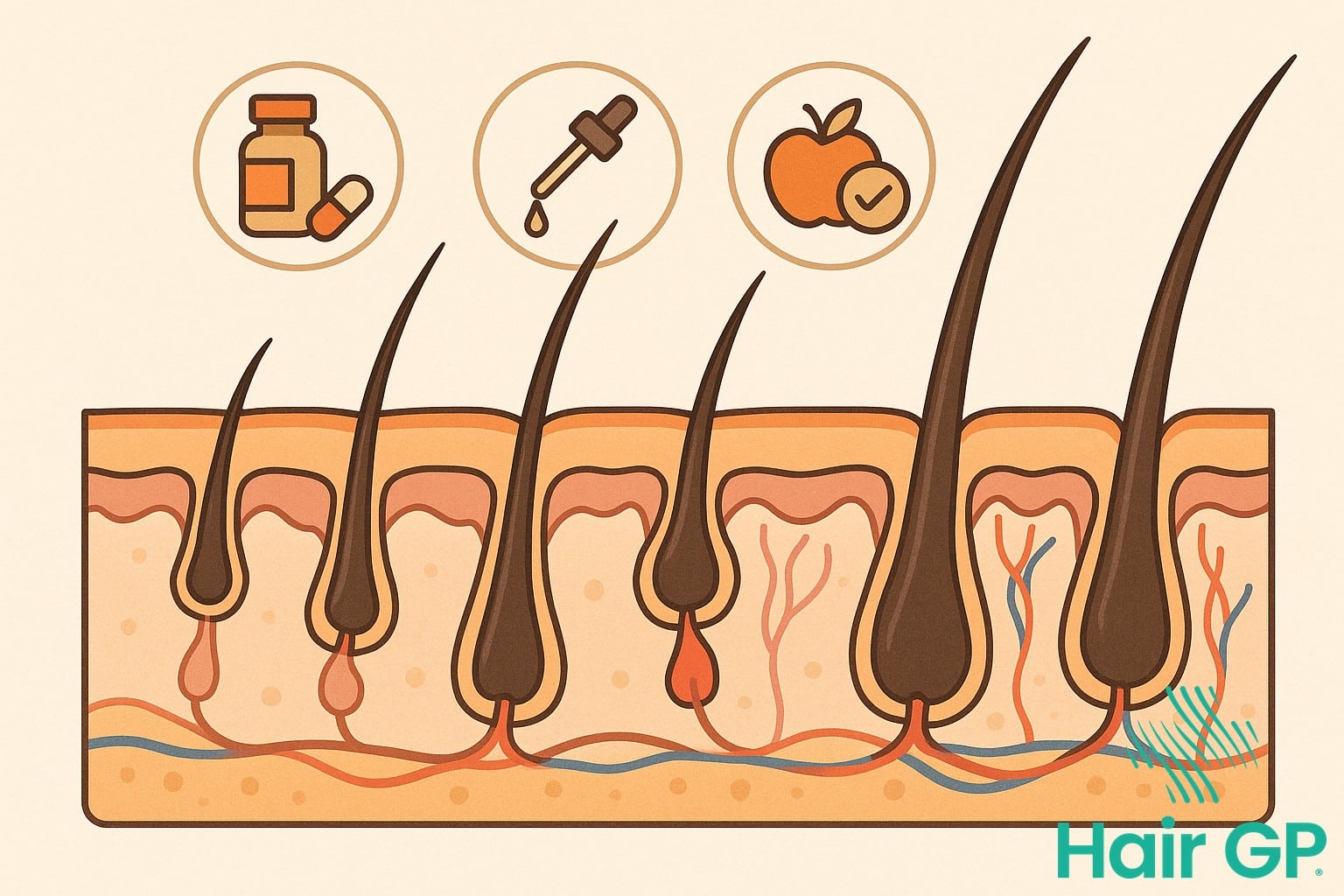
Porous hair needs more moisture. Use a deep conditioner or hair mask at least once a week. Look for ingredients like shea butter, coconut oil, argan oil, and keratin.
3. Protein Treatments
Protein helps fill in gaps in the cuticle. Use a protein-rich treatment every 2-4 weeks, but don’t overdo it—too much protein can make hair stiff.
4. Leave-in Conditioners
After washing, apply a leave-in conditioner or moisturizing cream. This helps lock in moisture and smooth the cuticle.
5. Oils And Serums
Natural oils like argan oil and jojoba oil can seal the cuticle and prevent moisture loss. Apply a small amount to damp hair, focusing on the ends.
6. Reduce Heat Styling
Heat damages the cuticle, making porosity worse. Air-dry your hair when possible. If you use a blow dryer, use a low heat setting and a heat protectant spray.
7. Avoid Chemical Treatments
Perms, relaxers, and coloring can lift the cuticle further. If you color your hair, use gentle, ammonia-free dyes and follow with deep conditioning.
8. Protect From The Sun
UV rays weaken the cuticle. Wear a hat or use a hair product with UV protection when outside for long periods.
9. Use Silk Or Satin Pillowcases
Cotton pillowcases pull moisture from hair and cause friction. Silk or satin keeps hair smoother and reduces breakage.
10. Trim Regularly
Split ends travel up the hair shaft if not trimmed. Get regular trims every 8-12 weeks to keep ends healthy.
11. Balance Moisture And Protein
Porous hair needs both moisture and protein. Pay attention to how your hair responds—if it feels mushy, it may need protein; if it’s stiff or brittle, add more moisture.
12. Avoid Over-washing
Washing too often removes natural oils. Try spacing out washes and using dry shampoo or simply rinsing with water between washes.
13. Use Water Filters
Hard water has minerals that build up on hair, making it even more porous and dull. A shower filter can help.
14. Scalp Care
A healthy scalp leads to healthier hair. Use gentle scalp massages and avoid scratching. If your scalp is dry, use a light oil or scalp serum.
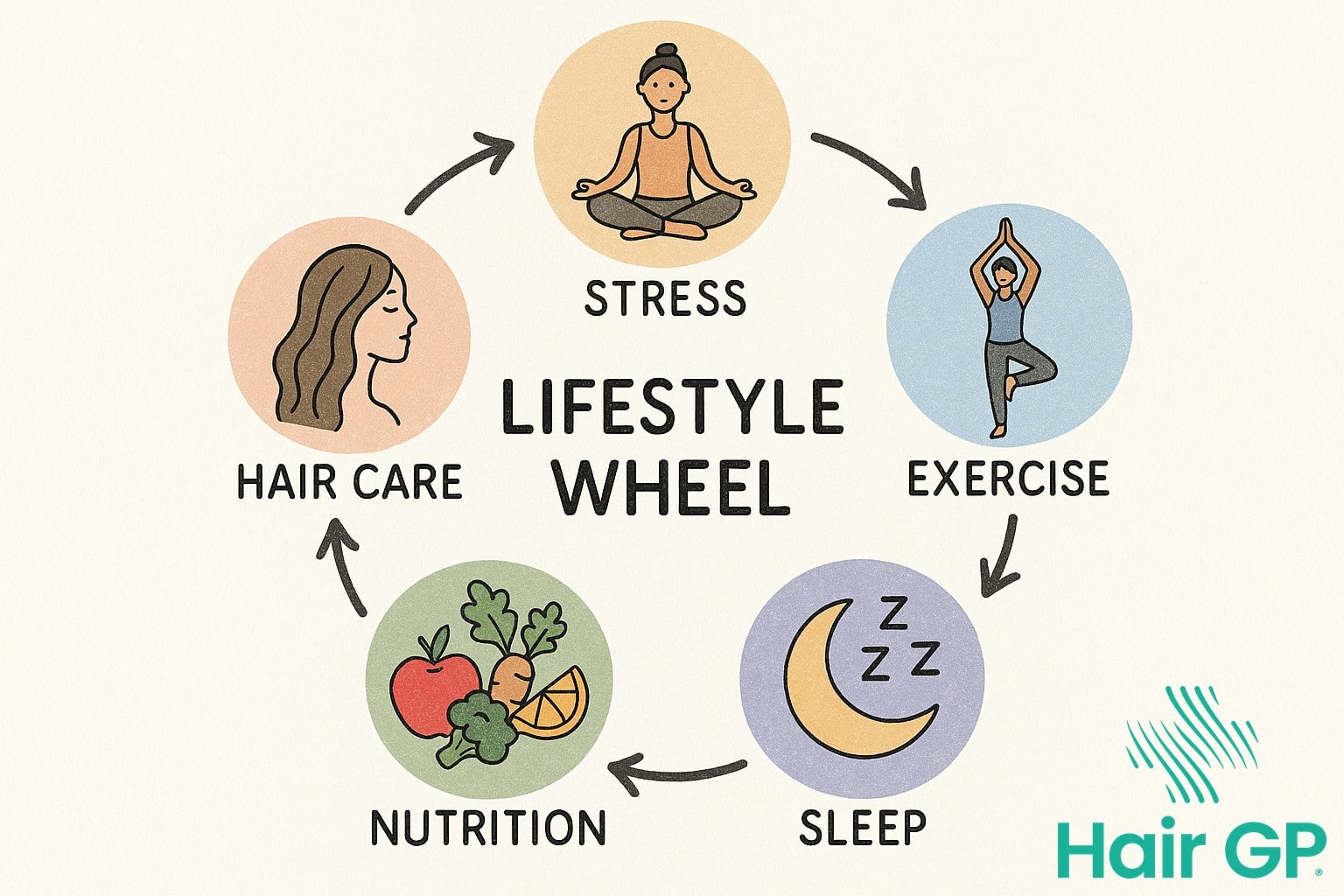
15. Adjust Your Diet
Nutrients like biotin, zinc, vitamin E, and omega-3 fatty acids support hair health. Eat a balanced diet rich in fruits, vegetables, and healthy fats.
Credit: hairgp.co.uk
The Role Of Products In Managing Post-menopausal Hair Porosity
Choosing the right products is essential. Here’s a comparison of common ingredients and their effect on high-porosity hair:
| Ingredient | Benefit | Possible Downside |
|---|---|---|
| Shea Butter | Seals moisture, adds softness | Can be heavy for fine hair |
| Coconut Oil | Penetrates hair shaft, reduces protein loss | May cause buildup if overused |
| Silicones | Smooths cuticle, adds shine | Can build up, weigh hair down |
| Hydrolyzed Protein | Fills gaps in cuticle, strengthens hair | Too much can cause stiffness |
| Argan Oil | Lightweight, adds shine and moisture | Expensive |
| Panthenol (Vitamin B5) | Draws moisture in, adds elasticity | Rarely causes buildup |
Look for products labeled “moisturizing,” “hydrating,” or “repairing. ” Avoid anything with alcohol (which dries hair) or harsh cleansers.
Tips For Adapting Your Hair Routine After Menopause
Every woman’s hair is different, and what works for one may not work for another. But there are some key tips to help you adapt to changes in porosity:
- Listen to Your Hair: If your hair feels dry or brittle, focus on moisture. If it feels limp or mushy, add some protein.
- Simplify Your Routine: You don’t need a dozen products. Often, a gentle shampoo, deep conditioner, and oil or serum are enough.
- Be Patient: Changes don’t happen overnight. Give new routines or products at least 3-4 weeks before judging results.
- Protect Hair When Sleeping: Use a silk scarf or bonnet to prevent friction.
- Consult a Professional: If you’re unsure, a dermatologist or trichologist can help you understand your hair’s needs.
- Adjust for Climate: In humid weather, use anti-humidity serums. In dry climates, focus on deep hydration.
- Avoid Tight Styles: Tight ponytails or braids can cause breakage on fragile, porous hair.
- Stay Gentle: Use wide-tooth combs and avoid brushing wet hair.
- Monitor Scalp Health: Itchy, flaky, or red scalp may need special care.
- Celebrate Your Hair: Embrace the changes—gray, silver, or white hair can look beautiful and elegant.
Common Mistakes To Avoid
Many women unknowingly make mistakes that make high-porosity hair worse after menopause. Watch out for these:
- Overusing protein treatments: Too much protein causes stiffness and breakage.
- Using harsh shampoos: Sulfates strip needed oils.
- Skipping trims: Split ends worsen over time.
- Applying heavy products to fine hair: This leads to greasy, weighed-down hair.
- Ignoring scalp health: A healthy scalp means better hair growth.
- Neglecting sun protection: UV rays damage the cuticle.
- Washing too often: This removes protective oils.
Real-life Examples: Hair Journeys After Menopause
Learning from the experiences of others can be helpful. Here are two real stories (names changed):
Anna, Age 56
Anna noticed her hair became much drier and frizzier after menopause. She tried using the same shampoo and conditioner as before, but it didn’t help. After reading about porosity, she switched to a gentle cleanser and started deep conditioning weekly.
She also added argan oil to her ends. Over a few months, her hair felt softer and looked shinier. She now washes her hair every 5 days instead of daily and avoids using her flat iron unless necessary.
Linda, Age 62
Linda’s hair turned gray and started thinning after menopause. She loved coloring her hair but noticed it broke easily. Her stylist explained that gray hair is more porous. Linda switched to an ammonia-free dye and started using a protein treatment once a month.
She also wears a hat outdoors. Her hair is now much easier to manage, and she has fewer split ends.
Credit: hairgp.co.uk
The Science: What Research Says About Hair And Menopause
Recent studies confirm that menopause changes hair structure and porosity. Research published in the *International Journal of Trichology* found that post-menopausal women have:
- More porous hair cuticles
- Increased hair thinning
- Reduced hair growth rate
Another review in *Dermatologic Clinics* reported that up to 60% of women notice significant hair changes within 5 years of menopause. The biggest changes include dryness, fragility, and dullness—all linked to cuticle damage and higher porosity.
A non-obvious insight: Genetics play a role, but lifestyle and hair care are just as important. Women who protect their hair from heat and sun, eat a balanced diet, and use gentle products often have healthier hair post-menopause, regardless of their genetic background.
How To Test And Monitor Hair Porosity Over Time
Because porosity can change, it’s helpful to check it every few months, especially if you notice changes in your hair’s behavior.
- Try the float test as described earlier.
- Pay attention to how products absorb. If your conditioner soaks in instantly, your hair may be more porous.
- Notice how your hair feels after drying. If it’s rough or loses moisture quickly, porosity is likely high.
- Watch for changes after new treatments, coloring, or exposure to sun and wind.
If you’re unsure, a professional stylist can examine your hair under a microscope to check the cuticle.
Nutritional Support For Post-menopausal Hair
What you eat affects your hair’s health. After menopause, focus on these nutrients:
- Protein: Hair is made of keratin, a protein. Eat lean meats, beans, eggs, and nuts.
- Biotin: Supports growth and strength. Found in eggs, nuts, and whole grains.
- Omega-3 fatty acids: Help keep hair hydrated. Eat fatty fish, flaxseeds, and walnuts.
- Zinc: Supports scalp health. Found in shellfish, seeds, and legumes.
- Vitamin E: Antioxidant that helps protect hair. Found in seeds, nuts, and leafy greens.
- Iron: Prevents hair thinning. Red meat, spinach, and lentils are good sources.
Drink plenty of water to keep hair and scalp hydrated.
When To See A Doctor
Some changes in hair porosity and health are normal after menopause. But see a doctor if you notice:
- Sudden or patchy hair loss
- Red, inflamed, or painful scalp
- Hair breaking off close to the scalp
- Signs of infection (pus, sores, severe itching)
These could signal medical issues like alopecia areata, scalp infections, or hormonal imbalances that need treatment.
Embracing Your Hair After Menopause
Your hair may never be exactly the same as before menopause, and that’s okay. Embracing the changes can make caring for your hair feel less like a struggle and more like self-care. Many women find that with the right routine and mindset, their post-menopausal hair is healthier and more beautiful than ever.
Don’t be afraid to experiment. Try new styles, colors, or cuts. If you’ve always worn your hair long, consider a shorter, layered cut to reduce tangles and breakage. Or, if you love your silver hair, use a purple shampoo to keep it bright and vibrant.
Remember, you’re not alone. Millions of women go through these changes. Support, advice, and even inspiration can be found in women’s groups, online forums, or with a trusted stylist.
Frequently Asked Questions
What Is The Biggest Reason For Increased Hair Porosity After Menopause?
The main reason is the drop in estrogen. Estrogen keeps hair strong and helps the scalp produce oil. When estrogen levels fall, the hair cuticle becomes weaker and more porous, leading to dryness and breakage.
Can I Reverse High Hair Porosity After Menopause?
You can’t fully reverse high porosity if it’s due to aging or genetics, but you can manage it. Using deep conditioners, oils, and gentle hair care methods helps fill cuticle gaps and keep moisture in.
Is Gray Hair Always More Porous?
Yes, gray and white hair are naturally more porous because they lack melanin. This pigment not only gives color but also helps protect hair from damage. Gray hair needs extra moisture and protection from sun and pollution.
How Often Should I Trim My Hair After Menopause?
For most women, trimming every 8-12 weeks helps prevent split ends and breakage. If your hair is very fragile or you style it often, you may need more frequent trims.
Are There Medical Treatments For Menopausal Hair Changes?
There are some medical options, like topical minoxidil for thinning hair, or hormone therapy in certain cases. Talk to your doctor before starting any medication. For most women, good hair care and nutrition are the best first steps. For more information, visit American Academy of Dermatology.
Taking care of your hair after menopause doesn’t need to be a struggle. By understanding how porosity changes and adapting your routine, you can keep your hair looking and feeling its best—at every age.