

Many people want beautiful, healthy hair. But with so many hair care products on the market, it can be confusing to know what your hair actually needs. One term that often comes up is “protein-free.” You might see shampoos, conditioners, and styling creams labeled as protein-free hair products. But what does that mean? And why would someone need to avoid protein in their hair routine? If you’ve ever wondered about this, you’re not alone. Let’s take a deep look at what protein-free hair products are, why they matter, and how you can decide if they’re right for you.
What Are Protein-free Hair Products?
Protein-free hair products are shampoos, conditioners, masks, and styling items that do not contain added proteins like keratin, wheat protein, silk protein, or soy protein. These products focus on hydration, softness, and shine without using ingredients that strengthen hair by adding protein. Instead, they often use moisturizers like aloe, glycerin, oils, or butters.
Many people think protein is always good for hair. In reality, not every hair type benefits from extra protein. Some people’s hair becomes stiff, dry, or even breaks when they use products with too much protein. That’s where protein-free options come in — they help hair stay healthy without the risk of overload.
Understanding Hair Protein And Why It Matters
Hair is mostly made of a protein called keratin. This natural protein gives your hair its structure and strength. When your hair is damaged by heat, chemicals, or the sun, the protein structure can break down. Many hair products add proteins to repair and strengthen hair. But this is not always the answer for everyone.
Protein Sensitivity
Some people have hair that is protein sensitive. This means their hair reacts badly to extra proteins. Signs of protein sensitivity include:
- Hair feels stiff, straw-like, or hard after using protein-rich products
- Hair breaks easily even with gentle handling
- Hair does not get softer, no matter how much conditioner is used
In these cases, using protein-free products can make a big difference. They focus on moisture, which helps hair stay flexible and soft.
Protein Overload
Another problem is protein overload. This happens when hair gets too much protein from shampoos, conditioners, leave-ins, and treatments. The hair becomes dry, brittle, and prone to breakage. It’s a common mistake, especially for people with curly or textured hair who often use “strengthening” products.
Non-obvious insight: Even if you use only one protein product, using it too often can cause overload. It’s not just about the amount of protein, but how often you apply it.
Common Proteins In Hair Products
To avoid protein overload, it helps to know what to look for on product labels. Common protein ingredients include:
- Hydrolyzed keratin
- Hydrolyzed wheat protein
- Silk protein
- Soy protein
- Collagen
- Oat protein
- Milk protein
If you see these in the ingredient list, the product contains added protein. Protein-free products avoid these ingredients and focus on moisturizing agents.
When Should You Use Protein-free Hair Products?
Not everyone needs protein-free products, but certain hair types and situations benefit from them. Here’s when you might need them:
1. If You Have Protein-sensitive Hair
Some hair types, especially low porosity and fine hair, are more likely to react negatively to protein. If your hair feels worse after using protein products, try switching to protein-free formulas.
2. During Moisture Treatments
If your hair is dry, frizzy, or lacking shine, you need moisture rather than strength. Protein-free masks and conditioners deliver hydration without stiffness.
3. After A Protein Treatment
Protein treatments are strong. After using one, your hair needs a break from more protein. Use protein-free products to balance your routine.
4. For Low Porosity Hair
Low porosity hair has a tight cuticle layer. This makes it hard for moisture and protein to enter. Protein can build up on this type of hair, making it stiff. Protein-free products focus on hydration, which is what low porosity hair needs.
5. For Children’s Hair
Children’s hair is often soft and does not need extra strength. Protein-free products are gentle and keep young hair healthy.
6. If You Experience Protein Overload
If your hair feels dry, straw-like, or breaks easily, and you use protein products often, you may have protein overload. Switching to protein-free products helps restore balance.
Non-obvious insight: Weather can also affect your hair’s protein needs. In humid climates, hair may need more moisture and less protein.
Why Would Someone Need Protein-free Hair Products?
Using protein-free hair products is not just a trend. There are real reasons some people should avoid protein, or at least limit it.
Hair Health And Balance
Healthy hair needs a balance of protein and moisture. Too much protein and not enough moisture make hair stiff and brittle. Too much moisture and not enough protein make hair weak and stretchy. Protein-free products help restore moisture balance.
Personal Sensitivities And Allergies
Some people are allergic to certain proteins, especially wheat or milk proteins. Protein-free products are safer for these people.
Specific Hair Goals
If you want soft, bouncy, or flexible hair, protein-free formulas often help more than protein-rich ones. They’re also good for color-treated hair, which can be more sensitive to protein.
How To Tell If You Need Protein-free Hair Products
It’s not always obvious if you need to avoid protein. Here’s how you can tell:
- Check your hair’s reaction after using a protein product. Does it feel softer and stronger, or hard and dry?
- Look for signs of protein overload: Dryness, breakage, lack of shine, and stiff texture.
- Try the stretch test: Wet a strand of hair and gently stretch it. If it snaps quickly, you might need more moisture (protein-free products). If it stretches a lot and breaks, you might need more protein.
- Review your product routine. If most products you use contain protein, try switching to protein-free for a few weeks and see if your hair improves.
Common Myths About Protein-free Hair Products
Many myths surround protein-free hair products. Here’s what you need to know:
Myth 1: All Hair Needs Protein All The Time
Not true. Hair needs both protein and moisture, but the balance depends on your hair type, how often you use heat, and chemical treatments.
Myth 2: Protein-free Means Weaker Hair
Wrong. Protein-free products can make hair stronger by improving moisture and flexibility. Stiff hair breaks more easily than soft, hydrated hair.
Myth 3: Only Curly Hair Needs Protein-free Products
Any hair type can benefit from protein-free products, not just curly or textured hair.
Myth 4: You Will Lose Curl Definition Without Protein
Moisture is just as important for curls as protein. Sometimes, too much protein can actually make curls lose their bounce.
Myth 5: All Natural Oils Are Protein-free
Some oils, like coconut oil, can mimic the effects of protein by making hair feel stiffer. Not all oils are the same.
How To Build A Protein-free Hair Routine
Switching to a protein-free routine is simple, but you need to pay attention to every step. Here’s how:
Step 1: Clarify Your Hair
Start with a clarifying shampoo to remove old product build-up, including protein residues. This gives your hair a fresh start.
Step 2: Choose Protein-free Shampoo
Look for shampoos that focus on hydration, with ingredients like aloe vera, glycerin, or panthenol.
Step 3: Use Protein-free Conditioner
Conditioners should contain moisturizing agents, not proteins. Look for shea butter, coconut milk, jojoba oil, or argan oil.
Step 4: Apply A Moisturizing Mask
Once a week, use a protein-free deep conditioner or hair mask to boost moisture.
Step 5: Style With Protein-free Products
Choose leave-in conditioners, creams, and gels without protein ingredients. Read labels carefully.
Step 6: Protect Your Hair
Limit heat styling and use silk or satin accessories to prevent dryness and breakage.
Step 7: Monitor Your Hair’s Response
Pay attention to how your hair feels. If it’s soft, shiny, and flexible, your routine is working.
Practical tip: Rotate products in your routine — even if they are protein-free — to avoid buildup and keep hair balanced.
Comparing Protein-free Vs. Protein-rich Products
It’s helpful to compare the main differences between protein-free and protein-rich hair products. Here is a quick side-by-side look:
| Feature | Protein-Free Products | Protein-Rich Products |
|---|---|---|
| Main Benefit | Moisture, softness, flexibility | Strengthening, repair |
| Best For | Protein-sensitive, low porosity, dry hair | Damaged, high porosity, weak hair |
| Key Ingredients | Oils, butters, humectants | Keratin, silk, wheat, soy proteins |
| Signs You Need It | Dryness, stiffness, breakage from protein overload | Weakness, limpness, high elasticity |
| Common Products | Moisturizing shampoos and conditioners | Strengthening masks, reconstructors |
Key Ingredients In Protein-free Hair Products
Protein-free formulas use ingredients that hydrate, nourish, and soften hair without adding protein. Here are some common ones:
- Aloe vera: Soothes scalp and adds moisture
- Glycerin: Attracts water to hair for lasting hydration
- Shea butter: Seals in moisture and adds shine
- Coconut milk: Moisturizes without stiffening hair
- Jojoba oil: Mimics natural scalp oils, non-greasy
- Argan oil: Adds softness and protects from damage
- Panthenol (Pro-vitamin B5): Improves hair’s elasticity and hydration
These ingredients focus on hydration and shine, not on making hair harder or “stronger” with protein.
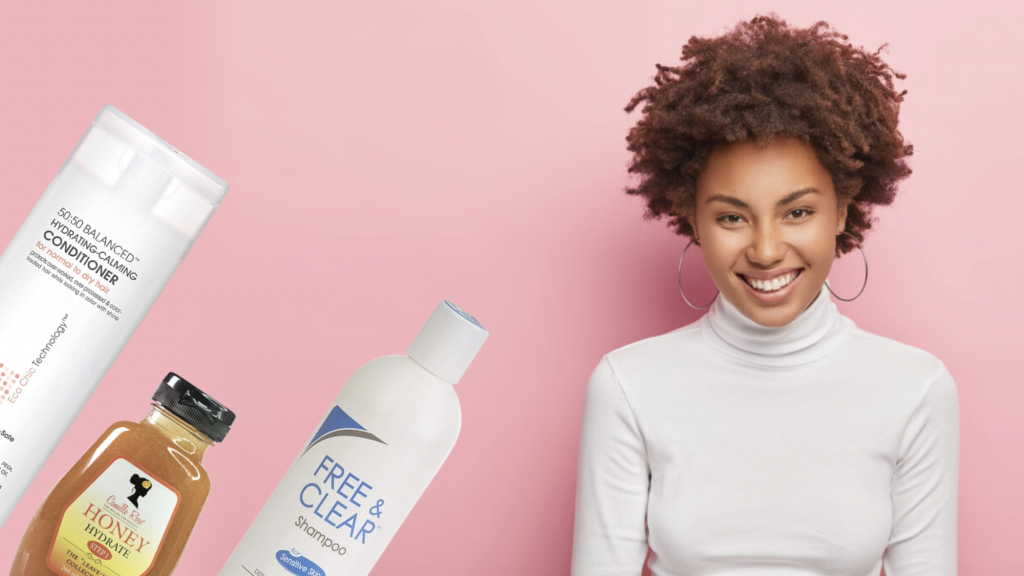
Credit: blackhairinformation.com
How To Read Hair Product Labels For Protein-free Choices
Reading ingredient labels is key to finding the right hair products. Here’s a step-by-step approach:
- Scan for protein words: Look for “hydrolyzed” anything, “keratin,” “collagen,” “silk,” “soy,” “wheat,” “oat,” “milk protein.”
- Spot moisturizing ingredients: Seek aloe, glycerin, panthenol, oils, and butters.
- Check the first five ingredients: These make up most of the product’s formula. If you see protein names here, skip it.
- Watch for hidden proteins: Some ingredients like “amino acids” or “coconut oil” can mimic protein effects. If your hair is very sensitive, test new products carefully.
Pro tip: Not all “natural” products are protein-free. Always check the ingredients, even with brands that advertise as gentle or organic.
Popular Protein-free Hair Product Types
There are many types of protein-free hair products. Here are some of the most common:
Shampoos
Protein-free shampoos focus on gentle cleansing and moisture. They are ideal for daily or frequent washing.
Conditioners
These provide slip for detangling and hydrate without making hair stiff. Good for all hair types.
Deep Conditioners
These masks offer intense moisture for dry, brittle hair. Use weekly for best results.
Leave-in Conditioners
Lightweight formulas that keep hair soft and manageable throughout the day.
Styling Creams And Gels
Hold styles in place without adding protein, which can make hair crunchy.
Oils And Serums
Seal in moisture, add shine, and protect against humidity.
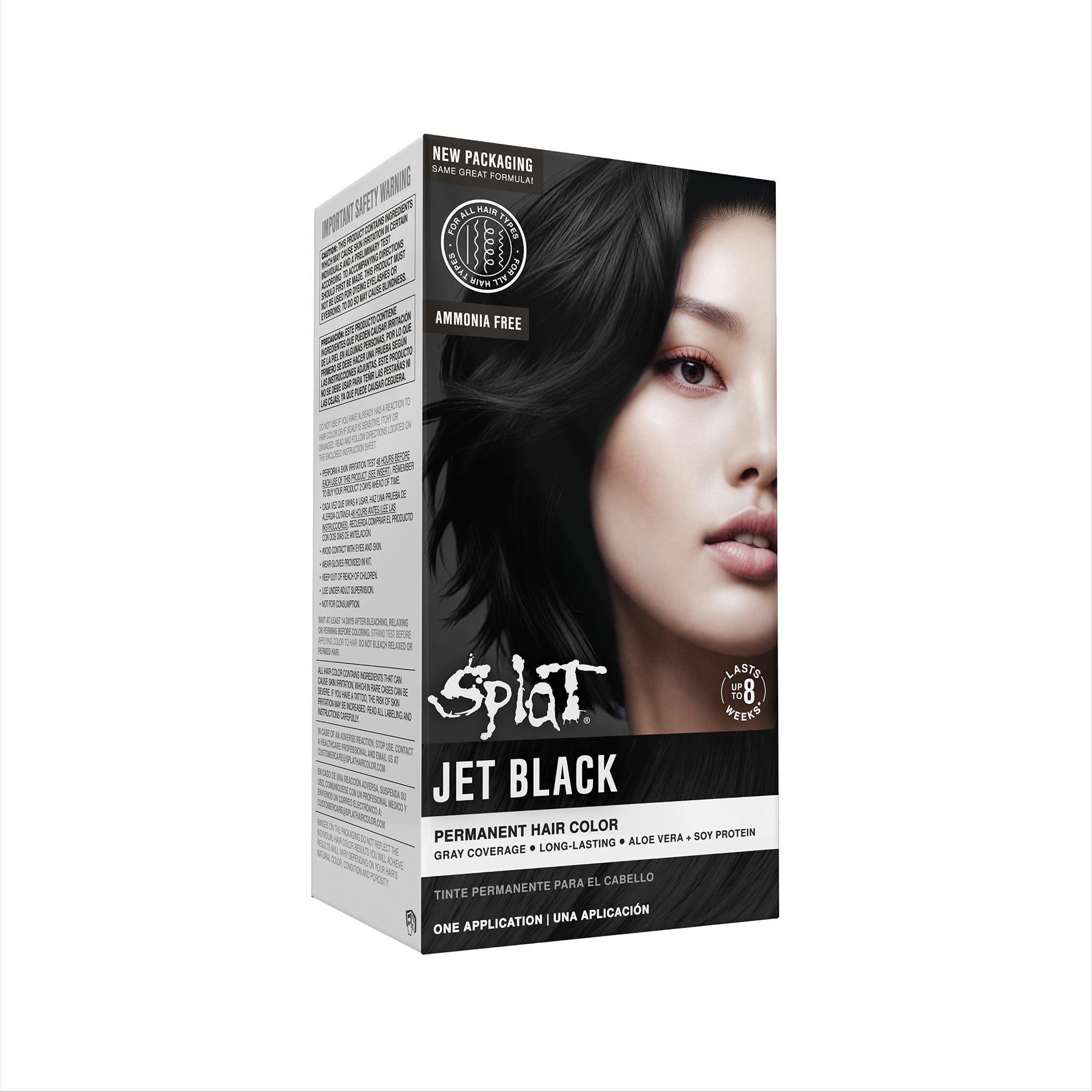
Credit: www.amazon.com
Benefits Of Switching To Protein-free Hair Products
Here’s what you can expect from a protein-free routine:
- Softer Hair Texture: Without extra protein, hair feels less stiff and more touchable.
- Less Breakage: Protein overload can cause hair to snap. Protein-free products reduce this risk.
- Improved Moisture: Hydration is the focus, which helps all hair types, especially dry or curly hair.
- Better Elasticity: Hair can stretch more without breaking.
- Shinier Appearance: Moisture brings out hair’s natural shine.
Common mistake: Many people think their hair is damaged when it is actually just overloaded with protein. Try protein-free products before turning to chemical treatments or trimming off length.
Situations Where Protein-free Products Are Essential
While anyone can use protein-free products, some situations make them essential:
- Post-coloring or chemical treatments: After relaxing, perming, or dyeing, hair is more sensitive and needs gentle care.
- During recovery from protein overload: If your hair is breaking, switch to protein-free products for at least 4 weeks.
- In humid climates: Moisture loss is common, so protein-free hydration is key.
- Children’s hair care: Young hair does not need extra protein unless damaged.
Can You Mix Protein-free And Protein-rich Products?
Balance is important in hair care. It’s possible to use both types, but you need to pay attention to your hair’s response.
| Routine Type | When to Use Protein-Free | When to Use Protein-Rich |
|---|---|---|
| Weekly Routine | Regular washes, conditioning | Once a month, if needed |
| After Chemical Treatment | Immediately after treatment for moisture | Wait 2-4 weeks before using protein |
| During Recovery from Overload | All products should be protein-free | Avoid until hair feels healthy |
Most people do well with mostly protein-free products and occasional protein treatments if their hair is damaged.
How To Transition To Protein-free Hair Products
If you’ve been using protein-rich products, switching to a protein-free routine takes some adjustment. Here’s how:
- Stop all protein products: Go cold turkey for at least 4 weeks.
- Clarify your hair: Use a clarifying shampoo to remove buildup.
- Deep condition weekly: Use a rich, protein-free mask.
- Moisturize daily: Apply leave-in conditioners, creams, and oils.
- Watch your hair’s response: Hair may feel limp at first, but it will become softer and shinier after a few weeks.
- Reintroduce protein slowly: If your hair starts to feel limp and stretchy, add a light protein product once a month.
Non-obvious insight: Hair may go through a transition phase where it feels “different” but not worse. Be patient and give your hair time to adjust.
Common Mistakes When Using Protein-free Hair Products
Switching routines can be confusing. Here are mistakes to avoid:
- Not clarifying first: Old protein can stay on hair, blocking moisture.
- Mixing with protein products: Even a single protein product can undo progress.
- Ignoring scalp health: Focus on both hair and scalp for best results.
- Expecting instant results: Give your hair at least 4 weeks to adjust.
- Using heavy oils too often: Even protein-free oils can cause buildup if overused.
Who Should Avoid Protein-free Hair Products?
While protein-free products are helpful for many, some people need more protein:
- High porosity hair: If your hair loses moisture quickly, protein can help fill gaps.
- Damaged or chemically treated hair: Protein repairs broken bonds in very damaged hair.
- Fine, limp hair: If your hair stretches a lot and doesn’t hold a style, you may need some protein.
If you’re unsure, try alternating products and observe how your hair responds.
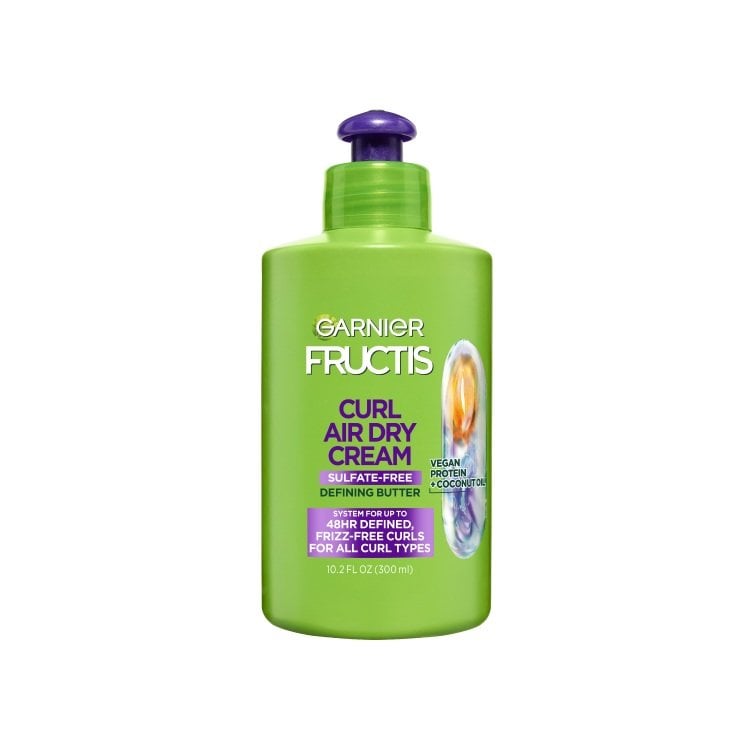
Credit: www.garnierusa.com
How To Shop For Protein-free Hair Products
Shopping can be overwhelming. Here are steps to find the right products:
- Make a list of “no” ingredients: Know which proteins to avoid.
- Read ingredient lists, not just labels: “Moisturizing” or “gentle” does not always mean protein-free.
- Look for reviews: Find others with similar hair types who recommend protein-free options.
- Test one product at a time: This helps you know which one works best.
- Consider your climate: Humidity, dryness, and water type can affect your choice.
External resource: For a deeper dive into ingredient safety, check the EWG Skin Deep database.
Real-life Examples: Who Benefits From Protein-free Hair Products?
Let’s look at some real scenarios:
- Anna has low porosity, wavy hair. She used strengthening shampoos and noticed her hair was always dry and frizzy. After switching to protein-free products, her hair became softer and easier to style.
- Carlos bleached his hair. He did several protein treatments and his hair started breaking. His stylist recommended protein-free deep conditioners. Within a month, his hair stopped breaking.
- Maya’s daughter has fine, straight hair. Maya tried protein-rich children’s shampoos, but her daughter’s hair became stiff. After switching to a gentle, protein-free shampoo, her daughter’s hair was shiny and soft again.
Tips For Success With Protein-free Hair Products
- Start slow and be patient with the transition.
- Clarify your hair before starting the new routine.
- Always read ingredients, even on “natural” products.
- Use heat tools less often to protect moisture.
- Deep condition weekly for best results.
- Rotate between different protein-free products to avoid buildup.
- Listen to your hair: If it feels dry, add more moisture; if it feels limp, consider a little protein.
Signs Your Hair Is Thriving On Protein-free Products
After a few weeks, you should notice:
- Softer, more flexible hair
- Less breakage and fewer split ends
- Easier detangling and styling
- Shinier, more vibrant hair color
- Curls or waves with better definition and bounce
The Future Of Protein-free Hair Care
The hair care industry is beginning to recognize that one size does not fit all. More brands are offering protein-free lines for people who need more moisture and less strength. As science advances, expect to see even more targeted options for every hair type.
Frequently Asked Questions
What Does “protein-free” Mean In Hair Products?
Protein-free means the product does not contain added proteins like keratin, silk, wheat, or soy. These products focus on moisturizing and softening hair without making it stiff or hard.
Can I Use Protein-free Products If My Hair Is Damaged?
Yes, you can, especially if your hair feels stiff or breaks easily after protein treatments. But if your hair is very damaged (from bleach or perm), you may need occasional protein treatments as well.
How Do I Know If My Hair Is Protein Sensitive?
If your hair feels hard, dry, or breaks after using protein-rich products, you may be protein sensitive. Try switching to protein-free products for at least four weeks and see if your hair improves.
Are Protein-free Hair Products Good For Curly Hair?
Yes, many people with curly hair benefit from protein-free hair products, especially if their curls feel dry or lose definition with protein.
How Often Should I Use Protein-free Products?
You can use protein-free products every wash day. If your hair is healthy and soft, stick with protein-free most of the time and use protein treatments only when your hair feels weak or limp.
Switching to protein-free hair products is not just a trend — it’s about understanding your hair’s unique needs. With the right routine, you can achieve healthy, vibrant, and touchable hair. Always listen to your hair, and don’t be afraid to experiment until you find what works best for you.
Your hair’s best days are ahead.