

Finding the right leave-in conditioner can be a real challenge if you have low porosity hair. You may have tried many products and felt disappointed when your hair stays dry, heavy, or greasy. The secret is not that your hair is “difficult”—it’s that low porosity strands need special care and lightweight formulas.
This article will help you understand what low porosity hair really needs, why lightweight leave-in conditioners matter, and which products work best. You’ll get practical advice, expert insights, and a handpicked selection of top lightweight leave-in conditioners that actually make a difference.
Understanding Low Porosity Hair
Low porosity hair has tightly closed cuticles. This means moisture and products have a hard time getting in. Water often beads on your hair and takes a long time to absorb. You might notice that your hair dries slowly after washing, or that products seem to sit on top instead of soaking in.
This is because the cuticles act like a shield—protecting your hair but also making it stubborn when it comes to absorbing moisture.
This type of hair is often strong and shiny, but it can easily feel dry or weighed down by heavy products. If you use thick creams or oils, you might see buildup and dullness. Because of this, it’s important to choose lightweight leave-in conditioners. They hydrate your hair without smothering it or creating buildup.
Signs Of Low Porosity Hair
- Water beads up on your hair in the shower.
- Products seem to sit on your hair, not soak in.
- Hair takes a long time to dry.
- Prone to product buildup and greasy feeling.
- Hair feels dry but looks shiny and smooth.
Recognizing these signs helps you pick the right products and care routine.
Why Leave-in Conditioners Matter For Low Porosity Hair
Leave-in conditioners are an essential tool for low porosity hair. They deliver moisture and nutrients after washing, helping to soften and detangle without needing to rinse out. But not all leave-in conditioners are equal—especially for low porosity types.
Key Benefits
- Moisture balance: Hydrates hair without overloading it.
- Easy detangling: Reduces breakage and frustration when combing.
- Frizz control: Smooths the cuticle, keeping hair sleek.
- Lightweight feel: Avoids the greasy, heavy look.
A lightweight formula is critical. Heavy creams and oils can make hair limp, sticky, or coated in residue. The right lightweight leave-in conditioner will absorb quickly, keep hair soft, and leave it bouncy and fresh.
What To Look For In A Lightweight Leave-in Conditioner
Choosing a leave-in conditioner for low porosity hair is different from other hair types. Here are the top things to look for:
- Water-based formulas: Water should be the first ingredient. It means the product is light and penetrates the hair easily.
- Humectants: Look for ingredients like glycerin, aloe vera, or honey. These pull moisture into the hair without weighing it down.
- Protein-free or low protein: Low porosity hair can become stiff with too much protein, so gentle or protein-free options are best.
- No heavy oils or butters: Avoid products with shea butter, coconut oil, or castor oil high up on the ingredient list.
- PH-balanced: Products with a slightly acidic pH help the cuticle stay smooth and closed, sealing in moisture.
- Silicone-free: Silicones can cause buildup, especially for low porosity hair.
A surprising tip: Many people think “more ingredients = better,” but for low porosity hair, simpler is often better. Fewer heavy oils and butters mean less risk of buildup and more softness.
Top 10 Best Leave-in Conditioners For Low Porosity Hair
Let’s explore ten of the best lightweight options, focusing on what makes each suitable for low porosity hair.
1. Kinky-curly Knot Today Leave-in Conditioner
This cult favorite is loved for a reason. Its main ingredient is organic mango extract, with a silky, water-based formula that glides onto hair. It helps detangle knots without leaving residue. Free from heavy oils and silicones, it’s ideal for daily use on low porosity curls or coils.
Another advantage is that it doubles as a detangler, so you get two products in one.
2. Camille Rose Naturals Curl Love Moisture Milk
This leave-in is lightweight but still deeply hydrating. It uses rice milk and macadamia oil, both of which are light and absorb quickly. Many low porosity users find that their hair soaks this in easily, leaving soft, defined curls. The formula is free from mineral oil and heavy butters.
3. Giovanni Direct Leave-in Weightless Moisture Conditioner
This product stands out for its ultra-light texture and simple ingredient list. It uses aloe vera and rosemary to hydrate without weighing down strands. The formula is vegan, cruelty-free, and doesn’t contain harsh chemicals. It’s a favorite for those who want a clean, refreshing option that works for daily use.
4. Mielle Organics White Peony Leave-in Conditioner
This spray leave-in uses white peony root extract, which is gentle and non-greasy. It’s infused with green tea and natural oils, but the oils are light and blended in a way that suits low porosity hair. The mist format makes it easy to apply a fine layer, preventing overuse and buildup.
It’s also great for refreshing curls between washes.
5. Tgin Green Tea Super Moist Leave-in Conditioner
This formula uses green tea, argan oil, and aloe vera—ingredients known for moisturizing without heaviness. It’s especially good for detangling and softening, leaving hair manageable and shiny. Many users with low porosity hair notice less frizz and more bounce after using it.
6. As I Am Leave-in Conditioner
As I Am’s lightweight leave-in contains coconut and amla extracts, but the oils are present in small amounts, so it doesn’t weigh hair down. The formula is water-based and pH-balanced, which helps smooth the cuticle and seal in moisture. It’s a great prep step before styling creams or gels.
7. Sheamoisture Low Porosity Protein-free Leave-in Detangler
This is one of the few products made specifically for low porosity hair. It’s protein-free and uses baobab and tea tree oils, both of which are light and help with scalp health. The slippery texture makes detangling simple and fast.
Plus, it’s free from parabens, phthalates, and mineral oil.
8. Alikay Naturals Lemongrass Leave-in Conditioner
This water-based spray uses lemongrass oil and aloe vera for a refreshing boost. It’s very lightweight and absorbs quickly, making it perfect for fine or low density low porosity hair. The formula is also great for adding shine without stickiness.
9. Aunt Jackie’s Quench Moisture Intensive Leave-in Conditioner
Despite its name, Quench is not heavy. It uses shea butter and olive oil, but in a very light, creamy texture that doesn’t coat the hair. Many users with low porosity hair love the soft, fluffy results and the way it helps curls stay hydrated throughout the day.
10. Cantu Shea Butter Hydrating Leave-in Conditioning Mist
This mist is lighter than Cantu’s classic cream. It contains shea butter, but in a diluted, sprayable form that suits low porosity hair. It’s easy to apply and avoids buildup, making it a good option for daily moisture or as a curl refresher.
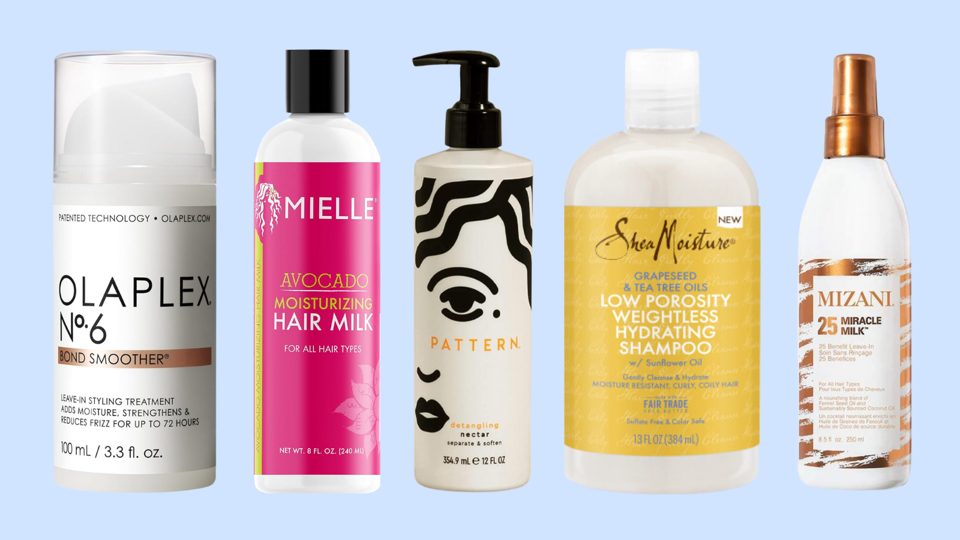
Credit: www.forbes.com
Quick Comparison Of Top 10 Leave-in Conditioners
To help you decide, here’s a comparison of key features:
| Product | Main Benefit | Texture | Best For | Protein-Free |
|---|---|---|---|---|
| Kinky-Curly Knot Today | Detangling | Creamy | Curls, coils | Yes |
| Curl Love Moisture Milk | Softness, hydration | Milk | All low porosity types | Yes |
| Giovanni Direct Leave-In | Weightless moisture | Cream | Fine hair, daily use | Yes |
| Mielle White Peony | Easy application | Spray | Refresh, quick touchups | Yes |
| TGIN Green Tea | Frizz control | Cream | Thick, dense hair | Yes |
| As I Am Leave-In | Cuticle smoothing | Cream | Prep for styling | No |
| SheaMoisture Low Porosity | Detangling, protein-free | Cream | Protein-sensitive hair | Yes |
| Alikay Lemongrass | Shine, refresh | Spray | Fine hair | No |
| Aunt Jackie’s Quench | Softness, hydration | Cream | Curls, coils | No |
| Cantu Hydrating Mist | Lightweight moisture | Spray | All low porosity types | No |
How To Use Leave-in Conditioner For Low Porosity Hair
Applying leave-in conditioner the right way makes a big difference for low porosity hair. Here’s how to get the best results:
- Apply to damp hair: After washing, gently squeeze out excess water. Hair should be damp, not dripping.
- Use small amounts: Start with a little product. You can always add more if your hair needs it.
- Section your hair: Divide your hair into 2–4 sections for even application.
- Work from ends to roots: Focus on the ends, which are driest, and work upwards.
- Use a wide-tooth comb or fingers: Distribute the product evenly for best results.
- Don’t rinse out: Leave the conditioner in and style as usual.
A common mistake: Using too much product. This is easy to do, especially if your hair feels dry. But more product won’t help—stick to a light layer for softness without buildup.
Dealing With Product Buildup
Low porosity hair is prone to product buildup because the cuticles are tight. Even lightweight leave-ins can cause buildup if you use too much or don’t clarify your hair regularly.
Tips To Prevent Buildup
- Use a clarifying shampoo every 2–4 weeks to remove residue.
- Avoid layering many products on top of your leave-in.
- Rinse your hair with warm water before applying products to help open the cuticle.
If you notice your hair feels coated, greasy, or dull, it’s a sign you need to clarify.
Key Ingredients To Look For
Certain ingredients are better for low porosity hair. Here are some of the best:
- Aloe vera: Lightweight, moisturizing, and helps with frizz.
- Glycerin: Draws moisture into hair without heaviness.
- Panthenol (provitamin B5): Boosts shine and softness.
- Rice milk: Softens and hydrates.
- Green tea extract: Adds moisture and scalp benefits.
- Light oils: Such as argan or jojoba, used in small amounts.
Watch out for heavy butters or oils high up in the ingredient list. These can create a barrier that’s hard for water to penetrate, leading to dryness over time.
Common Mistakes And How To Avoid Them
Many people with low porosity hair make the same mistakes when using leave-in conditioners. Here’s how to avoid them:
- Using heavy creams or butters: These products are often too rich and leave hair greasy. Always check the ingredient list for water as the first ingredient and avoid thick, waxy formulas.
- Overusing protein: While some protein is good, too much can make low porosity hair stiff and brittle. Choose protein-free or low-protein leave-ins unless you know your hair loves protein.
- Applying to dry hair: Leave-ins work best on damp hair. Applying to dry hair can lead to uneven absorption and frizz.
- Skipping regular clarifying: Product buildup is a real risk. Use a clarifying shampoo once a month to keep your hair fresh.
- Ignoring the scalp: Focus some product on the scalp if it’s dry, but don’t overload it, or you’ll get buildup.
One non-obvious insight: Many people think “more slip = better,” but for low porosity hair, too much slip can mean too many silicones. These coat the hair and block moisture, so aim for lightweight, silicone-free slip.
Lightweight Leave-in Conditioners Vs. Heavy Creams
Here’s a quick look at how lightweight leave-ins compare to heavy creams for low porosity hair:
| Feature | Lightweight Leave-In | Heavy Cream |
|---|---|---|
| Absorption | Quick, even | Sits on surface |
| Moisture | Soft, bouncy | Heavy, greasy |
| Risk of buildup | Low | High |
| Best for | Low porosity | High porosity |
The bottom line: lightweight leave-ins are better for low porosity hair, while heavy creams work best for high porosity types.
How Often Should You Use Leave-in Conditioner?
You might wonder if leave-in conditioner is a daily product or something to use less often. The answer depends on your hair’s needs and your routine.
- Daily use: If your hair is very dry or you have tight curls, a light mist or spray can be used daily for refreshment.
- After each wash: Most people use leave-in after every wash, which could be once or twice a week.
- As needed: If your hair feels soft and hydrated, you can skip a day or two.
A pro tip: If your hair starts to feel sticky or limp, reduce how often you use your leave-in, or switch to an even lighter formula.
Best Techniques For Applying Lightweight Leave-in Conditioner
The technique can be just as important as the product. Here’s how to maximize the benefits:
1. The “praying Hands” Method
Spread a small amount of leave-in between your palms. Smooth your hands over sections of your hair from root to tip, pressing gently. This helps distribute the product without disrupting your curl pattern.
2. Rake And Shake
Rake the leave-in through your hair with your fingers, then gently shake each section to encourage natural curl formation.
3. Spritz And Scrunch
For sprays, mist your hair lightly, then scrunch upward to boost volume and curl.
An extra insight: Applying leave-in in the shower when your hair is still very damp can help with even distribution and better absorption, especially if your hair is hard to penetrate.
How To Layer Products With A Leave-in Conditioner
Low porosity hair often does best with a simple routine, but if you want more definition or moisture, you can layer products. Here’s the best way:
- Leave-in conditioner (lightweight, water-based)
- Styling gel or mousse (optional, for hold)
- Light oil (optional, for extra shine)
Avoid layering multiple creams, which can quickly lead to buildup. Always let your hair dry completely before deciding if you need more product.
Diy Lightweight Leave-in Conditioner Recipe
If you want to avoid store-bought formulas or customize your own, here’s a simple recipe:
Ingredients:
- 1 cup distilled water
- 1 tablespoon aloe vera juice
- 1 teaspoon glycerin
- 1/2 teaspoon light oil (such as argan or jojoba)
- 5 drops lavender or rosemary essential oil (optional)
Instructions:
- Mix all ingredients in a spray bottle.
- Shake well before each use.
- Spritz lightly on damp hair and style as usual.
This DIY blend is lightweight, free from heavy butters, and can be adjusted to suit your needs. It’s also much cheaper than many commercial products.

Credit: www.forbes.com
How To Identify Buildup And Fix It
Buildup is a common issue for low porosity hair. Here’s how to spot it and what to do:
Signs Of Buildup
- Hair feels sticky, greasy, or coated
- Loss of curl definition
- More frizz than usual
- Dull, lifeless appearance
How To Fix Buildup
- Use a clarifying shampoo once a month
- Try an apple cider vinegar rinse (1 part vinegar to 3 parts water)
- Reduce the number of products you use
- Switch to a lighter leave-in if buildup keeps happening
A tip many people miss: Even “natural” products can cause buildup if used too often or in large amounts. Less is more for low porosity hair.
Frequently Asked Questions
What Is The Main Difference Between Low And High Porosity Hair?
Low porosity hair has tightly packed cuticles that make it hard for moisture to enter. High porosity hair has gaps in the cuticle, so it absorbs and loses moisture easily. Low porosity hair needs lightweight, water-based products, while high porosity hair benefits from heavier creams and oils.
Are All Leave-in Conditioners Safe For Low Porosity Hair?
No. Many leave-ins contain heavy butters, oils, or silicones that can cause buildup on low porosity hair. Always check for lightweight, water-based formulas and avoid products with shea butter or coconut oil high on the ingredient list.
How Can I Tell If A Leave-in Conditioner Is Too Heavy For My Hair?
If your hair feels sticky, greasy, limp, or coated after using a leave-in, it’s probably too heavy. You should see soft, bouncy, and hydrated hair with a lightweight leave-in. If not, try using less product or switch to a lighter formula.
Can I Use Oil As A Leave-in Conditioner For Low Porosity Hair?
It’s better to use a lightweight leave-in conditioner as your main product. You can add a small amount of light oil (like argan or jojoba) for extra shine, but avoid heavy oils or using large amounts. Oils can seal the cuticle and block moisture if used incorrectly.
Where Can I Find More Science-based Hair Care Tips?
For more in-depth information, check out resources like the National Institutes of Health for research-backed advice about hair structure, porosity, and ingredients.
—
Choosing the best leave-in conditioner for low porosity hair doesn’t have to be a struggle. With the right lightweight formula, you can keep your hair soft, hydrated, and free from buildup. Remember to start simple, use small amounts, and focus on water-based products.
Pay attention to how your hair responds, and adjust your routine if you see signs of buildup or dryness. With these tips and recommended products, you’re well on your way to healthy, beautiful low porosity hair—light, bouncy, and full of life.
Credit: www.walmart.com