

Low Porosity Natural Hair: Cgm Method Modifications That Work
Caring for low porosity natural hair can be challenging. Hair that resists moisture, repels water, and builds up product easily is a puzzle for many. If you have ever tried the Curly Girl Method (CGM) and felt underwhelmed, you are not alone. The original CGM is a popular approach for curly hair, but low porosity hair needs something extra. This article explores why low porosity hair acts differently and shares proven CGM modifications that really work. You’ll learn what to change, why it matters, and how to get the healthy, defined curls you want—without endless frustration.
Understanding Low Porosity Hair
Before diving into the CGM modifications, it’s important to understand what low porosity hair is and why it behaves so differently.
Porosity is how easily your hair absorbs and retains moisture. Low porosity hair has tightly closed cuticles, like shingles on a roof. Water, oils, and products struggle to penetrate, often sitting on the hair surface. This means:
- Products build up quickly, making hair dull or greasy.
- Water beads up and rolls off hair during washing.
- Drying takes a long time because moisture enters slowly but also escapes slowly.
Low porosity is common among people with natural hair, especially those with Type 3 and Type 4 curls. Signs you might have low porosity hair include:
- Hair takes a long time to get fully wet.
- Products seem to “sit” on your hair instead of soaking in.
- Protein treatments make your hair feel stiff or straw-like.
- Hair is prone to buildup but doesn’t look or feel dry.
Low porosity hair isn’t unhealthy—it’s just different. With the right care, it can be strong, shiny, and healthy. But it needs a different approach than high porosity hair.
The Curly Girl Method Basics
The Curly Girl Method (CGM) was created by Lorraine Massey. It’s a routine designed to protect curls by avoiding harsh ingredients and heat styling. The core CGM rules are:
- No sulfates (harsh detergents) in shampoos.
- No silicones in conditioners or styling products.
- No heat styling or rough towel drying.
- Use conditioner to wash (co-wash) instead of shampoo.
- Style with gel or cream while hair is wet.
CGM works well for many people, but not always for low porosity hair. The main reason: the standard method relies on heavy conditioners and co-washing, which can make low porosity hair limp or overloaded with product.
Why Low Porosity Hair Needs Cgm Modifications
Low porosity hair’s cuticles are hard to open. This means standard CGM steps, like co-washing and layering products, can backfire. Many people with low porosity hair find:
- Hair feels greasy or heavy after co-washing.
- Moisturizers or butters just sit on the surface.
- Curls look undefined or clump together in odd ways.
- Product buildup leads to itchy scalp or flakes.
The solution is to adapt the CGM for your hair’s unique needs. The modifications below are based on experience, science, and real results from people with low porosity curls.
Key Cgm Modifications For Low Porosity Hair
Adapting the CGM for low porosity hair doesn’t mean throwing out the method. It means making smart changes, focusing on what your hair really needs.
1. Use Gentle, Sulfate-free Shampoos Regularly
Original CGM suggests skipping shampoo or using it only rarely. For low porosity hair, this often causes buildup. Instead:
- Wash with a gentle, sulfate-free shampoo every 1-2 weeks.
- Look for shampoos labeled as “clarifying” but sulfate-free.
- Avoid heavy oils or butters in your shampoo.
This helps remove product buildup that can suffocate low porosity hair. Clean hair absorbs moisture better.
Non-obvious insight: Many people think “more conditioner” means “more moisture.” But for low porosity hair, regular gentle cleansing matters more than extra conditioner.
2. Avoid Heavy Oils And Butters
Products like shea butter, coconut oil, and castor oil are popular in the curly community. But for low porosity hair, they often cause buildup. These heavy ingredients:
- Sit on top of the hair shaft.
- Block moisture from entering.
- Make hair look dull or greasy.
Instead, choose lightweight oils like argan oil or grapeseed oil. Use them sparingly, only on the ends if needed.
3. Clarify Regularly
Even with gentle shampoos, low porosity hair needs extra clarifying. This means using a stronger cleanser once a month to remove buildup.
- Try a chelating shampoo if you have hard water.
- Use an apple cider vinegar rinse (1 part vinegar to 4 parts water) after shampooing, once a month.
A clear scalp and hair shaft help products work better. If you swim or sweat a lot, clarify more often.
4. Deep Condition With Heat
Deep conditioners are essential, but heat is the real key. Heat opens the cuticle, allowing moisture and nutrients to enter. Without heat, deep conditioning does little for low porosity hair.
How to do it:
- Apply a lightweight, protein-free deep conditioner.
- Cover with a shower cap.
- Use a hooded dryer, heat cap, or even a warm towel for 20–30 minutes.
This simple step makes a big difference in softness and curl definition.
5. Use Lightweight, Water-based Products
Stick to products where water is the first ingredient. Creams and gels should feel light, not sticky or greasy. This includes:
- Leave-in conditioners
- Styling gels
- Curl creams
Avoid thick creams, heavy leave-ins, and anything with petrolatum or mineral oil.
6. Rinse Out Conditioner Thoroughly
Leaving conditioner in can weigh down low porosity hair. Instead:
- Apply conditioner, detangle with fingers or a wide-tooth comb.
- Rinse out completely with warm water.
- Use a small amount of leave-in if needed, but don’t overdo it.
This prevents buildup and helps curls form naturally.
7. Apply Products To Wet Hair
Product absorption is better when hair is soaking wet. For low porosity hair:
- Apply leave-in and gel right after washing, before towel drying.
- Work in sections to coat every strand.
- Scrunch or rake products in for even coverage.
This locks in moisture before the cuticle closes.
8. Avoid Protein Overload
Low porosity hair doesn’t need much extra protein. Too much makes it stiff or brittle. Read labels and avoid:
- Frequent protein treatments
- Products high in keratin, wheat, or soy protein
Most low porosity hair does best with protein-free or low-protein products.
9. Don’t Layer Too Many Products
The original CGM often recommends layering leave-in, cream, oil, then gel (the LCO or LOC method). For low porosity hair, this is usually too much.
- Stick to 1–2 styling products.
- Choose between leave-in and gel, or use a combo product.
- Less is more—focus on moisture, not layers.
10. Use Warm Water For Washing And Conditioning
Warm water helps open the cuticle, allowing better cleansing and conditioning. Cold water rinses can “seal” the cuticle, but only after hair is moisturized.
- Use warm water to wash and condition.
- If you like, finish with a cool rinse to add shine.
11. Dry Hair With A Microfiber Towel Or T-shirt
Rough towels cause frizz and breakage. Instead:
- Gently squeeze out water with a microfiber towel or a soft cotton T-shirt.
- Avoid rubbing or twisting hair.
This protects delicate curls and keeps them defined.
12. Space Out Wash Days
Washing too often can dry out low porosity hair. Too little washing causes buildup. Most people do best with:
- Washing every 7–10 days.
- Refreshing curls with water or a light leave-in between washes.
Find your balance by watching how your hair reacts.
13. Try The Greenhouse Or Baggy Method Occasionally
This tip is less known but helpful. The “greenhouse” or “baggy” method uses your body heat to boost moisture absorption.
- Apply a light leave-in or water-based moisturizer.
- Cover hair with a plastic cap for 1–2 hours.
- Follow with gentle styling.
This isn’t for every wash, but it can help when hair feels extra dry.
14. Protect Hair At Night
Nighttime care matters, especially for low porosity hair that tangles or loses moisture easily.
- Sleep on a silk or satin pillowcase.
- Use a satin bonnet or scarf.
- Pineapple your hair (gather in a loose, high ponytail) to protect curls.
15. Trim Regularly To Prevent Knots
Low porosity hair is prone to single strand knots and split ends. Regular trims keep curls looking healthy.
- Trim every 3–4 months, or as needed.
- Focus on removing single strand knots and split ends.
16. Experiment With “squish To Condish” Technique
This CGM technique works well for low porosity hair when done with light conditioners.
- After applying conditioner, add water to your hands.
- Scrunch hair upwards, squeezing conditioner and water into curls.
- Repeat until hair feels soft and hydrated.
This helps conditioner penetrate, especially when used with heat.
17. Choose Products With Humectants Wisely
Humectants like glycerin and honey attract moisture. In humid weather, they can cause frizz. In dry weather, they may dry out hair.
- Use products with humectants in moderate humidity.
- Avoid them in very dry or very humid climates.
Check your local weather or dew point for best results.
18. Avoid Heavy Silicones
Most CGM followers avoid silicones. For low porosity hair, heavy silicones are especially bad—they block moisture and cause buildup. Look for:
- Dimethicone, amodimethicone, and cyclopentasiloxane on labels.
If you use a product with silicones, clarify thoroughly.
19. Use Aloe Vera Gel As A Natural Styler
Aloe vera gel is light, water-based, and soothing. It can define curls without buildup.
- Apply a small amount to wet hair.
- Scrunch in for hold and shine.
20. Listen To Your Hair
No two heads of hair are the same. The most important modification is to pay attention to what your hair needs.
- If something causes buildup or dryness, stop using it.
- If your curls are thriving, keep doing what works—even if it’s not “CGM-approved.”
Experiment and adjust over time.
Comparing Low Porosity Cgm Vs. Standard Cgm
To see how these modifications change your routine, here’s a quick comparison.
| Step | Standard CGM | Low Porosity Modifications |
|---|---|---|
| Shampoo | Rarely, co-wash instead | Gentle, regular use of sulfate-free shampoo |
| Conditioner | Heavy, leave-in | Lightweight, rinse out fully |
| Deep Conditioning | Optional, no heat | Essential, always with heat |
| Styling | Layer leave-in, cream, oil, gel | Minimal layering, lightweight products |
| Clarifying | Rarely | Monthly or as needed |
Best Ingredients For Low Porosity Cgm
Picking the right ingredients makes a huge difference. Some ingredients help low porosity hair, while others make things worse. Here’s a quick guide.
| Ingredient Type | Recommended | To Avoid |
|---|---|---|
| Oils | Argan oil, grapeseed oil, sweet almond oil | Shea butter, coconut oil, castor oil |
| Conditioners | Water-based, protein-free | Heavy creams, high-protein |
| Humectants | Aloe vera, panthenol | Glycerin (in extreme weather) |
| Silicones | None or water-soluble only | Dimethicone, amodimethicone |
Example Low Porosity Cgm Routine
To see how all these tips fit together, here’s an example wash day routine:
- Pre-poo: Wet hair and apply a small amount of lightweight oil to the ends. Cover with a shower cap for 15 minutes.
- Shampoo: Use a gentle, sulfate-free cleanser to wash scalp and hair thoroughly.
- Deep Condition: Apply a lightweight, protein-free deep conditioner. Use a heat cap for 20–30 minutes.
- Rinse: Rinse out all conditioner with warm water.
- Leave-in: Apply a small amount of water-based leave-in conditioner to soaking wet hair.
- Style: Scrunch in a lightweight gel or aloe vera gel. Focus on definition, not hold.
- Dry: Use a microfiber towel or T-shirt to blot excess water. Air dry or diffuse on low heat.
- Refresh: Between wash days, spritz hair with water or a light leave-in as needed.
Real-world Experiences: What Works And What Doesn’t
Many people with low porosity hair share similar struggles with the CGM. Common complaints include limp curls, constant buildup, and products that never seem to “sink in. ” But with the right tweaks, results improve dramatically.
- Example: Alexis, a Type 4a curly, found that skipping heavy oils and clarifying every two weeks made her hair softer and more defined.
- Example: Diego, with 3b curls, noticed that deep conditioning with heat finally made a difference after years of “meh” results from the standard CGM.
- Example: Priya, with low porosity and fine hair, saw less breakage after switching to a simple routine: shampoo, light conditioner, and a single gel.
Non-obvious insight: Sometimes, using fewer products leads to more defined curls. Many people find their hair thrives with just shampoo, conditioner, and a single styler.
Common Mistakes With Low Porosity Cgm
It’s easy to follow the CGM too strictly, thinking it will eventually work. But low porosity hair requires flexibility. Here are mistakes to avoid:
- Skipping shampoo for months: This leads to dull, coated hair.
- Using thick creams and oils: These build up and weigh curls down.
- Overdoing protein treatments: Low porosity hair often needs less protein, not more.
- Applying products to damp, not wet, hair: Absorption is best when hair is soaking wet.
- Not using heat with deep conditioners: Without heat, the benefits are limited.
Product Recommendations For Low Porosity Cgm
Here are some popular products that work well for low porosity hair. Always check the ingredient list and test what works for you.
- Shampoos: Kinky Curly Come Clean, As I Am Curl Clarity Shampoo, SheaMoisture Low Porosity Protein-Free Shampoo
- Conditioners: Giovanni Direct Leave-In, Tresemme Botanique Nourish & Replenish, Camille Rose Curl Love Moisture Milk
- Gels: Uncle Funky’s Daughter Curly Magic, Eco Styler Olive Oil Gel (use lightly), Aloe vera gel (natural)
- Deep Conditioners: Mielle Organics Babassu & Mint Deep Conditioner (use heat), SheaMoisture Baobab & Tea Tree Oils Low Porosity Masque
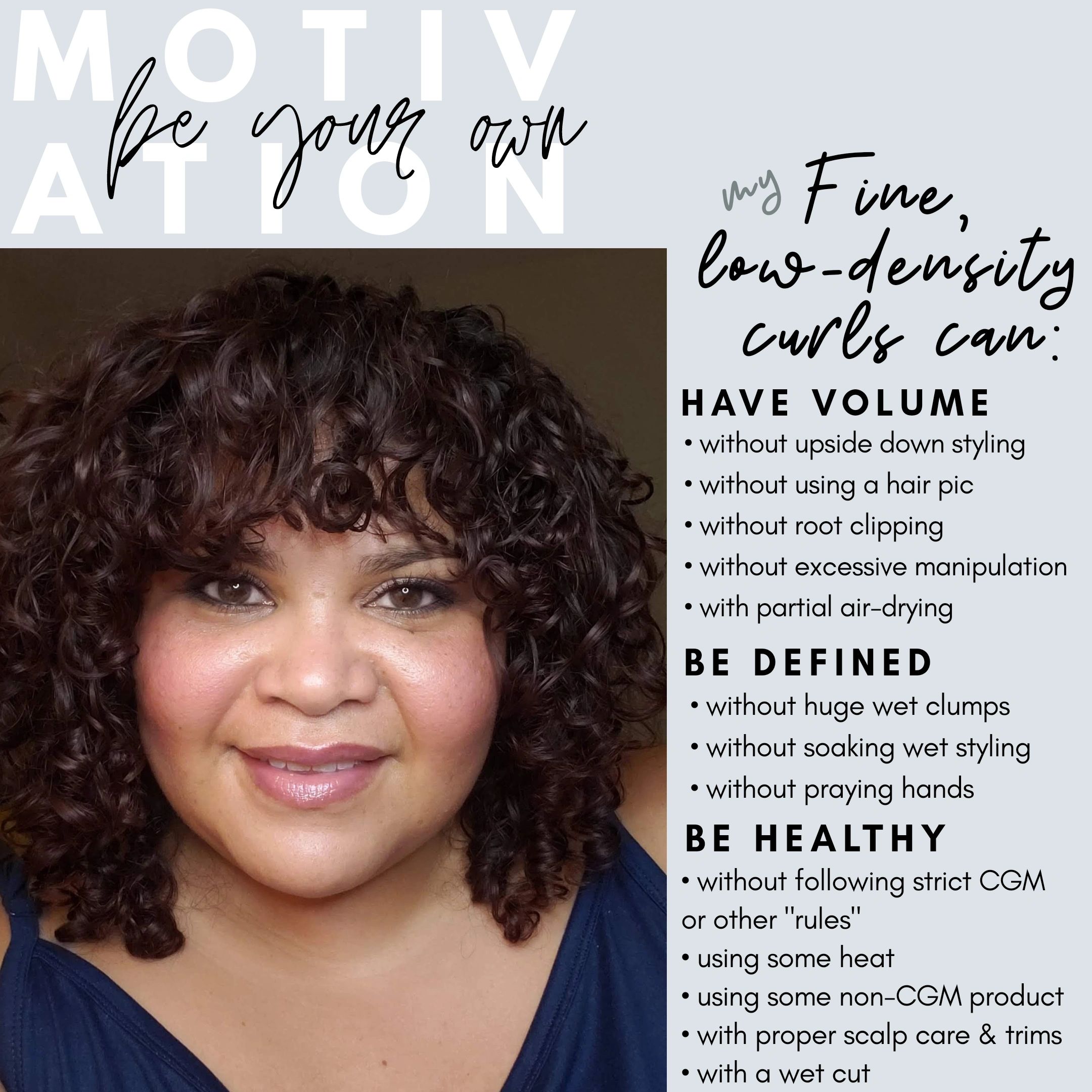
Credit: curlycurvypassion.com
Cgm And Low Porosity: What Science Says
Research on hair porosity is growing. Studies confirm that low porosity hair resists both water and oil penetration. One study found that heat increases the absorption of conditioning treatments by as much as 35%. Another showed that regular clarifying prevents buildup and allows moisture to penetrate better. For more scientific details, see this resource from the National Institutes of Health.
How Weather And Hard Water Affect Low Porosity Hair
External factors, like weather and water quality, can change how your hair reacts to the CGM.
- Hard water: Minerals in hard water coat the hair and block moisture. Use a chelating shampoo monthly.
- Humidity: High humidity can cause frizz, especially with humectants. Adjust your products based on the weather.
- Dry climates: Hair may feel drier, so focus on moisture and avoid strong humectants.
Testing your water and tracking local humidity can help you tweak your routine for the best results.
How To Test If You Have Low Porosity Hair
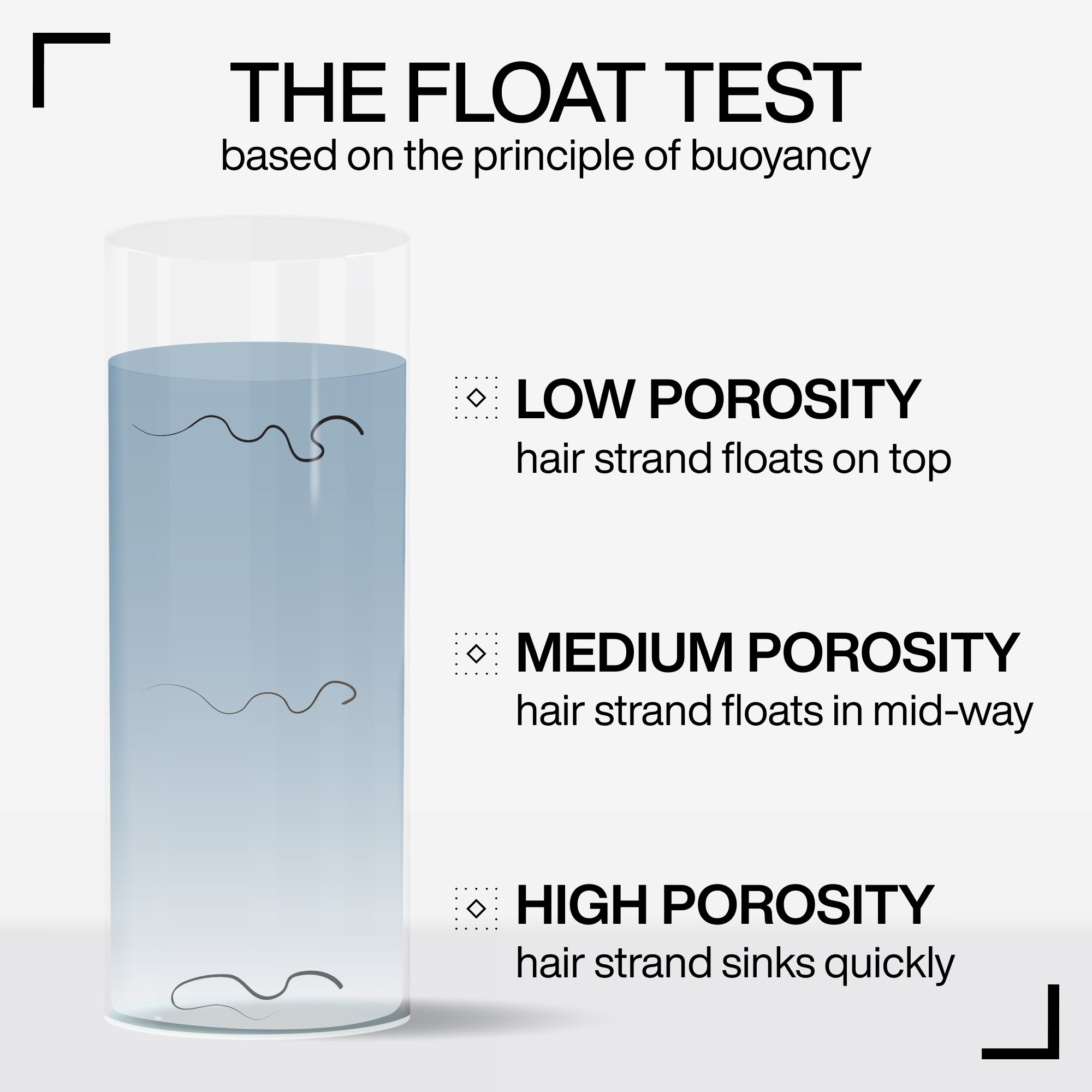
Still not sure about your hair’s porosity? Here’s a simple test:
- Take a clean strand of shed hair (no products).
- Drop it in a glass of water.
- Wait 3–5 minutes.
- If the hair floats for a long time, you likely have low porosity.
- If it sinks quickly, it’s high porosity.
- If it stays in the middle, it’s medium.
This test is not perfect, but it gives you a starting point. Also, observe how your hair behaves during washing and styling.
Cost Comparison: Cgm For Low Porosity Vs. Standard Cgm
Many people worry that adapting their routine will cost more. In reality, you may save money by buying fewer products.
| Product Type | Standard CGM (per month) | Low Porosity CGM (per month) |
|---|---|---|
| Shampoo | $2 | $4 |
| Conditioner | $6 | $5 |
| Deep Conditioner | $5 | $6 |
| Stylers (gel, cream, oil) | $8 | $5 |
| Total | $21 | $20 |
Notice that the low porosity routine often uses fewer stylers and less conditioner, balancing out the cost.

Credit: www.reddit.com
Transitioning Your Routine: Step-by-step
Switching from standard CGM to a modified routine can be confusing at first. Here’s a step-by-step approach:
- Clarify your hair to remove all buildup.
- Start fresh with a gentle shampoo, light conditioner, and a single styler.
- Deep condition with heat once a week.
- Monitor your hair: Write down how it feels after each wash.
- Adjust products as needed, focusing on lightweight formulas.
- Introduce changes slowly: Don’t change everything at once, so you know what works.
This careful approach helps you avoid setbacks and find your best routine faster.
Frequently Asked Questions
What Is The Biggest Mistake People Make With Low Porosity Hair And Cgm?
The most common mistake is skipping shampoo for too long. Low porosity hair needs regular cleansing to prevent buildup, even if you use only “CGM-approved” products.
How Often Should I Deep Condition Low Porosity Hair?
Deep condition every 1–2 weeks, always using heat. This helps moisture and nutrients enter the hair shaft.
Can I Still Use Oils On Low Porosity Hair?
You can, but use lightweight oils sparingly. Focus on oils like argan or grapeseed, and avoid heavy butters or coconut oil.
Is It Okay To Use A Leave-in Conditioner Every Day?
For most low porosity hair, daily leave-in can cause buildup. Use as needed, and always watch how your hair responds.
Does Low Porosity Hair Need Protein Treatments?
Most low porosity hair needs less protein than other types. Use protein treatments only if your hair feels mushy or overly soft, not as a regular step.
Finding the right CGM modifications for low porosity hair takes patience and attention. But with the right approach, you can unlock healthy, defined curls that look and feel their best. Remember, your hair is unique—so let your routine be, too.
Credit: www.redken.com