

Using retinol and tretinoin can transform your skin. These vitamin A derivatives help fade dark spots, smooth fine lines, and boost collagen. But they can also cause dryness, redness, and irritation—especially if you don’t use them carefully with your moisturizer. Many people feel lost about how to layer these products safely and get the best results. If you want smoother, healthier skin without the downsides, it’s important to know how to use them together the right way.
In this guide, you’ll discover how to layer moisturizer with retinol and tretinoin step by step. You’ll learn how these ingredients work, why the order matters, and which myths can actually harm your skin. Whether you’re a beginner or you’ve tried retinoids before, you’ll find practical, science-backed advice to keep your skin happy and glowing.
Understanding Retinol And Tretinoin
Both retinol and tretinoin are part of the retinoid family, but they are not the same. Knowing their differences helps you make smarter choices for your skin.
What Is Retinol?
Retinol is an over-the-counter (OTC) version of vitamin A. It’s found in many drugstore creams and serums. Retinol needs to convert into retinoic acid before your skin can use it. This conversion is gentle, which makes retinol less irritating but also slower to show results.
What Is Tretinoin?
Tretinoin (also called retinoic acid or by brand names like Retin-A) is a prescription-only retinoid. It works directly on your skin without needing to convert. Because it’s stronger, tretinoin gives faster results but can also cause more side effects like peeling, redness, and dryness.
How Do They Work?
Both ingredients speed up cell turnover. This means they help your skin shed dead cells and make fresh ones faster. Over time, they can fade sun damage, reduce wrinkles, unclog pores, and even out your skin tone.
Key Differences
| Feature | Retinol | Tretinoin |
|---|---|---|
| Strength | Milder | Stronger |
| Availability | OTC | Prescription |
| Results Timeline | Slower (12+ weeks) | Faster (6-12 weeks) |
| Side Effects | Less common | More common |
Common Myths About Retinol And Tretinoin
1. “stronger Is Always Better.”
Not true. High-strength retinoids can damage your skin if you’re not used to them.
2. “moisturizer Blocks Retinol.”
Actually, moisturizer can help reduce irritation and still allow retinol to work.
3. “you Can Use Retinol And Tretinoin Together.”
This is risky. Combining both usually increases irritation without better results.
Why Layering Matters
Layering your moisturizer with retinol or tretinoin is not just about comfort—it can change how well these products work for you. If you layer incorrectly, you might get dryness, stinging, or even breakouts. Done right, your skin gets the benefits with fewer problems.
The Role Of Moisturizer
A good moisturizer keeps your skin barrier strong. It traps water inside your skin and prevents irritation from harsh ingredients. This is critical when using retinoids, which are known to dry and irritate the skin—especially in the first months.
Skin Barrier And Irritation
Your skin barrier acts like a shield. If it’s healthy, you’ll have less redness and peeling. If it’s weak, everything stings and your skin looks worse. Layering moisturizer helps repair and protect this barrier, especially when starting retinol or tretinoin.
What Happens If You Don’t Moisturize?
People who skip moisturizer with retinoids often see:
- Dry, flaky skin
- More redness and burning
- Increased risk of eczema or breakouts
A strong moisturizer can often make the difference between quitting retinoids and sticking with them long enough to see real results.
The Right Order: Step-by-step Layering
Timing and order can make or break your routine. Here’s a clear, safe way to layer moisturizer with retinol and tretinoin.
The Golden Rule: Retinoid Sandwich Method
Dermatologists often recommend the “sandwich” method for layering. This means you apply moisturizer before and after your retinoid. It helps buffer your skin and reduces irritation without blocking the benefits.
Typical Night Routine
- Cleanser: Wash your face with a gentle, fragrance-free cleanser. Pat dry.
- First Moisturizer Layer: Apply a thin layer of moisturizer to slightly damp skin.
- Wait 10-20 Minutes: Let your skin dry completely. Wet skin absorbs more retinoid, which can increase irritation.
- Retinol or Tretinoin: Apply a pea-sized amount to your whole face, avoiding eyelids, corners of the nose, and lips.
- Second Moisturizer Layer: Seal it in with another layer of moisturizer.
This routine gives your skin a “cushion” against dryness and irritation.
Why Wait After Cleansing?
Wet skin lets more retinoid soak in. This sounds good, but it often means more irritation. Always let your face dry before applying retinol or tretinoin.
How Much Product Should You Use?
More is not better. For retinol or tretinoin, a pea-sized amount is enough for your whole face. Using more increases side effects without better results.
Where To Apply (and Avoid)
- Apply: Forehead, cheeks, chin, and nose.
- Avoid: Eyelids, corners of the nose, lips, and any broken or irritated skin.
If you want to treat those sensitive areas, ask your dermatologist first.
Choosing The Right Moisturizer
Not all moisturizers work well with retinol or tretinoin. Some ingredients can cause problems, while others help your skin recover.
What To Look For
- Fragrance-free and alcohol-free: Less risk of irritation.
- Ceramides: These help repair your skin barrier.
- Hyaluronic acid: Attracts water to your skin, keeping it hydrated.
- Glycerin: A gentle, effective moisturizer.
- Niacinamide: Calms redness and supports your barrier.
Ingredients To Avoid
- Acids (glycolic, salicylic, lactic): Too many actives can overload your skin.
- Harsh exfoliants: Like scrubs or peels. These make irritation worse.
- Essential oils: Can cause allergic reactions or burning.
Examples Of Good Moisturizers
- CeraVe Moisturizing Cream: Contains ceramides and hyaluronic acid.
- Neutrogena Hydro Boost Water Gel: Lightweight and hydrating.
- La Roche-Posay Toleriane Double Repair: Fragrance-free, barrier-supporting.
How To Test A Moisturizer
Always patch test new products on your inner forearm for a few days. Watch for redness, burning, or itching. If all is well, use it on your face.
| Moisturizer | Main Ingredients | Best For |
|---|---|---|
| CeraVe Moisturizing Cream | Ceramides, Hyaluronic Acid | Dry, sensitive skin |
| Neutrogena Hydro Boost Gel | Hyaluronic Acid | Oily or combo skin |
| La Roche-Posay Toleriane | Niacinamide, Ceramides | Red, irritated skin |
Retinol Vs. Tretinoin: Which Routine Is Right For You?
Your choice depends on your goals, skin type, and how sensitive your skin is.
If You’re A Beginner
Start with retinol. It’s less likely to cause severe irritation. Use it 2-3 nights a week, then slowly increase.
If You Want Faster Results
If your doctor prescribes tretinoin for acne, wrinkles, or pigmentation, use it as directed. Remember, stronger is not always better. Start slow and use the sandwich method.
Sensitive Skin
If your skin burns easily or turns red, always patch test first. Try a lower-strength retinol or ask your dermatologist about alternatives like bakuchiol.
Comparing Routine Approaches
| Routine | Frequency (per week) | Best For | Expected Results |
|---|---|---|---|
| Retinol + Moisturizer | 2-4 times | Beginners, sensitive skin | Visible results in 3-4 months |
| Tretinoin + Moisturizer | 1-3 times (start low) | Moderate to severe acne, aging skin | Visible results in 2-3 months |
| Sandwich Method (both) | 2-3 times | Dry, reactive skin | Fewer side effects, slower progress |
Tips For Safe And Effective Layering
Avoiding irritation and getting the best results takes more than just knowing the order. Here are practical strategies you can use.
1. Start Slow
Jumping in too fast is the top mistake. Begin with retinol or tretinoin once or twice a week. Gradually add more nights as your skin gets used to it.
2. Stick To A Simple Routine
When using strong actives, less is more. Stick to:
- Gentle cleanser
- Moisturizer
- Retinol or tretinoin
- Sunscreen in the morning
Skip toners, scrubs, and extra serums at first.
3. Use Sunscreen Every Morning
Retinoids make your skin more sensitive to UV rays. Use a broad-spectrum SPF 30 or higher every day—even if you’re indoors. Sun damage can reverse all your progress and cause more dark spots.
4. Don’t Mix With Other Strong Actives
Avoid using vitamin C, alpha hydroxy acids, or benzoyl peroxide at the same time as retinol or tretinoin. Mixing these can overwhelm your skin.
5. Watch For Warning Signs
If you see:
- Burning
- Peeling
- Severe redness
- Raw skin
Pause retinoids and focus on gentle moisturizer until your skin recovers.
6. Adjust For Seasonal Changes
Your skin might tolerate retinoids well in the summer but become sensitive in winter. It’s okay to use them less often or switch to a richer moisturizer as the weather changes.
7. Protect Sensitive Areas
Use a bland balm (like petroleum jelly) on your lips, corners of your nose, and eyelids before applying retinol or tretinoin. This acts as a shield and prevents irritation.
8. Give It Time
Results are not instant. Most people see improvements in 2-3 months. Consistency is more important than speed.
9. Consult A Dermatologist
If you’re unsure, or if your skin reacts badly, always check with a professional. They can help you adjust your routine and choose the right strengths.
Common Mistakes To Avoid
Even smart users can make mistakes that lead to setbacks. Here are the pitfalls to avoid.
Using Too Much Product
A “more is better” approach leads to peeling and discomfort. Stick to a pea-sized amount.
Skipping Moisturizer
Trying to “tough it out” without moisturizer makes irritation worse and slows progress.
Not Waiting Between Steps
Applying retinoid on wet skin increases side effects. Always let your skin dry.
Using Harsh Cleansers
Soap or strong foaming cleansers strip your skin and make irritation likely. Choose gentle, fragrance-free options.
Ignoring Sun Protection
Retinoids and sun don’t mix. Skipping sunscreen can undo months of progress and cause lasting damage.
Not Being Consistent
Using retinoids randomly or quitting after a few weeks means you won’t see real results. Stick to your routine.
How To Adjust Your Routine For Skin Type
Dry Or Sensitive Skin
- Use the sandwich method every time.
- Choose rich, barrier-supporting moisturizers.
- Start with retinol, not tretinoin.
- Use 1-2 nights a week, then slowly increase.
Oily Or Acne-prone Skin
- Lightweight, gel moisturizers work best.
- Consider starting with tretinoin if your dermatologist recommends it.
- Avoid heavy oils and comedogenic creams.
Mature Skin
- Retinoids are great for anti-aging, but start slow.
- Use lots of moisturizer, as mature skin dries out faster.
- Don’t skip sunscreen—photoaging is stronger with retinoids.
Combination Skin
- Apply richer moisturizer to dry areas, lighter to oily zones.
- You may need to adjust frequency for different parts of your face.

Credit: kenvuepro.com
Myths And Misunderstandings To Avoid
Myth 1: Moisturizer Stops Retinoids From Working
Some people worry that layering moisturizer before or after retinoids makes them less effective. Research shows that moisturizer does not block retinoids—it just makes them gentler.
Myth 2: Retinoids Thin The Skin
Retinoids don’t thin your skin. They actually thicken the deeper layers, making skin stronger and smoother over time.
Myth 3: You Can’t Use Retinoids With Other Products
While you shouldn’t mix strong actives at the same time, you can use gentle hydrating and barrier-supporting products safely.
Myth 4: You Have To Peel For Results
Peeling is a side effect, not a sign of progress. You can get great results with little or no peeling if you layer correctly.
Myth 5: You Can Use Retinoids All Over
Areas like the neck, eyelids, and around the mouth are more sensitive. Use caution or avoid these areas unless your doctor says it’s safe.
The Science Behind Layering
Layering skincare is not just about comfort—it changes how ingredients work. Studies show that using moisturizer with retinoids can:
- Reduce irritation without lowering effectiveness
- Help people stick with their routine long enough to see results
- Support the skin barrier, which is key to healthy, glowing skin
One clinical trial found that patients who used moisturizer with tretinoin had less redness and fewer dropouts than those who didn’t. This means you’re more likely to see long-term benefits if you buffer with moisturizer.
For more in-depth research on retinoids and layering, you can read this scientific review.
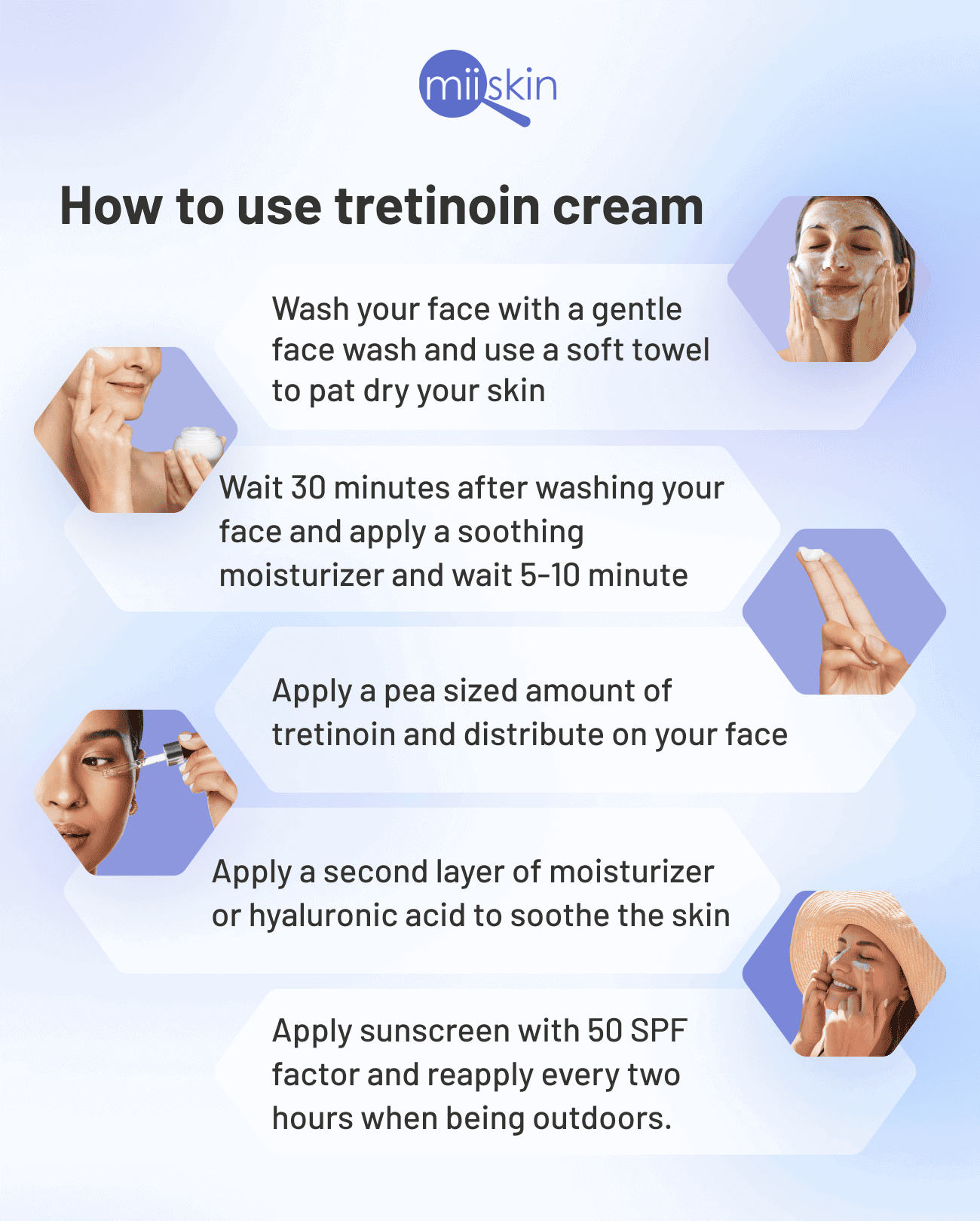
Credit: miiskin.com
What To Do If You Experience Irritation
Even with perfect layering, some people get dryness or redness. Here’s how to manage it:
- Stop retinoids temporarily: Give your skin a break for a few days.
- Use gentle cleansers and rich moisturizers only: Avoid all actives and exfoliants.
- Try using retinoids every other night: This allows your skin more time to recover.
- See a dermatologist: If irritation is severe or doesn’t improve.
Don’t force your skin to adapt faster than it wants. Gentle, patient care leads to better long-term results.
Advanced Tips For Experienced Users
If you’re comfortable with retinoids and want to maximize results, try these:
- Layer hydrating serums (like hyaluronic acid) before moisturizer for extra hydration.
- Use a richer moisturizer in dry climates or winter.
- Apply retinoids to the backs of your hands, neck, or chest—but only if your face tolerates them well first.
- Consider cycling actives: Use vitamin C in the morning, retinoids at night. Never combine in the same routine without professional advice.
- Microneedling and retinoids: Only combine under a dermatologist’s supervision. This can boost results but increases risk.
Real-world Examples
Case 1: Sarah, 28, Sensitive Skin
Sarah tried tretinoin and got red, flaky skin. She switched to the sandwich method with CeraVe moisturizer, used tretinoin twice a week, and saw smooth, clear skin after three months—without irritation.
Case 2: David, 35, Oily Skin
David started retinol with a lightweight gel moisturizer. He waited 20 minutes after washing his face, applied retinol, then moisturizer. He increased to four nights a week and saw fewer breakouts and less oiliness.
Case 3: Mei, 45, Mature Skin
Mei used tretinoin for wrinkles but got dry patches. She added a niacinamide serum before moisturizer, used the sandwich method, and her skin became plumper and more comfortable.
These examples show that with patience and the right strategy, nearly anyone can benefit from retinoids.
Frequently Asked Questions
How Long Should I Wait Between Applying Moisturizer And Retinol Or Tretinoin?
Wait at least 10-20 minutes after washing your face and applying your first layer of moisturizer. This allows your skin to dry and the moisturizer to settle, reducing irritation.
Can I Use Retinol Or Tretinoin Every Night?
Most people should start with 2-3 nights per week. If your skin tolerates it, you can increase frequency. Daily use is possible for some, but only after several weeks or months.
Should I Apply Moisturizer Before Or After Retinoids?
Both! The sandwich method (moisturizer, retinoid, moisturizer) is best for most people. It buffers your skin and reduces side effects.
What If I Accidentally Use Too Much Retinol Or Tretinoin?
If you use too much, your skin may become red, dry, or peel. Pause retinoids, focus on gentle moisturizing, and resume with a smaller amount when your skin heals.
Do I Need A Special Moisturizer For Retinol Or Tretinoin?
You don’t need a “retinol-specific” moisturizer. Just choose one that is fragrance-free, contains barrier-supporting ingredients like ceramides or hyaluronic acid, and matches your skin type.
:max_bytes(150000):strip_icc()/HDC-INFOGRAPHIC-HOW-TO-LAYER-YOUR-SKINCARE-PRODUCTS-1-FINAL-1-1-647ac491d6ad44c898366a09d73c20cb.png)
Credit: www.health.com
Final Thoughts
Layering moisturizer with retinol or tretinoin is one of the smartest ways to get smoother, clearer, and younger-looking skin—without the pain of redness or peeling. The key is to start slow, use the sandwich method, and always listen to your skin. Choose gentle, effective moisturizers and don’t be afraid to adjust your routine as needed. With patience and consistency, you’ll see the benefits of these powerful ingredients—while keeping your skin happy and healthy for the long term. If you ever feel unsure, a dermatologist can help you personalize your approach and get the best results for your unique skin. For more on the science of retinoids and skincare, visit the American Academy of Dermatology.