
Many people love fragrances in their skincare and beauty products. Perfumed creams, lotions, and soaps often feel luxurious and make daily routines more enjoyable. But for those with sensitive skin, these same products can cause problems like redness, itching, or even a burning sensation. Why does this happen? The answer often lies in the fragrance molecules used in cosmetics and personal care items.
Sensitive skin is not just about having a delicate complexion. It’s a real condition, affecting up to 60% of women and 50% of men worldwide. People with sensitive skin react more strongly to common ingredients, especially fragrances. Understanding why this happens requires a closer look at both the structure of fragrance molecules and how our skin’s natural barriers work.
This article explores the science behind fragrance molecules, how they interact with skin, and why they can cause irritation for some people. You’ll also learn how to identify triggers, manage reactions, and make better choices for your skin’s health.
What Are Fragrance Molecules?
Fragrance molecules are the chemical compounds that give products their smell. These molecules can be natural (extracted from plants or animals) or synthetic (made in a lab). They are found in many products:
- Perfumes and colognes
- Moisturizers and lotions
- Shampoos and conditioners
- Soaps and body washes
- Laundry detergents and fabric softeners
A single fragrance may contain dozens or even hundreds of individual molecules. Each has a unique chemical structure, which gives it a specific scent and determines how it interacts with skin.
Types Of Fragrance Molecules
Fragrance molecules fall into two main categories:
- Essential oils and natural extracts: These are distilled from flowers, fruits, leaves, woods, and other plant materials. For example, lavender oil, citrus peel oil, and rose extract are common.
- Synthetic aromachemicals: These are designed in laboratories to mimic natural scents or create new ones. Examples include linalool, limonene, and coumarin.
Some natural and synthetic fragrance molecules are more likely to cause skin irritation than others. The risk depends on their chemical structure, concentration, and how your skin reacts to them.
How Fragrance Molecules Are Used
Cosmetic chemists blend different fragrance molecules to create a pleasant smell or to mask unpleasant odors from other ingredients. Some are chosen for their staying power, while others are included for their freshness or warmth. Fragrances are not just in perfumes—they are also hidden in products labeled as “unscented” to cover up base smells.
How Skin Works As A Barrier
To understand why sensitive skin reacts to fragrances, it helps to know how the skin protects us. The outermost layer of skin, called the stratum corneum, acts like a shield. It has several important jobs:
- Keeps moisture in: Stops water from escaping, so skin stays hydrated.
- Keeps irritants out: Blocks harmful substances like bacteria, pollution, and chemicals.
- Sends warning signals: If something breaches the barrier, skin cells send signals that trigger redness, swelling, or itching.
The Structure Of The Skin Barrier
The skin barrier can be imagined as a brick wall:
- Bricks: These are the skin cells (corneocytes).
- Mortar: The fatty lipids that hold the cells together.
When the “mortar” is damaged or missing, irritants—including fragrance molecules—can slip through more easily and reach deeper layers of skin.
Why Sensitive Skin Is Different
People with sensitive skin often have a weaker barrier. This means:
- More gaps in the “wall” let small molecules through.
- Lower tolerance for chemicals, including fragrances.
- Faster, stronger reactions to irritants.
A damaged skin barrier is like an open gate—fragrance molecules can enter and trigger the body’s defense system, causing discomfort and visible symptoms.
Credit: consolidated-chemical.com
Why Do Fragrance Molecules Cause Skin Irritation?
Fragrance molecules can cause irritation in several ways. The most common reactions are:
- Irritant contact dermatitis: Direct damage to the skin cells by the chemicals.
- Allergic contact dermatitis: An immune system reaction to certain fragrance molecules.
- Photosensitivity: Some fragrance ingredients make skin more sensitive to sunlight.
Let’s look at each type of reaction more closely.
Irritant Contact Dermatitis
This happens when a fragrance molecule directly damages the skin barrier. The result is usually:
- Redness
- Burning or stinging
- Dry, flaky patches
It’s not an allergy. Instead, it’s a chemical irritation. Even people without sensitive skin can experience this if a product is strong enough.
Allergic Contact Dermatitis
This is a true allergy. The immune system treats certain fragrance molecules as dangerous invaders. The first time you use the product, you may not react. But with repeated exposure, your body “remembers” the molecule and starts to attack it.
Symptoms include:
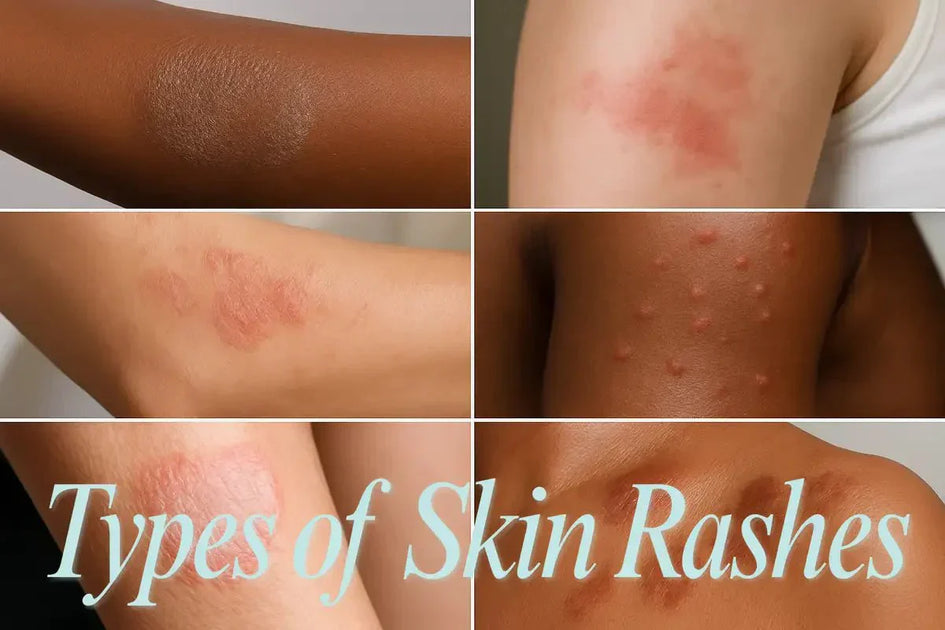
- Itchy rash
- Swelling
- Blisters or oozing
Common allergenic fragrance molecules include:
- Cinnamal (cinnamon scent)
- Eugenol (clove scent)
- Isoeugenol
- Hydroxycitronellal
Not everyone develops an allergy, but those with sensitive skin are at higher risk.
Photosensitivity Reactions
Some fragrance molecules, especially from citrus oils, can make your skin react to sunlight. This can cause:
- Redness and swelling
- Brown patches (hyperpigmentation)
- Blisters
Limonene and bergamot oil are known to trigger this response.
Why Sensitive Skin Reacts More Strongly
Sensitive skin is more reactive because:
- The barrier is weaker, so irritants get in easily.
- The immune system is more likely to overreact.
- The skin may already be inflamed, making it even more vulnerable.
Genetics play a role—some people are born with thin or fragile skin barriers. Others develop sensitivity after years of exposure to harsh products or environmental stress.
Common Fragrance Molecules Linked To Skin Irritation
While hundreds of fragrance ingredients exist, research and reports highlight several as the most frequent troublemakers for sensitive skin. Here are some of the main culprits and how they affect the skin.
1. Linalool
- Scent: Floral, lavender-like
- Source: Found naturally in lavender, basil, and coriander, but also made synthetically.
- Irritation: Oxidized linalool (when exposed to air) is especially irritating and allergenic.
2. Limonene
- Scent: Citrus, lemony
- Source: Orange and lemon peels
- Irritation: Like linalool, it becomes more irritating when exposed to air (oxidation).
3. Citronellol
- Scent: Rose, citrus
- Source: Rose oil, geranium oil
- Irritation: Can cause allergic dermatitis, especially in people with eczema.
4. Cinnamal
- Scent: Spicy, cinnamon
- Source: Cinnamon bark
- Irritation: High risk of allergy, even in small amounts.
5. Eugenol
- Scent: Clove-like
- Source: Clove oil, cinnamon oil
- Irritation: Strong allergen, used in perfumes and dental products.
6. Geraniol
- Scent: Rose, sweet
- Source: Geranium, citronella oil
- Irritation: Common allergen, especially in floral-scented products.
7. Coumarin
- Scent: Sweet, vanilla-like
- Source: Tonka bean, sweet grass
- Irritation: Can cause contact allergy and is restricted in some regions.
8. Hydroxycitronellal
- Scent: Fresh, floral
- Source: Synthetic
- Irritation: Known allergen, used in many perfumes and lotions.
9. Amyl Cinnamal
- Scent: Jasmine-like
- Source: Synthetic
- Irritation: Recognized for causing allergic reactions.
10. Oakmoss Extract
- Scent: Earthy, woody
- Source: Lichen (moss)
- Irritation: Strong allergen, especially in classic perfumes.
Not every sensitive skin reacts to all these molecules, but they are among the most frequently reported. Always check ingredient lists for these names.
How Fragrance Molecules Penetrate The Skin
Fragrance molecules are small and often designed to be volatile (easily evaporate). This allows them to be detected by our noses but also means they can penetrate the skin barrier. Here’s how it happens:
The Journey Through Skin Layers
- Deposition: Product is applied to the skin.
- Absorption: Molecules pass through the outer skin layer (stratum corneum).
- Diffusion: Some molecules move deeper, reaching living skin cells.
- Immune Activation: If recognized as a threat, the immune system responds.
The smaller and more oil-soluble a molecule is, the easier it passes through the skin. Many fragrance molecules fit this description, which is why they can cause irritation even in low concentrations.
Factors That Increase Absorption
Several things can make it easier for fragrance molecules to get into the skin:
- Damaged barrier: From eczema, over-washing, or harsh scrubs.
- High concentration: Strongly scented products are riskier.
- Heat and humidity: Sweating and warmth open skin pores.
- Occlusion: Covering skin (with clothing or bandages) traps molecules against the skin.
Sensitive skin is more affected by these factors, making reactions more likely.
The Science Of Skin Sensitization
Skin sensitization is the process by which repeated exposure to a molecule makes the skin more reactive over time. This is different from immediate irritation. Sensitization can develop slowly, sometimes after months or years of using the same product.
How Sensitization Happens
- First exposure: The immune system is introduced to the fragrance molecule.
- Silent phase: No visible reaction, but immune cells “learn” the molecule.
- Repeat exposure: The immune system recognizes the molecule and mounts a defense.
- Visible reaction: Redness, swelling, itching, or blistering occurs.
Once sensitized, even tiny amounts of the fragrance molecule can trigger a reaction.
Why Fragrances Are A Leading Cause
Fragrances are among the most common causes of skin sensitization. According to the European Surveillance System on Contact Allergies, fragrance mix I (a group of common fragrance allergens) is responsible for up to 10% of all contact allergies in dermatology clinics.
Women are affected slightly more than men, likely due to higher use of scented products.
Cross-reactivity
Some fragrance molecules are chemically similar. If you become allergic to one, you may also react to others in the same family. For example, a person allergic to eugenol may also react to isoeugenol.
How To Identify Fragrance In Products
Recognizing fragrance molecules in products is not always easy. In many countries, cosmetic laws allow companies to list “fragrance” or “parfum” on the label instead of naming each ingredient. However, the European Union (EU) requires 26 specific fragrance allergens to be listed individually if they are present above a certain level.
Common Label Terms
- Fragrance or parfum: Means one or more fragrance molecules are present, details not specified.
- Essential oil: Natural source of fragrance; can be just as irritating as synthetics.
- Aroma: Sometimes used in food or lip care products.
The Eu’s 26 Fragrance Allergens
If you have sensitive skin, look for these names on labels:
- Amyl cinnamal
- Benzyl alcohol
- Cinnamyl alcohol
- Citral
- Eugenol
- Hydroxycitronellal
- Isoeugenol
- Amylcinnamyl alcohol
- Benzyl salicylate
- Cinnamal
- Coumarin
- Geraniol
- Hydroxyisohexyl 3-cyclohexene carboxaldehyde
- Anisyl alcohol
- Benzyl cinnamate
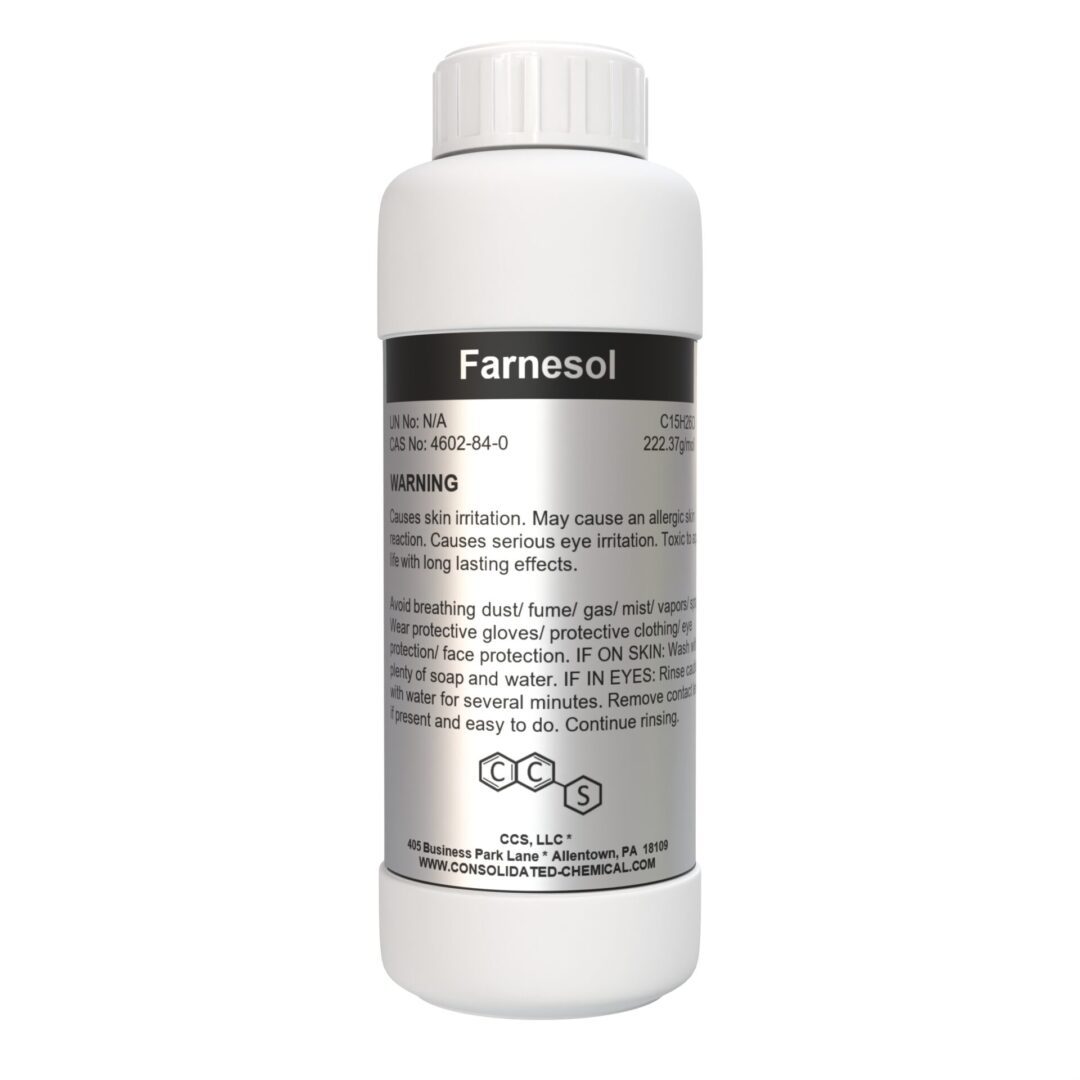
- Farnesol
- Butylphenyl methylpropional
- Linalool
- Benzyl benzoate
- Citronellol
- Hexyl cinnamal
- Limonene
- Methyl 2-octynoate
- Alpha-isomethyl ionone
- Evernia prunastri extract (oakmoss)
- Evernia furfuracea extract (treemoss)
Learning to spot these on ingredient lists is essential for anyone with sensitive skin.
Example Ingredient List Analysis
Consider a moisturizer with these ingredients:
“Aqua, Glycerin, Cetearyl Alcohol, Parfum, Linalool, Limonene, Citronellol, Geraniol, Alpha-Isomethyl Ionone, Coumarin. ”
This product contains several fragrance molecules linked to irritation. Even if “parfum” is present, look for the individual allergens listed separately.
Comparing Fragrance-free Vs. Fragranced Products
Many brands now offer “fragrance-free” or “unscented” products, but the terms are not always clear. Here’s a comparison to help you choose wisely:
| Fragrance-Free | Unscented | Fragranced | |
|---|---|---|---|
| Contains fragrance molecules? | No | May contain masking fragrance | Yes |
| Suitable for sensitive skin? | Yes | Sometimes | No |
| Possible irritation risk | Low | Medium | High |
| Smell | No scent | No scent (masked) | Pleasant/fragrant |
Fragrance-free is the safest choice for those with sensitive skin. “Unscented” can be misleading because products may still contain masking agents that can irritate.
Credit: www.naturalelementsskincare.com
Statistics On Fragrance Sensitivity
Fragrance allergy and irritation are more common than many realize. Here are some important numbers:
- Up to 20% of people with eczema react to fragrance ingredients.
- In a U.S. survey, 34.7% of adults reported sensitivity to fragranced products.
- Fragrance is one of the top five causes of contact allergies in cosmetics.
These statistics show that fragrance sensitivity is a widespread problem, not just a minor issue for a few people.
Hidden Sources Of Fragrance
Many products contain fragrance—even those you might not expect. Some examples:
- “Hypoallergenic” or “dermatologist tested” creams (these terms are not regulated)
- Sunscreens
- Baby wipes
- Medicated ointments
- Household cleaners
Even products labeled “natural” or “organic” can use essential oils that cause irritation.
Practical Steps To Protect Sensitive Skin
If you have sensitive skin, you don’t have to avoid all skincare and beauty products. But you do need to be careful. Here are practical steps:
- Read labels carefully: Look for “fragrance-free” and check for common allergens.
- Patch test new products: Before using, apply a small amount to your inner arm for 48 hours.
- Limit product use: The fewer products you use, the lower your risk.
- Moisturize regularly: Healthy skin barrier reduces irritation.
- Avoid “unscented” if you are highly sensitive: Choose truly fragrance-free.
- Choose trusted brands: Some brands specialize in products for sensitive skin.
- Consult a dermatologist: If you have repeated reactions, get professional advice.
Patch Testing: How And Why
Patch testing helps you spot potential irritants before they cause a full reaction. Here’s how:
- Apply a small amount of the product to your inner forearm.
- Cover with a bandage and leave for 48 hours.
- Check for redness, swelling, or itching.
If any irritation occurs, do not use the product on your face or body.
Real-world Example: Case Study
Consider “Anna,” a 35-year-old with a history of eczema. She started using a new scented body lotion. After three days, she noticed red, itchy patches on her legs. When she checked the ingredients, she found linalool, limonene, and citronellol. Her dermatologist confirmed fragrance allergy using a patch test.
Anna switched to a fragrance-free moisturizer, and her symptoms improved within a week. Her case is common—especially among people with a history of sensitive skin or eczema.
Credit: harlanmd.com
The Role Of Regulations
Regulators in Europe, the U. S. , and other regions set rules for fragrance disclosure. The European Union is the strictest, requiring the 26 allergens to be listed. In the United States, the term “fragrance” can still hide many ingredients.
Comparison Of Regulations
| Region | Labeling Requirement | List of Allergens |
|---|---|---|
| European Union | Must list 26 allergens | Yes |
| United States | “Fragrance” as one word is allowed | No |
| Canada | “Parfum” or “fragrance” allowed | No |
| Australia | “Fragrance” allowed | No |
This means people in Europe have more information, while those elsewhere need to be extra careful.
Misconceptions About Fragrance And Sensitive Skin
Many people believe some myths about fragrance in skincare:
- Myth: “Natural fragrances are safe.”
Fact: Essential oils can be just as irritating as synthetic fragrances.
- Myth: “If a product doesn’t smell strong, it’s safe.”
Fact: Even low-scent products can contain potent allergens.
- Myth: “Hypoallergenic means it won’t cause irritation.”
Fact: This term is not regulated and does not guarantee safety.
Understanding these misconceptions helps you make better choices.
Non-obvious Insights For Managing Fragrance Sensitivity
Many people with sensitive skin focus only on creams and lotions. But to truly protect your skin, consider these less-known tips:
- Hair care products matter: Shampoo, conditioner, and hair serums can run onto your face, neck, or back and cause irritation.
- Laundry products are a hidden trigger: Fragrance in detergent or fabric softener can stay on clothes and bedding, causing ongoing exposure.
- Airborne fragrances: Perfume sprayed in the air or scented candles can settle on your skin, especially in enclosed spaces.
- Mixing products increases risk: Even if each product is “low fragrance,” using many together can add up and overwhelm your skin.
- Seasonal changes: Cold, dry air or hot, humid weather can weaken your barrier and make you more reactive to fragrances.
Advice For Choosing Products
If you want to avoid skin irritation from fragrance molecules, use these strategies:
- Pick products labeled “fragrance-free” from reputable brands.
- Avoid “aromatherapy” skincare if you have sensitive skin.
- Look for products with short ingredient lists—fewer ingredients mean fewer chances for irritation.
- Seek out certifications, such as “Allergy Certified” or “National Eczema Association Seal.”
- Patch test even “safe” products, as everyone’s skin is different.
When in doubt, consult your doctor or dermatologist for recommendations tailored to your skin.
The Future Of Fragrance In Skincare
The beauty industry is listening to consumers with sensitive skin. More brands are offering fragrance-free options, and some are developing hypoallergenic fragrances that use larger molecules, which are less likely to penetrate the skin barrier or cause reactions.
Researchers are also working on new ways to encapsulate fragrance—wrapping scent molecules in “bubbles” that release slowly, reducing direct contact with skin. These advances may make it safer for sensitive individuals to use lightly fragranced products in the future.
For more information about fragrance allergies and skin reactions, you can visit the American Academy of Dermatology.
Frequently Asked Questions
What Are The Most Common Fragrance Molecules That Cause Irritation?
The most common culprits include linalool, limonene, citronellol, eugenol, cinnamal, and geraniol. These are found in both natural and synthetic fragrances and are responsible for many cases of skin irritation and allergy, especially in sensitive individuals.
How Can I Tell If A Product Contains Irritating Fragrance Molecules?
Check the ingredient list for the word fragrance, parfum, or any of the 26 EU-listed fragrance allergens (like linalool, limonene, etc.). If you have sensitive skin, choose products labeled fragrance-free and always perform a patch test before full use.
Is “unscented” The Same As “fragrance-free”?
No. Unscented products may still contain fragrance molecules to mask other smells, which can still irritate sensitive skin. Fragrance-free means no added fragrance ingredients, making it a better choice for those with sensitivities.
Can Essential Oils Cause Skin Irritation?
Yes. Many essential oils contain potent fragrance molecules that can irritate or sensitize the skin. Lavender, citrus, peppermint, and tea tree oils are common triggers. Sensitive skin types should use caution with essential oils in skincare.
What Should I Do If I Develop A Reaction To A Fragranced Product?
Stop using the product immediately. Wash the area with cool water and apply a gentle, fragrance-free moisturizer. If symptoms persist (redness, swelling, itching, or blisters), consult a dermatologist. They may recommend a patch test to identify the specific allergen.
Sensitive skin can make daily life more complicated, but with knowledge and careful choices, you can reduce the risk of irritation from fragrance molecules. By understanding your triggers, reading labels, and choosing wisely, you can enjoy healthier, more comfortable skin.