

Fermented Ingredients In Moisturizers: How They Strengthen Skin Barrier
Moisturizers have always been a vital part of skincare routines, but in recent years, a unique class of ingredients has been gaining the spotlight—fermented ingredients. Used for centuries in food and medicine, fermentation is now transforming the world of skincare. People often wonder why products with fermented elements claim to be more effective and what makes them so special for the skin barrier. The answer lies in both science and the natural world. This article will explore how fermented ingredients work, their benefits for the skin barrier, and what makes them an exciting addition to modern moisturizers.
What Is The Skin Barrier And Why Does It Matter?
The skin barrier is not just a simple shield. It is a complex structure, mainly the outermost layer called the stratum corneum. This barrier consists of dead skin cells surrounded by lipids (fats) that act like mortar holding bricks together. Its main job is to keep moisture in and harmful substances out. When the skin barrier is healthy, skin looks smooth, hydrated, and resilient. When it’s damaged, you may notice dryness, irritation, redness, and even breakouts.
Many factors can weaken the skin barrier, such as:
- Harsh weather (cold, wind, sun)
- Over-cleansing or using strong exfoliants
- Pollution and toxins
- Stress and poor diet
A weak skin barrier cannot protect the skin from irritants and water loss. This is where moisturizers, especially those with fermented ingredients, can make a real difference.
The Science Of Fermentation In Skincare
Fermentation is a process where microorganisms like yeast, bacteria, or enzymes break down substances into smaller, more active forms. For example, when milk ferments, it turns into yogurt. When applied to skincare, fermentation can transform plant extracts, vitamins, and other ingredients into forms that are easier for skin to absorb and use.
Why is this important? Here are a few reasons:
- Smaller molecules: Fermentation breaks large molecules into smaller ones, allowing deeper penetration into the skin.
- Increased potency: The process can increase the concentration of beneficial compounds, such as amino acids, peptides, and antioxidants.
- Enhanced bioavailability: Skin can use fermented ingredients more easily, making products more effective.
- Added probiotics: Some fermentation processes add beneficial bacteria, which can help balance the skin’s microbiome.
These changes mean that fermented ingredients in moisturizers are not just a trend—they offer real, science-backed benefits for the skin barrier.
How Fermented Ingredients Strengthen The Skin Barrier
Fermented ingredients support the skin barrier in several ways:
- Boosting hydration: They help the skin hold onto water, preventing dryness.
- Balancing pH: Healthy skin is slightly acidic. Fermented extracts help maintain this balance.
- Providing antioxidants: These protect the skin from environmental stress.
- Supporting microbiome: Probiotics from fermentation help keep the skin’s good bacteria healthy, which is vital for barrier function.
- Enhancing lipid production: Some fermented compounds encourage the skin to make more lipids, repairing cracks in the barrier.
Let’s take a closer look at some popular fermented ingredients and how they work.
Common Fermented Ingredients In Moisturizers
1. Galactomyces Ferment Filtrate
Originally discovered in sake breweries, galactomyces is a type of yeast. Workers who handled the fermenting liquid had unusually smooth, youthful hands. This extract is now famous for:
- Deep hydration
- Brightening dull skin
- Supporting even skin tone
- Strengthening the skin barrier
Studies show galactomyces can improve moisture by up to 22% and help reduce the appearance of pores.
2. Saccharomyces Ferment Filtrate
Another yeast-based ingredient, saccharomyces, is rich in minerals, amino acids, and vitamins. It helps:
- Soothe irritation
- Improve skin texture
- Deliver nutrients deep into the skin
Saccharomyces also supports the skin’s natural repair process, making it ideal for sensitive or damaged skin.
3. Bifida Ferment Lysate
Bifida is a probiotic commonly found in yogurt. In moisturizers, bifida ferment lysate:
- Protects against UV-induced damage
- Helps repair the skin barrier
- Reduces sensitivity
Clinical studies suggest bifida ferment lysate can reduce skin sensitivity by up to 53% after repeated use.
4. Lactobacillus Ferment
This friendly bacteria is known for its role in gut health, but on the skin, lactobacillus ferment helps:
- Calm redness and inflammation
- Support the growth of good bacteria on the skin
- Improve moisture retention
Lactobacillus can also make the skin less prone to breakouts by balancing the microbiome.
5. Fermented Rice Extract
Fermented rice, or sake extract, is packed with amino acids, antioxidants, and vitamins. It:
- Brightens the complexion
- Smooths rough texture
- Strengthens the skin barrier
Many Asian skincare routines use rice-based ferments for their powerful effects on skin glow and resilience.
6. Fermented Soy
Soy is naturally rich in proteins and isoflavones. Fermented soy in moisturizers:
- Improves elasticity
- Boosts collagen production
- Helps repair barrier damage
Fermentation makes soy’s nutrients more available to the skin, which is why it’s a favorite in anti-aging products.
7. Fermented Green Tea
Green tea is known for antioxidants. Fermented green tea contains even higher levels of polyphenols and catechins, helping to:
- Soothe stressed skin
- Protect from pollution
- Reduce inflammation
Studies show that fermented green tea can be up to three times more effective at calming redness than non-fermented green tea.
8. Fermented Honey And Propolis
Honey and propolis are famous for their healing properties. When fermented, they offer:
- Extra antibacterial benefits
- Improved wound healing
- Enhanced moisture retention
These are especially helpful for people with acne-prone or sensitive skin.
9. Fermented Ginseng
Ginseng is a traditional herbal remedy. Fermented ginseng is easier for the skin to use, and it:
- Fights signs of aging
- Boosts circulation
- Strengthens the skin’s defense
Fermented ginseng is often found in luxury moisturizers that target mature or stressed skin.
10. Fermented Fruit Extracts
Fruits like pomegranate, apple, or pumpkin are sometimes fermented to unlock their full skincare potential. They:
- Deliver gentle exfoliation
- Provide vitamins and antioxidants
- Improve skin clarity
Fruit ferments are popular in moisturizers for dull, uneven, or rough skin.
How Do Fermented Ingredients Compare To Non-fermented Ones?
To understand the real value of fermentation, let’s look at a comparison between traditional and fermented ingredients in moisturizers.
| Feature | Non-Fermented Ingredients | Fermented Ingredients |
|---|---|---|
| Absorption | May sit on surface | Smaller molecules, deeper penetration |
| Potency | Natural level | Often increased |
| Bioavailability | Lower | Higher, skin uses more easily |
| Microbiome Support | Limited | Contains probiotics, supports healthy skin bacteria |
| Allergen Risk | Varies | Lower, as fermentation can break down allergens |
This table shows why fermented extracts are often considered more advanced in modern skincare.
The Role Of Fermented Ingredients In Moisturizer Formulations
When added to moisturizers, fermented ingredients work with other elements like humectants (water-attracting), emollients (softening), and occlusives (sealing). Together, they create a product that not only hydrates but also repairs and reinforces the skin barrier.
A typical moisturizer with fermented ingredients might include:
- Fermented extract (main active)
- Glycerin or hyaluronic acid (humectant)
- Ceramides or fatty acids (emollient)
- Squalane or dimethicone (occlusive)
The fermented extract works at a cellular level to repair and protect, while the other ingredients lock in moisture and smooth the surface.
Credit: fcp.online
Why Fermented Ingredients Are Especially Good For Sensitive Skin
People with sensitive or reactive skin often struggle to find products that are both gentle and effective. Fermented ingredients are ideal because:
- They are broken down into simpler forms, reducing the risk of irritation.
- Fermentation can remove or neutralize natural allergens.
- Probiotic elements help restore balance to the skin.
A clinical trial in Korea found that a moisturizer containing bifida ferment lysate reduced redness and discomfort in sensitive skin by over 40% within two weeks.
Not-so-obvious Benefits Of Fermented Ingredients
Many people focus on hydration or anti-aging, but fermented ingredients offer some lesser-known advantages:
- Environmental protection: Fermented extracts contain unique antioxidants that specifically protect against pollution and UV damage.
- Reduced need for preservatives: Fermentation can naturally preserve a moisturizer, reducing the need for harsh synthetic chemicals.
- Improved product texture: Fermented ingredients often make moisturizers lighter and easier to spread, enhancing user experience.
Most beginners overlook these details, but they make a big difference in long-term skin health.
Real-world Examples: Popular Moisturizers With Fermented Ingredients
Here are some examples of moisturizers that use fermentation for stronger skin barriers:
- SK-II Facial Treatment Essence (contains galactomyces)
- Estée Lauder Advanced Night Repair (contains bifida ferment lysate)
- Missha Time Revolution The First Treatment Essence (contains saccharomyces ferment filtrate)
- Dr. Jart+ Vital Hydra Solution Biome Water Cream (contains lactobacillus ferment)
- Fresh Black Tea Kombucha Facial Treatment Essence (contains fermented black tea)
Many of these products are best-sellers in their category, and users often report fewer breakouts, smoother texture, and more resilient skin.
Choosing The Right Fermented Moisturizer For Your Skin
Not all fermented moisturizers are created equal. When shopping, consider these key factors:
Skin Type Compatibility
- Oily/Acne-Prone: Look for light, water-based gels with fermented green tea or lactobacillus.
- Dry/Sensitive: Creams with fermented rice or bifida ferment lysate are best.
- Aging/Mature: Choose products with fermented ginseng or soy for extra firming and repair.
Ingredient Concentration
Check if the fermented extract is listed in the top five ingredients. Higher up means higher concentration.
Product Texture
Lighter fluids are better for daytime, while richer creams suit night use or dry climates.
Brand Transparency
Reliable brands will explain their fermentation process and show clinical results. Avoid products that simply use the word “fermented” as a marketing trick.
Allergies And Patch Testing
Even though fermentation reduces allergen risk, always patch-test a new product, especially if you have sensitive skin.
Myths And Misunderstandings About Fermented Ingredients
Despite their popularity, there are still some myths about fermented ingredients in moisturizers:
- “Fermented” means the product contains alcohol: Not true. Most ferments in skincare are alcohol-free.
- Only expensive brands use fermented extracts: False. Many affordable products contain high-quality ferments.
- Fermented ingredients are the same as probiotics: Not exactly. Some ferments contain live probiotics, while others provide prebiotics or postbiotics (beneficial by-products).
- They can replace all other skincare steps: Also not true. Fermented moisturizers work best as part of a balanced routine.
How To Incorporate Fermented Moisturizers Into Your Routine
Using fermented moisturizers is simple, but a few tips can maximize results:
- Cleanse gently: Don’t strip your skin with harsh cleansers.
- Apply toner or essence: This preps the skin to absorb the moisturizer.
- Use the fermented moisturizer: Apply while skin is still slightly damp.
- Seal with sunscreen (day) or occlusive cream (night): To lock in all benefits.
If using other active ingredients (like retinol or vitamin C), let your skin adjust to the fermented product first.
Data On Effectiveness: What Do Studies Show?
Scientific studies on fermented ingredients are impressive:
- A study in the Journal of Cosmetic Dermatology found that bifida ferment lysate improved skin barrier strength by 28% after 4 weeks.
- Another trial using galactomyces ferment filtrate saw a 20% reduction in transepidermal water loss (a key marker of barrier health) after 2 weeks.
- Fermented rice extract was shown to improve skin elasticity by 16% in a group of women aged 35-50.
These numbers show that fermented ingredients are more than just hype.
Potential Downsides And Who Should Be Careful
While fermented ingredients are usually safe, a few people may experience issues:
- Very sensitive skin: Rarely, some may react to by-products of fermentation.
- Allergies: If allergic to yeast, soy, or rice, check ingredient lists carefully.
- Acne-prone skin: Choose non-comedogenic formulas, as some heavy creams can clog pores.
Always introduce new products slowly, and consult a dermatologist if you have a history of severe reactions.
The Future Of Fermented Ingredients In Skincare
Experts believe that the use of fermented ingredients will continue to grow. As more research is done, new ferments and methods will emerge. We may soon see:
- Customized ferments tailored to individual skin types
- Fermented peptides for deeper repair
- Combination of ferments with high-tech delivery systems
Brands are also focusing on sustainability, using waste products from food fermentation to make skincare more eco-friendly.
Case Study: How One User Improved Their Skin Barrier
Maria, age 32, struggled with redness and dry patches due to frequent travel and city pollution. After switching to a moisturizer with bifida ferment lysate and fermented rice extract, she noticed:
- Redness reduced within 10 days
- Dry patches healed after 3 weeks
- Her skin felt less tight and looked more radiant
She also appreciated that the moisturizer felt lightweight and did not sting her sensitive skin.
Key Insights Most People Miss
Beginners often overlook these points:
- Consistency matters: Fermented ingredients work best with regular, long-term use. Results build over time.
- Layering with other skincare: Ferments can boost the effects of other products, but always check for interactions.
- Seasonal changes: In winter, a richer fermented cream can prevent barrier damage. In summer, a light fermented gel is often enough.
Understanding these small details can turn a good skincare routine into a great one.
Sustainability And Fermented Skincare
Fermentation is not just good for your skin—it’s also good for the planet. Many brands use fermentation to:
- Reduce waste by using plant parts that would otherwise be thrown away
- Lower energy use compared to harsh chemical extraction methods
- Create safer, more stable products with fewer preservatives
For example, some Korean brands use by-products from the sake industry to create powerful fermented extracts, minimizing environmental impact.
Comparing Top Fermented Ingredients For Barrier Repair
Let’s compare some of the most popular fermented ingredients for barrier repair.
| Ingredient | Main Benefit | Best For | Typical Product Type |
|---|---|---|---|
| Galactomyces | Hydration, brightening | All skin types | Essence, moisturizer |
| Bifida Ferment Lysate | Repair, sensitivity | Dry, sensitive skin | Serum, cream |
| Lactobacillus Ferment | Soothing, microbiome support | Red, irritated skin | Gel, cream |
| Fermented Rice Extract | Elasticity, glow | Aging, dull skin | Essence, lotion |
| Fermented Green Tea | Antioxidant, calming | Oily, stressed skin | Gel, essence |
This comparison can help you pick the right ingredient for your unique skin concerns.
Practical Tips For Getting The Most From Fermented Moisturizers
- Store your moisturizer in a cool, dry place to keep the ferments active.
- Use clean hands or a spatula to avoid contamination.
- Don’t layer too many actives at once—let the fermented moisturizer do its job.
- Give your skin at least 4 weeks to show real changes.
- If traveling, use travel-sized containers to maintain freshness.

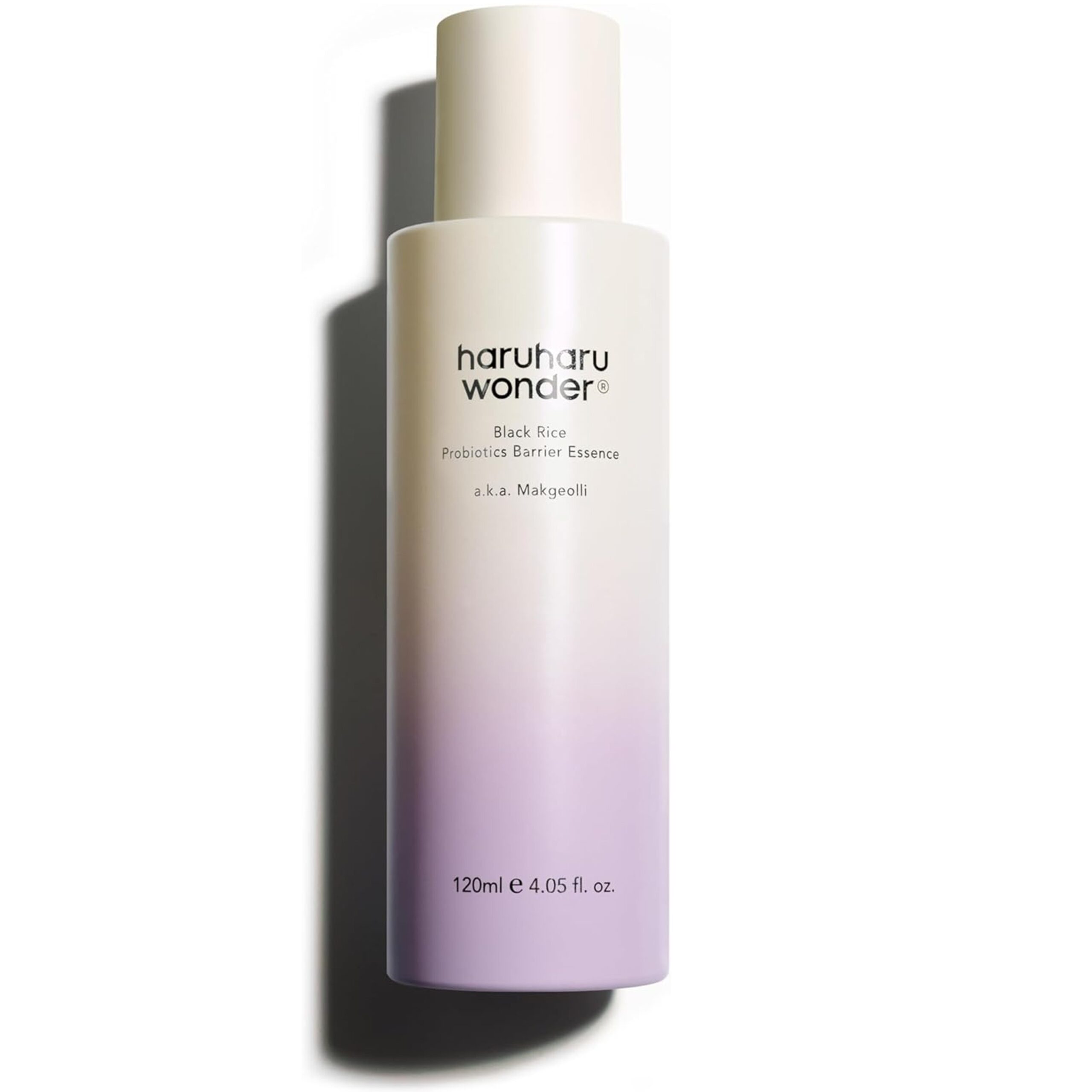
Credit: www.amazon.ie
What To Avoid When Using Fermented Moisturizers
- Don’t use with harsh acids or strong retinol at the same time, as this can overwhelm the skin barrier.
- Avoid products that list “fragrance” or “parfum” high on the list, as these can irritate sensitive skin.
- Watch out for “filler” ingredients—choose products that highlight the fermented extract.
Fermented Ingredients And Skin Microbiome: A Deeper Look
The skin microbiome is the community of bacteria, fungi, and other microorganisms living on your skin. A healthy microbiome is linked to strong barrier function, less sensitivity, and even slower aging.
Fermented moisturizers support the microbiome by:
- Providing prebiotics (food for good bacteria)
- Supplying probiotics (live beneficial bacteria, in some cases)
- Delivering postbiotics (helpful by-products)
This three-part support helps your skin fight off bad bacteria and recover from stress faster.

Credit: www.senegence.com
Are Fermented Ingredients Suitable For Everyone?
Most people can benefit from fermented ingredients, but there are a few exceptions:
- Children: Their skin is more sensitive, so always check with a pediatrician.
- Very compromised skin: If you have open wounds or severe eczema, consult a doctor before use.
- Pregnancy: Most fermented ingredients are safe, but check labels for added retinoids or essential oils.
Innovations And Trends: What’s Next?
Skincare science is moving fast. New trends include:
- Custom fermentation: Labs are now creating unique ferments for specific concerns, like pollution or digital device stress.
- Mixing multiple ferments: Some products blend two or more ferments for a “cocktail” effect.
- Personalized skincare: Brands are using skin analysis to match you with the best fermented formula.
According to a 2022 market report, the global fermented skincare market is growing by 8% each year, showing strong consumer interest and ongoing innovation.
Trusted Resources For Further Reading
If you want to dive deeper into the science, a good place to start is this research review on fermented cosmetics from the US National Institutes of Health.
Frequently Asked Questions
1. What Are Fermented Ingredients In Moisturizers?
Fermented ingredients are plant extracts, vitamins, or other compounds broken down by bacteria, yeast, or enzymes. This makes them smaller, more active, and easier for skin to absorb. They are used in moisturizers to boost hydration, repair the skin barrier, and support healthy skin bacteria.
2. Are Fermented Moisturizers Safe For Sensitive Skin?
Most fermented moisturizers are very safe for sensitive skin because fermentation can reduce allergens and make ingredients gentler. However, it is still important to patch test first and choose formulas designed for sensitive skin.
3. How Quickly Will I See Results From Fermented Moisturizers?
Some people notice more hydration and smoothness within a few days. For barrier strengthening and reduced redness, it usually takes 2–4 weeks of consistent use. Results build over time, so patience is key.
4. Can Fermented Moisturizers Be Used With Other Active Ingredients?
Yes, but be careful. While ferments are generally gentle, mixing too many actives (like retinol or strong acids) at once can irritate the skin. Start with one new product at a time and see how your skin reacts.
5. Do Fermented Moisturizers Smell Different?
Some may have a slightly “yeasty” or natural scent, but most are well-formulated to be pleasant. If you notice a strong or unpleasant smell, the product may be expired or not suited for your preferences.
Moisturizers with fermented ingredients are more than a passing trend—they are a science-backed way to achieve a stronger, healthier skin barrier. With their unique ability to hydrate, protect, and repair, these products are changing the way people care for their skin.
Whether you are dealing with dryness, sensitivity, or just want a radiant glow, considering a fermented moisturizer could be your next best skincare decision.