

Centella Asiatica For Barrier Repair: Why Cica Cream Works
Skin problems are more common today than ever. Many people face dryness, redness, irritation, or even burning sensations on their face or body. Often, the cause is a damaged skin barrier. This thin layer on the surface of your skin does a lot: it locks in moisture, keeps out irritants, and protects from pollution. When it’s weakened, everything from weather to harsh skincare can make your skin feel worse. That’s why more people are searching for ways to repair the barrier and restore healthy skin.
One natural solution is getting more attention: Centella Asiatica. You might recognize it in stores as “cica” cream. This plant extract has been used for centuries in traditional medicine. Now, science is confirming what old remedies suggested—Centella Asiatica can help heal, soothe, and protect the skin barrier. But why does it work so well? What does the research say? And is cica cream right for your skin type? Let’s explore the facts, benefits, and practical tips for using Centella Asiatica for barrier repair.
What Is Centella Asiatica?
Centella Asiatica is a small green plant that grows in Asia, Africa, and parts of Australia. You might know it as Gotu Kola, Tiger Grass, or Indian Pennywort. In traditional medicine, it’s used to treat wounds, burns, and even anxiety. In skincare, it’s loved for its calming and healing effects.
The main active ingredients in Centella Asiatica are:
- Asiaticoside
- Madecassoside
- Asiatic acid
- Madecassic acid
These are called triterpenoids. They have strong anti-inflammatory, antioxidant, and wound-healing properties.
How It’s Used In Skincare
Centella Asiatica is found in many forms:
- Creams and lotions (often called cica cream)
- Serums
- Masks
- Ointments
You’ll see it listed as “Centella Asiatica extract,” “cica,” or the names of its key compounds.
Understanding The Skin Barrier
To see why Centella Asiatica works, you need to understand the skin barrier. This is the outer layer of your skin, called the stratum corneum. It’s like a brick wall: skin cells are the bricks, and fats (called lipids) are the mortar holding them together.
This layer:
- Keeps moisture in
- Blocks bacteria, pollution, and allergens
- Helps skin look smooth and healthy
What Damages The Skin Barrier?
Many things can harm this important layer:
- Harsh cleansers or over-washing
- Too much exfoliation (scrubs, acids, or peels)
- Cold, dry air (especially in winter)
- Sun exposure without protection
- Stress or lack of sleep
- Hot showers or baths
When the barrier is weak, you might notice:
- Redness or irritation
- Flaky, dry patches
- Burning or stinging
- More breakouts or sensitivity
Restoring the barrier is the first step to healthier skin—and that’s where Centella Asiatica comes in.
How Centella Asiatica Helps Barrier Repair
Centella Asiatica does more than soothe. Its unique mix of compounds helps the skin barrier in several ways:
1. Reduces Inflammation
Inflamed skin is a sign the barrier is damaged. The triterpenoids in Centella Asiatica lower inflammation by blocking certain chemicals that cause redness and swelling. That’s why cica creams calm irritation fast.
2. Boosts Collagen Production
Collagen is a protein that keeps skin firm and strong. Centella Asiatica triggers the skin to make more collagen, which speeds up healing and strengthens weak spots in the barrier. In a 2013 study, wounds healed up to 2 times faster with Centella Asiatica extract.
3. Fights Free Radicals
Every day, pollution and UV rays create free radicals—unstable molecules that damage skin cells. The antioxidants in Centella Asiatica neutralize these, protecting the skin’s barrier from long-term harm.
4. Improves Hydration
Centella Asiatica helps the skin hold onto water by increasing the production of hyaluronic acid and strengthening the lipids in the barrier. This means less dryness and flakiness.
5. Speeds Up Wound Healing
It’s proven that Centella Asiatica helps wounds, burns, and even acne spots heal faster. That’s why it’s used in creams for scars and skin recovery.
6. Strengthens The Skin’s Structure
By boosting both collagen and elastin, Centella Asiatica makes the barrier more flexible and less likely to crack or tear.
Scientific Data: How Effective Is It?
Many studies confirm these benefits. In clinical trials, creams with Centella Asiatica:
- Improved skin moisture by up to 53% after 4 weeks
- Reduced redness and irritation in over 70% of users
- Helped heal post-laser wounds twice as fast as placebo
Here’s a quick comparison of how Centella Asiatica stacks up against other popular barrier-repair ingredients:
| Ingredient | Main Benefit | Speed of Barrier Repair | Extra Properties |
|---|---|---|---|
| Centella Asiatica | Calms, heals, hydrates | Fast (2-4 weeks) | Boosts collagen |
| Ceramides | Locks in moisture | Moderate (3-6 weeks) | Restores lipids |
| Niacinamide | Reduces redness, controls oil | Moderate (4-8 weeks) | Brightens skin |
| Petrolatum | Seals barrier | Immediate (surface only) | No healing |
As you can see, Centella Asiatica works quickly and offers extra benefits like collagen support.
What Makes Cica Cream Special?
Cica cream is a skincare product that highlights Centella Asiatica as the hero ingredient. But not all cica creams are the same. Here’s why the best ones stand out:
- High concentration of Centella Asiatica extract or its main compounds
- Minimal irritants—no alcohol, fragrance, or harsh preservatives
- Added skin barrier boosters like ceramides, panthenol, or hyaluronic acid
Cica cream is thicker than a lotion but lighter than an ointment. It spreads easily, absorbs fast, and leaves a protective layer without feeling greasy.
Who Should Use Cica Cream?
Cica cream is ideal for:
- Sensitive or reactive skin
- Dry, flaky, or rough patches
- Redness from acne, rosacea, or eczema
- Recovery after cosmetic treatments (like peels or lasers)
- Anyone who overdid exfoliation or retinoids
Not Just For The Face
You can use cica cream on:
- Hands or elbows (for roughness)
- Lips (for chapping)
- Minor cuts or scrapes
- Anywhere skin feels irritated
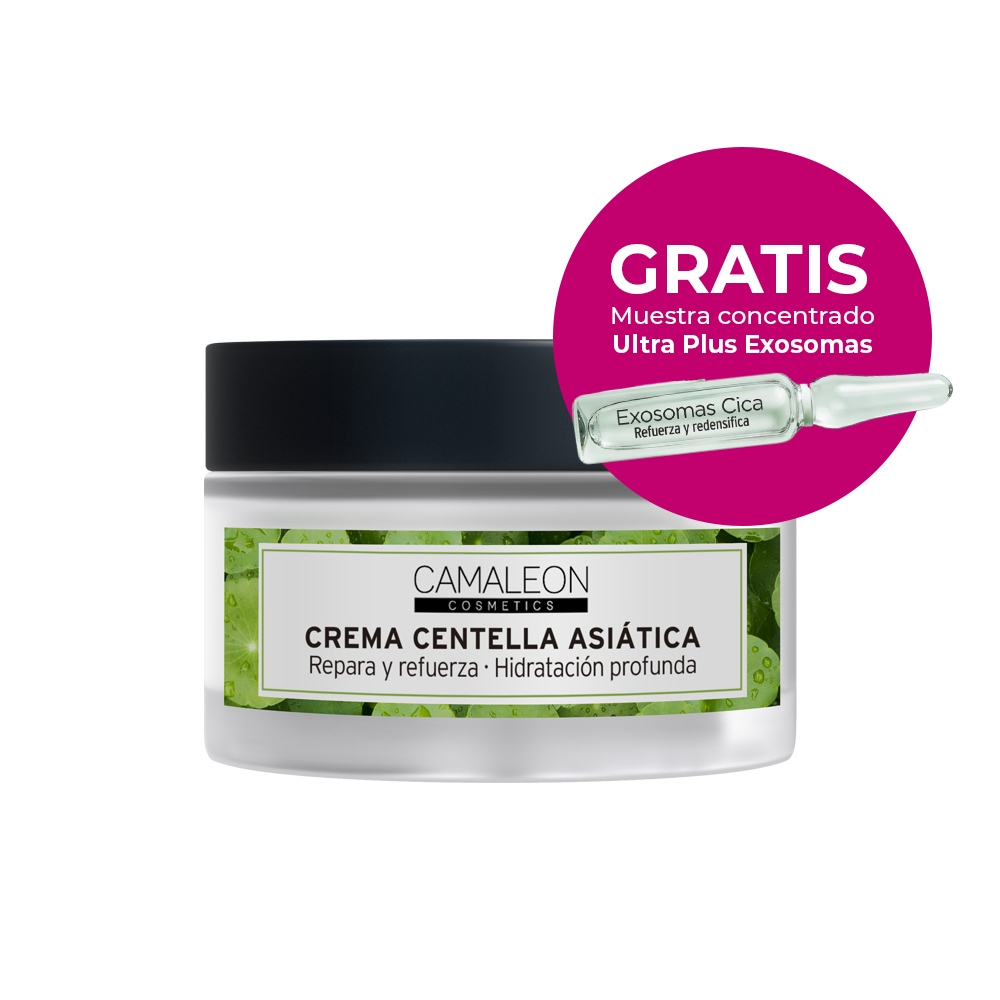
Credit: camaleoncosmetics.com
Active Compounds In Centella Asiatica: What They Do
Let’s look deeper at the four main compounds in Centella Asiatica and their unique benefits:
| Compound | Main Role | Key Benefits |
|---|---|---|
| Asiaticoside | Stimulates collagen | Faster wound healing, reduces scarring |
| Madecassoside | Anti-inflammatory | Soothes irritation, calms redness |
| Asiatic Acid | Antioxidant | Protects from free radicals, repairs damage |
| Madecassic Acid | Skin strengthener | Improves barrier, increases moisture |
Some cica creams list these specific ingredients, while others just say “Centella Asiatica extract. ”
Cica Cream Vs. Other Barrier Repair Products
There are many ways to repair your skin barrier. How does cica cream compare to other popular options?
Cica Cream Vs. Ceramide Cream
Ceramide creams are famous for restoring the skin’s lipid layer. They work by replacing missing fats. Cica creams also help restore the barrier, but they add healing and anti-inflammatory power. Some of the best creams combine both.
Cica Cream Vs. Ointments (petrolatum, Aquaphor)
Ointments work by sealing the surface so water can’t escape. They’re great for very dry or cracked skin. However, they don’t help the skin heal itself. Cica creams promote actual repair and can be used under ointments for best results.
Cica Cream Vs. Niacinamide Cream
Niacinamide is a form of vitamin B3. It helps with redness and supports the barrier but can irritate sensitive skin if used at high levels. Cica cream is usually gentler and better for those who react to other ingredients.
Why Layering Matters
Combining cica cream with other barrier-repair products can lead to faster results, especially if you have severe damage.
How To Use Cica Cream For Best Results
To get the most from your cica cream, follow these practical steps:
- Cleanse gently – Use a mild, fragrance-free cleanser. Avoid scrubs or foaming washes.
- Pat skin dry – Don’t rub. Leave skin slightly damp.
- Apply cica cream – Use a pea-sized amount and spread evenly over the face, focusing on dry or red areas.
- Layer if needed – For extra dry skin, add a moisturizer or ointment on top to seal in the cica cream.
- Repeat twice daily – Morning and night work best.
Extra Tips
- Use lukewarm water for washing, never hot.
- Avoid exfoliants or retinoids until your barrier feels strong again.
- If you’re using actives (like acids or retinol), apply cica cream after to buffer potential irritation.
- Try not to touch your face during the day, as this can spread germs and damage the barrier.
What Results To Expect (and How Long It Takes)
Most people notice improvements in hydration and comfort within a few days. Redness and irritation often fade in 1–2 weeks. For deeper barrier repair, give it 3–4 weeks of consistent use.
Signs Your Barrier Is Healing
- Less redness and stinging
- Smoother, softer texture
- Fewer dry patches or flaking
- Less sensitivity to products or weather
When To See A Doctor
If your skin is severely cracked, bleeding, or infected, talk to a dermatologist before using any product.

Credit: www.amazon.com
Common Myths About Cica Cream
There’s a lot of hype online about Centella Asiatica. Here are a few myths to be aware of:
- “Cica cream is only for sensitive skin.”
- Truth: Anyone can use cica cream, even those with oily or normal skin.
- “All cica creams are natural.”
- Truth: Some contain synthetic ingredients. Always check the label if you want a clean formula.
- “You’ll see results overnight.”
- Truth: While some soothing happens fast, full repair takes time and regular use.
- “It works for all skin problems.”
- Truth: Cica cream is best for irritation, dryness, or minor damage—not severe eczema or infections.
Who Should Not Use Cica Cream?
Most people tolerate Centella Asiatica well, but a few exceptions exist:
- People allergic to Centella Asiatica (rare, but possible)
- Those with very oily, acne-prone skin—some cica creams are rich and might clog pores if not chosen carefully
- Anyone with open wounds or severe skin disease—always ask a dermatologist first
A patch test is smart if you have sensitive skin: apply a small amount to your inner arm and wait 24 hours.
Choosing The Right Cica Cream
There are hundreds of cica creams on the market. Here’s how to pick the best one for barrier repair:
- Check the concentration – Look for Centella Asiatica (or asiaticoside/madecassoside) in the top half of the ingredient list.
- Avoid irritants – Stay away from alcohol, fragrance, and harsh preservatives.
- Look for extra hydrators – Ingredients like ceramides, panthenol, or hyaluronic acid are a plus.
- Texture matters – If you have dry skin, choose a thicker cream. For oily skin, a gel or light lotion works better.
Example Ingredient List (good Vs. Bad)
| Good Cica Cream | Problematic Cica Cream |
|---|---|
| Water, Centella Asiatica Extract, Glycerin, Ceramide NP, Madecassoside, Panthenol, Squalane | Water, Alcohol, Fragrance, Centella Asiatica Extract (low on list), PEG-40 Hydrogenated Castor Oil |
Two Insights Beginners Often Miss
- Cica creams work best when you simplify your routine. Many people use too many products, which can stress the skin barrier. For true repair, cut back to just a gentle cleanser, cica cream, and sunscreen.
- The “tingling” or “warming” you sometimes feel isn’t always a good sign. While some people think this means the product is working, it can actually mean the barrier is still weak. If you feel burning, switch to a gentler formula or use less.
Real-life Example: Recovering From Barrier Damage
Anna, a 32-year-old office worker, noticed her skin was red, flaky, and burning after trying a new exfoliating toner. She stopped all actives and started using a basic cica cream twice daily. Within one week, her skin felt calmer and less tight.
After a month, the redness disappeared, and her skin looked smooth again. Anna’s story shows the power of Centella Asiatica when you give your skin time to heal.
Potential Side Effects And How To Avoid Them
Centella Asiatica is safe for most people, but a few may experience:
- Mild itching or rash (rare)
- Acne breakouts (if the cream is too rich for your skin type)
- Allergic reaction (very uncommon)
To avoid problems:
- Start with a patch test
- Use only a thin layer at first
- Choose a formula for your skin type
If you notice swelling, severe itching, or hives, stop use and contact a doctor.
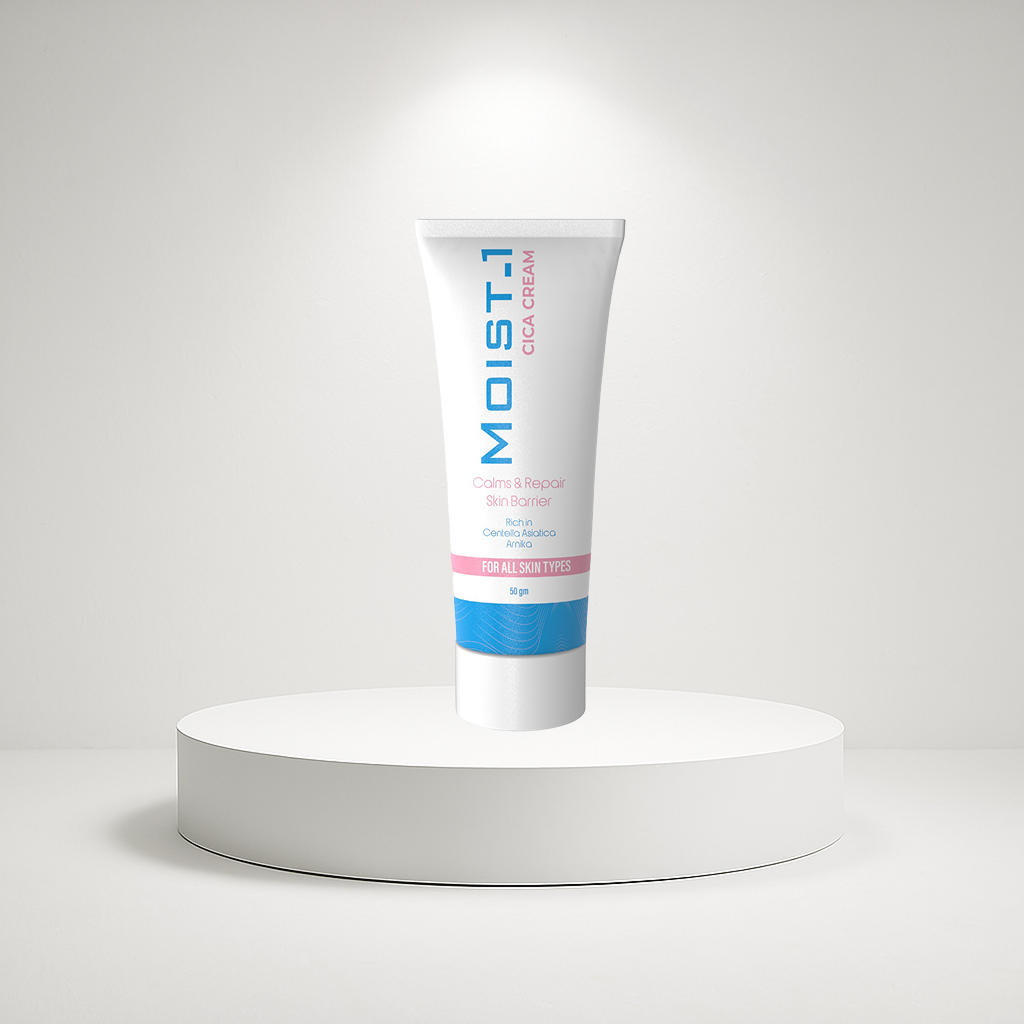
Credit: purexhc.com
Centella Asiatica In Other Cultures And Products
In Asia, Centella Asiatica has been used for thousands of years. In Ayurveda (India), it’s called “Brahmi” and is used for both skin and mind health. In Korea and France, cica creams are popular for post-procedure care and daily skin recovery.
Some brands use Centella Asiatica in:
- After-sun gels
- Scar creams
- Anti-aging serums
- Hand and foot balms
This wide use shows it’s more than a trend—it’s a trusted staple.
The Science Behind The Hype
If you’re curious about the science, many published studies back up Centella Asiatica’s effects. For example, a paper in the *Journal of Ethnopharmacology* shows that Centella Asiatica increases collagen synthesis, speeds up wound healing, and reduces inflammation. Another study found that a cica cream improved post-laser recovery by reducing redness and swelling faster than a placebo.
For more detailed reading, visit the Centella Asiatica Wikipedia page.
How To Combine Cica Cream With Other Skincare
If you want to use cica cream in your daily routine, here’s a sample order:
- Cleanser (gentle, non-foaming)
- Toner (optional, only if alcohol-free and soothing)
- Cica cream
- Moisturizer (if needed, for extra hydration)
- Sunscreen (AM only)
At night, you can skip the sunscreen. If you’re using actives (retinol, acids), apply those before the cica cream and wait a few minutes in between.
Environmental Impact And Sustainability
Centella Asiatica is a plant that grows quickly and doesn’t require heavy pesticides or fertilizers. Many brands now source it sustainably or use organic farming. If you care about the environment, look for brands that mention ethical sourcing or eco-friendly packaging.
Final Thoughts: Is Cica Cream Worth It?
The evidence is clear—Centella Asiatica is a smart, gentle, and effective way to repair a damaged skin barrier. Cica creams work by calming irritation, boosting hydration, and helping the skin heal itself. They’re suitable for almost everyone, easy to use, and backed by both history and science.
If your skin feels irritated, dry, or sensitive, adding a good cica cream to your routine is a proven step toward healthy, resilient skin. Just remember: consistency, gentle care, and patience are key.
Frequently Asked Questions
What Is The Best Way To Apply Cica Cream For Barrier Repair?
Apply cica cream twice daily to clean, slightly damp skin. Focus on areas that feel dry, red, or irritated. Use a thin layer and let it absorb fully before adding moisturizer or sunscreen.
Can I Use Cica Cream With Retinol Or Acids?
Yes, but use caution. Apply your retinol or acid first, wait 10–15 minutes, then apply cica cream to help reduce irritation. If your skin feels sensitive, reduce the frequency of actives until your barrier is stronger.
How Long Does It Take To See Results From Cica Cream?
Most people notice calmer, less irritated skin within a few days. For full barrier repair, expect to use cica cream consistently for 2–4 weeks. Results may vary depending on the level of damage.
Is Centella Asiatica Safe For All Skin Types?
Generally, yes. Centella Asiatica is gentle and works well for sensitive, dry, and even oily skin. However, those with allergies or very acne-prone skin should patch test or choose a lightweight formula.
Are There Any Side Effects Of Using Cica Cream?
Side effects are rare but can include mild itching or a rash, especially if you’re allergic. To minimize risk, do a patch test and start with a small amount. Discontinue use if you notice severe irritation.
Centella Asiatica and cica creams offer a natural, science-backed solution for anyone looking to repair and protect their skin barrier. With the right product and a little patience, you can restore comfort, strength, and glow to your skin.