

Glycerin As Humectant In Moisturizers: The Unsung Hydration Hero
Dry skin can feel tight, look dull, and even lead to discomfort. Many people search for the perfect moisturizer, hoping for soft, hydrated skin. But most don’t realize that the real secret often lies in a single ingredient: glycerin. This humble substance works quietly, but it is one of the most powerful tools for skin hydration. If you have seen “glycerin” on a skincare label, you may wonder what it actually does. Today, we’ll uncover how glycerin works as a humectant in moisturizers, why it matters, and how you can use it for healthier skin.
What Is Glycerin?
Glycerin, also known as glycerol, is a clear, odorless, and sweet-tasting liquid. It is a natural compound found in animal fats and vegetable oils. In skincare, glycerin is used for its ability to attract water from the environment and from deeper layers of the skin. This property makes glycerin a humectant, which means it pulls moisture into the skin.
Most commercial glycerin comes from plant sources such as soybeans or coconut oil. It is safe, non-toxic, and approved for use in food, medicine, and cosmetics. In moisturizers, glycerin is valued for its simplicity and effectiveness.
The Science Behind Glycerin’s Hydration Power
Glycerin’s magic comes from its molecular structure. It has three hydroxyl groups that grab water molecules easily. When you apply glycerin to your skin, it holds onto water, keeping your skin moist for longer.
Scientists have studied glycerin’s effects for decades. In one study, skin treated with glycerin showed a 40% increase in moisture compared to untreated skin. Glycerin’s ability to bind water is stronger than many other humectants. This is why it is found in almost every moisturizer, from drugstore lotions to luxury creams.
How Glycerin Works As A Humectant
A humectant draws water into the skin. Glycerin does this in two ways:
- From the air: Glycerin pulls water from humid air into the top layer of your skin.
- From deeper skin layers: If the air is dry, glycerin takes water from the deeper skin layers and brings it to the surface.
This dual action helps skin stay hydrated, but there’s a catch. If the air is very dry, glycerin can take water from your skin and make it evaporate. That’s why most moisturizers mix glycerin with other ingredients like occlusives (which lock in moisture) and emollients (which soften skin).
Why Glycerin Is Used In Moisturizers
Glycerin is everywhere in skincare for good reason. Here’s why:
- Effective: Glycerin works for almost all skin types.
- Safe: It rarely causes irritation or allergic reactions.
- Stable: Glycerin doesn’t break down easily, so products last longer.
- Affordable: It is cheap to produce, making it accessible for everyone.
Many dermatologists recommend glycerin-based products for dry, sensitive, or even eczema-prone skin. Its gentle nature is perfect for people who want effective hydration without harsh chemicals.
Glycerin Vs Other Humectants: What Sets It Apart?
Glycerin is not the only humectant. Others include hyaluronic acid, urea, sorbitol, and propylene glycol. But glycerin stands out for several reasons.
Here’s a quick comparison:
| Humectant | Hydration Strength | Skin Compatibility | Cost | Irritation Risk |
|---|---|---|---|---|
| Glycerin | High | Excellent | Low | Very Low |
| Hyaluronic Acid | High | Good | High | Low |
| Urea | Medium | Good | Medium | Medium |
| Sorbitol | Medium | Fair | Low | Low |
| Propylene Glycol | Medium | Fair | Low | Medium |
Glycerin is affordable, safe, and works well even at low concentrations. Hyaluronic acid is famous, but it is more expensive and can break down faster. Urea is also a strong humectant but can irritate some skin types. Glycerin rarely causes problems, making it the top choice for sensitive skin.

Credit: www.stratiaskin.com
The Role Of Glycerin In Skin Barrier Protection
The skin barrier is like a wall that keeps moisture in and harmful things out. When the barrier is damaged, skin loses water quickly and becomes dry or irritated.
Glycerin helps protect the skin barrier in several ways:
- Hydrates cells: Glycerin keeps skin cells plump and healthy.
- Reduces water loss: It limits how much water escapes from your skin.
- Supports repair: Glycerin speeds up recovery when your skin is damaged.
For people with conditions like eczema or psoriasis, glycerin can be a lifesaver. It helps restore the skin’s natural defenses and prevents further dryness.
Glycerin In Different Types Of Moisturizers
Moisturizers come in many forms: creams, lotions, gels, and ointments. Glycerin works well in all of them, but the way it is used can change.
Creams
Creams are thicker and usually contain more oils. Glycerin in creams helps mix water and oil, making the product smooth and easy to spread. Creams are best for dry or mature skin.
Lotions
Lotions are lighter and less greasy. Glycerin is often the main humectant in lotions, helping to hydrate without feeling heavy. Lotions suit normal or slightly dry skin.
Gels
Gels feel cool and are usually water-based. Glycerin makes gels feel slippery and moist. They are good for oily or acne-prone skin.
Ointments
Ointments are very thick, often used for severe dryness. Glycerin helps ointments hold water but is used in smaller amounts because ointments are mostly oil.
Comparison Of Moisturizer Types
| Type | Glycerin Content | Best For | Texture |
|---|---|---|---|
| Cream | Medium-High | Dry/Mature Skin | Thick |
| Lotion | Medium | Normal/Dry Skin | Light |
| Gel | High | Oily/Acne Skin | Cool, Watery |
| Ointment | Low | Very Dry/Cracked Skin | Very Thick |
How To Use Glycerin-based Moisturizers
Getting the most from glycerin means knowing when and how to use it.
- Apply after washing: After you wash your face or body, your skin is damp. This is the best time to apply a glycerin-based moisturizer. The glycerin will lock in the water.
- Layer with occlusives: If your skin is very dry, use a moisturizer with glycerin, then add a layer of something greasy (like petroleum jelly) to seal in moisture.
- Use daily: For best results, use glycerin products every day, especially in dry weather.
Practical Tips
- Look for products with glycerin listed in the first five ingredients.
- Patch test if you have sensitive skin.
- Use more in winter when indoor heating dries out the air.
- Avoid pure glycerin on skin; it can be sticky and attract too much water.
Glycerin For Different Skin Types
Glycerin is versatile, but not everyone needs the same amount.
Dry Skin
Dry skin loses water quickly. Glycerin helps draw moisture into the skin and keeps it there. Creams with high glycerin are ideal.
Oily Skin
People with oily skin often avoid moisturizers. But skipping moisture can make the skin produce even more oil. Gels with glycerin hydrate without feeling greasy.
Sensitive Skin
Sensitive skin can react to fragrances and preservatives. Glycerin is gentle and rarely causes problems. Look for fragrance-free products with glycerin as a main ingredient.
Aging Skin
As we age, skin loses its ability to hold water. Glycerin keeps aging skin soft and reduces the look of fine lines.
Combination Skin
Combination skin needs balanced hydration. Lotions with glycerin provide moisture without heaviness.
Glycerin And Skin Conditions: Eczema, Psoriasis, And More
Skin conditions often weaken the barrier and cause dryness, itching, or redness. Glycerin can help manage these problems.
Eczema
Eczema makes skin red, itchy, and dry. Glycerin-based moisturizers soothe and hydrate, helping skin heal faster. Studies show that glycerin can reduce eczema flare-ups.
Psoriasis
Psoriasis causes thick, scaly patches. Moisturizers with glycerin soften scales and ease discomfort.
Rosacea
Rosacea leads to redness and sensitivity. Glycerin hydrates without causing irritation, making it safe for rosacea-prone skin.
Dermatitis
Dermatitis is inflammation from allergies or irritants. Glycerin calms and moisturizes, reducing symptoms.
Glycerin Concentration: How Much Is Enough?
Not all products have the same amount of glycerin. Too little does not hydrate enough; too much can feel sticky.
Most moisturizers use glycerin at 5–15%. For very dry skin, some products go up to 20%. Pure glycerin is almost never used alone because it can draw too much water and feel uncomfortable.
Studies show that 10% glycerin is ideal for most people. This concentration hydrates well without stickiness.
Glycerin’s Safety: Is It Really Safe?
Glycerin is one of the safest ingredients in skincare. It is non-toxic and approved by health authorities worldwide.
Possible Side Effects
- Rare allergic reactions: Some people may get redness or itching.
- Sticky feeling: High concentrations can feel tacky.
- Draws water from skin: In very dry air, glycerin can take water from your skin’s deeper layers.
These issues are uncommon and usually mild. If you notice irritation, try a product with less glycerin.
Glycerin In Natural And Diy Skincare
Many people like natural skincare. Glycerin fits perfectly because it is plant-based and simple.
Diy Moisturizer Recipe
You can make a basic moisturizer at home:
- 2 tablespoons glycerin
- 1/2 cup rose water
- 1 tablespoon aloe vera gel
Mix well and store in a small bottle. Use after washing your face. This blend hydrates, soothes, and is safe for most skin types.
Tips For Diy
- Always use food-grade or cosmetic-grade glycerin.
- Don’t use pure glycerin on skin; mix it with water or other liquids.
- Store mixtures in the fridge for freshness.
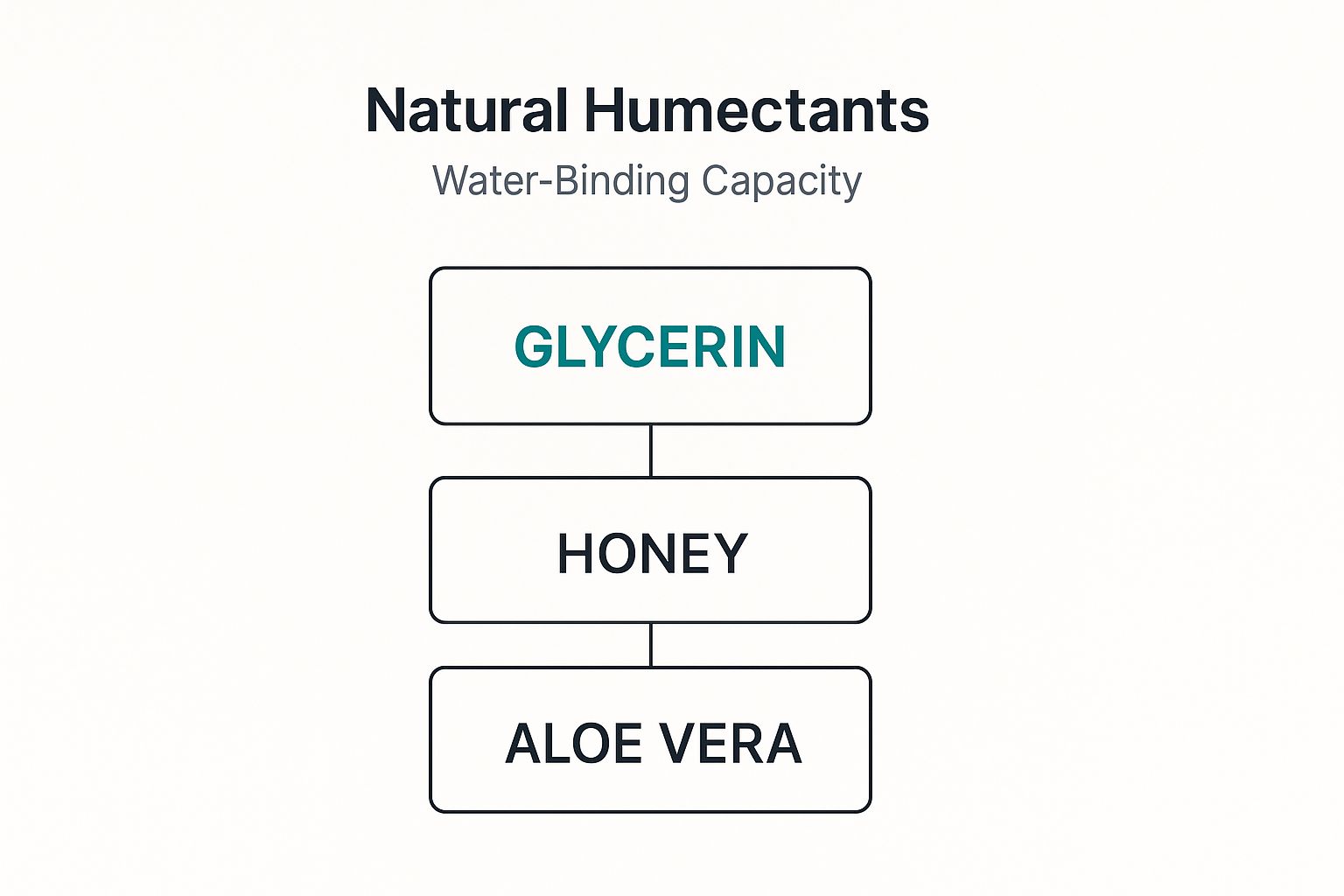
Credit: www.naturalorganicskincare.com
Glycerin’s History And Rise In Skincare
Glycerin was discovered in 1779 by a Swedish chemist. It was first used in explosives and medicine. By the 19th century, people noticed its skin-softening effects and started using it in lotions and soaps.
Today, glycerin is a staple in skincare. Over 80% of moisturizers contain glycerin. Its popularity keeps growing as more people want simple, effective ingredients.
Glycerin And Environmental Impact
Glycerin is made from plants or animal fats. Most skincare brands use plant-based glycerin because it is sustainable. The production process is clean and does not harm the environment.
Some brands highlight vegetable glycerin on their labels, showing their commitment to eco-friendly products.
Glycerin In Popular Moisturizer Brands
Many famous brands use glycerin. Here are a few examples:
- CeraVe Moisturizing Cream: Glycerin is the second ingredient. It hydrates and supports the skin barrier.
- Neutrogena Hydro Boost Gel: Glycerin works with hyaluronic acid for deep hydration.
- Aveeno Daily Moisturizing Lotion: Glycerin helps soothe and moisturize.
- Eucerin Advanced Repair Lotion: High glycerin content for dry, rough skin.
- Vaseline Intensive Care Lotion: Glycerin locks in moisture.
- The Ordinary Natural Moisturizing Factors + HA: Glycerin is a key ingredient, supporting hydration.
- La Roche-Posay Lipikar Balm AP+: Glycerin hydrates and calms sensitive skin.
- Cetaphil Moisturizing Cream: Glycerin helps maintain skin softness.
- Olay Regenerist Micro-Sculpting Cream: Glycerin smooths and plumps aging skin.
- Simple Kind to Skin Hydrating Light Moisturizer: Glycerin is the main humectant.
These brands rely on glycerin for its proven benefits.
Glycerin And Advanced Skincare Formulations
Modern skincare uses glycerin in creative ways. Some products combine glycerin with other humectants or antioxidants. This boosts hydration and protects against environmental damage.
Examples Of Advanced Formulations
- Glycerin + Hyaluronic Acid: Both pull water into the skin, creating deep and lasting hydration.
- Glycerin + Ceramides: Ceramides repair the skin barrier, and glycerin keeps it hydrated.
- Glycerin + Niacinamide: Niacinamide calms redness, while glycerin moisturizes.
These blends offer more than simple hydration. They target dryness, aging, and sensitivity.
Credit: learncanyon.com
Glycerin And Seasonal Skin Care
Your skin’s needs change with the weather. Glycerin helps adapt your routine.
Winter
Cold air and indoor heating dry out skin. Use creams or ointments with high glycerin. Apply after showering and before bed.
Summer
Humidity is high, so lighter lotions or gels with glycerin work best. They hydrate without feeling greasy.
Travel
Airplane cabins and hotels often have dry air. Carry a small glycerin-based moisturizer to use often.
Glycerin’s Role In Body Care
Glycerin is not just for the face. It works well for hands, feet, and body.
Hands
Frequent washing dries out hands. Glycerin in hand creams keeps skin soft.
Feet
Feet get dry and cracked. Glycerin softens tough skin and heals cracks.
Body
Body lotions with glycerin hydrate large areas. They are perfect after bathing.
Glycerin In Children’s Skin Care
Children’s skin is thinner and more sensitive. Glycerin is safe and effective for babies and kids. Many pediatric moisturizers use glycerin as the main humectant.
Always check for fragrance-free products and patch test before use.
Glycerin In Medical And Pharmaceutical Products
Doctors use glycerin in medical creams and ointments for wounds, burns, and dry skin. It speeds healing by keeping the skin moist and flexible.
Examples
- Glycerin-based burn creams
- Glycerin ointments for eczema
- Eye drops with glycerin for dry eyes
Glycerin is trusted in medicine for its safety and effectiveness.
Glycerin For Hair And Scalp Moisture
Glycerin hydrates not just skin, but hair and scalp. Shampoos and conditioners use glycerin to prevent dryness and frizz.
Benefits For Hair
- Reduces breakage
- Softens hair
- Prevents scalp dryness
Use products with glycerin for healthy, hydrated hair.
Glycerin And Non-obvious Insights
Many beginners overlook these points:
- Layering matters: Glycerin works best when layered with occlusives. Alone, it can leave skin exposed to water loss.
- Humidity affects results: In dry climates, glycerin may pull water from your skin instead of the air. Using a product with both glycerin and an occlusive solves this problem.
These insights help you use glycerin-based products smarter.
Glycerin And Sensory Experience
Glycerin feels smooth and slightly sticky. Some people dislike this texture. Brands now use blends that balance glycerin with other ingredients for a softer feel.
If you find glycerin sticky, try products with lower concentrations or combined with oils.
Glycerin And Allergies
True glycerin allergy is rare. Most reactions come from other ingredients in the product. If you have sensitive skin, choose simple formulas with few additives.
Glycerin In Global Skin Care Practices
Glycerin is used worldwide. In Asia, it is found in light, water-based lotions. In Europe, it appears in rich creams. African brands use glycerin for intense hydration in dry climates.
Glycerin And Skin Microbiome
The skin microbiome is the collection of good bacteria on your skin. Glycerin helps maintain a healthy microbiome by keeping skin moist, which prevents harmful bacteria from invading.
Glycerin And Anti-aging Benefits
Hydrated skin looks younger. Glycerin reduces the appearance of wrinkles by plumping up skin. It also supports elasticity, making skin bounce back after stretching.
Glycerin And Ethical Concerns
Some people worry about animal-based glycerin. Most skincare brands now use vegetable glycerin to address these concerns. Always check the label if you prefer plant-based products.
Glycerin And Product Shelf Life
Glycerin helps products last longer by preventing drying out. It stabilizes formulas, so creams and lotions stay fresh.
Glycerin And Cosmetic Regulations
Glycerin is approved by the FDA and EU Cosmetic Regulation. It is considered safe at all typical concentrations. Brands must use pure, high-quality glycerin to meet standards.
For more on regulations, visit Wikipedia.
Frequently Asked Questions
What Does Glycerin Do In A Moisturizer?
Glycerin pulls water into your skin, keeping it hydrated and soft. It is a humectant, meaning it attracts moisture from the air or deeper skin layers. This helps prevent dryness and supports the skin barrier.
Is Glycerin Safe For Sensitive Skin?
Yes, glycerin is safe for sensitive skin. It rarely causes irritation or allergic reactions. Choose fragrance-free products with glycerin if you have sensitive skin.
Can I Use Pure Glycerin On My Skin?
It is not recommended to use pure glycerin alone. Pure glycerin can feel sticky and may pull too much water, making skin uncomfortable. Always use glycerin mixed with water or in a moisturizer.
How Can I Find A Good Glycerin-based Moisturizer?
Look for products with glycerin listed in the first five ingredients. Creams, lotions, and gels from trusted brands often contain glycerin. Patch test new products if you have sensitive skin.
Does Glycerin Help With Eczema?
Yes, glycerin helps soothe and hydrate eczema-prone skin. It supports healing and reduces dryness. Use a moisturizer with glycerin daily for best results.
Glycerin has proven itself as the unsung hero of skin hydration. Its unique properties make it an essential ingredient in almost every moisturizer. Whether your skin is dry, oily, sensitive, or aging, glycerin can help restore softness and comfort. By understanding how glycerin works and how to use it wisely, you can unlock healthier, happier skin.
Remember, sometimes the simplest ingredients deliver the biggest results.