

Gut Health, Skin And Scalp Barrier Connection: The Microbiome Link
Have you ever wondered why your skin breaks out when your stomach feels upset? Or why scalp irritation happens after a week of unhealthy eating? These problems are more connected than they seem. Scientists now know that the gut microbiome, the community of trillions of microbes in your digestive tract, plays a powerful role in the health of your skin barrier and scalp barrier. This relationship is called the gut-skin axis and the gut-scalp axis.
Understanding this connection is not just for people with sensitive skin or stomachs. It matters for anyone who wants clear skin, a healthy scalp, and a stronger body defense system. This article will help you understand how your gut, skin, and scalp are linked, how the microbiome works, and what you can do to improve your overall health.
You will also discover surprising facts and practical advice that most people miss.
What Is The Microbiome?
The microbiome is the collection of bacteria, fungi, viruses, and other tiny life forms living in and on your body. Most of these microbes are found in the gut, but they also live on the skin, scalp, mouth, and other places.
Your gut microbiome is like a busy city. Some bacteria help digest food, others protect you from germs, and some make vitamins. When the good and bad bacteria are in balance, you feel healthy. When this balance breaks down, problems start.
The skin and scalp have their own microbiomes too. These are different from the gut but also help protect your body from outside threats. A healthy skin or scalp microbiome keeps the skin barrier or scalp barrier strong, prevents dryness, and blocks harmful microbes.
Most people do not realize that the diversity of microbes is just as important as the number. The more types of good bacteria you have, the better your body can adapt and fight off potential threats. For example, certain gut bacteria help break down fiber, while others may focus on fighting off infections or producing short-chain fatty acids that support the gut lining.
Another point many overlook is that the microbiome is always changing. What you eat, how much you sleep, your stress level, and even where you live can change your microbiome every day. Even a single course of antibiotics or a change in diet can shift your microbiome for weeks or months.
How The Gut, Skin, And Scalp Communicate
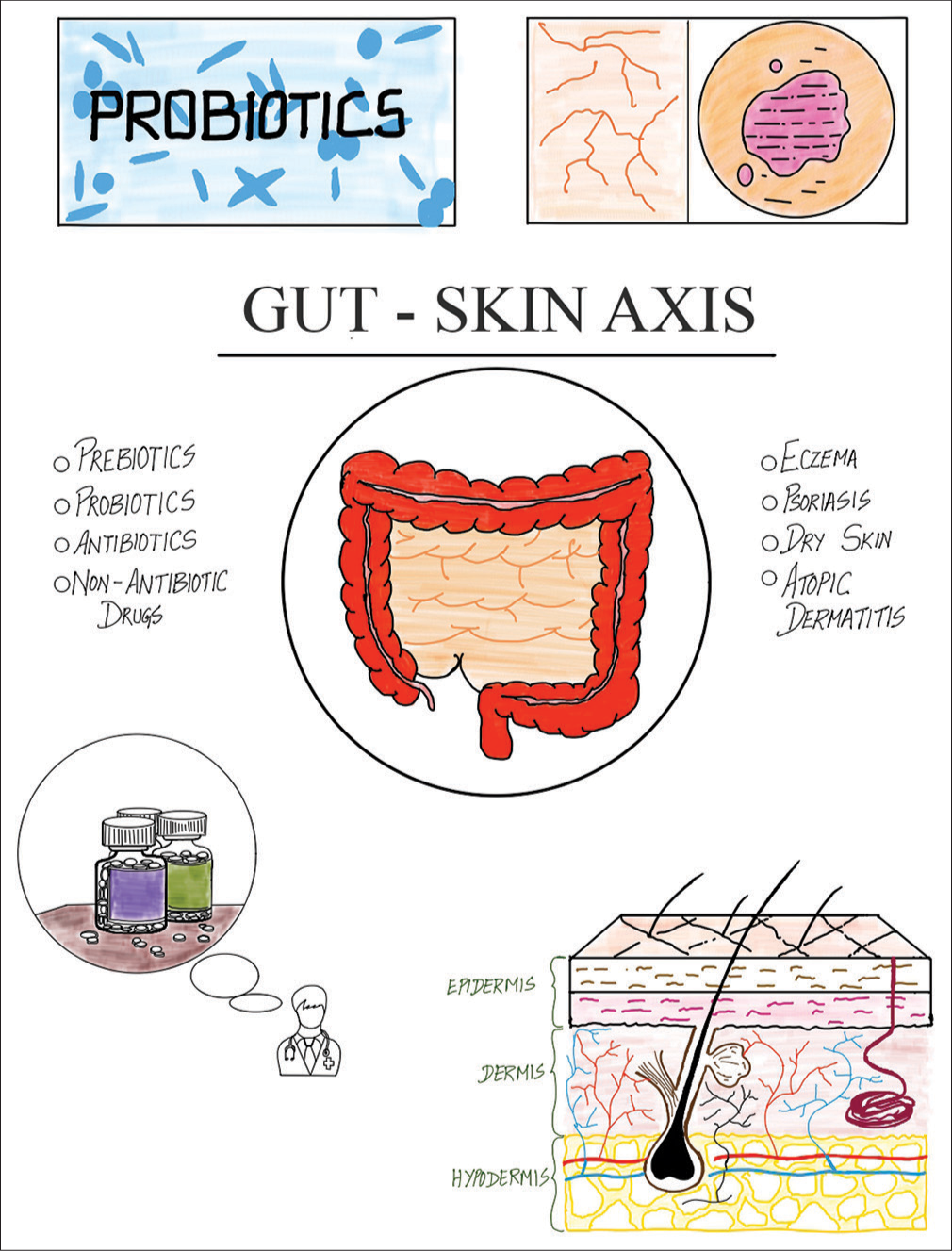
Your gut, skin, and scalp communicate through a system called the gut-skin axis and the gut-scalp axis. This means what happens in your gut can affect your skin and scalp, and vice versa. Here’s how:
- Immune Signals: The gut sends signals to your immune system. If your gut is inflamed or unbalanced, it can trigger skin or scalp flare-ups like eczema or dandruff.
- Nutrients and Toxins: Nutrients from food are absorbed in the gut and delivered to the skin and scalp. But if the gut barrier is weak (known as leaky gut), toxins can escape and cause inflammation elsewhere.
- Microbial Communication: Microbes in the gut release chemicals that travel through the blood and influence the skin and scalp’s health.
This link explains why gut problems are often seen in people with skin and scalp conditions. For example, studies show that people with acne or psoriasis often have gut imbalance.
The gut is like your body’s “command center. ” When it sends out the wrong signals, your whole body can feel the effects. For instance, when you eat foods your gut can’t handle well, the immune system may get confused and attack healthy skin cells.
This can lead to redness, itching, or swelling on the skin or scalp.
Example
If you take antibiotics for an infection, the medicine may kill good gut bacteria. This can upset the microbiome balance, trigger inflammation, and lead to skin or scalp issues days later.
Another practical example is when you experience a stressful week, your gut may react by slowing digestion or changing the balance of bacteria. In turn, you might notice your skin gets oilier or your scalp becomes itchy. This shows how closely the gut communicates with the rest of your body.
Credit: cosmoderma.org
The Skin Barrier And Scalp Barrier Explained
The skin barrier is the outermost layer of your skin. It keeps water in and harmful substances out. The scalp barrier works the same way, protecting your head from dryness, irritation, and infection.
Both barriers depend on a healthy microbiome. When good microbes cover your skin and scalp, they crowd out harmful germs and help repair damage. If the microbiome is weak or unbalanced, the barriers break down. This leads to:
- Dryness and flaking
- Redness and irritation
- Higher risk of infection
- Slower healing
For the scalp, a weak barrier can cause dandruff, itching, and even hair loss.
The skin barrier is made of layers of cells held together by fats (lipids). These lipids act like mortar between bricks, sealing in moisture and keeping out irritants. The scalp barrier works similarly but faces extra challenges like more oil, sweat, and exposure to hair products.
Many people do not realize that the scalp barrier is thinner and more sensitive than the skin on your arms or legs. That’s why it reacts quickly to changes in products or diet. For example, using a harsh shampoo may strip away natural oils, making the scalp barrier weaker and more prone to irritation.
The microbiome also helps produce substances that keep the skin slightly acidic. This mild acidity (called the “acid mantle”) protects against harmful bacteria and fungi. If you wash too often or use strong products, you can disrupt this acid layer, making it easier for infections to take hold.
How Gut Health Affects The Skin And Scalp
A balanced gut microbiome means less inflammation, better vitamin absorption, and healthier skin and scalp. Here’s how gut health shapes the skin and scalp barriers:
1. Inflammation Control
Gut bacteria help control inflammation in your body. If your gut is full of helpful microbes, they train your immune system to stay calm. If the balance is off, the immune system may overreact and cause skin or scalp flare-ups.
Chronic inflammation is a silent enemy. It can lead to redness, swelling, or even worsen long-term conditions like eczema and psoriasis. If you notice your skin feels more reactive during stressful times, it’s often because gut inflammation is sending “danger” signals throughout your body.
2. Nutrient Production
Certain gut bacteria make vitamins like biotin, vitamin B12, and vitamin K. These are important for skin and scalp repair. If you lack these bacteria, your skin may heal slowly or become dry and dull.
For example, biotin is often called the “hair vitamin” because it helps produce keratin, the main protein in hair and skin. Low biotin can make your scalp flaky and your hair brittle. The only way to get enough biotin naturally is through a healthy, diverse gut microbiome.
3. Toxin Removal
A healthy gut barrier blocks toxins from entering the blood. If the gut is “leaky,” these toxins travel to the skin and scalp, causing irritation and breakouts.
The liver works with the gut to filter out waste. If your gut is struggling, your skin often becomes the “second kidney,” trying to push out toxins through sweat and oil. This can lead to clogged pores and scalp build-up.
4. Hormonal Balance
The gut microbiome helps regulate hormones like cortisol (stress hormone) and insulin. Unbalanced gut bacteria can raise stress or blood sugar levels, making acne or scalp problems worse.
Hormonal swings are a hidden cause of many skin and scalp problems. For example, women may notice more breakouts or itchiness just before their period. The gut helps manage these cycles by breaking down and recycling used hormones.
5. Immune Training
Your gut is the main “school” for your immune system. If your gut microbiome is diverse and healthy, your immune system learns to attack only real threats. If it’s unbalanced, the immune system can turn against your own skin or scalp.
This explains why people with autoimmune diseases like psoriasis or lupus often have gut problems too. The immune system has been “miseducated” and starts attacking healthy cells.

Credit: hairgp.co.uk
Common Gut-related Skin And Scalp Problems
Many skin and scalp conditions are linked to gut health. Here are some common problems and how the gut may play a role:
1. Acne
People with acne often have fewer types of good gut bacteria and more inflammation. Stress, sugar, and antibiotics can make this worse.
Some people find that eating dairy or high-glycemic foods (like white bread) triggers breakouts. This is often because these foods change the gut microbiome, leading to more oil production and clogged pores.
2. Eczema (atopic Dermatitis)
Eczema is linked to gut imbalance and a weak skin barrier. Children with eczema often have a less diverse gut microbiome.
Probiotics and prebiotics have shown promise in reducing eczema symptoms, especially in children. Still, it takes time for the gut to heal enough to see changes in the skin.
3. Psoriasis
This autoimmune skin disease is often seen with gut disorders like Crohn’s disease or irritable bowel syndrome (IBS).
Psoriasis flare-ups can sometimes be traced to a period of digestive upset or infection. Researchers are now looking at gut-targeted therapies to help manage this condition.
4. Dandruff And Seborrheic Dermatitis
Scalp conditions like dandruff are connected to gut problems and yeast overgrowth.
The yeast Malassezia thrives when the scalp microbiome is off balance. Some people notice dandruff gets worse after eating lots of sugar, which feeds yeast in both the gut and scalp.
5. Rosacea
Rosacea flare-ups are common in people with gut issues, especially those with small intestinal bacterial overgrowth (SIBO).
Some experience relief from rosacea when treating SIBO or avoiding trigger foods like spicy dishes or alcohol.
6. Hair Thinning
A poor scalp barrier due to gut problems can lead to hair loss or slow hair growth.
Low iron or B12, often due to poor gut absorption, can make hair thin and brittle. Many people do not realize that sudden hair shedding can be a sign of gut imbalance.
How To Improve Gut Health For Better Skin And Scalp
Improving your gut health can help heal your skin and scalp. Here are practical steps you can take:
1. Eat A Diverse Diet
A wide variety of fruits, vegetables, grains, and legumes feeds different gut bacteria. More diversity means a healthier microbiome.
Try to eat foods of many colors every week. Each color group contains unique nutrients and fibers that support different microbes.
2. Increase Fiber Intake
Fiber acts as food for good bacteria. Foods like oats, apples, beans, and leafy greens are excellent sources.
Most people need at least 25–30 grams of fiber daily, but the average person gets much less. Increasing fiber slowly can help prevent bloating.
3. Add Fermented Foods
Fermented foods like yogurt, kefir, kimchi, sauerkraut, and miso contain live good bacteria called probiotics.
If you are new to fermented foods, start with small amounts and see how your gut and skin respond.
4. Avoid Overusing Antibiotics
Only take antibiotics when necessary. They kill both bad and good bacteria.
If you must take antibiotics, consider eating more prebiotic foods or taking a probiotic afterward to help restore balance.
5. Reduce Sugar And Processed Foods
Sugar and processed foods feed harmful gut bacteria and can worsen inflammation.
Reading ingredient labels and avoiding foods with added sugars can make a big difference in just a few weeks.
6. Manage Stress
Stress changes the gut microbiome. Practice stress reduction techniques like deep breathing, meditation, or exercise.
Simple activities like walking outside, journaling, or even listening to music can help lower stress and support gut health.
7. Stay Hydrated
Water helps your gut and skin stay healthy. Dehydration can weaken both barriers.
Aim for 6–8 glasses of water daily. If you sweat a lot, you may need more.
8. Get Enough Sleep
Good sleep allows your body to repair and balance the microbiome.
Create a regular sleep routine by going to bed and waking up at the same time each day.
9. Try Probiotic Supplements
If you cannot get enough probiotics from food, a supplement may help. Look for those with multiple strains.
Not all probiotics are the same. Some strains are better for skin, others for digestion. You may need to experiment to find what works for you.
10. Include Prebiotics
Prebiotics are fibers that feed good bacteria. Foods like garlic, onions, bananas, and asparagus are rich in prebiotics.
Prebiotics can also help probiotics work better. Think of them as “fertilizer” for your gut garden.
Practical Insight
Many people forget that sudden diet changes can upset the gut. Increase fiber and fermented foods slowly to avoid bloating or discomfort. Also, not all probiotics work for everyone—sometimes you need to try a few types to find what helps your skin and scalp.
Another overlooked tip: chewing your food well and eating slowly can support digestion and give your gut bacteria more time to do their job.
The Microbiome: Gut Vs. Skin Vs. Scalp
Let’s compare the microbiomes in your gut, skin, and scalp. This will help you understand why each area needs different care.
| Location | Main Microbes | Main Functions | Common Issues |
|---|---|---|---|
| Gut | Bacteria, fungi, viruses | Digest food, train immunity, make vitamins | IBS, leaky gut, food allergies |
| Skin | Bacteria (Staphylococcus, Cutibacterium), fungi | Protect barrier, fight infection, keep moisture | Acne, eczema, infections |
| Scalp | Bacteria, yeast (Malassezia) | Protect scalp, balance oil, fight dandruff | Dandruff, seborrheic dermatitis, itching |
Key Insight
Many products and treatments are designed for the skin but not the scalp. The scalp has more oil and a different mix of microbes. Using harsh shampoos or scalp treatments can upset this balance and lead to problems.
Also, the scalp is often covered by hair, which means it stays warmer and moister—perfect conditions for yeast to grow if the balance is off. If you notice your scalp gets itchy after using a new product, it might be because it disrupts the natural microbiome.
Another point is that the skin on your face has more sebaceous (oil) glands than the rest of your body, while the scalp has even more. This is why both areas are more prone to acne-like breakouts if the microbiome is not healthy.
The Science: What Research Says
Research on the gut-skin and gut-scalp link is growing fast. Here are some important findings:
- A 2020 study found that 54% of people with acne had gut imbalance compared to 22% without acne.
- Children with eczema often have lower levels of Lactobacillus and Bifidobacterium in their gut.
- Probiotic supplements reduced eczema symptoms in 56% of children in one study.
- People with rosacea are 13 times more likely to have SIBO than those without rosacea.
- 50% of dandruff cases are linked to Malassezia yeast, which can overgrow if the gut microbiome is out of balance.
One less-known finding is that people with chronic hives or itchy skin often also have gut inflammation, even if they do not have digestive symptoms. Also, some studies show that taking probiotics can reduce the need for steroid creams in children with eczema.
These findings show that improving the gut can help manage skin and scalp problems, though more research is needed to find the best treatments.
How The Skin And Scalp Microbiome Affect The Gut
The connection works both ways. Unhealthy skin or scalp can also affect your gut:
- Skin infections can trigger inflammation that upsets gut health.
- Overuse of harsh skin or scalp products can weaken the barrier, letting germs in and stressing your immune system.
- Chronic scratching from scalp itch can lead to bacteria entering the blood, affecting the whole body.
This “two-way street” means you need to care for both your gut and your outer barriers.
For example, if you develop a skin infection, your body’s immune response can increase inflammation throughout your body, including the gut. Some people with eczema or psoriasis notice more digestive problems during a skin flare. This is a sign that the gut and skin are always talking to each other.
How To Support Your Skin And Scalp Microbiome
Caring for your skin and scalp microbiome is as important as gut health. Here’s how:
1. Use Gentle Cleansers
Harsh soaps and shampoos strip away good microbes. Choose gentle, pH-balanced products.
If you have sensitive skin or scalp, look for cleansers labeled “fragrance-free” or “for sensitive skin. ”
2. Avoid Overwashing
Washing too often removes natural oils and weakens the barrier.
Try washing your hair every other day or less if possible, and use lukewarm—not hot—water to avoid drying out the scalp.
3. Don’t Overuse Antibacterial Products
Antibacterial soaps kill both good and bad microbes. Use them only when necessary.
Regular soap and water are enough for most people. Reserve antibacterial products for cuts or infections.
4. Moisturize Regularly
Moisturizers help keep the skin and scalp barrier strong, especially after washing.
Choose light, non-greasy moisturizers for the scalp if you have fine hair. For dry skin, creams with ceramides or hyaluronic acid support the natural barrier.
5. Try Topical Probiotics
Some creams and shampoos now include probiotics or prebiotics to support the skin and scalp microbiome.
These products are still new, but some people find they reduce redness or irritation.
6. Protect From Sun And Pollution
UV light and pollution damage the barrier and reduce good microbes. Wear hats or use gentle sun protection.
If you live in a city, wash your face and scalp at night to remove pollution particles.
Overlooked Tip
Many people forget their scalp is skin too. If you use hair dye, gels, or styling products, wash them out gently and don’t leave harsh chemicals on the scalp for long.
Also, avoid scratching or picking at your scalp, as this can introduce bacteria and cause infections.
Diet And The Microbiome: What To Eat For Healthy Gut, Skin, And Scalp
Food is the strongest tool for shaping your microbiome. Let’s look at foods that help or harm the gut-skin-scalp connection.
| Food Type | Effect on Microbiome | Examples |
|---|---|---|
| Prebiotic-rich | Feeds good gut bacteria | Garlic, onions, leeks, asparagus, bananas |
| Probiotic-rich | Adds helpful microbes | Yogurt, kefir, kimchi, sauerkraut, miso |
| Fiber-rich | Improves gut diversity | Oats, beans, berries, leafy greens |
| High-sugar/processed | Feeds harmful bacteria, increases inflammation | Sugary snacks, white bread, soda |
| Healthy fats | Supports skin/scalp barrier | Olive oil, avocados, nuts, fatty fish |
| High dairy (for some) | Can trigger acne or eczema in sensitive people | Milk, cheese, ice cream |
Many people notice their skin glows when they eat more fruits and vegetables. This is because these foods support both gut health and provide antioxidants that protect the skin barrier.
Surprising Fact
Raw honey contains its own friendly microbes that can help both the gut and the skin/scalp when eaten or used in masks.
Another unexpected benefit: adding herbs and spices like turmeric, ginger, and cinnamon to your meals supports your microbiome and reduces inflammation.
The Role Of Lifestyle In The Gut-skin-scalp Axis
Your lifestyle has a big impact on your microbiome. Here’s what matters most:
1. Stress Management
Chronic stress changes the gut and skin microbiome. It makes inflammation worse and slows healing.
Mindfulness practices, even for just 5–10 minutes a day, can help your body handle stress better.
2. Sleep Quality
Poor sleep weakens the gut barrier and increases skin problems. Aim for 7–8 hours per night.
Going to sleep at the same time each night helps your body’s repair systems work better.
3. Physical Activity
Exercise increases gut diversity and reduces stress. Even walking helps.
Try to move your body every day, even with simple stretching or dancing.
4. Environmental Toxins
Pollution, smoking, and harsh chemicals damage your skin/scalp barrier and upset your microbiome.
If you work around chemicals, wear protective clothing and wash them off as soon as possible.
5. Medication Use
Some medicines, like antibiotics and steroid creams, can disrupt the microbiome. Always use as directed and talk to your doctor about side effects.
If you need long-term medication, ask your doctor about ways to support your gut and skin health.
Credit: www.clinikally.com
Microbiome Myths And Misunderstandings
Many myths exist about the microbiome and the gut-skin-scalp link. Here are some common ones:
- Myth: All bacteria are bad.
Truth: Most bacteria in your body are helpful. Killing them all weakens your defenses.
- Myth: Probiotics fix everything.
Truth: Probiotics can help, but diet and lifestyle matter more. Not all probiotics work for every person.
- Myth: Skin and scalp problems only come from outside.
Truth: Many issues start inside, with the gut and immune system.
- Myth: You need special expensive products for your microbiome.
Truth: Simple, gentle care and a good diet support your microbiome better than most “miracle” products.
- Myth: Quick fixes work.
Truth: Healing your microbiome takes time—often weeks or months.
A less-known misunderstanding is that “clean eating” or cutting out all fats will help your skin. In fact, healthy fats are needed to build a strong barrier.
Practical Routine For A Healthy Gut, Skin, And Scalp
Here’s a simple daily routine to support your gut, skin, and scalp:
Morning:
- Drink a glass of water
- Eat a fiber-rich breakfast (like oats with banana)
- Use a gentle, fragrance-free cleanser for your face and scalp
Midday:
- Have a prebiotic-rich snack (apple, nuts)
- Practice deep breathing for 2 minutes
Evening:
- Eat a diverse dinner (vegetables, whole grains, lean protein)
- Use a moisturizer on skin and scalp if dry
- Avoid heavy, greasy foods before bed
Night:
- Get 7–8 hours of sleep
Weekly:
- Eat fermented food 2–3 times
- Do light exercise (walking, yoga) most days
Add to this: once a week, check your skin and scalp for any signs of dryness, redness, or irritation. This helps catch problems early.
Not-so-obvious Advice
Don’t switch all habits at once. Small, steady changes help your gut and skin adjust. And remember, even good habits can sometimes cause a reaction—like mild breakouts when you first eat more fiber or fermented foods. Give your body time to adapt.
If you try a new probiotic or fermented food, keep a diary to track changes in your skin and digestion.
The Future Of Microbiome Research
Exciting research is underway on the gut-skin and gut-scalp connection. Soon, you may see:
- Personalized probiotic treatments based on your own microbiome
- Microbiome testing to predict skin and scalp problems before they appear
- New topical products with live bacteria for the scalp
- Diet plans designed for your unique gut-skin needs
Researchers are even testing “postbiotics”—substances made by good bacteria—to see if they can be used in creams or supplements for better skin and scalp health.
If you want to learn more about the science, the National Institutes of Health offers in-depth resources.
Frequently Asked Questions
What Is The Gut-skin Axis?
The gut-skin axis is the connection between your gut health and your skin. Changes in the gut microbiome can affect the skin, causing problems like acne, eczema, or rashes. The two communicate through the immune system, hormones, and chemicals released by gut bacteria.
How Does Diet Affect My Skin And Scalp?
What you eat feeds your gut microbiome. A healthy, diverse diet full of fiber, prebiotics, and probiotics supports good bacteria. This leads to less inflammation and stronger skin/scalp barriers. High sugar and processed foods can make problems worse.
Can Probiotics Really Improve My Skin And Scalp?
Probiotics are helpful bacteria found in some foods and supplements. Some studies show they can reduce skin problems like acne or eczema, but not all probiotics work for everyone. It’s best to combine probiotics with a healthy diet and lifestyle.
Why Do Antibiotics Cause Skin Or Scalp Problems?
Antibiotics kill both bad and good bacteria in your body. This can upset your gut and skin/scalp microbiome, making you more likely to get rashes, dryness, or infections. Always use antibiotics only when needed.
Are Expensive Skin Or Scalp Products Needed For A Healthy Microbiome?
No. Most people do well with simple, gentle products and a good diet. Avoid harsh chemicals and overwashing. Focus on healthy habits and only use special products if recommended by a doctor or dermatologist.
Taking care of your gut, skin, and scalp is one of the smartest ways to improve your health and appearance. By understanding the microbiome connection, making small changes, and being patient, you can see lasting results for your whole body.