

Every year, as the world welcomes the beauty of spring or the dry winds of autumn, many people notice something less pleasant: allergies. Sneezing, itchy eyes, and runny noses are well-known symptoms. But there is another effect that often gets overlooked—how allergy season can disrupt your skin, especially when it comes to keeping it properly hydrated. If you notice your skin feeling tight, irritated, or even breaking out more during these times, you are not alone. Your regular moisturizing routine may need some changes. Understanding how allergy season affects your skin and making the right adjustments can keep your face comfortable, calm, and glowing, no matter how much pollen is in the air.
How Allergy Season Affects Your Skin
Allergy season brings more than just sneezing and watery eyes. Your skin reacts to pollen, dust, and other allergens in the air. When these particles land on your skin, they can trigger irritation and inflammation, making it more sensitive than usual. During these periods, your skin’s natural barrier—the layer that keeps moisture in and irritants out—can weaken. This makes your skin more likely to lose water and feel dry or itchy.
You might also notice more redness, bumps, or even mild rashes. Allergens can make existing skin issues like eczema or rosacea worse. Some people even develop contact dermatitis, which is a reaction that causes the skin to become red and swollen after touching something irritating. At the same time, frequent face washing to remove allergens can strip away your skin’s natural oils, making dryness and sensitivity worse.
It is important to realize that the needs of your skin can change quickly during allergy season. What works in winter or summer may not be enough to protect you when allergens are everywhere. Adjusting your moisturizer routine is not just about comfort—it is about protecting your skin’s health.
Signs Your Moisturizer Routine Needs Adjusting
It is easy to miss the subtle signs that your usual moisturizer is not enough during allergy season. However, paying attention to your skin can help you prevent bigger problems.
- Increased dryness: If your skin feels tight, flaky, or rough, it may be losing moisture faster than usual.
- Redness and irritation: New patches of red, irritated skin can show that your barrier is struggling.
- Itching or burning: Allergens can make your skin feel itchy or sting, even if you do not see a rash.
- Breakouts or bumps: Sometimes, irritation can cause small pimples or hives.
- Products sting: If your regular moisturizer suddenly causes burning or tingling, your skin may be extra sensitive.
If you notice any of these changes, it is time to rethink your moisturizer routine. Even if your skin was balanced before, allergy season can quickly change its needs.
Why Moisturizer Matters More During Allergy Season
Your skin barrier works like a shield. When it is strong, it keeps out allergens, bacteria, and irritants. It also locks in water, keeping your skin soft and smooth. During allergy season, this barrier faces extra stress from airborne particles, frequent washing, and even rubbing from tissues.
A good moisturizer does two things:
- Restores lost moisture by adding water and helping skin hold onto it.
- Supports the skin barrier with lipids (fats) and other ingredients that repair and protect.
If you skip moisturizer or use the wrong type during allergy season, your skin can become dry, red, and uncomfortable. In severe cases, cracks in the barrier can let in more allergens, leading to a cycle of irritation. Moisturizing the right way is not just cosmetic—it is a crucial part of protecting your skin’s health.
Key Ingredients To Look For In Allergy-season Moisturizers
Choosing the right moisturizer is especially important when your skin is vulnerable. Some ingredients are better than others at calming irritation and locking in moisture.
- Ceramides: These are natural fats found in your skin. They help repair the barrier and keep moisture in. Look for moisturizers with ceramides if your skin feels dry or sensitive.
- Hyaluronic acid: This ingredient can hold up to 1,000 times its weight in water. It draws moisture into the skin and keeps it plump without feeling heavy or greasy.
- Glycerin: A classic humectant, glycerin attracts water to the skin and helps prevent dryness.
- Colloidal oatmeal: Known for its calming properties, it can soothe itching and redness caused by allergens.
- Niacinamide: This form of vitamin B3 reduces inflammation and strengthens the skin barrier.
- Shea butter: Rich in fatty acids, shea butter helps lock in moisture and protect against further irritation.
It is best to avoid fragrances, essential oils, and alcohol during allergy season, as these can make irritation worse. Always check the ingredient list, especially if your skin is already sensitive.

Credit: www.amazon.ie
How To Adjust Your Moisturizer Routine Step-by-step
Making changes to your moisturizer routine does not have to be complicated. Here’s a clear guide to help your skin stay healthy during allergy season.
1. Cleanse Gently, But Thoroughly
Start by using a gentle cleanser to wash away allergens and pollution. Avoid harsh soaps or scrubs, which can damage your skin barrier. Look for cream or gel cleansers labeled for sensitive skin. Use lukewarm water—not hot—to reduce irritation.
2. Apply Moisturizer Quickly After Washing
After washing your face, pat it dry with a soft towel. While your skin is still slightly damp, apply your moisturizer. This helps trap water in the skin, making your moisturizer more effective. Try not to wait longer than a minute or two before moisturizing.
3. Choose A Richer Formula If Needed
If your skin feels drier than usual, switch to a thicker moisturizer. Creams and balms tend to offer more protection than lotions. For very dry or sensitive skin, look for products labeled “barrier repair” or “intense hydration.”
4. Layer For Extra Protection
Sometimes, one layer of moisturizer is not enough. You can try layering a lightweight hydrating serum (like one with hyaluronic acid) under your regular cream. This gives your skin more moisture and helps it last longer.
5. Reapply As Needed
During allergy season, you may need to reapply moisturizer during the day, especially if you are washing your face more often or spending time outdoors. Carry a small tube of gentle moisturizer in your bag for touch-ups.
6. Use A Barrier Cream At Night
Overnight, your skin repairs itself. Using a barrier cream or ointment at night can help lock in moisture and soothe irritation. Look for products with ceramides, petrolatum, or shea butter.
7. Don’t Forget Your Eyes And Lips
The skin around your eyes and on your lips is thin and easily irritated by allergens. Use a fragrance-free eye cream and a simple lip balm to keep these areas protected.
8. Avoid Irritating Add-ons
Skip harsh exfoliants, strong acids, or products with alcohol during allergy season. These can make sensitivity worse and damage your skin barrier.
Comparing Moisturizer Types For Allergy Season
Choosing the right type of moisturizer can make a big difference. Here is a comparison of common moisturizer types and their benefits for allergy season.
| Type | Texture | Best For | Allergy Season Benefit |
|---|---|---|---|
| Lotion | Light, watery | Normal/oily skin | Hydrates without heaviness, but may not protect enough for very dry skin |
| Cream | Medium, creamy | Dry/normal skin | Good balance of moisture and barrier support |
| Balm/Ointment | Thick, greasy | Very dry/sensitive skin | Seals in moisture, best for night or irritated areas |
| Gel | Light, cooling | Oily/acne-prone skin | Hydrates without clogging pores, but may not be enough for allergy-induced dryness |
Morning Vs Night: Adjusting Your Routine For The Time Of Day
Morning: Focus on lightweight hydration and protection. After cleansing, apply a moisturizer that absorbs quickly, then follow with sunscreen. If you spend time outdoors, sunscreen is essential because allergens and UV rays can both stress your skin.
Night: Your skin repairs itself while you sleep. Use a richer cream or balm to help restore the barrier and lock in moisture. Nighttime is also a good time to use calming ingredients like niacinamide or colloidal oatmeal.
If your skin feels extra dry, consider using an overnight mask or sleeping pack once or twice a week for a boost of hydration.
How Environmental Factors Worsen Skin Problems
During allergy season, your skin faces more challenges than just allergens. Other factors in the environment can make things worse:
- Wind: Can dry out your skin and make irritation worse.
- Heat: Increases sweating, which can dehydrate the skin and lead to more frequent washing.
- Pollution: Airborne particles can stick to your skin, causing further inflammation.
- Humidity: Low humidity, especially indoors with air conditioning, can pull moisture out of your skin.
Try to limit time outdoors when pollen counts are high, and use a humidifier indoors to keep air from getting too dry. Wearing a wide-brimmed hat or sunglasses can also protect your face from wind and airborne particles.
Making Your Home Allergy-safe For Skin
Your moisturizer routine works best when your environment supports healthy skin. Here are some steps to keep allergens low at home:
- Shower before bed: This removes pollen and dust from your skin and hair, keeping them off your pillow.
- Change pillowcases often: Your pillow can collect allergens, so wash pillowcases every few days.
- Use a humidifier: This helps keep the air moist, which is good for your skin’s barrier.
- Keep windows closed: Especially during high-pollen days, to prevent allergens from coming inside.
- Vacuum with a HEPA filter: This traps dust and pollen, keeping the air cleaner.
Making these changes can reduce the amount of allergens your skin is exposed to, making your moisturizer routine more effective.
Adjusting For Different Skin Types
No two people have the same skin. Your skin type will affect how you should adjust your moisturizer routine during allergy season.
Dry Skin
Allergy season can make dry skin feel even worse. Use rich creams or balms with ceramides and shea butter. Apply moisturizer morning and night, and consider layering with a hydrating serum.
Oily Or Acne-prone Skin
You may think you do not need much moisturizer, but allergy season can still strip your skin of moisture. Use a lightweight, oil-free gel or lotion with hyaluronic acid or glycerin. Avoid heavy balms that can clog pores.
Sensitive Skin
Sensitive skin often reacts more during allergy season. Choose fragrance-free, hypoallergenic moisturizers. Look for soothing ingredients like colloidal oatmeal or niacinamide.
Combination Skin
For combination skin, you may need different products for different areas. Use a richer cream on dry patches and a lighter lotion or gel on oily areas.
What To Avoid In Moisturizers During Allergy Season
Some ingredients and habits can make allergy-related skin problems worse. Here’s what to avoid:
- Fragrances and essential oils: These can irritate sensitive skin.
- Alcohol (SD alcohol, denatured alcohol): Dries out the skin and damages the barrier.
- Strong acids (AHA/BHA): Can increase sensitivity and irritation.
- Heavy occlusives for oily skin: Ingredients like coconut oil can clog pores if you are prone to acne.
Always do a patch test when trying a new moisturizer, especially during allergy season when your skin is more reactive.
When To See A Dermatologist
Sometimes, even the best at-home routine is not enough. See a dermatologist if:
- You have severe redness, pain, or swelling that does not improve with gentle care.
- Your skin develops blisters, open sores, or infections.
- Over-the-counter moisturizers do not help with extreme dryness or itching.
- You have a history of skin conditions like eczema that are getting worse.
A dermatologist can recommend prescription creams or special care for your skin type and situation.
Moisturizer Routine Adjustments For Children During Allergy Season
Children’s skin is thinner and more sensitive than adult skin. They are also more likely to rub their faces or scratch itchy areas, which can make things worse.
- Use fragrance-free, gentle moisturizers made for babies or children.
- Apply moisturizer after every bath and before bed.
- Avoid products with dyes, alcohol, or strong preservatives.
- Dress children in soft, breathable fabrics to reduce irritation.
- Remind children not to scratch and keep their nails short.
If you notice persistent rashes or signs of infection, see a pediatrician or dermatologist.
The Role Of Diet And Hydration
What you eat and drink can also affect your skin during allergy season.
- Drink plenty of water to help your skin stay hydrated from the inside.
- Eat foods rich in omega-3 fatty acids (like salmon, walnuts, or flaxseed) to support your skin barrier.
- Include fruits and vegetables high in antioxidants (like berries, spinach, or carrots) to help reduce inflammation.
- If you have known food allergies, avoid triggers that can worsen your skin.
Some people find that reducing dairy or processed foods helps with skin problems, but this is not true for everyone. Always talk to a doctor before making major diet changes.
Comparing Popular Moisturizer Brands For Allergy Season
With so many products on the market, choosing the right moisturizer can be confusing. Here’s a comparison of some popular brands and their best features for allergy-prone skin.
| Brand | Key Ingredients | Fragrance-Free | Best For |
|---|---|---|---|
| CeraVe | Ceramides, hyaluronic acid | Yes | Barrier repair, sensitive skin |
| Vanicream | Petrolatum, glycerin | Yes | Very sensitive or allergic skin |
| La Roche-Posay | Niacinamide, shea butter | Most products | Redness, irritation |
| Eucerin | Urea, ceramides | Most products | Dry, rough skin |
| Neutrogena Hydro Boost | Hyaluronic acid | Yes (Gel-Cream) | Lightweight, hydration for oily skin |
How To Patch Test New Moisturizers
Trying a new moisturizer during allergy season can be risky if your skin is sensitive. Here’s how to patch test safely:
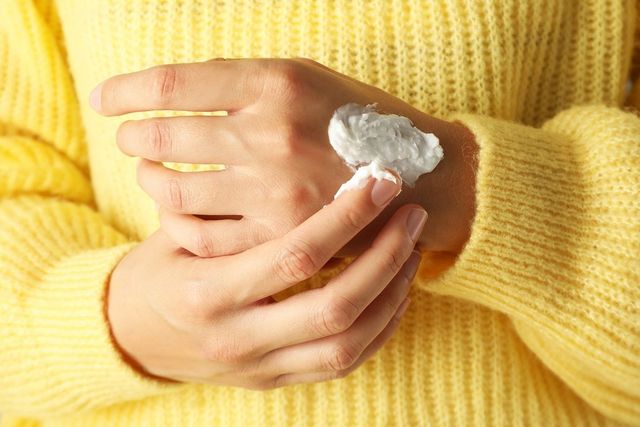
- Apply a small amount of the new product to a clean area of your inner arm or behind your ear.
- Wait 24–48 hours and check for redness, itching, or bumps.
- If there is no reaction, try the product on a small area of your face before using it everywhere.
Patch testing helps you avoid a full-face reaction, which can be especially uncomfortable during allergy season.
Credit: www.allergydoc.us
The Importance Of Sun Protection With Moisturizer
Sun exposure can worsen skin irritation during allergy season. Many moisturizers now include SPF, but not all do. Always check the label. If your moisturizer does not have SPF, apply a gentle, broad-spectrum sunscreen on top.
- Look for sunscreens labeled for sensitive skin.
- Mineral sunscreens with zinc oxide or titanium dioxide are usually less irritating.
- Reapply sunscreen every two hours if you are outdoors.
Protecting your skin from the sun helps prevent further damage and supports healing.
Adjusting Your Routine After Outdoor Activities
After spending time outside, especially on high-pollen days, it is a good idea to refresh your moisturizer routine:
- Wash your face gently to remove allergens and sweat.
- Reapply a calming, fragrance-free moisturizer.
- If your skin feels itchy or hot, use a cool compress before moisturizing.
These steps can help prevent flare-ups and keep your skin comfortable.
Dealing With Flare-ups: Quick Relief Tips
Even with the best routine, you might still have days when your skin reacts strongly to allergens. Here is how to get fast relief:
- Apply a cold, damp cloth to the affected area for 10–15 minutes to reduce redness and itching.
- Use a calming moisturizer with colloidal oatmeal or aloe vera.
- Avoid scratching or rubbing, which can make irritation worse.
- If needed, use an over-the-counter hydrocortisone cream for a few days (but not long-term).
- Wear loose, soft clothing to avoid further irritation on the body.
If symptoms do not improve or get worse, see a doctor.
The Science Behind Skin Barrier Repair
Your skin barrier is made up of lipids (fats), proteins, and cells that fit together like bricks and mortar. When allergens and harsh products damage this barrier, water escapes more easily, and irritants can get in.
- Ceramides and fatty acids in moisturizers help rebuild the barrier.
- Humectants like hyaluronic acid draw water into the skin.
- Occlusives like petrolatum form a protective layer on top.
A study published in the Journal of Clinical and Aesthetic Dermatology found that moisturizers with ceramides and humectants improved skin hydration and reduced irritation in people with sensitive skin during allergy season. Investing in these types of products can make a real difference.
Tracking Your Skin’s Progress
During allergy season, it is helpful to keep a simple diary of your skin’s condition. Note any changes in:
- Dryness or tightness
- Redness or itching
- New breakouts or rashes
This can help you spot patterns and figure out which adjustments are helping. If you need to see a dermatologist, this record can also be valuable.
Non-obvious Tips Most Beginners Miss
- Don’t forget your neck and ears: These areas are exposed to allergens but are often skipped when moisturizing.
- Change face masks regularly: If you wear masks outside, they can trap pollen and irritants. Use clean, soft masks and replace them often.
- Watch for hidden allergens: Hair products, laundry detergent, and even hand creams can contain fragrances or preservatives that irritate sensitive skin during allergy season.
These details might seem small, but they can make a big difference in how your skin feels and heals.
The Benefits Of Simplicity In Your Routine
When your skin is sensitive, less is often more. Stick to a simple routine:
- Gentle cleanser
- Calming, fragrance-free moisturizer
- Sunscreen (day)
- Barrier cream (night, if needed)
Too many products or frequent changes can overwhelm your skin. Give each adjustment time to work before adding something new.
When To Switch Back To Your Regular Routine
As allergy season ends, you may notice your skin feeling less sensitive. Gradually return to your regular routine, but keep these tips in mind:
- Continue using gentle, fragrance-free products if your skin is still recovering.
- Watch for any signs of irritation as you reintroduce exfoliants or actives.
- Maintain good habits, like moisturizing after washing and using sunscreen every day.

Credit: www.puredayspainc.com
Frequently Asked Questions
What Is The Best Type Of Moisturizer During Allergy Season?
The best moisturizer is usually fragrance-free, gentle, and rich in barrier-supporting ingredients like ceramides, glycerin, or hyaluronic acid. Creams and balms work well for dry or sensitive skin, while gels or lightweight lotions are better for oily skin. Always choose products that match your skin type.
How Often Should I Apply Moisturizer During Allergy Season?
You should apply moisturizer at least twice a day—morning and night. If you wash your face or hands more often to remove allergens, reapply each time. Listen to your skin; if it feels dry or tight, add another layer.
Can Moisturizers Prevent Allergy Symptoms?
Moisturizers cannot stop allergies, but they can protect your skin from irritation caused by allergens. By strengthening the skin barrier, they help reduce dryness, redness, and itching. However, you will still need to manage allergies with other methods if you have symptoms like sneezing or congestion.
Should I Use Sunscreen If My Moisturizer Is Already Thick?
Yes, you should use sunscreen even if your moisturizer is rich or thick. Sunscreen protects against UV damage, which can make irritation worse. If your moisturizer does not have SPF, layer a gentle sunscreen on top.
Are Natural Or Diy Moisturizers Safe During Allergy Season?
Be careful with DIY or natural moisturizers during allergy season. Some natural ingredients, like essential oils or certain plant extracts, can cause irritation or allergic reactions. Stick to tested, fragrance-free products with simple ingredient lists for the safest results.
If you want to explore more about skin barrier science and moisturizer ingredients, check out this detailed resource from the American Academy of Dermatology.
Making smart adjustments to your moisturizer routine during allergy season can make a world of difference. By understanding your skin’s needs and being proactive, you can keep your skin calm, comfortable, and protected—no matter what is floating in the air.