

When your skin feels tight, itchy, or red, you might wonder if you have damaged your skin barrier. Many people experience this, but not everyone understands what a healthy skin barrier is—or how long it takes to recover once it’s damaged.
If you’re searching for answers, you’re not alone. Healing a damaged skin barrier is a process that takes patience, knowledge, and care. In this guide, you’ll learn what to expect week by week as your skin barrier recovers, the science behind the healing process, and what you can do to support your skin at every stage.
What Is The Skin Barrier And Why Does It Matter?
The skin barrier is the outermost layer of your skin, also known as the stratum corneum. This layer acts like a shield, protecting you from bacteria, pollution, and moisture loss. When it’s healthy, your skin feels smooth, soft, and resilient. When it’s damaged, you may notice redness, increased sensitivity, flakiness, or even breakouts.
This barrier is made from a mix of dead skin cells (corneocytes) and lipids (fats, like ceramides, cholesterol, and fatty acids). Imagine it as a brick wall: the cells are bricks, and the lipids are the mortar. If the mortar breaks down, the wall gets weak, and things can pass through more easily.
Common causes of a damaged skin barrier include:
- Over-exfoliating with acids or scrubs
- Using harsh cleansers or hot water
- Environmental stress (sun, wind, pollution)
- Certain skin conditions (eczema, psoriasis)
- Medications like retinoids or topical steroids
Even daily habits can have an effect. For example, washing your face too often or not moisturizing enough can slowly chip away at your barrier. Sometimes, even stress or lack of sleep can make your skin more vulnerable.
A healthy skin barrier keeps moisture in and irritants out. Once it’s compromised, your skin can’t do its job well. This is why recovery is so important.
How Long Does It Take To Heal A Damaged Skin Barrier?
The timeline for recovery depends on the severity of the damage and your daily habits. Mild damage can improve in a few days, but deeper issues may take several weeks or even months. Most people see steady progress over four to six weeks if they follow a gentle routine and avoid triggers.
However, recovery isn’t always linear. Your skin may look better one day and worse the next. This is normal. Sometimes, skin can seem to “purge,” where tiny bumps or breakouts appear as it repairs. It’s important not to panic or change your routine too quickly.
Factors that affect how long healing takes:
- Age: Older skin heals more slowly.
- Skin type: Dry or sensitive skin is more easily damaged.
- Genetics: Some people have naturally weaker or stronger barriers.
- Climate: Dry, cold, or windy weather slows recovery.
- Underlying conditions: Eczema, psoriasis, or allergies can make healing slower.
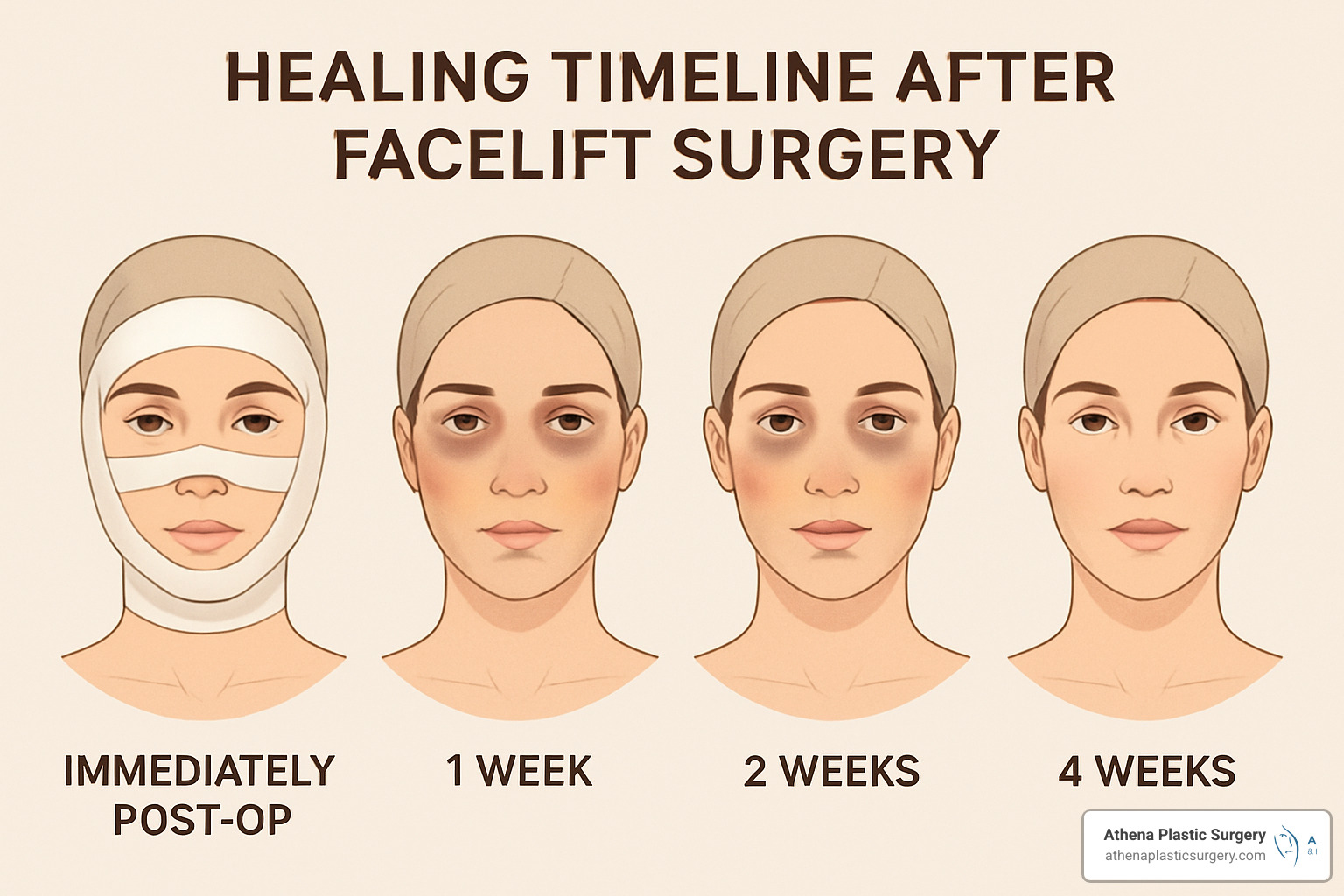
Understanding the week-by-week expectations can help you stay motivated and avoid common mistakes.
Credit: athenaplasticsurgery.com
Week-by-week Skin Barrier Recovery Timeline
Let’s break down what typically happens as your skin barrier heals, and what you should focus on each week.
Week 1: Immediate Relief And Damage Control
The first week is all about stopping the damage and giving your skin a chance to rest. Your priority is to simplify your routine and protect your skin from further irritation.
What to expect:
- Redness and sensitivity may be high
- Skin may feel tight, dry, or sting
- Flaking and rough patches are common
- No immediate improvement—sometimes, it gets worse before it gets better
You might also notice your skin burning when you apply even basic products, or that it feels rough and bumpy. Some people develop small cracks or fine lines that weren’t there before.
What to do:
- Stop all actives: Pause use of retinoids, acids (AHA/BHA), scrubs, and strong treatments.
- Switch to a gentle cleanser: Use a fragrance-free, non-foaming cleanser.
- Moisturize often: Apply a plain, ceramide-rich moisturizer.
- Avoid hot water: Wash with cool or lukewarm water.
- Protect from sun: Use a mineral sunscreen if you go outside.
If your skin is very raw, you may want to skip washing your face in the morning—just splash with water and moisturize. At night, cleanse only if you wore sunscreen or makeup.
Non-obvious insight: Even “natural” ingredients like essential oils or aloe can irritate a damaged barrier. Stick to basics.
Another often-missed tip: Stop using cleansing brushes, washcloths, or face sponges. Anything that rubs or scrubs can slow recovery.
Week 2: Early Repair And Calming
By the second week, your skin begins to repair itself. Inflammation may start to decrease, and the worst of the discomfort often fades. However, your skin is still fragile.
What to expect:
- Slight reduction in redness and stinging
- Flakiness may persist but should lessen
- Skin might look dull or uneven
- You may see tiny bumps as skin turns over
Some people notice a bit of peeling or that their skin looks “leathery. ” This is part of the healing process. If you wear makeup, it might not sit well or may highlight dryness—this is normal during repair.
What to do:
- Continue gentle care: Stick with your simple routine.
- Moisturize generously: Use creams with ceramides, cholesterol, and fatty acids.
- No exfoliation yet: Don’t rush to add scrubs or acids.
- Barrier repair boosters: Ingredients like niacinamide (2-5%) or panthenol can help but introduce slowly.
- Hydration: Use a humidifier if your air is dry.
If your skin feels itchy, resist scratching. Instead, press a cold compress gently on the area or apply an extra layer of moisturizer.
Non-obvious insight: Over-moisturizing can sometimes lead to clogged pores. If you notice breakouts, switch to a lighter product but don’t skip moisture.
Another advanced tip: If you have very dry patches, an occlusive like plain petrolatum (Vaseline) can help seal in moisture overnight. This technique is called “slugging,” but it’s best for very dry or flaky skin—avoid if you’re acne-prone.
Week 3: Strengthening And Balancing
In week three, your skin’s natural barrier starts to rebuild. You may notice improved comfort and a smoother texture. This is when you can consider adding supportive—but not aggressive—ingredients.
What to expect:
- Reduced sensitivity
- Skin may feel more comfortable and less reactive
- Some dry patches may remain, but overall improvement is visible
- Tone and texture begin to even out
You may also notice that your skin feels more “normal” in the mornings and that redness fades faster after washing or moisturizing.
What to do:
- Maintain a gentle routine: Don’t change too much at once.
- Introduce hydrating serums: Hyaluronic acid or glycerin can help, but patch test first.
- Spot treat stubborn dryness: Use ointments like petrolatum on rough patches.
- Continue sun protection: Skin is still vulnerable to UV damage.
If you want to add a hydrating serum, choose one with a short ingredient list and no fragrance or alcohol. Use it once a day at first to test for reactions.
Non-obvious insight: At this stage, many people feel tempted to start using their old products again. Resist this urge—rushing can set you back.
Also, don’t forget about your lips, neck, and chest—these areas can also suffer from barrier damage. Extend your gentle routine to them as well.
Week 4: Visible Improvement
By the fourth week, most people see clear signs of progress. Your skin barrier is stronger, and your face may look healthier and feel less irritated.
What to expect:
- Redness mostly gone
- Flakiness minimal or resolved
- Skin feels soft and supple
- Less reactive to temperature or mild products
You may find that your makeup applies more smoothly, and your skin holds moisture throughout the day. Some minor unevenness or old spots may linger, but overall, your skin should look more balanced.
What to do:
- Reintroduce actives slowly: If you use retinol or acids, start with one product, once a week.
- Watch for setbacks: If irritation returns, stop and give your skin more time.
- Keep moisturizing: Don’t drop your barrier-supporting cream.
Introduce actives one at a time and wait at least a week before adding another. Start with lower concentrations than you used before. For example, if you used a 10% glycolic acid before, try 5% instead.
Non-obvious insight: Skin can look healed on the surface while deeper layers are still repairing. Keep your routine simple for another week or two before making big changes.
Another subtle sign of improvement: Your skin starts to feel less tight after washing, and you don’t need to rush to apply moisturizer as quickly.
Weeks 5–6: Full Recovery And Long-term Maintenance
In weeks five and six, the skin barrier is usually back to normal for most people. At this point, you can return to a balanced routine, but it’s wise to make lasting changes to prevent future damage.
What to expect:
- Skin looks and feels normal
- You can tolerate mild actives if you reintroduce them slowly
- Fewer flare-ups or sensitivity
Your skin should now recover quickly from minor irritations. You may notice fewer breakouts and better overall texture. If you stick with a gentle routine, your skin will stay resilient.
What to do:
- Adopt a balanced routine: Gentle cleanser, barrier cream, targeted treatments, sunscreen.
- Introduce actives gradually: Increase frequency slowly and monitor your skin.
- Avoid over-exfoliating: Stick to once or twice a week for acids if needed.
- Support with lifestyle: Stay hydrated, eat a balanced diet, and manage stress.
Non-obvious insight: Even after recovery, your skin’s barrier can be damaged again if you repeat the same mistakes. Prevention is key.
As your skin gets stronger, you can also add antioxidants (like vitamin C serums) for extra protection, but always introduce slowly.
Severe Cases: When Healing Takes Longer
Some people—especially those with eczema, rosacea, or chronic skin conditions—may need several months for full recovery. If your symptoms persist after six weeks, it’s best to see a dermatologist.
Signs you need professional help:
- Persistent redness, burning, or pain
- Open sores or raw skin
- No improvement after six weeks of gentle care
Other warning signs include yellow crusting, swelling, or pus, which may mean infection. If your skin is not improving or getting worse, don’t wait—professional care can prevent scarring and long-term problems.
How The Skin Barrier Heals: The Science
Understanding how your skin recovers can help you make smarter choices. The skin barrier is made of corneocytes (dead skin cells) packed with lipids. When damaged, it loses moisture and lets in irritants. Your body repairs this layer by producing new cells and lipids.
Here’s a simplified view of the repair process:
| Phase | What Happens | Typical Duration |
|---|---|---|
| Inflammation | Redness, swelling, heat as body responds to damage | 1-3 days |
| Regeneration | New cells and lipids form to fill gaps | 3-14 days |
| Restoration | Barrier function returns, skin feels normal again | 14-42 days |
A healthy adult’s skin cell turnover is about 28 days, but this slows with age or health problems. That’s why recovery can be faster for some and slower for others.
Another important factor: the barrier also contains “natural moisturizing factors” (NMFs) like urea, amino acids, and lactic acid. These attract and hold water. When the barrier is damaged, these NMFs leak out, making dryness and irritation worse. Restoring the barrier helps keep these molecules inside your skin.
Key Ingredients For Skin Barrier Recovery
Not all skincare ingredients are helpful during recovery. Some can make things worse, while others support healing. Here’s how the most common ones compare:
| Ingredient | Benefit | When to Use | When to Avoid |
|---|---|---|---|
| Ceramides | Restore barrier lipids | Anytime | Rarely causes issues |
| Hyaluronic Acid | Draws in moisture | Week 3 onward | Can sting if skin is very raw |
| Niacinamide | Soothes and strengthens | Week 2 onward | Can cause flushing if used too early or in high doses |
| Petrolatum | Seals in moisture | Spot treat dry patches | May clog pores if overused |
| Acids (AHA/BHA) | Exfoliation | After full recovery | During active damage |
Some other supportive ingredients:
- Squalane: Very gentle, helps with moisture and repairing lipids.
- Panthenol (Vitamin B5): Calms and hydrates.
- Cholesterol: Works with ceramides to restore the “mortar” in your barrier.
Tip: Always patch test new ingredients on a small area to avoid a setback.
Also, check ingredient lists for alcohol, fragrance, or essential oils, which can irritate sensitive skin even in small amounts.
Comparing Recovery: Mild Vs. Severe Damage
Not every damaged skin barrier is the same. Here’s how the timeline can differ based on how severe the damage is:
| Severity | Symptoms | Recovery Time | Common Mistakes |
|---|---|---|---|
| Mild | Dryness, slight redness, tightness | 1-2 weeks | Restarting actives too soon |
| Moderate | Redness, flaking, stinging, sensitivity | 2-6 weeks | Over-moisturizing, skipping sunscreen |
| Severe | Burning, peeling, rawness, open sores | 6+ weeks, may need medical care | Using harsh products, not seeing a dermatologist |
For severe damage, trying to “fix” things with more products often makes things worse. If your skin is open, weeping, or very painful, see a doctor—simple home routines are not enough.
Tips For A Faster And Safer Recovery
- Keep your routine simple: The fewer products, the better during healing.
- Moisturize while damp: Lock in hydration right after washing.
- Don’t skip sunscreen: UV rays can slow healing, even on cloudy days.
- Avoid makeup if possible: Give your skin a break from potential irritants.
- Stay hydrated: Drink water and eat foods rich in healthy fats (like avocados or salmon).
- Don’t pick or scrub: Let flakes fall off naturally.
- Watch for infection: If skin becomes very sore or weepy, seek medical advice.
Bonus tips:
- Sleep matters: Skin heals at night. Aim for 7–8 hours.
- Change your pillowcase every few days: This reduces bacteria and irritation.
- Limit showers to 10 minutes or less: Hot, long showers dry your skin.
- Wear soft, clean clothing: Rough fabrics can rub and irritate sensitive areas, especially around the face and neck.
Common Mistakes That Delay Healing
Many people sabotage their own recovery without realizing it. Here are errors to avoid:
- Restarting actives too soon: Even if your skin looks better, it may not be ready.
- Using too many “repair” products: Layering many serums can overwhelm your skin.
- Skipping sunscreen: UV damage can undo weeks of healing.
- Relying on home remedies: DIY treatments (like coconut oil or lemon) can irritate damaged skin.
- Ignoring environmental triggers: Dry air, extreme heat, or cold can slow down progress.
Also, avoid:
- Using products with alcohol or fragrance.
- Washing your face multiple times a day.
- Using “purging” as an excuse for ongoing irritation—true purging from actives clears up in a few weeks, not months.
- Applying undiluted essential oils—these are very irritating to compromised skin.
Credit: drphelps.com
When To See A Dermatologist
If you’ve tried gentle care for several weeks and your skin isn’t improving, it’s time for professional help. Signs you need a dermatologist include:
- Intense, persistent burning or pain
- Unexplained swelling or oozing
- No improvement after six weeks
- Signs of infection (yellow crust, fever)
A dermatologist can diagnose underlying conditions like eczema or allergies and prescribe treatments you can’t get over the counter.
If you’re using prescription treatments (like tretinoin or steroids), always check with your doctor before stopping or changing your routine. Sometimes, your skin may need a different approach or a patch test for allergies.
Supporting Skin Barrier Health Long-term
Once your skin is healed, prevention is your best friend. These habits keep your barrier strong:
- Use a gentle cleanser: Avoid foaming or scented products.
- Moisturize daily: Especially after showering or washing your face.
- Limit exfoliation: Once a week is enough for most people.
- Protect from sun and wind: Wear sunscreen and cover up when possible.
- Manage stress: Stress can trigger flare-ups for some people.
- Listen to your skin: If it feels tight or irritated, scale back your routine.
Other helpful habits:
- Test new products on a small area first.
- Check labels for potential irritants like alcohol, menthol, or eucalyptus.
- Adjust your routine with the seasons. Winter air is drier, so you may need a heavier cream. In summer, switch to lighter products and reapply sunscreen more often.
Non-obvious insight: Seasonal changes can impact your skin barrier. You may need a heavier moisturizer in winter and a lighter one in summer.
If you travel to different climates, bring your gentle basics and adjust how often you moisturize.
Real-life Examples Of Skin Barrier Recovery
Many people share their journeys online, and the patterns are similar: initial frustration, followed by slow but steady progress with the right routine.
- Case 1: After over-exfoliating, a 24-year-old woman experienced stinging and peeling. She switched to a gentle routine, used a ceramide cream, and saw dramatic improvement in four weeks. She also avoided makeup and started using a humidifier in her bedroom, which helped with dryness.
- Case 2: A man with sensitive skin developed burning after using a retinol serum daily. He stopped all actives, moisturized with petrolatum, and his skin returned to normal in three weeks. He learned to patch test new products before using them on his whole face.
- Case 3: Someone with eczema had a damaged barrier for months. Only after consulting a dermatologist and using prescription creams did they see real progress. They also started keeping a skin diary to track triggers like stress and weather changes.
Another common story: People who switch from harsh foaming cleansers to gentle, creamy ones often see less tightness and redness within two weeks.
These stories show that recovery is possible—but patience and the right approach matter.
Frequently Asked Questions
How Do I Know If My Skin Barrier Is Damaged?
Signs include redness, tightness, stinging, flakiness, and increased sensitivity to products. Your skin may also look shiny or feel rough. If your usual products suddenly burn or sting, your barrier may be compromised.
Other subtle clues: Your skin feels dry no matter how much you moisturize, or you develop new allergies to products you’ve used for years.
Can I Use Moisturizer While My Skin Barrier Is Damaged?
Yes—moisturizer is essential for healing. Look for products with ceramides, cholesterol, and fatty acids. Avoid fragranced or active-heavy creams. Apply moisturizer several times a day, especially after washing.
If your skin is very irritated, try using a bland ointment (like petrolatum) at night to lock in moisture.
When Can I Restart Exfoliating Acids Or Retinol?
Wait until your skin feels and looks normal—usually 4 to 6 weeks. Then, reintroduce actives slowly: once a week at first, and watch for signs of irritation. If your skin reacts, pause and give it more time.
Always start with a lower strength and build up as your skin allows.
Will My Skin Barrier Ever Fully Recover?
Most people experience full recovery if they follow a gentle routine and avoid triggers. However, if you have a chronic skin condition, you may need ongoing care. Severe or recurring damage should be evaluated by a dermatologist.
Where Can I Find More Information On Skin Barrier Repair?
You can read more about the science of the skin barrier at the National Institutes of Health. Their resources offer in-depth studies and expert advice.
A damaged skin barrier can feel overwhelming, but with the right knowledge and habits, you can guide your skin back to health. Take it week by week, be patient, and your skin will thank you for years to come.
Credit: idealfaceandbody.com