

Healthy skin is more than what you see in the mirror. Beneath the surface, a constant balance of water and lipids (fats) keeps your skin strong, flexible, and protected. This balance is the secret behind soft, comfortable skin—and the reason why so many skincare products talk about “moisture” and “barrier repair.” But what does it really mean for your skin? And why do both water and fat matter so much?
Understanding how water and lipids function in the skin barrier is important for anyone who wants to manage dryness, oiliness, sensitivity, or other common skin concerns. The truth is, your skin needs both moisture and fat to do its job well. Too much of one and not enough of the other leads to problems—itchiness, redness, breakouts, or even infections.
Let’s dive deep into how water and lipids work together in your skin barrier, why the balance matters, and what you can do to keep your skin healthy and comfortable.
The Skin Barrier: What It Is And Why It Matters
Your skin is made up of several layers, but the outermost layer—the stratum corneum—is where the barrier magic happens. Imagine this layer as a brick wall: the corneocytes (dead skin cells) are the bricks, and the lipids (fats) are the mortar holding everything together. Water sits between and inside these structures, keeping them flexible.
The main functions of the skin barrier are:
- Keeping moisture in: Prevents water from escaping, so skin stays hydrated and plump.
- Blocking irritants out: Stops bacteria, pollution, and chemicals from entering.
- Regulating sensation: Helps you feel temperature, pressure, and pain safely.
If the barrier is damaged or unbalanced, your skin cannot do these jobs well. You might notice:
- Dryness and flakiness
- Sensitivity or redness
- Itchiness
- Stinging or burning
- More breakouts or rashes
How Water Functions In The Skin Barrier
Water is not just for drinking—your skin relies on it to stay soft and resilient.
Role Of Water In Healthy Skin
- Hydration: Water fills the spaces between skin cells, making them plump and smooth.
- Flexibility: Well-hydrated skin bends and stretches without cracking.
- Enzyme activity: Certain enzymes need water to help remove dead cells and allow new ones to rise to the surface.
About 30% of the stratum corneum (outer skin layer) is water. This may sound small, but even a slight drop can cause problems. When water levels fall, the skin gets rough, tight, and can even crack.
Water Loss: Transepidermal Water Loss (tewl)
Your skin naturally loses water to the air through a process called transepidermal water loss (TEWL). This is normal, but if the barrier is weak or the air is dry, TEWL increases, leading to dehydration.
Factors that increase TEWL:
- Cold, dry weather
- Hot showers and harsh soaps
- Over-exfoliation
- Certain skin diseases (eczema, psoriasis)
Humectants: Water Magnets In Skincare
Many moisturizers use humectants—ingredients that draw water into the skin. Examples include glycerin, hyaluronic acid, and urea. These help boost hydration, especially in dry environments.
Non-obvious insight: Humectants only work if there is water in the environment. In very dry air, they can actually pull water *out* of deeper skin layers if not combined with occlusives (fats).

Credit: shop.antiagingvancouver.com
Lipids: The Fatty Guardians Of The Skin
Lipids are fatty molecules that do much more than make your skin feel greasy.
Main Types Of Skin Lipids
The stratum corneum contains three main lipids:
- Ceramides (50%)
- Cholesterol (25%)
- Free fatty acids (10-20%)
These lipids are organized in neat layers, forming a waterproof seal around skin cells.
Lipid Functions
- Sealing in moisture: Lipids prevent water from escaping, keeping skin hydrated.
- Blocking irritants: They form a shield against bacteria, allergens, and pollution.
- Repairing damage: Lipids help heal tiny cracks and support skin recovery.
Without enough lipids, water evaporates quickly, and your skin becomes vulnerable to the outside world.
Natural Lipid Production
Your body produces its own lipids, but many factors can reduce production:
- Age: Lipid production drops with age, leading to drier skin.
- Harsh products: Soaps, alcohol-based toners, and scrubs can strip away lipids.
- Health conditions: Eczema and other skin disorders disrupt lipid balance.
Non-obvious insight: Not all “oily” skin means healthy lipid balance. Sometimes, the skin over-produces oil as a reaction to dryness or damage.
Water Vs. Lipid: The Balance That Protects
It’s not just about having enough water *or* enough fat—your skin needs both, in the right ratio.
The Moisture-fat Balance
Think of your skin barrier as a sponge coated in oil:
- The sponge (water): Holds and releases moisture.
- The oil (lipids): Stops water from escaping and keeps out dirt.
If you have too much water but not enough fat, your skin loses moisture quickly. If you have too much fat but not enough water, your skin feels greasy but still tight or flaky underneath.
How Balance Is Measured
Scientists study the barrier’s strength by measuring:
- TEWL (Transepidermal Water Loss): High TEWL means the barrier is weak.
- Skin hydration: Measured with a device that checks water content.
- Lipid profile: Tests the amounts and types of fats in the skin.
Visualizing The Difference
Here’s how the balance of water and fat affects skin condition:
| Skin Type | Water Content | Lipid Content | Common Problems |
|---|---|---|---|
| Healthy | Balanced | Balanced | Soft, smooth, resilient |
| Dehydrated | Low | Normal/High | Tight, flaky, fine lines |
| Lipid-deficient | Normal/High | Low | Dry, rough, sensitive |
| Oily | Normal | High (sebum) | Shiny, breakouts, enlarged pores |

Credit: www.cosrx.com
Factors Affecting Skin Water And Lipid Levels
Your skin barrier is always changing. Many things can tip the balance between water and fat:
Age
- Babies have more water and less fat, making their skin soft but easily irritated.
- Aging reduces both water and lipid content, leading to dryness and wrinkles.
Genetics
- Some people naturally have more or less lipids in their skin.
- Conditions like atopic dermatitis run in families and affect barrier strength.
Environment
- Cold, dry air strips water and lipids.
- Sun exposure damages both, increasing TEWL and causing roughness.
Skincare Habits
- Over-washing removes natural lipids.
- Alcohol-based products dry out skin.
- Hot showers increase water loss.
Health And Diet
- Low-fat diets can reduce skin lipids.
- Dehydration from not drinking enough water affects skin hydration.
Stress And Hormones
- Stress increases cortisol, which can weaken the barrier.
- Hormonal changes (puberty, menopause) affect both water and lipid production.
Signs Of Imbalance: Moisture Vs Fat
How do you know if your skin is lacking water, fat, or both? The symptoms are often different.
Signs Of Dehydrated Skin (low Water)
- Tightness after washing
- Fine lines that disappear when moisturized
- Dull, lackluster appearance
- Flakiness, but feels oily underneath
Signs Of Lipid-deficient Skin (low Fat)
- Rough, scaly texture
- Persistent dryness, no matter how much you moisturize
- Redness or sensitivity
- Cracked, peeling patches
Can You Have Both?
Yes, many people have “combination” issues—dehydrated *and* lipid-deficient skin. This is common in winter, after illness, or with harsh skincare routines.
Practical tip: If your skin feels tight but also greasy, you may be missing water, not just over-producing oil.
Credit: skinrocks.com
How To Restore And Maintain Skin Barrier Balance
Fixing the water-fat balance is not just about using more moisturizer. It’s about choosing the right products and habits for your skin’s needs.
1. Choose The Right Moisturizers
There are three main types:
- Humectants: Pull water into the skin (glycerin, hyaluronic acid)
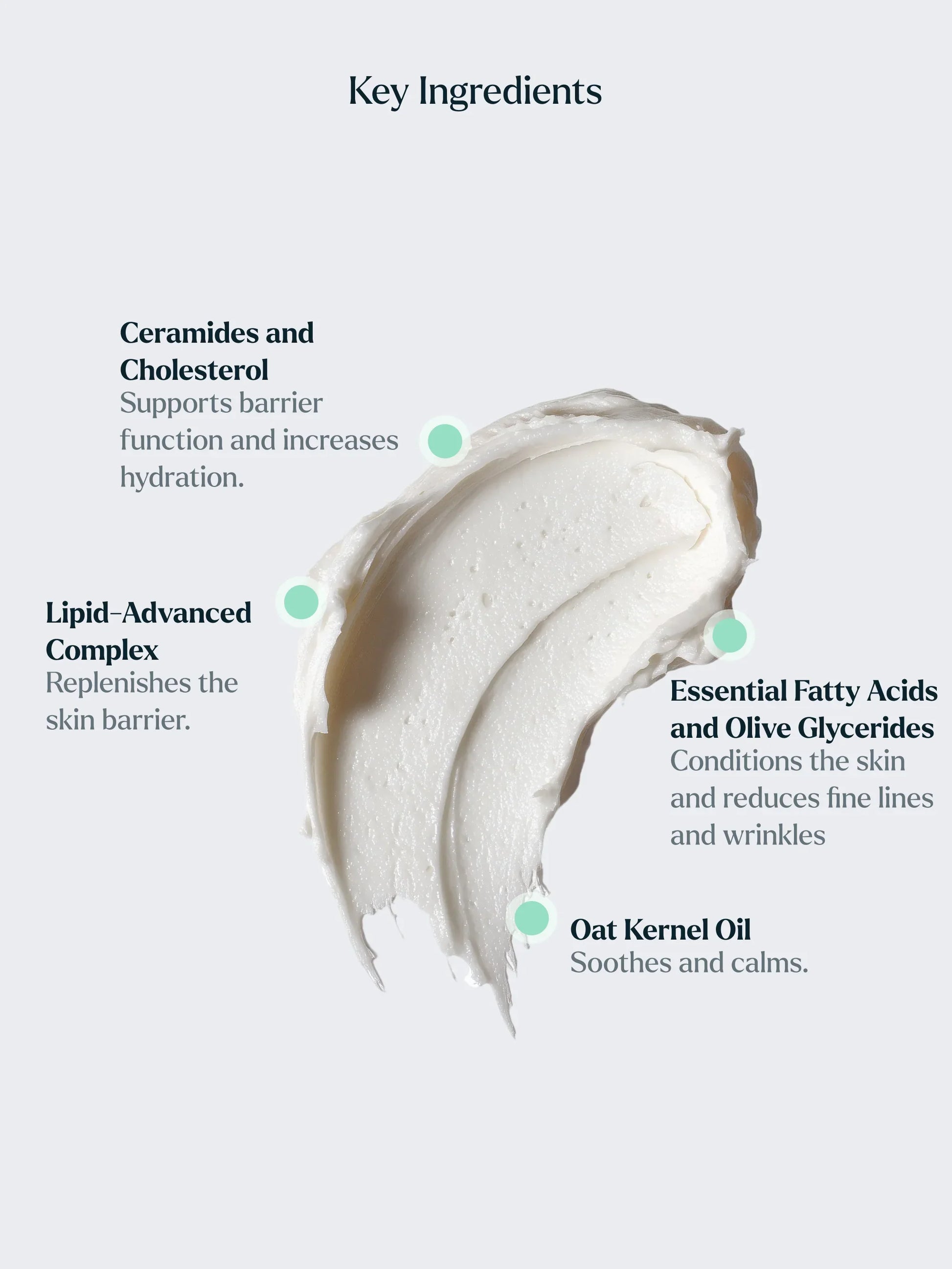
- Emollients: Fill gaps between cells, smooth skin (ceramides, fatty acids)
- Occlusives: Create a barrier to stop water loss (petrolatum, dimethicone)
The best products often combine all three.
Moisturizer Comparison
See how different types of moisturizers support the skin barrier:
| Type | Main Function | Best For | Common Ingredients |
|---|---|---|---|
| Humectant | Increase water content | Dehydrated skin | Glycerin, Hyaluronic Acid |
| Emollient | Smooth, fill gaps | Rough, dry skin | Ceramides, Fatty acids |
| Occlusive | Prevent water loss | Very dry or damaged skin | Petrolatum, Mineral oil |
2. Adjust Your Skincare Routine
- Use gentle, non-foaming cleansers.
- Avoid over-exfoliating (no more than 1-2 times per week).
- Pat skin dry—don’t rub.
- Apply moisturizer while skin is slightly damp.
- Use richer creams at night if skin feels dry.
3. Protect Against The Environment
- Wear sunscreen daily.
- Use a humidifier in dry climates.
- Cover skin in extreme cold or wind.
4. Support Skin From The Inside
- Drink enough water (about 2 liters per day for adults).
- Eat foods rich in healthy fats: Nuts, seeds, fish, avocados.
- Avoid very low-fat diets.
5. Know When To See A Professional
If skin does not improve with good habits, you may have a medical condition (eczema, psoriasis, allergies). A dermatologist can check your barrier and recommend special treatments.
Non-obvious insight: Sometimes, less is more. Overusing products, even “good” ones, can disrupt the natural balance. Give your skin time to adjust.
Scientific Evidence: What Research Shows
Many studies confirm the importance of both water and lipids for a strong skin barrier.
- A study in the Journal of Investigative Dermatology found that creams with ceramides, cholesterol, and fatty acids improved barrier repair faster than creams with just one ingredient.
- Research shows that people with eczema have 50% less ceramides than those with healthy skin.
- Adding humectants like glycerin to skincare can increase water content by up to 20% after two weeks of use.
Interesting fact: Some new products use “lamellar” technology, which mimics the natural layers of water and fat in the skin, making them more effective.
For an in-depth scientific overview, see the National Institutes of Health resource.
Common Mistakes In Managing Skin Barrier
Many people try to fix dry or oily skin but end up making things worse. Here’s what to avoid:
- Over-cleansing: Washing too often strips both water and lipids.
- Skipping moisturizer: Even oily skin needs hydration and barrier support.
- Using harsh exfoliants: Physical scrubs and strong acids can damage the barrier.
- Ignoring sun protection: UV rays weaken both water and lipid layers.
- Mixing too many actives: Retinoids, acids, and vitamin C can overwhelm the skin if not used carefully.
Tip: Always introduce one new product at a time, so you can see how your skin reacts.
Water And Lipid Function In Skin Diseases
When the water-lipid balance fails, skin diseases often follow.
Eczema (atopic Dermatitis)
- Barrier is broken, water escapes, and irritants enter.
- Skin is dry, itchy, and inflamed.
- Treatments focus on restoring both water (hydration) and fat (lipid creams).
Psoriasis
- Barrier is thick but not effective.
- Fast cell turnover means lipids don’t form correctly.
- Moisturizers and lipid-rich creams help manage symptoms.
Acne
- Often linked to excess sebum (oily lipids), but skin can also be dehydrated.
- Some treatments dry out skin, so balancing hydration is important.
Aging Skin
- Less water and lipids, leading to wrinkles and thinning.
- Barrier repair creams can slow aging effects.
Sensitive Skin
- Easily irritated due to thin or weak barrier.
- Needs gentle, balanced products to strengthen both water and fat layers.
How To Test Your Skin’s Water And Lipid Levels
You don’t need a lab to understand your skin’s needs. Try these simple checks:
- Pinch test: Gently pinch your cheek. If it wrinkles and stays that way, your skin is dehydrated.
- Blotting paper test: Press a tissue on your face. If it picks up oil but skin feels tight, you may be low on water, not just high on fat.
- Observe after washing: If skin feels tight or stings, you may need more fat in your routine.
Professional tools (like corneometers for water and sebumeters for oil) are used in clinics but are not required for daily care.
How Diet And Lifestyle Affect The Skin Barrier
What you eat and how you live have a big effect on your skin’s water and lipid balance.
Hydration
- Water from food and drink helps keep skin cells full and functioning.
- Alcohol and caffeine can dehydrate you.
Fats
- Omega-3 and Omega-6 fatty acids are building blocks for skin lipids.
- Deficiency leads to dry, irritated skin.
Sleep
- Poor sleep raises stress hormones, which weaken the barrier.
Smoking And Pollution
- Both reduce skin’s natural lipids and increase water loss.
Exercise
- Increases blood flow, delivering nutrients to skin.
- But sweat and frequent washing can strip the barrier if not careful.
Pro tip: Support your skin from the inside with a balanced diet, enough sleep, and gentle care.
How To Build A Routine For Optimal Water-fat Balance
Your routine should match your unique skin. Here’s a step-by-step approach:
- Cleanse: Use a mild, non-foaming cleanser. Morning and night.
- Hydrate: Apply a humectant serum (like hyaluronic acid) if skin feels tight.
- Moisturize: Use a cream with both emollients and occlusives. Look for ceramides, cholesterol, and fatty acids.
- Protect: Apply sunscreen every morning.
- Repair: At night, use richer creams or oils if needed.
If your skin changes with the seasons, adjust your products:
- Winter: Use heavier creams and add a humidifier indoors.
- Summer: Use lighter gels and always wear sunscreen.
Don’t skip: Even oily skin benefits from lightweight, non-comedogenic moisturizers. This prevents overproduction of oil and keeps the barrier strong.
Latest Innovations In Skin Barrier Science
The world of skincare is always moving forward. Some new ideas and products:
- Skin-identical lipids: These are made to match the exact structure of your skin’s own fats, improving absorption and repair.
- Microbiome-friendly products: Support the good bacteria on your skin, which help maintain barrier balance.
- Encapsulated water and fats: Deliver hydration and lipids deeper into the skin, with less irritation.
Example: Ceramide Technology
Some creams now use “multi-lamellar” emulsions, which layer water and fat in the same pattern as healthy skin. This technology has been shown to repair damaged barriers up to 50% faster than standard creams.
Comparing Common Myths: Moisture Vs Fat
There are many myths about skin hydration and fat. Here’s what science says:
| Myth | Fact |
|---|---|
| Oily skin doesn’t need moisturizer | Oily skin can be dehydrated and needs water-based moisturizers |
| Drinking water is enough for skin hydration | Topical products are needed to prevent water loss through the skin |
| More oil means a stronger barrier | Excess oil can still mean weak barrier if lipids are unbalanced |
| Natural oils are always better | Some natural oils can clog pores or cause reactions; choose carefully |
Practical Tips For Every Skin Type
No matter your skin, these tips help keep your water and fat balance healthy:
- Listen to your skin—adjust products with the seasons.
- Choose fragrance-free, gentle formulas.
- Don’t skip moisturizer, even if you’re oily.
- Patch test new products to avoid irritation.
- Limit hot showers and use lukewarm water.
- Eat a balanced diet with enough healthy fats.
Bonus insight: Your skin barrier renews itself every 4-6 weeks. Give new routines time to work—don’t change everything at once.
Frequently Asked Questions
Why Does My Skin Feel Oily But Still Tight?
This is usually a sign of dehydrated skin. Your skin may be producing extra oil to try to protect itself, but it still lacks water inside. Use a lightweight, water-based moisturizer with humectants to help.
Can I Repair A Damaged Skin Barrier, And How Long Does It Take?
Yes, most people can repair their barrier with gentle care and the right products. It usually takes 2 to 6 weeks for visible improvement. Use creams with ceramides and avoid harsh cleansers.
Are Natural Oils Better For My Skin Barrier Than Synthetic Ones?
Not always. Some natural oils (like jojoba or squalane) are similar to skin’s own lipids and work well. Others, like coconut oil, can clog pores or cause reactions. Synthetic lipids are often purified and safe for sensitive skin.
How Do I Know If I Need More Water Or More Fat In My Routine?
If your skin feels tight, dull, or shows fine lines, you may need more water (hydration). If it feels rough, flaky, or sensitive, you may need more fat (lipids). Sometimes you need both—listen to your skin’s signals.
Is It Possible To Over-moisturize My Skin?
Yes, using too many heavy creams can clog pores and make skin lazy, reducing its own lipid production. Use enough to keep skin comfortable, but don’t layer multiple thick products unless recommended by a dermatologist.
Maintaining the right moisture vs fat balance is the key to strong, healthy skin. By understanding how water and lipids work in your skin barrier, you can choose the best habits and products for lifelong comfort and protection. When in doubt, keep it simple, gentle, and consistent—your skin will thank you.