

Every day, we spend time and money caring for our faces. We carefully choose cleansers, moisturizers, and sunscreens to protect our facial skin barrier. Yet, many people ignore the skin covering their scalp. Here’s a surprising fact: the scalp barrier and the facial skin barrier share more similarities than you might think. Both work to protect your body from damage, pollution, dryness, and infection. Giving them different levels of care can lead to problems like itching, dandruff, acne, or even hair loss. Understanding why both need the same attention is the first step to full skin health.
Caring for your scalp like you do your face is not just a beauty trend—it’s backed by science. In this guide, we’ll break down what the scalp and facial barriers are, why they matter, and how you can build a routine that treats them equally.
You’ll also learn common mistakes people make, product recommendations, and what science says about the connection between scalp and facial health. Let’s get started on making your whole skin—face and scalp—look and feel its best.
What Is The Skin Barrier?
The skin barrier is your body’s natural shield. It’s the outermost layer of your skin, known as the stratum corneum. This layer works like a brick wall: skin cells are the bricks, and fats (called lipids) are the mortar. Its main jobs are:
- Keeping moisture in
- Blocking harmful substances like bacteria, pollution, and UV rays
- Reducing irritation from the environment
When the barrier is healthy, your skin feels soft and looks bright. But if it’s weak or damaged, you might notice dryness, redness, itchiness, or breakouts.
Scalp Barrier Vs. Facial Skin Barrier: Are They Really Different?
At first glance, your face and scalp seem very different. After all, your scalp is covered in hair, and your face is usually bare. But, under the microscope, both areas have a similar structure and function.
Similarities
- Both have a stratum corneum as their outer layer. This is the “brick wall” that protects deeper layers.
- Sebaceous glands are present in both. These make sebum (oil) that keeps skin soft and prevents dryness.
- Microbiome balance is essential for both. Friendly bacteria keep away harmful germs.
- PH level is slightly acidic (between 4.5 and 5.5) for both, which helps fight bacteria and maintain strength.
Differences
- Hair density: The scalp has many more hair follicles than the face. This means more oil and a higher chance for buildup or dandruff.
- Exposure: The face is often exposed to sun, wind, and pollution, while the scalp is partly protected by hair.
- Product use: Most people use more products on their face (cleansers, creams) and fewer on the scalp.
Despite these differences, the basic needs are the same: hydration, protection, and balance.

Credit: www.amazon.com
Why The Scalp Barrier Needs The Same Care As The Face
Most people understand that a healthy face barrier means fewer breakouts and less redness. But the scalp barrier is often forgotten—until problems like dandruff or hair loss appear. Here’s why both need equal care:
Scalp Health Affects Hair Growth
Hair doesn’t grow well from an unhealthy scalp. If the scalp barrier is damaged, hair follicles become inflamed. This can slow growth and even cause hair to fall out. Just as a healthy face barrier means smoother skin, a strong scalp barrier means stronger, shinier hair.
Shared Problems: Dryness, Irritation, Infection
Both the face and scalp can become dry, red, or itchy if their barrier is weak. Conditions like seborrheic dermatitis (a form of eczema) can affect both areas. Bacteria and fungi can invade when the barrier is damaged, causing infections or dandruff.
Product Reactions Happen On Both
Sensitive skin is not limited to the face. Harsh shampoos, styling gels, or hair dyes can irritate the scalp barrier just as some facial cleansers or creams can trigger reactions on your face. Both need gentle, balanced formulas.
Environmental Stress Is Universal
Pollution, UV rays, and dry air affect both face and scalp. Both areas need protection from these stressors to prevent premature aging, loss of moisture, and other issues.
The Science: How The Barriers Work
Research shows that the scalp and facial skin barriers have almost identical lipid structures. The main lipids—ceramides, cholesterol, and free fatty acids—are found in similar amounts. These lipids keep the barrier flexible, lock in moisture, and fight off invaders.
A scientific paper published in the International Journal of Cosmetic Science explains that both scalp and facial barriers can be damaged by:
- Over-washing
- Harsh chemicals (like sulfates or alcohol)
- Hot water
- UV radiation
When the lipids are lost, the barrier becomes “leaky.” Water escapes, and irritants get in. This is called transepidermal water loss (TEWL). Higher TEWL means a weaker barrier and more skin problems.
Common Signs Of A Damaged Barrier
It’s not always easy to know if your scalp or face barrier is in trouble. Here are warning signs for both:
Face
- Redness or blotchy patches
- Stinging or burning
- Dryness or flaky spots
- More pimples or acne than usual
- Sensitive to skincare products
Scalp
- Itchiness or tightness
- Flakes (dandruff)
- Redness or bumps
- Burning after shampooing
- Hair feels weak or falls out easily
If you notice these symptoms, your barrier needs help—on both your face and scalp.
Essential Steps For Caring For Both Barriers
Caring for your scalp and facial skin barrier is not complicated. In fact, you can follow a few basic steps for both areas.
1. Gentle Cleansing
Use mild cleansers free from harsh ingredients like sulfates or strong alcohol. For the face, look for a cream or gel formula. For the scalp, choose a sulfate-free shampoo or a cleansing conditioner.
2. Hydration
Both barriers need water and moisture. After cleansing, apply a lightweight moisturizer to your face. For the scalp, use a scalp serum or light, non-greasy oil (like squalane or jojoba).
3. Barrier Repair Ingredients
Look for products with ceramides, niacinamide, or hyaluronic acid. These ingredients support both the facial and scalp barriers.
4. Sun Protection
The scalp can burn, especially if your hair is thin or parted. Use a facial sunscreen and try a scalp sunscreen spray or powder. Wearing hats also helps protect both areas.
5. Avoid Over-exfoliating
Too much scrubbing (physical or chemical) can damage the barrier. Limit exfoliation to once a week for both face and scalp. Choose gentle options like lactic acid or enzyme-based products.
6. Balance The Microbiome
Using products with probiotics or prebiotics can support the good bacteria on your skin and scalp.
7. Avoid Hot Water
Hot showers strip natural oils. Use lukewarm water for washing your face and hair.
8. Don’t Skip Scalp Care
Apply treatments to the scalp, not just the hair. Scalp masks and leave-in tonics can boost health.
9. Minimize Stress
Stress weakens both barriers. Try to manage stress with sleep, exercise, or mindfulness.
10. Healthy Diet
Eat foods rich in omega-3 fatty acids, vitamin E, and antioxidants. These help both barriers stay strong.
Key Ingredients That Help Both Barriers
Not all products are created equal. Here are some powerhouse ingredients that benefit both the scalp and facial skin barrier:
- Ceramides: Restore lost lipids and strengthen the barrier
- Niacinamide (Vitamin B3): Soothes irritation, boosts barrier function
- Hyaluronic acid: Deep hydration without greasiness
- Squalane: Lightweight oil that mimics skin’s natural fats
- Panthenol (Provitamin B5): Heals and calms
- Aloe vera: Reduces redness and soothes
Using these ingredients regularly can make a visible difference.
Everyday Routine: Treating Your Scalp Like Your Face
You probably have a facial skincare routine. Here’s how to extend it to your scalp for complete barrier care:
| Step | Facial Skin | Scalp |
|---|---|---|
| Cleansing | Gentle face wash (AM/PM) | Sulfate-free shampoo (2-3x/week) |
| Hydration | Moisturizer (daily) | Scalp serum or light oil (weekly or as needed) |
| Protection | Sunscreen (AM) | Hat, scalp sunscreen spray (when outdoors) |
| Treatment | Serum with actives (as needed) | Scalp mask, anti-dandruff tonic (as needed) |
Notice the parallel: both routines focus on gentle cleansing, hydration, protection, and treatment. Neither should be skipped.
Common Mistakes People Make
Many people damage their scalp or face barrier without realizing it. Here are the most frequent mistakes:
- Using harsh shampoos or cleansers: Sulfates, alcohol, and strong fragrances strip natural oils.
- Skipping scalp care: Washing hair but never treating the scalp itself.
- Over-washing: Washing face or hair too often dries out the barrier.
- Excessive exfoliation: Scrubbing too hard or using strong acids too often.
- Ignoring sun protection for the scalp: Sunburn can happen on the part line or thinning areas.
- Using too many products: Mixing many actives can cause irritation.
- Applying skincare to hair, not scalp: Hair masks don’t help the scalp.
- Hot showers: Frequent hot water weakens both barriers.
A less obvious mistake: forgetting that products can travel. For example, a strong shampoo can run down your face and cause breakouts or dryness.
Who Needs To Pay Extra Attention?
While everyone benefits from barrier care, some people are at higher risk for problems:
- People with dry or sensitive skin: Their barriers are naturally weaker.
- Those with eczema, psoriasis, or seborrheic dermatitis: These conditions damage the barrier.
- People living in polluted cities: Pollution increases barrier stress.
- Anyone using hair dyes, relaxers, or harsh styling products: Chemicals break down the barrier.
- Aging adults: Barriers weaken over time, leading to drier skin and scalp.
Children and babies also need gentle, barrier-friendly products for both scalp and face.
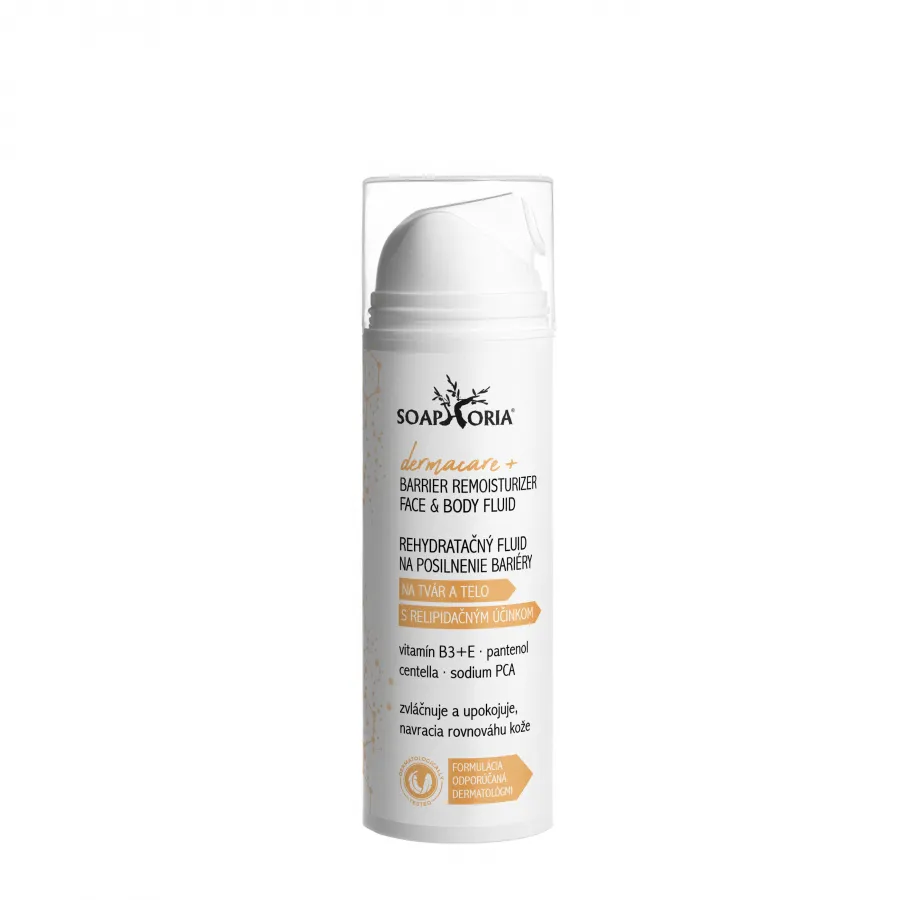
Credit: www.soaphoria.cz
The Science Behind Barrier Repair Products
Many new skincare and scalp care products promise to “repair the barrier. ” Do they work?
Recent studies show that ceramide-rich creams and scalp serums can restore lost lipids and reduce TEWL (transepidermal water loss). For example, research published in the Journal of Cosmetic Dermatology found that a 1% ceramide cream improved barrier function by 30% after 2 weeks.
Another study found that scalp treatments with niacinamide reduced flaking and irritation in people with dandruff. The ingredients work by filling the “gaps” in the barrier, making it stronger and less reactive.
It’s important to use products as directed. Results can take 2-4 weeks, so patience is key.
How Hair Care And Skin Care Products Interact
Did you know that what you put on your hair can affect your face, and vice versa? This is a detail many people miss.
- Shampoo and conditioner can run onto your face when rinsing, possibly causing acne or dryness.
- Facial cleansers can drip into the hairline and irritate the scalp.
- Hair styling products (gels, sprays, oils) can clog pores at the hairline, leading to “pomade acne” or scalp bumps.
A smart approach: choose gentle products for both areas and rinse carefully.
How Weather Impacts Both Barriers
Climate makes a big difference. Here’s what to consider:
- Cold, dry air: Both face and scalp lose moisture quickly. Use richer creams and scalp oils.
- Hot, humid weather: Sweat and oil increase, leading to clogged pores or dandruff. Use lighter, balancing products.
- Wind and sun: Cause irritation and dehydration. Always protect with hats and sunscreen.
People living in cities need to wash away pollution and use antioxidant-rich products.
The Role Of The Microbiome
Your skin and scalp are home to billions of friendly bacteria and fungi. This microbiome helps fight off harmful germs and keeps inflammation low.
Disrupting the microbiome (with harsh cleansers or antibiotics) can lead to:
- Scalp flaking or dandruff
- Acne or eczema on the face
- More infections
Products with probiotics or prebiotics support a healthy microbiome. For example, some serums and scalp tonics now contain lactobacillus or inulin to feed good bacteria.
Diy Scalp And Face Barrier Boosters
Some people like to use simple, natural treatments at home. Here are safe options for both scalp and face:
- Aloe vera gel: Soothes redness and itching. Apply a thin layer to clean skin or scalp.
- Oatmeal mask: Mix ground oats with water to calm irritation.
- Honey: Natural antibacterial and humectant. Use as a 10-minute mask.
- Jojoba oil: Light, non-clogging oil for both scalp and face.
Caution: Always do a patch test. Natural doesn’t mean non-allergenic.
Comparing Popular Barrier Care Products
Let’s see how some well-known products stack up for face and scalp use.
| Product Name | Key Ingredients | Face Safe | Scalp Safe |
|---|---|---|---|
| CeraVe Moisturizing Cream | Ceramides, hyaluronic acid | Yes | Yes (as scalp mask) |
| La Roche-Posay Lipikar Balm | Niacinamide, shea butter | Yes | Yes (for dry scalp) |
| The Ordinary Squalane | Squalane | Yes | Yes |
| Head & Shoulders Clinical Strength | Selenium sulfide | No | Yes (scalp only) |
| Bioderma Sensibio Tonique | Glycerin, allantoin | Yes | Yes (spray on scalp) |
As you see, many barrier-repair ingredients work for both areas. Always read labels and avoid strong medicated shampoos on the face.
How To Choose The Right Products
Picking the right products for both your scalp and face barrier can feel overwhelming. Here’s what matters most:
- Look for simple, gentle formulas. Avoid long lists of harsh chemicals.
- Check for key ingredients like ceramides, niacinamide, and hyaluronic acid.
- Avoid heavy fragrances and essential oils, especially if you’re sensitive.
- Choose products for your skin type. If you’re oily, go lighter. If you’re dry, pick richer creams or oils.
- Test new products slowly. Try on a small patch before applying everywhere.
A common mistake is picking products for “hair” or “face” without considering the scalp barrier. For example, a heavy oil may be good for hair ends but clog the scalp or face.
The Link Between Scalp And Facial Skin Conditions
Many skin conditions affect both the face and scalp. Here are some examples:
- Seborrheic dermatitis: Causes redness, scaling, and dandruff on both areas.
- Psoriasis: Thick, scaly patches can appear on the scalp and face.
- Eczema (atopic dermatitis): Can affect face, scalp, and even ears.
- Acne: Can appear along the hairline or scalp (folliculitis).
Treatments that repair the barrier (like ceramides or gentle cleansing) often help both areas. Sometimes, prescription creams or shampoos are needed.
Professional Treatments For Barrier Repair
If your barrier is badly damaged or you have chronic scalp or facial issues, you may need professional help.
- Dermatologists can recommend medicated creams, shampoos, or oral treatments.
- Scalp facials are available at some salons. These involve gentle exfoliation, hydration, and massage.
- Light therapy (like LED) can reduce inflammation in both scalp and face.
Don’t wait too long if you have severe redness, itching, or hair loss. Early treatment works best.
Insights Most Beginners Miss
- The scalp ages too. Just like the face, the scalp loses moisture and elasticity as you get older. This can lead to thinning hair and more sensitivity. Using barrier-repair products early can slow these changes.
- Face and scalp products can be shared. Many gentle moisturizers or serums are safe for both. This saves money and reduces clutter.
- Water quality matters. Hard water (with lots of minerals) can weaken both barriers. Using a shower filter or rinsing with bottled water can help if you live in a hard water area.
- Barrier care improves hair styling. When your scalp is healthy, hair is less frizzy and styles hold better.
Real-life Example: Maria’s Story
Maria, age 32, always struggled with a flaky scalp and red patches on her cheeks. She used a strong dandruff shampoo and a foaming cleanser for her face—both with sulfates. After reading about the skin barrier, she switched to a sulfate-free shampoo and started using her facial moisturizer on her scalp once a week.
Within one month, her flaking reduced by 80%, and her face looked calmer. Maria’s story shows that a small change can make a big difference.
Myths And Misunderstandings
- Myth: “Scalp is tougher than face, so it doesn’t need care.”
- Fact: Both barriers are delicate and need similar attention.
- Myth: “Oily scalp doesn’t need hydration.”
- Fact: Oil and water are different. Oily scalps can still be dehydrated.
- Myth: “Dandruff is always from dryness.”
- Fact: Dandruff is often a sign of a disrupted barrier and overgrowth of yeast—not just dryness.
Understanding these truths helps you make smarter choices.
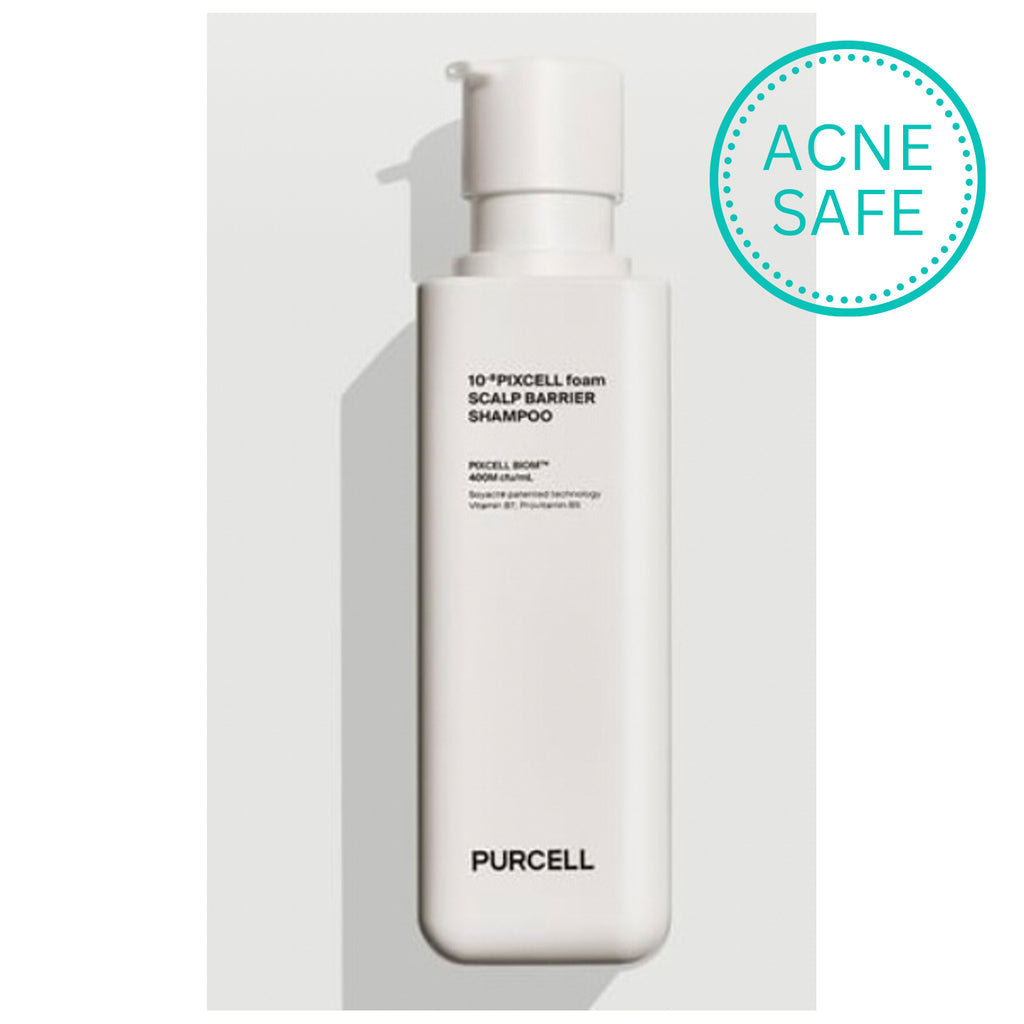
Credit: lovemyrosieskin.com
How To Build Your Own Barrier Routine
Here’s a step-by-step way to create a routine for both face and scalp:
- Identify your skin type. Are you oily, dry, sensitive, or combination? This affects what products you choose.
- Pick gentle cleansers. No sulfates or harsh scrubs.
- Add hydration. Use a moisturizer or serum with ceramides or hyaluronic acid.
- Protect from sun. Use sunscreen on face and scalp (sprays or powders for scalp).
- Treat problems as needed. Use targeted treatments for dandruff, acne, or redness.
- Be consistent. Stick to your routine for at least 4 weeks before changing.
- Watch for reactions. If you get more irritation, stop and try something simpler.
Remember, less is often more. Avoid doing too much at once.
When To See A Professional
If you have any of these signs, see a dermatologist:
- Severe redness, pain, or swelling
- Hair loss with scalp sores
- Itching that doesn’t stop
- Flaking that won’t clear with gentle care
A doctor can check for infections, allergies, or conditions like psoriasis.
The Future Of Barrier Care
The science of skin and scalp barriers is moving fast. New products are coming that use microbiome technology, smart lipids, and custom formulas. Companies are also creating products for both face and scalp, saving time and reducing waste.
One new trend: personalized scalp analysis. Some salons and clinics now use microscopes to look at your scalp and design custom routines.
Another innovation: scalp sunscreens that don’t leave white marks or greasy residue. These make sun protection easier for everyone.
The Bottom Line
Caring for your scalp is just as important as caring for your face. Both barriers protect your health, beauty, and comfort. By giving your scalp the same gentle, thoughtful care as your face, you can prevent problems before they start—and enjoy smoother skin and healthier hair.
Barrier repair is not a luxury. It’s a smart, science-based way to keep your whole skin (face and scalp) strong and beautiful.
For more on the science of skin and scalp health, check out this resource from the National Center for Biotechnology Information.
Frequently Asked Questions
What Is The Main Function Of The Skin Barrier?
The skin barrier protects your body from harmful substances, keeps moisture inside, and stops bacteria and pollution from getting in. A strong barrier means healthy, comfortable skin.
Can I Use My Facial Moisturizer On My Scalp?
Yes, many gentle facial moisturizers are safe for the scalp, especially if they contain ceramides, hyaluronic acid, or niacinamide. Avoid heavy or oily creams if your scalp is oily.
How Often Should I Wash My Scalp And Face?
Most people should wash their face twice daily and their scalp 2–3 times per week with a gentle cleanser or shampoo. Over-washing can weaken the barrier.
What Are Signs Of A Damaged Scalp Barrier?
Common signs include itchiness, flaking, redness, and increased hair loss. You might also feel burning or tightness after washing.
Are Scalp And Facial Skin Conditions Related?
Yes, many conditions—like seborrheic dermatitis, psoriasis, and eczema—affect both the face and scalp. Treating the barrier helps both areas recover.
By understanding and caring for both your scalp and facial skin barrier, you can enjoy healthier, more comfortable skin from head to hairline. Don’t let your scalp be the forgotten part of your skincare routine—treat it with the same respect as your face.