
Understanding why your skin reacts the way it does can be both confusing and frustrating. You might ask, “Is my skin’s barrier weak because of my genes, or is it something I’m doing?” The answer often lies between genetic barrier dysfunction and environmental barrier dysfunction. Knowing your type can help you find the right solutions for your skin, prevent further damage, and finally break the cycle of irritation. In this article, we’ll dive deep into what these barrier problems are, how they differ, and how you can identify and care for your unique skin.
What Is Skin Barrier Dysfunction?
Your skin barrier is like a shield. It protects you from outside irritants, keeps moisture in, and is vital for overall health. When this barrier doesn’t work properly, your skin can become dry, red, itchy, or sensitive. This is called skin barrier dysfunction.
There are two main reasons why this happens:
- Genetic barrier dysfunction — inherited from your family.
- Environmental barrier dysfunction — caused by factors around you.
Understanding the difference is key for treating your skin the right way.
Genetic Barrier Dysfunction: The Role Of Your Dna
Some people are born with skin that is naturally weaker. This is due to changes, or mutations, in their genes. These changes affect how the skin barrier is built and how well it works.
Common Genetic Causes
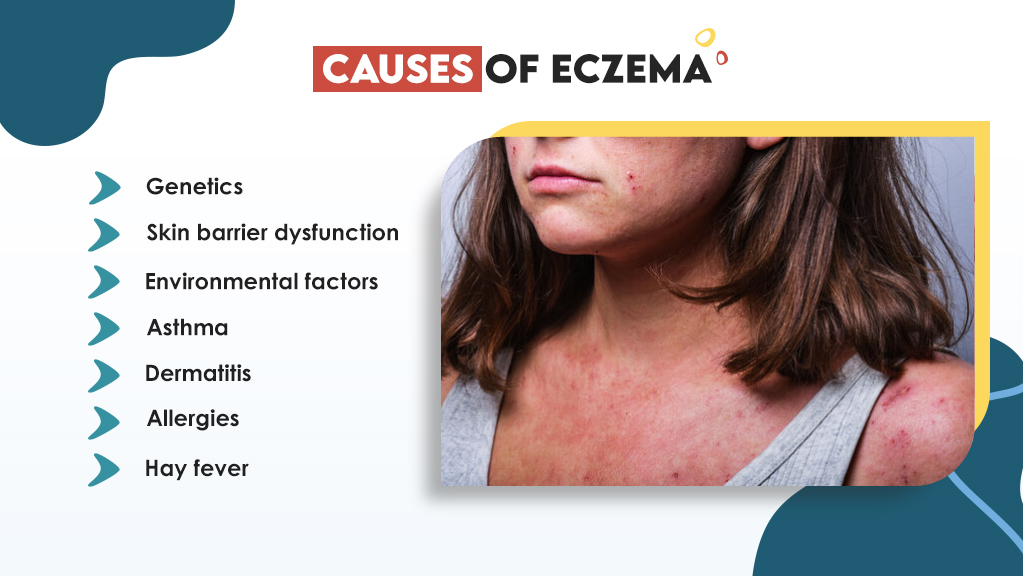
The most well-known gene linked to barrier problems is the filaggrin gene. Filaggrin is a protein that helps form the skin’s outer layer. If you have a mutation in this gene, your skin loses water easily and lets in irritants.
- Atopic dermatitis (eczema) is closely linked to filaggrin mutations.
- Other genes, like those responsible for making ceramides (fats in your skin), can also play a role.
- Some rare diseases, such as ichthyosis vulgaris, are direct results of genetic barrier problems.
How Do Genetic Barriers Work?
Imagine your skin barrier is like a brick wall. The bricks are your skin cells, and the mortar is made of fats and proteins. If your genes don’t produce enough mortar, the wall gets holes. Moisture escapes, and irritants sneak in.
This makes your skin dry, flaky, and sensitive from a young age.
Signs You Have Genetic Barrier Dysfunction
- Symptoms start early in life (often in childhood)
- Family members have similar skin problems
- Chronic dry, scaly patches that do not improve much with standard products
- Frequent eczema flare-ups, even with careful skincare
Examples And Data
Studies show that about 10% of people with European ancestry have a filaggrin mutation. Not everyone with the gene gets eczema, but it increases your risk by up to three times. Genetic testing can confirm some mutations, but usually, your pattern of symptoms tells the story.
Non-obvious Insight
One thing most people miss: genetic barrier dysfunction is not just about dryness. It also changes your skin’s pH and how your immune system reacts. This makes you more sensitive to infections and allergies, even if your skin looks “only a little dry.”
Credit: happycappyshampoo.com
Environmental Barrier Dysfunction: When Life Affects Your Skin
Not everyone is born with weak skin. Sometimes, the things you do (or what happens around you) damage the barrier over time. This is environmental barrier dysfunction.
Common Environmental Causes
- Harsh skincare products (strong soaps, alcohol-based toners)
- Over-exfoliation (scrubs, acids, peels used too often)
- Hot showers or baths
- Pollution (smog, dust, chemicals in the air)
- Extreme weather (cold, wind, or dry heat)
- Stress and lack of sleep
- Poor diet (low in essential fatty acids)
How Environmental Damage Works
Daily habits can slowly chip away at your skin’s shield. For example, washing your face with hot water strips away natural oils. Over time, your skin gets weaker, and you start to notice dryness, stinging, or redness.
Signs Of Environmental Barrier Dysfunction
- Symptoms appear suddenly, often after changing products or routines
- No family history of skin problems
- Gets better with gentle skincare and barrier repair creams
- Flare-ups are linked to seasons, travel, or stress
Examples And Data
In a global study, over 60% of adults reported sensitive skin at some point, mostly from environmental causes. Air pollution in big cities has been shown to increase skin barrier problems by up to 20%.
Non-obvious Insight
A common mistake: thinking all “natural” products are safe. Essential oils, citrus extracts, and even some herbal ingredients can break down the barrier if used wrongly. Always test new products on a small skin patch first.
Genetic Vs Environmental: Key Differences
To choose the right treatment, you need to know which barrier problem you have. Let’s compare the two in detail.
| Feature | Genetic Dysfunction | Environmental Dysfunction |
|---|---|---|
| Onset | Early (often childhood) | Any age, after exposure |
| Family History | Often present | Usually absent |
| Symptoms | Chronic, hard to treat | Fluctuate, can resolve with care |
| Triggers | Allergens, weather, stress | Skincare, pollution, habits |
| Response to Products | Limited improvement | Good improvement with correct routine |
Important Note
It’s possible to have both types at once. For example, someone with genetic eczema may get worse after using harsh soaps. Your routine must address both roots.
How To Identify Your Skin Barrier Type
You don’t need a lab to start understanding your barrier. Here’s how to spot the differences.
1. Review Your History
- Genetic: Have you always had dry, sensitive skin? Did family members have eczema, asthma, or allergies?
- Environmental: Did symptoms start after a new skincare routine, moving to a new city, or a period of stress?
2. Look At Your Skin
- Genetic signs: Persistent dryness, rough patches (especially on cheeks, arms, legs), thickened areas.
- Environmental signs: Redness, stinging, or tightness after washing or applying products.
3. Test Your Products
- Remove all skincare except a gentle moisturizer for two weeks.
- If your skin improves a lot, environmental factors are likely the cause.
- If your skin is still dry, flaky, or itchy, genetics may play a bigger role.
4. Ask A Professional
Dermatologists can use patch testing, gene tests, and clinical exams to help. In some cases, they may refer you for more detailed analysis, especially if you have severe or unusual symptoms.
Example
Maria, age 24, started using a strong face wash and exfoliant every day. Her skin became red and sore within a week. She stopped the products and her skin healed — a clear case of environmental dysfunction.
Jin, age 7, has had dry, scaly skin since birth. His mother and grandmother both have eczema. No matter what moisturizer they use, his skin stays rough. This points to genetic dysfunction.
The Science Behind The Skin Barrier
Understanding what the barrier is made of can help you see why things go wrong.
Skin Barrier Structure
- Stratum corneum: The outermost layer, made of dead skin cells (corneocytes) and fats (lipids).
- Lipids: Ceramides, cholesterol, and fatty acids that seal the cells together.
- Proteins: Such as filaggrin, which help keep the barrier strong and flexible.
When any of these parts are missing or damaged, the barrier leaks.
What Can Go Wrong?
- Loss of ceramides: Skin gets dry, rough, and easily irritated.
- Filaggrin mutation: Skin becomes leaky, pH changes, and germs get in.
- Environmental stripping: Hot water or harsh soap dissolves fats and proteins.
Data: Barrier Recovery
Research shows the skin can repair itself after minor damage. However, with repeated insults (like daily harsh cleansing), recovery slows down. In people with gene problems, repair is always limited, which is why flare-ups are so common.
Treatment Approaches: Tailoring Care To Your Type
Knowing your type changes everything about how you care for your skin. Let’s break down the best approaches for each.
For Genetic Barrier Dysfunction
- Daily moisturization: Use creams rich in ceramides, cholesterol, and fatty acids.
- Prescription creams: Doctors may recommend topical steroids or calcineurin inhibitors for eczema.
- Gentle cleansing: Fragrance-free, non-foaming cleansers only.
- Avoid triggers: Identify and stay away from allergens or irritants.
- Humidifiers: Add moisture to dry indoor air.
- Supplementation: Some people benefit from oral omega-3s or vitamin D, but always check with your doctor.
For Environmental Barrier Dysfunction
- Remove irritants: Stop all harsh or unnecessary products.
- Short, lukewarm showers: Hot water makes things worse.
- Repair creams: Look for products with niacinamide, panthenol, or hyaluronic acid.
- Barrier protection: Use gloves when cleaning or working with chemicals.
- Lifestyle changes: Manage stress, eat a balanced diet, and get enough sleep.
Comparison: Moisturizers For Barrier Repair
Here’s a look at how different ingredients help each type.
| Ingredient | Genetic Dysfunction | Environmental Dysfunction |
|---|---|---|
| Ceramides | Essential, daily use | Very helpful |
| Glycerin | Helpful | Helpful |
| Petrolatum | Excellent for severe dryness | Good for repair phases |
| Niacinamide | May help, but test for irritation | Very helpful for calming redness |
| Essential oils | Usually avoid | Usually avoid |
Practical Tips For Both Types
- Patch test new products on your wrist or behind your ear before full use.
- Avoid over-cleansing. Twice a day is enough for most people.
- Watch for hidden irritants, such as fragrance or certain preservatives.
- If your skin gets worse with treatment, stop and reassess.
Living With Skin Barrier Dysfunction
Barrier problems can be lifelong, especially if genetic. But they are manageable. Here’s how to live better with your skin, day to day.
Building A Supportive Routine
- Consistency matters: Stick to a routine for at least a month before judging results.
- Track symptoms: Keep a diary of flare-ups, products, and triggers.
- Protect from weather: Use hats, scarves, and SPF even on cloudy days.
- Hydration: Drink plenty of water, but remember — external moisture matters more for your skin.
- Mental health: Skin issues can affect confidence. Seek support if you’re feeling down.
When To See A Doctor
If you have:
- Repeated infections (crusts, oozing, pain)
- Severe itching or inability to sleep
- Widespread redness or swelling
…see a dermatologist. Some cases need prescription help or special testing.
Example Of A Daily Routine
Morning:
- Gentle cleanser (if needed)
- Ceramide-rich moisturizer
- Sunscreen (SPF 30+)
Evening:
- Remove sunscreen with micellar water or gentle cleanser
- Moisturizer
- Optional: Prescription cream for eczema
Credit: happycappyshampoo.com
Myths And Misconceptions
There’s a lot of bad advice about skin barriers. Let’s clear up some common myths.
Myth 1: “if You Moisturize Enough, Any Barrier Will Heal.”
Truth: Genetic dysfunction can’t be fully fixed with creams. You can manage symptoms, but not change your DNA.
Myth 2: “sensitive Skin Is Always Genetic.”
Truth: Most cases are environmental. Stress, pollution, and overuse of products are frequent causes.
Myth 3: “the More You Exfoliate, The Smoother Your Skin Gets.”
Truth: Over-exfoliating breaks down the barrier. Less is often more.
Myth 4: “natural Means Safe.”
Truth: Many natural ingredients (lemon juice, peppermint oil) can irritate even healthy skin.
Myth 5: “you Can Tell Your Type By Looks Alone.”
Truth: Barrier dysfunctions look similar. Your history and triggers matter more.
Genetics And The Future: New Research Directions
Science is moving fast. Researchers are looking for new ways to help people with genetic barrier dysfunction.
Gene Therapy
There are early studies on editing genes like filaggrin. So far, this is only done in the lab, but it gives hope for the future.
Probiotics And The Skin Microbiome
Your skin is home to trillions of microbes. Some new creams add probiotics to help balance good bacteria, which may help with barrier repair.
Personalized Skincare
DNA testing kits can now check for some barrier-related genes. In the future, you may get creams made just for your genetic profile.
Data: The Cost Of Barrier Problems
A 2022 report found that people with chronic skin conditions spend about $700/year on skincare products, doctor visits, and treatments. Understanding your type can save money and frustration.
Environmental Change: The Impact Of Urban Life
Where you live changes your skin. Cities have higher pollution, less humidity, and more stress. Rural areas may have more sun or wind but less smog.
Pollution And Your Barrier
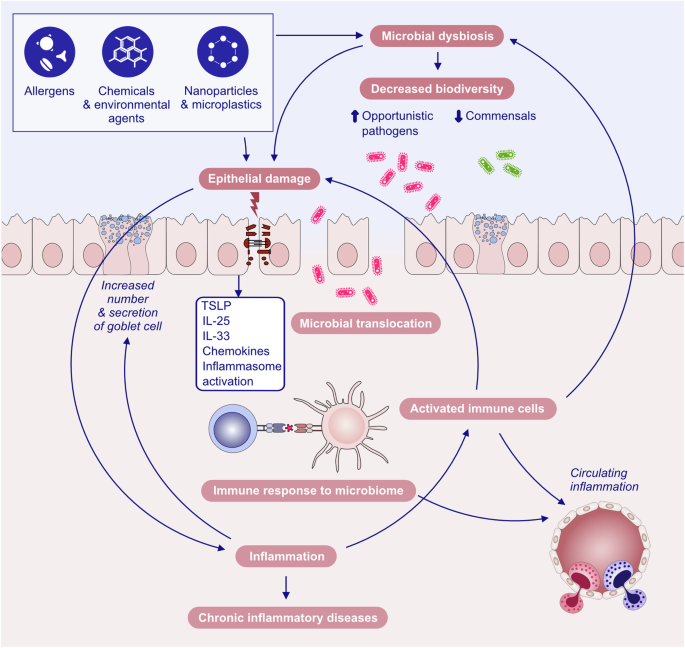
- Particles in the air can stick to skin, cause inflammation, and break down the barrier.
- Studies in Beijing and Paris found a clear link between high pollution days and eczema flares.
Data: Pollution And Skin Sensitivity
A survey in London found that people living near busy roads reported 30% more skin sensitivity than those in quieter neighborhoods.
How To Protect Your Skin
- Wash face at night to remove particles
- Use barrier creams with antioxidants
- Close windows on high-pollution days
- Wear hats or scarves as shields
Children And Barrier Dysfunction
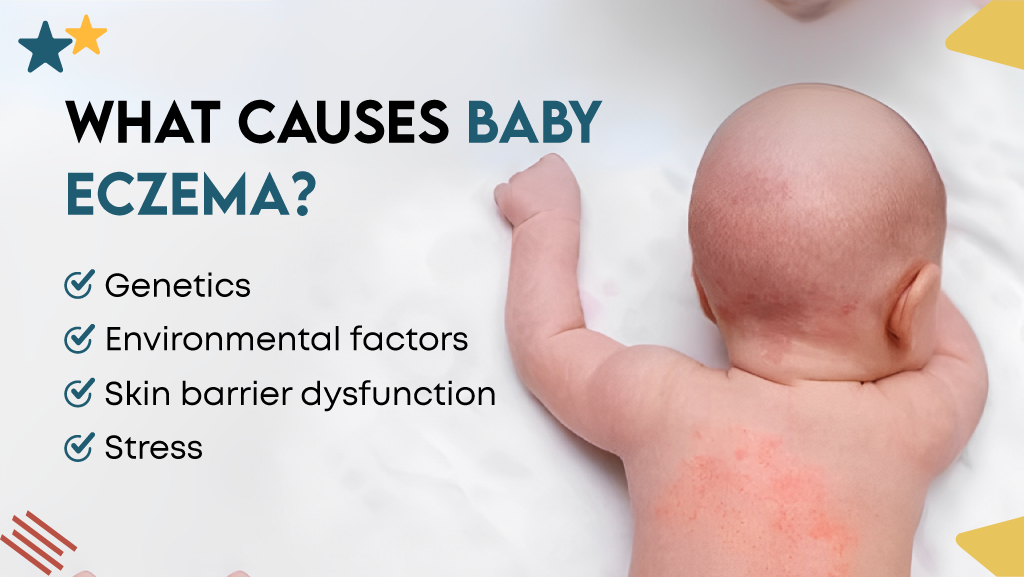
Kids are not just small adults. Their skin is thinner and loses moisture faster. Genetic problems usually appear in childhood, but environmental damage can start early too.
Key Points For Children
- Use fragrance-free, gentle products only
- Avoid bubble baths and harsh soaps
- Dress in loose, cotton clothing
- Watch for allergies to foods or pets
Long-term Outlook
Most children with eczema improve as they grow, but some will have sensitive skin for life. Early care makes a big difference.
Case Studies: Real-life Experiences
Learning from others helps you see what works (and what doesn’t).
Case 1: Genetic Dysfunction
A family in Sweden has three generations with eczema. They use prescription creams, thick ointments, and humidifiers. Winters are hardest, but careful routines keep things under control.
Case 2: Environmental Dysfunction
A college student in New York starts using a new exfoliating mask twice a week. Her skin becomes red and flaky. She stops the mask, switches to a basic moisturizer, and the skin recovers in two weeks.
Case 3: Mixed Causes
A chef with eczema since childhood finds his hands get worse after long shifts washing dishes. He starts wearing gloves, using a barrier cream, and sees improvement.
The Importance Of Patch Testing
Many people skip this step, but it’s vital, especially for sensitive skin.
- Apply a small amount of new product on your inner arm
- Wait 24–48 hours
- If no reaction, it’s usually safe for the face
This step prevents big flare-ups and helps you learn your triggers.
Nutrition And Your Skin Barrier
What you eat matters, but not in the way most people think.
Good Foods
- Omega-3 fatty acids (from fish, flaxseed): Help build strong skin
- Antioxidants (berries, leafy greens): Fight inflammation
- Water: Keeps skin hydrated from the inside
Foods To Limit
- High-sugar foods: May worsen inflammation
- Processed snacks: Often low in skin-friendly nutrients
- Alcohol: Dries the skin
Supplements
- Fish oil: Some studies show benefits for eczema
- Probiotics: May help in some cases, but not a cure-all
Always talk to your doctor before starting supplements.
When Barrier Dysfunction Leads To Infection
Broken skin lets germs in. Watch for:
- Yellow crusts
- Oozing or pus
- Pain, swelling, or fever
These are signs of infection and need medical care. Early treatment prevents scarring and spreading.
Emotional Impact: More Than Skin Deep
Barrier problems can affect confidence and mood. Many people feel embarrassed, anxious, or even depressed during flare-ups.
Coping Strategies
- Talk to someone you trust
- Join support groups, online or in person
- Focus on progress, not perfection
Remember, you are not alone. Millions deal with these challenges.
Prevention: Building A Strong Barrier For Life
Even if you have genetic risks, you can protect your skin.
- Use gentle products from childhood
- Limit exposure to harsh chemicals
- Always moisturize after bathing
- Wear protective clothing outdoors
- Check water temperature — lukewarm is best
Prevention is easier (and cheaper) than repair.
Credit: www.nature.com
Frequently Asked Questions
What Is The Main Difference Between Genetic And Environmental Barrier Dysfunction?
Genetic barrier dysfunction is inherited and often lifelong, starting in childhood. Environmental barrier dysfunction develops after exposure to irritants, harsh products, or pollution and can often be reversed with the right changes.
Can You Have Both Genetic And Environmental Barrier Dysfunction?
Yes. People with genetic risks are more likely to be affected by environmental triggers. Addressing both roots is important for best results.
How Do I Know If My Moisturizer Is Helping Or Hurting My Barrier?
If your skin feels softer, less itchy, and looks calmer after 2–4 weeks, your moisturizer is helping. If you see more redness, stinging, or breakouts, stop and try a simpler formula.
Can Diet Really Improve My Skin Barrier?
A healthy diet with enough good fats, antioxidants, and water supports your skin. However, diet alone cannot fix severe genetic problems. It’s one piece of a bigger puzzle.
Where Can I Find More Reliable Information About Skin Barrier Health?
The American Academy of Dermatology offers excellent resources. Visit American Academy of Dermatology for more science-backed advice.
Understanding your type of barrier dysfunction is the first step to calmer, healthier skin. With the right knowledge, you can make smart choices and finally break the cycle of irritation. Remember, your skin is unique — and with care, it can thrive.