
Choosing the right skincare products can feel confusing, especially when you see shelves filled with night creams and day moisturizers. Many people wonder: Do you really need both? Or can you use one product for day and night? The answer depends on your skin’s needs, your lifestyle, and understanding how these two types of creams work. This article explains the differences, benefits, and science behind night creams and day moisturizers. You’ll learn how each product fits into your daily routine, how to choose what’s best for you, and whether you should use both or just one. If you’re serious about healthy skin, read on—this guide will help you make smarter choices and avoid common mistakes.
Why Skin Needs Day And Night Care
Your skin works hard every day. During the day, it faces pollution, UV rays, and temperature changes. At night, it repairs itself, replacing old cells and fixing damage. These different jobs need different support from your skincare products.
Day moisturizers are designed to protect your skin from daytime stress. They help lock in moisture and often contain ingredients to defend against sun and pollution.
Night creams focus on repair and renewal. Their formulas are usually richer, giving your skin ingredients that help it heal and recharge while you sleep.
Using one product for both morning and night can be tempting, but it might not give your skin what it needs. Skin specialists agree that targeted care can make a big difference in how your skin looks and feels.
What Makes Day Moisturizers Unique?
Day moisturizers are made for daytime challenges. Here’s how they help:
Protection From Uv Rays
Many day moisturizers include SPF (Sun Protection Factor). This shields your skin from harmful sunlight, which can cause wrinkles, dark spots, and even skin cancer.
- SPF 15 blocks about 93% of UVB rays
- SPF 30 blocks about 97% of UVB rays
- Dermatologists recommend SPF 30 or higher for daily use
Pollution Defense
Some day creams have antioxidants like vitamin C, green tea, or niacinamide. These fight free radicals caused by pollution and stress.
Lightweight Texture
Day moisturizers are often lighter. They absorb quickly, so your skin doesn’t feel greasy. This is perfect if you wear makeup or live in a humid place.
Hydration That Lasts
Most day creams use ingredients like hyaluronic acid, glycerin, or ceramides. These lock in moisture but don’t clog pores.
Non-comedogenic Formula
Day creams are usually labeled “non-comedogenic. ” This means they won’t block pores, which helps prevent pimples and blackheads.
What Makes Night Creams Special?
Night creams are made for repair and renewal. Your skin is most active at night, working to fix damage and build new cells.
Richer, More Nourishing Ingredients
Night creams tend to be thicker and richer. They contain ingredients like retinol, peptides, and ceramides that help your skin repair itself.
- Retinol boosts cell turnover and reduces fine lines
- Peptides support collagen production for firmer skin
- Ceramides restore the skin’s barrier
No Spf Needed
Night creams don’t have SPF, since you don’t need sun protection while sleeping. This means more space for repair ingredients.
Deep Hydration
Night creams often include shea butter, jojoba oil, or squalane. These keep your skin hydrated for hours, helping you wake up with soft, smooth skin.
Targeted Treatments
Many night creams focus on specific issues:
- Anti-aging: Reduce wrinkles and age spots
- Brightening: Fade dark spots and improve skin tone
- Repair: Fix dryness, irritation, and damage
Slow Absorption
Night creams absorb slowly, giving your skin time to soak up the nutrients. This works well while you sleep, since you don’t need to worry about makeup or pollution.
Key Differences: Day Moisturizer Vs Night Cream
Let’s look at the main differences. Here’s a comparison to help you decide which is right for you.
| Feature | Day Moisturizer | Night Cream |
|---|---|---|
| Texture | Light, fast-absorbing | Rich, thick, slow-absorbing |
| Key Ingredients | SPF, antioxidants, hyaluronic acid | Retinol, peptides, ceramides, oils |
| Main Function | Protect and hydrate | Repair and nourish |
| When to Use | Morning | Night |
| Suitable for Makeup | Yes | No |
| SPF Included? | Usually | No |
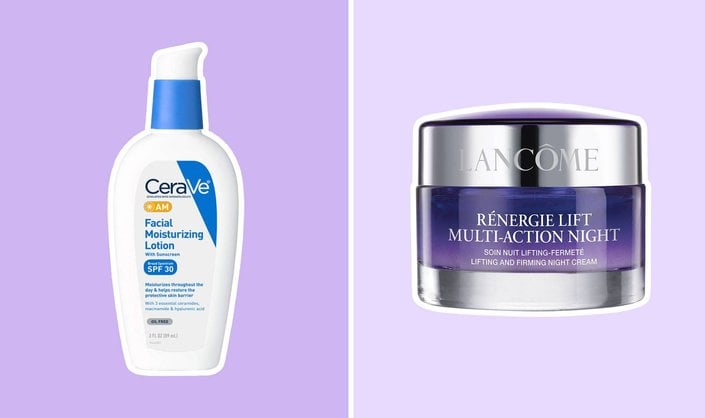
Credit: www.skincare.com
How Skin Changes Day And Night
Your skin’s needs change with the time of day. Here’s what happens:
Daytime
- Skin produces more oil (sebum)
- Faces UV rays, pollution, and dirt
- Needs protection and hydration
Nighttime
- Skin repairs itself, making new cells
- Blood flow increases, bringing nutrients
- Absorbs products better (higher permeability)
- Needs deep hydration and repair
Many studies show skin absorbs active ingredients better at night. That’s why night creams use stronger formulas. Day creams focus more on protection.
Ingredients: What Should You Look For?
Choosing the right ingredients is key. Here’s what to look for in each product.
Day Moisturizer Ingredients
- SPF: Protects from sun damage
- Antioxidants: Fight pollution and stress
- Hyaluronic Acid: Keeps skin hydrated
- Niacinamide: Reduces redness and controls oil
- Glycerin: Locks in moisture
- Ceramides: Strengthen skin barrier
Night Cream Ingredients
- Retinol: Speeds up cell renewal, reduces wrinkles
- Peptides: Boost collagen, improve firmness
- Ceramides: Repair skin barrier
- Shea Butter: Deep hydration
- Squalane: Moisturizes and softens
- Vitamin E: Heals and repairs skin
- Alpha Hydroxy Acids (AHAs): Gently exfoliate
Avoid using strong actives (like retinol or AHAs) during the day. Sunlight can make these ingredients irritate your skin or lose their power.
Do You Really Need Both?
This is the big question. Many people use only one moisturizer for both morning and night. But here’s why using both can help:
1. Targeted Support
Day and night creams are made for different jobs. Using both gives your skin what it needs, when it needs it.
2. Better Results
Studies show using targeted products leads to healthier, more glowing skin. You’ll see fewer wrinkles, less dryness, and better protection.
3. Avoiding Irritation
Some ingredients (like retinol) can make skin sensitive to sunlight. Using them at night avoids problems.
4. Enhanced Repair
Night creams help your skin repair faster. People who use both see improvements in texture, tone, and hydration.
5. Preventing Damage
Day creams protect against pollution and UV rays. Night creams fix what’s damaged. Using both keeps your skin balanced.
Who Should Use Both?
Not everyone needs two products. Here’s who will benefit most:
- People with dry or aging skin: Need deep hydration and repair
- Those living in cities: Need extra protection from pollution
- Anyone with sun damage or pigmentation: Need targeted repair
- People using makeup daily: Need lightweight day cream for good base
If your skin is oily or sensitive, you can use lighter formulas. But even oily skin benefits from different products day and night.
Common Mistakes When Choosing Creams
Many people make mistakes when picking day and night creams. Here are some to avoid:
- Using night cream during the day: Can feel greasy and may lack SPF protection.
- Using day cream at night: Won’t give repair ingredients your skin needs.
- Not checking ingredients: Some creams have hidden irritants or allergens.
- Skipping SPF: Even on cloudy days, UV rays can damage skin.
- Using retinol in the morning: Sunlight can cause irritation.
- Layering too many products: Can clog pores and cause breakouts.
How To Build A Day And Night Skincare Routine
A good routine doesn’t have to be complicated. Here’s a simple plan:
Morning Routine
- Wash your face with gentle cleanser
- Apply day moisturizer (with SPF)
- Use makeup if desired
Night Routine
- Remove makeup and cleanse skin
- Apply night cream
- Use extra treatments if needed (serums, masks)
Stick to your routine for at least 4 weeks to see real results. Don’t switch products too quickly.
How To Choose The Right Product For You
Your skin is unique. Here are tips for choosing the best day and night creams:
1. Know Your Skin Type
- Dry skin: Needs rich, hydrating creams
- Oily skin: Needs lightweight, non-comedogenic formulas
- Sensitive skin: Avoid strong actives, use calming ingredients
- Combination skin: Use balanced products
2. Check Ingredients
Read labels carefully. Avoid fragrances, alcohol, or harsh chemicals if your skin is sensitive.
3. Look For Spf In Day Cream
Choose at least SPF 30. If your day cream doesn’t have SPF, add a sunscreen.
4. Test Before Buying
Try a sample on your wrist or jaw. Wait 24 hours to check for reactions.
5. Consider Your Budget
Expensive doesn’t always mean better. Many drugstore brands work well.
6. Read Reviews
Check feedback from other users. Look for results in people with similar skin.
7. Ask A Dermatologist
If you have skin problems (acne, eczema), get professional advice.
Real-life Examples: How People Use Both
Here are stories from people who improved their skin by using both day and night creams:
Maria, Age 35
Maria used only a basic moisturizer for years. Her skin felt dry and dull. After switching to a day moisturizer with SPF and a night cream with retinol, she saw fewer wrinkles and brighter skin within 3 months.
Ahmed, Age 27
Ahmed lives in a big city. Pollution made his skin break out and feel rough. He started using a day cream with antioxidants and SPF, and a night cream with peptides. His skin became clearer and softer.
Sophie, Age 40
Sophie had dark spots from sun damage. Her dermatologist recommended a day cream with SPF and niacinamide, plus a night cream with AHAs. After 6 weeks, her spots faded and her skin looked healthier.
These examples show that matching your products to your skin’s needs can make a big difference.
Scientific Data: Does Using Both Really Work?
Multiple studies support using targeted products. Here are some findings:
- A study in the Journal of Dermatology found that people using day and night creams saw 35% improvement in skin hydration after 4 weeks.
- Research from the American Academy of Dermatology shows SPF in day creams reduces sun damage by up to 90%.
- Night creams with retinol and peptides led to 25% reduction in fine lines in 12 weeks, according to a clinical trial.
Night creams often have higher concentrations of actives because skin absorbs them better at night. Day creams focus on protection and hydration.
Ingredient Comparison: Which Does What?
Let’s compare some common ingredients in both products.
| Ingredient | Day Moisturizer | Night Cream |
|---|---|---|
| SPF | Yes | No |
| Retinol | No | Yes |
| Peptides | Some | Yes |
| Antioxidants | Yes | Some |
| Shea Butter | Rare | Common |
| Hyaluronic Acid | Yes | Yes |
| Fragrance | Sometimes | Sometimes |
Cost Comparison: Is Using Both Expensive?
One worry is price. Does buying two products cost more? Not always.
- Many brands offer combo packs (day + night cream) for less than buying separately.
- Drugstore brands often have day creams under $20 and night creams under $25.
- Higher-end brands may cost $50–$100 each, but last 2–3 months.
If you use products that fit your skin, you may save money by preventing skin problems (like dryness or sunburn).
Here’s a cost example:
| Brand | Day Moisturizer (50ml) | Night Cream (50ml) | Combo Price |
|---|---|---|---|
| Brand A (Drugstore) | $18 | $22 | $36 |
| Brand B (Luxury) | $70 | $85 | $140 |
| Brand C (Natural) | $25 | $30 | $50 |
Environmental Impact: Which Is Better?
Skincare creates waste (plastic bottles, packaging). Using two products may seem wasteful, but you can reduce impact by:
- Choosing brands with recyclable packaging
- Buying larger sizes (less packaging per use)
- Using multi-purpose products (some night creams can work as masks)
Some brands now offer refill packs to cut waste. Look for eco-friendly options if this matters to you.
Should You Use One Product For Both?
Some “all-in-one” moisturizers claim to work for day and night. Here’s what to consider:
Pros
- Saves money
- Simpler routine
- Less packaging
Cons
- May lack SPF for daytime
- May not have enough repair ingredients for night
- Can be too heavy for day, too light for night
If your skin is normal and you spend little time outdoors, one product may work. But for most people, targeted creams give better results.
Practical Tips For Beginners
If you’re new to skincare, here are some tips:
- Start with simple products: One day moisturizer (with SPF), one night cream.
- Don’t use too many actives at once: This can irritate your skin.
- Wait 4 weeks to see results: Skin needs time to adjust.
- Don’t skip sunscreen: Even if you’re indoors most of the day.
- Use gentle cleansers: Harsh soap can dry out your skin.
- Moisturize even if your skin is oily: Oil and moisture are different.
- Patch test new products: Avoid allergic reactions.
Credit: glimmergoddess.com
Non-obvious Insights: What Beginners Often Miss
- Night creams can cause purging: When starting retinol or AHAs, you may see more pimples before skin improves. This is normal and usually fades in a few weeks.
- Day creams without SPF are risky: Many “moisturizers” don’t have sun protection. Always check the label and add sunscreen if needed.
- Layering matters: Applying night cream after a serum boosts results. Don’t use strong actives with day moisturizer unless directed.
How Skin Ages Without Day And Night Care
Skipping targeted creams can speed up aging. Here’s what happens:
- Without SPF, skin gets more wrinkles and dark spots
- Without night repair, skin feels dry and rough
- Pollution causes breakouts and irritation
- Skin loses firmness and glow
Using both products supports your skin’s natural rhythm—protection by day, repair by night.
Skin Types And Product Matching
Everyone’s skin is different. Here’s how to match products:
Dry Skin
- Needs rich night cream with oils and ceramides
- Day cream should have hyaluronic acid and SPF
Oily Skin
- Use lightweight day cream (gel or lotion)
- Night cream with niacinamide and peptides
Sensitive Skin
- Avoid strong actives (retinol, AHAs)
- Use calming ingredients (aloe, oat, ceramides)
Combination Skin
- Use balanced day cream
- Night cream can be richer on dry areas
Trends In Day And Night Creams
Skincare trends change fast. Here are some popular ideas:
- Clean beauty: More brands use natural, safe ingredients.
- Custom formulas: Some companies make creams for your skin type.
- Multi-purpose products: Day creams with anti-aging ingredients.
- Refillable packaging: Less waste, eco-friendly.
Look for brands that fit your values and skin needs.
Expert Opinions
Dermatologists recommend using both day and night creams if possible. Dr. Susan Taylor, dermatologist at Penn Medicine, says, “Targeted products help skin stay healthy. Day creams protect, night creams repair. Using both gives best results. ”
The American Academy of Dermatology advises using SPF daily and night creams with repair ingredients for people over age 30.
Global Perspective: Different Needs By Region
People in different climates need different products.
- Hot, humid climates: Use gel day creams, lightweight night creams.
- Cold, dry climates: Use rich, nourishing creams both day and night.
- Polluted cities: Use antioxidants in day cream, repair actives at night.
Skin color also matters. Darker skin needs extra protection from pollution and may benefit from brightening ingredients.
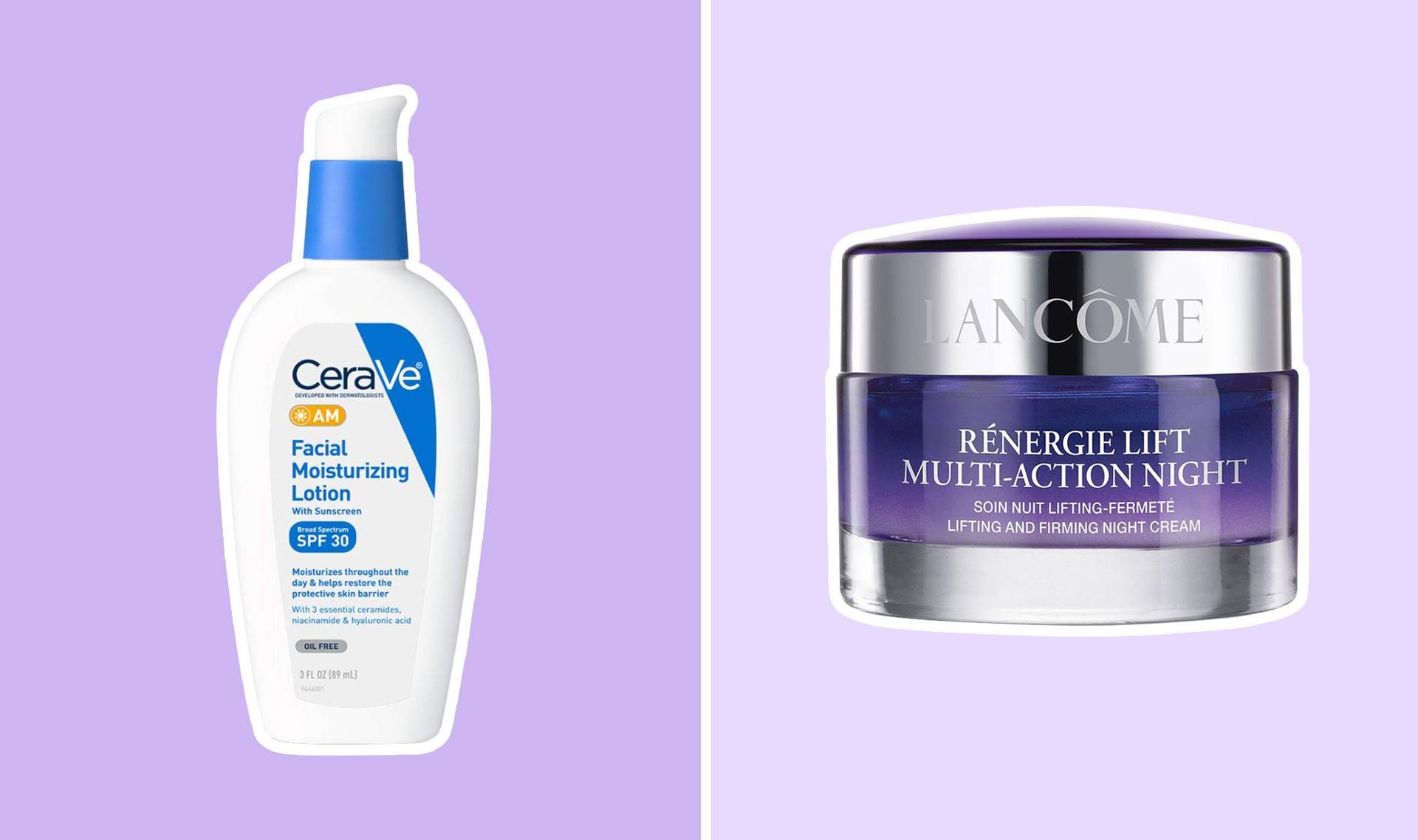
Credit: www.skincare.com
How To Layer Products Correctly
If you use serums or treatments, layer like this:
- Cleanser
- Toner (optional)
- Serum (morning: Vitamin C; night: retinol)
- Day moisturizer (morning) or night cream (evening)
- Sunscreen (morning)
Don’t mix strong actives unless directed by a dermatologist.
Choosing Brands: What Matters Most
Brand reputation is important, but so is ingredient safety. Here’s what to check:
- Clinical testing: Choose brands with proven results.
- Ingredient transparency: Look for clear labels.
- Cruelty-free: Many brands avoid animal testing.
- Customer reviews: Real feedback helps.
For more information on ingredient safety, visit FDA Cosmetics.
How To Store Your Creams
Proper storage keeps creams fresh:
- Keep products away from heat and sunlight.
- Close lids tightly after use.
- Use within 6–12 months after opening.
Night creams with strong actives (retinol) can break down in heat. Store in a cool, dry place.
Frequently Asked Questions
What Happens If I Use Night Cream During The Day?
Night creams are usually richer and may feel greasy. They don’t have SPF, so your skin isn’t protected from the sun. Also, some ingredients like retinol can make skin sensitive to sunlight, causing irritation or redness.
Can I Use Day Moisturizer At Night?
Day moisturizers don’t have enough repair ingredients for nighttime. They may lack actives like peptides or retinol. Your skin does most of its healing at night, so a targeted night cream works better.
Is It Okay To Use One Product For Both Day And Night?
Some basic moisturizers can be used both day and night, but you’ll miss out on benefits like SPF during the day and repair actives at night. If you want the best results, use targeted products.
How Long Does It Take To See Results From Using Both?
Most people see improvements in hydration and texture within 2–4 weeks. Changes in wrinkles and dark spots may take 8–12 weeks. Be patient and stick to your routine.
Are Expensive Creams Better Than Cheap Ones?
Not always. Many affordable creams work well if they have the right ingredients for your skin type. Focus on labels and reviews, not price alone.
Final Thoughts
Healthy, glowing skin is possible when you understand what your skin needs. Day moisturizers and night creams are made for different jobs—protection by day, repair by night. Using both gives your skin targeted support, helping prevent damage and speed up healing. While some people can use one product for both, most will see better results with two. Choosing the right products isn’t about price or brand—it’s about matching ingredients to your skin. Take time to learn your skin type, check labels, and build a simple routine. If you do, you’ll see real improvements, and your skin will thank you.