

Hair And Skin Confidence After Cancer Treatment: Rebuilding Guide
Emerging from cancer treatment is a major victory, but for many survivors, the journey to feeling whole continues long after the last doctor’s appointment. One of the most personal challenges is rebuilding hair and skin confidence. Chemotherapy, radiation, and other treatments can leave visible marks—hair loss, fragile regrowth, dry skin, scars, and pigmentation changes. These changes are more than skin deep; they can impact how you see yourself and how you interact with the world.
Regaining confidence in your hair and skin is not about chasing perfection. It’s about reconnecting with your body, learning new care routines, and celebrating every small improvement. This guide provides realistic steps, science-backed advice, and emotional support to help you feel comfortable in your skin again. Whether you are weeks or years post-treatment, you’ll find practical tips, product guidance, and honest answers to common concerns. Remember: Your body has carried you through so much already. Now, let’s help you nurture it with care and confidence.
Understanding Hair And Skin Changes After Cancer Treatment
Cancer therapies are powerful, and their effects can linger. Knowing what’s happening with your hair and skin is the first step to healing and rebuilding.
Why Hair And Skin Change
Chemotherapy targets fast-growing cells, which include not only cancer cells but also hair follicles and skin cells. Radiation and some medications can also disrupt normal cell turnover. As a result, you may experience:
- Hair loss (alopecia) on the scalp, eyebrows, eyelashes, and body
- Thin, brittle, or slow-growing hair as it regrows
- Dryness, flakiness, or itchiness of the skin
- Changes in skin color, like darkening or light patches
- Increased sensitivity or easy sunburn
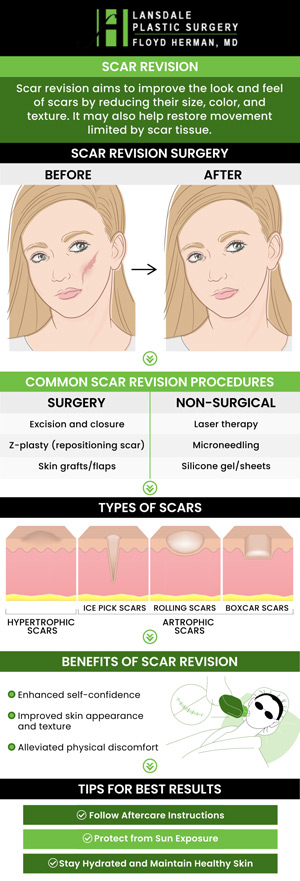
- Scarring or texture changes from surgery or radiation
These effects vary based on your treatment type, genetics, age, and even your pre-cancer routines.
How Long Do Changes Last?
- Hair often begins to regrow 3-6 weeks after finishing chemotherapy, but full recovery can take 6-12 months.
- Skin side effects may fade in weeks, or linger for months, especially after radiation.
- Some changes, like scarring, may be permanent but often improve with time and care.
It’s important to be patient and gentle with yourself during this process. Your body is healing, and some changes improve slowly.
Emotional Impact: How Hair And Skin Changes Affect Confidence
For many, hair and skin symbolize health, identity, and self-expression. After cancer, looking in the mirror can feel like seeing a stranger. This emotional impact is real and valid.
- Hair loss can feel like losing part of your identity, especially for women and younger survivors.
- Skin changes may make you self-conscious in social or work situations.
- Some people avoid photos, social events, or even close relationships due to these visible changes.
Talking to a counselor or support group can help process these feelings. Remember, many survivors share these struggles. You are not alone.
Non-obvious insight: Sometimes, friends and family don’t realize how deeply hair or skin changes affect self-esteem. Open conversations can help them understand your experience and offer better support.
Credit: lansdaleplasticsurgery.com
Hair Regrowth: What To Expect And How To Help
Regaining hair is a top priority for many cancer survivors. Here’s what you need to know about this journey.
The Regrowth Timeline
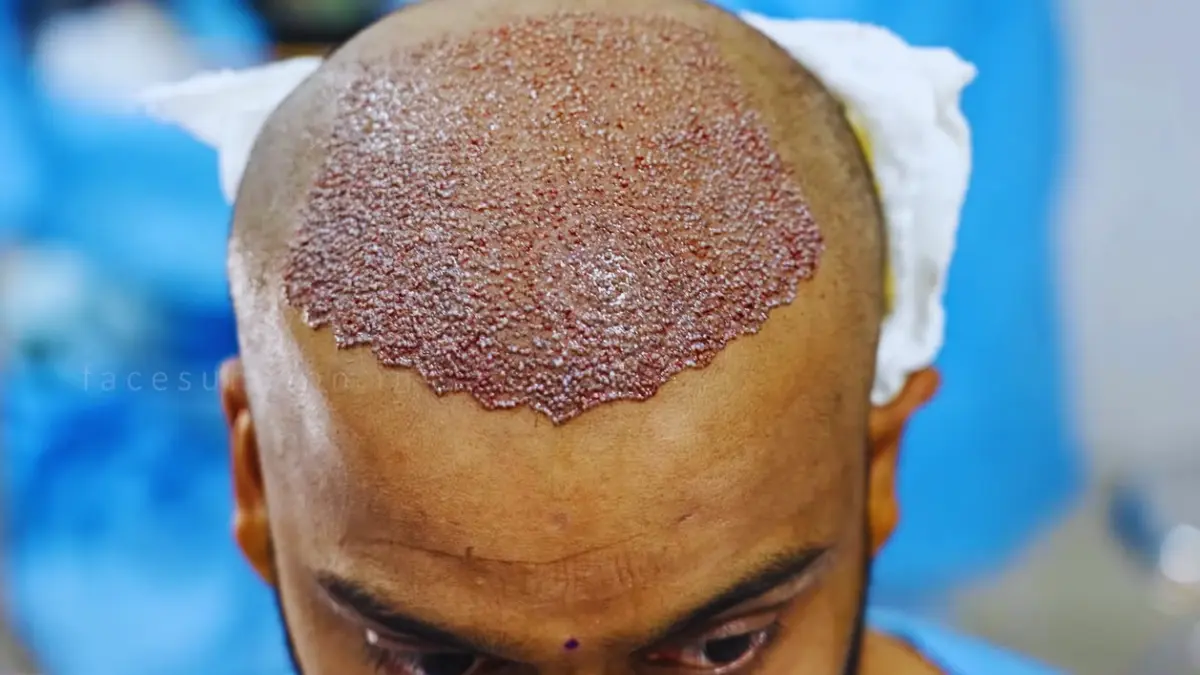
- Early regrowth: Thin, fuzzy hair (“chemo curls”) may appear first. This is normal.
- Texture and color: New hair may be different—curly if it was straight, or gray if it was colored before.
- Patience is key: Hair grows about 1 cm per month after treatment ends, but results vary.
How To Support Healthy Regrowth
- Be gentle. Use a soft-bristle brush and wide-toothed combs. Avoid pulling or harsh styling.
- Skip heat and chemicals. Hold off on coloring, straightening, or perming hair for at least six months.
- Choose mild products. Look for sulfate-free, fragrance-free shampoos and conditioners.
- Massage your scalp. Gentle massage increases blood flow and can support follicles.
- Eat a balanced diet. Protein, iron, zinc, and vitamins A, D, and E are crucial for hair health.
Example: Simple Scalp Massage Technique
- Use fingertips (not nails) to make small circles on your scalp for 2-3 minutes daily.
- Do this before or after shampooing, or with a light, non-irritating oil like coconut or jojoba.
Non-obvious Insights For Regrowth
- Regrowth can be patchy at first. This is normal and usually evens out.
- If hair isn’t growing after 6-12 months, consult your doctor. Sometimes thyroid issues, stress, or medication can slow things down.
Coping With Hair Loss: Wigs, Scarves, And Alternatives
While waiting for hair to regrow, many choose to cover their heads for comfort or confidence. There are more options than ever, and your choice is personal.
Wigs
- Synthetic wigs are affordable, easy to style, and low maintenance.
- Human hair wigs look more natural and can be styled with heat, but cost more.
How To Choose A Wig
- Try wigs on in person if possible.
- Look for a soft, breathable cap (monofilament caps are best for sensitive scalps).
- Choose a color close to your natural hair for comfort, or experiment with new styles.
Scarves And Hats
- Cotton or bamboo scarves are gentle on sensitive skin.
- Pre-tied scarves and “chemo caps” are quick and secure.
- Wide-brim hats provide sun protection, which is important for sensitive scalp skin.
Going Bare
Some survivors feel empowered without covering their heads. This is a brave and valid choice.
- Apply sunscreen to exposed scalp.
- Use a soft pillowcase to avoid friction at night.
Eyebrows And Eyelashes
- Eyebrow pencils or powders can create a natural look.
- Temporary eyebrow tattoos or stencils can help if you have no brows.
- For eyelashes, hypoallergenic mascara or false lashes with gentle glue can be used when new growth appears.
Non-obvious insight: Some insurance plans help cover the cost of wigs prescribed for medical hair loss. Ask your provider about “cranial prosthesis” coverage.
Restoring Skin Health After Cancer Treatment
Your skin may feel unfamiliar after treatment, but with gentle care, you can restore its comfort and appearance.
Gentle Cleansing
- Use fragrance-free, mild cleansers. Avoid soaps with alcohol or harsh chemicals.
- Wash with lukewarm (not hot) water to prevent dryness.
- Pat skin dry with a soft towel—don’t rub.
Moisturizing
- Apply moisturizer within 5 minutes of bathing to lock in moisture.
- Choose creams over lotions; creams are thicker and provide more hydration.
- Look for products with ceramides, glycerin, or hyaluronic acid.
Sun Protection
- Cancer treatment increases sun sensitivity.
- Use broad-spectrum SPF 30+ sunscreen, even on cloudy days.
- Reapply every 2 hours when outdoors, and wear protective clothing.
Managing Specific Skin Issues
Dryness And Flaking
- Use a humidifier at home.
- Avoid long, hot showers.
- Drink plenty of water.
Pigmentation Changes
- Use gentle brightening products (vitamin C or niacinamide).
- Avoid hydroquinone or strong bleaches unless prescribed.
Scarring
- Massage scar tissue with silicone gel or sheets.
- Start only after the wound is fully healed (ask your doctor).
Itching
- Oatmeal baths or calamine lotion can soothe irritation.
- If itching is severe, see your care team for medicated creams.
Non-obvious Tips For Skin Care
- Patch test new products on a small area first. Treated skin can react differently.
- Avoid exfoliating scrubs or rough washcloths, as they can injure fragile skin.
Makeup And Cosmetic Solutions For Confidence
Makeup can be a powerful tool for self-expression and confidence, especially when you want to camouflage changes or highlight your favorite features.
Choosing Safe Cosmetics
- Opt for fragrance-free, hypoallergenic products.
- Replace old makeup to avoid bacteria, especially if you were immunocompromised during treatment.
- Avoid waterproof mascara, which can be hard to remove and harsh on delicate lashes.
Simple Makeup Techniques
- Use a green-tinted primer to neutralize redness.
- For uneven skin tone, try a lightweight, buildable foundation.
- Use a soft eyebrow pencil or powder to fill sparse brows.
- Cream blush and highlighter can add a healthy glow without drying out the skin.
False Lashes And Brow Tattoos
- Choose gentle, latex-free glue for false lashes.
- Microblading or semi-permanent makeup can help with long-term brow loss, but should only be done when your doctor says your skin is ready.
Confidence-boosting Tips
- Practice at home to discover what feels comfortable.
- Watch online tutorials made for cancer survivors—they offer tips for sensitive skin and hair loss.
- Less can be more: Focus on 1-2 features you love.
Example: Many survivors find that a bright lipstick or a favorite scarf draws attention and lifts their mood, even on tough days.
Diet, Supplements, And Lifestyle For Hair And Skin Recovery
What you eat and how you live can support your body’s rebuilding process from the inside out.
Nutrition Basics
- Protein is the building block of hair and skin. Aim for lean meats, eggs, beans, and nuts.
- Iron and zinc support hair growth and skin healing.
- Vitamins A, C, D, and E aid repair and immune function.
- Omega-3 fatty acids (found in fish, flaxseed, walnuts) help with skin moisture and inflammation.
Supplements: What To Know
- Multivitamins can fill gaps, but only use supplements if your doctor approves. Some can interact with medications or cancer risk.
- Biotin is popular for hair, but there’s limited evidence it helps unless you’re deficient.
Hydration
- Aim for 6-8 cups of water a day.
- Herbal teas and soups count toward your fluid intake.
Lifestyle Habits
- Sleep: Try for 7-8 hours per night to support cell repair.
- Exercise: Gentle activity increases blood flow and helps manage stress.
- Stress management: Meditation, yoga, or simple breathing exercises can improve both skin and hair recovery.
Non-obvious insight: Crash diets or extreme restrictions can slow down regrowth and healing. Focus on steady, balanced meals.
Professional Treatments And When To Seek Help
Some hair and skin changes need more than home care. Knowing when to consult a professional can save time and frustration.
Dermatologist Support
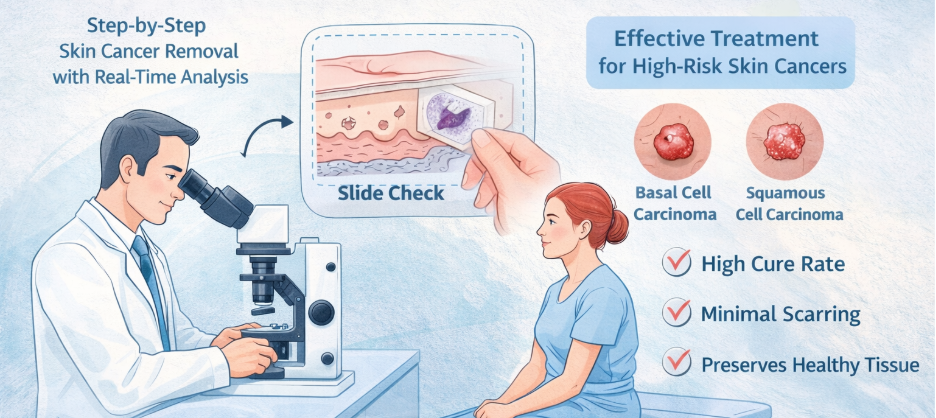
- If you have persistent rashes, severe dryness, or non-healing sores, see a dermatologist.
- They can recommend prescription creams, light therapy, or safe cosmetic procedures.
Trichologist (hair Specialist)
- If hair regrowth is slow or patchy after 12 months, a trichologist can check for underlying issues.
- Scalp treatments, growth serums, or laser therapy may be offered.
Cosmetic Procedures
- Microdermabrasion, chemical peels, or microneedling can help with scarring or pigmentation, but only under a doctor’s care.
- Never try aggressive treatments on your own, especially after recent cancer therapy.
Psychological Support
- If hair or skin changes affect your mood or relationships, talk to a counselor.
- Support groups, both in-person and online, can offer practical tips and emotional understanding.
Comparing Hair And Skin Recovery Products
It’s easy to feel overwhelmed by the many products on the market. Here’s a practical comparison of popular options for sensitive, post-cancer hair and skin.
| Product Type | Best For | Main Ingredients | What to Avoid |
|---|---|---|---|
| Shampoo | Gentle cleansing, fragile hair | Sulfate-free, aloe vera, panthenol | Sulfates, parabens, strong fragrance |
| Moisturizer | Dry, sensitive skin | Ceramides, hyaluronic acid, shea butter | Alcohol, fragrance, exfoliating acids |
| Sunscreen | Sun protection for sensitive skin | Zinc oxide, titanium dioxide | Oxybenzone, strong scents |
| Scalp Oil | Dry, flaky scalp | Jojoba, coconut oil, vitamin E | Essential oils in high amounts |
Common Mistakes To Avoid During Hair And Skin Recovery
Mistakes in care routines can slow your progress or even cause setbacks. Here are pitfalls to watch out for:
- Using harsh or old products: Skin and hair may react differently after treatment. Replace expired cosmetics and opt for gentle formulas.
- Over-washing hair and skin: Too much cleansing strips natural oils and leads to dryness.
- Skipping sun protection: Treated skin is more vulnerable to sunburn and damage.
- Trying too many new products at once: Introduce one new product at a time to monitor reactions.
- Ignoring nutrition: Poor diet can slow down healing.
- Delaying professional help: If something seems wrong—pain, severe rashes, or no regrowth—see a specialist sooner rather than later.
Non-obvious insight: Even “natural” or organic products can cause irritation. Always do a small patch test, especially if your skin is sensitive after treatment.
Credit: drhanandermatologyclinic.com
Hair And Skin Recovery: Progress Timeline
Everyone’s journey is unique, but here’s a general timeline for what to expect and when.
| Time After Treatment | Hair | Skin |
|---|---|---|
| 0-3 months | Initial fuzz, patchy regrowth, possible “chemo curls” | Dryness, sensitivity, possible peeling or pigmentation |
| 3-6 months | Noticeable length, texture may still be different | Gradual improvement, less sensitivity |
| 6-12 months | Fuller regrowth, texture/color stabilizes | Most side effects fade, scarring or pigment changes may remain |
| 12+ months | Hair may return to pre-treatment state or stay changed | Skin usually normal, though some changes can persist |
Note: If you notice no improvement or worsening symptoms at any point, contact your healthcare team.
Self-care Routines For Lasting Confidence
Building new habits can help you feel more in control and speed up recovery. Here’s a sample daily routine tailored for post-cancer hair and skin care:
Morning
- Gently cleanse face and scalp.
- Apply moisturizer while skin is damp.
- Use sunscreen on face, scalp, neck, and hands.
- Style with gentle products or wear your favorite scarf/wig/hat.
- Eat a protein-rich breakfast.
Daytime
- Drink water throughout the day.
- Take breaks to move and stretch.
- Reapply sunscreen if outdoors.
- Use a lip balm with SPF.
Evening
- Cleanse skin and scalp (if needed).
- Moisturize from head to toe.
- Massage scalp for a few minutes.
- Practice a relaxation technique before bed.
Weekly
- Change pillowcases and hats/scarves regularly.
- Check for any new skin changes or irritations.
- Try a gentle, hydrating mask if your skin feels dry.
Non-obvious tip: Keeping a journal of your hair and skin changes helps track progress and can be encouraging on tough days.
Real Stories: Regaining Hair And Skin Confidence
Hearing from others who have walked this path can be empowering. Here are three examples:
- Maria, age 34: “My hair came back curly after chemo—totally new for me. I was frustrated at first, but now I love trying new hairstyles. Scarves were my go-to for months, and experimenting with colors brought back my confidence.”
- James, age 51: “Radiation left a dark patch on my face. A dermatologist recommended a vitamin C serum, and within months, it faded. I started swimming again, and the boost to my self-esteem was huge.”
- Alisha, age 28: “Losing my eyebrows was harder than losing the hair on my head. Watching makeup tutorials for brow drawing made such a difference. I even made new friends in an online survivor group.”
These stories show there is no single “right” way to recover your confidence—it’s about finding what works for you.
Support Resources And Where To Find Help
You don’t have to rebuild confidence alone. Many organizations and communities offer support, education, and even free products for survivors:
- Look Good Feel Better: Offers free beauty workshops for cancer patients.
- Cancer support groups: Local hospitals and cancer centers often have in-person and online groups.
- Licensed therapists: Can help with body image and self-esteem challenges.
- Online forums: Sites like Cancer Survivors Network provide peer advice.
- Wig banks and charities: Many nonprofits supply free or low-cost wigs and head coverings.
For a full list of reputable resources, see the American Cancer Society’s website or National Cancer Institute.
Credit: www.barederm.com
Frequently Asked Questions
How Soon After Cancer Treatment Can I Start Using Hair Dye Or Chemical Treatments?
Most experts recommend waiting at least 6 months after your last treatment. This gives your hair and scalp time to recover and reduces the risk of irritation or damage. Always do a patch test first, and consider consulting your doctor or a professional stylist familiar with post-cancer care.
Will My Hair And Skin Go Back To How They Were Before Treatment?
Often, hair and skin gradually return to their pre-treatment state, but sometimes changes remain. Hair may come back with a new texture or color, and some skin changes (like scars or pigmentation) can be permanent. Most people see significant improvement within 6-12 months.
What Should I Do If My Scalp Or Skin Is Still Very Sensitive?
Stick with fragrance-free, gentle products and avoid anything harsh or exfoliating. Moisturize regularly and protect from the sun. If sensitivity persists or worsens, see a dermatologist—they can recommend suitable treatments and check for underlying issues.
Are There Any Supplements That Really Help Hair Regrowth After Cancer?
A balanced diet is usually enough. Some people benefit from a daily multivitamin, but only take supplements if your doctor approves. Biotin and other hair supplements are only helpful if you have a deficiency. Mega-dosing is not recommended and can cause harm.
Where Can I Find Emotional Support For Body Image Concerns After Cancer?
Support groups, counselors, and survivor networks are excellent resources. Many cancer centers have programs focused on body image and confidence. Online forums can also connect you with others who understand your experience.
Rebuilding your confidence after cancer is a journey, not a race. Celebrate small wins, ask for help when you need it, and remember: you deserve to feel good in your own skin. Every step you take is a testament to your strength and resilience.