

Biotin-Rich Foods Vs Supplements: Which Is Better for Hair And Skin
Most people wish for healthy hair and glowing skin. You may have heard about biotin, a B-vitamin that promises to help with both. But is it better to get biotin from food, or should you rely on supplements? With so many products and diets out there, it’s easy to get confused.
This article will guide you through the truth about biotin, how it works, and whether foods or supplements are best for your hair and skin health. You’ll discover real science, practical advice, and answers to questions you may have never thought about.
You’ll also learn tips for your diet, how to avoid common mistakes, and why biotin is only one piece of the puzzle for beauty.
What Is Biotin And Why Does It Matter?
Biotin, also called vitamin B7, is a water-soluble vitamin. Your body needs it for many functions, including:
- Breaking down carbohydrates, fats, and proteins
- Supporting cell growth
- Helping skin and hair stay healthy
Without enough biotin, you might experience hair thinning, brittle nails, or skin rashes. However, real biotin deficiency is rare because most people get enough from their diet.
Biotin is especially important for people who want strong hair and clear skin. Many shampoos, creams, and supplements advertise biotin as their key ingredient. But does biotin really make a difference, and how much do you need?
Recommended Daily Intake
The average adult needs about 30 micrograms (mcg) of biotin per day. Pregnant women may need more, around 35 mcg. Most healthy diets provide this amount naturally.
One thing many people miss is that your daily needs can go up if you are under stress, recovering from illness, or doing intense exercise. Your body may use more biotin in these situations, so eating a balanced diet becomes even more important.
Symptoms Of Biotin Deficiency
Biotin deficiency is uncommon, but it can happen. Signs include:
- Hair loss (alopecia)
- Dry, scaly skin
- Cracked corners of the mouth
- Brittle nails
- Tiredness or depression
Some people also notice red, inflamed eyes or numbness in their arms and legs. These symptoms can be subtle and easy to miss. If you notice these symptoms, you should check your biotin intake and see a doctor.
Another less obvious sign is slow wound healing. Since biotin helps with cell growth, cuts or scrapes may take longer to heal if you are low in this vitamin.
Biotin-rich Foods: Natural Sources For Hair And Skin
Eating foods rich in biotin is the safest way to get this vitamin. Foods contain other nutrients, like proteins, minerals, and antioxidants, which help your body use biotin more effectively.
Here are some of the best biotin-rich foods and how much they contain:
| Food | Biotin per 100g | Extra Benefits |
|---|---|---|
| Egg yolk | 53 mcg | High protein, healthy fats |
| Beef liver | 70-100 mcg | Iron, vitamin A |
| Salmon | 5 mcg | Omega-3, protein |
| Sunflower seeds | 66 mcg | Vitamin E, fiber |
| Sweet potato | 2.4 mcg | Beta-carotene, fiber |
| Almonds | 5 mcg | Magnesium, protein |
| Spinach | 7 mcg | Iron, vitamin K |
| Bananas | 0.2 mcg | Potassium, vitamin C |
How To Include Biotin Foods In Your Diet
Eating a variety of foods helps you get enough biotin. Here are some practical tips:
- Add egg yolks to breakfast (boiled or scrambled).
- Include beef liver once or twice a week (try as a stew or stir-fry).
- Snack on sunflower seeds or almonds.
- Use sweet potatoes in soups or baked dishes.
- Make salads with spinach and salmon.
- Enjoy bananas as part of smoothies or snacks.
You can also blend spinach into green smoothies, or mix sunflower seeds into yogurt for extra crunch and nutrition. If you dislike the taste of liver, try adding small pieces to pasta sauce or chili for a milder flavor.
Extra Nutrients Matter
Biotin-rich foods contain more than just biotin. For example, salmon provides omega-3 fatty acids for skin hydration, while spinach gives you iron for healthy blood flow. Combining these foods supports not only hair and skin, but your whole body.
What many people miss is the synergy between nutrients. For example, vitamin C from bananas helps your body absorb more iron from spinach. Eating a mix of these foods in the same meal can give you better results than focusing on one food alone.
Cooking And Biotin Loss
Biotin can break down during cooking, especially boiling. For example, boiling eggs removes about 10% of biotin. Eating raw or lightly cooked foods preserves more biotin, but always be careful with food safety (never eat raw liver or eggs due to risk of bacteria).
Steaming or poaching eggs is a good compromise, keeping more biotin while making the food safe to eat. When roasting sweet potatoes, leave the skin on to keep more nutrients. Nuts and seeds are best eaten raw or lightly roasted.
Non-obvious Insight
Some foods, like egg whites, actually block biotin absorption because they contain a protein called avidin. Eating too many raw egg whites can cause deficiency. It’s best to eat whole eggs or cooked eggs.
Another detail many miss: alcohol can lower your body’s ability to use biotin from food. If you drink often, focus on getting more biotin-rich foods.
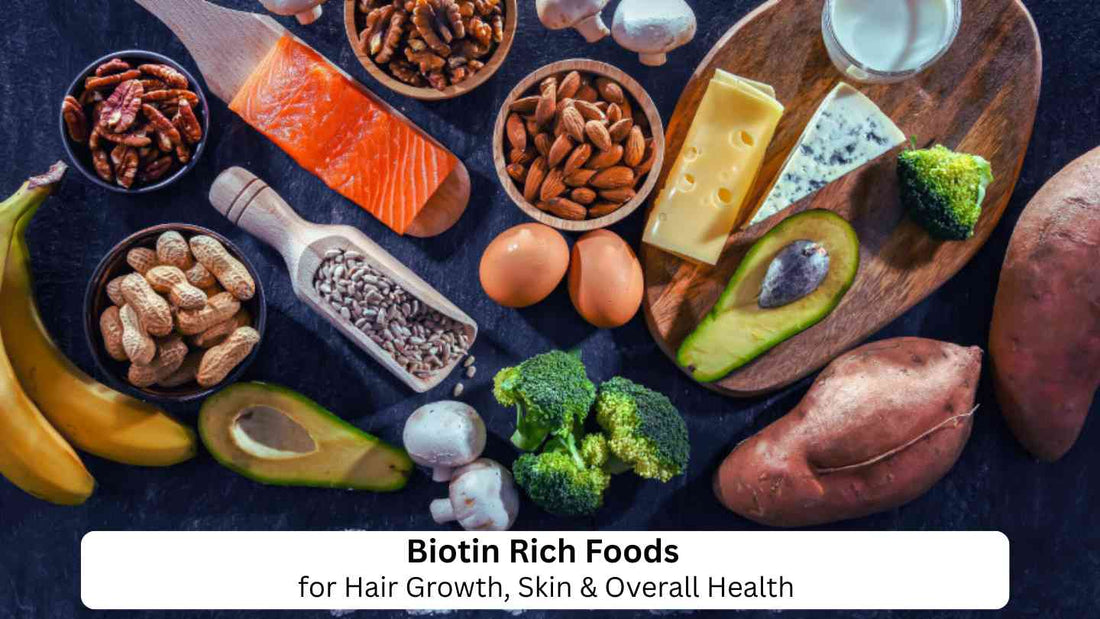
Credit: denzournutrition.com
Biotin Supplements: What’s Inside The Pills?
Biotin supplements are popular and often marketed for hair and skin. They come in many forms:
- Tablets
- Capsules
- Gummies
- Liquids
Most biotin supplements contain much higher doses than you need. Some pills have 1000, 5000, or even 10,000 mcg per tablet, which is far above the daily requirement.
Why Are Supplements So Popular?
People use biotin supplements because:
- They want quick results for hair growth or clearer skin
- They have medical conditions that cause deficiency
- They cannot eat enough biotin-rich foods (due to allergies or diet choices)
Supplements Are Convenient, But Are They Really Effective?
Supplements are also popular because marketing often promises dramatic results. Social media influencers and celebrities sometimes promote high-dose biotin products, making people believe that “more is better. ” The truth is, for most people, this extra biotin is not needed and just passes out of the body.
How Biotin Supplements Work
Biotin supplements provide pure biotin, usually in a synthetic form. Your body absorbs this biotin quickly, and it enters your blood. If you take more than your body needs, the extra biotin is removed through urine.
A common mistake is to think that higher doses are always better. The body can only use a certain amount, and the rest is wasted. For many, a supplement with 30–100 mcg daily is enough if the diet is poor.
Common Forms And Dosage
Most biotin supplements are sold in doses from 1,000 mcg to 10,000 mcg. This is much higher than the 30 mcg needed daily. Taking more biotin does not always mean better results.
Some people experience “pill fatigue” from taking too many supplements. Chewable gummies may seem like a fun way to get vitamins, but they often contain added sugars and artificial colors.
Risks And Side Effects
Biotin supplements are safe for most people. However, high doses can cause problems:
- Skin rashes
- Digestive issues
- False lab test results (biotin can interfere with thyroid, heart, and hormone tests)
- Allergic reactions (rare)
If you have a medical condition or take other medicines, always check with your doctor before using biotin supplements.
Some people may notice acne-like breakouts when starting a high-dose supplement. This side effect usually goes away if you lower the dose or stop the supplement.
Non-obvious Insight
Biotin supplements can make blood tests inaccurate. For example, high biotin levels can hide signs of thyroid disease or heart problems. If you are getting lab tests, tell your doctor if you take biotin.
Lab test errors can be serious, leading to missed diagnoses. If you have a planned blood test, stop biotin supplements for at least 48 hours before the test.
Hair And Skin: How Does Biotin Actually Help?
Biotin is often called the “beauty vitamin. ” But does it really improve your hair and skin?
Biotin For Hair
Biotin helps produce keratin, a protein that makes up hair, nails, and skin. If you are deficient in biotin, your hair may become thin or brittle. Several studies show that people with biotin deficiency see hair improvement after taking biotin.
However, for healthy people, taking extra biotin does not always lead to faster hair growth or thicker hair.
Key points:
- Biotin helps prevent hair loss in deficient people
- It supports hair strength and shine
- Extra biotin does not guarantee hair growth
It’s also important to note that hair growth is slow. You may need to wait several months before seeing any improvement, even if biotin is working. Other factors like hormones, stress, and iron levels also affect hair health.
Biotin For Skin
Biotin helps skin cells grow and repair. Without enough biotin, skin may become dry, flaky, or irritated. Biotin also supports the production of fatty acids for skin moisture.
Again, the benefit is most obvious in people with deficiency. For others, more biotin may not improve skin quality.
People with eczema or dermatitis sometimes see mild improvement in symptoms when their biotin intake increases, especially if their diet was lacking. However, biotin alone is rarely a cure for skin problems.
What Does Science Say?
A review in the Journal of Dermatology found that biotin supplements help only in cases of deficiency. For most people, biotin-rich foods are enough for healthy hair and skin. Supplements may be useful if you have a medical condition or poor diet.
Many large studies have not found strong proof that biotin supplements improve hair or skin in people who already have enough. This is why doctors rarely recommend biotin pills as the first solution for hair or skin problems.
Practical Example
A woman with thinning hair tried biotin supplements (5,000 mcg daily) for three months. Her hair improved, but doctors found she had a mild deficiency due to a restrictive diet. Another person with healthy eating habits saw no change after using biotin pills.
In another real case, a vegetarian man with brittle nails added sunflower seeds and spinach to his meals instead of taking supplements. Over time, his nails and hair became stronger. This shows that improving diet can work as well as, or even better than, supplements in many cases.
Comparing Biotin-rich Foods And Supplements
Both foods and supplements offer biotin, but their effects, safety, and extra benefits are different. Here is a clear comparison:
| Aspect | Biotin-Rich Foods | Biotin Supplements |
|---|---|---|
| Absorption | Natural, slow, steady | Quick, sometimes excessive |
| Other nutrients | Yes (protein, minerals, antioxidants) | No (just biotin) |
| Risk of overdose | Low | Possible |
| Side effects | Rare | Possible (rashes, lab test interference) |
| Cost | Varies, usually affordable | Low to moderate |
| Convenience | Needs meal planning | Very easy |
| Long-term health | Better (supports overall health) | Limited (focuses only on biotin) |
Foods: The Natural Choice
Biotin-rich foods offer more than just biotin. They provide protein, vitamins, and minerals that improve hair and skin. For most people, food is safer and more effective.
For example, eating salmon gives you not only biotin but also healthy fats that keep your skin soft. Almonds provide magnesium, which helps with muscle and nerve function. These extra nutrients work together with biotin for better results.
Supplements: When Needed
Biotin supplements help if you:
- Have a diagnosed deficiency
- Cannot eat biotin-rich foods (allergy, vegan diet)
- Need quick support (after illness or surgery)
For healthy people, supplements are often unnecessary.
Some people may need supplements for a short time, such as after an illness that affects digestion. Once your health improves, you can usually return to getting biotin from food.
Common Mistakes With Supplements
- Taking too much biotin (over 10,000 mcg) thinking it will work faster
- Ignoring real causes of hair loss (stress, hormones, genetics)
- Using supplements instead of improving diet
Another mistake is mixing several “beauty” supplements at once. This can cause overdoses and strange side effects, as the body has to process too many vitamins at once.
Who Needs Biotin Supplements?
While most people can get biotin from food, some groups are at risk of deficiency and may need supplements:
High-risk Groups
- Pregnant women
- People with digestive disorders (Crohn’s disease, celiac disease)
- Alcoholics
- People taking certain medications (antibiotics, anti-seizure drugs)
- Elderly (due to poor absorption)
For these people, supplements can fill the gap.
Pregnant women, for example, have higher needs for all B-vitamins. If their diet is low in eggs, dairy, or nuts, a supplement may help prevent deficiency.
Medical Conditions
Some rare genetic disorders affect biotin metabolism. People with biotinidase deficiency cannot use biotin properly and need supplements prescribed by doctors.
Symptoms of these conditions often appear in childhood, with skin rashes, seizures, or developmental delays. Supplements can be life-saving in these rare cases.
Vegan And Vegetarian Diets
Biotin is found in animal foods (egg yolk, liver). Vegans may need supplements if their diet lacks enough biotin sources. Plant-based biotin foods include nuts, seeds, and sweet potatoes.
Vegans should also watch for other B-vitamin deficiencies, such as B12, which is not found in plants. Combining a variety of plant foods helps, but supplements can fill any gaps.
How Much Biotin Is Too Much?
Biotin is water-soluble, so extra amounts are removed in urine. There is no official upper limit, but experts suggest caution with high doses.
Safe Dosage
- Adults: 30–100 mcg daily
- Supplements: Usually safe up to 10,000 mcg, but not proven to be more effective
Remember that higher doses do not mean faster results. The body uses what it needs and gets rid of the rest.
Risks Of High Doses
Taking very high doses (above 10,000 mcg) may cause:
- Skin outbreaks
- Digestive discomfort
- Lab test errors
Children and pregnant women should avoid high doses without medical advice.
There is also a risk of wasting money on unneeded supplements. Choose wisely and only take what your body actually needs.
Non-obvious Insight
Some “beauty” supplements mix biotin with other vitamins, which can interact and cause side effects. Always check the label and consult a doctor.
For example, too much vitamin B5 (pantothenic acid) can interfere with how your body uses biotin. Some brands add many B vitamins together, which is not always better.
Biotin And Other Nutrients: The Synergy Effect
Biotin works best when combined with other nutrients. Zinc, vitamin E, and omega-3 fatty acids are important for hair and skin.
Key Nutrients To Combine
- Zinc: Supports hair growth, fights dandruff
- Vitamin E: Prevents skin aging, keeps skin soft
- Omega-3: Hydrates skin, reduces inflammation
- Protein: Builds hair structure
Eating biotin-rich foods usually means you get these nutrients together. Supplements often lack this synergy.
A common beginner mistake is to focus only on biotin and ignore these other nutrients. For best results, combine biotin foods with foods rich in healthy fats, zinc, and protein.
Practical Example
A meal with salmon (biotin, omega-3), spinach (biotin, iron), and nuts (biotin, vitamin E) gives a powerful boost to hair and skin.
Try building meals that include at least two or three of these nutrients together. For example, a salad with spinach, salmon, sunflower seeds, and sliced almonds covers biotin, omega-3, vitamin E, and protein all in one dish.

Credit: www.ashpveda.com
Biotin For Different Age Groups
Your biotin needs change with age. Here’s how it matters for children, adults, and seniors.
Children
Children need biotin for growth and healthy skin. They usually get enough from milk, eggs, and fruits. Supplements are not needed unless there is a medical problem.
Some baby formulas and cereals are fortified with biotin, helping to prevent deficiency in young children.
Adults
Adults need biotin for metabolism and beauty. Most get enough from food. Supplements are helpful only if diet is poor.
Busy adults sometimes skip meals or eat processed foods, which are low in biotin. Adding simple snacks like nuts or eggs can improve biotin intake without much effort.
Seniors
Older adults may absorb less biotin. They need to eat biotin-rich foods or take small supplements if advised by doctors.
Seniors with trouble chewing or swallowing can blend biotin-rich foods into smoothies or soups. This makes it easier to get enough nutrients without pills.
Biotin And Hair Loss: What You Need To Know
Hair loss can have many causes. Biotin helps only if deficiency is the reason.
Causes Of Hair Loss
- Genetics (family history)
- Hormonal changes
- Stress
- Poor nutrition
Biotin deficiency is a rare cause. Before starting supplements, check for other factors.
Some hair loss is temporary, such as after illness or pregnancy. In these cases, the body usually recovers with time and a balanced diet.
How To Check Your Biotin Status
Doctors can measure biotin levels in blood, but tests are not routine. If you have symptoms (hair thinning, skin rash), try improving your diet first.
If hair loss continues after improving nutrition, see a doctor to check for other causes like thyroid issues, iron deficiency, or hormonal imbalances.
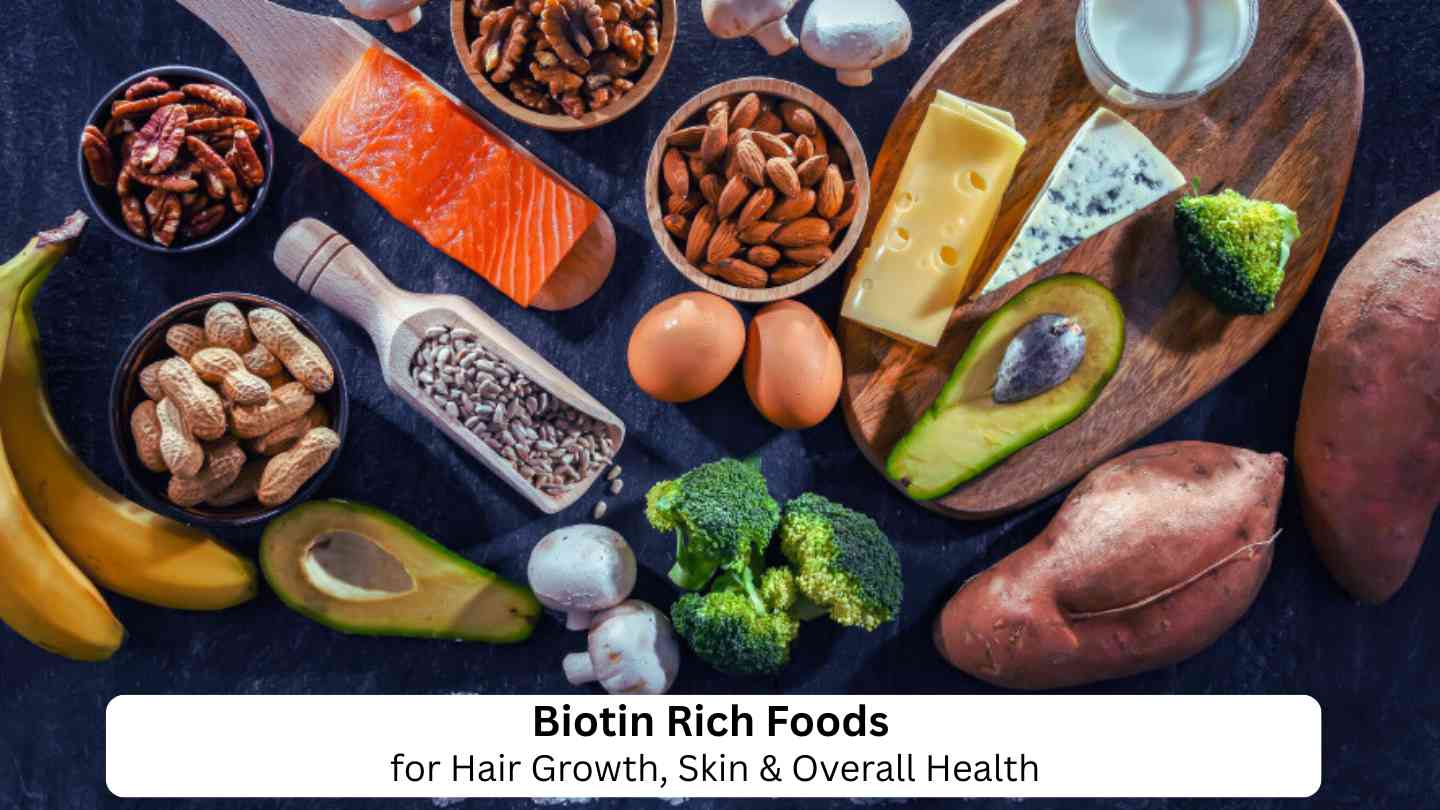
Credit: denzournutrition.com
Biotin And Skin Health: Beyond Supplements
Biotin supports skin repair and moisture. But other factors matter:
- Hydration (drink water)
- Sun protection
- Good sleep
- Avoiding harsh chemicals
Biotin helps, but healthy habits make a bigger difference.
For example, even the best diet cannot protect your skin from sunburn if you skip sunscreen. Likewise, stress or lack of sleep can make your skin look tired even if you get enough biotin.
Practical Skin Tips
- Eat biotin foods (eggs, nuts, sweet potatoes)
- Use gentle skin care
- Protect from sun
- Stay hydrated
Try to wash your face with mild cleansers and avoid products with alcohol or strong fragrances. These can strip away natural oils and make dry skin worse.
The Role Of Genetics In Hair And Skin
Even with enough biotin, genetics play a big role. Some people have naturally thick hair or clear skin, while others may struggle.
Biotin can help if your problem is due to deficiency, but it cannot change your genes.
If your parents or grandparents had early hair thinning or dry skin, you may notice the same trends. Focus on what you can control—diet, hydration, and stress—while keeping realistic expectations.
Realistic Expectations
Biotin improves hair and skin only in cases of deficiency. For most people, improvement is slow and small.
Expect to wait at least 3–6 months before judging results, as hair growth cycles are long. Take photos every month to track subtle changes.
Biotin Myths And Facts
Many myths surround biotin. Let’s clear them up.
Myth 1: More Biotin Means More Hair
Fact: Taking extra biotin does not guarantee hair growth unless you are deficient.
Myth 2: Biotin Supplements Work Fast
Fact: Hair and skin changes take time. Visible results may appear after 3–6 months.
Myth 3: Biotin Is Only For Beauty
Fact: Biotin is needed for metabolism, energy, and nerve health.
Myth 4: You Cannot Get Enough Biotin From Food
Fact: Most people get enough biotin from a balanced diet.
Another myth is that biotin is “dangerous” if taken in high doses. While very high doses can cause test problems or rashes, most people pass out the extra without harm.
Choosing The Right Biotin Supplement
If you decide to use supplements, choose wisely.
What To Look For
- Dose close to daily requirement (30–100 mcg)
- Trusted brands
- No unnecessary fillers or additives
Check for third-party testing or certification, which shows the supplement meets quality standards.
Common Mistakes
- Buying ultra-high dose pills (10,000 mcg) thinking “more is better”
- Ignoring quality of brand
- Forgetting to check for allergies
Some people are sensitive to ingredients like gelatin (in capsules) or artificial flavors (in gummies).
How To Use Safely
- Follow label instructions
- Do not mix with other supplements unless advised
- Stop if you notice side effects
Always tell your doctor about any supplements you take, especially before surgery or blood tests.
Practical Tips For Biotin-rich Eating
Getting biotin from food is simple with these steps:
- Include eggs, nuts, and seeds in breakfast
- Eat salmon or beef liver weekly
- Add spinach and sweet potatoes to meals
- Snack on bananas and almonds
Rotate different foods through the week so you get a balance of nutrients. Try new recipes to keep meals interesting.
Weekly Biotin Meal Plan Example
| Day | Main Biotin Food | Serving Suggestion |
|---|---|---|
| Monday | Egg yolk | Scrambled eggs |
| Tuesday | Salmon | Baked salmon fillet |
| Wednesday | Sunflower seeds | Seeds sprinkled on salad |
| Thursday | Beef liver | Liver stew |
| Friday | Sweet potato | Baked sweet potato |
| Saturday | Spinach | Spinach salad |
| Sunday | Almonds | Almond snack |
Add fruits like bananas to your snacks or smoothies during the week for even more variety.
Real-life Results: Stories And Research
Many people share stories of biotin improving their hair and skin. But what does research say?
Case Studies
- A young woman with hair loss improved after eating more biotin foods. Her hair became stronger after two months.
- A man with dry skin saw improvement after adding salmon and nuts to his diet. His skin felt softer and less flaky.
A less obvious story: a teen with brittle nails found that switching from processed snacks to homemade trail mix (nuts, seeds, dried fruit) helped her nails grow faster and break less.
Research Data
A study showed that biotin supplements improved hair in 38% of deficient people. In healthy people, results were not significant.
For more details, see this research paper.
Other studies suggest that most people with normal diets do not benefit from extra biotin. Eating a diverse range of foods is more effective in the long run.
Biotin-rich Foods Vs Supplements: Which Is Better?
After looking at the facts, biotin-rich foods come out ahead for most people. Foods provide biotin along with other nutrients. They support overall health, not just hair and skin.
Supplements are useful for people with deficiency or special needs. But for healthy adults, food is better, safer, and more complete.
Key Takeaways
- Eat biotin-rich foods for best results
- Use supplements only if needed
- Improve diet and lifestyle for healthy hair and skin
Remember that health is about balance, not just one vitamin. Variety in your diet and habits gives you the best chance for beautiful hair and skin.
Frequently Asked Questions
Is Biotin Really Effective For Hair Growth?
Biotin helps hair growth if you are deficient. In healthy people, extra biotin does not speed up growth. It is better to check your diet and health first.
Can Biotin Supplements Cause Side Effects?
Yes, high doses can cause skin rashes, digestive problems, and interfere with lab tests. Most people are safe with normal doses, but always check with your doctor.
How Long Does It Take To See Results From Biotin?
Hair and skin changes take time. You may see improvement after 3–6 months of eating biotin-rich foods or using supplements (if needed).
What Are The Best Biotin-rich Foods For Vegetarians?
Vegetarians can eat nuts (almonds), seeds (sunflower), sweet potatoes, spinach, and bananas. These foods provide biotin and other nutrients.
Should I Take Biotin Supplements If My Hair Is Thinning?
Check your diet and health before starting supplements. Hair thinning can have many causes. If you have a deficiency or cannot eat biotin-rich foods, supplements may help. Always talk to a healthcare professional.
Eating well and making smart choices is the best way to support your hair and skin. Biotin is important, but it’s only part of the story. Focus on food first, use supplements only when needed, and enjoy the benefits of a balanced, healthy life.