

Omega-3 Benefits For Hair Growth, Scalp Health, And Skin Hydration
Omega-3 fatty acids are well known for supporting heart and brain health, but their impact reaches far beyond these areas. Many people don’t realize how essential omega-3s are for hair growth, scalp health, and skin hydration. These nutrients are not produced by the body and must come from food or supplements. If you struggle with dry hair, flaky scalp, or dehydrated skin, understanding omega-3 benefits could be a game changer. This article explores how omega-3s work, their effects on hair, scalp, and skin, and how you can use them for real, visible results.
What Are Omega-3 Fatty Acids?
Omega-3s are a group of essential polyunsaturated fatty acids. The most important types for humans are:
- Alpha-linolenic acid (ALA) – found in plants like flaxseed and walnuts
- Eicosapentaenoic acid (EPA) – mostly in fatty fish
- Docosahexaenoic acid (DHA) – also in fatty fish and algae
The body can convert ALA to EPA and DHA, but this process is not very efficient. In fact, less than 10% of ALA is typically converted to EPA and even less to DHA. This is why eating direct sources of EPA and DHA is often recommended for full benefits.
Omega-3s are key parts of cell membranes. They help reduce inflammation and keep the skin barrier strong. These effects are closely linked to hair and skin health. Without enough omega-3s, cell membranes become stiff and less able to retain water, which makes hair and skin more vulnerable to dryness and damage.
Another unique aspect of omega-3s is their role in balancing hormones that affect skin oil production and hair growth. For example, they help regulate prostaglandins—natural chemicals that control inflammation and cell turnover. This hormone balancing effect is one reason why omega-3s can be so helpful for people with hormonal hair loss or acne-prone skin.
How Omega-3s Work In The Body
Omega-3s play several roles that are important for both appearance and health:
- Cell Membrane Structure: They keep cell membranes flexible and hydrated, allowing nutrients and moisture to enter and waste to leave. This flexible structure is essential for vibrant hair and plump skin.
- Anti-inflammatory Effects: They lower the production of inflammatory molecules, such as cytokines and prostaglandins, that can damage hair follicles and irritate the skin. Chronic inflammation is a root cause of many scalp and skin conditions.
- Moisture Regulation: They help skin and scalp retain moisture by supporting the creation of healthy fats (lipids) in the skin’s outer layer. This is why omega-3 deficiency often appears first as dry or flaky skin.
- Nutrient Delivery: They support blood flow to hair follicles and skin cells, ensuring these tissues get enough oxygen and nutrients to grow and repair.
Without enough omega-3s, you may see dull hair, a dry scalp, and skin that feels tight or flakes easily. Over time, this can also lead to increased sensitivity and a higher risk of irritation from products or weather changes.
A lesser-known function of omega-3s is their role in reducing oxidative stress—a process where unstable molecules called free radicals damage cells. By decreasing oxidative stress, omega-3s help slow down visible aging in both skin and hair.
Omega-3 Benefits For Hair Growth
Many people want thicker, shinier hair, but few realize the importance of nutrition in achieving this. Omega-3s are especially vital for hair growth and overall health.
1. Supporting Hair Follicle Health
Hair grows from follicles, tiny structures deep in the scalp. For each hair to grow strong, the follicle must be healthy. Omega-3s help in several ways:
- They improve blood circulation in the scalp, which means more nutrients reach the follicles. Better circulation also helps remove waste that can clog follicles and slow growth.
- They keep the follicle cell membranes flexible, so cells can divide and grow efficiently. This flexibility is crucial for the new hair shaft to push up and out of the scalp.
- They reduce inflammation around follicles, preventing certain types of hair loss. Inflammation can trigger miniaturization of the hair follicle, leading to finer and weaker hair.
Research shows that people with omega-3 deficiency may notice slower hair growth and increased shedding. In severe cases, chronic lack of omega-3s can even trigger scalp pain, known as trichodynia.
2. Reducing Hair Thinning And Loss
Chronic inflammation is a hidden cause of hair thinning. Omega-3s act as natural anti-inflammatories. By lowering inflammation, they:
- Reduce the risk of hair loss from scalp disorders (like dermatitis)
- Help maintain the hair growth cycle, so more hairs stay in the growth phase
- Strengthen the hair shaft, making it less likely to break during brushing or styling
A 2015 clinical study found that women taking omega-3 and omega-6 supplements for six months had a 62% increase in hair density and less hair loss. This supports the idea that omega-3s can help not just with growth, but with keeping the hair you already have.
Another smaller study found that omega-3s may help slow the progression of androgenic alopecia, a common type of hereditary hair thinning.
3. Improving Hair Texture And Shine
Healthy hair reflects light, looks smooth, and feels strong. Omega-3s help hair retain moisture and stay flexible. This means less breakage, split ends, and frizz. People who add omega-3s to their diet often notice their hair becomes easier to manage and looks shinier.
If you color or heat-style your hair, you may see an even bigger difference. Omega-3s help repair the natural lipid layer that protects each hair strand, making hair less prone to damage from dye, bleach, or hot tools.
4. Practical Ways To Use Omega-3s For Hair
- Eat fatty fish like salmon, sardines, or mackerel at least twice a week. These fish are rich in both EPA and DHA, the most effective forms for hair health.
- Add plant sources like chia seeds, flaxseeds, and walnuts for more ALA. Grind flaxseeds before eating for better absorption.
- Consider supplements if you don’t eat fish. Fish oil, krill oil, or algae-based omega-3s are all options. Algae oil is a good choice for vegetarians and those worried about ocean contaminants.
- Topical use: Some shampoos and hair masks include omega-3 oils. While not as effective as eating them, they can help with surface moisture. Look for products with added flaxseed or chia seed oil for an extra boost.
Common Mistake: Overlooking Dietary Balance
Many people get too many omega-6s (from vegetable oils and processed foods) and too few omega-3s. This imbalance can increase inflammation and reduce hair benefits. Focus on adding omega-3s, not just cutting fats in general. Aim for a better balance by replacing some omega-6-rich oils (like corn or sunflower oil) with olive oil or avocado oil.
5. Visible Results And Expectations
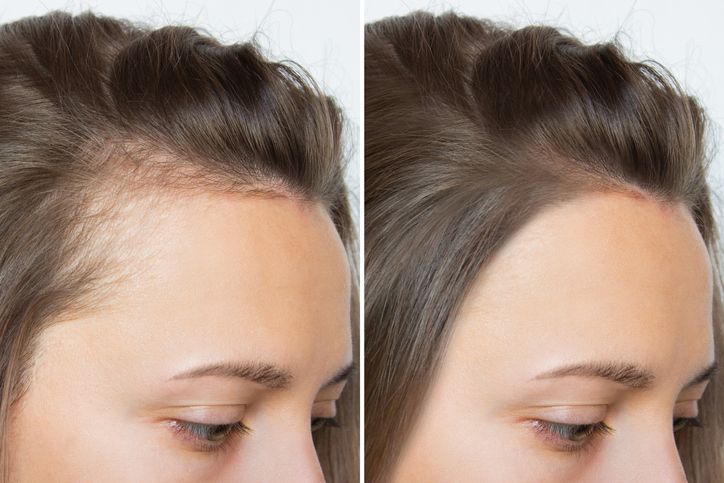
You may see less hair shedding and more shine after 2-3 months of regular omega-3 intake. Hair grows slowly, so patience is key. Remember, results depend on other factors too—like hormones, stress, and overall diet. If you combine omega-3s with gentle hair care (avoiding harsh shampoos and heat), results may come faster.
Some people report baby hairs or new growth around the hairline after several months, especially when omega-3 intake is combined with scalp massages or gentle exfoliation. Keep in mind that genetics and medical conditions also influence hair growth, so omega-3s are most effective as part of a comprehensive approach.
Omega-3 For Scalp Health
A healthy scalp is the foundation for healthy hair. Omega-3s offer unique benefits for scalp health that go far beyond what most shampoos can do.
1. Moisturizing And Protecting The Scalp
Omega-3s strengthen the scalp’s natural barrier. This barrier keeps moisture in and irritants out. If your scalp is dry, flaky, or itchy, it may lack enough healthy fats.
People who regularly consume omega-3s report:
- Less dandruff and flakiness
- Reduced itchiness and tightness
- Fewer visible signs of irritation
These benefits happen because omega-3s lower skin water loss and improve skin lipids. This effect is especially important in winter or dry climates, where dry indoor air can strip moisture from the scalp. Omega-3s help seal in water and keep the scalp supple.
In addition, omega-3s may reduce the sensitivity that leads to burning or tingling when using hair products. If you notice scalp discomfort after coloring or perming your hair, increasing omega-3 intake might make these treatments more tolerable.
2. Fighting Scalp Inflammation
Scalp inflammation can cause redness, sensitivity, and even hair loss. It is often linked to conditions like psoriasis, seborrheic dermatitis, or eczema. Omega-3s help in two ways:
- They block pro-inflammatory substances in the skin.
- They support the growth of healthy skin cells.
Studies show that people with scalp conditions often have lower omega-3 levels. Increasing intake can reduce symptoms and improve comfort. For example, a small study of people with seborrheic dermatitis found that those who increased omega-3s experienced less scaling and redness after 12 weeks.
For persistent scalp issues, omega-3s should be used along with, not instead of, any prescribed treatments. They can make medical creams or shampoos work better by calming the underlying inflammation.
3. Supporting A Healthy Scalp Microbiome
The scalp is home to a complex mix of bacteria and fungi. This “microbiome” helps keep the scalp balanced. Omega-3s can support a healthy microbiome by reducing inflammation and providing nutrients for good bacteria.
A strong microbiome means:
- Less risk of infections
- Better scalp pH balance
- Improved hair growth environment
A balanced microbiome is especially important for those who use a lot of styling products or wear hats often, as these can disrupt the natural flora. Omega-3s help restore balance and resilience.
4. Comparing Omega-3 Sources For Scalp Health
Not all omega-3s are equal for scalp benefits. Here’s a look at how common sources compare:
| Source | Key Omega-3 Type | Scalp Benefit | Best For |
|---|---|---|---|
| Salmon | DHA, EPA | Strong anti-inflammatory, deep moisture | All adults |
| Chia Seeds | ALA | Moderate barrier support | Vegans, vegetarians |
| Fish Oil Supplements | DHA, EPA | Reliable, easy to dose | People with dietary limits |
| Algae Oil | DHA | Plant-based, suitable for allergies | Allergy-prone, vegans |
5. Application Tips
- Take omega-3s with meals that have healthy fats (like avocado or olive oil) for better absorption. Fat helps your body digest and use omega-3s more efficiently.
- If you use topical products, massage gently to improve blood flow. This helps nutrients reach the follicles and encourages hair growth.
- Track your symptoms. If you notice more itching or flaking after starting a new supplement, lower the dose and try again. Some people are sensitive to additives in supplements, so choose pure brands.
For best results, combine dietary omega-3s with gentle scalp care: use mild shampoos, avoid very hot water, and don’t scratch the scalp.
6. Insights Beginners Miss
Many people think dandruff is only about fungus or shampoo, but for some, it signals a deeper lack of healthy fats. Also, scalp oils work best when supported by diet—no topical product can fully fix a nutrition problem.
Another overlooked point: scalp health improves the effectiveness of hair growth treatments. For example, people using minoxidil or natural oils for growth often see better results when omega-3 intake is adequate because the scalp is less inflamed and absorbs treatments better.

Credit: drsakhiyas.com
Omega-3 For Skin Hydration
One of the most visible effects of omega-3s is on the skin. Proper hydration makes skin look younger, plumper, and more radiant. Omega-3s support this in unique ways.
1. Strengthening The Skin Barrier
The outer layer of skin, called the stratum corneum, holds moisture and protects from outside damage. Omega-3s help build the fats (lipids) that seal this barrier.
People with dry, rough, or sensitive skin often have weak barriers. Adding omega-3s can:
- Reduce water loss through the skin
- Make skin feel softer and smoother
- Lower sensitivity to soaps and weather
A 2018 clinical trial found that people taking fish oil supplements had a 30% decrease in skin roughness and better hydration after 12 weeks. The effect was most noticeable in people with chronically dry or aging skin, but even younger adults saw improvements.
Omega-3s are also helpful for people who wash their hands frequently or use hand sanitizers, as these can damage the skin barrier. Supplementing with omega-3s may reduce dryness and cracking.
2. Reducing Inflammation And Redness
Omega-3s lower the production of inflammatory chemicals in the skin. This can help with:
- Eczema
- Psoriasis
- Rosacea
- General redness and irritation
In fact, some dermatologists use omega-3 supplements as part of treatment for these conditions. While not a cure, they can make flare-ups less severe and improve comfort. Some studies suggest that combining omega-3s with topical treatments (like steroid creams) allows for lower doses, reducing side effects.
If you have acne, omega-3s may also reduce the severity of breakouts by calming inflammation and balancing skin oils.
3. Protecting Against Uv Damage
Sun exposure dries and ages the skin. Some studies show that omega-3s can protect against UV damage by:
- Reducing inflammation after sun exposure
- Limiting DNA changes that cause skin aging
- Supporting faster healing
This doesn’t replace sunscreen, but it adds another layer of defense for your skin. People who spend a lot of time outdoors or live at high altitudes may especially benefit from omega-3s for this reason.
4. Improving Skin Elasticity And Appearance
Well-hydrated skin stretches and bounces back easily. Omega-3s keep the skin flexible and youthful. People often notice fewer fine lines and better texture after several months.
Here’s a quick comparison of common hydration boosters:
| Hydration Booster | Main Action | Omega-3 Support? | Best For |
|---|---|---|---|
| Omega-3s | Strengthens barrier, anti-inflammatory | Yes | All skin types |
| Hyaluronic Acid | Attracts water to skin surface | No | Surface dryness |
| Ceramides | Restores skin lipids | Somewhat | Barrier repair |
| Glycerin | Draws water into upper layers | No | Temporary moisture |
Unlike most moisturizers, omega-3s work from the inside out. This means results last longer and are less likely to wash away with water or soap.
5. Practical Tips For Using Omega-3s For Skin
- Spread intake across the week for steady results.
- Pair omega-3s with antioxidants (like vitamin E or C) for better skin protection.
- Notice changes in skin texture, not just moisture—improvements may be subtle but real.
- Stay hydrated with water, as omega-3s help retain moisture but don’t replace fluids.
- For people with sensitive skin, start with lower doses and increase gradually to avoid rare reactions.
6. Non-obvious Insights
First, many people use heavy creams for dryness, but if the skin barrier is weak, moisture escapes anyway. Omega-3s repair this barrier from inside. Second, skin hydration depends on both water and oil balance—omega-3s address the oil side, which is often overlooked.
Another overlooked insight: omega-3s may reduce “winter itch” or the rough, bumpy skin that appears in cold weather. This makes them especially valuable for people living in dry climates or with central heating.
Best Dietary Sources Of Omega-3s
Getting enough omega-3s from diet is the best way to see lasting results for hair, scalp, and skin. Here are top choices and their typical omega-3 content per serving:
| Food | Serving Size | EPA+DHA (mg) | ALA (mg) |
|---|---|---|---|
| Salmon (Atlantic, cooked) | 100g | 2,200 | 60 |
| Sardines (canned) | 100g | 1,500 | 40 |
| Flaxseeds | 1 tbsp | 0 | 2,400 |
| Chia seeds | 1 tbsp | 0 | 2,300 |
| Walnuts | 28g (about 7 nuts) | 0 | 2,500 |
| Fish oil (supplement) | 1,000mg capsule | 300 | 0 |
Remember, plant sources provide ALA. Your body changes only a small part of ALA into the more powerful EPA and DHA. That’s why eating fish or taking supplements is important for most people, especially for hair and skin effects.
To get the most from seeds and nuts, try grinding flaxseeds or soaking chia seeds to unlock their omega-3 content. Pairing plant sources with vitamin C-rich foods (like berries or citrus) may also help improve absorption.
Choosing Omega-3 Supplements Wisely
Supplements are a good option if you don’t eat much fatty fish. Here’s what matters most when choosing one:
1. Type Of Omega-3
- Fish oil: Contains EPA and DHA. Good for most people.
- Krill oil: Also EPA and DHA, with antioxidants, but usually more expensive. Some people find it easier to digest.
- Algae oil: Plant-based DHA, ideal for vegans.
2. Purity And Quality
- Look for “purified” or “molecularly distilled” oils to avoid heavy metals.
- Check for third-party testing or certifications on the label, such as IFOS or USP.
3. Dosage
- Most research suggests 250–500 mg of EPA+DHA per day for general health.
- Higher doses may be used for skin or scalp conditions, but ask your doctor first.
4. Form
- Capsules are most common and easy to take.
- Liquid fish oil can be mixed in smoothies, but taste may be an issue.
- Some gummies are available, but check for sugar content and omega-3 strength.
5. Common Buyer Mistakes
- Choosing low-dose or untested supplements
- Ignoring expiration dates (omega-3s can go rancid)
- Not storing supplements in a cool, dark place
- Overlooking the source—some fish oils come from less sustainable fisheries
If you want more detail about supplement safety, visit the NIH Omega-3 Fact Sheet.
Who Needs Omega-3s Most?
Everyone can benefit from omega-3s, but some groups need extra attention:
- People with dry skin or eczema
- Those with scalp problems like dandruff or psoriasis
- Anyone with hair thinning or brittle hair
- Vegetarians/vegans (need algae-based supplements)
- People who avoid seafood for allergy or preference
Pregnant and breastfeeding women also need more omega-3s for their baby’s brain and eye development. Older adults may need more omega-3s to maintain skin elasticity and reduce inflammation that can worsen with age.
Athletes or those who sweat a lot may also benefit, since intense exercise and frequent washing can dry the scalp and skin.
How Long Until You See Results?
Omega-3s don’t work overnight. Most people need at least 2–3 months of consistent intake before seeing changes in hair texture, scalp comfort, or skin hydration. This is because hair and skin cells take time to renew.
Improvements you might notice:
- Hair: Less shedding, more shine, stronger strands
- Scalp: Reduced flakiness, fewer itchy spots, less redness
- Skin: Softer feel, fewer dry patches, more even tone
To speed up results, combine omega-3s with a balanced diet, good hydration, and gentle hair/skin care routines. For those with severe dryness or skin conditions, improvements may be gradual but can continue for up to 6 months with steady intake.
Side Effects And Safety Tips
Omega-3s are safe for most people, but there are a few things to keep in mind:
- High doses may cause loose stools or mild stomach upset. Taking supplements with food usually helps.
- Fish oil can thin blood, so talk to your doctor if you take blood thinners or have bleeding disorders.
- Quality matters—rancid oils can do more harm than good. Omega-3s should not smell strongly “fishy.”
- Allergic reactions are rare but possible, especially for those with fish or seafood allergies. In that case, use algae oil instead.
If you notice any side effects, lower your dose or try another brand. Always store supplements in a cool, dark place to keep them fresh.
Credit: new-beauty.com
Myths And Misunderstandings
Myth 1: More Is Always Better
Taking huge doses of omega-3s won’t speed up hair or skin results and may cause problems. Stick to recommended amounts.
Myth 2: Topical Omega-3s Replace Diet
Applying omega-3 oil to your scalp or skin can help with surface moisture, but the biggest changes come from the inside out.
Myth 3: All Fats Are Bad For Skin
Healthy fats like omega-3s are essential for glowing, hydrated skin. Low-fat diets may cause more dryness and irritation.
Another myth is that omega-3s are only for older adults. In reality, people of all ages benefit, and early use can help prevent problems later.
Combining Omega-3s With Other Nutrients
Omega-3s work best when your diet includes other key nutrients:
- Vitamin E: Protects omega-3s from breaking down; found in nuts and seeds.
- Zinc: Needed for hair growth and skin repair.
- Protein: Hair is made of protein—don’t neglect it.
- Water: Hydration starts with enough fluids.
- Biotin and B-vitamins: Support healthy hair and scalp metabolism.
For best results, eat a varied, balanced diet rich in whole foods. Combining omega-3s with colorful fruits and vegetables gives your body the best tools for repair and renewal.
Omega-3s And Lifestyle Habits
To boost the effects of omega-3s:
- Limit processed foods and sugars—they increase inflammation.
- Manage stress, which can worsen hair and skin issues. Try relaxation techniques or regular exercise.
- Get enough sleep for proper cell renewal.
- Avoid harsh shampoos and skin products that strip natural oils.
Remember, supplements are not a magic fix. They work best as part of an overall healthy lifestyle.
Frequently Asked Questions
How Much Omega-3 Do I Need For Hair And Skin Benefits?
Most experts suggest 250–500 mg of EPA and DHA daily for general health, which also supports hair and skin. For specific skin or scalp conditions, your doctor may recommend a higher dose.
Can I Get Enough Omega-3 From Plant Foods Only?
Plant foods like flaxseeds and walnuts provide ALA, but the body changes only a small amount to EPA and DHA. If you don’t eat fish, consider an algae-based supplement for best results.
How Soon Will I See Improvements In Hair Or Skin After Starting Omega-3s?
Visible changes often take 2–3 months. Hair and skin grow slowly, so patience is important. Some people notice less dryness or flakiness in a few weeks.
Are There Any Risks With Omega-3 Supplements?
Omega-3s are safe for most people. High doses can cause digestive issues or interact with blood thinners. Always choose high-quality supplements and follow recommended doses.
Can Children And Older Adults Benefit From Omega-3s For Hair And Skin?
Yes. Omega-3s support healthy growth and help maintain hydrated skin at any age. Children, older adults, and pregnant women should use age-appropriate doses and talk to a doctor before supplementing.
Good nutrition is the foundation of healthy hair, scalp, and skin. Omega-3 fatty acids may be the missing link if you struggle with dryness, dullness, or irritation. By making small changes—like adding fatty fish, plant seeds, or a trusted supplement to your routine—you can see real improvements over time.
Be patient, stay consistent, and enjoy the renewed shine, comfort, and glow that comes from nourishing your body from within.

Credit: toneop.care