

The Truth About Before And After Photos in Hair And Skin Care
Before and after photos are everywhere in the world of hair and skin care. You see them on social media, in ads, and even on the websites of clinics and brands. They promise transformation—a new look, glowing skin, fuller hair. But how much can you trust these images? Are they proof of real results or just clever marketing?
Many people believe before and after photos are honest and clear. Others feel unsure, worried these photos may be edited or staged. The truth is, before and after images can show genuine improvement—but they can also mislead.
This article explores the real story behind before and after photos in hair and skin care. You’ll learn how these photos are made, how they can be manipulated, what to look for, and how to make smart decisions. Whether you’re considering a new product, treatment, or clinic, understanding the truth about these photos will help you protect your time, money, and health.
The Role Of Before And After Photos In Hair And Skin Care
Before and after photos are a powerful tool in hair and skin care marketing. Companies use them to show the effectiveness of products, treatments, and procedures. For clinics, these photos help attract new clients. For brands, they boost sales and build trust.
People want proof. When they see someone with dull skin in the “before” photo and radiant skin in the “after,” it makes them believe the product works. The same goes for hair treatments: thin hair becomes thick, damaged hair looks smooth. These images are meant to create hope and excitement.
But the role of these photos is not only for marketing. Many clinics and professionals use before and after pictures to track progress. Doctors take photos before and after treatments to see if there is real improvement. This helps clients understand their journey and results.
However, the line between honest documentation and marketing is thin. Some photos are taken in controlled settings with proper lighting and cameras. Others are quickly snapped on phones or edited for effect. Understanding the purpose behind each photo is important.
How Before And After Photos Are Created
Creating before and after photos is a process that involves several steps. Here’s how it usually happens in the hair and skin care industry:
- Initial Photo: The “before” photo is taken before the treatment, product use, or procedure. It should show the problem clearly, such as acne, wrinkles, hair loss, or damage.
- Treatment or Product Use: The person receives the treatment, uses the product, or follows a routine for a period of time. This can range from a few days to several months.
- Final Photo: The “after” photo is taken, showing the results. Ideally, it should be in the same setting, with similar lighting and angles.
Professionals often use high-quality cameras and consistent conditions. But sometimes, photos are taken with phones, or under different lighting. The process can vary depending on who is creating the images.
Some clinics follow strict rules. They use the same camera, same place, same lighting, and even the same facial expressions. This helps create fair comparison. Others may skip these details, leading to less reliable photos.
In marketing, brands may hire models or influencers. They might use makeup, special lighting, or editing tools. This can change the outcome and make results appear more dramatic.
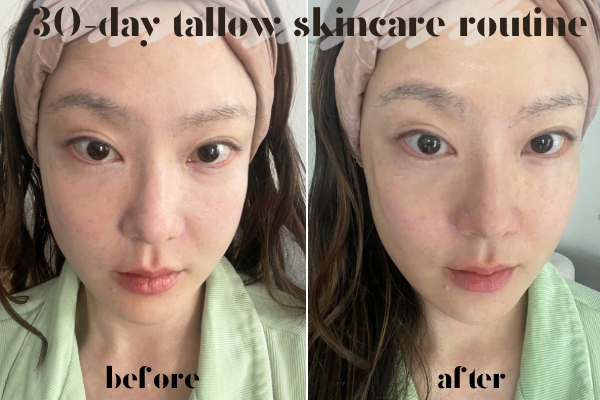
Credit: organicbeautylover.com
Common Manipulation Techniques In Before And After Photos
Not all before and after photos are honest. Many are manipulated to show better results. Here are some common tricks:
Lighting Changes
Lighting can make a huge difference. Bright, natural light highlights healthy skin and shiny hair. Dim or harsh light can make skin look dull and hair appear damaged. Brands often use bad lighting for the “before” photo and good lighting for the “after.
”
Camera Angles
Changing the angle can hide flaws or make features look better. For example, taking a photo from above can make thinning hair look fuller. A straight-on photo may show more problems.
Facial Expressions
A sad face or frown in the “before” photo can make someone look tired or older. Smiling in the “after” photo creates an impression of youth and health. Expressions affect how people view the results.
Makeup And Styling
Makeup can cover skin flaws, even in “after” photos. Hair can be styled to look thicker or shinier. Sometimes, professionals use products like hairspray or serums for the “after” shot.
Editing And Filters
Photo editing tools can remove blemishes, smooth wrinkles, and brighten skin. Filters change color and tone. Many brands use these tools to improve the “after” photo. This is often hard to spot unless you look closely.
Time Frame
Some photos show results after only a few hours, while others are taken months later. A short time frame may not show real improvement. Brands may choose the best moment for the “after” photo, hiding the real process.
Clothing And Background
Changing clothes or background can make a person look different. Wearing a white shirt in the “after” photo, for example, can make skin appear brighter. A clean background helps focus on the results.
Haircuts And Color
For hair care, a fresh haircut or color treatment can be used in the “after” photo. This creates the illusion of improvement, even if the product or treatment did not work.
Comparison Table: Manipulation Techniques
Here’s a quick comparison of manipulation techniques often used in before and after photos:
| Technique | Before Photo | After Photo | Effect |
|---|---|---|---|
| Lighting | Dim, harsh | Bright, natural | Enhances results |
| Angle | Unflattering | Flattering | Makes features look better |
| Expression | Sad, tired | Smiling | Appears more youthful |
| Editing | None | Filters, retouching | Smooths skin, hides flaws |
| Styling | Messy hair | Styled hair | Hair looks improved |
Real Examples Of Manipulation In Hair And Skin Care Photos
Let’s look at some real situations where before and after photos were manipulated:
- A clinic advertised a laser acne treatment. The “before” photo showed a patient with poor lighting and no makeup. The “after” photo had bright lighting, makeup, and a smiling face. The patient’s skin looked clearer, but the improvement was mostly from lighting and makeup.
- A shampoo brand posted photos of a woman with frizzy hair in the “before” and smooth, shiny hair in the “after.” The difference was due to hair straightening and serum applied just before the “after” photo.
- One influencer shared skin care results. The “before” image had dry, uneven skin. The “after” image was edited to remove blemishes. Followers later discovered the influencer used a filter.
These examples show how easy it is to change the outcome using simple tricks. It’s important to be aware of these methods so you don’t get fooled.
Why Do Brands And Clinics Use Manipulated Photos?
The main reason brands and clinics use manipulated photos is marketing. They want to show dramatic results to attract customers. If the transformation looks big, people are more likely to buy the product or book a treatment.
Manipulated photos create excitement. They encourage people to share, comment, and trust the brand. This leads to more sales and profits.
Some clinics also use these photos to compete with others. If one clinic shows dramatic results, others may feel pressured to do the same.
But not all brands and clinics use manipulated photos. Some are honest and show real results. Unfortunately, manipulated images are more common because they work better for advertising.
Risks Of Believing Before And After Photos
Trusting before and after photos blindly can lead to several problems:
Unrealistic Expectations
If you believe every photo, you may expect fast, dramatic results. Most products and treatments take time and may not work for everyone. Disappointment is common.
Wasted Money
Buying products or booking treatments based on fake photos can waste your money. You may not get the results promised.
Health Risks
Some treatments or products may be unsafe. If you trust manipulated photos, you might try things that harm your skin or hair.
Emotional Impact
Believing perfect “after” photos can make you feel bad about your own appearance. It can affect your confidence and mental health.
Trust Issues
If you discover a photo is manipulated, you may lose trust in brands, clinics, or professionals. This can make it hard to know who to believe.
Comparison Table: Risks Of Believing Photos
Here’s a comparison of risks you face when believing before and after photos:
| Risk | Impact | Example |
|---|---|---|
| Unrealistic Expectations | Disappointment | Expecting instant results from a cream |
| Wasted Money | Financial loss | Buying expensive hair serum with no effect |
| Health Risks | Skin or hair damage | Trying harsh treatments |
| Emotional Impact | Low confidence | Feeling insecure after seeing “perfect” skin |
| Trust Issues | Doubt | Not believing any clinic or brand |
How To Spot Fake Or Manipulated Before And After Photos
Knowing how to spot fake photos is important. Here are some tips:
- Check the Lighting: If the lighting looks very different in the two photos, be careful. Good lighting alone can change appearance.
- Look at the Angles: Are the photos taken from different angles? This can hide or highlight features.
- Notice Facial Expressions: If the person looks unhappy in the “before” and happy in the “after,” it’s not just the product. Expression affects perception.
- Watch for Makeup and Styling: If the hair or skin looks styled or made up in the “after” photo, results may not be from the treatment.
- Check for Editing: Smooth skin, no pores, or strange colors are signs of editing. Real skin has texture.
- Compare Time Frames: Is the “after” photo taken much later? Quick results are rare.
- Look for Consistent Clothing and Background: If everything is the same except the result, it’s more trustworthy.
- Read Reviews: Real users often share honest photos and opinions.
- Ask for Clinical Data: Clinics should provide data, not just photos. Ask for studies or results.
- Trust Your Gut: If a photo looks too perfect, it probably is.
Scientific Evidence: What Real Studies Say
Research shows that before and after photos are often unreliable. A study published in the Journal of Cosmetic Dermatology found that many skin care ads use manipulated images. Another study in the International Journal of Trichology reported similar issues in hair care marketing.
Experts agree that photos should be taken under controlled conditions. This means same lighting, angle, and camera. Otherwise, results are hard to compare.
Some clinics use standardized photography. This includes proper lighting, no makeup, and no editing. These photos are more reliable and often used in medical journals.
Most scientific studies require clinical data, not just photos. Data includes skin measurements, hair counts, or test results. This is more trustworthy than images alone.
If you want real evidence, look for clinical studies with data and standardized photos. Avoid brands that only show dramatic pictures.
Honest Clinics And Brands: What To Look For
Some clinics and brands do things right. They follow strict rules for before and after photos. Here’s what you should look for:
- Consistent Lighting and Angles: Honest clinics use the same lighting and angle for both photos.
- No Makeup or Styling: The person should look natural in both photos.
- No Editing: Images should show real skin and hair, with pores and texture.
- Clinical Data: Clinics share numbers and test results along with photos.
- Time Frame Details: Honest brands mention how long the results took.
- Patient Consent: Clinics use photos only with patient permission.
- Transparency: Brands explain how the photos were taken.
If you find these signs, you can trust the results more. Always check for honesty and transparency.
The Impact Of Social Media Influencers
Social media influencers play a big role in promoting hair and skin care products. They often share before and after photos to show their own results. Many people trust influencers more than brands.
But influencers face pressure to show dramatic improvement. Some use filters, editing, or staged photos. Sponsored posts may not be honest.
A survey by Statista found that 60% of people buy beauty products based on influencer recommendations. But only 40% believe the photos are real.
Some influencers are honest and show true results. Others follow marketing trends and use tricks. Always check if the influencer shares real details and admits to editing.
One non-obvious insight: Some influencers share “progress photos” over weeks or months. This is more trustworthy than a single before and after shot. Look for influencers who share their journey, not just the final result.
Legal And Ethical Considerations
There are legal and ethical rules for using before and after photos. In many countries, clinics must follow strict guidelines. For example, the American Academy of Dermatology says clinics must get patient consent and use honest photos.
Brands must avoid false advertising. If a photo is manipulated, it may break the law. Regulatory agencies can fine companies for misleading images.
Ethically, clinics and brands should show real results. They must respect privacy and not use photos without permission.
However, not all brands follow the rules. Some ignore guidelines to boost sales. Always check for legal and ethical practices before trusting a clinic or brand.
How To Make Smart Decisions Based On Before And After Photos
If you want to make smart choices, follow these steps:
- Look for Consistency: Same lighting, angle, and background mean more honest photos.
- Ask Questions: Contact the clinic or brand and ask how the photos were taken.
- Read Clinical Data: Numbers and studies are more reliable than pictures.
- Check Reviews: Real users share honest experiences.
- Test Small: Try a product or treatment on a small area first.
- Be Patient: Real results take time. Don’t expect instant transformation.
- Avoid Impulse Buying: Don’t trust dramatic photos alone.
- Consult Professionals: Talk to a dermatologist or hair specialist.
- Check Credentials: Make sure the clinic or brand is certified.
- Trust Reliable Sources: Use official sites and research papers. For example, the National Institutes of Health offers reliable information.
The Psychology Behind Before And After Photos
Before and after photos tap into human psychology. Seeing a transformation creates hope and excitement. Our brains love stories of change.
Marketers use this to sell products and treatments. They know people want quick fixes. Photos make it easy to believe in results.
But psychology can also trick us. We focus on the “after” and ignore details. This is called confirmation bias. We see what we want to see.
A non-obvious insight: People may feel more satisfied with a treatment after seeing their own before and after photos—even if the change is small. This is called the “photo placebo effect.”
Understanding the psychology behind these images helps you stay smart and avoid mistakes.
The Difference Between Clinical And Marketing Photos
There’s a big difference between clinical photos and marketing photos.
Clinical Photos
- Taken under controlled conditions
- No makeup or styling
- Used for medical documentation
- Show real progress
Marketing Photos
- Taken for advertising
- May use makeup, styling, editing
- Focus on dramatic results
- Used to sell products
If you want real evidence, look for clinical photos. Marketing photos are often made to create excitement, not show facts.
Comparison Table: Clinical Vs Marketing Photos
| Type | Purpose | Conditions | Reliability |
|---|---|---|---|
| Clinical | Medical documentation | Controlled, standardized | High |
| Marketing | Advertising | Varied, often manipulated | Low |
Alternatives To Before And After Photos For Proof
Photos are not the only way to show results. Here are some alternatives:
- Clinical Studies: These include real data, not just images.
- Patient Testimonials: Honest stories help show real experiences.
- Progress Photos: A series of images over time shows true change.
- Videos: Videos can show movement and texture, making editing harder.
- Scientific Measurements: Skin tests, hair counts, and lab results give real numbers.
- Third-Party Reviews: Independent websites and experts review products and treatments.
Using these alternatives helps you find honest proof and avoid being misled.
Tips For Clinics And Brands: Creating Honest Before And After Photos
If you work in a clinic or brand, here’s how to create honest before and after photos:
- Use Consistent Conditions: Same lighting, angle, camera, and background.
- No Makeup or Styling: Keep the person natural in both photos.
- No Editing or Filters: Show real skin and hair texture.
- Include Clinical Data: Share numbers and test results.
- Get Patient Consent: Always ask permission before sharing.
- Show Time Frame: Tell how long the results took.
- Be Transparent: Explain how photos were taken.
- Follow Legal Guidelines: Respect privacy and avoid false advertising.
- Educate Clients: Teach clients how to read and understand photos.
- Share Progress: Use series of photos, not just before and after.
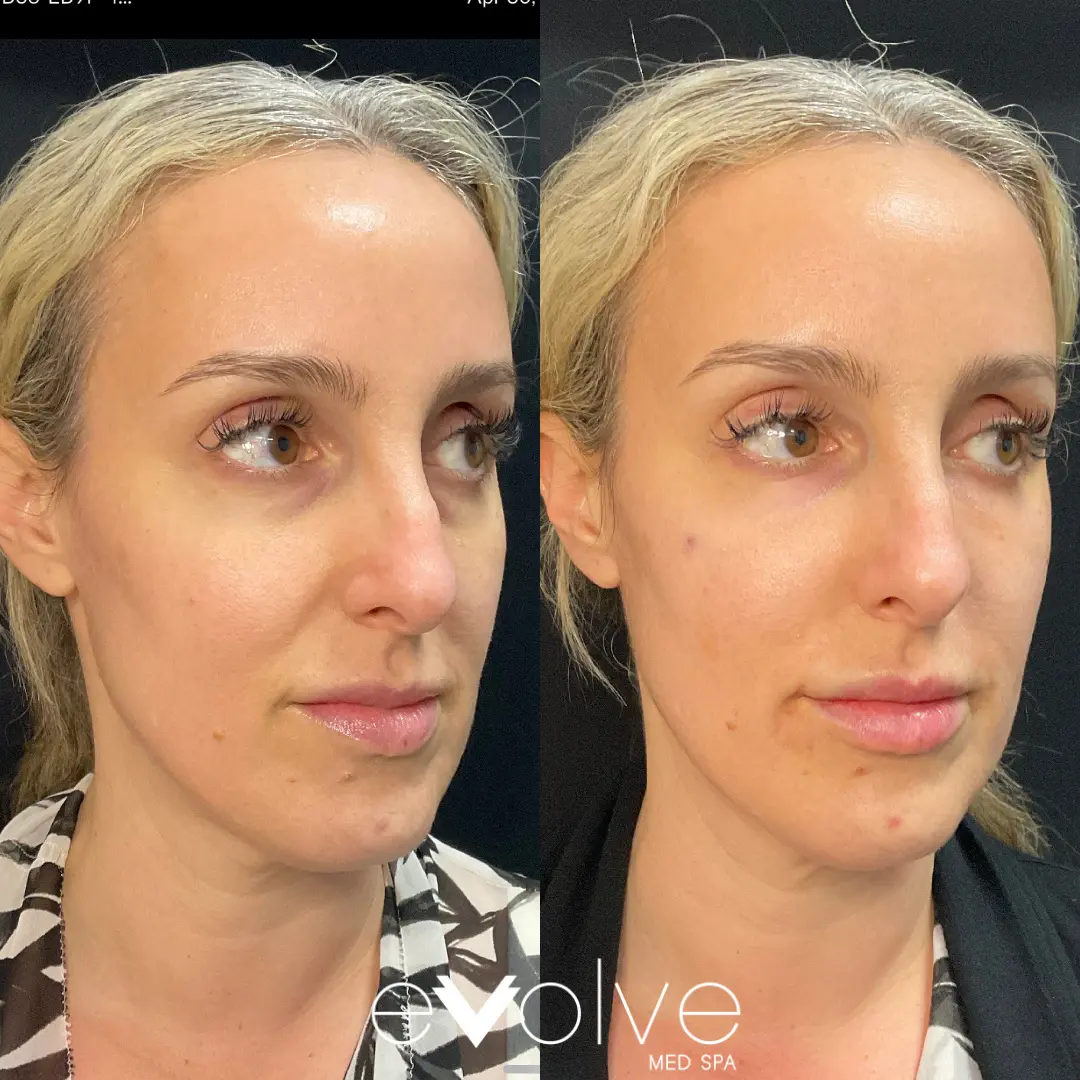
Credit: evolvemedspa.com
The Future Of Before And After Photos In Hair And Skin Care
The world of before and after photos is changing. Technology makes it easier to manipulate images. But new rules and tools help fight fake photos.
Some clinics use AI detection to spot edited images. Brands are starting to share real progress, not just dramatic results.
Consumers are getting smarter. They demand honesty and transparency. Regulators are creating stricter laws.
In the future, before and after photos may become more reliable. Clinics and brands will need to follow new standards. People will trust real evidence, not just photos.
A non-obvious insight: Virtual consultations are rising. Doctors use video calls and live photos to show real results. This helps people trust clinics and avoid manipulation.
Frequently Asked Questions
What Are The Most Common Tricks Used In Before And After Photos?
The most common tricks include changing lighting, using different camera angles, altering facial expressions, applying makeup or hair styling, editing with filters, and changing clothes or background. These tricks make results look more dramatic than they really are.
Can I Trust Before And After Photos Shared By Influencers?
You should be careful. Many influencers use editing tools or filters. Some share honest progress, but others use tricks to get more followers or sell products. Look for influencers who show their journey, not just a single before and after shot.
How Can I Know If A Clinic Or Brand Uses Honest Photos?
Check for consistency in lighting, angle, and background. Honest clinics share clinical data, avoid makeup or styling, and explain how photos were taken. They also get patient consent and follow legal guidelines.
What Should I Do If A Product Or Treatment Doesn’t Match The Before And After Photos?
Don’t panic. Real results can take time and may vary for each person. If you feel misled, contact the clinic or brand, share your experience, and ask for clinical data. Leave honest reviews to help others.
Are There Other Ways To Prove Results Besides Photos?
Yes. You can use clinical studies, patient testimonials, progress photos over time, videos, scientific measurements, and third-party reviews. These alternatives offer more reliable proof than before and after photos alone.
Before and after photos are a popular way to show results in hair and skin care. But not all images are honest. Many are manipulated to sell products or treatments. By understanding how these photos are made, spotting tricks, and looking for real evidence, you can make smart choices.
Always check for consistency, ask questions, and trust reliable sources. Remember, real change takes time, and honest proof is more than just a dramatic image.

Credit: hairgp.co.uk