

Body Positivity And Hair Loss: Embracing Changes At Every Age
Hair is often called our “crowning glory. ” It frames our face, makes us feel youthful, and is deeply linked to identity. So when hair loss happens, it can feel like a personal crisis. For many, it brings feelings of shame, anxiety, or even a sense of lost identity.
But what if we could see hair loss differently? What if, instead of hiding or feeling embarrassed, we learned to accept and even celebrate these changes?
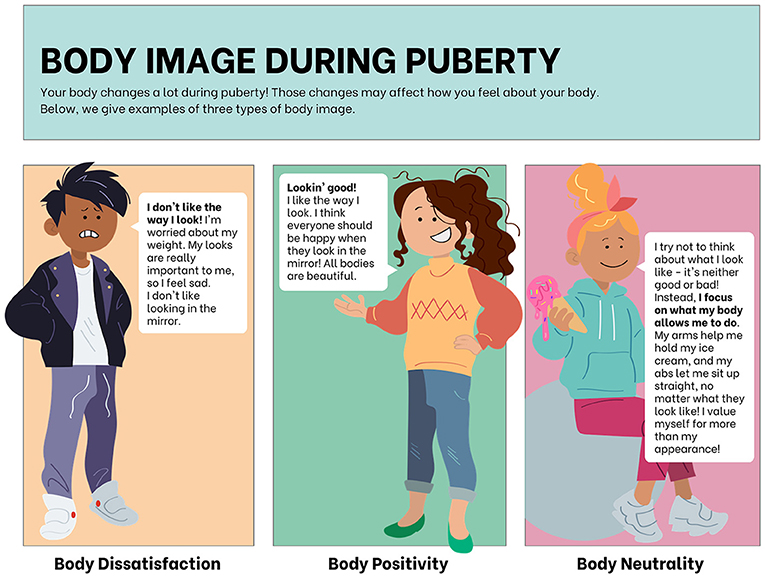
Body positivity is about loving and accepting our bodies at every stage of life, no matter how they look. It teaches us that beauty isn’t limited to a certain size, shape, or hair type. In recent years, the body positivity movement has helped many people feel better about their bodies—even when things change. But when it comes to hair loss, the conversation is just beginning. Men, women, and even teenagers can struggle with hair loss, and the emotions that come with it can be powerful. Embracing these changes, especially as we age, is not always easy.
This article explores the real meaning of body positivity in the context of hair loss. We’ll look at why hair loss happens, the emotional impact, and how people at every age can learn to accept and love themselves—hair or no hair.
You’ll find practical advice, surprising insights, real-life examples, and the latest scientific knowledge to help you or someone you love take the next step toward self-acceptance.
Understanding Hair Loss: Causes And Myths
Hair loss is more common than most people realize. It affects people of all ages and backgrounds. To truly embrace body positivity, it helps to understand why hair loss happens.
Common Causes Of Hair Loss
1. Genetics (androgenetic Alopecia)
This is the most common cause, often called male or female pattern baldness. Genes from your family determine if and when this type of hair loss starts. By age 50, about 50% of men and 25% of women show visible signs.
2. Hormonal Changes
Puberty, pregnancy, menopause, thyroid problems, and birth control changes can all cause hair thinning or loss. For example, after giving birth, many women notice extra hair falling out.
3. Medical Conditions
Autoimmune diseases like alopecia areata, scalp infections, or other illnesses such as lupus can trigger hair loss.
4. Medications And Treatments
Cancer treatments like chemotherapy are well known for causing hair loss. Blood thinners, antidepressants, and some high blood pressure medications can also be a cause.
5. Stress And Trauma
Extreme emotional or physical stress (like surgery or a big shock) can push hair follicles into a resting phase, causing large amounts to fall out months later. This is called telogen effluvium.
6. Poor Nutrition
Not getting enough protein, iron, or certain vitamins can weaken hair and cause it to fall out.
7. Styling And Hair Care Habits
Tight hairstyles, frequent coloring, and heat styling can damage hair and lead to hair breakage or loss.
Myths About Hair Loss
- Myth: Only men lose their hair.
Women experience hair loss too, though it often looks different (thinner all over rather than bald spots).
- Myth: Washing or brushing your hair often causes hair loss.
Normal washing and gentle brushing don’t cause permanent hair loss.
- Myth: Hair loss means you’re unhealthy.
Many healthy people lose hair due to genetics or normal aging.
- Myth: Wearing hats makes you go bald.
Hats don’t cause hair loss unless they’re so tight they pull on the hair.
Understanding the true reasons behind hair loss helps remove some of the shame or confusion. It also opens the door to body positivity—accepting that changes in our hair are often natural and not our fault.
The Emotional Impact Of Hair Loss
Hair loss is not just a physical change. It can deeply affect how we feel about ourselves. People of all ages—men, women, young adults, and even children—can struggle emotionally with hair loss.
Self-esteem And Identity
For many, hair is tied to confidence and self-image. Losing it can feel like losing a part of who you are. Teenagers may feel left out or teased. Adults might worry about looking older or less attractive. Some women say hair loss makes them feel “less feminine,” while some men see it as a loss of youth or strength.
Social And Psychological Effects
- Anxiety and Depression: Studies show people with noticeable hair loss have higher rates of anxiety and depression.
- Avoiding Social Situations: Some avoid parties, photos, or even work meetings due to embarrassment.
- Relationship Challenges: Worries about how a partner or new romantic interest will react can add stress.
A study from the Journal of the American Academy of Dermatology found that up to 40% of women with visible hair loss showed signs of clinical depression. This number is even higher for those who lost their hair suddenly or at a young age.
Non-obvious Insight: Grieving The Loss
Many people don’t realize that hair loss can trigger a real sense of grief, similar to losing something very meaningful. It’s normal to feel sad, angry, or even guilty. Recognizing this can help you move forward.
Non-obvious Insight: The Power Of Representation
Seeing people in media, fashion, or daily life who embrace baldness or thin hair can make a huge difference. Representation helps normalize hair loss and shows that beauty comes in many forms.
Body Positivity: What It Really Means
Body positivity means accepting and loving your body—even the parts that change, age, or don’t fit traditional beauty standards. When applied to hair loss, body positivity is not about ignoring your feelings. Instead, it’s about:
- Allowing yourself to feel sad or angry, but not letting those feelings define you.
- Celebrating the parts of yourself that make you unique.
- Seeing beauty in diversity—including different hairstyles, textures, and even baldness.
How Body Positivity Helps With Hair Loss
- Reduces Shame: When you accept your body as it is, you feel less need to hide or apologize.
- Boosts Confidence: Confidence doesn’t come from hair; it comes from self-acceptance.
- Encourages Community: Sharing your journey can help others feel less alone.
Real-life Example
Gail Porter, a British TV presenter, became a symbol for body positivity after losing her hair due to alopecia. She chose not to wear wigs on TV, showing millions that bald can be beautiful and strong.
Embracing Changes At Every Age
Hair loss affects people differently at each stage of life. Embracing these changes looks different for a teenager, a young adult, or a senior. Here’s how body positivity can be practiced at any age.
Children And Teenagers
Hair loss in young people is less common, but it happens due to genetics, medical treatments, or autoimmune diseases. For a child or teen, losing hair can be especially tough because they often feel different or “left out. ”
- Support Is Key: Open conversations with family and teachers help. Remind them that hair doesn’t define their worth.
- Connect With Others: Support groups for young people with hair loss can reduce feelings of isolation.
- Creative Expression: Letting them choose hats, scarves, or hairpieces can give them a sense of control.
Young Adults
This age group may feel pressure to look “perfect,” especially on social media. Dating, job interviews, and new relationships can make hair loss feel even more stressful.
- Challenge Beauty Stereotypes: Follow social media accounts that show real, diverse beauty—including bald or thin-haired influencers.
- Try New Styles: Some find confidence in shaving their head, wearing bold accessories, or changing their look completely.
- Focus on Strengths: Building skills, hobbies, or talents shifts focus from appearance to achievements.
Adults (30s–50s)
For many adults, hair loss comes as part of aging, pregnancy, or health changes. This can be a time of reflection and growth.
- Practice Self-Compassion: Be gentle with yourself during tough days. Accept that emotions may come and go.
- Redefine Beauty: Notice and appreciate other things about yourself—your smile, kindness, or sense of humor.
- Community Connection: Sharing your journey with friends or support groups can offer strength and new friendships.
Seniors
Hair naturally thins with age, and this is normal for both men and women. Some seniors may feel invisible or less attractive.
- Embrace Wisdom: Focus on life experience, wisdom, and the stories your body tells.
- Inspire Others: By accepting your appearance, you become a role model for younger people.
- Stay Engaged: Activities, volunteering, and social groups can bring joy and purpose.
Practical Strategies For Embracing Hair Loss
Accepting hair loss is a journey. Here are some practical steps to help you move toward body positivity at any stage.
Change Your Self-talk
Notice the words you use about yourself. Replace harsh thoughts with kinder ones. Instead of “I look terrible,” try “I am learning to accept myself. ”
Seek Support
Talk to friends, family, or a counselor. Support groups—online or in person—can make a huge difference. Hearing from others who understand helps you feel less alone.
Experiment With Style
- Try a new haircut or shave your head.
- Explore hats, scarves, or bold earrings.
- Some people enjoy wigs or hairpieces—others prefer to go natural.
Focus On Health, Not Just Looks
Eat a balanced diet, exercise, and care for your scalp. Feeling healthy can boost your confidence, even if your hair isn’t what it once was.
Limit Social Media Pressure
Unfollow accounts that make you feel bad about yourself. Instead, follow people who celebrate diversity and body positivity.
Find Role Models
Look for public figures who embrace their hair loss. Their stories can inspire you.
Practice Gratitude
Write down things you like about yourself—your kindness, skills, or sense of humor. Focusing on these can help shift your mindset.
Consider Professional Help
If hair loss causes deep sadness or anxiety, a therapist or doctor can help. Sometimes, treating the emotional side is just as important as the physical.
Comparing Hair Loss Across Age Groups And Genders
It’s helpful to see how hair loss affects different groups. Here’s a comparison using real data.
| Age Group | Men Affected (%) | Women Affected (%) | Common Causes |
|---|---|---|---|
| Teens (13–19) | ~5% | ~2% | Genetics, illness, stress |
| Young Adults (20–29) | ~16% | ~7% | Hormones, genetics, styling |
| Adults (30–49) | ~40% | ~25% | Genetics, hormones, stress |
| Seniors (50+) | ~50–60% | ~40% | Aging, genetics, health issues |
This table shows that hair loss is common in all age groups—but more so as we get older. While men are more likely to lose hair, it’s clear that many women are also affected.

Credit: www.cloudninehair.com
Medical And Cosmetic Options: What To Know
While body positivity is about acceptance, it’s also okay to explore treatments or cosmetic options if they help you feel better. Here’s what you should know.
Medical Treatments
- Minoxidil: An over-the-counter lotion or foam for both men and women. It can slow hair loss and sometimes regrow hair.
- Finasteride: A prescription pill for men. It slows hair loss by blocking certain hormones.
- Corticosteroid Injections: Used for sudden or patchy hair loss (alopecia areata).
- Hair Transplants: Moving hair from one part of the scalp to another. Expensive and not always successful.
Cosmetic Solutions
- Wigs and Hairpieces: Modern wigs look natural and come in many styles.
- Scarves, Hats, and Headbands: Fashionable and comfortable options.
- Scalp Micropigmentation: Tattooing tiny dots on the scalp to look like hair follicles.
Comparing Common Hair Loss Treatments
Here’s a quick look at how different treatments compare:
| Treatment | Who Can Use | Results | Cost Range | Risks/Side Effects |
|---|---|---|---|---|
| Minoxidil | Men & Women | Slows loss, some regrowth | Low | Scalp irritation |
| Finasteride | Men | Slows loss, some regrowth | Medium | Sexual side effects |
| Hair Transplant | Men & Women | Permanent, natural look | High | Scarring, infection |
| Wigs/Hairpieces | All | Immediate, versatile | Varies | None |
| Scalp Micropigmentation | All | Short “buzz cut” look | Medium | Allergy, fading |
Key Guidance
- No shame in seeking treatment: Body positivity means making choices that help you feel good, not following someone else’s rules.
- Manage expectations: Most treatments slow hair loss or help appearance but don’t “cure” baldness.
- Avoid unproven products: Many “miracle cures” online are scams. Stick with treatments approved by health authorities.
Cultural Attitudes Toward Hair Loss
Around the world, hair and hair loss are viewed differently. In some cultures, baldness is seen as wise or strong. In others, full hair is a sign of youth or beauty. Understanding these attitudes can help us see hair loss from a new perspective.
Examples From Different Cultures
- Africa: Many African cultures celebrate shaved heads and natural hair as beautiful. In some places, a shaved head can mean a rite of passage or respect.
- India: Head shaving is part of religious rituals, showing devotion or starting a new phase of life.
- Western Media: Until recently, baldness was often seen as something to “fix.” Now, more celebrities and models are embracing bald or shaved looks.
The Role Of Media And Fashion
The fashion industry is slowly including more people with different hairstyles—including bald and thin-haired models. This helps challenge old ideas about beauty.
A 2022 survey found that 68% of people feel more positive about baldness after seeing role models in media. This shows the power of representation in changing attitudes.
Credit: kids.frontiersin.org
Overcoming Stigma And Building Confidence
Stigma is the negative judgment or treatment people face because of something different about them. For those with hair loss, stigma can be subtle (like stares or comments) or direct (teasing or discrimination).
Ways To Overcome Stigma
- Educate Others: Share facts about hair loss with friends, family, or coworkers. This helps break down myths and fears.
- Speak Up: If someone makes an insensitive comment, calmly explain how it feels.
- Find Your Community: Support groups or online forums can be a safe place to share stories and tips.
- Be Visible: If you feel comfortable, don’t hide your hair loss. The more people see it, the more normal it becomes.
Building Lasting Confidence
- Focus on What You Can Control: You can control your attitude, style, and how you treat others.
- Celebrate Differences: What makes you unique is often what makes you beautiful.
- Remember: You’re Not Alone: Millions of people experience hair loss. You’re part of a large and diverse community.
Real Stories: People Who Embrace Hair Loss
Hearing from real people can inspire us to embrace change. Here are a few examples:
- Amber Jean Rowan: An Irish actress who lost her hair to alopecia at age 15. She now models and advocates for body positivity, often showing her bald head in photo shoots.
- Jada Pinkett Smith: The actress has spoken openly about her hair loss, showing confidence and inspiring others.
- Rickey Bevington: A journalist who began to lose her hair in her 30s. She now speaks publicly about accepting and loving her new look.
Their stories show that it’s possible to find new confidence and beauty—even if it takes time.
Hair Loss And Social Media: The Good And The Bad
Social media can be both helpful and harmful for people with hair loss.
The Downsides
- Unrealistic Beauty Standards: Many accounts show only perfect hair, making people feel worse about their own.
- Cyberbullying: Some face hurtful comments or jokes.
The Benefits
- Support Communities: Groups like #AlopeciaAreata or #BaldIsBeautiful offer advice and friendship.
- Positive Influencers: More people are sharing their hair loss journey, helping others feel less alone.
Data Insight
A 2021 survey found that people who joined online hair loss support groups reported a 30% improvement in self-esteem after six months.
Tips For Friends And Family
If someone you care about is losing their hair, your support matters. Here’s how you can help:
- Listen Without Judgment: Let them share their feelings without jumping to solutions.
- Avoid Clichés: Don’t say “It’s just hair!” Instead, acknowledge their feelings.
- Encourage, Don’t Pressure: Let them decide how to handle hair loss—wigs, shaving, or nothing at all.
- Join Them: Offer to try new styles or accessories together.

Credit: www.grammy.com
The Science Of Beauty: Why Hair Isn’t Everything
Science shows that what makes someone attractive is complex. Personality, confidence, kindness, and even how you walk or talk can be just as important as hair.
A study from the University of Pennsylvania found that people rated as “most attractive” were often those who smiled and acted confident—regardless of hair or even facial features.
Another interesting finding: When people see someone confidently embracing baldness, they often see that person as more self-assured and even more attractive.
Embracing Hair Loss: A Lifelong Journey
Body positivity is not something you achieve once and forget. It’s an ongoing process that changes as you grow and age. Some days will be easier than others. But with the right mindset, support, and resources, anyone can learn to embrace changes—including hair loss.
Here’s a summary of key steps to help you on this journey:
- Learn the facts about hair loss.
- Challenge negative self-talk.
- Find supportive people and communities.
- Try new styles and experiment.
- Focus on your strengths and achievements.
- Be patient and gentle with yourself.
Remember, you are more than your hair. You are valuable, beautiful, and worthy of love at every stage of life.
For further reading on body positivity, you can visit the Wikipedia Body Positivity page.
Frequently Asked Questions
What Is The Main Cause Of Hair Loss?
The most common cause is genetics, known as androgenetic alopecia or pattern baldness. Other causes include hormonal changes, medical conditions, medications, stress, and poor nutrition.
Can Hair Loss Be Prevented?
Not always. Genetic or age-related hair loss cannot be fully prevented. However, eating well, reducing stress, and avoiding harsh hair treatments can help slow some types of hair loss.
Is It Healthy To Wear Wigs Or Hairpieces Every Day?
Yes, if you keep your scalp clean and the wig fits properly. Avoid wearing very tight wigs, and give your scalp time to breathe. Choose good-quality materials for comfort.
How Do I Talk To My Child About Their Hair Loss?
Be honest but gentle. Explain the reasons in simple terms. Focus on their strengths and remind them that hair doesn’t define who they are. Support groups for kids can also help.
Are There Any Famous People Who Embrace Hair Loss?
Yes! People like Gail Porter, Jada Pinkett Smith, and Amber Jean Rowan have spoken openly about their hair loss and shown that it’s possible to feel confident and beautiful without hair.
Embracing hair loss is about more than appearance—it’s about finding confidence, community, and self-love at every age. With time and support, it’s possible for anyone to see their own beauty, no matter what changes come.