

Wearing a hijab is a meaningful choice for millions of women around the world. It can be a symbol of faith, culture, modesty, or personal identity. But while the hijab covers and protects the hair from dust and sun, it also creates a unique environment for your scalp and hair health.
Many women notice that their scalp feels itchy, oily, or even dry after long hours of covering. Sometimes, hair becomes flat, breaks easily, or even falls out more than usual. These challenges are common but rarely talked about openly.
Yet, maintaining a healthy scalp and beautiful hair under a hijab is not only possible—it’s entirely within your reach. With the right care, knowledge, and daily habits, you can enjoy both the spiritual and practical benefits of wearing a hijab without sacrificing the health of your hair.
The key is understanding what your scalp truly needs, how to adjust your care routines, and how to avoid common mistakes that can lead to hair problems.
In this complete guide, we’ll explore every essential aspect of hijab hair care. You’ll learn why scalp health matters, which routines actually work, and how to avoid myths that can do more harm than good. By the end, you’ll have a clear, practical roadmap for keeping your hair and scalp healthy—so you can wear your hijab with confidence and comfort every day.
Why Scalp Health Matters Under The Hijab
Your scalp is the foundation for healthy hair. Just like skin on your face, it needs air, moisture, and a balanced environment to stay healthy. When you wear a hijab, your scalp is covered for many hours. This creates a warm, sometimes humid space.
Sweat, natural oils, and friction from the scarf can all affect your scalp.
Problems like dandruff, itchiness, and excess oil are common for women who cover their hair. In some cases, the scalp becomes dry and flaky instead. Over time, these issues can lead to more serious problems, such as hair thinning and hair loss. A healthy scalp means your hair follicles can grow strong, healthy strands. Neglecting scalp care, however, can make your hair weaker and more prone to breakage.
Unique Challenges For Hijab-wearing Women
- Reduced air circulation: Covering the hair limits airflow, which can trap heat and sweat.
- Humidity and moisture: Sweat builds up under the scarf, leading to a damp environment.
- Friction: Scarves can rub against the hair, causing tangles and breakage.
- Scalp sensitivity: Some materials can irritate sensitive skin, especially if worn tightly.
- Less sunlight exposure: The scalp receives less vitamin D, which supports hair growth.
Understanding these challenges is the first step to making your hair care routine more effective.
Daily Hair Care Routine For Hijab-wearers
A good routine doesn’t have to be complicated. The goal is to keep your scalp clean, moisturized, and comfortable, even when covered for long hours.
Morning Routine
- Brush gently: Use a wide-tooth comb or a soft-bristle brush to detangle hair before wearing your hijab. This prevents knots and reduces breakage caused by friction.
- Apply a light serum: A small amount of hair serum can help protect your hair from dryness and tangling under the scarf.
- Let hair dry fully: Never wear your hijab on wet or damp hair. This can create a breeding ground for fungus and bacteria.
During The Day
- Loosen your scarf when possible: If you’re at home or in a private space, remove or loosen your hijab to let your scalp breathe.
- Adjust your hairstyle: Avoid tight buns or ponytails every day. Alternate hairstyles to prevent tension on the same spots.
Evening Routine
- Air out your hair: After removing your hijab, gently shake out your hair and let it breathe for at least 15-30 minutes.
- Scalp massage: Use your fingertips to gently massage your scalp for a few minutes. This boosts blood flow and relaxes tight muscles.
- Night care: If your hair is long, braid it loosely before bed to prevent tangling.
Choosing The Right Hijab Materials
The material you choose for your hijab can greatly affect your scalp health. Some fabrics are more breathable, while others may trap heat and moisture.
| Material | Breathability | Comfort | Best for |
|---|---|---|---|
| Cotton | High | Soft, absorbent | Everyday wear, hot weather |
| Jersey | Medium | Stretchy, lightweight | Active days, layering |
| Silk | Good | Very smooth | Special occasions, sensitive hair |
| Polyester | Low | Can feel hot | Cool weather, fashion |
| Chiffon | Medium | Light, slightly rough | Layering, dressy looks |
Cotton is usually the best choice for everyday hijab wear. It allows air to pass through and absorbs sweat well. Silk is gentle on hair and reduces friction, but may slip easily. Polyester and synthetic fabrics can trap heat and sweat, which might cause scalp irritation for some women.
Non-obvious Tip
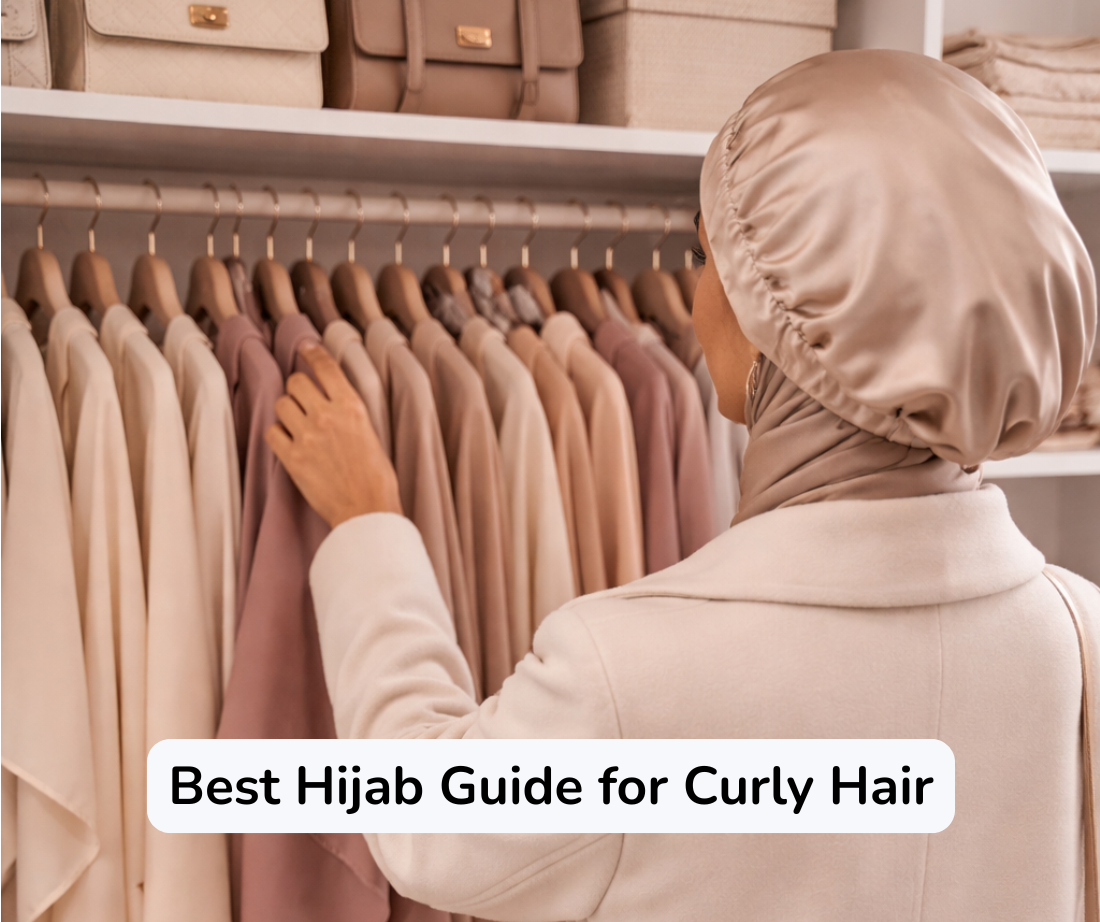
Try a silk or satin undercap. This layer between your hair and the hijab reduces friction and helps hair retain its natural moisture.
Washing And Shampooing: How Often And How Right?
Many hijab-wearing women wonder: How often should I wash my hair? There’s no single answer, but you should balance keeping your scalp clean with not over-washing, which can strip away natural oils.
How Often To Wash
- Oily scalp: 2-3 times a week
- Normal scalp: 1-2 times a week
- Dry scalp: Once a week or every 10 days
If you exercise or sweat heavily, you may need to wash more often. Always adjust based on how your scalp feels, not just a set schedule.
Shampoo Tips
- Choose sulfate-free: Sulfates can dry out the scalp and make hair more brittle.
- Focus on the scalp: Apply shampoo to the scalp and roots, not the ends.
- Rinse thoroughly: Leftover shampoo can cause itchiness and build-up.
Conditioner Matters
Apply conditioner mainly to the lengths and ends of your hair, not the scalp. This keeps hair soft without making the scalp greasy.
Scalp Scrubs And Clarifying
Once or twice a month, use a gentle scalp scrub or a clarifying shampoo to remove build-up from products, sweat, and oil. This helps keep hair follicles clear and healthy.
Drying And Styling: Protecting Hair From Damage
Wet hair is weaker and more likely to break. For hijab-wearing women, it’s important to dry hair completely before covering.
Drying Tips
- Air dry when possible: Let your hair dry naturally after washing.
- Microfiber towels: Use a microfiber towel or a soft t-shirt to gently squeeze out water. Regular towels can create friction and frizz.
- Avoid heat: Limit hairdryer use. If needed, use the cool setting.
Styling For Under The Hijab
- Loose braids: Keep hair in a loose braid or ponytail to prevent tangling and breakage.
- Low buns: A low, loose bun at the nape of the neck is comfortable and prevents hair from pulling tightly.
- Avoid tight styles: Tight ponytails or buns can cause traction alopecia—hair loss from constant tension.
Non-obvious Insight
Switch your parting from time to time. Always having your hair parted the same way under your hijab can lead to thinning in that area. Changing it occasionally spreads the pressure more evenly.
Dealing With Sweat And Humidity
Sweat is a normal part of life, but it can be more noticeable under a hijab, especially in warm weather or after physical activity.
How To Keep Scalp Fresh
- Wear breathable materials: Cotton and bamboo hijabs help wick away sweat.
- Use sweat-wicking undercaps: Some undercaps are designed to absorb sweat and keep your scalp dry.
- Carry a spare scarf: If you sweat a lot during the day, change into a fresh hijab when possible.
Quick Refresh Methods
- Dry shampoo: Use a light spray or powder to absorb oil and sweat between washes.
- Witch hazel spray: A few spritzes on your scalp can refresh and calm irritation.
Dealing With Odor
If your hijab or undercap starts to smell, wash them frequently and let them dry fully before wearing again. Avoid using strong perfumes directly on the scalp, as they can cause irritation.
Credit: voilechic.com
Preventing And Managing Common Scalp Issues
Many women who wear hijab struggle with scalp problems. Understanding the cause and how to treat them is key to long-term hair health.
Dandruff
Dandruff is caused by dry skin or sometimes by a yeast called Malassezia. Under a hijab, sweat and humidity can make dandruff worse.
- Use anti-dandruff shampoo once a week.
- Tea tree oil has natural anti-fungal properties. Add a drop to your shampoo for extra help.
- Avoid scratching—it can make irritation worse.
Itchy Scalp
Itching may be due to dryness, build-up, or sensitivity to scarf materials.
- Switch to gentler fabrics if your scalp feels irritated.
- Massage with coconut oil before washing. This soothes and moisturizes the scalp.
Oily Scalp
Sweat and trapped heat can make your scalp oily.
- Wash more often if needed, but use a mild shampoo.
- Avoid heavy oils or creams on the scalp.
Hair Breakage And Split Ends
Friction and tension under the hijab can break hair.
- Trim regularly: Cut split ends every 2-3 months.
- Silk or satin undercaps: These reduce breakage from friction.
Hair Loss
Some hair fall is normal, but if you notice more than usual, check your care habits.
- Change hairstyles often.
- Avoid tight styles and heavy pins.
- Eat a balanced diet with enough protein, iron, and vitamins.
Nutrition And Hydration: Fuel For Healthy Hair
What you eat and drink affects your hair more than you might think. A poor diet can lead to weak, thinning hair, even if your external care routine is perfect.
Key Nutrients For Hair Health
- Protein: Hair is made of keratin, a type of protein. Include eggs, beans, fish, or chicken in your meals.
- Iron: Low iron can cause hair thinning. Eat spinach, lentils, and lean meat.
- Vitamins A, C, and E: These support scalp health and hair growth. Find them in fruits and leafy greens.
- Omega-3 fatty acids: Found in nuts, seeds, and fish, they keep hair shiny and strong.
- Biotin and zinc: Support healthy hair growth. Eggs, nuts, and whole grains are good sources.
Hydration
Drink enough water each day. Dehydration can make both your scalp and hair dry. Aim for at least 1. 5 to 2 liters of water daily, or more if you live in a hot climate.
Non-obvious Insight
If you notice sudden hair loss, ask your doctor to check your vitamin D and iron levels. Hijab-wearing women may get less sun, leading to lower vitamin D, which can affect hair growth.
Protective Styles And Accessories
How you style your hair and which accessories you use can make a big difference in scalp health and hair protection.
Protective Hairstyles
- Loose braids: Keeps hair tidy and protected.
- Low ponytails: Avoids pulling on the scalp.
- Twists: Gentle on the hair and easy to manage.
Best Accessories
- Soft hair ties: Avoid rubber bands that can pull and break hair. Use fabric-covered or spiral hair ties.
- Snap-free pins: Regular pins can snag and break hair. Snap-free or coated pins are gentler.
- Wide headbands: Can help hold hair back without tightness.
Avoid
- Metal clips: They can snag and break hair.
- Tight elastic bands: Cause tension and breakage.
- Heavy scarves: Put extra weight on hair and scalp.
Seasonal Scalp And Hair Care Adjustments
Your hair and scalp need different care in different seasons. Weather, humidity, and indoor heating or cooling all affect scalp health.
Summer Tips
- Choose lighter, breathable fabrics to prevent overheating.
- Wash more often if you sweat a lot.
- Protect from sun: Even though your hair is covered, your scalp can still overheat. Take breaks in the shade.
Winter Tips
- Moisturize more: Cold weather and indoor heating dry out hair and scalp. Use a leave-in conditioner or oil.
- Avoid very hot water: It can strip natural oils.
- Switch to thicker fabrics if needed, but keep an undercap to reduce friction.
Transition Seasons (spring/autumn)
- Watch for allergies: Pollen or dust can irritate the scalp.
- Adjust washing frequency: Your scalp may produce more or less oil.
Myths About Hijab Hair Care
A lot of advice about hijab hair care is based on myths or misunderstanding. Let’s break down some common myths and the real facts.
| Myth | Reality |
|---|---|
| Hair needs to be uncovered to stay healthy. | With proper care, covered hair can be just as healthy as uncovered hair. |
| Washing hair daily is necessary under hijab. | Over-washing can strip oils; find a washing routine that suits your scalp. |
| All hair loss is caused by wearing hijab. | Most hair loss is from genetics, hormones, or poor care—not the hijab itself. |
| Oiling the scalp overnight is always good. | For oily or acne-prone scalps, too much oil can cause problems. |
| Only expensive products work. | Simple, natural routines and affordable products can be very effective. |
Building A Personalized Hijab Hair Care Plan
Everyone’s hair and scalp are different. The best routine is the one that matches your unique needs, lifestyle, and preferences.
Steps To Create Your Own Plan
- Identify your scalp type: Is it oily, dry, normal, or sensitive?
- Choose the right products: Look for gentle, sulfate-free shampoos, and lightweight conditioners.
- Pick suitable hijab materials: Breathable fabrics are best for daily wear.
- Set your washing schedule: Adapt based on sweat, oil, and weather.
- Try protective styles: Experiment with braids, buns, and twists.
- Listen to your hair: If you notice breakage or itchiness, adjust your routine.
- Eat well and hydrate: Good nutrition supports healthy hair.
- See a professional: If problems persist, consult a dermatologist or trichologist.
Example Routine For A Busy Student
- Wash hair twice a week with a mild shampoo.
- Use a silk undercap and cotton hijabs for classes.
- Wear hair in a loose braid under the hijab.
- Massage scalp with coconut oil once a week.
- Drink at least 2 liters of water daily.
- Eat eggs, lentils, and leafy greens for iron and protein.

Credit: www.amazon.com
When To Seek Professional Help
Most scalp and hair issues can be managed at home, but sometimes it’s best to get expert advice.
Signs You Should See A Doctor
- Severe hair loss: Losing clumps or seeing bald patches.
- Red, painful scalp: Persistent itching, burning, or sores.
- Unusual dandruff: Thick, yellow, or scaly patches.
- No improvement: If your routine doesn’t help after a few months.
A dermatologist can check for underlying causes, such as hormonal imbalance, scalp infections, or nutritional deficiencies.
Practical Tips For Busy Lifestyles
Many women feel they don’t have time for long hair routines. Here are some ways to fit hair care into a busy schedule:
- Multi-task: Massage scalp while watching TV or studying.
- Night routines: Apply oil or serum before bed, then wash in the morning.
- Prep in advance: Keep a small kit (brush, dry shampoo, spare scarf) in your bag.
- Set reminders: Use your phone to remind you of wash days or treatments.
Even small, consistent steps make a big difference over time.
Real-life Experiences: Stories And Lessons
Every hijab-wearing woman has her own story. Some struggle with itchy scalp, others with hair thinning, and some find solutions that work wonders.
Sara’s Story: Beating Oily Scalp
Sara, a university student, always felt her scalp was greasy and itchy. She realized she was using heavy oils and washing her hair every day. After switching to a sulfate-free shampoo, washing just twice a week, and using a cotton hijab, her scalp felt less oily and healthier.
Farah’s Lesson: The Power Of Diet
Farah noticed hair thinning after moving to a new city. She learned that her iron levels were low due to a busy lifestyle and poor diet. By adding more leafy greens and taking a multivitamin, her hair started growing back.
Lina’s Secret: The Silk Undercap
Lina struggled with breakage and split ends for years. She tried a silk undercap under her jersey hijab. In a few months, her hair felt smoother and looked shinier, with fewer split ends.
These real stories show that small changes can lead to big improvements in hair and scalp health.
Frequently Asked Questions
What Is The Best Hijab Material For Scalp Health?
Cotton is the best for most women because it is breathable and absorbs sweat. If you want to reduce friction, a silk or satin undercap is helpful. Avoid heavy synthetic fabrics if you have a sensitive scalp.
How Can I Prevent Hair Loss While Wearing A Hijab?
Avoid tight hairstyles, heavy pins, and always let your hair dry fully before covering. Change your hairstyle often and use soft hair ties. A balanced diet and enough water also play a big role.
Can I Use Oils On My Scalp If I Wear A Hijab Daily?
Yes, but use them wisely. If you have a dry scalp, light oils like argan or coconut are helpful. For oily scalps, avoid applying too much oil or leaving it on for too long.
Is Dandruff More Common For Hijab-wearing Women?
It can be, due to trapped sweat and heat. Using anti-dandruff shampoo once a week and keeping your scalp clean can help. Let your hair breathe at home when possible.
Are There Any Medical Issues Linked To Covering Hair For Long Periods?
Wearing a hijab does not directly cause medical problems if you care for your scalp and hair. However, ignoring scalp health can lead to issues like fungal infections or traction alopecia. If you notice pain, sores, or severe hair loss, see a doctor.
For more information about scalp and hair health, you can visit the American Academy of Dermatology.
—
Caring for your hair and scalp under a hijab takes some extra thought, but it is not hard with the right habits. Choosing breathable fabrics, washing with care, gentle styling, and eating well all add up to healthy, beautiful hair—whether covered or not.
Remember, every woman’s hair is unique, so experiment to find what works best for you. With patience and attention, you can enjoy both your hijab and vibrant, strong hair underneath.

Credit: anaaka.com