

Zinc Deficiency Signs in Hair And Skin: Dosage And Food Sources
Zinc is a small mineral with a big impact on your health. Many people do not realize how important it is for their hair, skin, and overall well-being. When your body does not get enough zinc, you may notice changes in how your skin looks and feels, and your hair might not be as healthy as before. These signs can be confusing because they often look like other health problems. Understanding the signs of zinc deficiency, how much you need, and where to find zinc in food can help you protect your health and appearance.
In this article, you will learn how zinc deficiency can show up in your hair and skin. You will also find out how much zinc your body needs, which foods are rich in zinc, and how to avoid common mistakes.
By the end, you will have practical tips and a clear plan to support your body with the zinc it needs.
Why Zinc Is Important For Hair And Skin
Zinc is involved in many body processes. It helps build new cells, supports your immune system, and plays a key role in wound healing. For your hair and skin, zinc is especially important because:
- It helps the skin stay strong and repair itself.
- It supports hair growth and keeps the scalp healthy.
- It controls oil production in the skin, which can help prevent acne.
- It acts as an antioxidant, protecting skin cells from damage.
If you do not get enough zinc, your hair and skin may be the first places where you notice problems.
How Zinc Deficiency Affects Hair
1. Increased Hair Loss
One of the most common signs of zinc deficiency is hair loss. This can look like more hair in your brush, on your pillow, or in the shower drain. Some people may notice their hair getting thinner, especially on the top of the head. Zinc is needed for new hair cells to grow. Without enough zinc, the hair growth cycle is disrupted, leading to hair shedding and slow regrowth.
2. Slower Hair Growth
If your hair is growing more slowly than usual, zinc deficiency could be a cause. Zinc helps with DNA and protein synthesis, which are necessary for hair to grow. Without enough zinc, your body cannot make new hair cells as quickly, and hair might stay short or break easily.
3. Weak Or Brittle Hair
Hair that breaks easily, feels dry, or looks dull can also be a sign of low zinc levels. Healthy hair needs strong roots and a healthy scalp, both of which depend on zinc. When zinc is missing, hair strands become weak, brittle, and more likely to split or snap.
4. Premature Graying
Some studies suggest that low zinc might play a role in premature graying of hair. While genetics are the main cause, not getting enough zinc can increase oxidative stress in hair follicles, which may speed up the graying process.
5. Scalp Problems
A dry, flaky scalp or dandruff can also be linked to zinc deficiency. Zinc helps control oil production and fights inflammation. When there is not enough zinc, the scalp can become irritated, leading to itching, flaking, and discomfort.
Non-obvious Insight: Patchy Hair Loss
Many people think hair loss from zinc deficiency is always general thinning. But sometimes, it appears as patchy bald spots (called alopecia areata). This is because zinc affects immune function, and low zinc can trigger the immune system to attack hair follicles.
How Zinc Deficiency Affects Skin
1. Acne And Breakouts
Zinc is well known for its role in controlling acne. When you do not get enough zinc, your skin may produce more oil, leading to clogged pores and breakouts. Zinc also fights bacteria and reduces inflammation, so a lack of zinc can make acne worse and harder to heal.
2. Delayed Wound Healing
If your cuts, scrapes, or sores take a long time to heal, low zinc could be the reason. Zinc helps your body create new skin cells and repair tissue. People with zinc deficiency may notice that even small injuries stay red, swollen, or infected for longer than usual.
3. Dry, Rough, Or Scaly Skin
Zinc helps keep the outer layer of your skin healthy. Without enough zinc, you may develop dry, rough, or scaly patches, especially on the elbows, knees, or face. Sometimes, this can look like eczema or other skin conditions.
4. Skin Rashes
A lack of zinc can cause rashes, especially around the mouth, nose, and eyes. The skin may look red, cracked, or peeling. In severe cases, the rash can be painful or itchy. Babies and children are especially at risk for this type of rash if they do not get enough zinc.
5. Increased Sensitivity To Sun
Zinc acts as a natural sun protector in the skin. When zinc levels are low, your skin may burn more easily in the sun and take longer to recover from sun damage.
6. White Spots On Nails
While not skin directly, the appearance of white spots or lines on fingernails can be an early warning sign of zinc deficiency. These changes often happen at the same time as skin problems.
Non-obvious Insight: Seborrheic Dermatitis
People with low zinc sometimes develop seborrheic dermatitis—a flaky, red rash that often appears on the scalp, eyebrows, or around the nose. This condition is often confused with simple dandruff but may be a clue your skin needs more zinc.
Who Is Most At Risk For Zinc Deficiency?
Not everyone has the same risk of zinc deficiency. Some groups are more likely to develop low zinc levels, including:
- Vegetarians and vegans: Zinc from plants is harder for the body to absorb.
- Pregnant and breastfeeding women: They need more zinc for their babies.
- Children and teens: They grow quickly and need extra zinc.
- Elderly people: Absorption of zinc decreases with age.
- People with digestive diseases: Conditions like Crohn’s, ulcerative colitis, or celiac disease can reduce zinc absorption.
- People taking certain medications: Drugs like diuretics or some antibiotics can lower zinc levels.
If you fall into one of these groups, pay extra attention to your zinc intake and watch for early signs of deficiency.
Credit: medicareplusinc.com
How Much Zinc Do You Need? (dosage Guidelines)
Getting the right amount of zinc is important. Too little can cause health problems, but too much can also be harmful. The recommended daily intake (RDI) of zinc depends on your age, sex, and life stage.
Here’s a simple overview of recommended amounts per day:
| Age Group | Recommended Zinc (mg/day) |
|---|---|
| Infants (0-6 months) | 2 |
| Infants (7-12 months) | 3 |
| Children (1-3 years) | 3 |
| Children (4-8 years) | 5 |
| Children (9-13 years) | 8 |
| Teens (Boys 14-18) | 11 |
| Teens (Girls 14-18) | 9 |
| Adults (Men 19+) | 11 |
| Adults (Women 19+) | 8 |
| Pregnant Women | 11 |
| Breastfeeding Women | 12 |
Can You Take Too Much Zinc?
Yes. Taking too much zinc can lead to nausea, vomiting, diarrhea, and can lower your immune function. The tolerable upper intake level (the most you should take per day) for adults is 40 mg. For children, it is much lower. Too much zinc over time can also cause copper deficiency, which leads to other health problems.
Zinc Dosage Tips
- Try to get your zinc from food first.
- If you take a supplement, do not exceed the upper limit unless a doctor tells you to.
- Zinc supplements can cause stomach upset—take them with food if this happens.
- Long-term, high-dose zinc can lower “good” cholesterol (HDL).
Best Food Sources Of Zinc
Zinc is found in many foods, but some have much more than others. Animal-based foods usually provide zinc that is easier for your body to use. Plant-based foods also contain zinc, but sometimes in a form that is harder to absorb.
Here are some of the best food sources of zinc:
1. Oysters
Oysters have more zinc per serving than any other food. A small serving (about 6 oysters) can give you over 300% of your daily zinc need. This makes them the top zinc-rich food.
2. Beef
Beef, especially from lean cuts, is a great source of zinc. A 3-ounce (85 g) serving of cooked beef can provide about 40-50% of your daily zinc needs.
3. Crab And Lobster
These shellfish are also high in zinc. A 3-ounce serving of crab has about 6. 5 mg of zinc, while lobster has about 3. 4 mg.
4. Pork
Pork, especially lean pork chops or loin, offers a good amount of zinc. One cooked pork chop can provide around 2 mg.
5. Chicken (dark Meat)
Chicken thighs and legs have more zinc than the breast. A 3-ounce serving of dark meat gives about 2. 4 mg of zinc.
6. Legumes (beans, Lentils, Chickpeas)
These are important for vegetarians and vegans. One cup of cooked lentils has about 2. 5 mg of zinc. However, the zinc in legumes is harder for your body to absorb due to natural compounds called phytates.
7. Seeds (pumpkin, Sesame, Hemp)
Seeds are a plant-based zinc powerhouse. One ounce (28 grams) of pumpkin seeds has about 2. 2 mg of zinc. Sesame and hemp seeds are also good options.
8. Nuts (cashews, Almonds, Peanuts)
Cashews are one of the best nut sources, with about 1. 6 mg of zinc per ounce. Other nuts have smaller amounts but can add up if eaten regularly.
9. Dairy Products (milk, Cheese, Yogurt)
Dairy foods like cheese and milk provide zinc in a form that is easy to absorb. A cup of milk or a slice of cheese gives you around 1 mg of zinc.
10. Eggs
One large egg contains about 0. 6 mg of zinc. Eggs are a good source for people who eat animal products but not meat.
11. Whole Grains
Whole grains like oats, quinoa, and brown rice contain zinc, but like legumes, they have phytates that reduce zinc absorption.
12. Fortified Foods
Some breakfast cereals and snack bars are fortified with zinc. Always check the nutrition label.
Comparing Top Zinc Food Sources
To help you see which foods are the best sources of zinc, here’s a comparison:
| Food | Serving Size | Zinc (mg) | % Daily Value (Adult) |
|---|---|---|---|
| Oysters | 6 medium | 32 | 290% |
| Beef (cooked) | 3 oz | 5.3 | 48% |
| Crab | 3 oz | 6.5 | 59% |
| Pumpkin Seeds | 1 oz | 2.2 | 20% |
| Chickpeas (cooked) | 1 cup | 2.5 | 23% |
| Milk | 1 cup | 1 | 9% |
| Cashews | 1 oz | 1.6 | 15% |
Zinc Content: Animal Vs. Plant Foods
Animal foods (like beef, seafood, dairy) contain zinc that is easier for your body to use. Plant foods have zinc, but your body absorbs less of it. This is because plants contain phytates, which bind to zinc and make it harder to absorb.
Some practical tips to improve zinc absorption from plant foods:
- Soak or sprout beans, grains, and seeds before cooking.
- Eat fermented foods like tempeh or sourdough bread.
- Combine plant foods with animal proteins (like beans with a little cheese or egg) to help your body use the zinc better.
Practical Ways To Improve Zinc Status
If you want to keep your skin and hair healthy, here are some steps you can take:
- Eat a balanced diet: Include both animal and plant sources of zinc.
- Pay attention to symptoms: If you notice hair loss, skin rashes, or slow healing, consider your zinc intake.
- Try food first: Supplements are helpful for some, but food is the best and safest way to get zinc.
- Talk to a doctor: If you think you have a deficiency, a blood test can check your zinc levels.
- Do not overdo supplements: More is not always better. Too much zinc can cause new problems.
Non-obvious Mistake: Ignoring Minor Symptoms
Many people ignore small signs like a few white spots on the nails or mild scalp flaking. These can be early warnings. Addressing them early with dietary changes is much easier than fixing severe deficiency later.
Zinc And Other Nutrients
Zinc works together with other nutrients for skin and hair health. For example, vitamin A, vitamin C, and biotin all support skin repair and hair growth. Sometimes, a deficiency in one can affect how your body uses the others. Make sure your diet includes a variety of vitamins and minerals.
Zinc Deficiency: Other Signs Beyond Hair And Skin
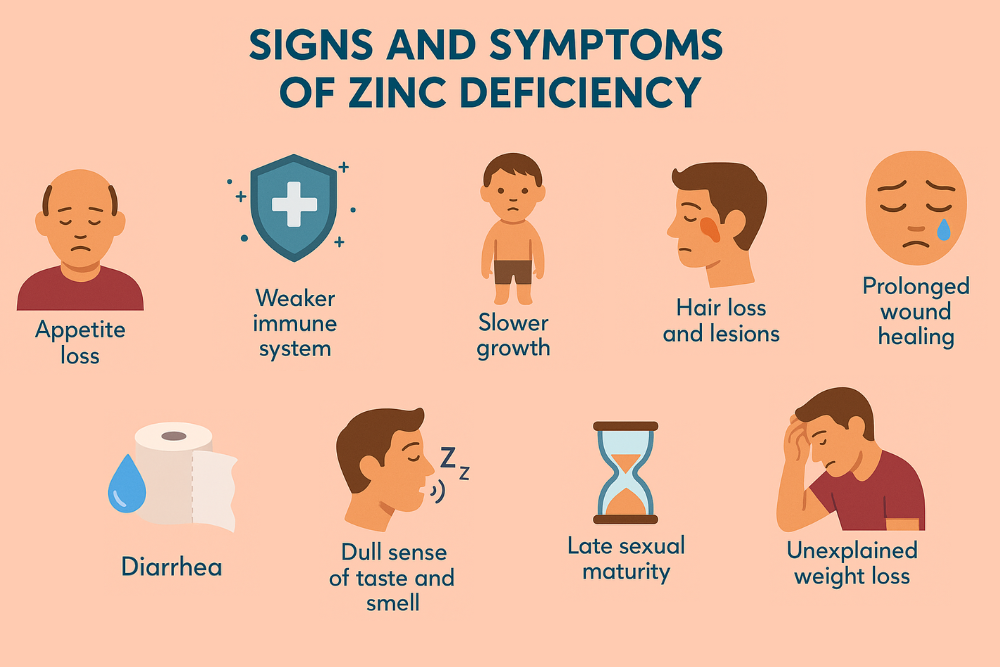
While this article focuses on hair and skin, it is important to know that zinc deficiency can affect many other parts of your body. Other signs can include:
- Frequent colds or infections
- Loss of appetite
- Diarrhea
- Poor sense of taste or smell
- Mood changes
If you have several of these symptoms along with hair and skin changes, it is especially important to check your zinc status.

Credit: www.youtube.com
Zinc Supplements: When And How To Use
Sometimes, getting enough zinc from food is difficult—especially for people with special diets or health issues. In these cases, supplements can help. Zinc supplements come in several forms, such as zinc gluconate, zinc sulfate, and zinc acetate.
Which Supplement Form Is Best?
- Zinc picolinate and zinc citrate are often better absorbed than zinc oxide.
- Liquid or chewable forms can be useful for children or people with trouble swallowing pills.
How To Take Zinc Supplements
- Take zinc with food to avoid stomach upset.
- Do not take zinc at the same time as iron or calcium supplements, as they can compete for absorption.
- If you need high doses, split them into two smaller doses during the day.
- Always follow the instructions on the label or advice from your doctor.
Caution: Interactions And Side Effects
- High doses can cause nausea, diarrhea, or headaches.
- Long-term high-dose zinc can lower copper levels.
- Zinc can reduce the effectiveness of some antibiotics.
If you are taking other medicines or have health problems, talk to your doctor before starting a zinc supplement.
Zinc And Hair/skin Products
Some skin creams and shampoos contain zinc. For example, zinc pyrithione is used in many dandruff shampoos. Zinc oxide is found in some sunscreens and diaper rash creams. These products can help with local problems, but they do not fix a zinc deficiency inside your body. For best results, combine topical products with good nutrition.
Data: Zinc Deficiency Around The World
Zinc deficiency is common worldwide, affecting about 17% of people globally. In some countries, especially where diets are low in animal foods, the number is much higher. According to the World Health Organization, zinc deficiency is a leading cause of poor growth, weak immunity, and skin problems in children.
Here is a regional breakdown of estimated zinc deficiency rates:
| Region | Estimated Deficiency Rate |
|---|---|
| South Asia | 30-50% |
| Sub-Saharan Africa | 25-45% |
| Latin America | 10-25% |
| North America | 5-10% |
| Europe | 5-15% |
These numbers show that zinc deficiency is not just a problem for developing countries. Even in wealthy areas, certain groups are at risk.
Preventing Zinc Deficiency: Steps For Different Lifestyles
For Vegetarians And Vegans
- Eat more beans, lentils, chickpeas, seeds, and nuts.
- Soak and sprout beans and grains to improve zinc absorption.
- Use fermented foods, like miso or tempeh.
- Consider a low-dose supplement if you have symptoms.
For Pregnant And Breastfeeding Women
- Include a variety of zinc-rich foods at each meal.
- Check with your doctor before starting a supplement, as needs are higher during pregnancy and breastfeeding.
For Children And Teens
- Offer zinc-rich snacks like cheese, yogurt, or nuts.
- Children with poor appetites or picky eating habits may need a supplement.
For Elderly People
- Choose easy-to-eat sources like eggs, dairy, and soft meats.
- Watch for signs like poor wound healing or loss of taste.
For People With Digestive Disorders
- Ask your doctor if you need regular zinc testing.
- Supplements may be needed, as absorption is often reduced.
Common Myths About Zinc And Hair/skin
Myth 1: You Can Get All The Zinc You Need From Plants
While it is possible, plant-based zinc is harder to absorb. If you eat mostly plants, you must pay extra attention to your diet and preparation methods.
Myth 2: Zinc Supplements Will Instantly Fix Hair Loss
Zinc helps with hair growth, but results take time. It can take months to notice improvement. Also, not all hair loss is caused by zinc deficiency.
Myth 3: More Zinc Is Always Better
Taking too much zinc can harm your health. More is not always better. Always aim for the recommended amount.
Myth 4: Zinc Creams Can Replace Dietary Zinc
Topical zinc helps with some skin problems, but does not fix a zinc deficiency inside your body.
Zinc Deficiency In Special Situations
After Illness Or Surgery
Your body uses more zinc during healing. If you have had a major illness or surgery, your needs may be higher. Eat more zinc-rich foods or talk to your doctor.
During Growth Spurts
Children and teens who are growing quickly may need extra zinc. This is important for both hair growth and clear skin.
During Stress
Chronic stress can lower your zinc levels. If you are under a lot of stress and notice skin or hair changes, check your zinc intake.
Signs You Need To See A Doctor
While mild symptoms can be managed with diet, you should see a doctor if:
- You have severe or sudden hair loss.
- Skin rashes are spreading or very painful.
- Wounds do not heal after several weeks.
- You have other symptoms like diarrhea, weight loss, or frequent infections.
A doctor can order a blood test to check your zinc and may suggest a supplement or other treatment.
The Bottom Line
Zinc is a key mineral for healthy hair and skin. Deficiency can cause a range of problems, from hair loss and scalp issues to acne and slow healing. The best way to get enough zinc is through a balanced diet with both animal and plant foods.
If you are in a high-risk group or notice warning signs, take action early. A few simple changes can make a big difference in how you look and feel.
If you want to learn more about zinc’s role in health, the National Institutes of Health offers reliable information.

Credit: www.dytseydaertas.com
Frequently Asked Questions
What Are The First Signs Of Zinc Deficiency In Hair And Skin?
The first signs can include increased hair shedding, dry or flaky scalp, slow-healing wounds, and small rashes around the mouth or nose. Some people notice white spots on their nails or mild acne as early symptoms.
Can Zinc Supplements Help With Hair Regrowth?
Zinc supplements can help if your hair loss is caused by a zinc deficiency. However, if hair loss is due to other reasons (like hormones or stress), zinc may not make a big difference. Always talk to a doctor before starting supplements.
What Is The Best Form Of Zinc Supplement For Absorption?
Zinc picolinate, zinc citrate, and zinc gluconate are well absorbed forms. Zinc oxide is less well absorbed. Choose a form that suits your needs, and take it with food to avoid stomach upset.
Are There Any Risks To Taking Too Much Zinc?
Yes. Too much zinc can cause nausea, vomiting, and lower your immune system. Long-term high doses can lead to copper deficiency and other health problems. Never take more than the recommended dose unless directed by a doctor.
How Can Vegetarians Get Enough Zinc?
Vegetarians should eat more beans, lentils, seeds, nuts, and whole grains. Soaking, sprouting, and fermenting plant foods can help your body absorb more zinc. If you still have symptoms, consider a low-dose supplement after talking to a healthcare provider.