

Many people dream of glowing skin and healthy hair, but not everyone knows how to reach these goals without spending too much. Whether you love buying beauty products or just want a simple routine, money often becomes a challenge. A smart hair and skin care budget can help you look your best without stress.
This guide shows you how to create a plan that fits your life, avoids waste, and brings real results.
In today’s world, marketing is everywhere. Social media and ads make us believe we need the newest serum, mask, or treatment. This can be overwhelming and expensive. But the truth is, you do not need to buy everything to care for your hair and skin.
By learning what works for you and planning your spending, you can get great results without breaking the bank.
Let’s explore the steps to build a hair and skin care budget that supports your health, confidence, and wallet.
Why A Hair And Skin Care Budget Matters
Caring for your hair and skin is more than just looking good. It is about feeling confident and staying healthy. If you do not control your spending, you might waste money on products you do not need or use. Over time, these costs add up.
For example, the average American woman spends around $313 per month on beauty products and services. That is almost $3,756 a year. Many men spend nearly as much, especially on grooming and skin care. But research also shows that only about 20% of these products are used regularly.
Here are some reasons why a budget is helpful:
- You avoid buying products you never use.
- You can focus on quality, not just quantity.
- You reduce stress about money.
- You create a routine that fits your schedule and lifestyle.
- You can save for special treatments or experiences, like spa days.
Having a plan means your hair and skin care becomes enjoyable, not a source of worry.
Understand Your Current Spending
Before you can make a good budget, you need to know what you spend now. Many people do not realize how much money goes towards beauty products each month.
Start by gathering your receipts, bank statements, or online orders from the past 3-6 months. Write down every item related to hair and skin care, including:
- Shampoos and conditioners
- Hair styling products
- Skin cleansers, toners, and moisturizers
- Serums, masks, and treatments
- Makeup removers
- Sunscreen
- Haircuts, coloring, or salon visits
- Beauty tools (brushes, razors, hairdryers, etc.)
Add up the total spent in each category. You might be surprised by the number. Some people find they spend more on tools and devices than actual products.
Example Spending Breakdown
Here’s an example of how your spending might look:
| Category | Monthly Average |
|---|---|
| Hair Products | $40 |
| Skin Care Products | $60 |
| Salon Visits | $50 |
| Beauty Tools | $20 |
| Other (e.g., supplements) | $15 |
If your total is more than you expected, do not worry. This step is about understanding your habits, not judging yourself.
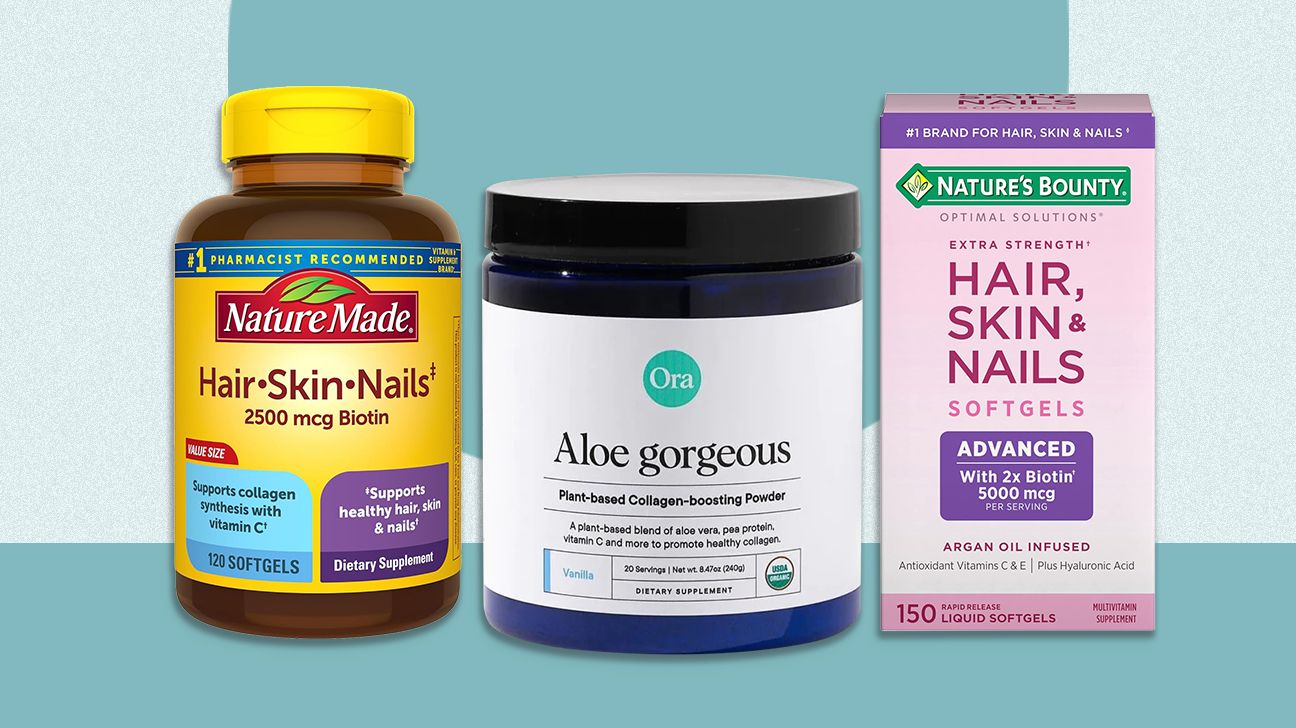
Credit: www.healthline.com
Set Realistic Goals
Now that you know your spending, think about your goals. Good goals help you focus and make better choices.
Ask yourself:
- Do I want to save money each month?
- Do I want to invest in one high-quality product instead of many cheap ones?
- Is my goal to solve a skin or hair problem (like acne or frizz)?
- Am I preparing for a special event?
- Do I want a simple routine or enjoy trying new things?
Your answers guide your budget. For example, if you want to solve a specific problem, you might spend more on a dermatologist visit and less on random products.
Remember, your goals should be personal. Do not copy someone else’s routine just because it looks good online.
Analyze Your Needs And Wants
Sometimes, it is hard to tell what you really need versus what you want. Marketing can make every product seem important, but often, less is more.
Needs
- Basic cleanser: For removing dirt and oil
- Moisturizer: To keep skin hydrated
- Sunscreen: To protect from sun damage
- Shampoo and conditioner: For clean, manageable hair
Wants
- Serums and masks
- Specialty hair treatments
- Salon services
- Beauty devices (like face rollers)
- Luxury products
Try to focus your budget on needs first. If you have extra money, you can add some “wants. ” Many people find that a simple routine works best for their skin and hair.
Choose Your Budgeting Method
Not everyone manages money in the same way. Some people like detailed tracking, while others prefer a simple approach. Here are some methods to consider:
1. Monthly Maximum
Set a fixed amount you will not go over each month. For example, “I will spend no more than $80 per month on all hair and skin care. ”
2. Category Limits
Give each category a limit. For example:
- Hair care: $30/month
- Skin care: $40/month
- Salon: $20/month
3. Envelope System
Put cash for each category in an envelope. When the cash is gone, you wait until next month.
4. Annual Budget
Plan for the year. Maybe you want to buy a high-end tool or have a big salon treatment. Spread your spending over 12 months.
Pick the method that feels easiest for you to follow.
Prioritize Spending: Where To Save, Where To Splurge
Not all products give the same results. Some are worth a little extra, while others do not need to be expensive.
Where To Spend More
- Sunscreen: Protection is key. Choose a formula you like, even if it costs more.
- Moisturizer: If you have special skin needs, find one that really works for you.
- Haircut: A good cut lasts longer and makes styling easier.
Where To Save
- Cleansers: Many affordable cleansers work well.
- Shampoo and conditioner: Drugstore brands often work as well as salon brands.
- Trendy products: Wait before buying. Many trends fade quickly.
Example: Splurge Vs. Save
| Product | Splurge | Save |
|---|---|---|
| Sunscreen | $25+ | $10 |
| Cleansers | $30 | $7 |
| Hair Treatment | $40 | $12 |
Many dermatologists say that simple, effective products are often the best choice.
Build Your Core Routine
A budget-friendly routine should cover the basics but still feel good. You do not need 10 steps. Most experts agree you only need a few essentials:
- Cleanser: Use morning and night.
- Moisturizer: Apply after cleansing.
- Sunscreen: Use every morning, even on cloudy days.
- Shampoo and Conditioner: Wash hair as needed, not daily unless required for your hair type.
- Styling Products (optional): Only if you need them for your hairstyle.
If you want to add a serum or mask, do so only if it helps with a real need, such as acne or dryness.
Example Core Routine
Morning:
- Cleanser
- Moisturizer
- Sunscreen
Evening:
- Cleanser
- Moisturizer
Hair (2-3 times per week):
- Shampoo
- Conditioner
This simple routine saves time and money.
Track Your Product Use
Many people buy new products before finishing what they have. This leads to waste and clutter. To stick to your budget, track what you use and finish products before buying more.
Tips:
- Write the date you open a product on the bottle.
- List your products and check them monthly.
- Only buy new items when you have less than two weeks left of the current one.
You might discover that some items last longer than you thought.
Plan For Salon Visits
Salon services can be a big part of your budget. Haircuts, coloring, facials, and waxing add up quickly.
Here’s how to manage these costs:
- Space out visits: If possible, go every 8-12 weeks instead of every month.
- Ask about package deals: Some salons offer discounts for buying multiple services at once.
- Try home care: Learn to do simple treatments at home, like masks or trims.
- Look for student salons: Beauty schools often offer services at lower prices.
Remember, a great home routine can help your salon results last longer.
Shop Smart And Avoid Hype
Marketing can make it hard to know what you really need. Here’s how to avoid buying just because of hype:
- Wait 48 hours before buying a new product. Most “must haves” are not urgent.
- Read real reviews, not just ads or influencer posts.
- Compare ingredients. Expensive does not always mean better.
- Try sample sizes first.
Also, check for sales, rewards programs, and coupons. Many stores offer discounts if you sign up for emails.
:max_bytes(150000):strip_icc()/hlt-necessaire-the-body-wash-multi-oil-niusha-ocean-14-12fbd0f96d4643ff8587c2a35be3daa4.jpeg)
Credit: www.health.com
Make Room For Special Treats
A budget does not mean you cannot enjoy something special now and then. Set aside a little money for treats:
- A new mask or serum
- A professional facial or massage
- A fun beauty tool
If you plan for these, you will not feel guilty or stressed when you want to try something new.
Watch For Common Budget Mistakes
Even careful people make mistakes. Here are some to avoid:
- Buying too many products at once: You cannot use them all.
- Chasing every trend: Stick to what works for you.
- Not checking expiration dates: Old products can harm your skin or hair.
- Ignoring hidden costs: Tools, shipping, and taxes add up.
- Skipping basics: Sunscreen, cleanser, and moisturizer matter most.
By watching for these mistakes, you keep your routine effective and your budget healthy.
Review And Adjust Regularly
Life changes, and so will your routine. Every few months, look at your spending and routine:
- Are you using everything you buy?
- Are you happy with your results?
- Did you spend more or less than planned?
- Is your skin or hair healthier?
Adjust your budget if needed. If you have extra money, save it for a future treat or try a new product. If you spent too much, look for areas to cut back.
Learn From Others’ Experience
Sometimes the best lessons come from people who have already made mistakes. Here are two real-life examples:
Maya, 29
Maya loved buying new skin care products. She found she was spending over $200 a month, but her skin did not improve. After tracking her spending, she cut her routine to five products and saved $120 a month. Her skin became less irritated, and she felt more confident.
Alex, 35
Alex always went to the salon for haircuts and color. When his budget got tight, he learned to trim his own hair and used at-home color kits. He now visits the salon only twice a year but keeps his hair looking great.
These examples show that simple changes can make a big difference for your hair, skin, and wallet.
How To Handle Changes In Income
Sometimes, life throws surprises: job loss, new expenses, or extra income. Here’s how to adjust your hair and skin care budget:
- Cut back on “wants” and focus on “needs” during hard times.
- Look for multi-use products (like a moisturizer with SPF).
- Make DIY treatments with kitchen ingredients (like honey masks).
- When you have extra money, save first, then treat yourself.
This keeps your routine flexible and stress-free.
How To Create A Personalized Hair And Skin Care Budget Step-by-step
Let’s bring everything together in a clear, practical way.
Step 1: List All Current Products And Services
Write down everything you use for hair and skin, plus the cost and how often you replace it.
Step 2: Calculate Your Average Monthly Spending
Add up your costs and find the monthly total.
Step 3: Set Your Budget Limit
Based on your income and goals, set a realistic spending cap.
Step 4: Divide Your Budget
Decide how much goes to hair, skin, salon, and special treats.
Step 5: Build Your Routine
Choose the core products you need. Add extras only if you have room in your budget.
Step 6: Track And Review
Use a notebook or app to write down purchases. Review every month.
Step 7: Adjust As Needed
Change your budget when your needs or income change.
This simple system helps you stay organized and avoid stress.
Hair And Skin Care On A Tight Budget
You do not need a big budget to have healthy hair and skin. Here are some ways to save:
- Use fewer products but finish each one.
- Try “do it yourself” treatments (like sugar scrubs or coconut oil masks).
- Buy in bulk if you use a product often.
- Look for affordable brands with good reviews.
- Share products with family or friends when possible.
Remember, consistency is more important than price.
The Value Of Professional Advice
Sometimes, seeing a professional saves money in the long run. If you have a serious problem (like hair loss or skin breakouts), a visit to a dermatologist or trichologist can prevent wasted spending on the wrong products. A single appointment may cost $100-$200, but you may avoid buying dozens of useless items.
For trusted information, check resources like the American Academy of Dermatology.
:max_bytes(150000):strip_icc()/byr-best-drugstore-face-washes-tout-e3db732a888e4292a81bfb1c78e1ca54.jpg)
Credit: www.byrdie.com
Budget-friendly Alternatives To Popular Products
Some popular products have cheaper options that work well. Compare before you buy.
| Popular Product | Budget Alternative | Price Difference |
|---|---|---|
| High-end face serum | Drugstore vitamin C serum | $40 |
| Salon hair mask | DIY coconut oil mask | $25 |
| Luxe cleanser | Gentle pharmacy cleanser | $20 |
Sometimes, the cheaper choice is just as good—or better—for your needs.
When To Invest And When To Wait
It can be tempting to buy everything at once. Here’s how to decide:
- Invest in basics if you have none.
- Wait before buying the newest trend.
- Upgrade one product at a time, not your whole routine.
- Give each new product at least 4 weeks before judging the results.
This approach saves money and gives your skin and hair time to adjust.
The Psychological Side Of Beauty Spending
Shopping for beauty products can feel good. For some, it is a way to relax or reward themselves. But it can become a problem if it leads to regret or stress.
Tips for healthy habits:
- Set a “cooling off” period before buying.
- Celebrate sticking to your budget, not just buying new things.
- Focus on your routine, not just the products.
- Remember: Good hair and skin are about health, not just appearance.
Sustainable And Eco-friendly Choices On A Budget
You can care for the planet and your wallet at the same time:
- Choose products with less packaging.
- Buy refills instead of new bottles.
- Look for brands with recycling programs.
- Use reusable tools (like washable cotton pads).
- Pick multi-use products.
Often, eco-friendly options save money in the long run.
Teaching Kids And Teens About Hair And Skin Care Budgets
If you have children or teenagers, help them build good habits early:
- Explain the difference between “need” and “want.”
- Set a small budget for their products.
- Let them choose one “treat” item each month.
- Teach them to read ingredient lists.
- Show them how to use products the right way.
These skills help them become smart shoppers for life.
Staying Motivated
It is easy to start a budget, but harder to keep going. Here are ways to stay motivated:
- Track your progress. Celebrate when you reach savings goals.
- Take before and after photos to see real results.
- Join online groups or forums for support.
- Remind yourself of your reasons for budgeting.
If you slip up, do not give up. Just start again next month.
Frequently Asked Questions
How Much Should I Spend On Hair And Skin Care Each Month?
There is no single answer. Many experts suggest spending no more than 5-10% of your monthly income on personal care, including hair and skin. For example, if you earn $2,000 a month, aim for $100–$200 total. Focus on your own needs and comfort.
What Are The Most Important Products To Include In A Basic Routine?
The essentials are cleanser, moisturizer, sunscreen, shampoo, and conditioner. Everything else is optional. If you have special needs (like acne), add one treatment product.
Can I Get Good Results With Budget Products?
Yes. Many affordable products have the same active ingredients as expensive ones. The key is consistency and choosing products suited to your hair and skin type. Read reviews and ingredient lists before buying.
How Often Should I Review My Hair And Skin Care Budget?
Check your budget every 2-3 months. This helps you stay on track, adjust for changes, and avoid waste. If you notice you are not using certain products, remove them from your list.
Is It Okay To Try New Products If I Am On A Budget?
Yes, but do it carefully. Try only one new item at a time and choose sample or travel sizes. Plan for these purchases in your budget, and wait until you finish similar products before buying more.
Building a hair and skin care budget is not just about saving money. It is a way to care for yourself, make smart choices, and enjoy beauty without stress. With a little planning and attention, you can look and feel your best—without overspending.