

Choosing a new shampoo or moisturizer can feel overwhelming. The shelves are packed with options. Each bottle has a long list of ingredients—many with names that look more like science experiments than something you’d put on your hair or skin.
If you’ve ever wondered what these words really mean, you’re not alone. Many people want healthy, safe products but struggle to understand what’s inside the bottle. Learning to read and decode ingredient lists on hair and skin products is a powerful skill.
It helps you avoid harmful ingredients, spot marketing tricks, and choose what truly works for you.
This guide will show you how to break down ingredient lists, explain what each part means, and share expert insights for smarter shopping. You’ll learn which ingredients matter most, how labels are organized, and what to ignore. We’ll also reveal common myths, hidden irritants, and how to spot greenwashing.
By the end, you’ll feel confident picking products that match your needs—without falling for misleading claims.
Why Ingredient Lists Matter
Understanding what’s in your products isn’t just for people with allergies or sensitive skin. Ingredient lists reveal much more than marketing on the front of a package. They show you the true makeup of a product—what’s helping, what’s just filler, and what might be harmful.
Some ingredients are known irritants or allergens. For example, fragrances and certain preservatives can trigger reactions, especially for sensitive skin. Others, like sulfates or parabens, have been debated for their safety. Ingredient lists also help you avoid animal-based products if you’re vegan, or spot ingredients you want, like vitamin C or hyaluronic acid.
Learning to read these lists gives you control. You can avoid ingredients that don’t work for you, save money by skipping trendy but useless products, and feel more confident in your choices.
How To Read An Ingredient List
At first glance, ingredient lists may look complicated. But they follow strict rules—once you know these, things get simpler.
The Order Matters
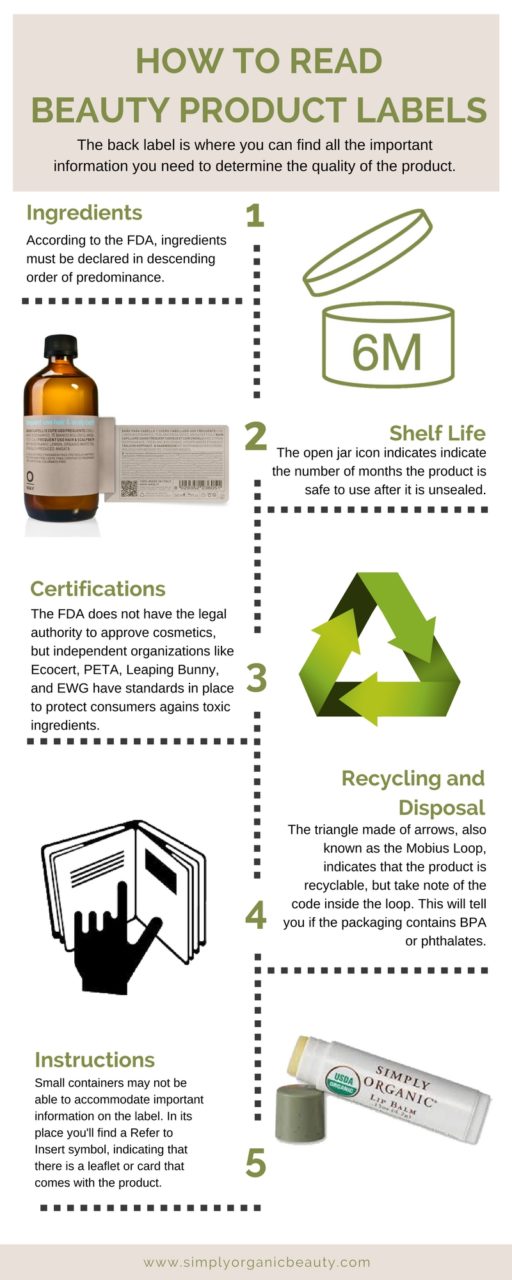
Ingredients are listed in descending order by quantity. This means the first item is present in the highest amount, and the last item is present in the smallest. For example, in a shampoo, you’ll often see water (aqua) first. That’s because water is the main ingredient in most cosmetics.
However, there’s a catch: after about 1% concentration, ingredients can be listed in any order. So, anything after the first few items is usually in very small amounts.
Inci Names
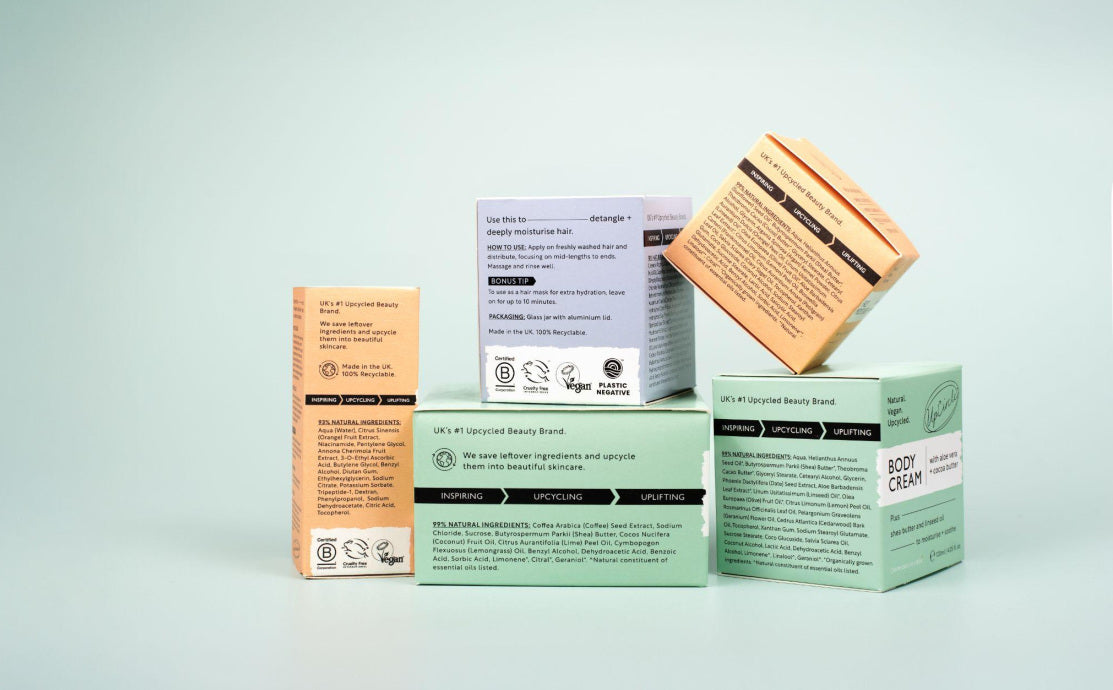
Most ingredient lists use the International Nomenclature of Cosmetic Ingredients (INCI). These are standardized names, often in Latin or scientific format. For example, Butyrospermum Parkii is shea butter, and Tocopherol is vitamin E. This system helps you compare products across countries but can be confusing at first.
Active Vs. Inactive Ingredients
Active ingredients have a specific effect—like treating acne or protecting against sunburn. These are usually highlighted on the front of the package or in a special section. Inactive ingredients form the base, help with texture, or preserve the product.
Example Of A Typical Ingredient List
Let’s look at a basic moisturizer ingredient list:
- Water (Aqua)
- Glycerin
- Caprylic/Capric Triglyceride
- Cetearyl Alcohol
- Dimethicone
- Phenoxyethanol
- Fragrance (Parfum)
The top three ingredients (water, glycerin, caprylic/capric triglyceride) make up most of the formula. Fragrance and phenoxyethanol are in smaller amounts.
Common Marketing Tricks
Some brands highlight popular ingredients on the label, even if they are present in tiny amounts. For example, a shampoo might claim to contain argan oil, but if argan oil is listed near the end, its effect is limited. Don’t be fooled by front-label promises—always check where those ingredients appear.
Key Ingredients In Hair And Skin Products
Many ingredients are used in both hair and skin products. Here are some of the most common, what they do, and what to watch for.
Cleansers And Surfactants
These remove dirt and oil. The most common are:
- Sodium Laureth Sulfate (SLES) and Sodium Lauryl Sulfate (SLS): Common in shampoos and face washes. They create foam but can be harsh, especially for sensitive skin.
- Cocamidopropyl Betaine: A gentler alternative, often used in “mild” or “sensitive” formulas.
Moisturizers And Humectants
These help the skin and hair hold water.
- Glycerin: Attracts moisture to the skin and hair. Safe for most people.
- Hyaluronic Acid: Holds up to 1,000 times its weight in water, making it a popular hydrator.
- Propylene Glycol: Similar to glycerin, but can irritate some people with allergies.
Emollients
These make skin and hair feel smooth.
- Shea Butter (Butyrospermum Parkii): Rich and nourishing, common in creams.
- Cetearyl Alcohol: A “fatty” alcohol (not drying), used for texture and softness.
- Dimethicone: A silicone that smooths hair and skin but can build up with heavy use.
Preservatives
Prevent bacteria and mold in the product.
- Phenoxyethanol: Widely used, generally safe, but can cause irritation for some.
- Parabens (Methylparaben, Propylparaben, etc. ): Very effective, but some people avoid them due to safety debates.
- Potassium Sorbate: Milder, used in “natural” products.
Fragrances
Listed as Fragrance (Parfum). These can trigger allergies or irritation, especially for sensitive users. “Fragrance-free” products are better if you have sensitive skin.
Active Ingredients
- Salicylic Acid: Used for acne and exfoliation.
- Niacinamide: Helps with redness and brightening.
- Retinol (Vitamin A derivative): Used for anti-aging, but can irritate sensitive skin.
- Sunscreens (Zinc Oxide, Titanium Dioxide): Protect against UV rays.
Natural Extracts And Oils
- Aloe Vera: Soothes and hydrates.
- Coconut Oil: Moisturizes, but can clog pores for some.
- Argan Oil: Nourishes hair, adds shine.
Thickeners And Stabilizers
- Carbomer: Thickens gels and creams.
- Xanthan Gum: Natural thickener, safe for most.
Silicones
- Cyclopentasiloxane, Dimethicone: Make hair silky, protect against heat, but can build up with overuse.
Alcohols
- Fatty alcohols (Cetearyl, Stearyl, Cetyl Alcohol): Moisturizing, not drying.
- Simple alcohols (Alcohol Denat, Ethanol, Isopropyl Alcohol): Drying, can irritate, especially for dry skin or hair.
Common Allergens
- Methylisothiazolinone: Preservative, strong allergen.
- Formaldehyde-releasers (DMDM Hydantoin, Imidazolidinyl Urea): Used in some shampoos, can irritate sensitive users.
How Ingredients Are Regulated
Each country has rules for cosmetic ingredients. In the United States, the FDA does not require approval before products go on sale but bans certain dangerous chemicals. In the European Union, regulations are stricter—over 1,300 substances are banned in cosmetics, compared to about 30 in the US. Always check which standards your country follows, especially if you buy products online from other regions.
Decoding Hair Product Labels
Hair products have their own unique ingredients and label tricks. Here’s how to read them for your specific needs.
Sulfates And Cleansing
People with dry or curly hair often avoid sulfates because they strip oils. If you want a gentler shampoo, look for alternatives like cocamidopropyl betaine or products labeled “sulfate-free.”
Silicones For Shine
Silicones make hair look shiny and feel smooth. But they can build up, making hair feel heavy or greasy over time. Some people prefer “silicone-free” products for this reason. If you use lots of styling products, a clarifying shampoo (with stronger cleansers) helps remove buildup.
Proteins
Some shampoos and conditioners add proteins like hydrolyzed keratin or wheat protein. These strengthen hair and reduce breakage. If your hair feels limp or weak, look for these near the top of the ingredient list.
Oils And Butters
Coconut oil, argan oil, shea butter: These add moisture and shine. If they appear high on the list, they’re present in meaningful amounts. If they’re near the end, the effect may be minimal.
Common Label Claims
- “Color-safe”: Usually means no harsh sulfates.
- “Moisturizing” or “Hydrating”: Look for oils, butters, and humectants high on the list.
- “Volumizing”: Often lighter formulas with fewer heavy oils or silicones.
Comparing Two Shampoos
Here’s a side-by-side look at two shampoos—one “clarifying” and one “moisturizing”:
| Ingredient | Clarifying Shampoo | Moisturizing Shampoo |
|---|---|---|
| Main Cleanser | Sodium Lauryl Sulfate | Cocamidopropyl Betaine |
| Moisturizer | None | Glycerin |
| Silicone | None | Dimethicone |
| Fragrance | Yes | Yes |
| Preservative | Methylisothiazolinone | Phenoxyethanol |
The clarifying shampoo uses a stronger cleanser and no added moisturizers or silicones. The moisturizing shampoo uses gentler cleansers and hydrating ingredients.
Decoding Skin Product Labels
Skin products can be even more complex, especially with the rise of “actives” like vitamin C, retinol, and acids.
Hydrators And Moisturizers
Look for glycerin, hyaluronic acid, panthenol, or squalane high on the list for true hydration. If these are low on the list, the product may not be as moisturizing as claimed.
Actives And Their Placement
If a product says “with 10% niacinamide,” check where niacinamide appears. For “active” products, the ingredient should be near the top. If it’s at the bottom, the percentage is likely low.
Acids
Ingredients like lactic acid, glycolic acid, and salicylic acid are used for exfoliation. If a product claims to be exfoliating but these acids are near the end, it may not be strong enough.
Fragrance And Irritants
Sensitive skin types should avoid fragrance, essential oils, and alcohol denat. Even products labeled “unscented” can contain masking fragrances, so always check the list.
Sunscreen Ingredients
For sunscreen, check for zinc oxide, titanium dioxide (physical) or avobenzone, octinoxate, oxybenzone (chemical). The FDA requires “active ingredients” to be listed separately.
Comparing Two Moisturizers
Let’s compare a “basic” moisturizer and an “anti-aging” moisturizer:
| Ingredient | Basic Moisturizer | Anti-Aging Moisturizer |
|---|---|---|
| Main Base | Water, Glycerin | Water, Glycerin |
| Emollient | Cetearyl Alcohol | Shea Butter |
| Active | None | Retinol |
| Antioxidant | None | Vitamin E (Tocopherol) |
| Fragrance | Yes | No |
| Preservative | Phenoxyethanol | Potassium Sorbate |
The anti-aging formula includes actives and antioxidants, but lacks fragrance—better for sensitive skin.
Credit: upcirclebeauty.com
Common Label Claims Explained
Many products use bold claims to attract buyers. Here’s what some common terms really mean:
“dermatologist Tested”
This only means a dermatologist was involved in testing. It doesn’t guarantee safety or effectiveness. There are no strict standards for this claim.
“hypoallergenic”
The product is less likely to cause allergies—but there’s no legal definition. Even “hypoallergenic” products can cause reactions.
“non-comedogenic”
Means the product is less likely to clog pores. However, this is not regulated, and what’s non-comedogenic for one person may not be for another.
“fragrance-free” Vs. “unscented”
- Fragrance-free: No fragrance added.
- Unscented: May contain masking fragrance to hide the smell of other ingredients.
“natural” And “organic”
There’s no universal standard for “natural” in cosmetics. “Organic” means ingredients are grown without synthetic pesticides, but rules vary by country.
“cruelty-free” And “vegan”
“Cruelty-free” means the product or ingredients weren’t tested on animals. “Vegan” means no animal-derived ingredients are used. Some products are both, but not always.
“paraben-free”, “sulfate-free”, “silicone-free”
These claims are often used for marketing. If you are sensitive to these ingredients, it’s useful—but remember, not all products with these ingredients are harmful. Focus on what your skin or hair needs.
Myths And Misunderstandings
Many people believe common myths about ingredients. Let’s set the record straight.
Myth 1: “if You Can’t Pronounce It, Don’t Use It”
Many safe, natural ingredients have complicated names (like tocopherol for vitamin E). Instead of avoiding long names, learn what they mean.
Myth 2: “natural Is Always Better”
Some natural ingredients (like essential oils) can irritate skin, while some synthetic ones are safer and more stable.
Myth 3: “ingredients At The End Don’t Matter”
Some powerful actives work at very low concentrations (like retinol or preservatives). Their placement doesn’t always mean they’re unimportant.
Myth 4: “more Ingredients = Better Product”
Simple formulas are often best, especially for sensitive skin. Too many ingredients increase the risk of irritation.
Decoding Ingredient Lists: Step-by-step
Here’s how to make sense of any label, even if you’re new to this.
- Look at the first five ingredients. These make up most of the product.
- Spot key actives. Are they high or low on the list? High means more effective.
- Check for irritants. Fragrance, alcohol denat, strong preservatives—avoid these if you’re sensitive.
- Ignore marketing claims. Focus on the list, not the front of the package.
- Check for allergens. If you have known allergies, search for those ingredients.
- Compare similar products. See which uses more of the ingredients you want.
Example: Comparing Two Face Washes
Face Wash A:
- Water, Sodium Laureth Sulfate, Cocamidopropyl Betaine, Glycerin, Fragrance, Phenoxyethanol
Face Wash B:
- Water, Cocamidopropyl Betaine, Glycerin, Aloe Vera, Panthenol, Phenoxyethanol, Fragrance
Face Wash B uses gentler cleansers and adds soothing ingredients, making it better for sensitive skin.
Ingredient Safety: What The Research Says
Many people worry about ingredient safety. Here are some facts, based on studies and expert opinions.
Parabens
Widely used as preservatives. Some studies linked them to hormone disruption, but most experts say they are safe at the levels used in cosmetics. If you’re concerned, avoid them, but know the risk is considered low.
Sulfates
Effective cleansers, but can be drying. Not dangerous for most people, but those with eczema or very dry hair/skin may want to avoid.
Silicones
Non-toxic and safe for most, but can build up on hair. Clarifying shampoos remove buildup.
Formaldehyde-releasers
Preservatives that slowly release formaldehyde. Some people react to these. The EU restricts their use more than the US.
Fragrance
Main cause of contact dermatitis in cosmetics. If you have sensitive skin, look for fragrance-free products.
Nanoparticles In Sunscreens
Used in mineral sunscreens for a smoother look. Studies show they do not penetrate healthy skin, so are considered safe for topical use.
For more on ingredient safety, see the FDA guidelines.
Credit: www.simplyorganicbeauty.com
Greenwashing: How Brands Mislead
“Greenwashing” is when brands use eco-friendly terms to appear safer or more natural than they are. Watch out for:
- Vague claims: “Pure”, “clean”, “natural”—these have no legal meaning.
- Leaf or plant images: Used on packaging to imply natural content, even if most ingredients are synthetic.
- Highlighting one “good” ingredient: Even if it’s present in a tiny amount.
- Omitting “bad” ingredients: “Paraben-free” products may use other, less-tested preservatives.
If you care about sustainability, look for third-party certifications like Ecocert, USDA Organic, or Leaping Bunny.
Allergies And Sensitivities
If you have allergies, ingredient lists are essential. Here’s how to protect yourself:
- Patch test new products: Apply a small amount to your inner arm and wait 24 hours.
- Know common allergens: Fragrance, methylisothiazolinone, preservatives, certain plant extracts.
- Use simple formulas: Fewer ingredients mean fewer chances for a reaction.
- Avoid “fragrance-free” products with masking agents: Check for ingredients like “masking fragrance.”
Ingredient List Examples: Decoding In Practice
Let’s break down three popular products—one hair, one skin, and one multi-use.
Example 1: Drugstore Shampoo
Ingredients: Water, Sodium Laureth Sulfate, Cocamidopropyl Betaine, Glycerin, Fragrance, Polyquaternium-10, Citric Acid, Methylisothiazolinone
- Top three: Water and two cleansers—this is a foaming shampoo.
- Glycerin: Adds moisture.
- Fragrance: Potential irritant.
- Methylisothiazolinone: Strong preservative, can cause allergies.
This shampoo is good for normal hair, but not ideal for dry or sensitive scalps.
Example 2: Hydrating Face Cream
Ingredients: Water, Glycerin, Squalane, Cetearyl Alcohol, Caprylic/Capric Triglyceride, Phenoxyethanol, Tocopherol, Fragrance
- Glycerin, squalane, cetearyl alcohol: Moisturizers and emollients—good for dry skin.
- Tocopherol: Antioxidant (vitamin E).
- Fragrance: May irritate sensitive skin.
Great for dry skin, but those with sensitivities should check for fragrance.
Example 3: Multi-use Ointment
Ingredients: Petrolatum, Mineral Oil, Ceresin, Lanolin Alcohol, Panthenol, Glycerin, Bisabolol
- Petrolatum, mineral oil: Occlusive, prevents water loss.
- Panthenol, glycerin: Hydrate and soothe.
- Lanolin alcohol: Moisturizer, but some are allergic to lanolin.
Excellent for dry, cracked skin, but avoid if you have lanolin allergy.
Data Table: Common Ingredients And Their Functions
Here’s a quick reference for common ingredients:
| Ingredient | Function | Common Products |
|---|---|---|
| Glycerin | Humectant (draws moisture) | Skin creams, shampoos |
| Dimethicone | Silicone, smooths | Hair serums, lotions |
| Sodium Laureth Sulfate | Cleansing, foaming | Shampoos, body washes |
| Shea Butter | Emollient, softens | Lotions, conditioners |
| Phenoxyethanol | Preservative | All types |
| Salicylic Acid | Exfoliant, acne treatment | Face washes, toners |
| Niacinamide | Brightening, anti-inflammatory | Serums, creams |
| Fragrance | Scent | Most products |
Tips For Choosing Safer Products
- Read the whole ingredient list, not just the claims.
- Patch test if you’re unsure about sensitivities.
- Start with simple formulas if you have allergies or sensitive skin.
- Don’t fear all synthetic ingredients—some are safer than natural ones.
- Check expiration dates—especially for natural or preservative-free products.
- Store products correctly—heat and sunlight can break down ingredients.
Two Non-obvious Insights For Smarter Shopping
- Ingredient synergy matters: Sometimes, two ingredients work better together. For example, niacinamide and zinc can calm acne-prone skin more than either alone. It’s not just what’s in the list, but how ingredients interact.
- Preservatives are not always bad: Many people avoid preservatives, but without them, products can grow harmful bacteria and mold. Especially in water-based products, a good preservative is safer than “preservative-free” options unless you use them very quickly.
Credit: fullondon.com
Frequently Asked Questions
What Does “inci” Mean On Ingredient Lists?
INCI stands for International Nomenclature of Cosmetic Ingredients. It’s a system that uses standard names for all cosmetic ingredients. This helps people compare products across brands and countries, even if the common names differ.
Why Do Some Products List “fragrance” But Don’t Say What’s In It?
“Fragrance” or “parfum” can be a mix of many chemicals, both natural and synthetic. Brands don’t have to list every component because scents are considered trade secrets. If you have sensitive skin or allergies, look for products labeled “fragrance-free. ”
Are Natural Ingredients Always Safer Than Synthetic Ones?
No, not always. Some natural ingredients (like essential oils) can be strong allergens or irritants. Some synthetic ingredients are more stable and cause fewer reactions. Always patch test new products, no matter the source.
How Can I Tell If A Product Is Vegan Or Cruelty-free?
Check for clear labels or certifications. “Vegan” means no animal-derived ingredients; “cruelty-free” means not tested on animals. Look for trusted logos like the Leaping Bunny or Vegan Society. When in doubt, check the company’s website for details.
What Should I Do If I Have A Reaction To A Product?
Stop using the product right away. Wash the area with gentle water. If it’s severe or doesn’t improve, see a doctor. Save the ingredient list, as it will help you and your doctor identify what caused the reaction.
—
Understanding ingredient lists on hair and skin products is more than just decoding fancy names. It’s about taking control of what you put on your body. With these tips, you’ll be able to see past marketing claims, spot the ingredients that matter, and make choices that fit your needs.
Start small—check the top five ingredients, learn a few key terms, and patch test new products. Over time, you’ll find shopping for beauty products gets easier—and your skin and hair will thank you for it.