

When you notice your skin is breaking out, your scalp is itchy, or your hair is falling more than usual, you want expert help. But where do you start? Should you book an appointment with a dermatologist, a trichologist, or an esthetician? Many people are unsure who does what, and seeing the wrong expert can waste time and money. This guide will help you understand the differences, so you get the best care for your skin, scalp, and hair.
What Is A Dermatologist?
A dermatologist is a medical doctor who specializes in the skin, hair, nails, and related diseases. They go through medical school, a residency program, and often more years of training to become board-certified. Dermatologists can diagnose and treat a wide range of conditions, from acne to skin cancer.
Dermatologists have the legal authority to prescribe medication, perform surgery, and use advanced treatments such as laser therapy. They can also help with cosmetic procedures, but their main focus is on health and disease. If you have a serious or persistent problem, a dermatologist is the most qualified professional to see.
Common Conditions Treated By Dermatologists
- Acne – Severe or cystic acne, especially when over-the-counter products fail.
- Eczema and Psoriasis – Chronic, itchy, or scaly rashes that need medical management.
- Skin Cancer – Suspicious moles, growths, or lesions that might be cancerous.
- Alopecia – Sudden or patchy hair loss, especially if it’s fast or unexplained.
- Skin Infections – Fungal, bacterial, or viral infections that don’t improve.
- Moles and Cysts – Removal or biopsy if there are changes in appearance.
- Rosacea – Redness, swelling, or visible blood vessels on the face.
- Warts and Skin Tags – Removal using medical techniques.
- Autoimmune Skin Disorders – Lupus, lichen planus, and others.
- Nail Disorders – Fungal infections, dark streaks, or changes in the nail’s shape.
Qualifications And Training
Dermatologists must complete:
- Medical school (4-6 years depending on country)
- Dermatology residency (usually 3-4 years)
- Board certification (passing national exams)
They are the only skin and hair experts who can diagnose complicated or dangerous medical conditions, and their advice is backed by scientific research.
When To See A Dermatologist
See a dermatologist if you notice:
- Sudden or severe symptoms
- Signs of infection (pus, swelling, pain)
- Changing or bleeding moles
- Hair loss with redness or scarring
- Skin conditions that don’t improve with basic care
What Is A Trichologist?
A trichologist is a specialist who focuses on the health of the scalp and hair. The word comes from “tricho,” which means hair. Trichologists are not medical doctors, but they have deep training in hair and scalp science. They often work in clinics or salons and help with non-medical hair loss, scalp conditions, and hair texture problems.
Trichologists use observation, questions, and non-invasive tests to figure out what’s wrong. They cannot prescribe medicine or perform surgery, but they can recommend lifestyle changes, topical products, and gentle treatments.
Common Issues Handled By Trichologists
- Hair Thinning – Gradual loss of hair density over time.
- Dandruff and Flaky Scalp – Persistent itching, scales, or flakes.
- Seborrheic Dermatitis – Oily, red patches on the scalp.
- Dry or Oily Scalp – Imbalances that affect hair health.
- Breakage and Weak Hair – Hair that snaps or splits easily.
- Scalp Buildup – Product residue or dead skin accumulation.
- Mild Alopecia – Non-scarring hair loss that is not sudden or severe.
- Traction Alopecia – Hair loss from tight hairstyles or pulling.
- Hair Texture Changes – Sudden frizz, dryness, or lack of shine.
- Support for Hair Transplant Recovery – Gentle scalp care after surgery.
Qualifications And Training
Trichologists usually study:
- Hair and scalp biology
- Nutrition and lifestyle’s effect on hair
- Cosmetic product science
Courses and certification depend on the country. Reputable trichologists have diplomas from organizations like the International Association of Trichologists or The Institute of Trichologists.
When To See A Trichologist
See a trichologist if:
- You have mild to moderate hair thinning with no redness or pain
- Your scalp is itchy, flaky, or oily, but not severely inflamed
- Your hair breaks easily, or won’t grow past a certain length
- You want advice on hair products, scalp care, or hair health
What Is An Esthetician?
An esthetician (also called a skin therapist) is a licensed professional trained to improve the appearance and comfort of the skin. Estheticians do not diagnose or treat medical conditions. Instead, they focus on cleansing, exfoliation, massage, and non-medical skin treatments.
Estheticians often work in spas, salons, or skincare clinics. They use gentle techniques to help with acne, dryness, dullness, and aging. Many people see estheticians for regular facials, extractions, and advice on skincare routines.
Services Provided By Estheticians
- Facials – Cleansing, exfoliation, and moisturization tailored to your skin type.
- Extractions – Safe removal of blackheads and whiteheads.
- Microdermabrasion – Light abrasion to improve texture and brightness.
- Chemical Peels – Mild acids to remove dead skin cells.
- Waxing and Hair Removal – Eyebrows, lips, face, and body.
- Body Treatments – Wraps, scrubs, and relaxation massages.
- Makeup Application – For events or everyday wear.
- Advice on Skincare Routines – Product recommendations and how-tos.
- Light Therapy – LED masks for acne or rejuvenation.
- Lash and Brow Services – Tinting, lifts, and shaping.
Qualifications And Training
Estheticians must complete:
- Approved training programs (usually 6 months to 1 year)
- Licensing exams (varies by country/state)
- Continuing education for new techniques and products
They are experts in the cosmetic and comfort side of skin, not the medical side.
When To See An Esthetician
See an esthetician if:
- You want to improve your skin’s look and feel
- You need extractions, facials, or waxing
- You need advice on a daily skincare routine
- Your skin is dull, tired, or needs a refresh
- You want gentle, non-medical help for mild acne or dryness
Key Differences At A Glance
Choosing between a dermatologist, trichologist, and esthetician can be confusing. Here’s a clear side-by-side comparison:
| Professional | Main Focus | Medical Training | Can Prescribe Medicine? | Typical Services |
|---|---|---|---|---|
| Dermatologist | Skin, hair, nails diseases | Medical doctor (MD) | Yes | Diagnosis, medication, surgery, medical therapies |
| Trichologist | Scalp and hair health | Specialist, not doctor | No | Non-medical scalp/hair treatments, advice |
| Esthetician | Skin appearance & comfort | Licensed professional | No | Facials, waxing, gentle skin care |
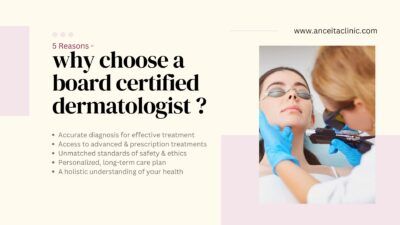
Credit: anceitaclinic.com
When Should You See Each Professional?
Knowing the right expert saves time, money, and stress. Here are some real-life scenarios:
When To Choose A Dermatologist
- You find a new mole that changes color, shape, or bleeds.
- Your acne is leaving scars or is not improving with basic products.
- You have a rash that spreads quickly or causes pain.
- You develop hair loss with red patches or swelling.
- Your skin has unusual lumps, bumps, or wounds that don’t heal.
Dermatologists are your go-to when there’s any risk of serious or long-term damage. They can perform biopsies, prescribe strong medications, and check for diseases that affect your whole body.
When To Choose A Trichologist
- You notice hair thinning, but your scalp looks healthy and feels normal.
- Your hair breaks easily or doesn’t grow as expected.
- You have mild dandruff, but no open wounds or severe redness.
- You want a personalized hair routine based on your hair type and lifestyle.
- You are recovering from hair transplant surgery and want gentle care.
Trichologists fill the gap between beauty and medicine, focusing on prevention and gentle correction. If your issue is not severe, a trichologist can help you avoid unnecessary medication and suggest practical steps.
When To Choose An Esthetician
- You want a deep cleanse, facial, or extractions in a relaxing environment.
- You need help choosing skincare products for your daily routine.
- You have mild, surface-level skin concerns (dullness, dryness, mild congestion).
- You want waxing, lash, or brow services.
- You need gentle help with blackheads, but not inflamed acne.
Estheticians are ideal for regular upkeep and when you want to look and feel your best. They can spot early signs of problems and refer you to a doctor or dermatologist if needed.
What Each Professional Cannot Do
Understanding the limits of each professional protects your health.
- Dermatologists: Can do almost everything related to skin, hair, and nails, but may not offer spa-like beauty treatments or hair styling.
- Trichologists: Cannot diagnose or treat medical diseases. They do not prescribe drugs, perform surgery, or handle dangerous infections.
- Estheticians: Cannot diagnose or treat medical skin conditions. They do not use prescription medications or perform invasive procedures.
If a situation is outside their expertise, ethical professionals will refer you to the right person.
Real-world Examples
To make it clearer, here are some common problems and the right expert to see:
- Painful, inflamed acne: Dermatologist. Medical treatment is needed.
- Mild flakes on scalp: Trichologist. Non-medical solutions first.
- Unexplained hair loss with visible bald patches: Dermatologist. Could be autoimmune or infection.
- Wanting a glowing skin before a wedding: Esthetician. Facials and gentle peels.
- Itchy rash after trying new shampoo: Dermatologist, if severe. Trichologist, if mild.
- Dull, rough skin: Esthetician for exfoliation and product advice.
- Wart or mole removal: Dermatologist only.
- Hair breakage from chemical treatments: Trichologist for recovery tips.
Treatment Techniques: How They Differ
Let’s look at the types of treatments you might expect from each expert.
Dermatologist Treatments
- Prescription creams and pills for acne, eczema, or infections.
- Minor surgeries to remove moles, cysts, or skin cancer.
- Cryotherapy (freezing off warts or lesions).
- Laser therapy for scars, pigmentation, or hair removal.
- Biopsies to check for cancer or other diseases.
Trichologist Treatments
- Scalp analysis using magnification or trichoscopy.
- Topical treatments (non-prescription serums, shampoos).
- Lifestyle and nutrition advice for hair health.
- Low-level laser therapy (gentle light to stimulate hair).
- Support for hair transplant aftercare.
Esthetician Treatments
- Cleansing facials for different skin types.
- Manual extractions for blackheads and congestion.
- Exfoliation (scrubs, peels, microdermabrasion).
- Hydrating or calming masks.
- Waxing and tinting for hair removal or enhancement.
- Relaxation techniques (massage, aromatherapy).
Cost And Accessibility
The cost and waiting time can vary a lot:
| Professional | Average Cost Per Visit | Typical Waiting Time | Insurance Coverage |
|---|---|---|---|
| Dermatologist | $100 – $300 (higher for procedures) | 1-8 weeks (longer for specialists) | Often covered for medical issues |
| Trichologist | $60 – $200 | 1-3 weeks | Rarely covered by insurance |
| Esthetician | $50 – $150 (higher for advanced treatments) | Immediate to 2 weeks | Not covered by insurance |
Dermatologists are usually the most expensive and have the longest wait, but insurance may help if you have a medical condition. Trichologists and estheticians are more accessible and affordable for non-medical issues.
How To Choose The Right Professional
Not sure who to see? Here’s a step-by-step approach:
- Describe your symptoms as clearly as possible (pain, redness, sudden changes).
- Decide if your concern feels medical (pain, bleeding, rapid change) or cosmetic (appearance, comfort).
- Check their qualifications – don’t be afraid to ask about training and certifications.
- Read reviews and ask for recommendations from friends or family.
- Start with the least invasive option if you’re unsure (esthetician or trichologist). If there’s no improvement, move up to a dermatologist.
Insight: Many people waste time by trying cosmetic treatments for problems that are actually medical. If something looks or feels unusual, see a dermatologist first.

Credit: www.udemy.com
Overlapping Areas And Teamwork
Sometimes, more than one expert can help. For example:
- Trichologists and dermatologists may work together for complex hair loss.
- Estheticians and dermatologists often team up for acne-prone skin: The dermatologist provides medicine, and the esthetician helps with gentle facials.
- Estheticians and trichologists can both give advice on gentle, at-home hair and skin care.
A good professional will refer you to someone else if your problem is outside their field. Collaboration improves results and safety.
Safety And Risks
Seeing the wrong expert for your condition can delay treatment or even make things worse. For example:
- Estheticians are not allowed to treat severe acne, open wounds, or infections.
- Trichologists cannot treat scarring alopecia or sudden hair loss with pain.
- Dermatologists may not offer the pampering or relaxation you want from a spa treatment.
If in doubt, always choose safety over convenience. Remember, it’s okay to ask your provider if you’re seeing the right person.

Credit: www.reddit.com
Non-obvious Insights Most People Miss
- Not all hair loss is the same. Hair can fall out from stress, hormones, disease, or scalp problems. If you try random shampoos without a diagnosis, you might waste time and money. A trichologist can spot if you need a dermatologist.
- Cosmetic treatments can make medical issues worse. For example, harsh peels on undiagnosed rashes can lead to scarring. Always rule out medical causes first if your skin is irritated, painful, or bleeding.
How Technology Is Changing Each Field
- Dermatologists now use telemedicine for quick diagnosis of rashes and moles. High-res photos can help decide if an in-person visit is needed.
- Trichologists use digital scalp scanners to show you real-time images of your follicles and scalp health.
- Estheticians offer LED light masks and other modern devices to enhance facials and anti-aging treatments.
Technology is making it easier to get the right advice, but nothing replaces a face-to-face exam when symptoms are severe.
What About Online Consultations?
Many professionals now offer video or online consultations. This can save time for mild problems, product advice, or follow-ups. However, for serious skin or hair issues, an in-person visit is best. Never rely on online photos alone for diagnosing lumps, moles, or hair loss.
Preparing For Your Appointment
To get the most from your visit, bring:
- A list of all symptoms and how long they’ve lasted
- Photos of changes (moles, rashes, hair loss) if possible
- A list of products you use (shampoo, creams, makeup)
- Your medical history and any medications
This helps your expert make the best recommendations, especially if you’ve seen other professionals before.
Myths And Mistakes To Avoid
- Myth: “All hair loss is genetic.” False. Many cases are from stress, illness, or hair care mistakes.
- Myth: “Estheticians can cure acne.” False. They can help with mild cases, but not severe or cystic acne.
- Mistake: Waiting too long to see a dermatologist for changing moles or severe symptoms. Early treatment saves lives.
- Mistake: Using home remedies or harsh products on inflamed skin or scalp. This can cause scarring or worsen the problem.
How To Check Credentials
- Dermatologists should be board-certified and registered with a national medical board.
- Trichologists should have a diploma from a reputable institute and membership in professional organizations.
- Estheticians should be licensed by your state or country, with up-to-date certificates.
Always ask to see proof if you’re unsure.
Global Differences
Laws and qualifications for these professionals can vary worldwide. In some countries, trichologists may have medical training; in others, their role is more limited. Estheticians may be called beauticians or skin therapists. Always check local rules and ask about experience before booking.
The Bottom Line: Who To See For What
- See a dermatologist for any medical or serious skin, scalp, or hair issue.
- See a trichologist for mild to moderate hair or scalp issues that are not painful or rapidly worsening.
- See an esthetician for improving your skin’s appearance, facials, waxing, or advice on skincare routines.
If you’re ever in doubt, start with a dermatologist. They can diagnose, treat, and refer you to the right expert for ongoing care.
For more information about dermatology as a medical specialty, see Wikipedia: Dermatology.
Frequently Asked Questions
What Is The Main Difference Between A Dermatologist, Trichologist, And Esthetician?
A dermatologist is a medical doctor who treats skin, hair, and nail diseases. A trichologist is a non-medical expert focusing on scalp and hair health. An esthetician is a licensed professional who provides cosmetic skin treatments but does not treat medical conditions.
Can A Trichologist Prescribe Medication For Hair Loss?
No, trichologists cannot prescribe medication. Only dermatologists and other medical doctors can write prescriptions for hair loss treatments.
Is It Safe To See An Esthetician If I Have Severe Acne?
No, you should see a dermatologist for severe or cystic acne. Estheticians can help with mild acne, but not with inflamed or severe cases that may need medication.
How Do I Know If My Hair Loss Is Serious?
Hair loss is serious if it happens suddenly, comes with redness or pain, or if you see bald patches. In these cases, see a dermatologist right away. If it’s mild or gradual, a trichologist can help first.
Can These Professionals Work Together?
Yes, many dermatologists, trichologists, and estheticians work as a team. For example, a dermatologist may diagnose a condition, a trichologist can give ongoing hair care advice, and an esthetician can help with regular facials or gentle treatments.
Choosing the right expert makes a big difference in your results. Trust your instincts, ask questions, and remember: your health and confidence are worth it.