Hard water is a silent troublemaker for many households. While it’s most famous for leaving white spots on dishes and scaling in pipes, its hidden effects on hair can cause frustration and embarrassment. Many people notice their hair turning orange, brown, or yellow despite regular washing. This is not just a cosmetic issue—it’s a sign of iron staining from hard water. The problem is more common than most realize, especially in areas with well water or older municipal systems. Fortunately, there are proven ways to remove these stains and protect your hair from further damage.
Understanding how iron from hard water interacts with hair, why it stains, and what works for removal is key to keeping your hair healthy and looking its best. If you’ve struggled with dullness, discoloration, or stubborn residue, you’re not alone.
This guide will walk you through everything you need to know, from why these stains happen to advanced removal techniques and smart prevention strategies. With clear explanations and practical steps, you’ll gain confidence in tackling this problem—and enjoy cleaner, brighter hair again.
Why Hard Water Causes Iron Staining In Hair
Hard water contains a mix of minerals, mainly calcium, magnesium, and iron. When water flows through soil and rocks, it picks up these elements. If your shower uses hard water, these minerals can build up on hair, leading to problems.
The Role Of Iron
Iron in water usually appears as ferrous (clear-water) iron or ferric (red-water) iron. When ferrous iron contacts air, it oxidizes and becomes ferric iron, which is reddish-brown. This process leaves visible stains not just on sinks and tubs, but also on hair strands. Iron particles cling to the outer cuticle of the hair, and repeated exposure causes color changes. Light-colored, porous, or chemically treated hair absorbs more iron, making stains worse.
Visible Signs Of Iron Staining
You might notice:
- Orange, red, yellow, or brown tints, especially in blonde or gray hair
- Dryness and brittleness
- A rough or coated feeling after washing
- Fading of artificial hair color
Why Regular Shampoo Fails
Most commercial shampoos are designed to clean oil and dirt, not minerals. Iron bonds tightly to the hair shaft and resists standard washing. Without the right approach, stains build up and become harder to remove over time.
How Iron And Hard Water Damage Hair
Iron staining isn’t just a cosmetic issue—it can weaken and damage hair over time.
Effects On Hair Structure
- Porosity increases: Iron deposits lift the hair’s cuticle, letting more minerals and pollutants in.
- Breakage risk: Build-up makes hair less flexible, leading to split ends and breakage.
- Color fading: Hair dye and highlights lose vibrancy faster when iron coats the shaft.
Scalp And Skin Impact
Iron isn’t limited to the hair. It can settle on the scalp, clogging follicles and irritating skin. This sometimes causes itchiness, flakiness, or even minor infections.
Data On Hard Water And Hair Health
Studies show that people living in hard water areas report higher rates of hair dullness, dryness, and color changes. According to the U.S. Geological Survey, about 85% of American homes have hard water, which means millions deal with mineral-related hair issues.
Identifying Iron Staining Vs. Other Hair Problems
Before treating, it’s important to confirm that hard water iron is the real cause.
Common Signs Of Iron Staining
- Rust-like stains on towels or bath fixtures
- Orange or brown streaks in hair, especially after swimming or showering
- Hair feels sticky or heavy even after washing
Other Causes To Rule Out
- Chlorine from pools (usually causes greenish tint)
- Hair dye gone wrong (unnatural or patchy color)
- Medication side effects
- Environmental pollution
Simple Test At Home
Fill a clear glass with your tap water and let it sit for a few hours. If you see reddish-brown sediment, iron is likely present. You can also buy a hard water test kit for more accurate results.
Iron Stain Removal Techniques: What Really Works
Getting rid of iron staining from hard water in hair isn’t always simple. It often requires a mix of methods. Below are the most effective techniques, explained with practical details.
1. Chelating Shampoos
Chelating shampoos are special formulas designed to remove minerals and metal ions. They contain ingredients that bind with iron and pull it away from the hair shaft.
How to use:
- Wet hair thoroughly.
- Apply chelating shampoo, massage well, and leave for 3-5 minutes.
- Rinse and repeat if stains are severe.
Popular options: Look for products containing EDTA or phytic acid.
Tip: Use chelating shampoos once a week to avoid over-drying.
2. Clarifying Shampoos
Clarifying shampoos are stronger than regular ones but less targeted than chelating types. They help remove build-up, including some minerals.
- Use once a week if you have mild stains.
- Follow with a deep conditioner.
Insight: These shampoos are less effective against heavy iron stains but help prevent build-up.
3. Vitamin C Treatments
Vitamin C (ascorbic acid) can naturally dissolve iron particles. This method is gentle, making it safe for most hair types.
How to use:
- Crush 10-15 vitamin C tablets or use 1 tablespoon powder.
- Mix with water to create a paste.
- Apply to damp hair, cover with a shower cap, and leave for 30-45 minutes.
- Rinse thoroughly, then shampoo and condition.
Non-obvious tip: Vitamin C treatments can lighten artificial hair dye, so test on a small section first.
4. Lemon Juice Rinses
Lemon juice is mildly acidic and can help loosen iron stains.
Steps:
- Mix the juice of 2-3 lemons with 1 cup of water.
- Pour over clean, damp hair.
- Let sit for 10-15 minutes.
- Rinse and condition.
Caution: Lemon juice can dry hair with frequent use. Always follow with a hydrating conditioner.
5. Professional Salon Treatments
Many salons offer specialized demineralization treatments using stronger chelators or professional acids.
- More effective for severe or stubborn stains
- Usually safe for color-treated hair
- Can be expensive but gives fast results
Example: Malibu C Hard Water Wellness treatments are popular and widely available.
6. Diy Baking Soda Paste
Baking soda is an easy-to-find household cleaner that can scrub away some iron stains.
How to use:
- Mix 2 tablespoons baking soda with enough water to form a paste.
- Apply to stained areas, massage gently for 2-3 minutes.
- Rinse, then shampoo and condition.
Warning: Baking soda is abrasive. Don’t use more than once per week.
7. Vinegar Rinses
White vinegar is acidic and can dissolve mineral build-up.
Steps:
- Mix 1 part vinegar with 2 parts water.
- Pour over hair after shampooing.
- Leave for 5-10 minutes, then rinse well.
Practical insight: Vinegar can strip hair dye, so use with caution on colored hair.
8. Commercial Hard Water Hair Rinses
Some companies make rinses designed to remove hard water minerals. These often include citric acid or other chelators.
- Follow product instructions for best results.
- Use as a weekly treatment.
9. Specialized Leave-in Sprays
Leave-in sprays with chelating agents create a barrier against minerals and can help remove minor build-up over time.
- Apply to damp hair after every wash.
- Helps prevent new stains and makes hair easier to comb.
10. Water Softeners And Shower Filters
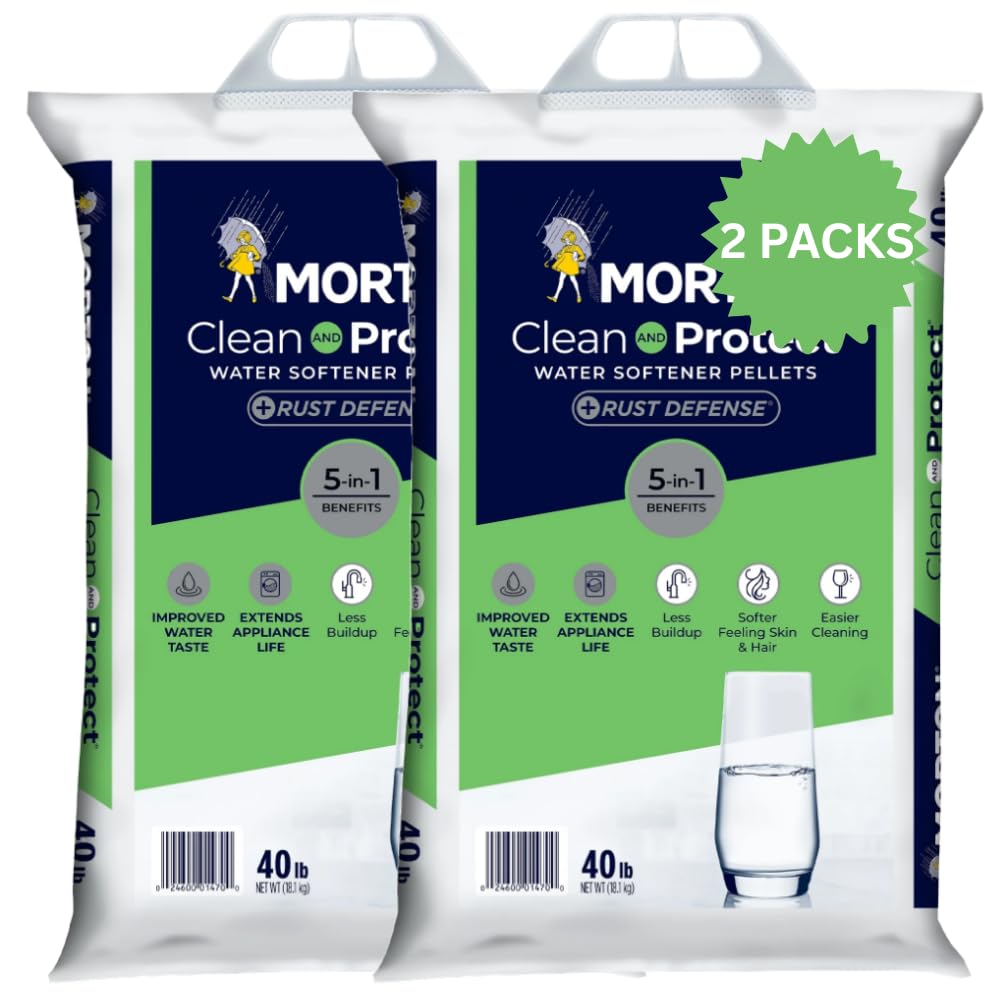
Prevention is the best cure. Using a water softener or installing a shower filter can dramatically reduce iron in your water.
Benefits:
- Stops new stains from forming
- Improves overall hair and skin health
Cost: Filters start at about $30; whole-house softeners are more expensive but effective.
Comparing Iron Stain Removal Methods
Here is a comparison of the most common iron removal methods for hair:
| Method | Effectiveness | Safety for Color-Treated Hair | Cost |
|---|---|---|---|
| Chelating Shampoo | High | Generally Safe | $$ |
| Clarifying Shampoo | Moderate | Safe | $ |
| Vitamin C Treatment | Good | Can Fade Dye | $ |
| Salon Demineralization | Very High | Safe | $$$ |
| Shower Filter | Prevention Only | Safe | $$ |
Step-by-step Guide: Removing Iron Stains From Hair At Home
For most people, removing iron stains at home is possible with patience and the right routine.
Step 1: Deep Clean With Chelating Shampoo
Start with a chelating shampoo to break up and lift as much iron as possible. Leave it in for several minutes, then rinse well.
Step 2: Apply A Vitamin C Mask
Mix crushed vitamin C tablets with water and coat hair. Let it sit for 30-45 minutes under a shower cap, then rinse.
Step 3: Clarifying Shampoo
Wash again with a clarifying shampoo to remove any loosened minerals.
Step 4: Condition Deeply
Mineral removal can dry hair. Use a rich, hydrating conditioner or a hair mask to restore softness.
Step 5: Repeat Weekly
Iron stains are stubborn. Repeat this process weekly until the color improves.
Step 6: Switch To Filtered Water
Install a shower filter to keep new stains from forming.
Example Routine
- Week 1: Chelating shampoo + Vitamin C mask
- Week 2: Clarifying shampoo + lemon rinse
- Week 3: Repeat chelating shampoo
- Week 4: Deep condition
Non-obvious tip: Always detangle hair gently after these treatments to avoid breakage.
Mistakes People Make When Removing Iron Stains
Even with the right products, common errors can make things worse.
Overusing Harsh Treatments
Too much chelating or clarifying can strip natural oils, leading to dryness and split ends.
Ignoring Scalp Care
Focusing only on hair length lets iron build up on the scalp, which can cause irritation and slow hair growth. Always massage treatments into the scalp gently.
Skipping Deep Conditioning
Removing iron opens the cuticle and can leave hair dry. Skipping conditioner makes hair brittle and hard to manage.
Not Addressing Water Source
If you only treat hair and ignore your water supply, stains keep coming back. A water softener or filter is essential for long-term results.
Prevention: Keeping Iron Stains Away
Prevention is easier than constant removal. Here’s how to protect your hair from hard water iron.
Install A Shower Filter
A shower filter traps iron and other minerals before they hit your hair. Most are easy to install and need changing every few months.
Use Bottled Or Distilled Water For Final Rinse
If you can’t install a filter, keep a jug of distilled water in the bathroom. Rinse your hair with this after washing to remove remaining minerals.
Apply Leave-in Barriers
Some products add a protective coating to hair, making it harder for iron to stick. Sprays with EDTA, phytic acid, or similar agents are best.
Wear A Swim Cap In Pools Or Lakes
Water in pools or natural bodies can contain iron and other minerals. A swim cap protects hair from exposure.
Regular Maintenance
Use a chelating or clarifying shampoo once a week, even if stains aren’t visible yet. This stops iron from building up.
Credit: www.amazon.com
How Iron Staining Differs By Hair Type
Not all hair reacts the same way to iron in hard water.
Blonde And Gray Hair
Light hair is more porous and stains easily. Even small amounts of iron cause visible color changes.
Chemically Treated Hair
Bleached, permed, or relaxed hair has a rougher cuticle, making it more likely to absorb minerals.
Curly Hair
Curly or textured hair often has raised cuticles and is more prone to mineral build-up.
Comparison Table: Hair Type And Iron Staining Risk
| Hair Type | Iron Stain Visibility | Recommended Approach |
|---|---|---|
| Blonde/Gray | High | Frequent chelation, gentle methods |
| Colored | Medium-High | Avoid strong acids, use color-safe chelators |
| Curly/Coarse | Medium | Moisturize after treatments |
| Virgin/Dark | Low-Moderate | Monthly clarifying, focus on prevention |
When To Seek Professional Help
Sometimes, home remedies aren’t enough. Consider a salon or trichologist if:
- Stains don’t improve after 1-2 months of home treatment
- Hair feels sticky, gummy, or breaks easily
- Scalp is red, sore, or peeling
Professionals can use stronger chelators or acids safely and give you a custom hair care plan.
How To Choose The Right Products
With so many options, it’s easy to get overwhelmed. Here’s how to make smart choices.
Read Ingredient Labels
Look for EDTA, phytic acid, citric acid, or ascorbic acid in shampoos and rinses. Avoid heavy silicones, which can trap minerals.
Buy Color-safe Formulas
If you color your hair, choose products labeled “color-safe” or “for color-treated hair. ”
Trusted Brands
Some brands, like Malibu C and Ion, are known for hard water solutions. Read reviews and ask your stylist for recommendations.
Patch Test First
Always try new treatments on a small area to check for reactions or unwanted color changes.
Long-term Hair Care For Hard Water Areas
Living with hard water means hair needs extra care. Here’s how to keep it healthy for the long haul.
Weekly Routine
- Use a chelating or clarifying shampoo weekly
- Deep condition after every treatment
- Rinse with filtered or distilled water
Monthly Routine
- Try a vitamin C or lemon treatment for extra brightening
- Trim ends to reduce split ends caused by dryness
Annual Maintenance
- Replace shower filters every 6-12 months
- Test your water regularly for mineral content
Pro tip: Keep a hair journal to track what works and when stains appear. This helps you adjust your routine before issues get severe.

Credit: www.carpro-us.com
How Hard Water Iron Affects Hair Color Treatments
Iron doesn’t just stain—it can ruin expensive salon work.
Fading And Color Shift
Iron reacts with hair dye, especially blonde and red shades, causing fading or unwanted tones. Sometimes hair turns greenish or brassy.
How To Protect Your Investment
- Use a chelating shampoo before coloring
- Rinse with bottled water after coloring
- Avoid home remedies right after a dye job—wait at least a week
Salon Protocols
Many stylists perform a demineralization treatment before applying color. Ask your salon about their process if you live in a hard water area.
Real-world Examples
Case 1: A woman with naturally blonde hair in rural Texas struggled with orange streaks. After switching to a chelating shampoo and installing a shower filter, the stains faded in 6 weeks.
Case 2: A swimmer noticed yellowing of her platinum highlights. Using vitamin C rinses after each swim and wearing a cap reduced the problem by half.
Case 3: A man with curly hair found that deep conditioning after clarifying kept his hair soft, even with hard water.
The Science Behind Chelators
Chelators are chemicals that grab metal ions (like iron) and wash them away.
How Chelators Work
When you apply a chelator, it forms a “claw” around the iron particle, breaking its bond with the hair. The iron is then rinsed out with water.
Common Chelators In Hair Products
- EDTA: Highly effective, found in many shampoos
- Phytic acid: Gentle, plant-based, safe for frequent use
- Citric acid: Mild, good for prevention
Comparing Home Vs. Professional Treatments
Here’s a look at the differences between home and salon solutions:
| Factor | Home Treatment | Professional Treatment |
|---|---|---|
| Cost | Low to Moderate | High |
| Effectiveness | Good for mild stains | Best for severe stains |
| Time Required | Multiple sessions | 1-2 sessions |
| Risk of Damage | Higher if overused | Low (when done by expert) |
:max_bytes(150000):strip_icc()/1500x1000-hard-water-stains-5f2b0365cfb443b38be40d15022c6889.jpg)
Credit: www.thespruce.com
Additional Tips For Managing Hard Water At Home
- Clean showerheads and faucets monthly to prevent mineral build-up.
- Wash towels and pillowcases often, as iron can transfer from fabric to hair.
- If you travel to a hard water area, bring a travel-size chelating shampoo.
Resources And Further Reading
If you want to learn more about hard water, iron, and hair health, the U.S. Geological Survey provides data and tips on water quality. For in-depth science, visit the U.S. Geological Survey Water Science School.
Frequently Asked Questions
What Is The Difference Between Chelating And Clarifying Shampoos?
Chelating shampoos are designed to remove metal ions like iron, copper, and calcium. They contain special agents that bind to these minerals and wash them away. Clarifying shampoos focus on removing product build-up and some minerals but are less effective against iron. If you live in a hard water area, use a chelating shampoo for best results.
How Often Should I Use Iron Removal Treatments On My Hair?
Use a chelating shampoo or vitamin C treatment no more than once per week. Overuse can dry out and weaken hair. Always follow with a deep conditioner. If you notice dryness or breakage, reduce frequency and add more moisturizing treatments.
Can Iron Stains Cause Permanent Hair Damage?
Iron stains themselves are usually reversible with the right treatment. However, long-term build-up can make hair dry, brittle, and prone to breakage. In severe cases, the hair’s structure may change, requiring professional help or even trimming damaged sections.
Will A Water Softener Remove All Iron From My Water?
A water softener can reduce some iron, but not always all of it. For high iron levels, you may need a special iron filter. Test your water to see what system is needed. A shower filter helps but may not fully remove heavy iron.
Are These Treatments Safe For Children’s Hair?
Most treatments, like vitamin C rinses and gentle chelating shampoos, are safe for children if used correctly. Avoid harsh acids or frequent clarifying on young children, as their hair is more delicate. Always patch test and consult a doctor or stylist if unsure.
Iron staining from hard water in hair can be frustrating, but it’s not a life sentence. With the right information and a practical approach, you can restore your hair’s natural shine and keep it healthy for years to come. If you stay consistent and proactive, beautiful, stain-free hair is well within reach.